Punta Blanca
Centro, Isla Mujeres
Restaurant in Isla Mujeres, Mexico
 Book with Pearl
The Read
Dress
Casual
Why go
Punta Blanca is worth considering for an easy Isla Blanca meal when flexibility matters more than a defined chef, cuisine, or cocktail-bar identity. It is a better fit for casual groups and island-day planning than for a high-stakes special occasion where menu format, drinks program, and pricing need to be clear in advance.
About Punta Blanca
Consider Punta Blanca if the plan is an Isla Mujeres stop with simple scheduling expectations. Punta Blanca is in Isla Mujeres, has a casual dress code, and is open daily from 10:30 AM to 10 PM. Treat it as a practical option to consider, not as a venue with a cuisine, chef, awards, bar program, menu format, or price point.
The main decision point is expectation-setting. The daily 10:30 AM to 10 PM schedule gives travelers a broad window to plan around, but it does not feature a specific service style or dining format. For broader planning, compare Punta Blanca with other Isla Mujeres dining options and confirm any meal-specific details directly.
A flexible island pick, not a drinks destination
The drinks angle here should be approached with caution: it does not feature a bar format, named cocktail list, or beverage-led credential. That does not make it a bad call. It simply means Punta Blanca should not be chosen on the assumption that it has a specific cocktail or drinks program.
For travelers building a fuller Isla Mujeres itinerary, use Punta Blanca as one option among other dining choices. If you want to compare it with other named venues, consider Aromes, Ayami, BO, Creperie, Gran Caribe, and Punta Blanca without assuming a specific cuisine, format, or price point unless you confirm those details directly.
Who should choose it
Choose Punta Blanca if a casual dress code and daily 10:30 AM to 10 PM hours fit your plans. Skip it if you need details on price, menu format, service style, chef, awards, allergy accommodations, takeout, delivery, or a defined beverage program before deciding. For anything beyond the basics, confirm current details directly with the venue.
Planning details
- Location
- Santa Fatima 3 Blvd. Costa Mujeres, 77400 Cancún, Q.R., Mexico
- Reservations
- Book on OpenTable
- Website
- puntablanca.mx
- Phone
- +529988952572
The take
The Take
The Vibe
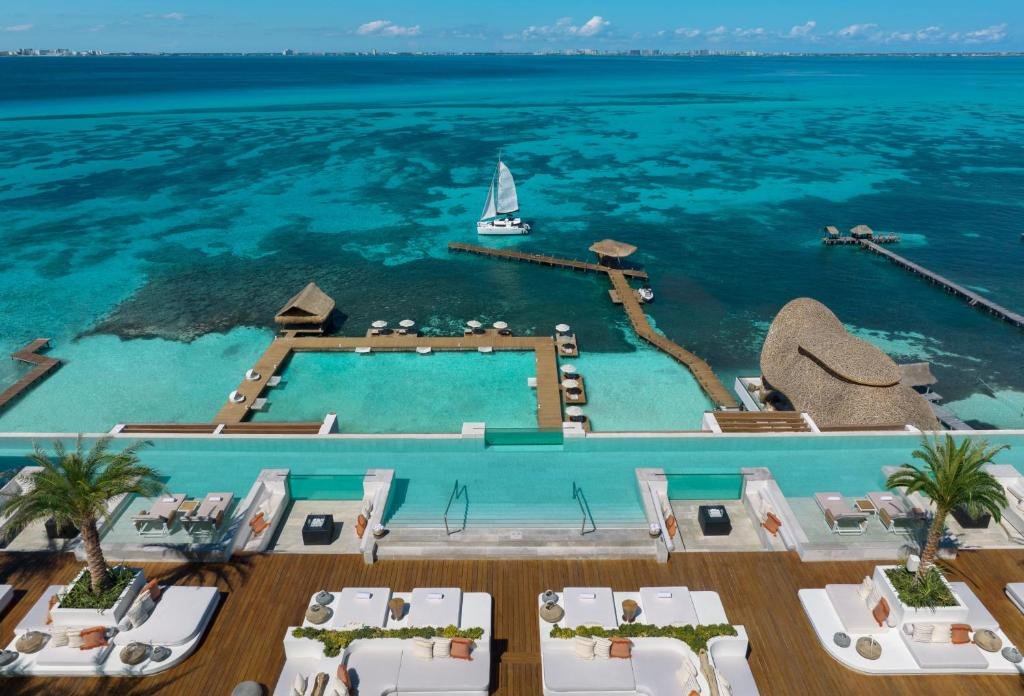
Punta Blanca leans on its coastal setting as the primary element of its personality. The restaurant sits on the northern tip of Isla Mujeres, where turquoise water and open Caribbean wind frame a dining experience that favors proximity to place over theatrical service. The writing emphasises local sourcing and regional culinary traditions — bitter citrus, achiote and habanero — so the mood feels rooted and unforced rather than glossy. Overall it reads as a quietly confident, relaxed spot where the sea and the island’s flavours do most of the talking.
Best For
This is a venue best for anyone who wants a meal that feels anchored to place — a relaxed daytime lunch or an unhurried dinner that foregrounds fresh seafood from the surrounding waters. Its quieter northern location makes it well suited to casual hangouts where the view and provenance matter, and the scenic setting also accommodates low-key celebrations that prioritize setting and ingredients over formality. Guests who care about where their fish comes from and want to enjoy the coast will find this a rewarding stop.
Ordering Tips
Focus on preparations that highlight local marine ingredients and regional condiments: ask about the day’s fresh fish and how it is being served, and look for dishes that use bitter Yucatán citrus, achiote or habanero as seasoning. Because sourcing is central to the restaurant’s identity, inquire about what is most recently landed or recommended by the server. If you like to calibrate spice, check how habanero is integrated — local producers often balance heat with citrus and texture — and let the kitchen suggest a straightforward preparation that showcases the fish.
Venue details
Ambiance
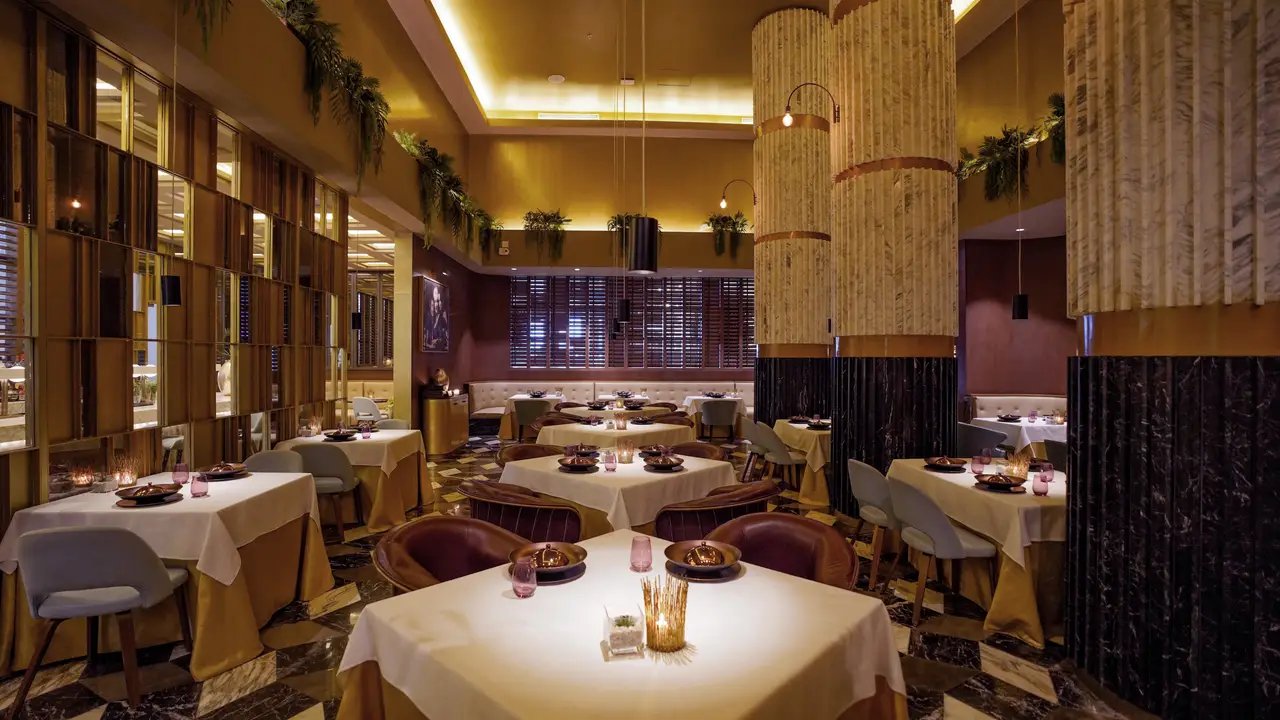
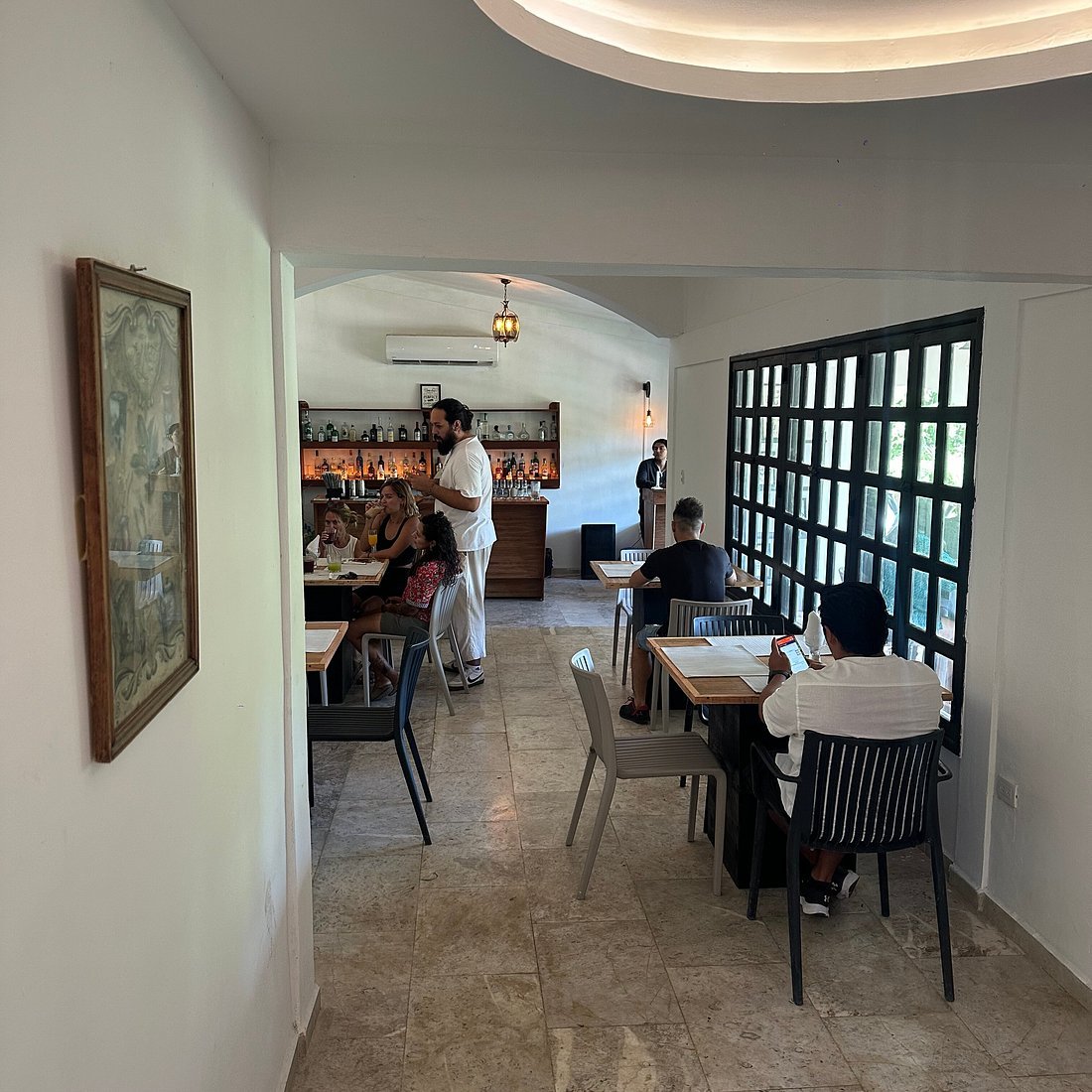
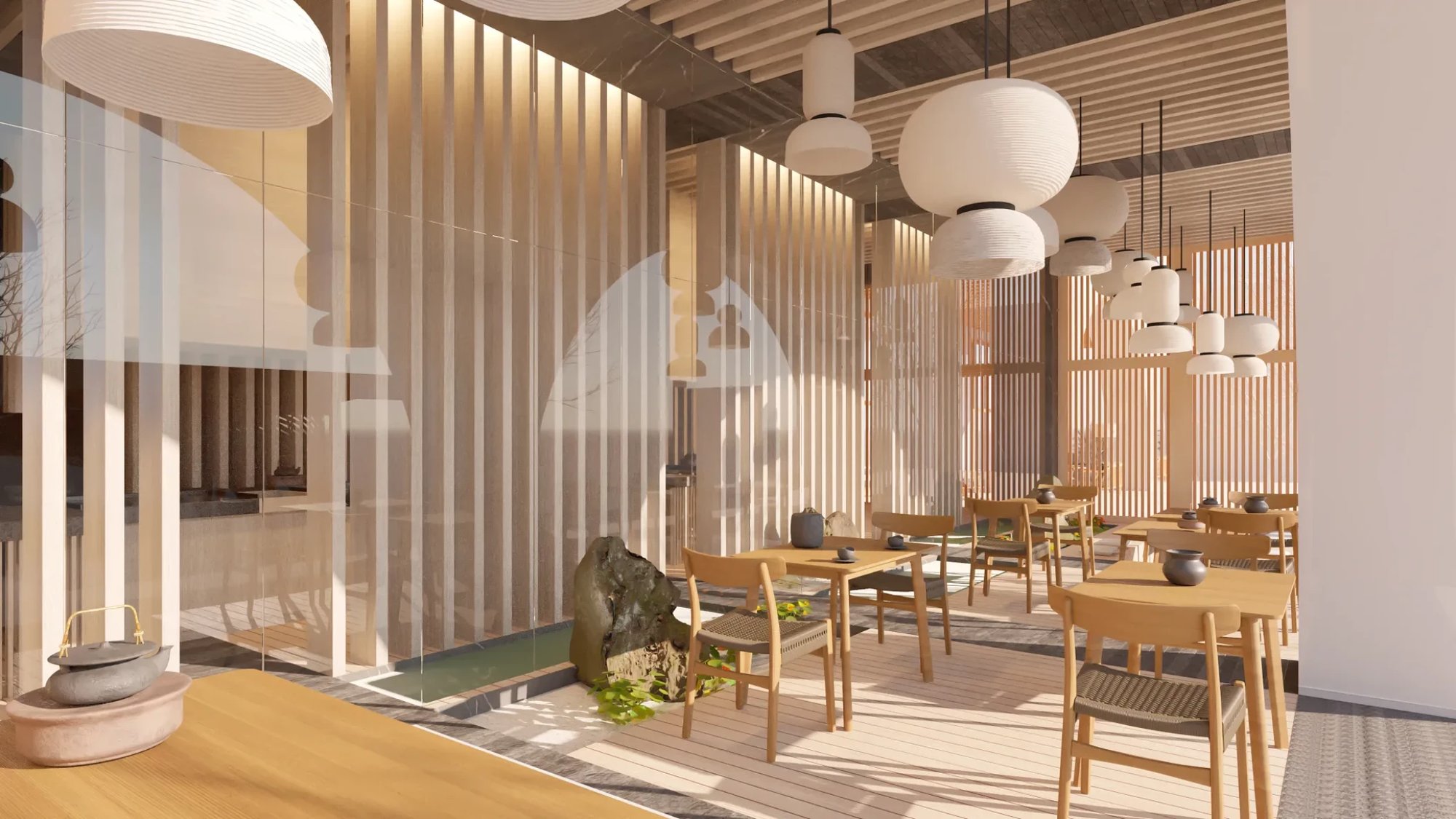
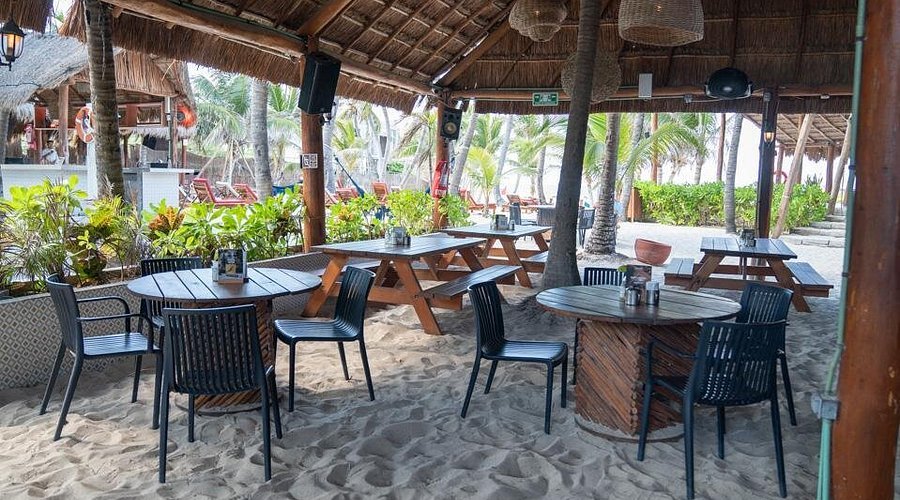
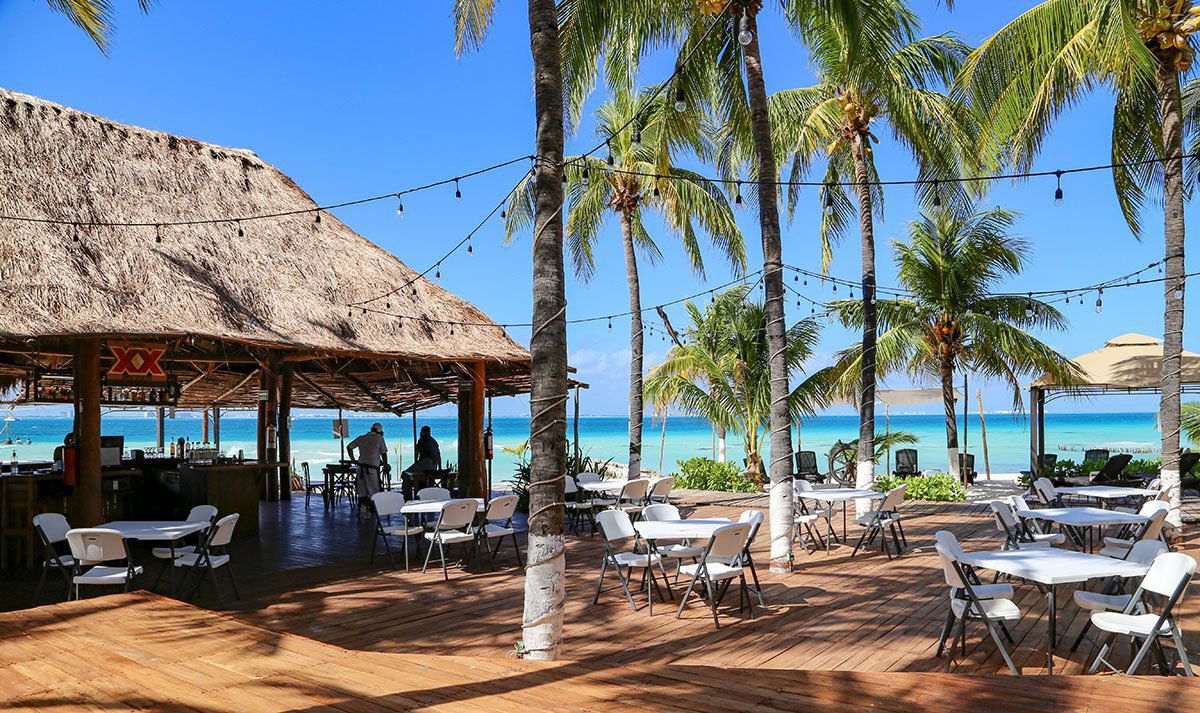
Relaxed beachfront atmosphere with sunbeds, cocktails, and breathtaking turquoise water views in the heart of Isla Mujeres.
Tags
Vibe
Best For
Experience
Sourcing
View
At the Table
- Dress Code
- Casual
- Noise Level
- Conversational
- Service Style
- Casual
- Meal Pacing
- Standard
- Capacity
- Medium
- Kitchen
- Traditional
- Menu Format
- A la carte, Buffet
- Wine Program
- Standard
- Outdoor Seating
- Yes
Know before you go
Know Before You Go
- Getting there
- Santa Fatima 3 Blvd. Costa Mujeres, 77400 Cancún, Q.R., Mexico
Planning details
Location
Santa Fatima 3 Blvd. Costa Mujeres, 77400 Cancún, Q.R., Mexico · Directions
Also consider
Where to Look If This Does Not Fit
Start with Aromes or Ayami if the group wants a more deliberate dinner plan. Also check BO, Creperie, and Gran Caribe when ambiance or cuisine fit matters more than booking ease.
Restaurant context
How It Compares
Against Aromes, Ayami, BO, Creperie, and Gran Caribe, Punta Blanca reads as the easier, lower-commitment choice. The booking difficulty is listed as easy, so it suits travelers who need a practical meal slot rather than a reservation that drives the whole day.
If value for money is the main filter, compare menus directly before choosing, because confirmed price tiers are not available here or across the listed peers. For a more occasion-led meal, Aromes, Ayami, BO, Creperie, and Gran Caribe are worth checking first if their current formats better match the group's preferred cuisine or room style.
For ambiance, Punta Blanca is the pick when the plan calls for a simple Isla Mujeres setting and broad timing flexibility. If the goal is a more defined dining identity, use the peer list as a cross-shop rather than treating this as the default.
Explore Isla Mujeres
Around this place
Discover more on Pearl
Unlock the full Punta Blanca guide in Pearl, including awards, comparisons, FAQs, planning details, and nearby places.
Compare Punta Blanca
| Venue | Location | Awards |
|---|---|---|
| Punta Blanca | Isla Mujeres | No published awards |
| Aromes | Cancún | No published awards |
| Ayami | Cancún | No published awards |
| BO | Cancún | No published awards |
| Creperie | Cancún | No published awards |
| Gran Caribe | Cancún | No published awards |
How Punta Blanca Isla Mujeres compares with similar nearby venues.
FAQ
Frequently Asked Questions
Can Punta Blanca accommodate groups?
It does not specify group capacity or seating arrangements. Punta Blanca is in Isla Mujeres, has a casual dress code, and is open daily from 10:30 AM to 10 PM. If group logistics matter, confirm directly before relying on it for a larger party.
Is Punta Blanca good for a special occasion?
Only if the occasion can work with limited details. Punta Blanca has a casual dress code and daily 10:30 AM to 10 PM hours, but there is no award, chef, price, menu format, or service-style information available that would make it an automatic special-occasion pick.
What should a first-timer know about Punta Blanca?
Go in expecting basic information rather than a tightly defined dining brief. Punta Blanca is in Isla Mujeres, has a casual dress code, and is open every day from 10:30 AM to 10 PM. If you need a specific meal style, confirm current details directly before visiting.
What are alternatives to compare with Punta Blanca?
Aromes, Ayami, BO, Creperie, and Gran Caribe are useful names to compare with Punta Blanca when planning. It does not specify specific cuisines, prices, locations, or formats for those venues, so treat them as comparison points and confirm the details that matter to your meal.
Can I eat at the bar at Punta Blanca?
It does not feature a bar format or bar-seating detail, so do not count on bar dining as the plan. The safest move is to treat Punta Blanca as a casual Isla Mujeres venue with daily 10:30 AM to 10 PM hours and confirm seating directly if that matters.