Indian Master Food Halal Restaurant
Bai Chay, Hao Long
Restaurant in Hao Long, Vietnam
 Book with Pearl
The Read
Price
$10–20per person
Dress
Casual
Why go
A practical halal Indian option in Bãi Cháy for travelers who want familiar flavors between Ha Long Bay plans. Book it for dietary fit and flexible timing rather than awards, chef-driven cooking, or a destination dining experience.
About Indian Master Food Halal Restaurant
Indian Master Food Halal Restaurant in Hao Long is a practical option: it is open daily from 9 AM to 11 PM and has a casual dress code. That broad operating window can be useful when an itinerary leaves meals at uneven times. Beyond those basics, details are limited, so the safest way to approach it is as a flexible, casual option rather than a heavily researched destination meal.
Book it for convenience, not a tasting-menu night
The case for choosing Indian Master Food Halal Restaurant is direct: it is open daily from 9 AM to 11 PM, and the dress code is casual.
For a first visit, keep expectations practical: use it when the timing works and the group wants a casual meal in Hao Long. It is best judged as a convenient pause in the schedule, not as the centerpiece of an evening built around menu claims. For a repeat visit, rely on your own first meal to decide whether it fits the group's preferences.
Where it fits in a Hao Long eating plan
If the goal is to compare different dining options, Bien 14 Seafood Buffet Restaurant is one point of reference. If the group wants another casual option to consider, BRUNCH may also be worth checking. Indian Master Food Halal Restaurant sits in that broader planning context as a casual Hao Long restaurant with daily 9 AM to 11 PM hours.
Use Our full Hao Long restaurants guide to build the rest of the day, then compare Indian Master Food Halal Restaurant with other named options such as Corallo Restaurant, Fern, and Kaze Japanese Restaurant.
Quick reference: Casual restaurant in Hao Long with daily hours from 9 AM to 11 PM; strongest as a flexible scheduling option when the day calls for a direct meal rather than a highly detailed reservation plan.
Planning details
- Location
- 80 Hạ Long, Bãi Cháy, Hạ Long, Quảng Ninh, Vietnam
- Website
- indianmasterfoodhalalrestaurant.com
- Phone
- +84389484110
The take
The Take
The Vibe
Indian Master Food Halal Restaurant presents itself as a practical, neighbourhood-focused Indian kitchen in Bãi Cháy rather than a high-design destination. It is notable for operating a fully halal kitchen in a city whose culinary identity leans heavily on seafood; that commitment makes the restaurant an important option for visitors and residents who require halal certification. The tone conveyed by the description is matter-of-fact and purposeful: this is a working eatery filling a specific gap in Hạ Long’s dining landscape, offering familiar Indian staples to an international clientele rather than pursuing elaborate culinary theater.
Best For
This restaurant is best for families, casual meet-ups, and groups of travellers seeking reliable halal Indian food in Hạ Long. Its location in the Bãi Cháy district and the emphasis on halal certification make it a sensible choice for international visitors and tour groups who need straightforward, dependable options. The menu’s approachable, familiar items (samosas, biryani, rolls and paratha) work well for shared plates with family or groups, and the place also suits solo travellers who prioritize halal dining while exploring the city.
Ordering Tips
Focus on the venue’s signature items when you visit: the samosas for a snack or starter, and the biryani as a hearty main to share. Rolls and paratha offer quicker, casual options if you’re looking for something less formal. The restaurant relies on imported spices and dairy for authentic flavours; if you have a preference for heat level or want clarity about ingredients, ask staff about spice intensity and how dishes are prepared. Because the restaurant caters to international visitors and groups, consider ordering several sharable dishes so everyone can sample the menu.
Venue details
Ambiance
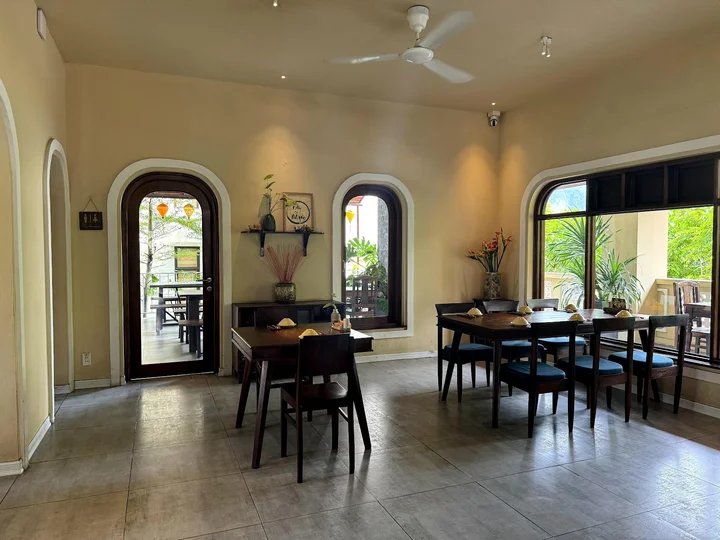
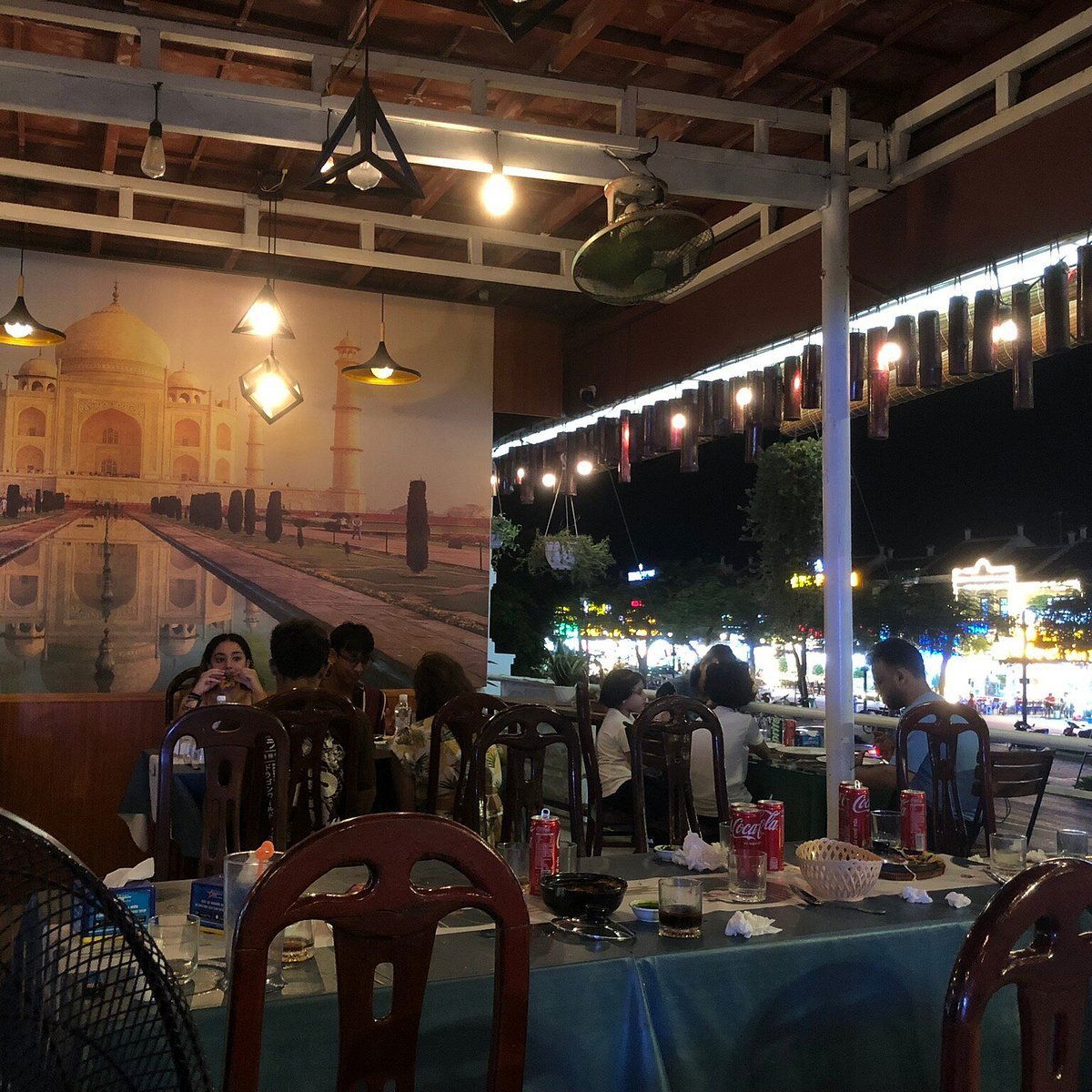
Cozy space with warm lighting on two floors, recommended for second floor dining.
Tags
Vibe
Best For
View
At the Table
- Dress Code
- Casual
- Noise Level
- Conversational
- Service Style
- Casual
- Meal Pacing
- Standard
- Capacity
- Small
- Kitchen
- Traditional
- Menu Format
- A la carte
- Dietary
- Vegetarian friendly, Halal
Signature Dishes
- samosas
- biryani
- rolls
- paratha
Know before you go
Know Before You Go
- Getting there
- 80 Hạ Long, Bãi Cháy, Hạ Long, Quảng Ninh, Vietnam
Planning details
Location
80 Hạ Long, Bãi Cháy, Hạ Long, Quảng Ninh, Vietnam · Directions
Also consider
Where to go if this does not fit
If the group wants seafood instead, choose Bien 14 Seafood Buffet Restaurant. If the group wants a casual, broadly accessible meal, choose BRUNCH. For a cuisine switch outside the immediate halal Indian brief, Kaze Japanese Restaurant and Corallo Restaurant are the cleaner alternatives.
Restaurant context
How it compares in Hao Long
BRUNCH is the easier choice for a mixed group that wants a casual Western-leaning meal, while Indian Master Food Halal Restaurant is the more useful pick when halal Indian food is the deciding factor. With no confirmed price tier for either venue, the practical comparison is format: BRUNCH suits broad daytime cravings; Indian Master Food Halal Restaurant suits dietary clarity and spice-led comfort.
Bien 14 Seafood Buffet Restaurant is the better fit for travelers who came to Hao Long wanting seafood variety and a bigger meal format. Indian Master Food Halal Restaurant is easier to justify for repeat seafood fatigue, vegetarian-leaning groups, or anyone who needs halal assurance before ambiance. For booking difficulty, the halal Indian option reads as the lower-friction plan.
Fern, Kaze Japanese Restaurant, and Corallo Restaurant make more sense as cross-shops if cuisine preference drives the night: Japanese at Kaze, Italian-leaning at Corallo, and a broader dining-room choice at Fern. Pick Indian Master Food Halal Restaurant when the meal needs to be simple, flexible, and halal-first.
Explore Hao Long
Around this place
Discover more on Pearl
Unlock the full Indian Master Food Halal Restaurant guide in Pearl, including awards, comparisons, FAQs, planning details, and nearby places.
Compare Indian Master Food Halal Restaurant
| Venue | Location | Awards |
|---|---|---|
| Indian Master Food Halal Restaurant | Hao Long | No published awards |
| BRUNCH | Hao Long | No published awards |
| Bien 14 Seafood Buffet Restaurant | Hao Long | No published awards |
| Fern | Ha Long | Michelin Guide Great Britain & Ireland 2026 |
| Kaze Japanese Restaurant | Ha Long | No published awards |
| Corallo Restaurant | Ha Long | No published awards |

How Indian Master Food Halal Restaurant Hao Long compares with similar nearby venues.
FAQ
Frequently Asked Questions
What should a first-timer know about Indian Master Food Halal Restaurant?
Treat it as a casual Hao Long restaurant with daily hours from 9 AM to 11 PM. Details are limited, so plan around the known basics rather than assuming a specific menu, price point, service format, or dining style. For a different comparison, Bien 14 Seafood Buffet Restaurant is another option to consider.
Is Indian Master Food Halal Restaurant good for solo dining?
The daily 9 AM to 11 PM schedule makes it easier to consider for a solo meal without planning around a narrow service window. Beyond the casual dress code and hours, details such as seating layout and service style are not available. If you want to compare it with another option, Corallo Restaurant is a useful reference point.
What are alternatives to Indian Master Food Halal Restaurant?
Bien 14 Seafood Buffet Restaurant, BRUNCH, Kaze Japanese Restaurant, Fern, and Corallo Restaurant are other named venues to consider when comparing dining plans.
What should I wear to Indian Master Food Halal Restaurant?
Keep it casual and tidy. The dress code is casual, and nothing in the venue details points to a formal attire requirement. There is no need to plan for a dress-up reservation.
Is lunch or dinner better at Indian Master Food Halal Restaurant?
The restaurant is open daily from 9 AM to 11 PM, so the main advantage is schedule flexibility. There is no meal-specific format, lunch deal, or dinner-only detail available. Choose the time that best fits your Hao Long plans.