


Schwarzer Adler
European Contemporary · medieval quarter, Hall in Tirol
Restaurant in Hall in Tirol, Austria
 Book with Pearl
The Read
Alpine-Rooted European Precision
Price
$200–300per person
Dress
Smart Casual
Why go
Schwarzer Adler holds two Michelin stars and an 85-point La Liste score in the compact Tyrolean town of Hall in Tirol: credentials that justify the €€€€ price and the effort of booking. Chef Franz Keller runs a seasonally driven European Contemporary kitchen where timing your visit matters: autumn game and spring herbs represent meaningfully different experiences. Book 8–12 weeks out at minimum.
About Schwarzer Adler
Two Michelin Stars in a Tyrolean Market Town: Is Schwarzer Adler Worth It?
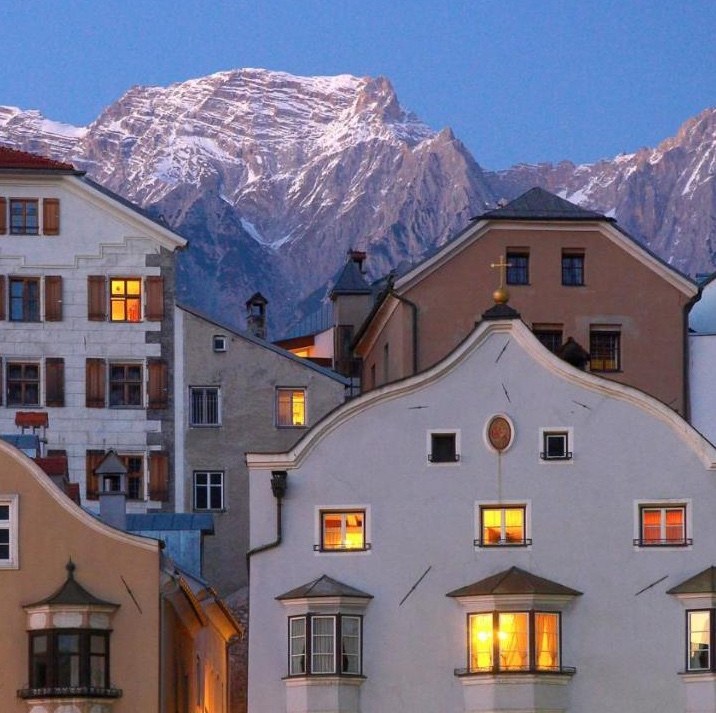
At the €€€€ price point, Schwarzer Adler is asking you to spend serious money in a town most international diners have never heard of. That ask is justified. Chef Franz Keller holds two Michelin stars here and scored 85 points on the 2026 La Liste ranking: credentials that would draw attention in Vienna or Salzburg, but carry extra weight precisely because they exist in Hall in Tirol, a medieval market town east of Innsbruck. If you are already travelling the Inn Valley corridor, or building a Tyrolean itinerary around serious food, this is the table to anchor your trip around. If you are flying in specifically for one dinner, the two-star standard merits the detour.
The Room
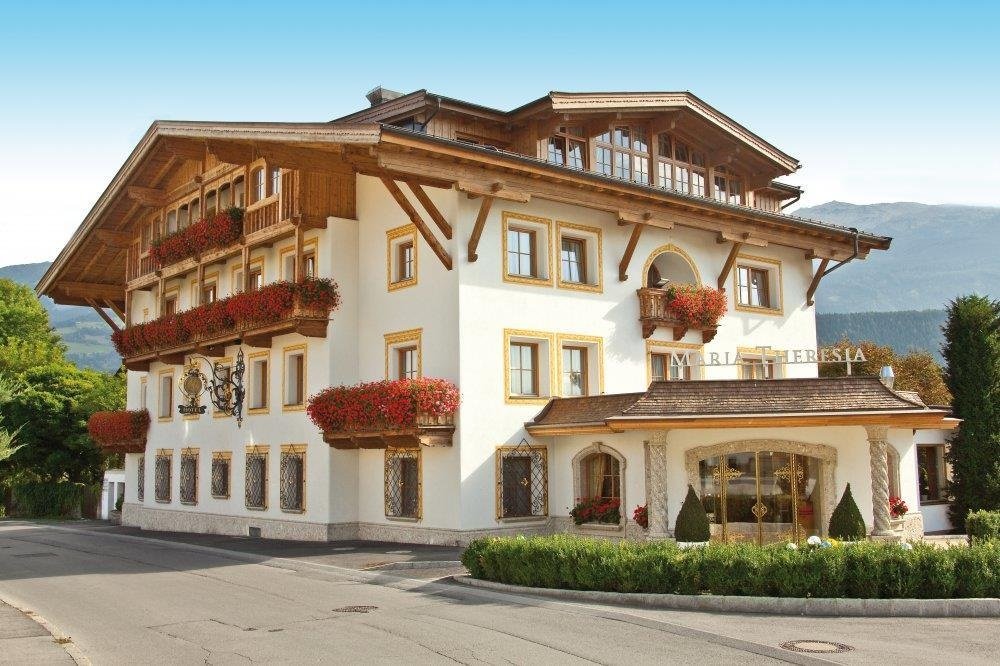
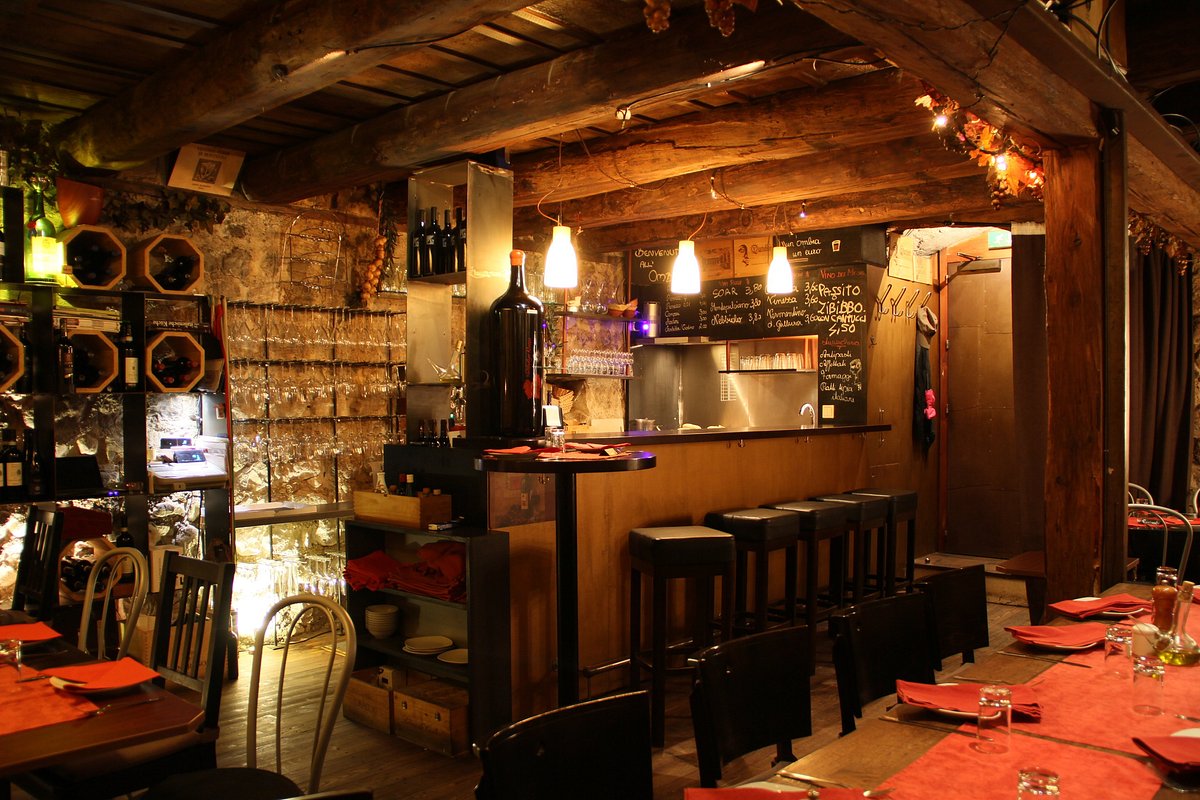
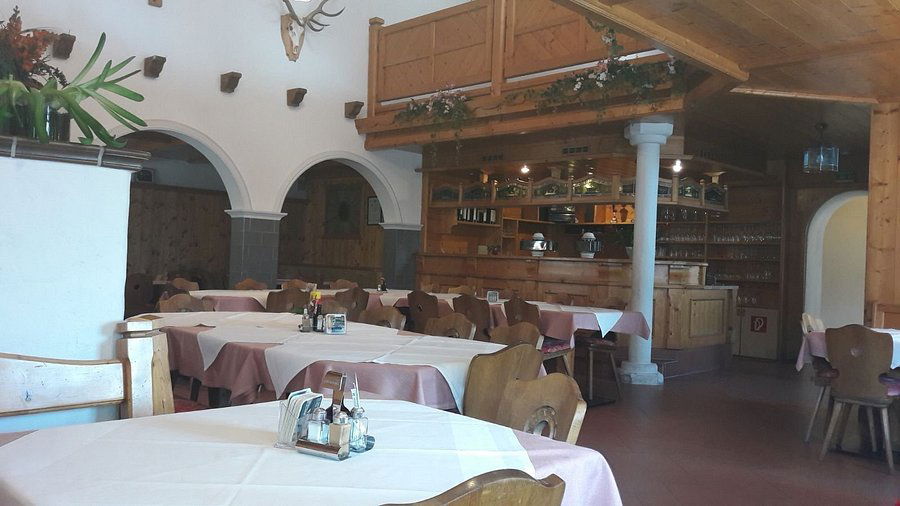
The physical experience at Schwarzer Adler is shaped by its address on Eugenstraße in Hall's compact historic centre. The building carries the architectural weight of a traditional Tyrolean inn: low ceilings, stone and timber, a sense of enclosure that is intimate rather than grand. This is not a purpose-built fine-dining box with soaring ceilings and dramatic sightlines. The scale is closer to a well-appointed private dining room than a formal hotel restaurant. That spatial intimacy means the room rewards couples and small groups of two to four; the setting does not play to the gallery. For a milestone dinner where the conversation matters as much as the food, the proportion of the space works in your favour. For larger parties wanting a sense of occasion through sheer volume and theatre, Ikarus in Salzburg or Steirereck im Stadtpark in Vienna offer a more expansive register.
What to Expect at the Table: Seasonal Emphasis
Schwarzer Adler operates in the European Contemporary register, which at two-star level in Austria typically means a tasting menu structure built around seasonal produce, with the kitchen's identity expressed through what the Tyrolean calendar dictates rather than a fixed signature style. This seasonal orientation is the core reason the question of when you visit matters as much as whether you visit. Alpine kitchens at this level pivot hard with the calendar: spring brings early herb growth and mountain dairy in peak condition; summer opens access to wild herbs, foraged ingredients, and high-altitude produce; autumn delivers game, mushrooms, and root vegetables that suit longer, more structured tasting sequences; winter menus lean into preservation, cured products, and the kind of warming, technically precise cooking that justifies sitting through a long menu in a cold-weather setting.
If you have been once and are considering a return, the seasonal shift alone is a sound reason to go back. The kitchen's two-star discipline means each rotation is executed with consistent precision, but the flavour profile of an autumn visit and a spring visit at Schwarzer Adler are meaningfully different experiences. For returning guests, the most useful strategy is to plan around the season that most appeals to you as a food profile, game-forward in October and November, lighter and herb-driven in May and June, rather than defaulting to whenever a table opens up.
For context across the Austrian fine-dining tier, Döllerer in Golling an der Salzach pursues a similarly season-driven approach with an Alpine specificity that is worth comparing. Obauer in Werfen and Kräuterreich by Vitus Winkler in Sankt Veit im Pongau represent the broader Austrian mountain-kitchen tradition at high level. Closer to Hall in Tirol, Gourmetrestaurant Tannenhof in Sankt Anton am Arlberg and Griggeler Stuba in Lech serve the Arlberg fine-dining circuit for skiers and summer hikers. Restaurant 141 by Joachim Jaud in Mieming is the most direct Tyrolean peer worth benchmarking against. Within Hall in Tirol itself, Secco is the reference point for regional cuisine at a lower price tier.
Booking: Plan Well Ahead
Schwarzer Adler is rated near-impossible to book. Two Michelin stars in a small-seat intimate room in a town without the hotel infrastructure to generate year-round walk-in volume means the restaurant runs primarily on reservation demand from serious diners who plan ahead. Expect to book a minimum of eight to twelve weeks out for most dates, and further in advance for peak autumn game season or midsummer. If you have a fixed travel window, secure the reservation before you book flights. The combination of limited covers and high award visibility makes last-minute availability rare. Check for cancellations, but do not build your itinerary around them.
For broader planning across the region, see our full Hall in Tirol restaurants guide, along with hotels, bars, wineries, and experiences in Hall in Tirol.
If your dates do not align with Schwarzer Adler availability, Ois in Neufelden represents a strong creative-kitchen alternative in the broader Austrian fine-dining circuit. For European Contemporary at the highest tier outside Austria, Zén in Singapore and Ad Astra in Taipei are useful international comparators for the style.
The Verdict
Schwarzer Adler earns its two stars and its La Liste placement. The case for booking is direct: two-star cooking in an intimate Tyrolean setting at a price point that is competitive with comparable Austrian fine dining. The case for timing your visit is equally clear: this is a kitchen where the season shapes the experience, so choose your window deliberately. Book as far in advance as your schedule allows.
Quick reference: Two Michelin stars, 85 pts La Liste 2026, €€€€, Hall in Tirol, book 8–12 weeks minimum, seasonal menu format, near-impossible availability.
Planning details
- Hours
- Monday: Closed · Tuesday: Closed
- Location
- Eugenstraße 3, 6060 Hall in Tirol, Austria
- Website
- schwarzeradler-hall.tirol/restaurant
- Phone
- +43 5223 25122
The take
The Take
The Vibe
Schwarzer Adler reads as an understated, regionally rooted fine-dining room rather than a theatrical destination. It sits modestly on the residential edge of Hall in Tirol, framed by a compact Altstadt and medieval streets, and the interior follows that restraint: muted, refined and contemporary. The kitchen pursues a European-continental approach with Alpine inflections, so the experience feels both local and technically assured. Because two Michelin stars land here in a town most visitors drive past, the restaurant registers as a quietly singular presence: an elevated, low-key house that rewards diners who seek exacting cuisine without the ostentation of bigger-city destinations.
Best For
This is strongest as an evening destination for diners who prize highly crafted cooking and a measured atmosphere. The two-star rating and the editorial framing place Schwarzer Adler in the realm of special-occasion and date-night restaurants; it is the kind of place you visit for a memorable meal rather than a quick bite. Its location on the quieter edge of the medieval centre also makes it suitable for guests who prefer a calmer, more focused dining experience. Travelers willing to detour from Innsbruck are rewarded with a restaurant that helps define the region's culinary profile.
Ordering Tips
When you dine here, look to the kitchen's regional sensibility expressed through contemporary technique. The menu features standout preparations such as the Passeier Valley char with green curry and beurre blanc, which is explicitly listed as a signature dish and worth ordering. Arriving on foot from the historic centre clarifies the restaurant's understated approach: the experience begins with that change of pace, and the food follows with careful, Alpine-inflected compositions. Plan for a deliberate evening focused on the cooking.
Venue details
Ambiance
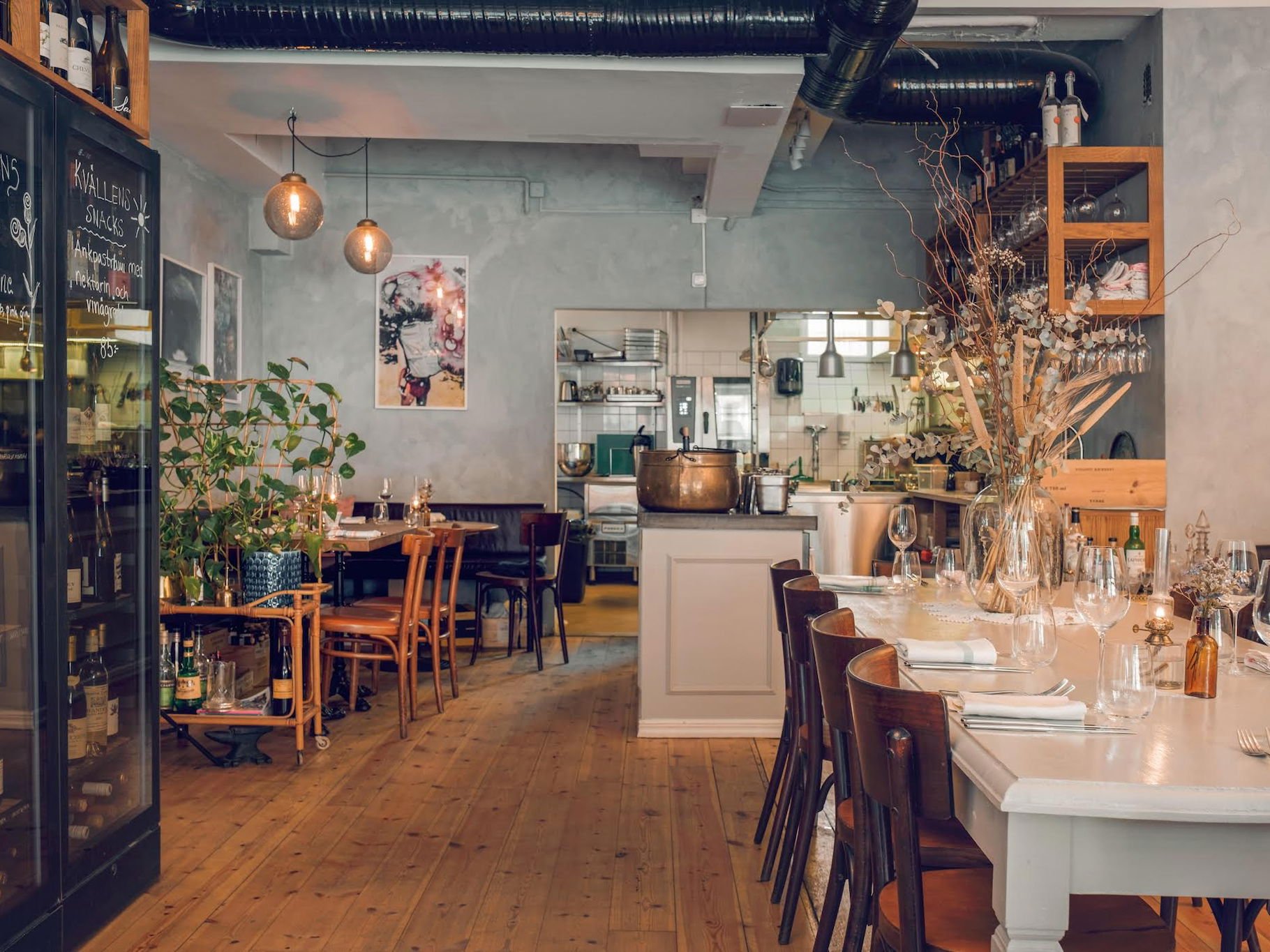
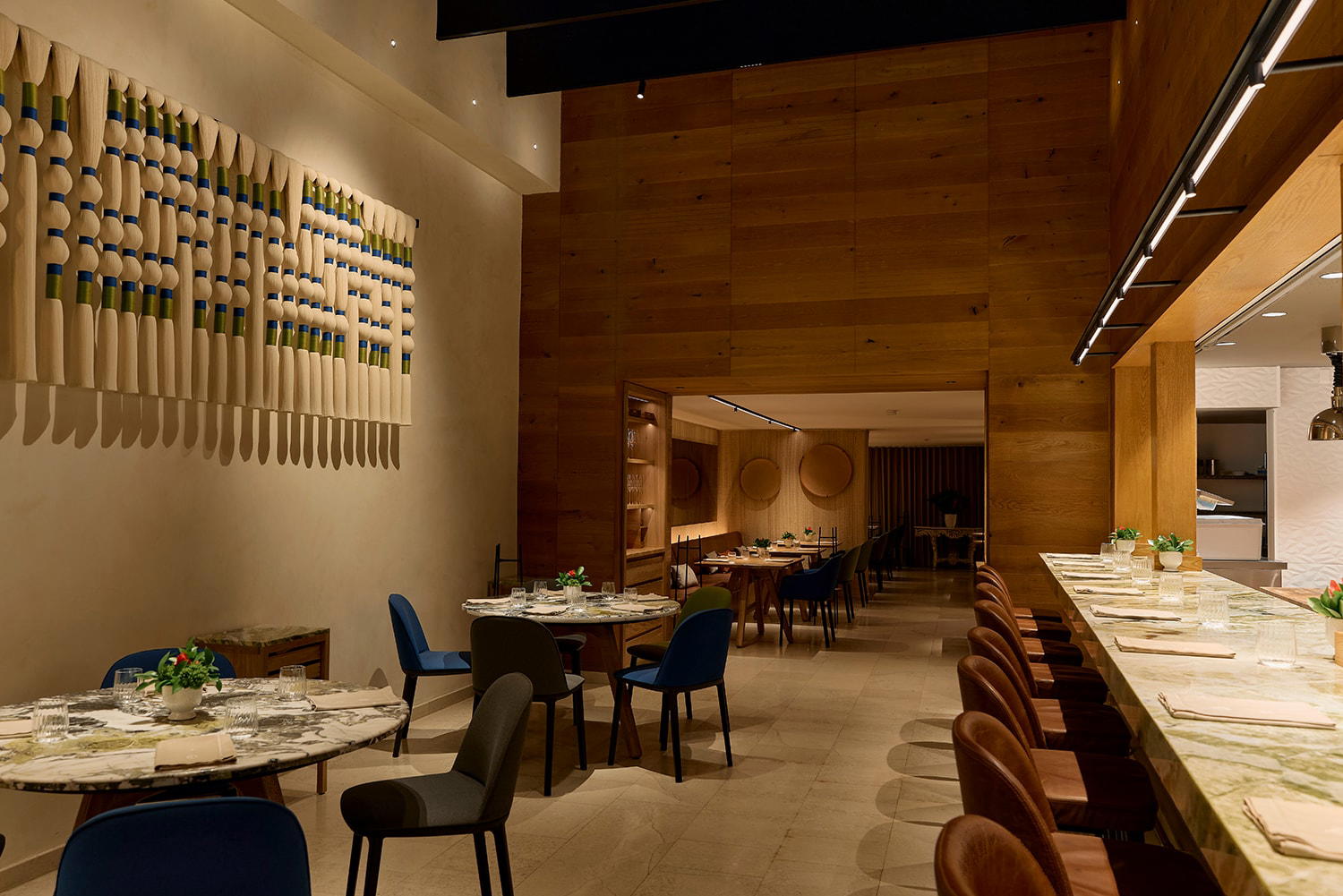
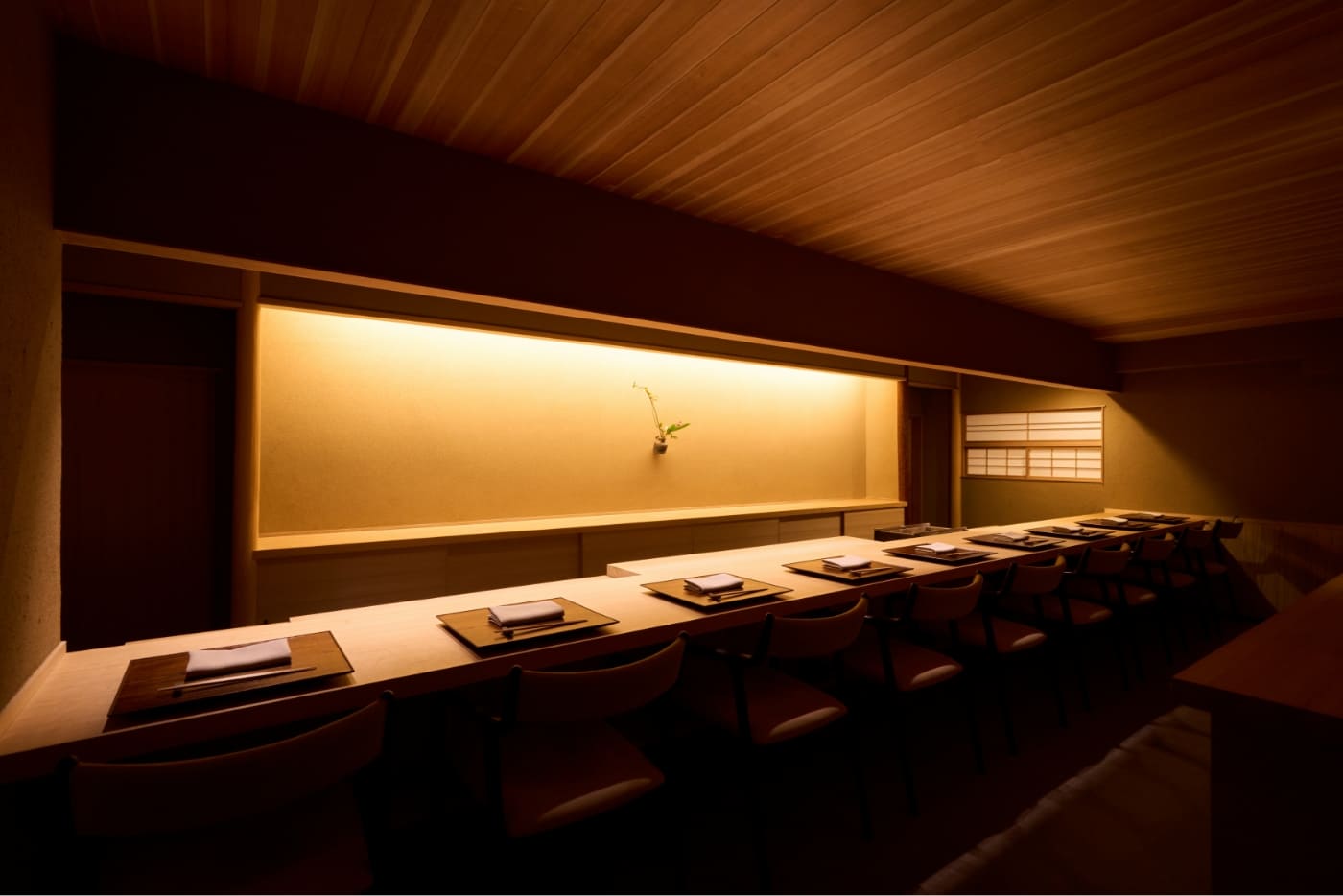
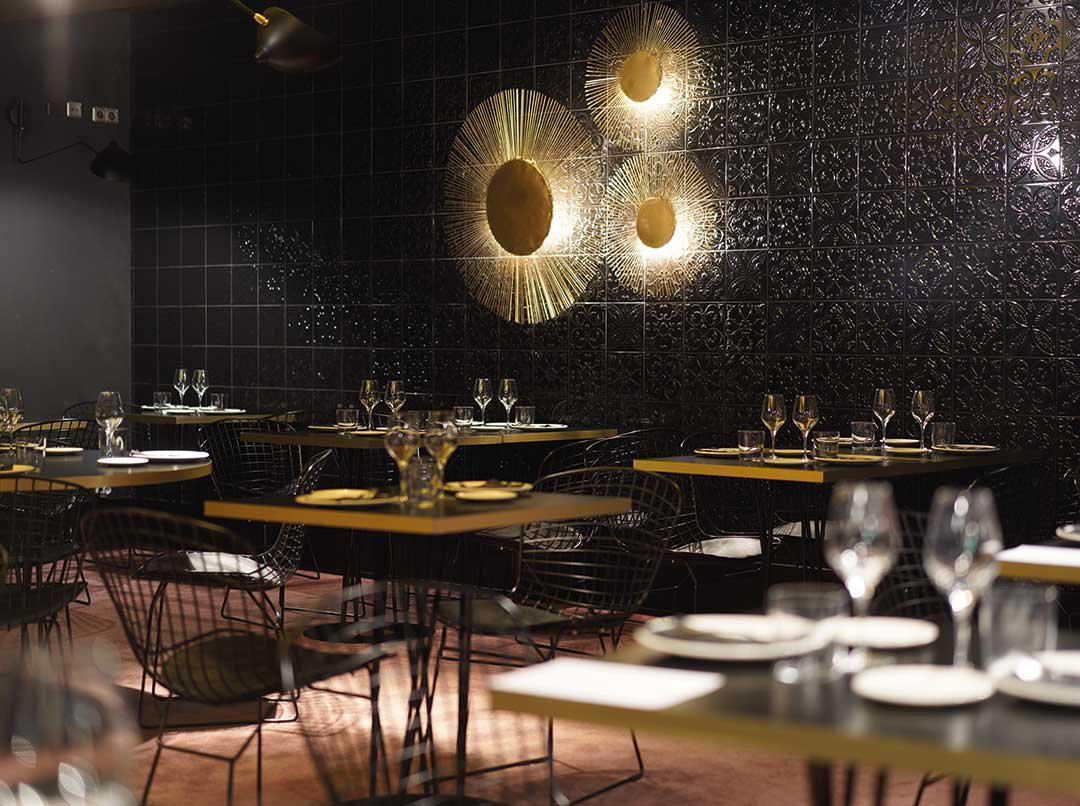
Refined atmosphere blending historical wooden beams with modern elegant furnishings, intimate and timeless.
Tags
Vibe
Best For
Experience
Sourcing
At the Table
- Dress Code
- Smart Casual
- Noise Level
- Quiet
- Service Style
- Formal
- Meal Pacing
- Leisurely
- Capacity
- Intimate
- Kitchen
- Modern
- Menu Format
- Tasting menu
- Wine Program
- Deep wine list
- Dietary
- Allergy accommodating
Signature Dishes
Passeier Valley char with green curry and beurre blanc
Know before you go
Know Before You Go
- Getting there
- Eugenstraße 3, 6060 Hall in Tirol, Austria
Planning details
Hours
- Monday
- Closed
- Tuesday
- Closed
- Wednesday
- Closed
- Thursday
- 6 PM–12 AM
- Friday
- 6 PM–12 AM
- Saturday
- 6 PM–12 AM
- Sunday
- Closed
Location
Eugenstraße 3, 6060 Hall in Tirol, Austria · Directions
Recognition and awards


Also consider
Also Consider
- Steirereck im Stadtpark: Creative, €€€€
- Döllerer: Contemporary Austrian, Innovative, €€€€
- Ikarus: Modern European, Creative, €€€€
- Konstantin Filippou: Modern European, Modern Cuisine, €€€€
- Landhaus Bacher: Austrian, Classic Cuisine, €€€€
Restaurant context
How Schwarzer Adler Compares
Within Austria's €€€€ fine-dining tier, Schwarzer Adler sits in a small group of two-star kitchens that prioritise seasonal produce and regional identity over cosmopolitan showmanship. The closest stylistic peer is Döllerer in Golling an der Salzach, which also pursues an Alpine-rooted, season-driven approach at comparable price and difficulty. If you want the Tyrolean mountain context, Schwarzer Adler is the better choice; if proximity to Salzburg matters for your itinerary, Döllerer gives you a similarly rigorous kitchen with more logistical convenience. Landhaus Bacher in Mautern an der Donau is the reference point for classic Austrian fine dining with deep wine credibility: lower on conceptual ambition than Schwarzer Adler but more accessible to book and more forgiving of traditional tastes.
Steirereck im Stadtpark operates at a different scale entirely: the Vienna flagship offers broader menu range, a more theatrical dining room, and a wine programme with greater depth. It is the better choice if you want Austria's most decorated fine-dining experience in a major city setting. Ikarus in Salzburg rotates its kitchen between guest chefs, which means the experience varies significantly by visit: interesting for adventurous diners but less consistent than Schwarzer Adler's house style. Konstantin Filippou in Vienna leans toward a more urban, Mediterranean-inflected Modern European register that suits diners who find Tyrolean Alpine kitchens too geographically specific.
The decision effectively comes down to itinerary and preference: if you are in the Inn Valley or Tyrol region and want the best table in the area, Schwarzer Adler is the answer with no close competitor locally. If you are building a dedicated Austrian fine-dining trip and can choose your geography, Steirereck and Döllerer offer stronger surrounding infrastructure and broader programme depth. Schwarzer Adler's advantage is precisely its concentration: two-star precision in an intimate room, in a town where that level of cooking is entirely unexpected.
Explore Hall in Tirol
Around this place
Discover more on Pearl
Unlock the full Schwarzer Adler guide in Pearl, including awards, comparisons, FAQs, planning details, and nearby places.
Compare Schwarzer Adler
| Venue | Awards | Price |
|---|---|---|
| Schwarzer Adler | Michelin Guide Austria 20262026 La Liste Top Restaurants2026 Falstaff Restaurant Guide2025 Michelin 2 Stars | €€€€ |
| Steirereck im Stadtpark | Star Wine Lists 2026 · #12026 OAD Top Restaurants in Europe Ranked · #50Michelin Guide Austria 20262026 Les Grandes Tables du Monde Members2026 La Liste Top Restaurants2026 Falstaff Restaurant GuideFalstaff 2026: Austria's Best Wine Lists2025 World's 50 Best Restaurants · #332025 OAD Top Restaurants in Europe Ranked · #70 | €€€€ |
| Döllerer | Star Wine Lists 2026 · #12026 La Liste Top Restaurants2026 Falstaff Restaurant GuideMichelin Guide Austria 20262026 Wine Spectator Best of Award of Excellence2026 Les Grandes Tables du Monde MembersFalstaff 2026: Austria's Best Wine Lists2025 OAD Classical in Europe Ranked · #2662025 La Liste Top Restaurants | €€€€ |
| Ikarus | Star Wine Lists 2026Michelin Guide Austria 20262026 OAD Top Restaurants in Europe Recommended2026 Les Grandes Tables du Monde Members2026 La Liste Top Restaurants2026 Falstaff Restaurant GuideFalstaff 2026: Austria's Best Wine Lists2025 OAD Top Restaurants in Europe Ranked · #3142025 Michelin 2 Stars | €€€€ |
| Konstantin Filippou | 2026 OAD Top Restaurants in Europe Ranked · #70Michelin Guide Austria 20262026 La Liste Top Restaurants2026 Falstaff Restaurant GuideFalstaff 2026: Austria's Best Wine Lists2025 OAD Top Restaurants in Europe Ranked · #52We're Smart World Top Restaurants 20252025 La Liste Top Restaurants2025 Michelin 2 Stars | €€€€ |
| Landhaus Bacher | Star Wine Lists 2026Michelin Guide Austria 20262026 Les Grandes Tables du Monde Members2026 La Liste Top RestaurantsFalstaff 2026: Austria's Best Wine Lists2025 OAD Classical in Europe Ranked · #251We're Smart World Top Restaurants 20252025 La Liste Top Restaurants2025 Michelin 2 Stars | €€€€ |







How Schwarzer Adler stacks up against the competition.
FAQ
Frequently Asked Questions
Is Schwarzer Adler worth the price?
At €€€€, yes: if two-Michelin-star cooking in an intimate Tyrolean setting is what you're after. The 2025 Michelin two-star rating and La Liste placement of 85 points (2026) confirm the kitchen is operating at a level that justifies serious spend. If you want comparable prestige with Vienna's urban convenience, Konstantin Filippou is the closer alternative, but Schwarzer Adler offers a setting those city addresses cannot replicate.
What should a first-timer know about Schwarzer Adler?
Book well in advance: this is rated near-impossible to secure at short notice. Hall in Tirol is a compact historic market town, not a major destination city, so plan your visit around the reservation rather than the other way around. Chef Franz Keller runs the kitchen under a European Contemporary format, which at two-star level in Austria typically means a tasting menu structure. Arrive having confirmed your dietary requirements ahead of time.
Is the tasting menu worth it at Schwarzer Adler?
At two Michelin stars, the tasting menu format is the point: this is not a venue to visit for a quick à la carte meal. The European Contemporary cuisine style at this level in Austria typically centres on seasonal, regionally grounded cooking with serious technique. If a multi-course commitment at €€€€ does not suit your group, Döllerer in Golling offers a similarly regional Austrian focus with slightly more flexibility in format.
Is Schwarzer Adler good for solo dining?
Solo dining at a two-star tasting menu restaurant is entirely viable here, and the intimate scale of the room makes it less alienating than a large urban flagship. The €€€€ price point is a real consideration for one person covering a full tasting menu, so factor that in. For solo diners wanting a Vienna-based two-star experience with easier logistics, Konstantin Filippou is worth comparing.
What are alternatives to Schwarzer Adler in Hall in Tirol?
Hall in Tirol itself has limited fine dining alternatives at this level: Schwarzer Adler is the anchor destination in the area. Innsbruck is the nearest city with broader restaurant options, though none currently hold two Michelin stars. For comparable Austrian fine dining outside the region, Döllerer (Salzburg surroundings) and Steirereck im Stadtpark (Vienna) are the most relevant peer comparisons.
Is Schwarzer Adler good for a special occasion?
Two Michelin stars and a La Liste 85-point ranking make Schwarzer Adler a credible choice for a high-stakes occasion. The setting in Hall in Tirol's historic centre adds distinctiveness that Vienna or Innsbruck city restaurants cannot match. Book as far in advance as possible: this is not a venue you can secure last minute, and showing up without a reservation is not a realistic option.