.png?width=1200&quality=80)
QuarantunoDodici
Seafood · Nautilus Marina, Fiumicino
Restaurant in Fiumicino, Italy
 Book with Pearl
The Read
River-Bank Catch Cooking
Price
$50–100per person
Chef
Lele Usai
Dress
Smart Casual
Why go
Book QuarantunoDodici for a €€ seafood meal in Fiumicino that feels more guided than a casual trattoria, with Lele Usai in the kitchen and Michelin Bib Gourmand recognition supporting the value case. It suits couples and small groups better than large parties, especially at dinner if the goal is a more paced meal.
About QuarantunoDodici
QuarantunoDodici is a €€ seafood restaurant in Fiumicino from chef/owner Lele Usai. Key reasons to consider it are straightforward: seafood, moderate pricing, smart-casual dress, daily lunch and dinner hours, and Michelin Bib Gourmand recognition in 2024.
Use it when the plan calls for a seafood meal in Fiumicino. Before committing, check the current menu and booking details directly, especially if you need a particular menu format, dish, seating setup, or private-room arrangement.
Choose it for a seafood meal in Fiumicino
The case for QuarantunoDodici is its focus on seafood, its €€ price level, and Lele Usai's role as chef/owner. Michelin Bib Gourmand recognition in 2024 adds a useful outside signal for diners comparing it with other options, but it should not be treated as a guarantee of a particular dish, format, or style of service.
Avoid over-planning around a specific dish. Instead, arrive with seafood as the main expectation and confirm the day's options at the restaurant. That is especially important for diners with dietary needs, allergies, or a strong preference for a particular format; confirm those details in advance.
For broader planning around the area, use Our full Fiumicino restaurants guide. Fiumicino has multiple dining options, and the right choice depends on timing, budget, and how focused the meal needs to be on seafood.
Lunch and dinner are both listed daily
QuarantunoDodici's hours list both lunch and dinner every day: 12:30–2:30 PM and 8–10 PM from Monday through Sunday. That makes it workable for either a midday seafood meal or an evening booking, depending on the rest of the itinerary.
Do not assume lunch is cheaper, faster, more casual, or otherwise different from dinner. If the distinction matters, confirm current menus, availability, and timing directly with the restaurant before booking.
The main reason to book is value confidence within a seafood-focused plan. Bib Gourmand recognition is not a guarantee of every dish, but it is a useful outside signal that the restaurant has been noticed for quality relative to spend. That is the right frame here: a €€ seafood restaurant in Fiumicino with a known chef/owner and listed daily lunch and dinner hours.
Where it fits in a Fiumicino seafood shortlist
For a Fiumicino seafood shortlist, QuarantunoDodici is best framed by its core facts: €€ pricing, seafood cuisine, Lele Usai as chef/owner, smart-casual dress, daily lunch and dinner hours, and Michelin Bib Gourmand recognition in 2024. For anything more specific, including dishes, menu format, or booking logistics, confirm directly with the restaurant.
Planning details
- Location
- Via Monte Cadria, 127, 00054 Fiumicino RM, Italy
- Reservations
- Book on the venue's website
- Website
- quarantunododici.it
- Phone
- +39 06 658 1179
The take
The Take
The Vibe
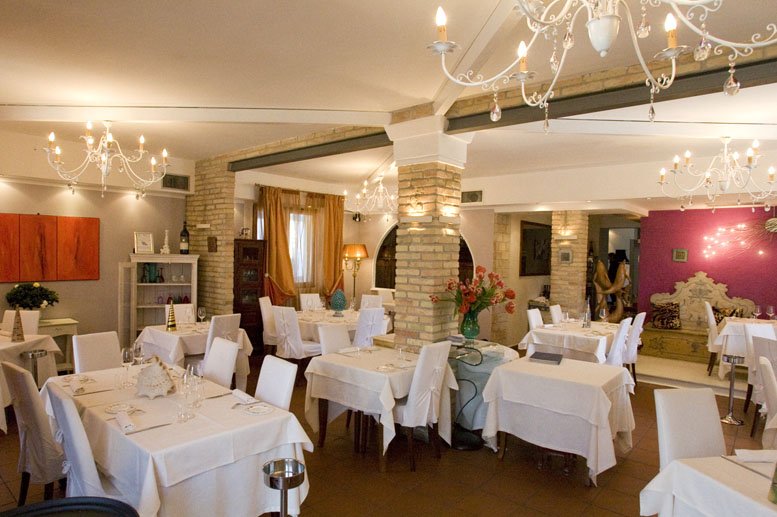
QuarantunoDodici reads like a classic coastal osteria: ingredient-forward, modestly presented and rooted in the port-side culture of Fiumicino. The ground-floor dining room sits directly on the Tiber estuary, so water and working-port atmosphere are part of the experience, and the kitchen keeps the fish itself at center stage rather than dressing it up. The tone is relaxed and unpretentious—less about theatrical service and more about the catch and technique—so diners encounter a straightforward, locally-minded seafood program that privileges substance over spectacle.
Best For
This is a place for anyone who wants honest coastal seafood in a relaxed, port-adjacent setting. The restaurant’s osteria register makes it especially suited to casual hangouts, shared seafood suppers and everyday meals where quality of catch matters. If you want a formal tasting or a more theatrical multi-course experience, the description points upstairs to the chef’s Michelin-starred kitchen; downstairs, QuarantunoDodici remains the everyday option where the day’s fish and simple technique are the draw.
Ordering Tips
Lean into the whole-fish tradition: ask about the day’s catch and choose preparations that keep the fish the focal point, since the kitchen emphasizes classical technique and minimizing waste. The menu also includes signature items—Pasta with ragù di moscardini, Piatto dell’equipaggio and Diario di Bordo specials—so consider ordering one of those alongside a whole fish or shell-based preparations. Staff can guide you to the freshest options and explain how the kitchen uses shells and stocks, a recurring principle in the restaurant’s approach.
Venue details
Ambiance
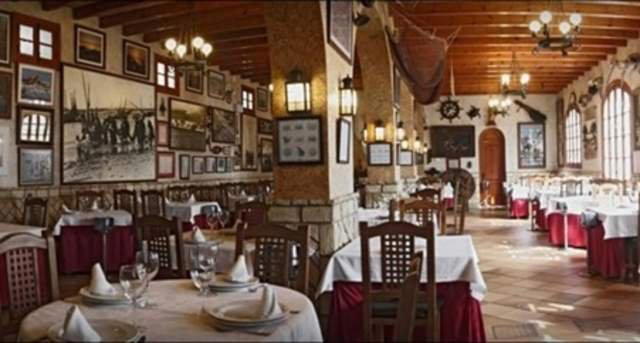
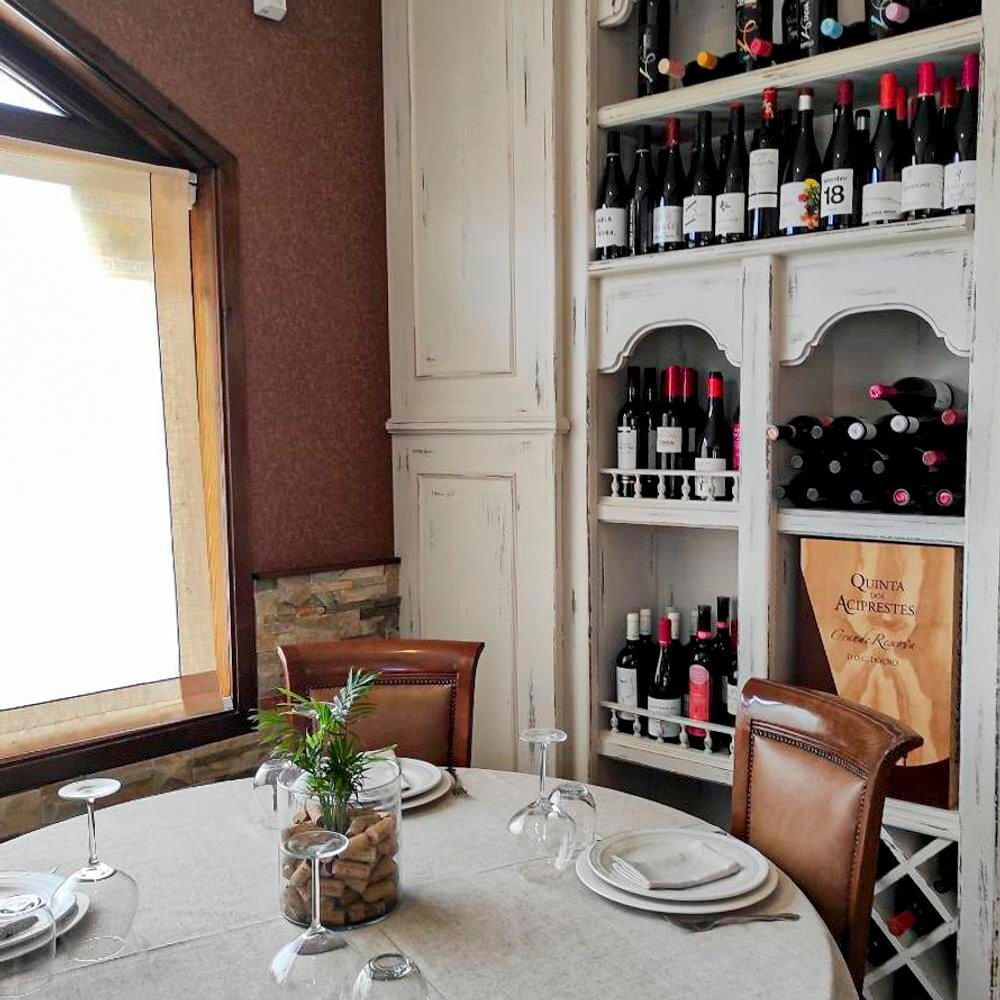
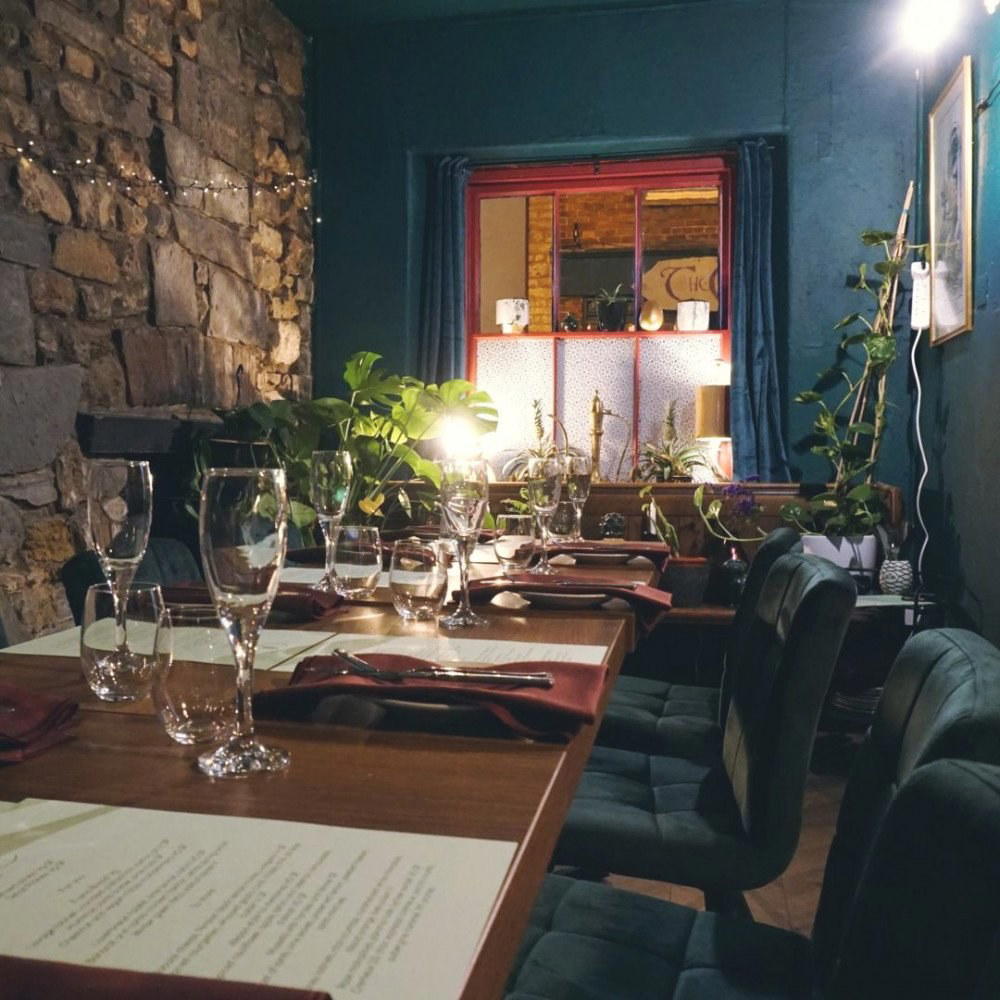
Casual yet refined riverside setting with garden outdoor seating, natural light, wood tables, and serene waterfront views, creating a welcoming atmosphere for relaxed dining.
Tags
Vibe
Best For
Experience
Sourcing
View
At the Table
- Dress Code
- Smart Casual
- Noise Level
- Conversational
- Service Style
- Upscale Casual
- Meal Pacing
- Leisurely
- Capacity
- Medium
- Kitchen
- Traditional
- Menu Format
- A la carte, Small plates
- Wine Program
- Curated
- Drinks Focus
- Wine
- Dietary
- Vegetarian friendly, Gluten-free options
- Outdoor Seating
- Yes
Signature Dishes
- Pasta with ragù di moscardini
- Piatto dell’equipaggio
- Diario di Bordo specials
Know before you go
Know Before You Go
- Getting there
- Via Monte Cadria, 127, 00054 Fiumicino RM, Italy
Planning details
Location
Via Monte Cadria, 127, 00054 Fiumicino RM, Italy · Directions
Recognition and awards
Also consider
Where to go if this is full
Try Dogma first if the goal is another €€ seafood meal at similar spend. If the group is willing to pay more for the occasion, move to Livello 1 or Acciuga. If price is the main constraint, La Dispensa di Armatore is the cleaner fallback.
Restaurant context
How QuarantunoDodici compares with Fiumicino seafood peers
QuarantunoDodici is the middle-lane choice: seafood, €€, and more chef-led than a basic meal. Trattoria del Pesce sits in the same €€ seafood band, so choose it when the group wants a more traditional, lower-pressure meal. Pick QuarantunoDodici when the decision is about a more composed experience and a clearer kitchen point of view.
For a spendier seafood night, Livello 1 and Acciuga both sit at €€€, which makes them better fits for diners who are comfortable paying more for the occasion. QuarantunoDodici is the stronger value call if the group wants recognition and structure without moving into a higher price tier.
La Dispensa di Armatore is the budget alternative at €, useful when price matters more than polish. Dogma is the closer cross-shop at €€, especially if QuarantunoDodici is full or the table wants to compare another seafood room at similar spend. For ease, value, and a small-group dinner, start with QuarantunoDodici; for cheaper seafood, shift to La Dispensa di Armatore; for a bigger night, look at Livello 1 or Acciuga.
Explore Fiumicino
Around this place
Discover more on Pearl
Unlock the full QuarantunoDodici guide in Pearl, including awards, comparisons, FAQs, planning details, and nearby places.
Compare QuarantunoDodici
| Venue | Location | Cuisine | Awards | Price |
|---|---|---|---|---|
| QuarantunoDodici | Fiumicino | Seafood | 2026 Bib Gourmand2025 Michelin Bib Gourmand2024 Michelin Bib Gourmand | €€ |
| Trattoria del Pesce | Rome | Seafood | 2026 Michelin Plate2025 Michelin Plate2024 Michelin Plate | €€ |
| Livello 1 | Rome | Seafood | 2026 Michelin Plate2025 Michelin Plate2024 Michelin Plate | €€€ |
| La Dispensa di Armatore | Cetara | Seafood | 2026 Bib Gourmand2025 Michelin Bib Gourmand2024 Michelin Bib Gourmand | € |
| Dogma | Rome | Seafood | 2026 Michelin Plate2025 Michelin Plate2024 Michelin Plate | €€ |
| Acciuga | Rome | Seafood | 2026 Michelin Plate2025 Michelin Plate2024 Michelin Plate | €€€ |

.png?width=1200&quality=80)
How QuarantunoDodici Fiumicino compares with similar nearby venues.
FAQ
Frequently Asked Questions
Is QuarantunoDodici good for solo dining?
QuarantunoDodici can be considered for a solo seafood meal in Fiumicino, especially if you are looking for a €€ restaurant with Michelin Bib Gourmand recognition. If counter seating or a solo-diner setup matters, check availability when booking.
What should I order at QuarantunoDodici?
Seafood is the focus. Review the current menu at the restaurant and choose based on the day's seafood options.
Is QuarantunoDodici good for a special occasion?
It can be a good candidate if the occasion calls for seafood in Fiumicino at a €€ price level. Michelin Bib Gourmand recognition in 2024 adds credibility. If you need private rooms, tasting menus, or celebration services, ask the restaurant directly before booking.
How far ahead should I book QuarantunoDodici?
Booking ahead is sensible, especially if you need a specific lunch or dinner time. Hours are daily from 12:30–2:30 PM and 8–10 PM, but current availability should be confirmed directly with the restaurant.
Is lunch or dinner better at QuarantunoDodici?
Both lunch and dinner are listed daily: 12:30–2:30 PM and 8–10 PM. Choose based on timing, and if menu, price, or experience differences matter, confirm current details before booking.
Is the tasting menu worth it at QuarantunoDodici?
If you are interested in a tasting menu or set, chef-led format, ask the restaurant directly before booking.
What are alternatives to QuarantunoDodici?
For comparison, you can also look at Trattoria del Pesce, Dogma, Acciuga, La Dispensa di Armatore, and Livello 1, along with other dining options relevant to your plans. Check each venue's current location, hours, and menu before deciding.