
Restaurant in Tokyo, Japan
Edomae Shibahama
370Pearl PointsHistorical Edo cooking, Michelin-recognized, Shiba.
.png?width=144&height=144&quality=80)

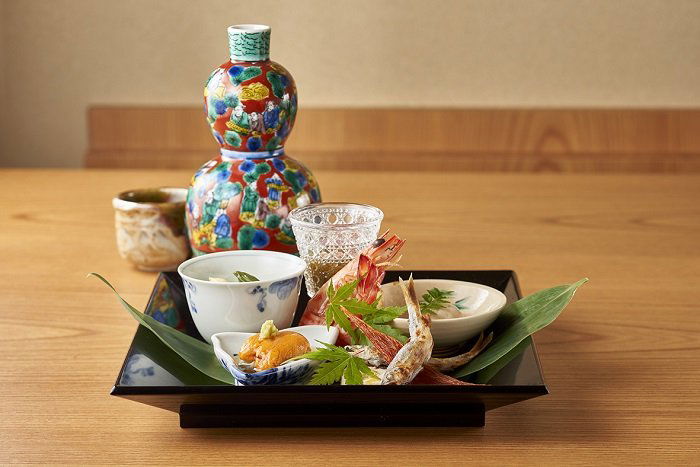
About Edomae Shibahama
Edomae Shibahama is the Tokyo restaurant to book when historical depth matters as much as cooking skill. Chef Hiroshi Kaibara reconstructed Edo-period dishes from primary literature — including the bonito-only dashi and Shiba shrimp fishcake that defined late Edo cooking. At ¥¥¥ with a Michelin Plate and easy booking, it delivers serious value for food-focused diners who want something beyond the standard kaiseki circuit.
Who Should Book Edomae Shibahama — and When
If you are the kind of diner who wants to eat Tokyo as it tasted two centuries ago, Edomae Shibahama is one of the few restaurants in the city where that is genuinely possible. This is not a venue for a casual weeknight dinner or a group looking for a lively atmosphere. Book it for a milestone meal — an anniversary, a significant birthday, or the kind of occasion where you want the food to carry historical weight. At the ¥¥¥ price tier, it sits at a more accessible point than many of Tokyo's celebrated Japanese restaurants, which makes the depth of research behind the menu feel like strong value.
The Case for Edomae Cuisine
Edomae Shibahama is built around a specific and serious premise: serving the food of Edo-period Tokyo, sourced from historical literature rather than modern culinary convention. Chef Hiroshi Kaibara spent considerable time in primary sources to reconstruct dishes that most Tokyo restaurants have never attempted. That kind of archival commitment is rare, and it changes how you read the menu. You are not eating a chef's interpretation of tradition, you are eating dishes that Tokyoites ate in the late Edo period, some of which disappeared from the food culture entirely until this restaurant brought them back.
The dried daikon strips cooked in clam soup stock, known as mukimi-kiriboshi, is one such dish, documented as a popular accompaniment to rice during the late Edo period. Shiba shrimp, named for the Shiba inlet where it was historically fished, appears in soup as a fishcake. The soup stock itself is brewed from dried bonito flakes alone, without kombu, which represents a distinctly Edo approach that differs from the kombu-forward dashi that most modern Japanese restaurants use. These are not marketing details. They are meaningful technical choices that you will notice at the table.
The aroma that defines the meal begins with that bonito-forward dashi, a sharper, more direct scent than the layered stocks of kaiseki cooking. It orients you immediately toward something older and less refined in the decorative sense, more direct in the flavour sense. For food explorers who have already worked through Tokyo's kaiseki circuit, this is a genuinely different sensory register.
Michelin Recognition and What It Signals
Edomae Shibahama holds a Michelin Plate for both 2024 and 2025. The Michelin Plate signals that inspectors found the cooking worth recommending, it sits below star level but above the noise of the general market. For a restaurant operating at ¥¥¥ with a highly specialised historical focus, consecutive Plate recognition confirms that the kitchen is consistent and that the concept is being executed with sufficient skill to hold the attention of professional critics across multiple visits.
The Drinks Angle
The editorial angle for this restaurant is worth addressing directly: how does the drinks program fit the food? Edomae cuisine is not a cocktail-bar context. The natural pairing for historically reconstructed Edo food is sake, and specifically the styles that were available and consumed during the period, lighter, less refined by modern standards, often served at room temperature or slightly warm. A restaurant this committed to historical fidelity is unlikely to run a contemporary cocktail program, and that is the right call. If you are looking for Tokyo bar experiences that stand independently, our full Tokyo bars guide covers that category separately. At Edomae Shibahama, the drinks serve the food, not the other way around. Come expecting sake pairings that complement the Edo-period menu rather than a standalone bar program.
Location and Logistics
The restaurant is in Shiba, Minato City, a neighbourhood that sits between Hamamatsucho and Mita stations, not in the high-traffic dining corridors of Ginza or Roppongi. That location is appropriate for the concept: Shiba is historically significant in the context of old Tokyo, and the address at the base of a low-rise building keeps the setting understated. If you are staying in central Tokyo, factor in 15 to 25 minutes of travel depending on your hotel. For broader context on where to stay, our full Tokyo hotels guide covers the options by neighbourhood.
Booking is rated Easy, which means you do not need to plan months ahead the way you would for Tokyo's most competitive reservations. That accessibility is one of the practical arguments for putting this on an itinerary that already includes harder-to-book venues. Pair it with something from our full Tokyo restaurants guide that requires more lead time, and use Edomae Shibahama as the historically grounded anchor of a broader food trip.
How It Compares, Practical Logistics
| Venue | Cuisine | Price | Booking Difficulty | Michelin |
|---|---|---|---|---|
| Edomae Shibahama | Edo-period Japanese | ¥¥¥ | Easy | Plate (2025) |
| Harutaka | Sushi | ¥¥¥¥ | Hard | Star |
| RyuGin | Kaiseki | ¥¥¥¥ | Moderate | Star |
| Florilège | French | ¥¥¥ | Moderate | Star |
| L'Effervescence | French | ¥¥¥¥ | Moderate | Star |
Other Tokyo Japanese Restaurants Worth Considering
For traditional Japanese cooking at a similar price tier, Myojaku and Ginza Fukuju are both worth examining. If kaiseki is your format, Kagurazaka Ishikawa and Azabu Kadowaki operate at a higher price point but represent the more formal end of the Tokyo Japanese dining spectrum. For a contemporary counterpoint, Jingumae Higuchi takes a different approach to Japanese ingredients.
If your trip extends beyond Tokyo, the historical and regional Japanese dining picture widens considerably. Gion Sasaki in Kyoto and Isshisoden Nakamura in Kyoto are relevant points of comparison for historically informed Japanese cooking. Kashiwaya Osaka Senriyama and HAJIME in Osaka are the Osaka anchors for a serious Japan food itinerary. Further afield, Goh in Fukuoka, akordu in Nara, 1000 in Yokohama, and 6 in Okinawa round out a picture of Japan's current restaurant moment beyond the capital. For experiences beyond dining, our full Tokyo experiences guide and our full Tokyo wineries guide are useful complements to any serious food trip.
Frequently Asked Questions
Is Edomae Shibahama worth the price?
At ¥¥¥, it delivers something narrow restaurants at this price rarely attempt: a menu reconstructed from Edo-period literature rather than contemporary chef creativity. The Michelin Plate in both 2024 and 2025 confirms inspectors found the cooking worth the visit. If historically grounded Japanese food is your purpose, the price is justified. If you want modern kaiseki or inventive Japanese cooking, this is the wrong room.
What should I wear to Edomae Shibahama?
The address places it in a ground-floor unit of a commercial building in Shiba, Minato City — not a high-ceremony corridor like Ginza. Dress neatly but there is no documented dress code. A collar or equivalent level of care is a reasonable baseline for a ¥¥¥ dining environment in Tokyo.
Can I eat at the bar at Edomae Shibahama?
The venue database does not confirm a counter or bar seating format. Given the restaurant's Edo cuisine focus and its Shiba location in a standard building, seating specifics are best confirmed directly before booking. Do not assume counter dining is available.
Can Edomae Shibahama accommodate groups?
No group capacity or private dining information is documented. For groups of four or more, confirm seating options before booking — the Shiba address suggests a modestly sized space rather than a large-format dining room.
What are alternatives to Edomae Shibahama in Tokyo?
For traditional Japanese cooking at a comparable price tier, Myojaku and Ginza Fukuju are worth examining. If you want Michelin-recognized modern Japanese cooking with more documented accessibility, Harutaka handles high-grade sushi at a similar spend. Edomae Shibahama is the more specific choice if the historical Edo premise is the draw.
Is Edomae Shibahama good for a special occasion?
Yes, if the occasion suits a food-focused, research-driven dinner rather than a celebratory atmosphere with elaborate service theatre. The Michelin Plate gives it credibility as a meaningful booking, and dishes like Shiba shrimp fishcake soup and Edo-period clam stock preparations offer genuine talking points. For a milestone that calls for formal ceremony or a tasting menu format, consider RyuGin instead.
Location
Japan, 〒105-0014 Tokyo, Minato City, Shiba, 2 Chome−22−23 冨味ビル 1階
Tokyo, Japan
Compare Edomae Shibahama
| Venue | Price |
|---|---|
| Edomae Shibahama | ¥¥¥ |
| Harutaka | ¥¥¥¥ |
| RyuGin | ¥¥¥¥ |
| L'Effervescence | ¥¥¥¥ |
| HOMMAGE | ¥¥¥¥ |
| Florilège | ¥¥¥ |
What to weigh when choosing between Edomae Shibahama and alternatives.
Also Consider
- Harutaka, Sushi, ¥¥¥¥
- RyuGin, Kaiseki, Japanese, ¥¥¥¥
- L'Effervescence, French, ¥¥¥¥
- HOMMAGE, Innovtive French, French, ¥¥¥¥
- Florilège, French, ¥¥¥
Edomae Shibahama sits at ¥¥¥, which immediately separates it from most of its serious peers in Tokyo's Japanese dining scene. Harutaka and RyuGin both operate at ¥¥¥¥ and carry Michelin stars, if technical ceiling and prestige are your priorities, those are the stronger choices, but you will pay significantly more and face harder booking windows. Edomae Shibahama's Michelin Plate suggest consistent quality without the star-level price tag or the reservation competition.
The French contingent, L'Effervescence and HOMMAGE at ¥¥¥¥, and Florilège at ¥¥¥, occupies a completely different culinary register. If you are deciding between these and Edomae Shibahama, the question is whether you want a Tokyo-specific historical food experience or contemporary fine dining that happens to be located in Tokyo. For the former, Edomae Shibahama has no direct competition in this peer group.
On pure value grounds, Edomae Shibahama and Florilège are the two ¥¥¥ options in this comparison, and both have Michelin recognition. Florilège makes sense if you want a globally legible fine-dining format; Edomae Shibahama makes sense if you want something that only exists because of this specific restaurant's research. For booking ease, Edomae Shibahama rates as Easy, a real advantage over Harutaka in particular, which requires significantly more lead time.
Recognized By


Explore Tokyo
Save or rate Edomae Shibahama on Pearl
Keep this venue in your Pearl passport, rate it after you visit, and track it alongside every other place you collect.