Restaurant in Dublin, Ireland
Serious Neapolitan pizza, book ahead.
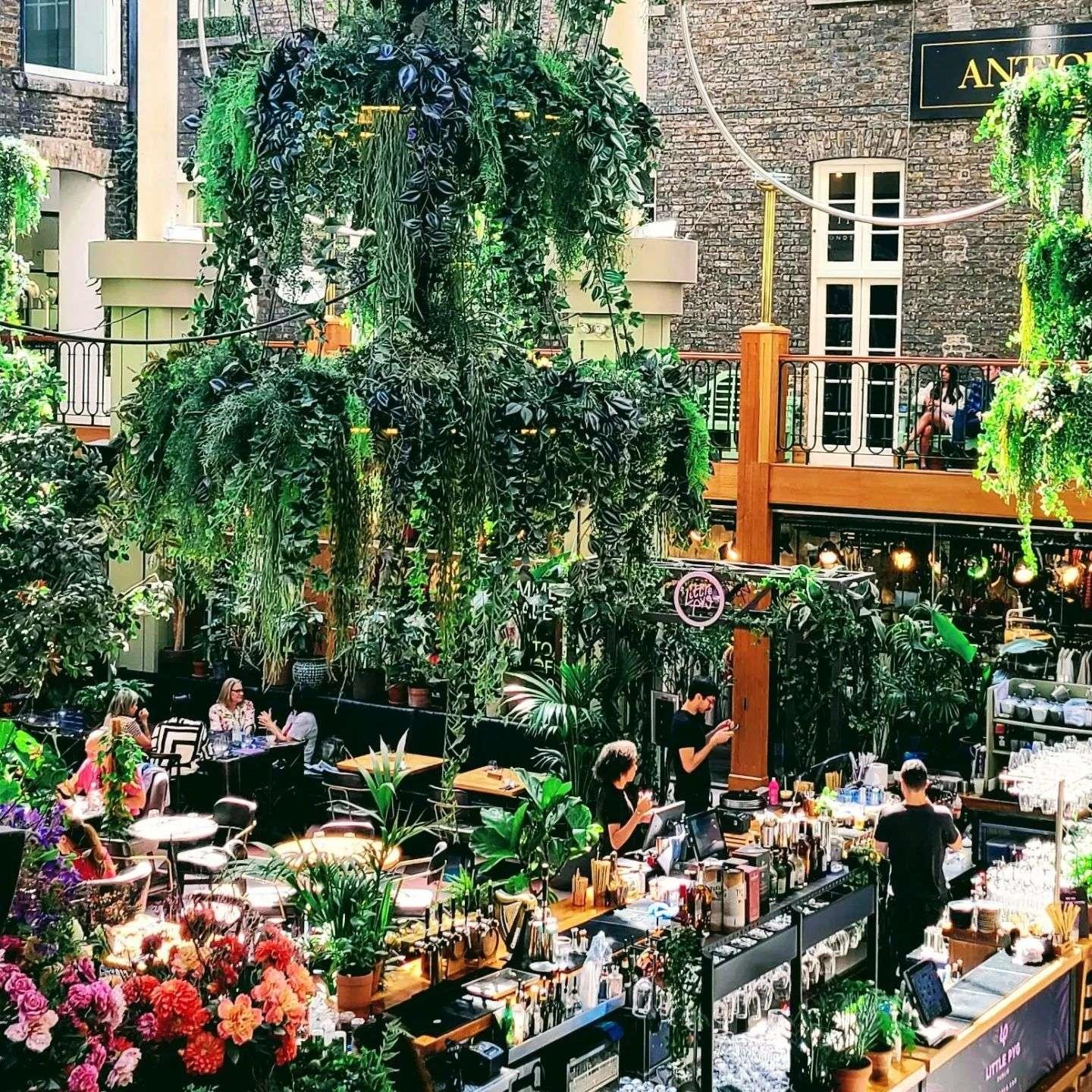
Little Pyg on William Street South is Dublin's most credibly Neapolitan pizza operation, built around a purpose-built wood-fired oven and chef Federico Rapali's direct training under Enzo Coccia. The room feels like a Naples neighbourhood pizzeria rather than a Dublin restaurant concept. Booking is easy, the beverage list punches above its weight, and the classics are executed with seasonal discipline.
Little Pyg earns a confident booking recommendation for anyone who takes Neapolitan pizza seriously. This is not a casual slice spot: it is a wood-fired, Enzo Coccia-trained operation on William Street South that has drawn enough critical attention to warrant comparison with dedicated pizza destinations far beyond Dublin. The caveat is that the room is built around an intimate, neighbourhood-pizzeria format, which means seating is finite and the experience is shaped by that constraint. If you want a serious pizza dinner in Dublin 2 without the price tag of the city's modern Irish fine-dining circuit, Little Pyg is the answer.
The physical space at Little Pyg signals its intentions clearly. The design foregrounds natural materials, and the wood-fired oven sits as the room's practical centrepiece rather than a decorative flourish. That oven was built specifically for this address, not retrofitted from a generic supplier, and it anchors a layout that feels closer to a Naples neighbourhood pizzeria than to a Dublin restaurant trying to evoke one. The seating configuration encourages the kind of proximity to the kitchen action that makes the meal more than transactional: you are watching the craft rather than waiting for a plate to arrive. For the food-focused traveller, this spatial approach is the right one — it puts the process in view and makes the room itself an argument for what ends up on the table.
Chef Federico Rapali works within a framework established through direct mentorship from Enzo Coccia, one of the most documented and respected figures in contemporary Neapolitan pizza-making. That relationship is not incidental to the quality here: it explains the technical consistency in the dough handling, the restrained use of toppings, and the commitment to seasonal execution on even the classic menu categories. The critical note on record specifically highlights that classic pizzas are well-executed and seasonal, which in Neapolitan terms means the kitchen is not cutting corners on ingredient timing. The beverage selection has also drawn specific mention as excellent, which at a pizza-focused venue is a meaningful differentiator — most comparable spots in Dublin treat the drinks list as an afterthought.
The staffing model at Little Pyg is worth noting for a specific reason: managers started as waiters. This is not a marketing claim but a structural fact that the venue itself foregrounds, and it shows in service that tends toward informed and attentive rather than perfunctory. For a guest who wants to ask about the dough fermentation process or the provenance of a topping, this is the room where that conversation is likely to happen.
The Coccia connection places Little Pyg within a specific and traceable lineage of Neapolitan pizza that has produced some of the most technically precise pies outside Naples itself. Coccia's influence is documented across serious pizza culture, and venues trained within his method carry that credential with demonstrable weight. Dublin's broader restaurant scene , which includes strong modern Irish cooking at venues like Bastible and boundary-pushing tasting menus at Chapter One by Mickael Viljanen , does not have a deep bench of pizza specialists at this level, which makes Little Pyg's position relatively clear in the category.
For the explorer-type diner arriving in Dublin with a list that already includes Glovers Alley or D'Olier Street for the contemporary Irish end of the spectrum, Little Pyg fills a different slot entirely: it is the meal where the pleasure is immediate, the format is unpretentious, and the quality of craft is genuinely high. It belongs on the same trip itinerary as those restaurants, not in competition with them. Visitors exploring further afield in Ireland can cross-reference dede in Baltimore, Liath in Blackrock, or Bastion in Kinsale for the wider island context, but within Dublin 2, Little Pyg sits in a category of its own for what it does.
Explore more of what Dublin has to offer across restaurants, hotels, bars, wineries, and experiences.
Go with the classic Neapolitan pizzas. The critical record specifically calls out the classics as well-executed and seasonal, which in this context means the kitchen is applying real discipline to ingredient selection rather than running a static menu. Chef Federico Rapali trained within Enzo Coccia's method, so the margherita and marinara variants are the clearest expressions of that lineage. The beverage list has also drawn specific praise, so factor in the drinks pairing rather than defaulting to whatever is familiar.
Booking difficulty is rated Easy, which means you are unlikely to need more than a few days' notice for most visit windows. That said, the room is intimate by design and seats are finite, so booking ahead is the sensible move rather than relying on walk-in availability, particularly on weekend evenings. Dublin 2 has enough foot traffic on William Street South that the room fills without needing to be a reservation-impossible destination.
No specific dietary policy is documented in available data. Given the Neapolitan pizza format, gluten-free options are not a standard feature of this style, and substitutions on traditional dough and topping combinations are limited by the kitchen's commitment to the method. If dietary restrictions are a primary concern, contact the venue directly before booking. For broader dietary flexibility in Dublin, mae or Bastible would be more accommodating formats.
| Venue | Awards | Price | Value |
|---|---|---|---|
| Little Pyg | This restaurant, where nature is the first and most comforting element of decor, confirms its high quality. This is due to the care of the human element, starting from the relationship with Enzo Coccia to the training of the staff, which proudly announces that managers started as waiters. The offering is a delicious modern Neapolitan pizza in the style of Coccia, cooked in the wood-fired oven built specifically for the restaurant. Classic pizzas are very well executed and seasonal. The feeling is that of being in a familiar pizzeria in a neighborhood of Naples. The beverage selection is excellent. | — | |
| Patrick Guilbaud | Michelin 2 Star | €€€€ | — |
| Bastible | Michelin 1 Star | €€€€ | — |
| Host | €€ | — | |
| mae | €€€ | — | |
| Matsukawa | €€€€ | — |
Key differences to consider before you reserve.
The venue's Neapolitan pizza format naturally accommodates some flexibility, but the menu is built around classic and seasonal wood-fired pies in the Enzo Coccia tradition. check the venue's official channels at 59 William St S, Dublin 2 before booking if you have specific requirements — the staff reportedly have strong front-of-house training, which suggests dietary requests are handled with care rather than reluctance.
Book at least a week out, more if you're going on a weekend evening. The room is designed to feel like a neighbourhood Naples pizzeria, which means it is not large, and the Enzo Coccia connection draws an informed crowd. Walk-in chances are better at lunch or early evening on weekdays.
The classic pizzas are the call here — they are described as well-executed and seasonal, cooked in a wood-fired oven built specifically for the restaurant in the style of Enzo Coccia. The beverage selection is noted as a genuine strength, so pair accordingly rather than defaulting to house wine.
Little Pyg is primarily known for its core concept and execution in Dublin.
Keep this venue in your Pearl passport, rate it after you visit, and track it alongside every other place you collect.


