
Sagetsu by Tetsuya
Japanese Contemporary · Za'abeel 2, Dubai
Restaurant in Dubai, United Arab Emirates
 Book with Pearl
The Read
Japanese-French Tasting Precision
Dress
Smart Casual
Why go
Sagetsu by Tetsuya is the right call if you want a quiet, sourcing-led Japanese Contemporary tasting menu in Dubai without the noise that defines most venues at this price tier. The omakase format and sake program reward diners who want depth over spectacle. Book three to six weeks out — seats fill consistently, and this is not a walk-in venue.
About Sagetsu by Tetsuya
Should You Book Sagetsu by Tetsuya Again?
If you have already visited once, the question on a return trip is whether the kitchen delivers consistency or whether the novelty of the format carries more weight than the food itself. At Sagetsu by Tetsuya, the answer leans strongly toward the former. The tasting menu structure means the experience is built around a repeatable logic: precise sourcing, minimal ingredient counts, and a sake program that rewards attention. A second visit is not about rediscovering the room; it is about going deeper into what the menu is actually doing. That is a good sign for a restaurant at this price point.
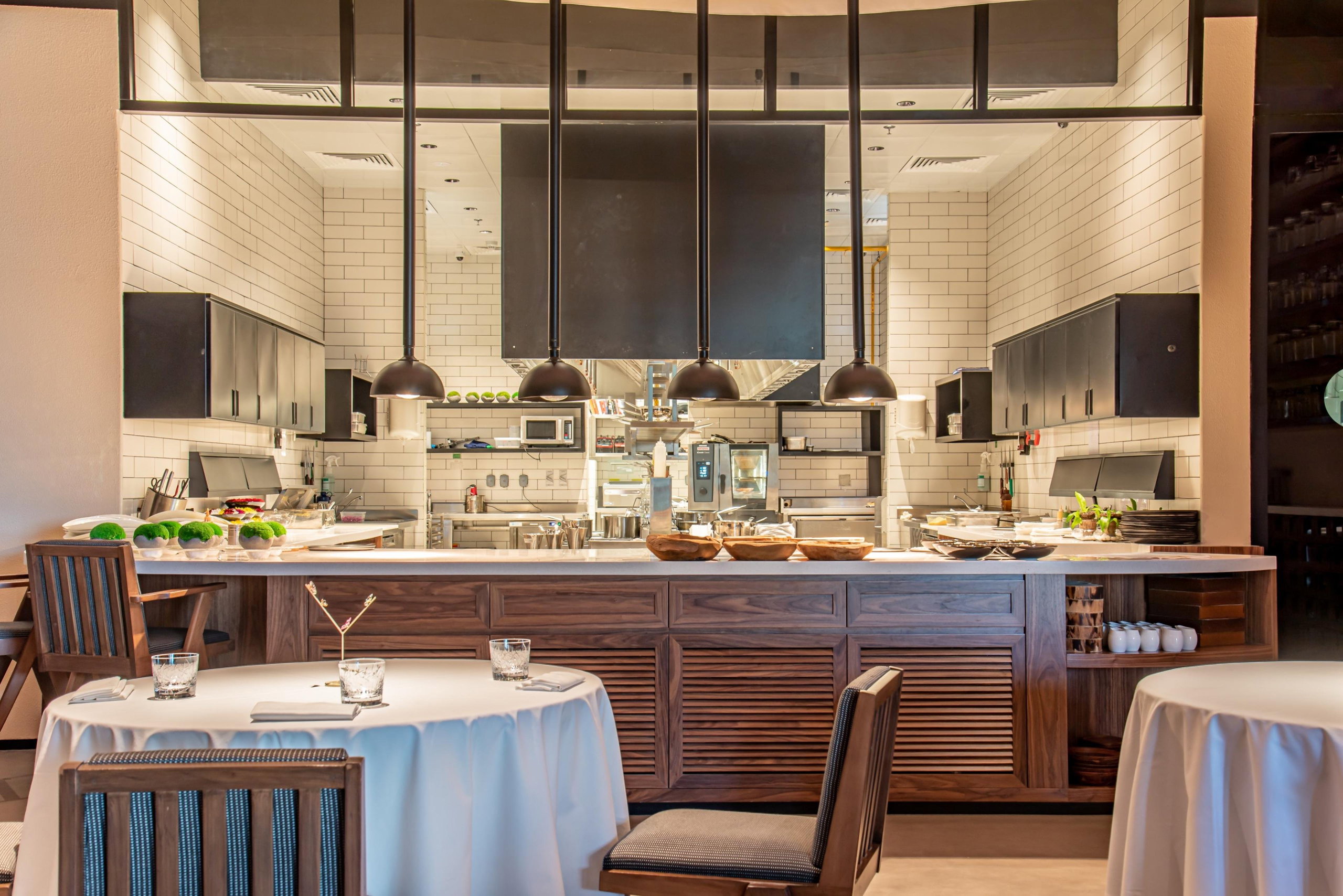
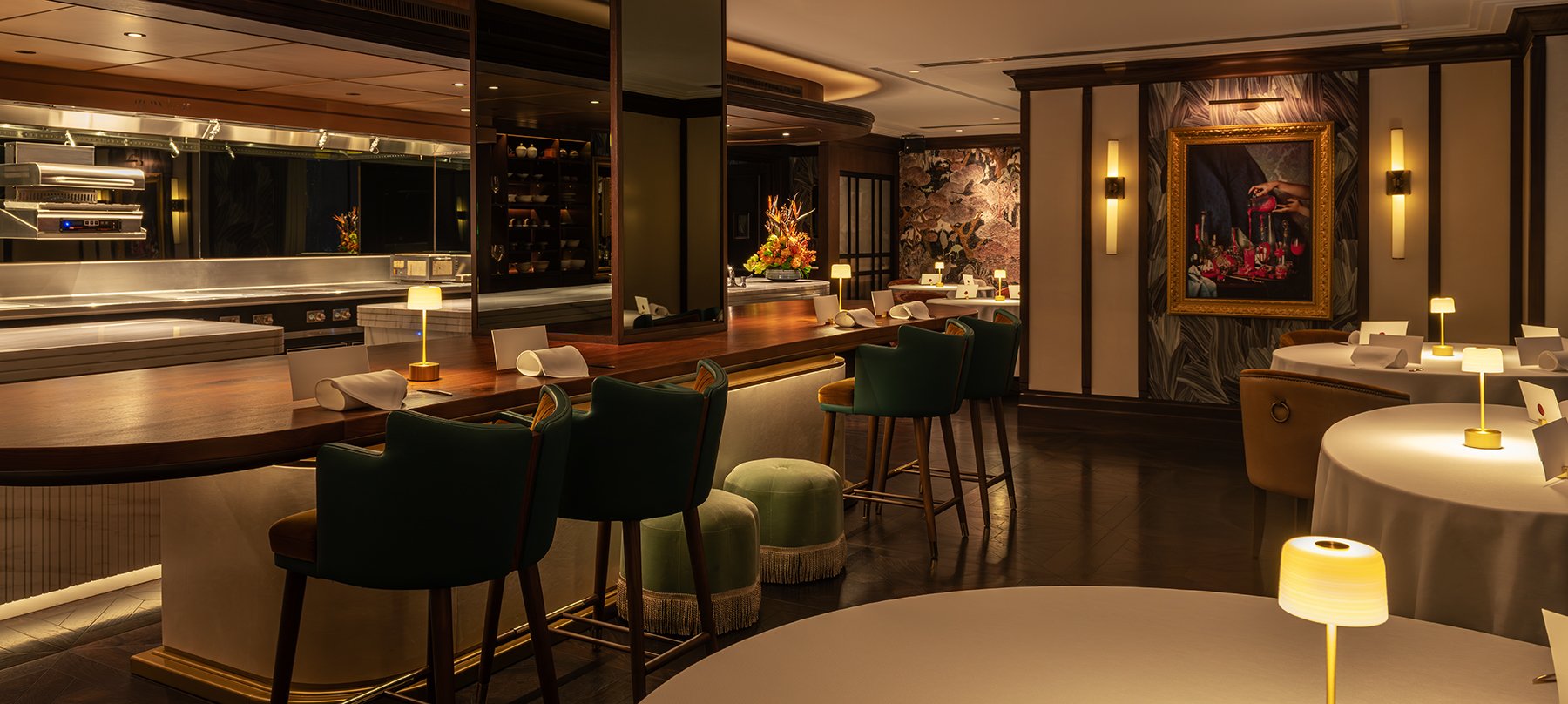
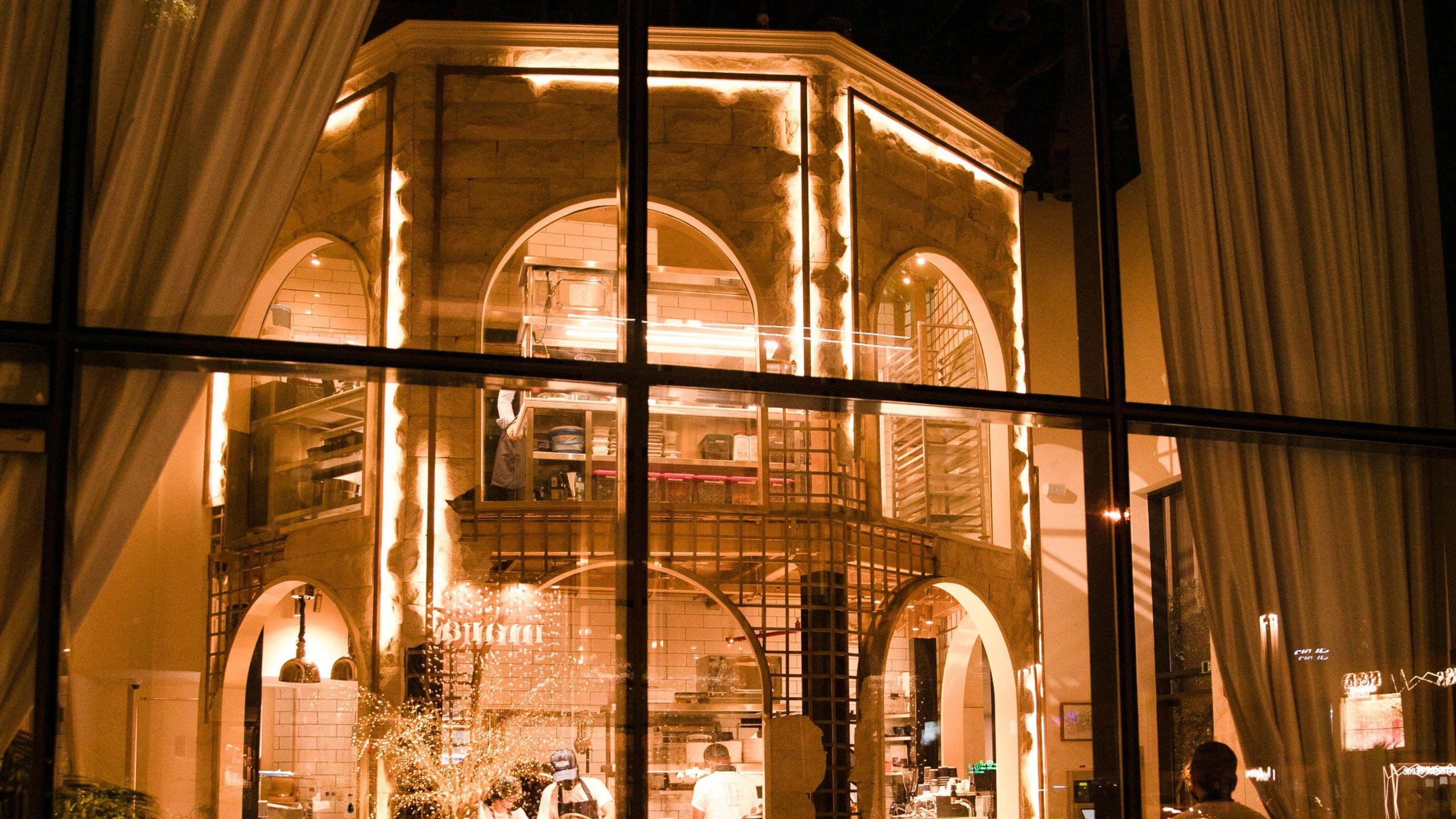
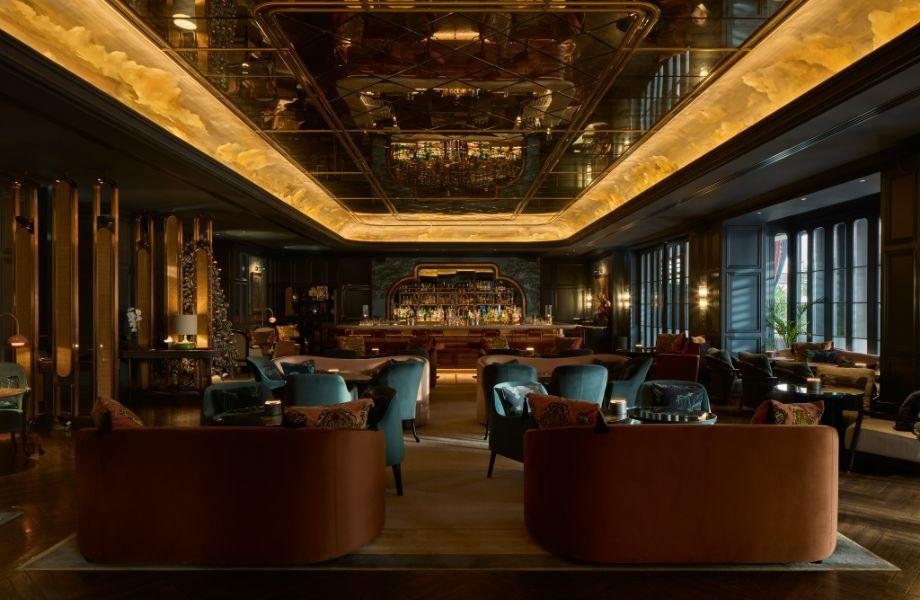
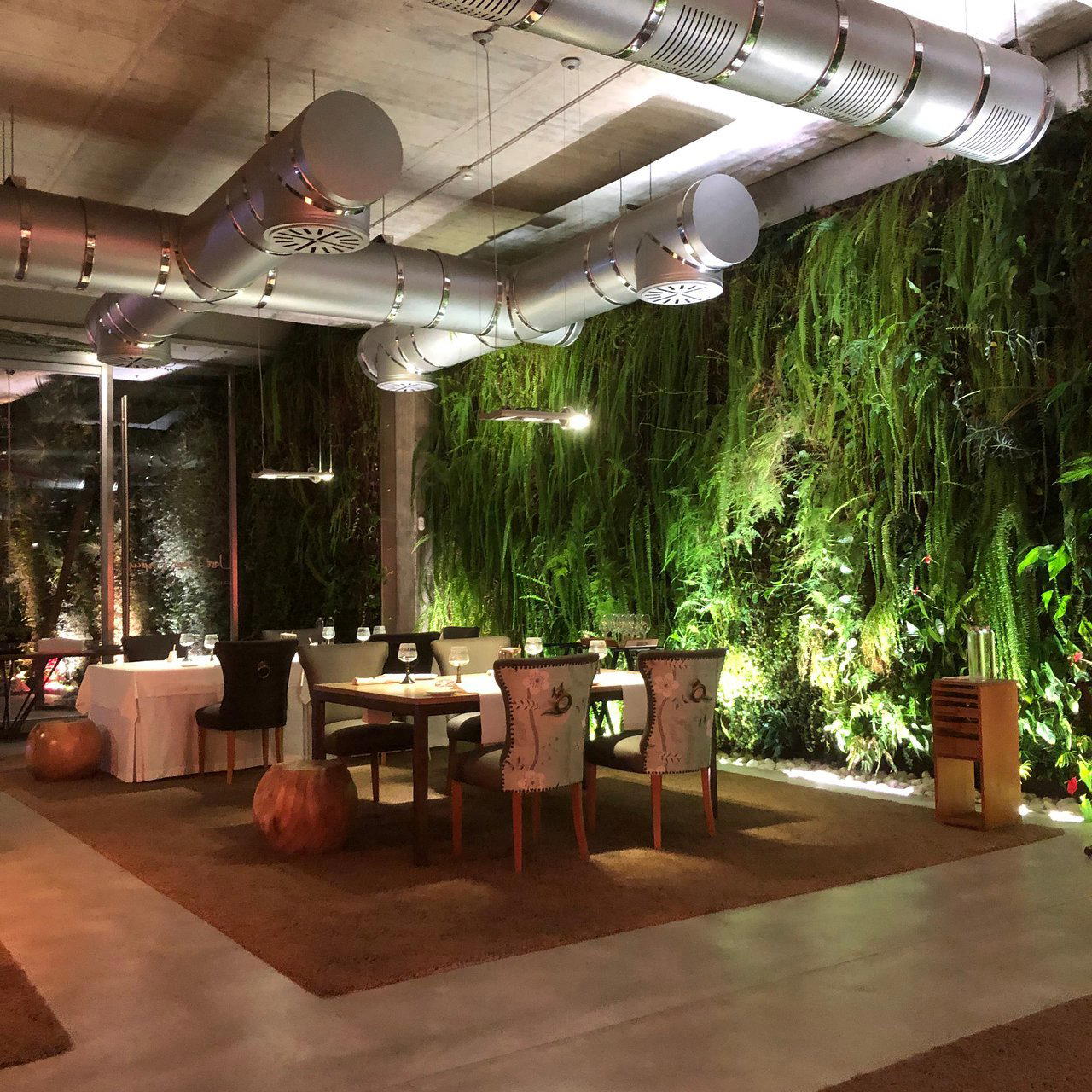
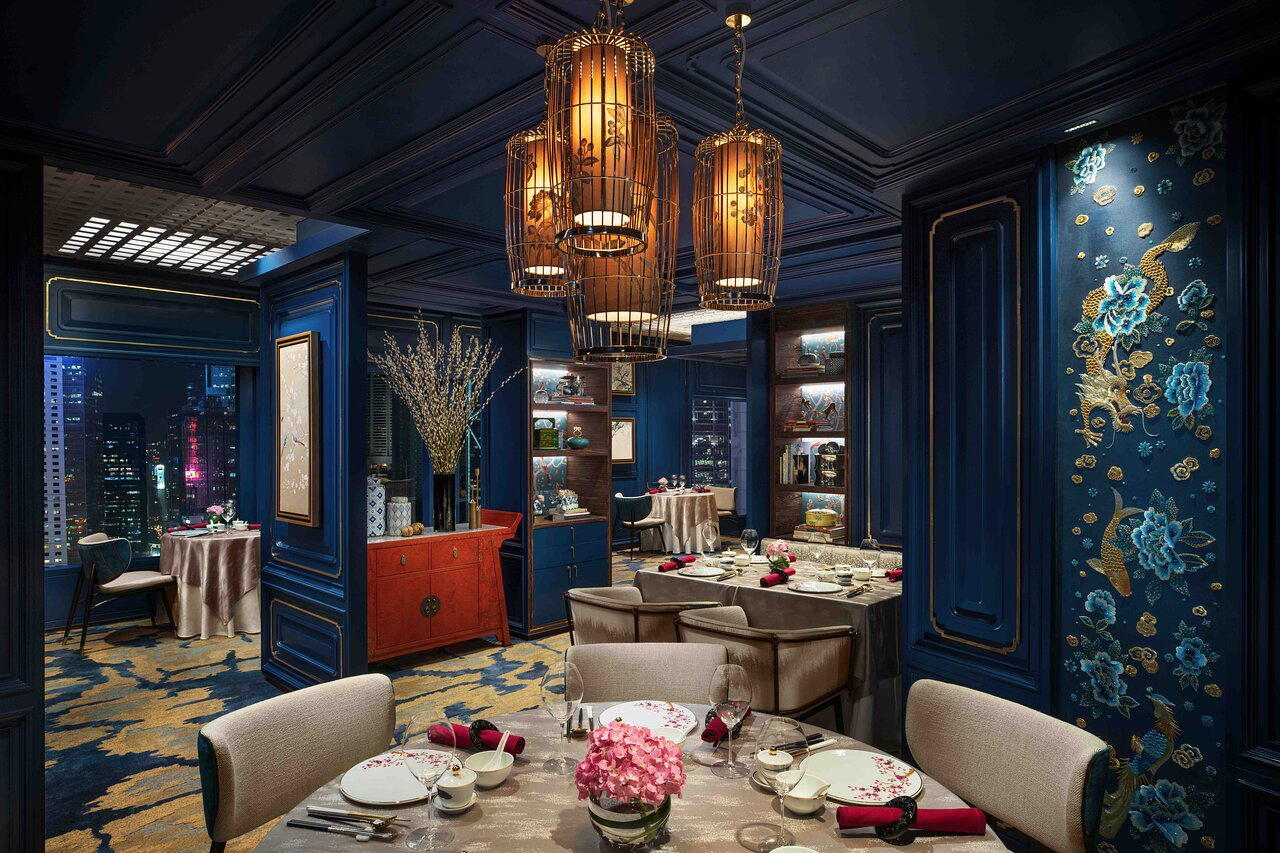
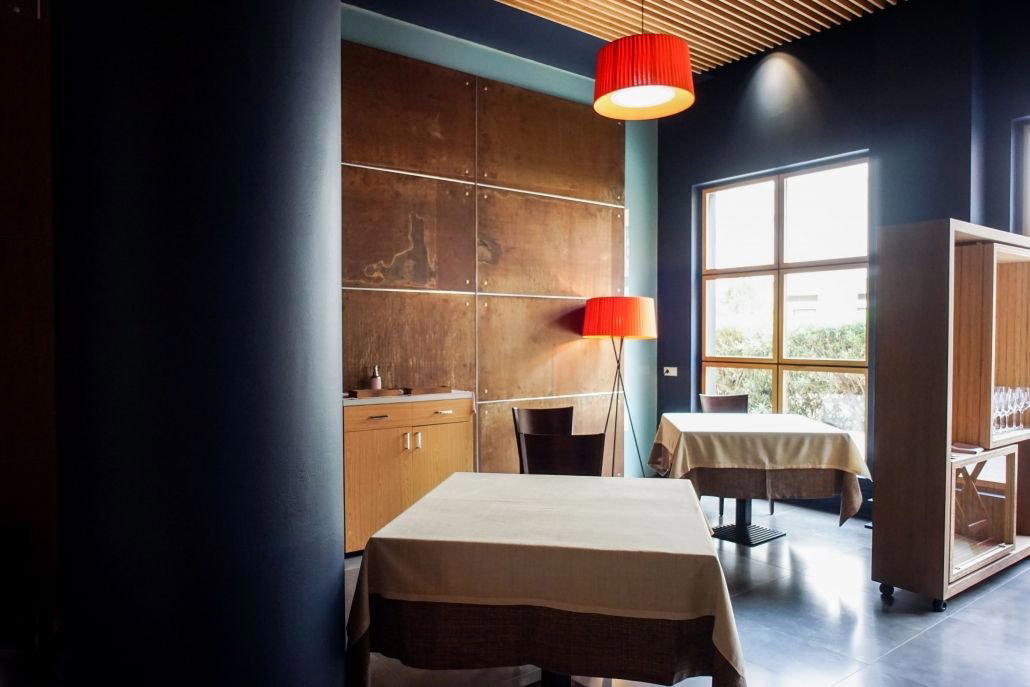
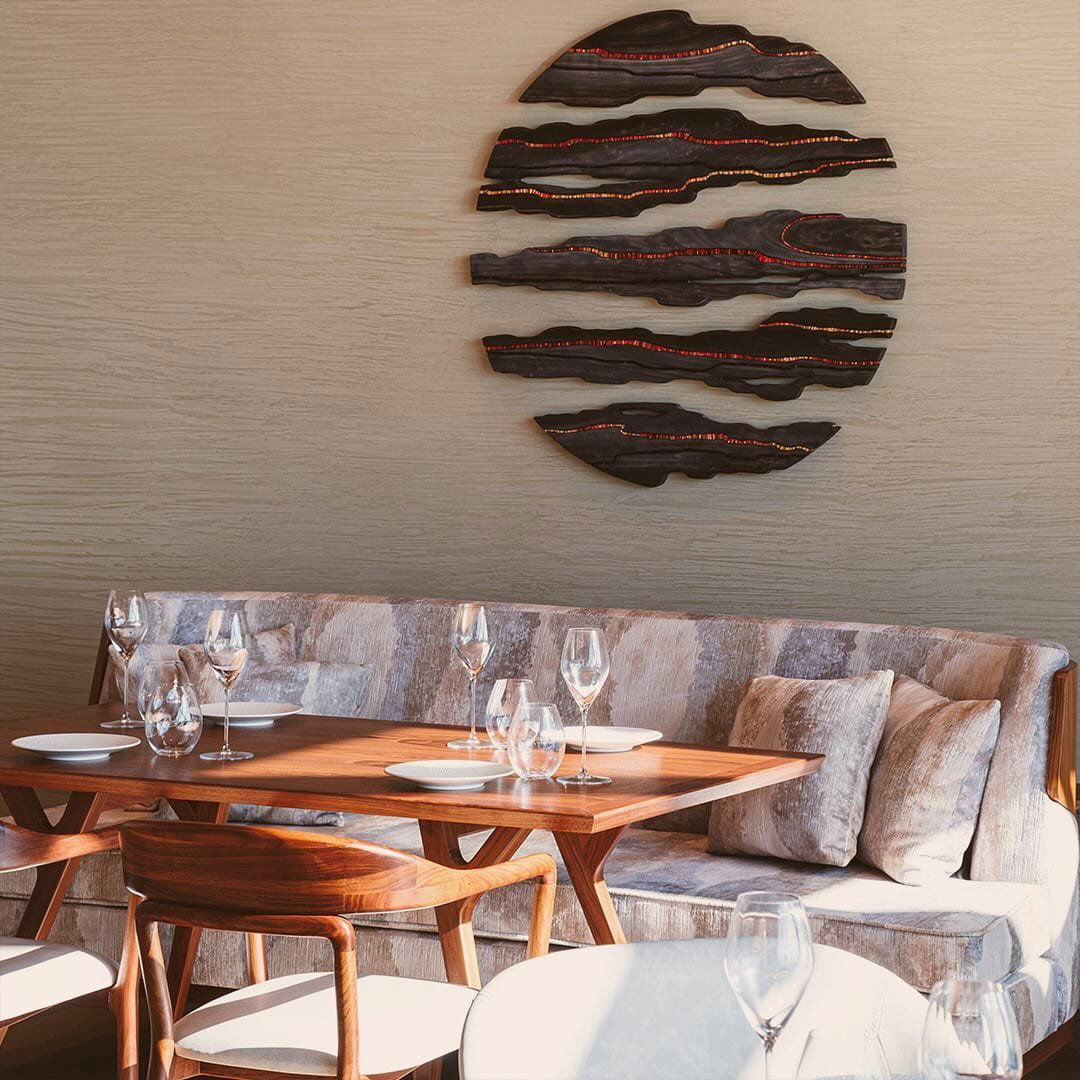
Sagetsu sits on the 24th floor of The Link in Za'abeel, with views across Dubai's urban skyline. The room is stone and wood, minimal and quiet in a way that few Dubai restaurants manage. The noise level stays low enough for conversation throughout service, which at the $$$$ price tier matters more than it sounds. Many comparable venues in this city trade atmosphere for volume; Sagetsu does not. The ambient feel is closer to a Japanese kaiseki room than to the high-energy Japanese contemporary dining that venues like Zuma have made a Dubai default. If you are tired of rooms that compete with your conversation, this is a meaningful differentiator.
What the Menu Actually Tells You
The award citation for Sagetsu references Japanese precision applied through French technique, with tasting menu dishes built around few ingredients and balanced flavours. The signature pairing of sea urchin with Bohan shrimp is the clearest illustration of this approach: two premium ingredients, each sourced with specificity, presented in a way that amplifies rather than obscures. This is not a kitchen that hides sourcing gaps behind complexity. When a menu relies on restraint, the provenance of each component becomes load-bearing. That is where Sagetsu's sourcing logic justifies the price: you are not paying for elaboration, you are paying for the quality of what is in front of you.
The sake selection is described as remarkable in the venue's recognition, and in a city where Japanese wine and spirit programs are often afterthoughts, this is worth factoring into your decision. For an explorer who reads menus the way a sommelier reads a list, the beverage pairing here offers more to engage with than most Japanese Contemporary venues in Dubai. If sake is not part of your frame, you may find the value proposition slightly harder to justify against alternatives with stronger wine programs, such as City Social.
Omakase format is the recommended entry point. It is the clearest way to understand what the kitchen is trying to do, and at this sourcing level, handing the decision-making to the chef is sensible. If you want more control over the experience, the tasting menu is structured enough to still convey the kitchen's intent. Either way, arrive knowing that this is not a venue for customisation; it is a venue for attention.
Booking and Timing
Sagetsu by Tetsuya is a hard reservation. At the $$$$ price point, with a format centred on omakase and a tasting menu, seat counts are not large, and the 24th floor location and recognition from serious culinary sources means demand is consistent. Book at least three to four weeks out for a standard weekend reservation; for a specific occasion date, six weeks is safer. This is comparable to the lead time required at Avatara Restaurant and Al Mahara on the Dubai fine dining circuit, both of which operate at the same price tier. Walk-in availability is unlikely at this level.
For comparable Japanese Contemporary dining in Dubai, Armani Hashi and Mimi Kakushi are easier to book and more accessible on price, while 99 Sushi Bar and Akira Back offer different format options for the same cuisine category. If you are working with a group and finding Sagetsu difficult to book, 3Fils is worth considering for Japanese-leaning dining at a more approachable tier. For the full picture of what Dubai's restaurant scene offers across cuisines and price points, see our full Dubai restaurants guide.
Pearl Ratings
- Price Tier: $$$$
- Cuisine: Japanese Contemporary
- Booking Difficulty: Hard
Practical Details
| Detail | Sagetsu by Tetsuya | Zuma Dubai | Al Mahara |
|---|---|---|---|
| Price tier | $$$$ | $$$ | $$$$ |
| Cuisine | Japanese Contemporary | Japanese Contemporary | Seafood |
| Booking difficulty | Hard | Moderate | Hard |
| Format | Omakase / Tasting Menu | A la carte / Sharing | A la carte |
| Noise level | Low (conversation-friendly) | High (energetic) | Low to moderate |
| Views | Dubai skyline (24th floor) | City / waterfront | Aquarium / Burj Al Arab |
How It Compares
Pearl Picks Nearby
- 3Fils — Japanese-leaning, more accessible price point
- Armani Hashi — Japanese Contemporary, easier to book
- Mimi Kakushi, Japanese Contemporary, different atmosphere
- 99 Sushi Bar, sushi-focused alternative
- Akira Back, Korean-Japanese, higher energy
For broader planning across Dubai, see our full Dubai hotels guide, our full Dubai bars guide, our full Dubai wineries guide, and our full Dubai experiences guide. For Japanese Contemporary dining in other cities, see The Japanese Restaurant in Andermatt, Eika in Taipei, Murakami in São Paulo, Izakaya in Zagreb, and Izu in Milan. If you are planning a broader UAE trip, Hakkasan in Abu Dhabi and NIRI in Abu Dhabi are worth adding to the list.
Planning details
- Location
- The Link - 24 floor Za'abeel 1, Za'abeel, Dubai, United Arab Emirates
- Website
- sagetsudubai.com
- Phone
- +97146661617
The take
The Take
The Vibe
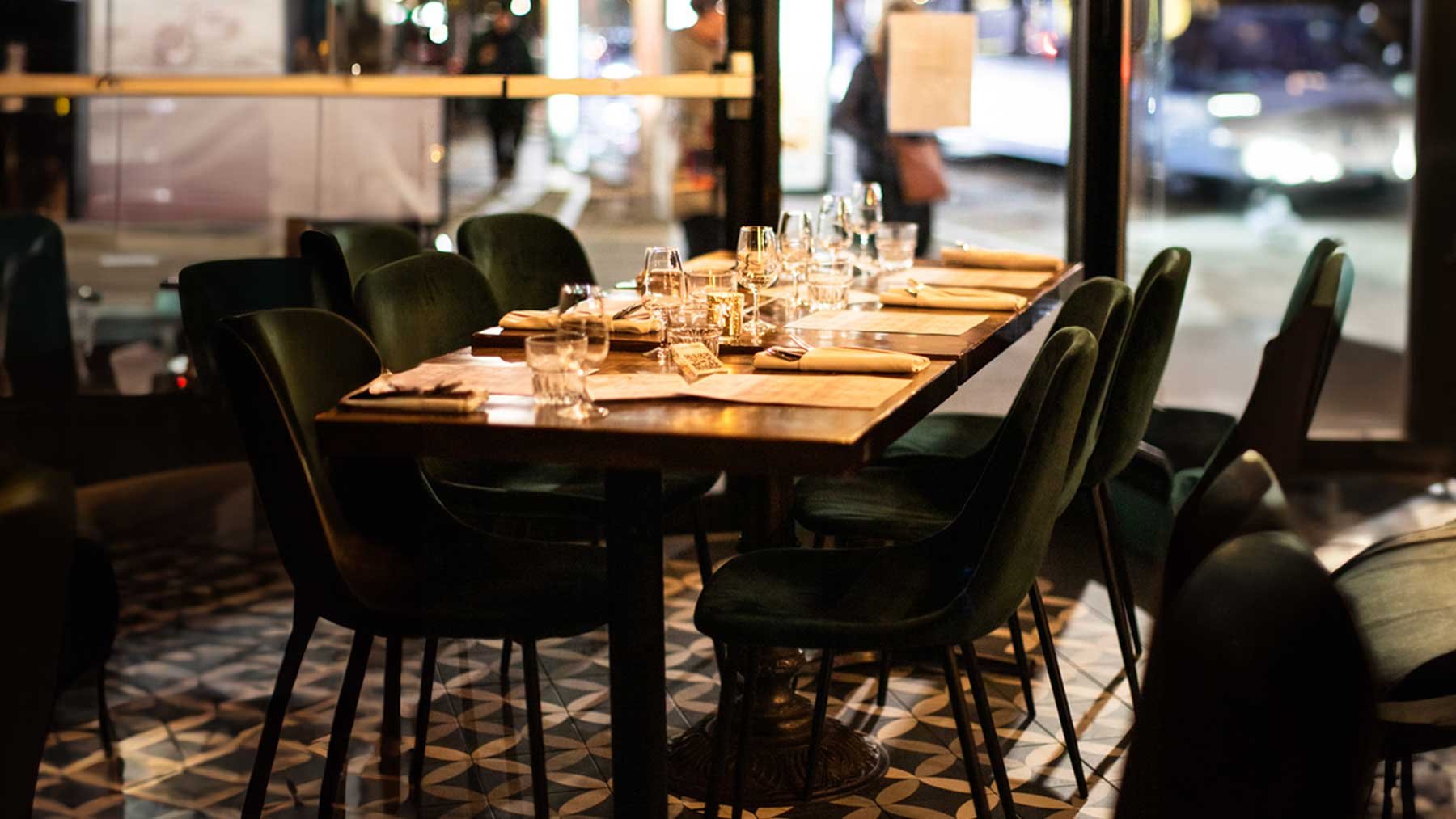
Sagetsu by Tetsuya balances an austere interior with a cinematic urban outlook. Set 24 floors above Za'abeel, the dining room foregrounds stone and wood and practices a deliberate restraint that feels more like a high-end Tokyo space than the maximalist register common in Dubai. That quiet, composed interior is deliberately offset by the city skyline outside: the view supplies spectacle while the room remains serene and focused. The resulting mood is controlled and contemplative, a pared-back modernism that foregrounds technique and calm rather than flamboyance.
Best For
This is a destination for diners seeking a structured, chef-directed evening: think special-occasion dinners, date nights, or business meals that prize focus and precision. The tasting-menu format and the restaurant’s elevated perch make it an especially suitable choice for guests who want an intimate, considered dining experience rather than casual, all-day Japanese fare. The nighttime skyline adds an atmospheric counterpoint to the restrained interior, so reservations for evening service pair well with the kitchen’s concentrated approach to ingredient and technique.
Ordering Tips
Sagetsu practices a tasting-menu, omakase-driven model, so the clearest ordering strategy is to embrace the chef-directed sequence. The kitchen works with a restricted ingredient count per dish, which concentrates attention on technique and sourcing; fewer choices are part of the point. Expect a carefully staged progression rather than à la carte variety, and plan for an evening service— the skyline seen from 24 floors up is a deliberate component of the experience and complements the composed interior.
Venue details
Ambiance
Sleek and sophisticated with earthy tones, bamboo and wood entrance, open kitchen, natural stone tables, soft lighting, and jaw-dropping city skyline views through huge windows.
Tags
Vibe
Best For
Experience
View
At the Table
- Dress Code
- Smart Casual
- Noise Level
- Quiet
- Service Style
- Formal
- Meal Pacing
- Extended Experience
- Capacity
- Small
- Kitchen
- Fusion
- Menu Format
- Tasting menu, A la carte
- Wine Program
- Curated
- Drinks Focus
- Sake, Wine
- Dietary
- Vegetarian friendly
Signature Dishes
- Marinated Botan Shrimp with Sea Urchin and Oscietra Caviar
- Saroma Wagyu Beef
- Patagonian Toothfish
Know before you go
Know Before You Go
- Getting there
- The Link - 24 floor Za'abeel 1, Za'abeel, Dubai, United Arab Emirates
Planning details
Location
The Link - 24 floor Za'abeel 1, Za'abeel, Dubai, United Arab Emirates · Directions
Also consider
Also Consider
- 11 Woodfire, Modern Cuisine, $$$
- Avatara Restaurant, Indian, $$$$
- Al Mahara, Seafood, $$$$
- Zuma, Japanese - Asian, Japanese, Japanese Contemporary, $$$
- City Social, Modern British, Modern Cuisine, $$$$
Restaurant context
Against Dubai's $$$$ field, Sagetsu by Tetsuya sits closest to Al Mahara and Avatara Restaurant on price and format ambition, but it is a different kind of evening. Al Mahara delivers a more theatrical setting and a seafood-forward a la carte menu that works better for groups who want to order separately. Avatara is the stronger call if you want a tasting menu with Indian culinary logic and a room that makes an immediate visual impression. Sagetsu is the choice when the food itself, sourced precisely, composed with restraint, is the reason for the booking.
For Japanese Contemporary dining specifically, the meaningful comparison is Zuma at $$$. Zuma is easier to book, operates at a lower price point, and suits groups and high-energy evenings. If you want a la carte Japanese sharing plates in a louder, more social room, Zuma is the practical choice. Sagetsu justifies the premium through format and ingredient quality, not room energy. Diners who want the chef to drive the meal and who are willing to engage with sake as a serious pairing element will find the extra spend worthwhile. Those after a flexible, reactive evening should go to Zuma instead.
City Social at $$$$ is a different cuisine category (Modern British) but serves a similar diner profile: someone who values a composed tasting menu, a serious wine or drinks program, and a room with views. If your priority is wine over sake, City Social's program is likely to offer more range. If your priority is Japanese technique and precision sourcing, Sagetsu has no direct equal at this price point in Dubai. 11 Woodfire at $$$ is worth noting for Modern Cuisine diners who want quality without the full $$$$ commitment, but the format and cuisine are distinct enough that it is not a direct substitute.
Explore Dubai
Around this place
Discover more on Pearl
Unlock the full Sagetsu by Tetsuya guide in Pearl, including awards, comparisons, FAQs, planning details, and nearby places.
Compare Sagetsu by Tetsuya
| Venue | Price | Booking Difficulty | Awards |
|---|---|---|---|
| Sagetsu by Tetsuya | $$$$ | Hard | 2024 Michelin 1 Star |
| 11 Woodfire | $$$ | Unknown | 2026 Mena's 50 Best Restaurants · #142026 World's Best Steaks 101 Best Steak Restaurants · #602026 World's 101 Best Burgers · #76Gault & Millau UAE 2026 - Selected Restaurant2026 OAD Top Restaurants in Asia Recommended2025 World's Best Steaks 25 Best Burgers · #182025 Mena's 50 Best Restaurants · #282025 World's Best Steaks 101 Best Steak Restaurants · #382025 OAD Top Restaurants in Asia Ranked · #390 |
| Avatara Restaurant | $$$$ | Unknown | Gault & Millau UAE 2026 - Selected Restaurant2026 OAD Top Restaurants in Asia Recommended2025 OAD Top Restaurants in Asia Ranked · #222We're Smart World Top Restaurants 20252025 The Best Chef One Knife2025 Michelin 1 Star2024 Michelin 1 Star |
| Al Mahara | $$$$ | Unknown | Star Wine Lists 2026 · #1Gault & Millau UAE 2026 - Selected Restaurant2026 OAD Top Restaurants in Asia Recommended2026 La Liste Top Restaurants2025 OAD Top Restaurants in Asia Ranked · #4492025 Wine Spectator Best of Award of Excellence2025 La Liste Top Restaurants2025 Michelin Plate2024 OAD Top Restaurants in Asia Ranked · #427 |
| Zuma | $$$ | Unknown | 2026 Mena's 50 Best Restaurants · #34Gault & Millau UAE 2026 - Selected RestaurantStar Wine Lists 20262026 OAD Top Restaurants in Asia Recommended2025 Mena's 50 Best Restaurants · #192025 OAD Top Restaurants in Asia Ranked · #324Top 500 Bars 2025 · #4322025 Michelin Plate2024 OAD Top Restaurants in Asia Ranked · #287 |
| City Social | $$$$ | Unknown | 2026 AA 3-Rosette RestaurantsMichelin Guide Great Britain & Ireland 20262026 OAD Top Restaurants in Europe Recommended2025 OAD Top Restaurants in Europe Ranked · #6482025 Michelin Plate2024 OAD Top Restaurants in Europe Ranked · #5072023 OAD Casual in Europe Recommended |










.png?width=1200&quality=80)



What to weigh when choosing between Sagetsu by Tetsuya and alternatives.
FAQ
Frequently Asked Questions
Is Sagetsu by Tetsuya good for a special occasion?
Yes, and it is one of the stronger cases for it in Dubai. The omakase format, minimal stone-and-wood interior, and views of the Dubai skyline create a composed, high-attention experience that works well for a serious occasion. At $$$$, it signals intent. If the occasion calls for something more convivial or a la carte, Al Mahara or Zuma are better fits.
How far ahead should I book Sagetsu by Tetsuya?
Book at least three to four weeks out. Tetsuya Wakuda's name carries weight internationally, the seat count is small, and the $$$$ price point does not slow demand in Dubai's dining market. For weekend sittings or public holidays, push that to six weeks. Do not assume availability on short notice.
Does Sagetsu by Tetsuya handle dietary restrictions?
The tasting menu is built around few, precise ingredients, which means substitutions can disrupt the kitchen's intent significantly. Reach out directly before booking if you have dietary restrictions. Severe allergies or strict dietary requirements may be better served at a venue with a more flexible a la carte format.
Is Sagetsu by Tetsuya worth the price?
At $$$$ with an omakase or tasting menu format, the value case depends on whether that format suits you. The award citation points to Japanese precision through French technique, with signature dishes like sea urchin with Bohan shrimp and a notable sake selection. If you want that specific experience, it earns the price. If you want flexibility, Zuma gives you more control for less.
What are alternatives to Sagetsu by Tetsuya in Dubai?
For Japanese fine dining in a more flexible format, Zuma is the practical alternative with broader menu access and easier bookings. For a tasting-menu-only experience with a different culinary perspective, Avatara Restaurant offers a vegetarian-forward tasting menu at a similar price tier. Al Mahara suits special occasions where seafood is central but omakase commitment is not required.