


Hōseki
Japanese · Jumeira, Dubai
Restaurant in Dubai, United Arab Emirates
 Book with Pearl
The Read
Island Counter Omakase
Price
$200–300per person
Chef
Masahiro Sugiyama
Dress
Smart Casual
Why go
Hōseki is Dubai's most credentialed Japanese fine dining room, holding a Michelin star in both 2024 and 2025 and featuring on La Liste two years running under chef Masahiro Sugiyama. Set on Jumeirah Bay Island at the $$$$ tier, it is the answer for serious omakase or kaiseki in the UAE — book well in advance, especially October through April.
About Hōseki
Should you book Hōseki for a special occasion dinner in Dubai?
Yes — if Japanese fine dining at the highest level available in the UAE is what you're after, Hōseki is the clearest answer in Dubai right now. Chef Masahiro Sugiyama holds a Michelin star in both 2024 and 2025, and the restaurant has featured on La Liste's global ranking two years running (76.5pts in 2025, 76pts in 2026), which places it in international company. For anyone who has eaten at comparable kaiseki or omakase rooms in Tokyo — at venues like Myojaku, Azabu Kadowaki, or Kagurazaka Ishikawa, Hōseki will feel like a serious, committed operation rather than a regional approximation of Japanese cuisine.
The Room and the Experience
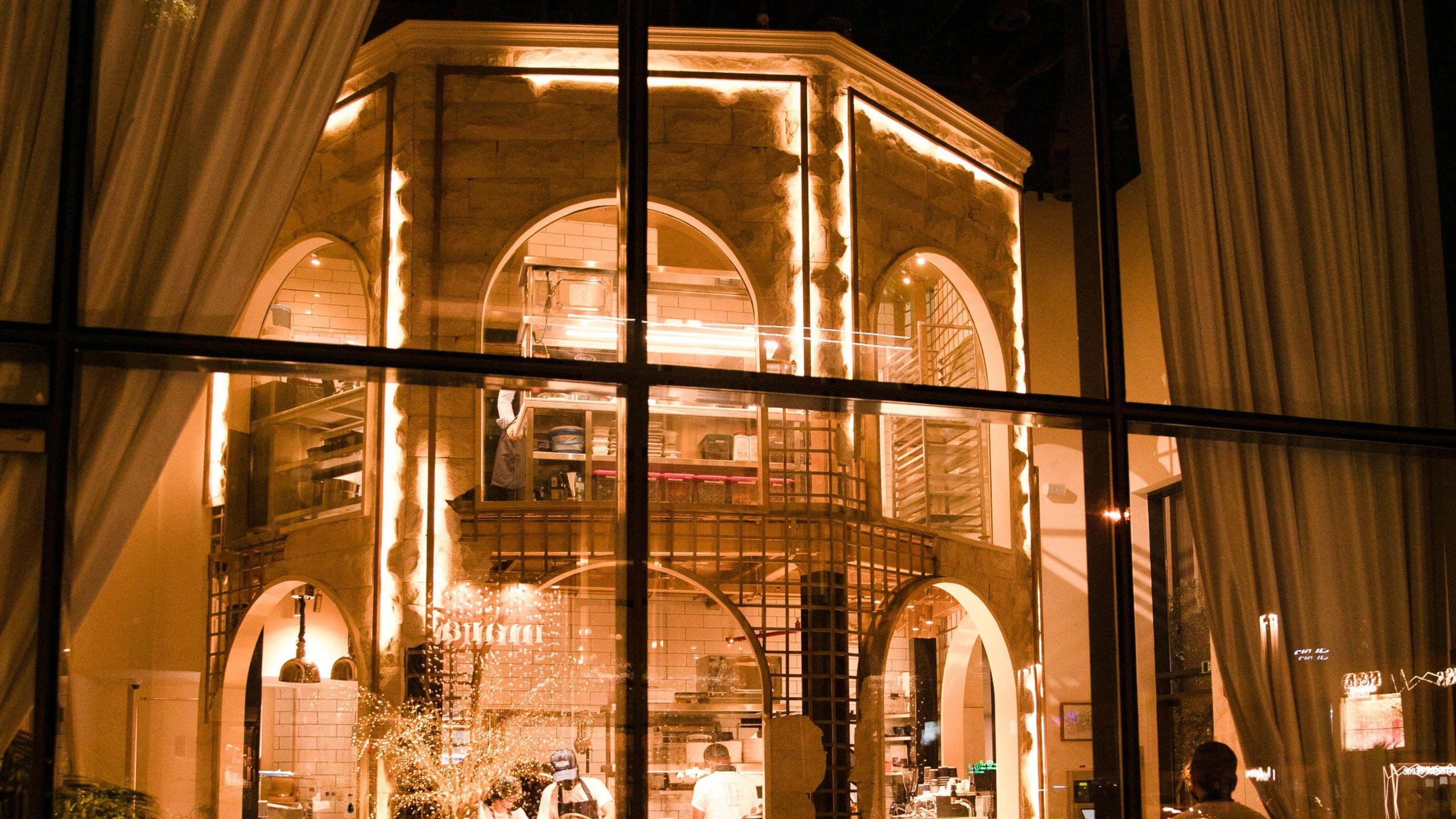
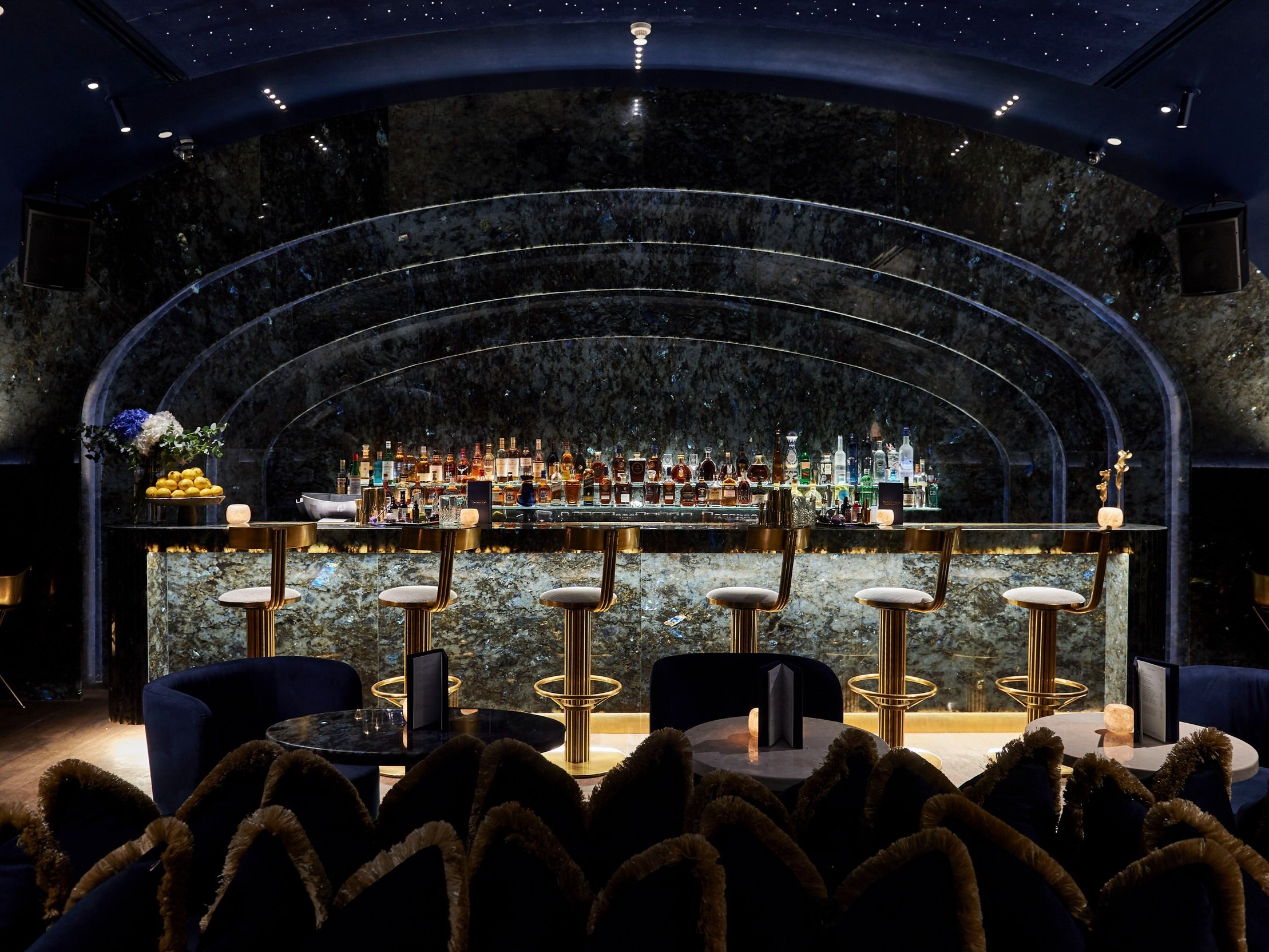
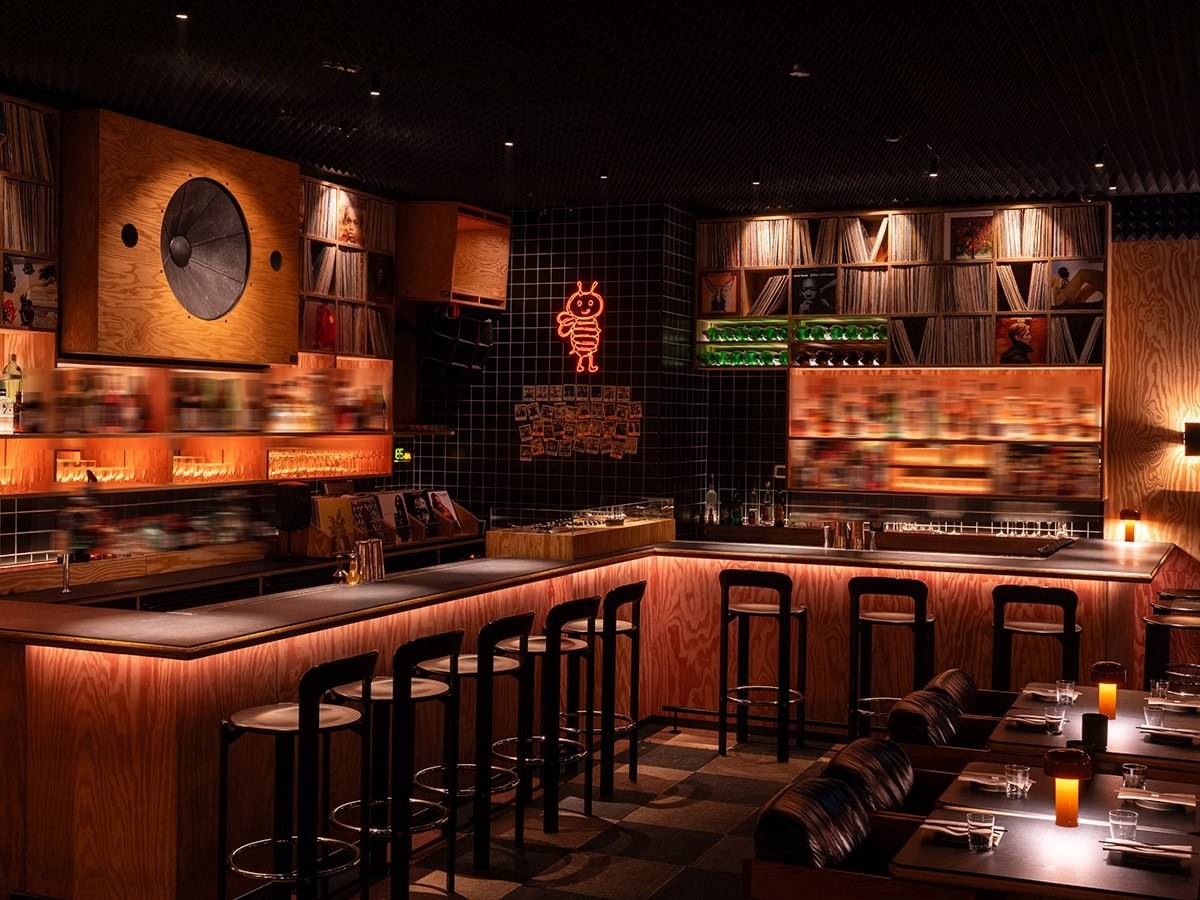
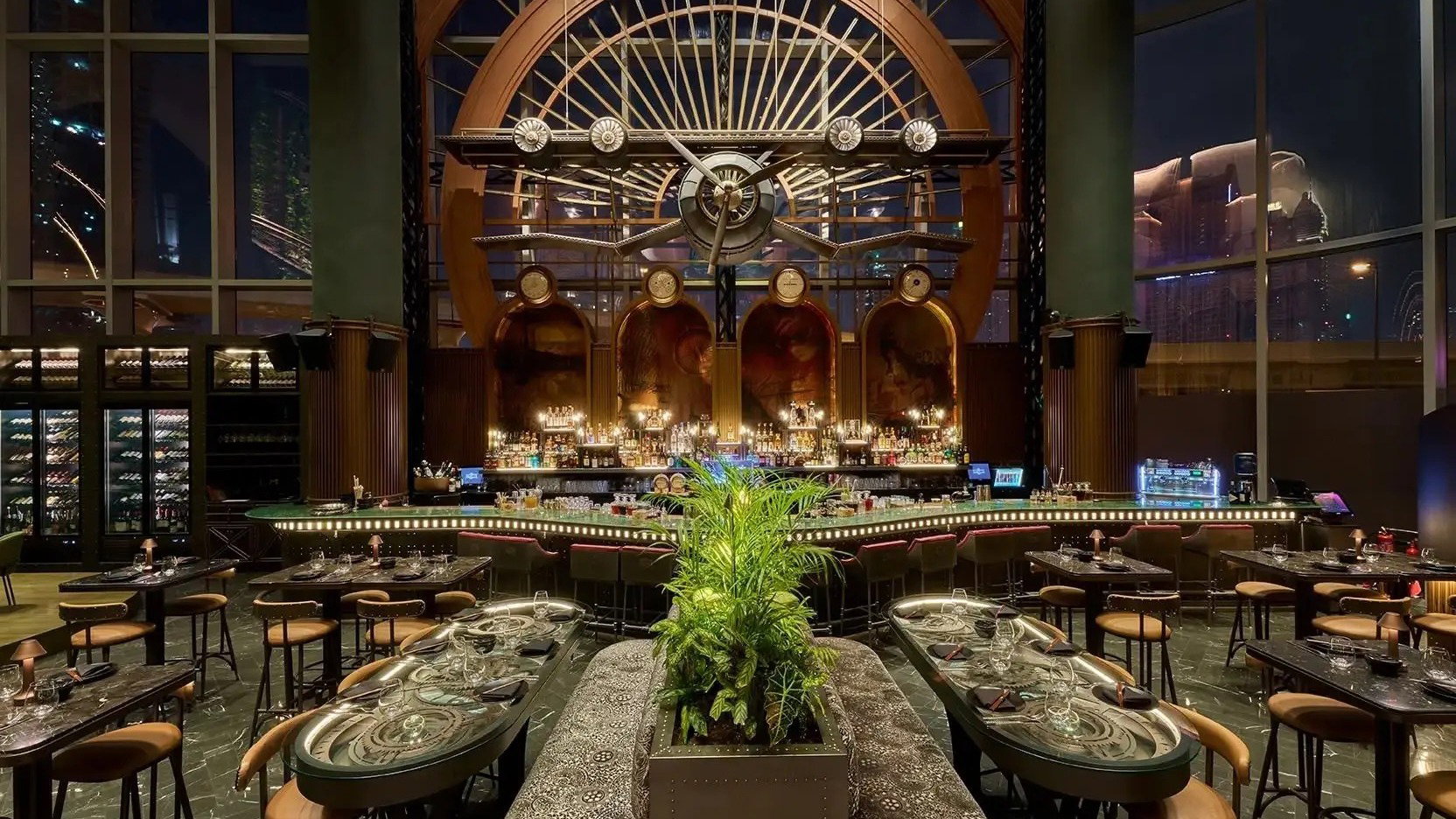
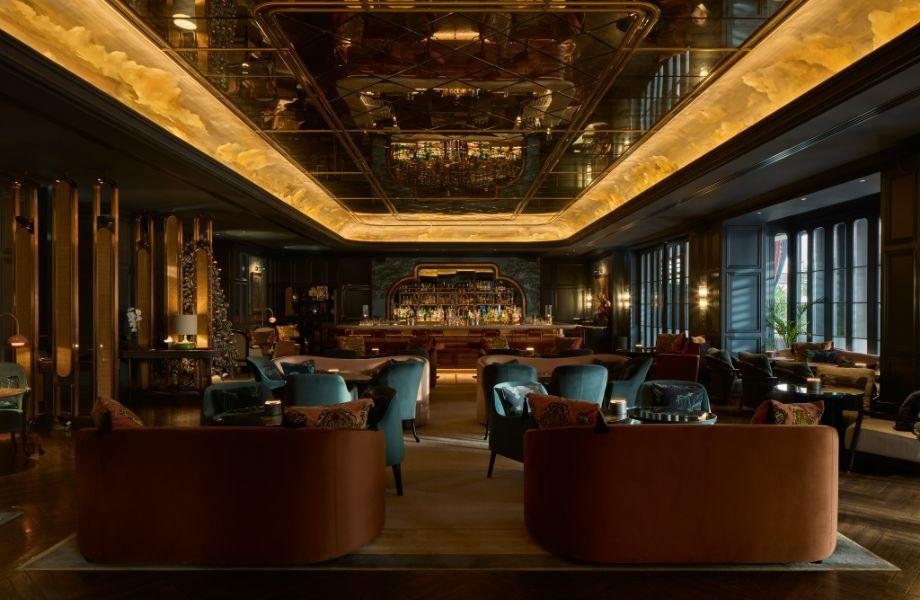
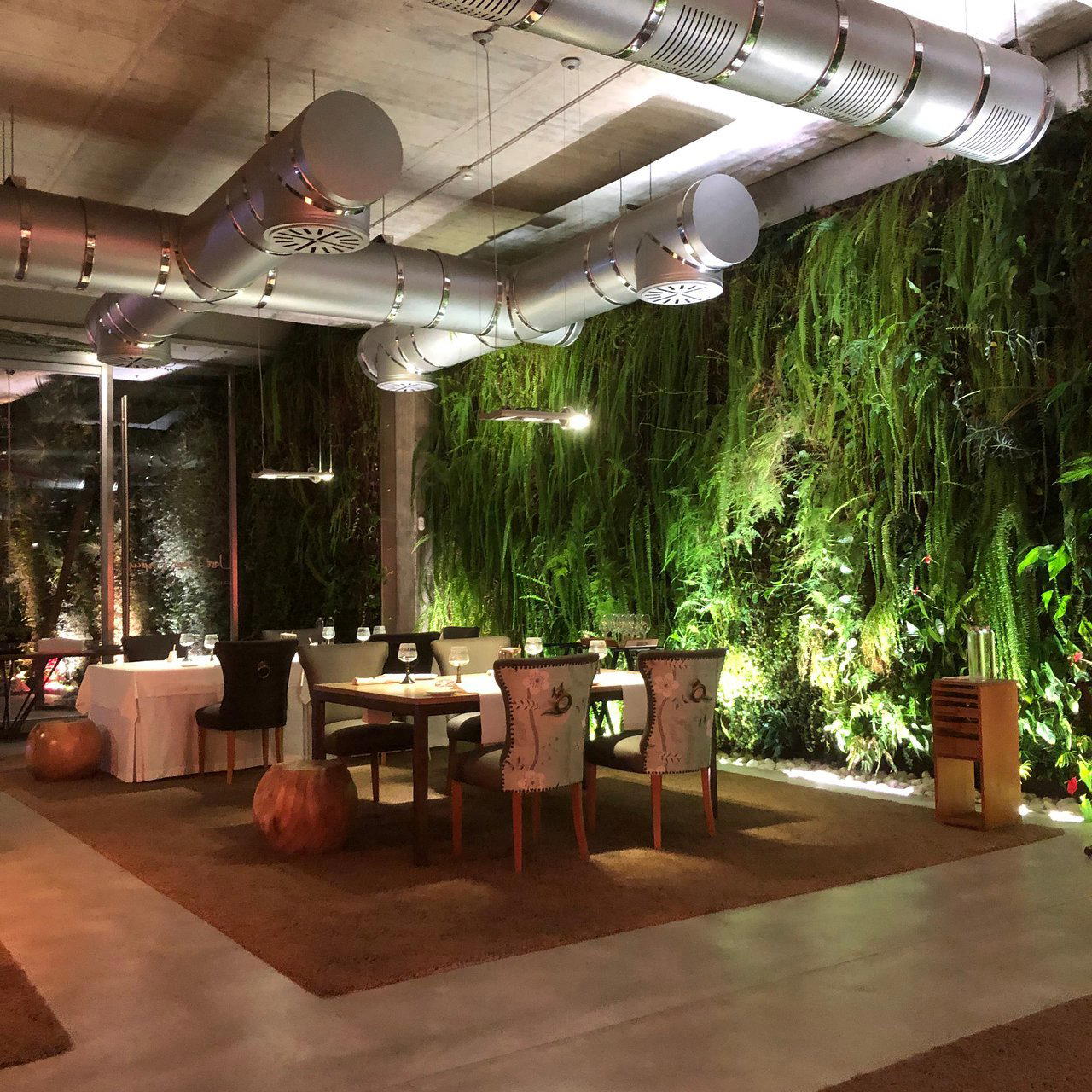
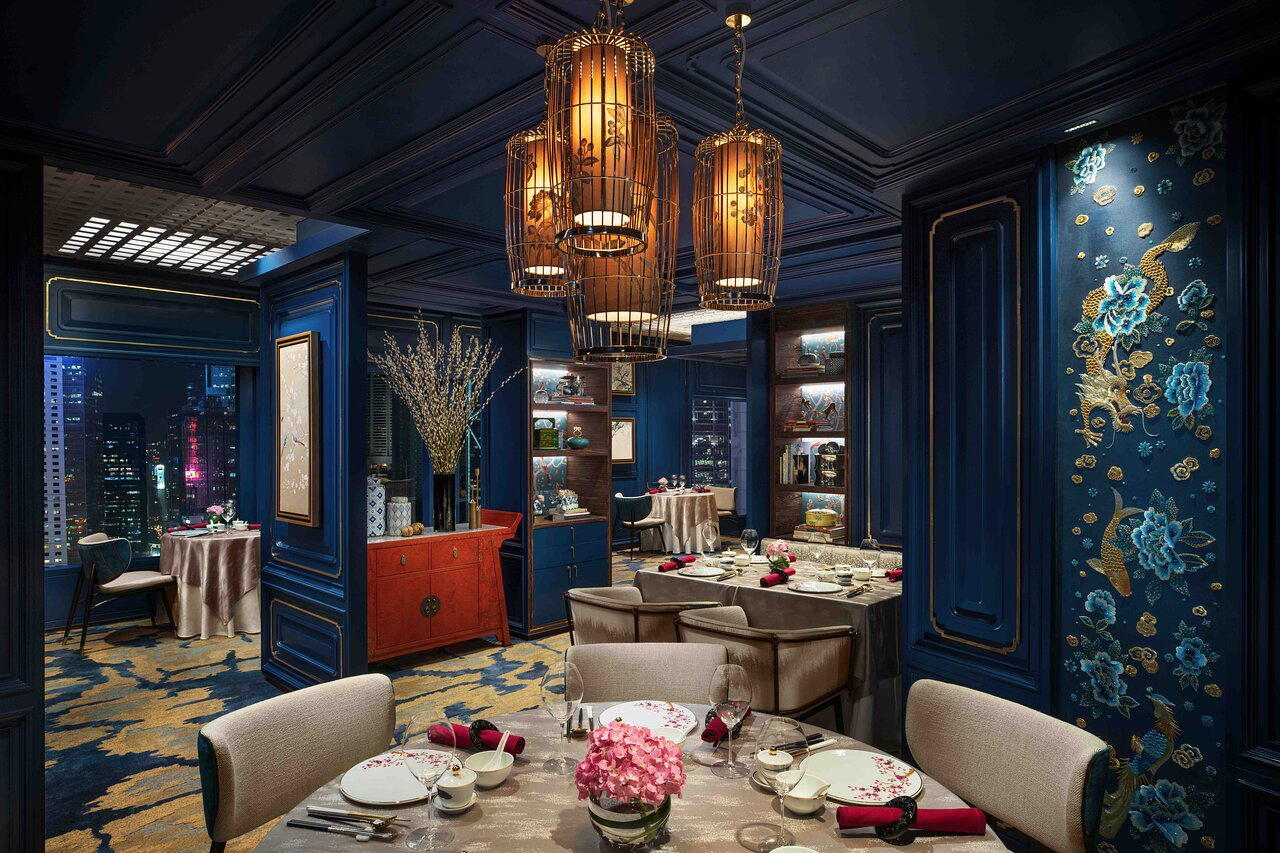
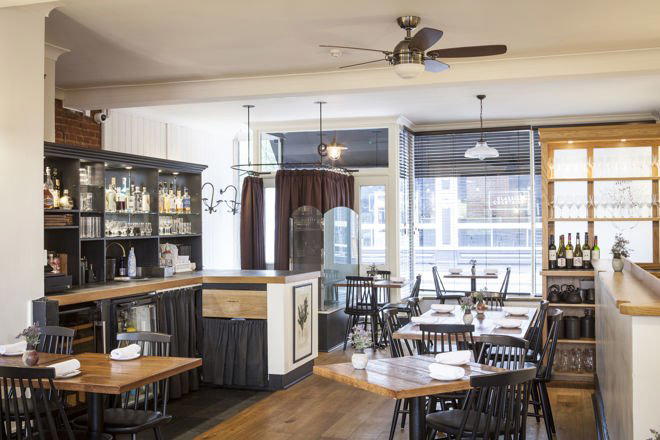
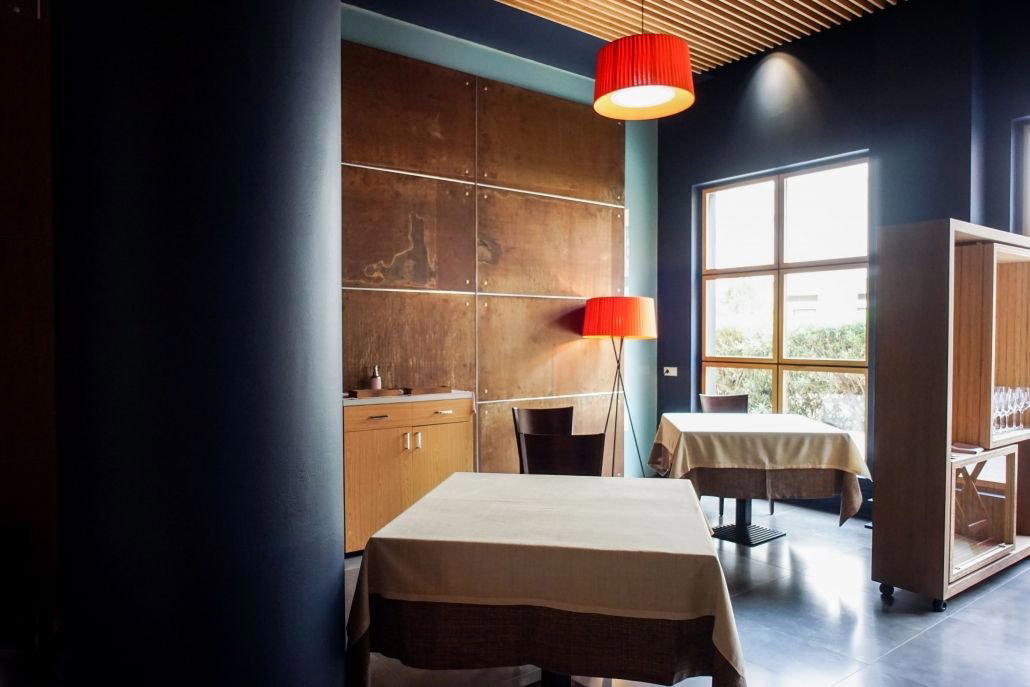
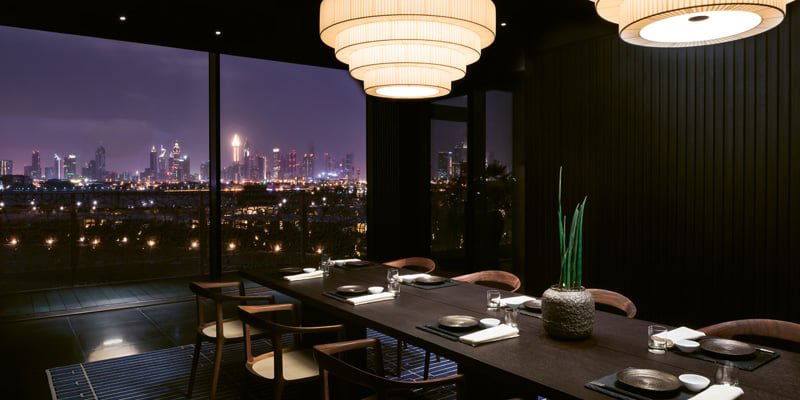
Hōseki sits on Jumeirah Bay Island, a low-density address that separates it physically and atmospherically from the density of Downtown Dubai or DIFC. The setting itself signals intention: this is not a restaurant built around footfall or a hotel lobby. The visual experience begins before the food arrives, with the kind of spare, considered presentation that defines serious Japanese fine dining, clean lines, deliberate plating, a room that asks you to pay attention. If you are coming from a trip that includes stops at Isshisoden Nakamura in Kyoto or Gion Matayoshi, you will recognise the register. If Hōseki is your entry point into this style of dining, expect a format that rewards focused attention rather than a loud night out.
At this price point, disappointed guests tend to say so, the absence of significant negative sentiment in a venue this expensive suggests the kitchen is delivering consistently.
Leading Time to Book
Dubai's dining calendar has a pronounced shape: October through April is peak season, when the city's population swells with visitors escaping European and Asian winters, and reservations at Michelin-level restaurants tighten considerably. If you are planning a visit specifically around Hōseki, the shoulder months of October and April give you access to the full season without the peak-week booking pressure of December and January. Avoid the summer months (June through September) only if heat and reduced city energy matters to your trip, the restaurant itself is climate-controlled, and some visitors find summer bookings marginally easier to secure. For weekly timing, mid-week sittings (Tuesday through Thursday) at Japanese fine dining rooms in Dubai tend to have more counter availability than Thursday through Saturday, when the UAE weekend overlap drives demand sharply upward.
On the Question of Takeout and Delivery
This is one of the most direct answers Pearl can give: Hōseki is not a delivery or takeout venue, and you should not approach it as one. The format here, whether kaiseki or omakase in structure, is inseparable from the physical experience of the room, the pacing of service, and the temperature and texture of each course at the moment it leaves the kitchen. Japanese fine dining at this level is among the cuisine formats least suited to off-premise consumption. The precision that earns Michelin recognition relies on immediacy: a course served at the counter five minutes after preparation is a fundamentally different thing from the same dish thirty minutes later in a delivery container. If you are looking for serious Japanese food that does travel well, ramen from Kinoya or Konjiki Hototogisu, for instance, those are the right venues for that purpose. Hōseki requires your presence.
How Hōseki Fits Into Dubai's Japanese Dining Options
Dubai has a wider spread of Japanese dining than most cities outside Japan itself. At the accessible end, Nobu Dubai and Sexy Fish offer Japanese-inflected menus in high-energy rooms where the social experience is as important as the food. TakaHisa sits closer to Hōseki in seriousness of intent. For the explorer who wants to benchmark Hōseki against what the same budget and format delivers in Japan, the relevant reference points are venues like Kashiwaya Osaka Senriyama or Ginza Fukuju in Tokyo. Hōseki does not replace a trip to Japan, but it is the strongest argument in Dubai for the cuisine at this level.
For broader trip planning, see our full Dubai restaurants guide, our full Dubai hotels guide, our full Dubai bars guide, our full Dubai wineries guide, and our full Dubai experiences guide. If you are extending into Abu Dhabi, Erth is worth building time around.
Know Before You Go
- Price tier: $$$$, budget for a full tasting menu experience with beverages
- Awards: Michelin 1 Star (2024, 2025); La Liste Leading Restaurants (76.5pts 2025, 76pts 2026)
- Booking difficulty: Hard, reserve well in advance, especially October–April
- Leading timing: Mid-week sittings; shoulder season (October, April) for easier availability
- Location: Jumeirah Bay Island, allow extra transfer time from central Dubai
- Takeout/delivery: Not applicable, this format requires dining in
- Guest rating:
- Chef: Masahiro Sugiyama
FAQ
Can I eat at the bar at Hōseki?
Counter seating is common in serious Japanese fine dining formats, and if Hōseki follows that structure, a bar or counter position may be the preferred seat rather than a fallback. Contact the restaurant directly to confirm counter availability and whether solo or pair bookings can be accommodated there, in omakase and kaiseki rooms, counter seats are often the most coveted rather than the most available.
What should a first-timer know about Hōseki?
Come hungry, come on time, and come with a clear evening. Japanese fine dining at the $$$$ tier in Dubai, particularly with Michelin recognition, operates on a set menu format that runs at the kitchen's pace, not yours. It is not a venue where you can arrive late, order quickly, or leave early without disrupting the experience. Budget at least two to three hours.
Is Hōseki worth the price?
At the $$$$ tier with consistent Michelin recognition and La Liste placement, yes, on the evidence available. The dual 2024/2025 Michelin stars indicate a kitchen performing at a level that the price tier reflects. Within Dubai specifically, there are fewer than a handful of Japanese restaurants operating at this standard. The comparison that matters is not whether Hōseki is cheaper than alternatives, but whether the format (serious, structured, chef-led) suits what you want from the evening. If it does, the price is supported by the credentials.
What should I wear to Hōseki?
No dress code is confirmed in available data, but a Michelin-starred, $$$$-tier Japanese fine dining room on Jumeirah Bay Island implies smart-casual at minimum and smart to formal as the safe choice. Dubai's top-tier restaurant guests tend to dress up rather than down. Avoid beachwear or casual sportswear. When in doubt, treat it like a European one-star: neat, considered, and respectful of the room.
What are alternatives to Hōseki in Dubai?
For serious Japanese cooking at a lower price point, TakaHisa is worth considering. For Japanese food in a high-energy social setting at $$$, Zuma is a reliable choice, different format, different purpose. Nobu Dubai suits groups who want Japanese-inspired food alongside a scene. None of these replicate what Hōseki is doing at the tasting menu level, they serve different needs rather than overlapping directly with it.
Is Hōseki good for a special occasion?
It is one of the clearest answers for a high-stakes dinner in Dubai. Michelin recognition, an island address, and a format built around focused attention make it a strong choice for anniversaries, milestone celebrations, or a dinner where the quality of the meal is the point. It is less suited to large group celebrations where conversation across the table is the priority, the structured format works well for two to four people who want to eat seriously.
Is the tasting menu worth it at Hōseki?
Given that the tasting menu is almost certainly the primary (and possibly only) format at a restaurant of this type and credential level, yes, if the format suits you. Chef Masahiro Sugiyama's consistent La Liste and Michelin recognition over two years suggests the kitchen is not coasting. For comparison, the same budget at Avatara buys a completely different cuisine experience in a similar price bracket. At Hōseki, you are paying for Japanese technique at a level that has been externally validated, on multiple occasions, by two of the most credible restaurant ranking systems operating today.
Located inside
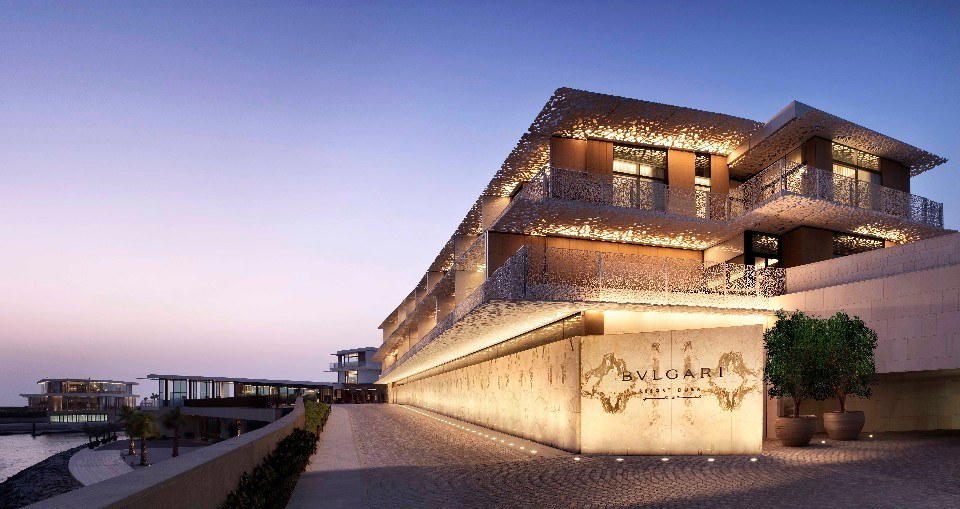 HotelBvlgari Resort and Residences DubaiFull hotel guide
Planning details
- Location
- Jumeirah Bay Island - Jumeira Bay - Jumeirah 2 - Dubai - United Arab Emirates
- Reservations
- Book on SevenRooms
- Website
- bulgarihotels.com/en_US/dubai/bars-and-restaurants/japanese-restaurant-hoseki
The take
The Take
The Vibe
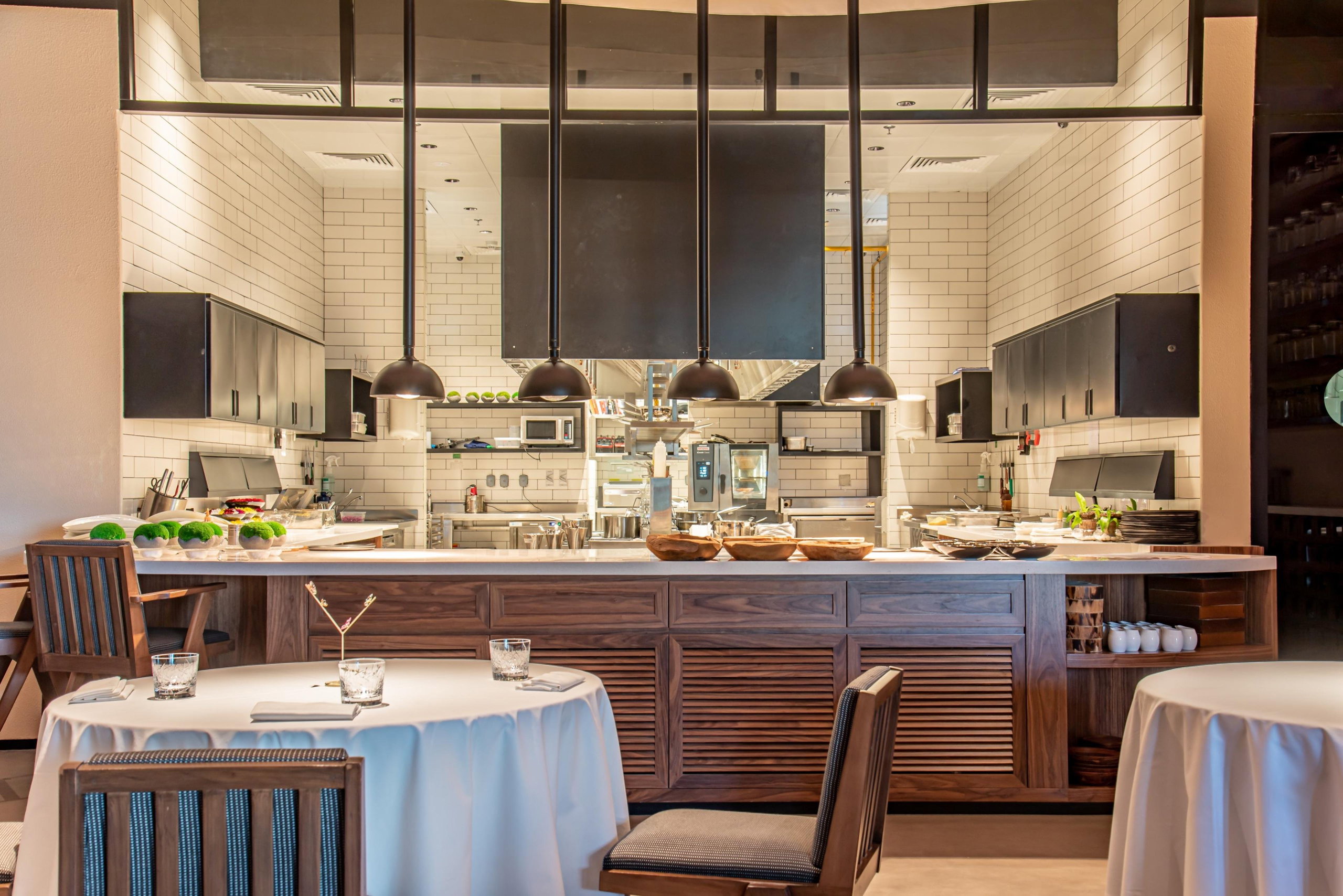
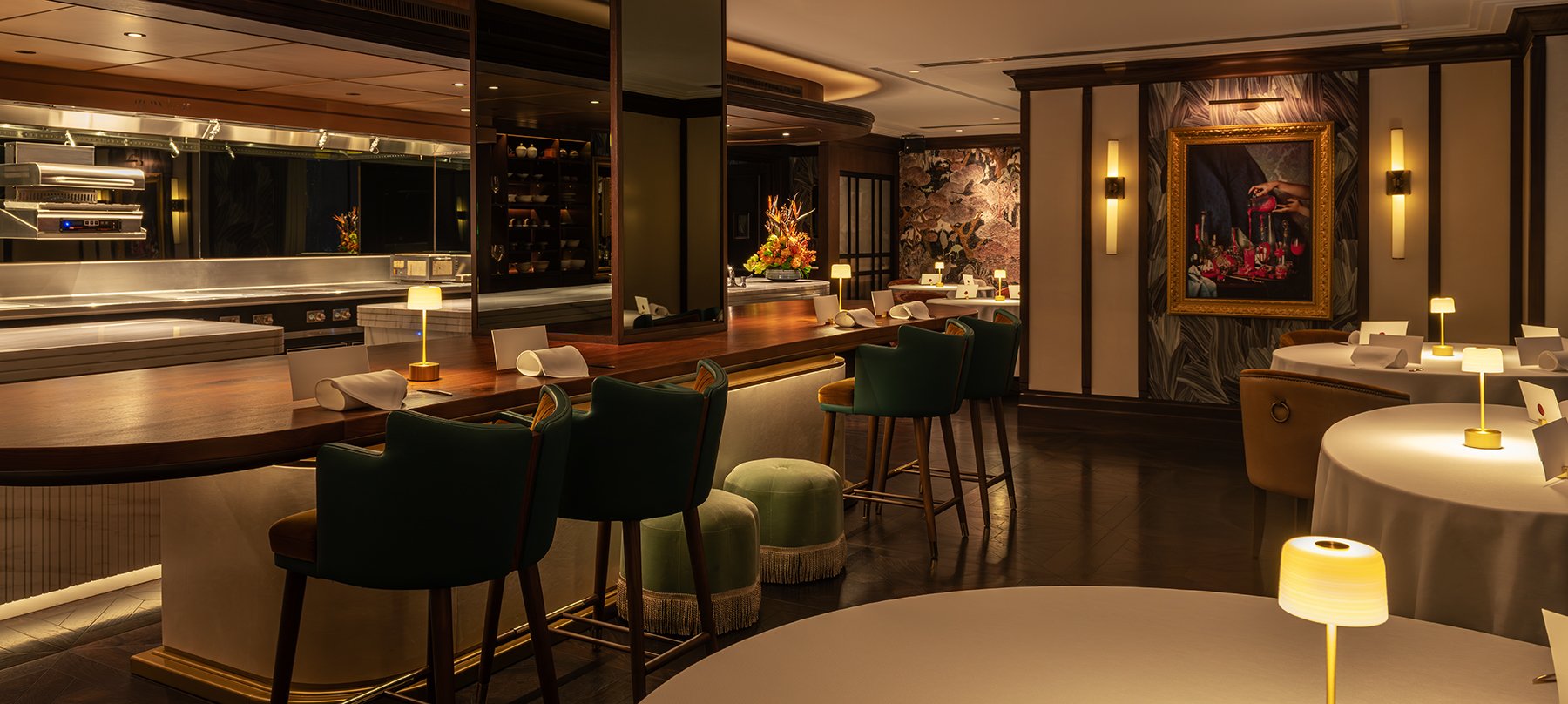
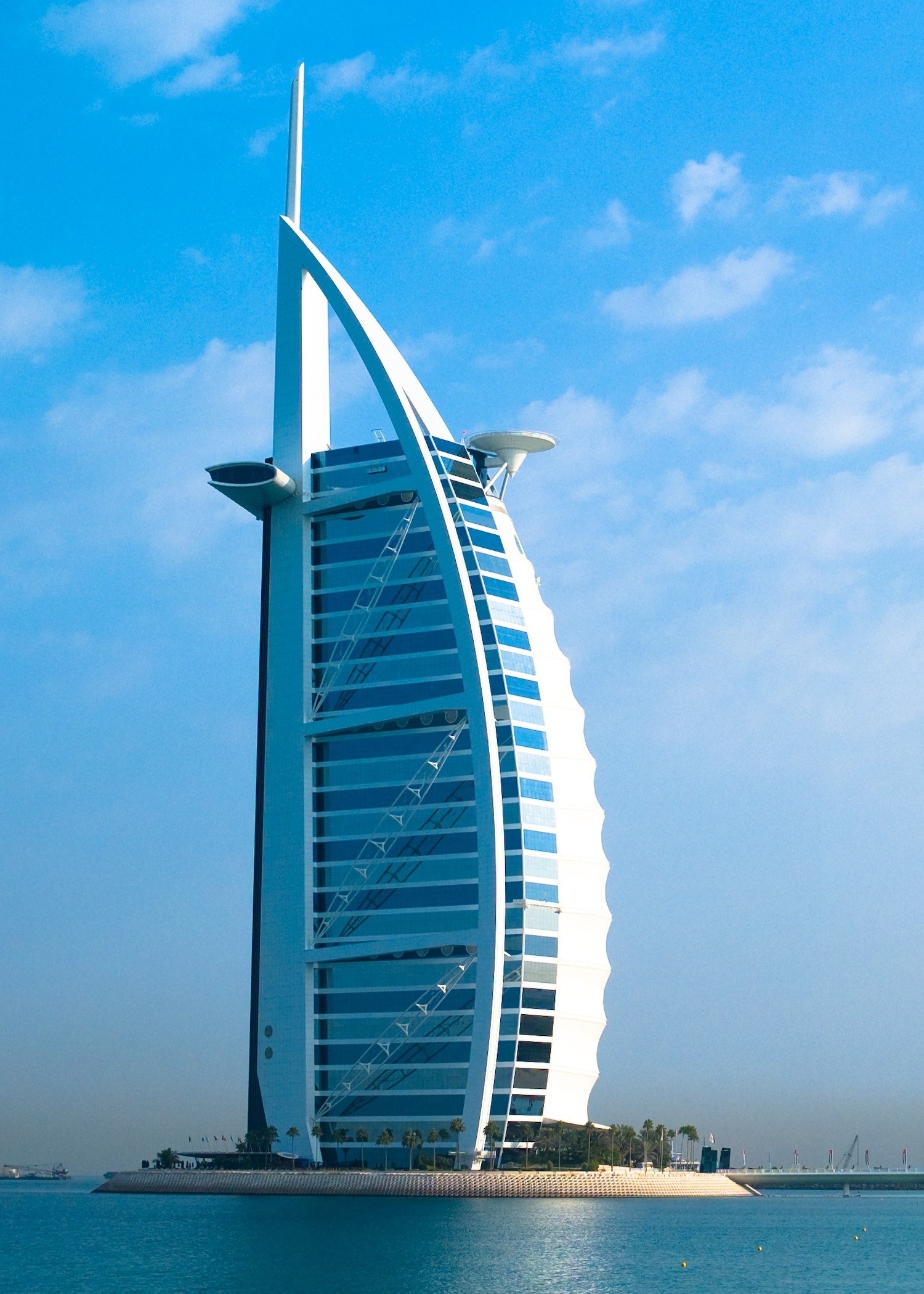
Hōseki positions itself apart from Dubai’s mainland dining circuit: you cross a causeway onto Jumeirah Bay Island and encounter water on both sides, creating a deliberate sense of remove that quiets the evening. The restaurant operates as a focused, chef-led counter-format omakase, and its consecutive Michelin stars and La Liste recognition underline the serious, high-precision register. The overall effect is scenic and serene — a minimalist, intimate tasting room where the waterfront setting amplifies the contemplative nature of the meal and the kitchen’s meticulous sequencing.
Best For
Hōseki is primarily built around an evening omakase ritual where the chef programs a multi-course sequence and guests commit to the progression. Its two consecutive Michelin stars place it at the upper tier of Dubai’s Japanese counters, making it a natural choice for date nights and special occasions or for diners seeking a concentrated, chef-driven tasting experience. The format favors small parties or solo diners focused on the sequence rather than casual, spectacle-driven dining.
Ordering Tips
Plan for travel time: Hōseki sits on Jumeirah Bay Island, reached via a causeway, so allow extra time to arrive. Reservations are advisable for the counter-format seating because the room is chef-led and limited in scope; the description notes that guests 'commit to the sequence,' so expect a set tasting rather than à la carte options. When booking, confirm seating type and any dietary restrictions with the restaurant so the kitchen can advise on what can be accommodated.
Venue details
Ambiance
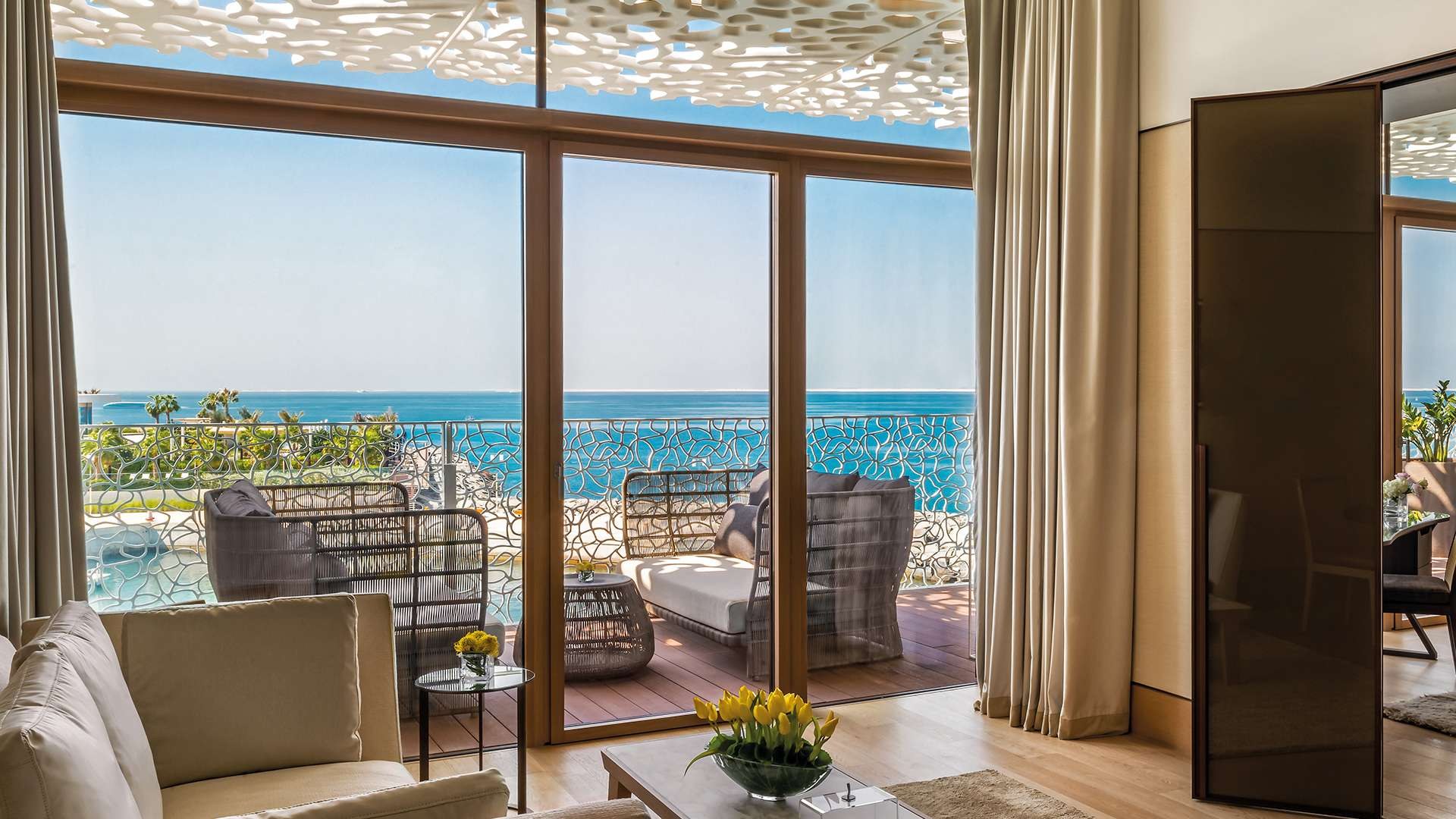
Minimalist and tranquil with dim lighting, serene Japanese atmosphere, and stunning Dubai skyline views through large windows.
Tags
Vibe
Best For
Experience
View
Accessibility
At the Table
- Dress Code
- Smart Casual
- Noise Level
- Quiet
- Service Style
- Formal
- Meal Pacing
- Extended Experience
- Capacity
- Intimate
- Kitchen
- Traditional
- Menu Format
- Omakase, Counter dining
- Wine Program
- Curated
- Private Dining
- Available
Know before you go
Know Before You Go
- Getting there
- Jumeirah Bay Island - Jumeira Bay - Jumeirah 2 - Dubai - United Arab Emirates
Planning details
Location
Jumeirah Bay Island - Jumeira Bay - Jumeirah 2 - Dubai - United Arab Emirates · Directions
bulgarihotels.com/en_US/dubai/bars-and-restaurants/japanese-restaurant-hoseki
Recognition and awards


Also consider
Also Consider
- 11 Woodfire, Modern Cuisine, $$$
- Avatara Restaurant, Indian, $$$$
- Al Mahara, Seafood, $$$$
- Zuma, Japanese - Asian, Japanese, Japanese Contemporary, $$$
- At.Mosphere Burj Khalifa, Modern European, $$$$
Restaurant context
Hōseki is in a different category from most of its Dubai peers when it comes to Japanese fine dining. Zuma at $$$ is the obvious comparison on cuisine type, but the two venues are not competing for the same diner: Zuma is a social restaurant where the energy of the room is part of the experience; Hōseki is a focused, structured meal where the food is the entire point. If you want Japanese food and a lively evening, Zuma wins. If you want the best Japanese tasting menu in Dubai, Hōseki is the stronger answer.
Among the $$$$-tier venues, Al Mahara offers a spectacular setting at the Burj Al Arab and strong seafood, but its appeal is heavily tied to the theatre of the location rather than cuisine-first credentials. At.Mosphere Burj Khalifa similarly trades on spectacle, the view from the 122nd floor is the primary reason to go, not the Modern European menu. Hōseki is the option for diners who want external culinary validation (Michelin, La Liste) to back the price, not just a postcard address. Avatara at $$$$ is genuinely interesting for a plant-based Indian tasting menu and holds its own awards, if Indian fine dining is on the table, it is worth comparing directly. 11 Woodfire at $$$ punches above its price tier for modern cuisine and is the better value choice if your priority is quality-per-dirham over format prestige.
The practical difference at booking: Hōseki is the hardest to secure of this group during peak season (October through April). If you have a fixed date and limited flexibility, locking in Hōseki first is the right strategy, the others have more slack. For solo diners or pairs who want the counter experience, Hōseki is also the most appropriate format; At.Mosphere and Al Mahara are better suited to groups where the setting, rather than the chef's progression of courses, is the shared experience.
Explore Dubai
Around this place
Discover more on Pearl
Unlock the full Hōseki guide in Pearl, including awards, comparisons, FAQs, planning details, and nearby places.
Compare Hōseki
| Venue | Price | Booking Difficulty | Awards |
|---|---|---|---|
| Hōseki | $$$$ | Hard | Gault & Millau UAE 2026 - Selected Restaurant2026 La Liste Top Restaurants2025 La Liste Top Restaurants2025 Michelin 1 Star2024 Michelin 1 Star |
| 11 Woodfire | $$$ | Unknown | 2026 Mena's 50 Best Restaurants · #142026 World's Best Steaks 101 Best Steak Restaurants · #602026 World's 101 Best Burgers · #76Gault & Millau UAE 2026 - Selected Restaurant2026 OAD Top Restaurants in Asia Recommended2025 World's Best Steaks 25 Best Burgers · #182025 Mena's 50 Best Restaurants · #282025 World's Best Steaks 101 Best Steak Restaurants · #382025 OAD Top Restaurants in Asia Ranked · #390 |
| Avatara Restaurant | $$$$ | Unknown | Gault & Millau UAE 2026 - Selected Restaurant2026 OAD Top Restaurants in Asia Recommended2025 OAD Top Restaurants in Asia Ranked · #222We're Smart World Top Restaurants 20252025 The Best Chef One Knife2025 Michelin 1 Star2024 Michelin 1 Star |
| Al Mahara | $$$$ | Unknown | Star Wine Lists 2026 · #1Gault & Millau UAE 2026 - Selected Restaurant2026 OAD Top Restaurants in Asia Recommended2026 La Liste Top Restaurants2025 OAD Top Restaurants in Asia Ranked · #4492025 Wine Spectator Best of Award of Excellence2025 La Liste Top Restaurants2025 Michelin Plate2024 OAD Top Restaurants in Asia Ranked · #427 |
| Zuma | $$$ | Unknown | 2026 Mena's 50 Best Restaurants · #34Gault & Millau UAE 2026 - Selected RestaurantStar Wine Lists 20262026 OAD Top Restaurants in Asia Recommended2025 Mena's 50 Best Restaurants · #192025 OAD Top Restaurants in Asia Ranked · #324Top 500 Bars 2025 · #4322025 Michelin Plate2024 OAD Top Restaurants in Asia Ranked · #287 |
| At.Mosphere Burj Khalifa | $$$$ | Unknown | No published awards |








.png?width=1200&quality=80)

What to weigh when choosing between Hōseki and alternatives.
FAQ
Frequently Asked Questions
What should a first-timer know about Hōseki?
Come with a clear evening and no competing plans. At the $$$$ tier with Michelin recognition across both 2024 and 2025, Hōseki operates at a pace and format set by the kitchen, not the guest. Jumeirah Bay Island is a separate address from central Dubai, so factor in travel time. The La Liste placement (76pts in 2026) confirms this is a serious, structured dining experience.
Is Hōseki worth the price?
On the available evidence, yes. Consecutive Michelin stars in 2024 and 2025, plus back-to-back La Liste placement, indicate consistent kitchen performance at the $$$$ tier. For Japanese fine dining in Dubai, there is no stronger credential combination currently on record. If the format suits you, the price is justified.
What should I wear to Hōseki?
No dress code is confirmed in the venue data, but a Michelin-starred Japanese fine dining room at the $$$$ level on Jumeirah Bay Island is not a casual setting. Treat it the way you would any serious tasting-menu restaurant: dress with intent. Overly casual clothing would read as out of place in this context.
What are alternatives to Hōseki in Dubai?
For serious Japanese cooking at a lower price point, TakaHisa is worth considering. For Japanese food in a high-energy, social setting at $$$, Zuma is the practical alternative. Al Mahara offers comparable occasion-dining credentials at $$$$ but in a different cuisine category entirely. Hōseki has the clearest Michelin case for Japanese fine dining specifically.
Is Hōseki good for a special occasion?
Yes. Michelin recognition in both 2024 and 2025, a $$$$ price point, and a location on Jumeirah Bay Island combine to make this one of the most deliberate dinner settings available in Dubai. It is better suited to two people with a focused evening than to a large group looking for a celebratory atmosphere.
Is the tasting menu worth it at Hōseki?
At a Michelin-starred Japanese restaurant led by Chef Masahiro Sugiyama at the $$$$ tier, the tasting menu is almost certainly the primary format, and the one the kitchen is built to deliver. If you are comfortable with a fixed, chef-led progression and the price reflects that commitment, yes. If you prefer ordering à la carte, this is likely not the right format for you.