

.png?width=1200&quality=80)
Clap
Japanese Contemporary · Za'abeel 2, Dubai
Restaurant in Dubai, United Arab Emirates
 Book with Pearl
The Read
Premium Izakaya Format
Dress
Smart Casual
Why go
Two consecutive Michelin Plates (2024-2025) confirm Clap is more than its DIFC lounge reputation suggests. At $$$$ per head, the contemporary Japanese kitchen delivers consistent quality, but the private dining room is where returning guests get the best version of the experience. Book at least two to three weeks ahead: walk-ins at this level are unlikely.
About Clap
Clap, Dubai: Verdict
Most people walk into Clap expecting a lounge-style Japanese spot where the vibe carries more weight than the food. That is the wrong read. Two consecutive Michelin Plates (2024, 2025) tell you this is a kitchen that takes contemporary Japanese cooking seriously: and if you have been once and left impressed, there is a stronger case for returning than you might think. The real question is whether Clap's private dining setup justifies the $$$$ price point for groups, and the answer is yes, with caveats worth knowing before you book.
Portrait
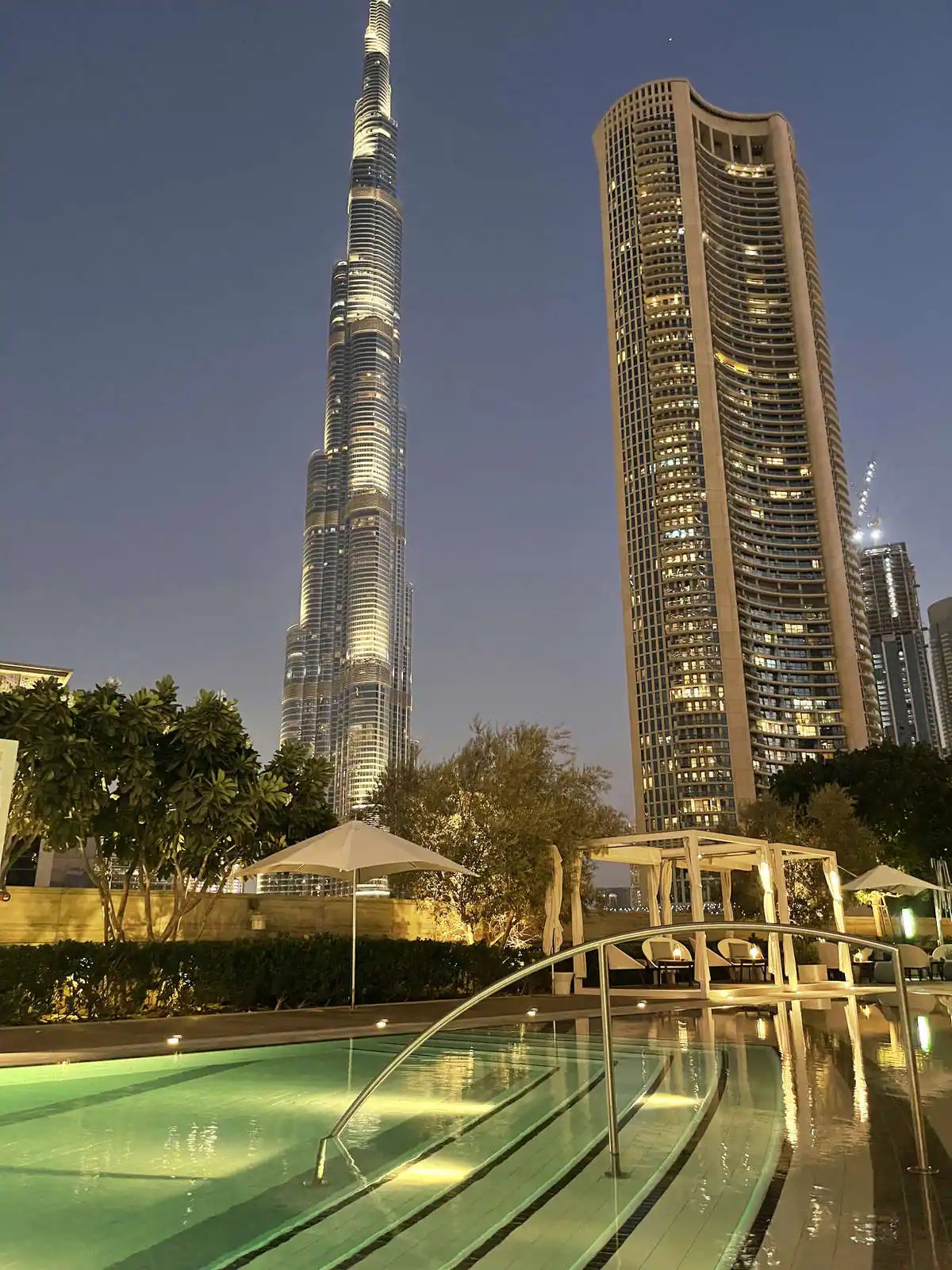
Clap sits in DIFC, Dubai's financial district and one of the city's most concentrated patches of serious dining. The address alone signals a particular kind of diner: expense-account lunches, deal dinners, and celebrations where the bill is the last thing anyone is checking. That context matters when you are deciding whether to book here or redirect the group to Zuma down the road: both are Japanese Contemporary at a comparable level of social occasion, but Clap's atmosphere skews louder and more kinetic, especially through the evening service.
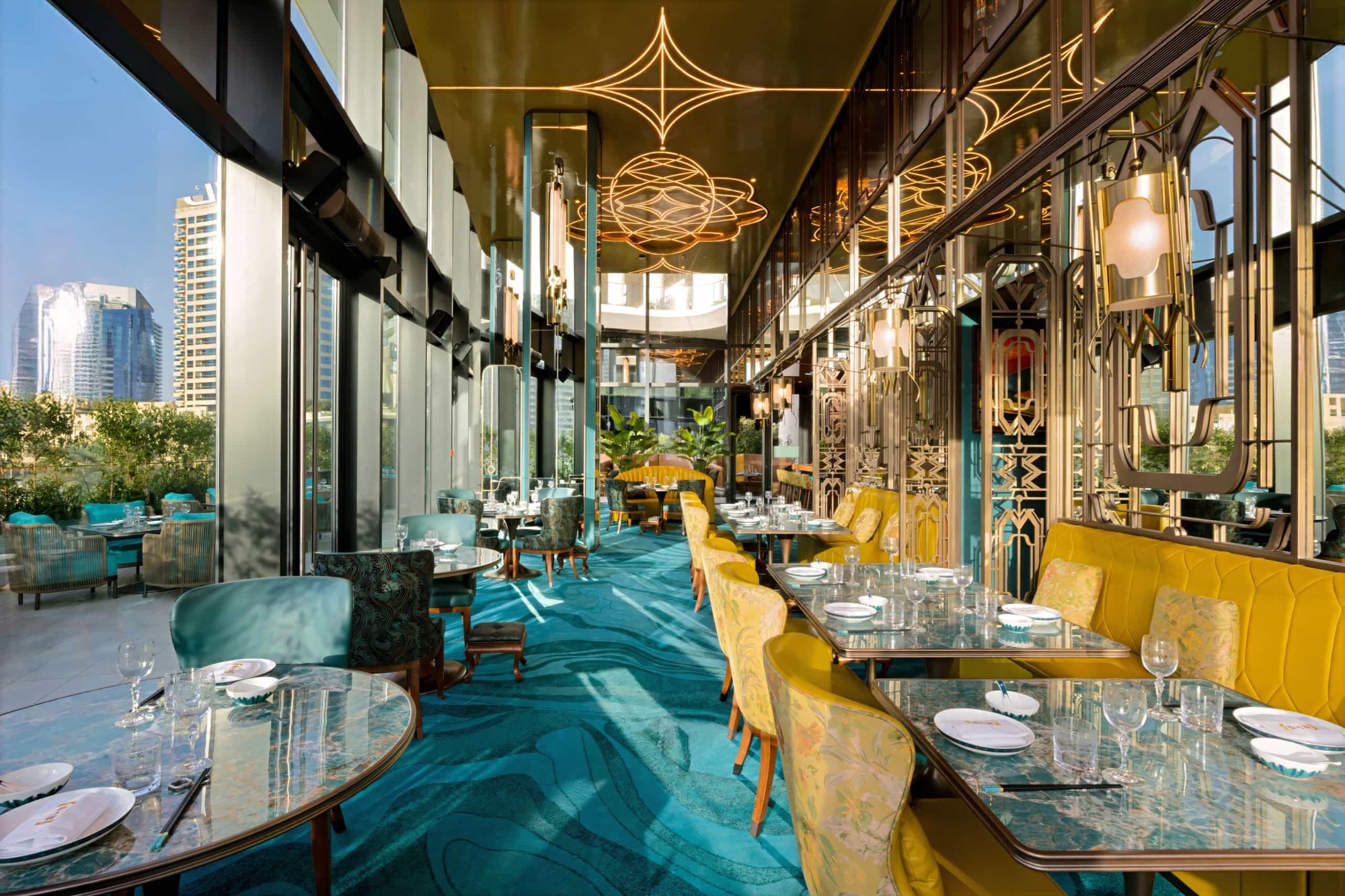
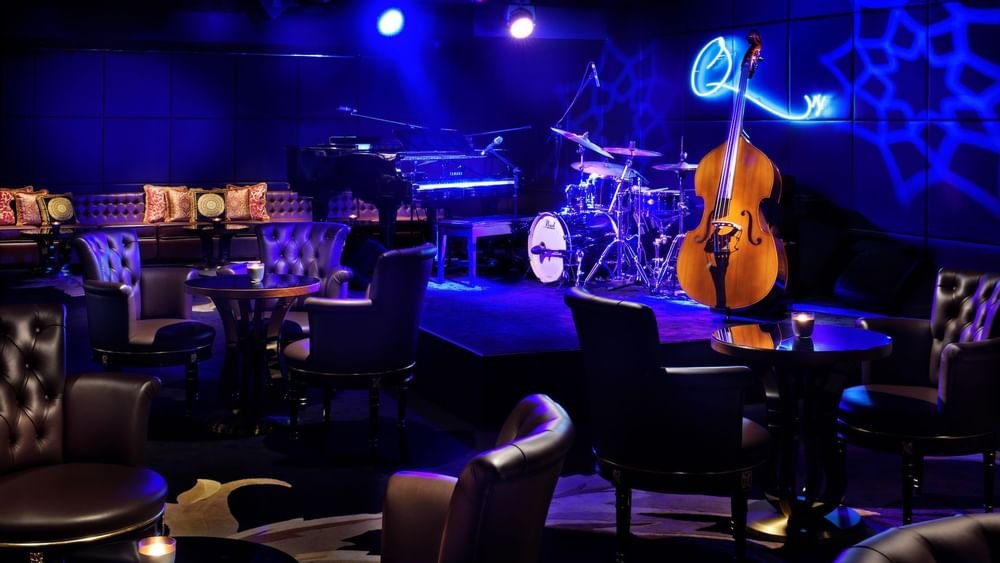
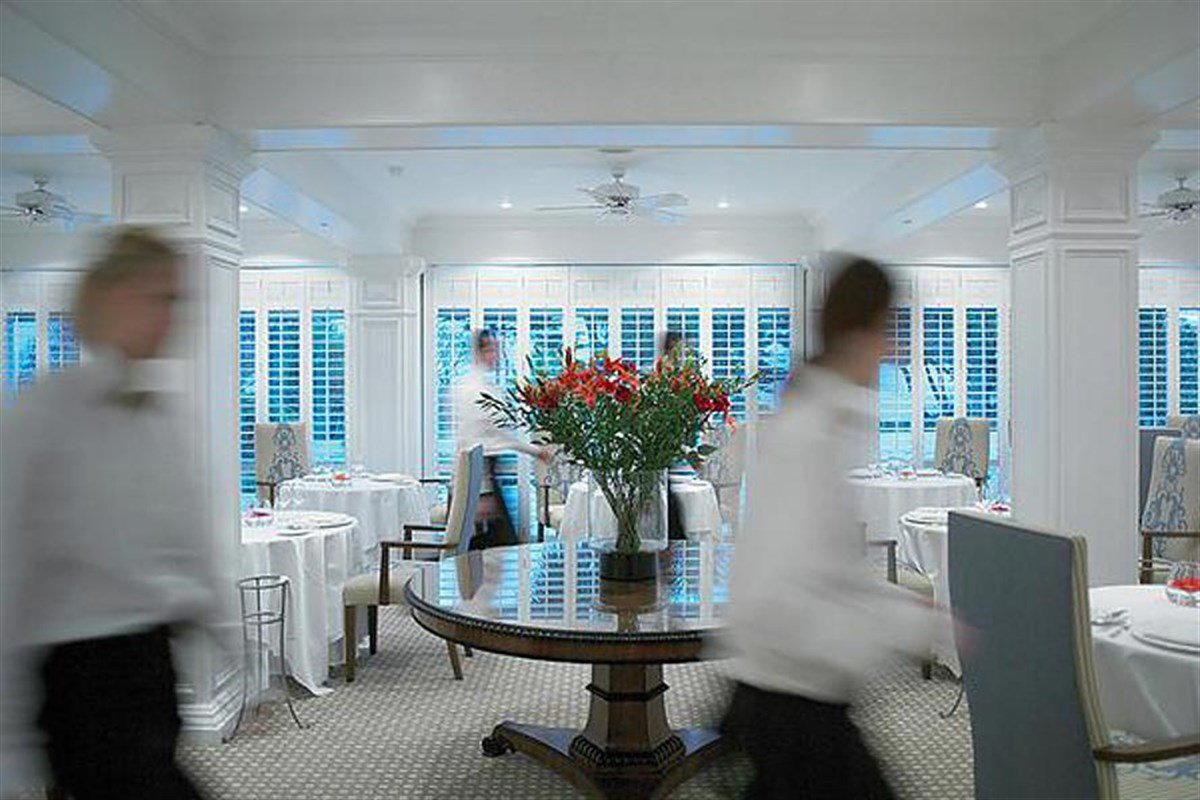
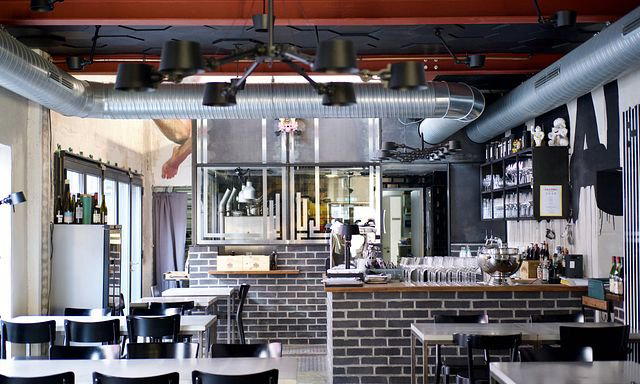
On atmosphere: expect a room that runs warm and energetic from early evening onward. The sound level is part of the proposition, not a design flaw. If you are coming for a focused conversation over dinner, a quiet client meeting, an intimate catch-up, you will find the noise after 9 PM a genuine obstacle. Early seatings, particularly midweek, are considerably calmer. For groups arriving on a Friday or Saturday, the room's energy can work in your favour: Clap in full swing feels celebratory rather than chaotic, and that distinction matters if you are organising a birthday dinner or a larger gathering.
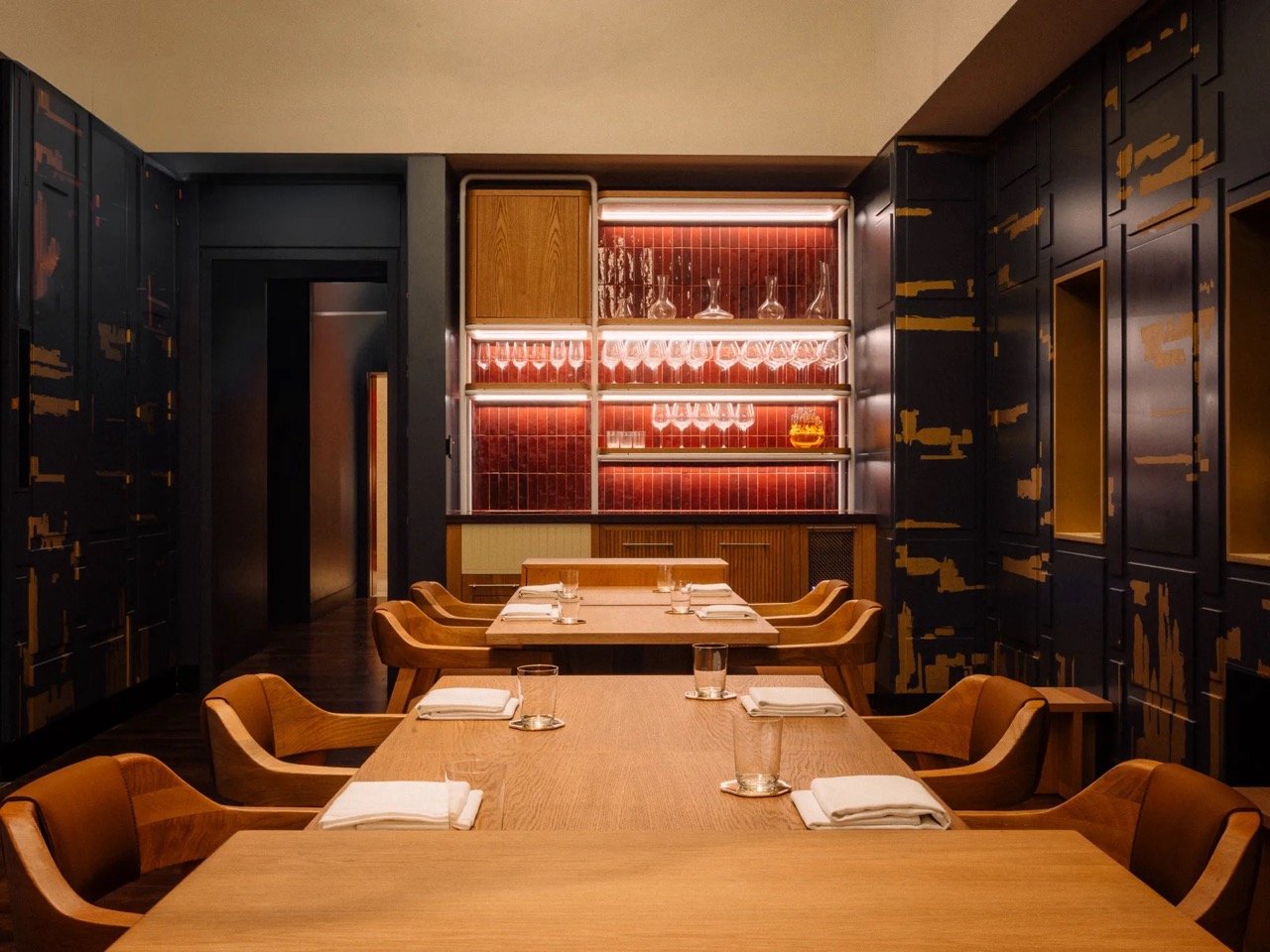
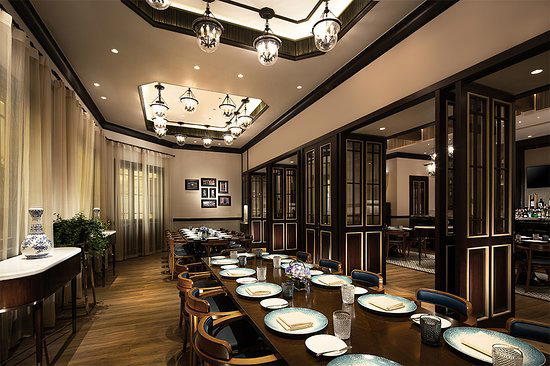
For returning guests, the advice is to look beyond the main dining room. Clap's private dining setup is where the repeat experience gains real traction. The separation from the main floor means the volume problem largely disappears, and the format, a dedicated space for groups rather than a sectioned-off corner, gives the meal a different texture. You are not watching the room; the room is yours. For parties of 8 or more, requesting the private space rather than a main-floor table is worth asking about directly when you call to book. The overall experience is meaningfully better, and at $$$$ per head, meaningful is the bar you should be holding this venue to.
Clap has now held its Michelin Plate recognition across two consecutive guide cycles, which carries more weight than a single-year nod. A Michelin Plate signals a kitchen producing food worth the detour, technically solid, consistent, and operating above casual dining standards. For the Dubai contemporary Japanese category, that positioning puts Clap ahead of much of the DIFC competition on quality metrics. Mimi Kakushi and 99 Sushi Bar are worth comparing if you are in the Japanese Contemporary bracket; Akira Back competes at a similar price point with a different creative angle.
First-time visitors can arrive with reasonable confidence; returning guests can set expectations accordingly, Clap is not a venue that dramatically surprises you on a second or third visit, but it does not disappoint either.
For those exploring the Dubai Japanese Contemporary space more broadly, Armani Hashi and 3Fils offer useful comparison points at different price tiers. If you are interested in how the contemporary Japanese format plays globally, Sankai by Nagaya in Istanbul, Eika in Taipei, and NIRI in Abu Dhabi give you a sense of the range. Closer to home, Hakkasan in Abu Dhabi sits at a similar prestige tier if an Abu Dhabi trip is in play.
Booking is hard. DIFC diners plan ahead, and Clap's Michelin recognition has tightened availability further. Walk-in prospects at peak times are slim. Plan for at least two to three weeks' notice for weekend reservations; private dining arrangements will require more lead time and direct coordination with the venue.
Reservations: Book at least 2-3 weeks ahead for weekends; private dining requires direct contact and additional lead time. Dress: Smart casual at minimum, DIFC standards apply, and the room's aesthetic rewards the effort. Budget: $$$$, set expectations for a full-evening spend at the higher end of Dubai's dining tier. Leading for: Groups celebrating occasions, returning diners using the private room, business dinners where the room's energy is an asset rather than a problem.
For broader trip planning, see our full Dubai restaurants guide, our full Dubai hotels guide, our full Dubai bars guide, our full Dubai wineries guide, and our full Dubai experiences guide.
Planning details
- Hours
- Monday: 12 PM–2 AM · Tuesday: 12 PM–3 AM
- Location
- 677M+Q3X - Zaa'beel Second - DIFC - Dubai - United Arab Emirates
- Website
- claprestaurant.com
- Phone
- +971 4 871 8500
The take
The Take
The Vibe
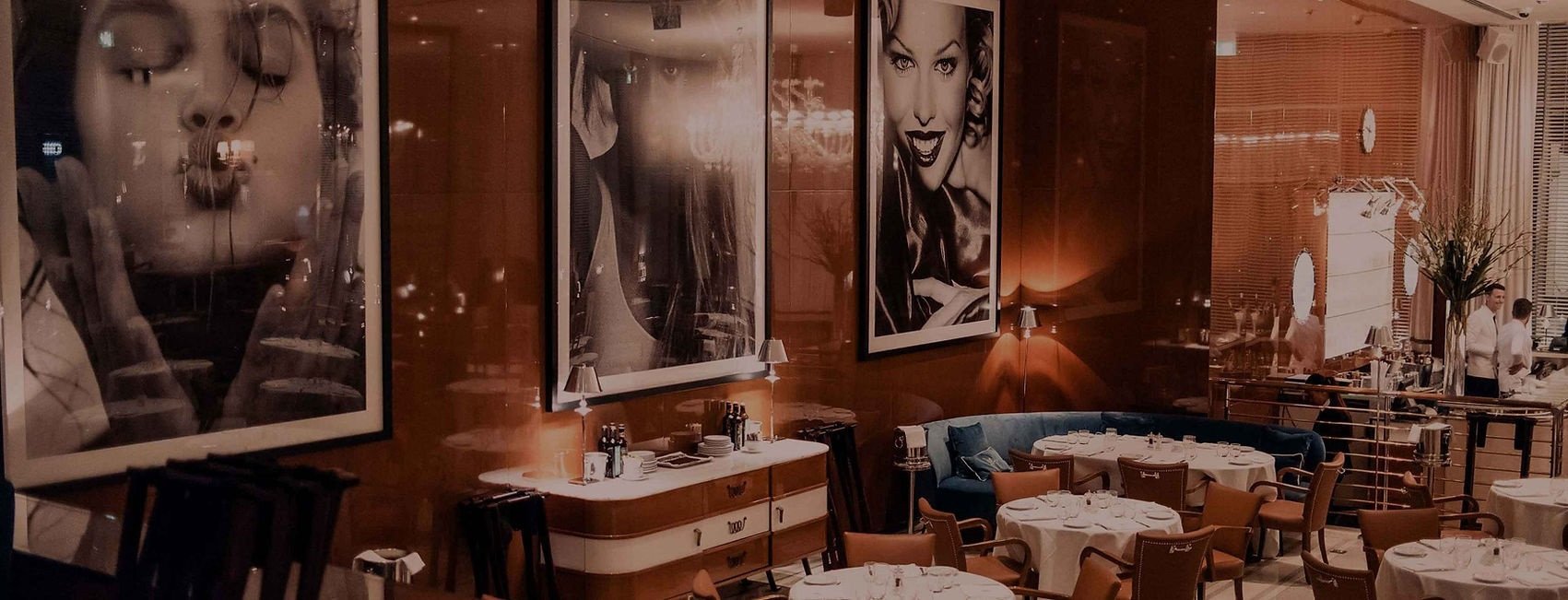
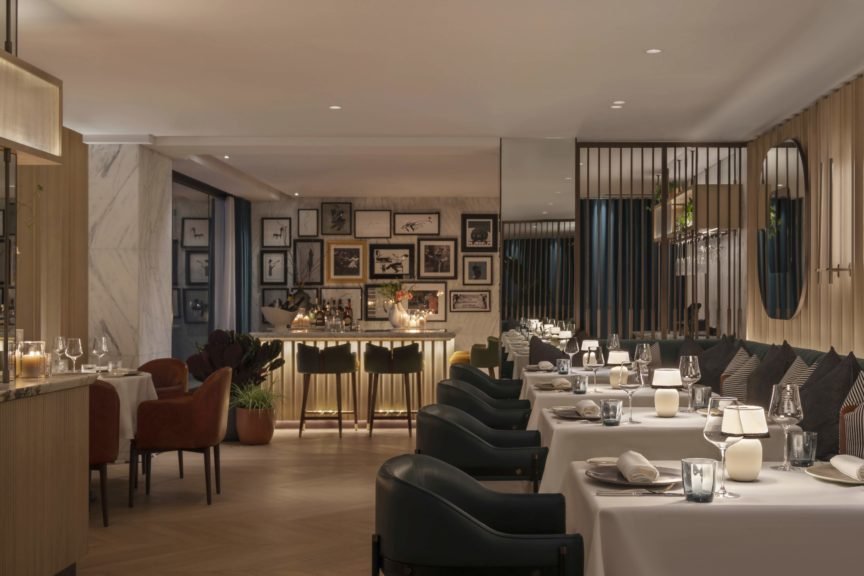
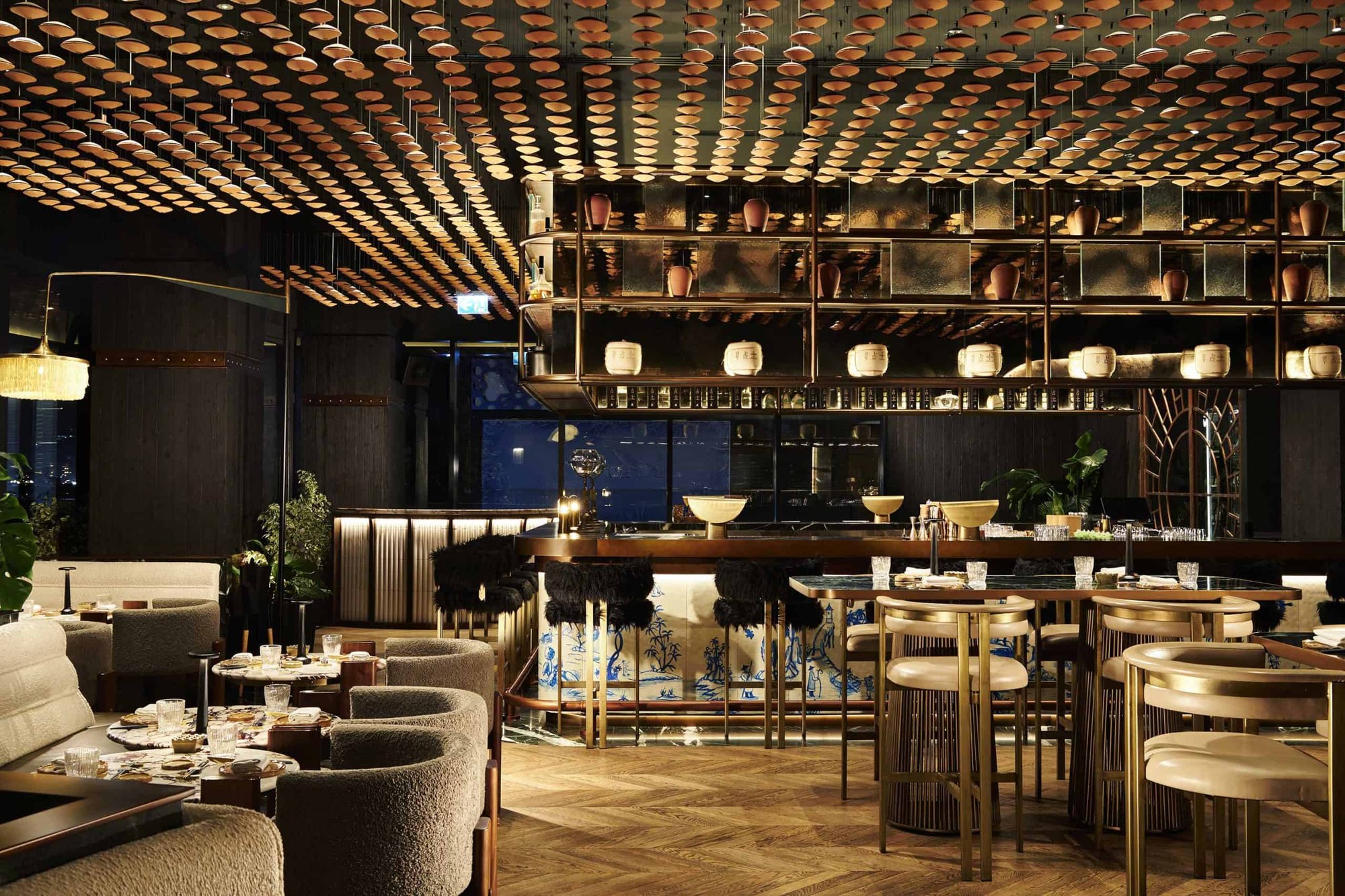
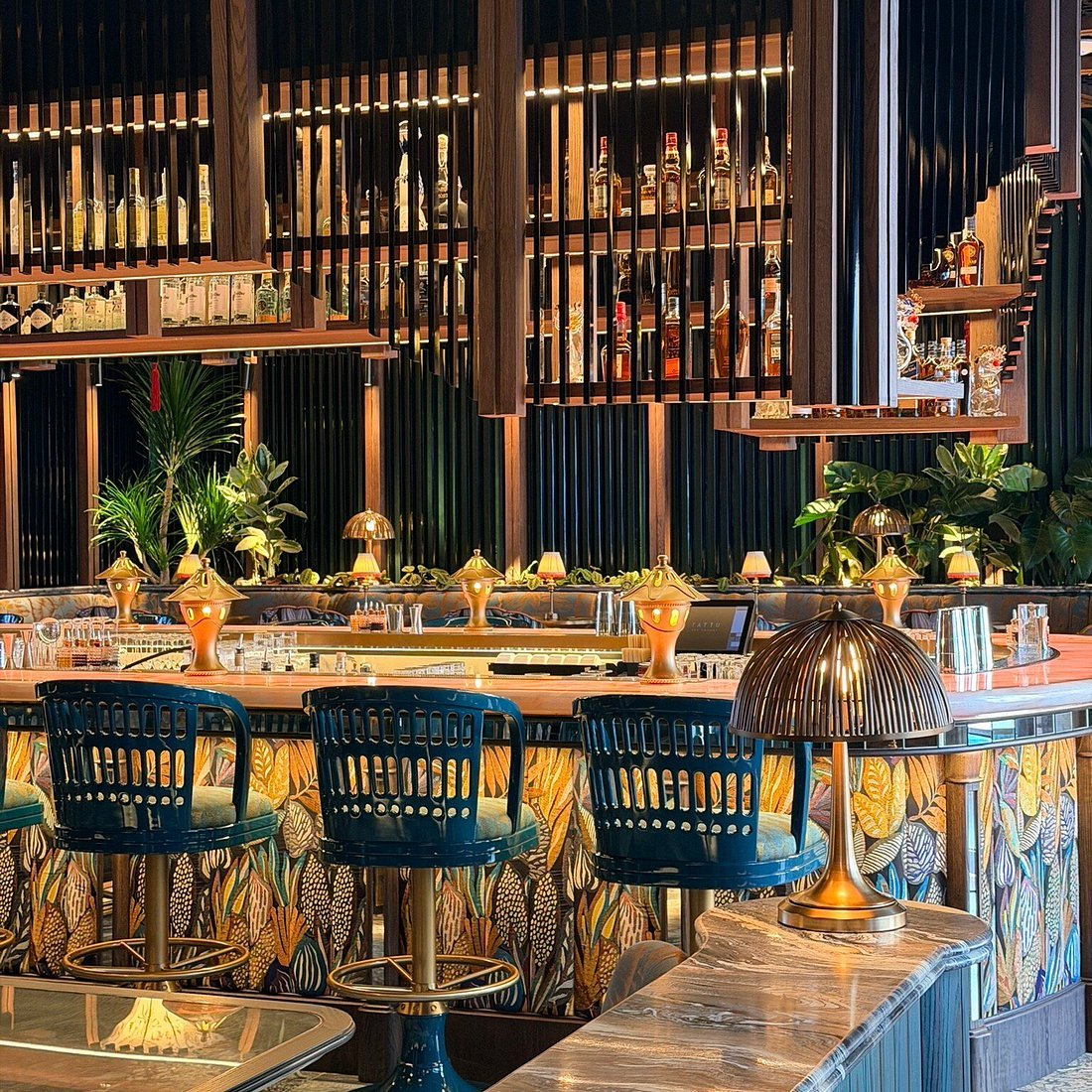
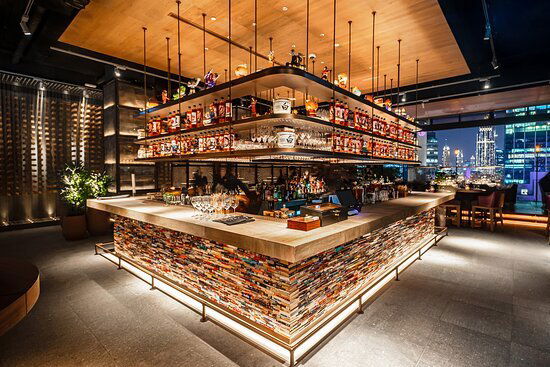
Clap channels the noise and kinetic energy of a Tokyo izakaya into DIFC’s premium dining layer. The room arrives before the food: the sound and bustle signal a social, drink-forward evening rather than a hushed fine-dining service. The space is built for groups, loose and communal in spirit, and it deliberately contrasts with the district’s more formal Japanese restaurants. Although it operates at a high price tier, the experience foregrounds collective dining and conviviality: plates arrive irregularly as the kitchen releases them, the bar runs alongside the tables, and the overall feel is spirited and energetic.
Best For
This is a place to bring a group and linger: after-work cohorts, small celebrations and parties of colleagues map neatly onto Clap’s communal layout. The venue is designed for extended evenings rather than quick two-hour turns, so it suits gatherings that plan to move through drinks and successive small plates. While it sits in a premium lane, the social, drinking-oriented rhythm makes it a natural choice for informal business dinners, team outings and friends who want an animated, convivial night out in DIFC.
Ordering Tips
Clap follows an izakaya rhythm: order incrementally and share widely. Plates are released as the kitchen sees fit, so the table fills up in stages rather than with a single set menu. Individual plate prices can add up quickly at this price tier, so plan orders around priorities. Popular hits to sample include signature items such as the Crazy California roll, Japanese Wagyu Beef nigiri, Clap cloud salmon and the Wagyu donburi. Factor in drinks from the bar, which runs in parallel, and expect to stay for multiple rounds.
Venue details
Ambiance
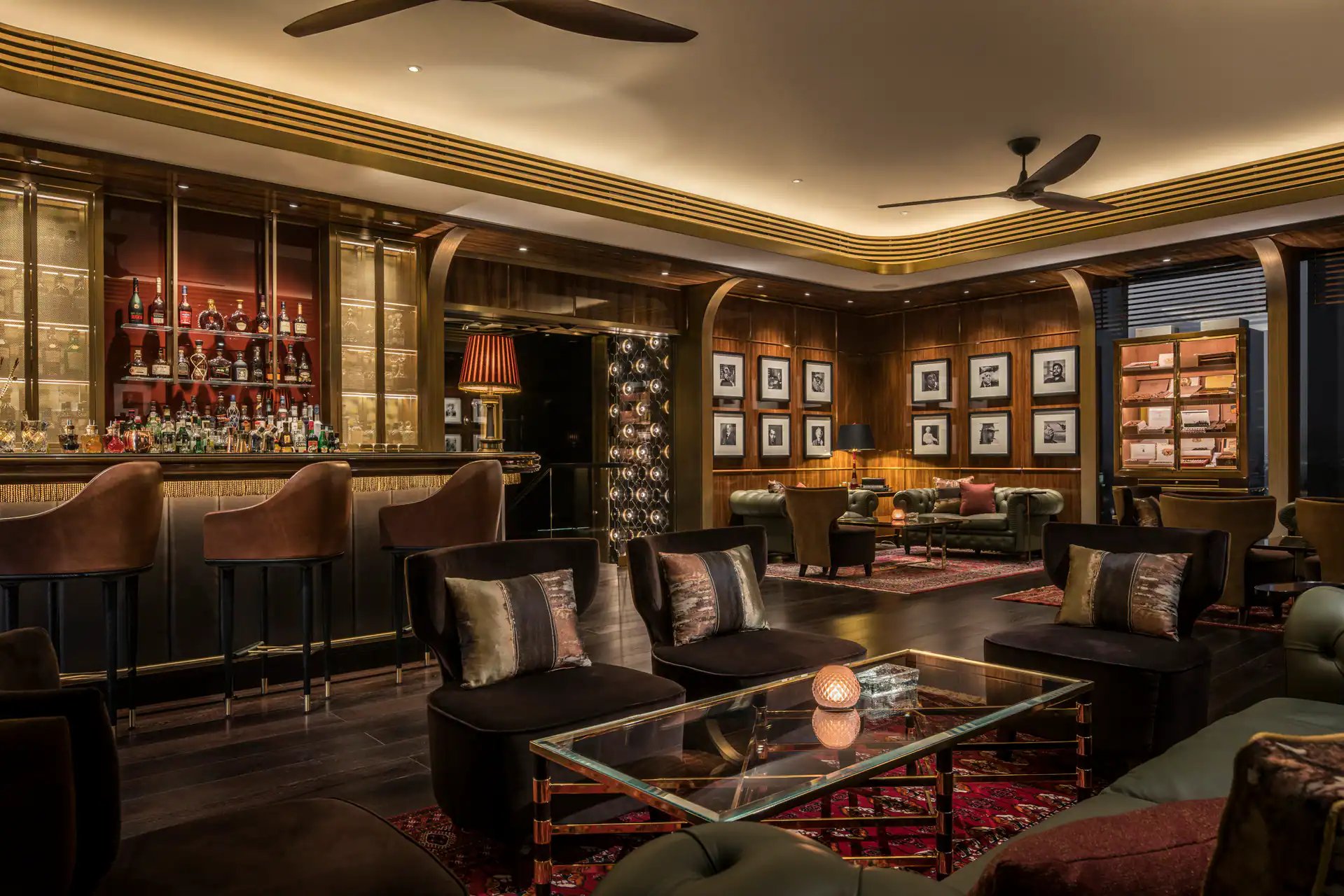
Chic and buzzy with modern décor, DJ music, and vibrant atmosphere enhanced by panoramic city views from the terrace.
Tags
Vibe
Best For
Experience
Sourcing
View
At the Table
- Dress Code
- Smart Casual
- Noise Level
- Lively
- Service Style
- Upscale Casual
- Meal Pacing
- Leisurely
- Capacity
- Medium
- Kitchen
- Modern
- Menu Format
- A la carte, Small plates, Tasting menu
- Dietary
- Vegetarian friendly, Vegan options
- Outdoor Seating
- Yes
Signature Dishes
- Crazy California roll
- Japanese Wagyu Beef nigiri
- Clap cloud salmon
- Wagyu donburi
Know before you go
Know Before You Go
- Getting there
- 677M+Q3X - Zaa'beel Second - DIFC - Dubai - United Arab Emirates
Planning details
Hours
- Monday
- 12 PM–2 AM
- Tuesday
- 12 PM–3 AM
- Wednesday
- 12 PM–3 AM
- Thursday
- 12 PM–3 AM
- Friday
- 12 PM–3 AM
- Saturday
- 1 PM–3 AM
- Sunday
- 1 PM–2 AM
Location
677M+Q3X - Zaa'beel Second - DIFC - Dubai - United Arab Emirates · Directions
Recognition and awards

Also consider
Also Consider
- 11 Woodfire: Modern Cuisine, $$$
- Avatara Restaurant: Indian, $$$$
- Al Mahara: Seafood, $$$$
- Zuma: Japanese - Asian, Japanese, Japanese Contemporary, $$$
- City Social: Modern British, Modern Cuisine, $$$$
Restaurant context
At $$$$ and with two Michelin Plates, Clap sits at the top of DIFC's dining tier alongside Al Mahara and City Social: but the cuisine category is where Clap differentiates. If you want contemporary Japanese specifically, Clap is the more credentialed option in this peer set. Al Mahara competes at the same $$$$ level with a seafood focus and a showpiece aquarium dining room; it wins on spectacle and suits occasions where the setting is the point. City Social's Modern British positioning appeals to a different brief entirely: better for business lunches where the format is familiar, less compelling if Japanese cuisine is what you came for.
Zuma at $$$ is the most direct practical comparison: Japanese Contemporary, strong social atmosphere, DIFC-adjacent, and one price tier below. For a group that wants the same cuisine category with a more accessible bill, Zuma is a rational choice. Clap edges ahead on Michelin recognition and, for groups, on the private dining proposition: if budget is not a constraint and you are booking for 6 or more, Clap's private room gives you something Zuma's main floor cannot. Avatara at $$$$ operates in a completely different cuisine category (Indian vegetarian) and is not a direct substitute, but it is worth flagging if your group has mixed cuisine preferences: it holds its own at the same price tier with a distinctive format.
11 Woodfire at $$$ rounds out the comparison as the value option in this set: Modern Cuisine at a lower price point with genuine credibility. If the group is split on whether to commit to the $$$$ tier, 11 Woodfire is the practical redirect. For a group locked into contemporary Japanese at the top end, however, Clap is the most verified choice in Dubai right now.
Explore Dubai
Around this place
Discover more on Pearl
Unlock the full Clap guide in Pearl, including awards, comparisons, FAQs, planning details, and nearby places.
Compare Clap
| Venue | Price | Awards |
|---|---|---|
| Clap | $$$$ | Top 500 Bars 2026 · #374Gault & Millau UAE 2026 - Selected Restaurant2025 Michelin Plate2024 Michelin Plate |
| 11 Woodfire | $$$ | 2026 Mena's 50 Best Restaurants · #142026 World's Best Steaks 101 Best Steak Restaurants · #602026 World's 101 Best Burgers · #76Gault & Millau UAE 2026 - Selected Restaurant2026 OAD Top Restaurants in Asia Recommended2025 World's Best Steaks 25 Best Burgers · #182025 Mena's 50 Best Restaurants · #282025 World's Best Steaks 101 Best Steak Restaurants · #382025 OAD Top Restaurants in Asia Ranked · #390 |
| Avatara Restaurant | $$$$ | Gault & Millau UAE 2026 - Selected Restaurant2026 OAD Top Restaurants in Asia Recommended2025 OAD Top Restaurants in Asia Ranked · #222We're Smart World Top Restaurants 20252025 The Best Chef One Knife2025 Michelin 1 Star2024 Michelin 1 Star |
| Al Mahara | $$$$ | Star Wine Lists 2026 · #1Gault & Millau UAE 2026 - Selected Restaurant2026 OAD Top Restaurants in Asia Recommended2026 La Liste Top Restaurants2025 OAD Top Restaurants in Asia Ranked · #4492025 Wine Spectator Best of Award of Excellence2025 La Liste Top Restaurants2025 Michelin Plate2024 OAD Top Restaurants in Asia Ranked · #427 |
| Zuma | $$$ | 2026 Mena's 50 Best Restaurants · #34Gault & Millau UAE 2026 - Selected RestaurantStar Wine Lists 20262026 OAD Top Restaurants in Asia Recommended2025 Mena's 50 Best Restaurants · #192025 OAD Top Restaurants in Asia Ranked · #324Top 500 Bars 2025 · #4322025 Michelin Plate2024 OAD Top Restaurants in Asia Ranked · #287 |
| City Social | $$$$ | 2026 AA 3-Rosette RestaurantsMichelin Guide Great Britain & Ireland 20262026 OAD Top Restaurants in Europe Recommended2025 OAD Top Restaurants in Europe Ranked · #6482025 Michelin Plate2024 OAD Top Restaurants in Europe Ranked · #5072023 OAD Casual in Europe Recommended |












How Clap stacks up against the competition.
FAQ
Frequently Asked Questions
Is the tasting menu worth it at Clap?
At $$$$ pricing, Clap justifies the spend if you want contemporary Japanese with documented culinary credibility: two consecutive Michelin Plates (2024 and 2025) confirm this is not a style-over-substance play. If you want a more wallet-friendly Japanese option in Dubai, Zuma covers similar territory at a lower per-head cost, though without the same accolades. Clap earns its price if the format suits you.
Is Clap good for solo dining?
Clap's DIFC location and contemporary Japanese format make it a reasonable solo option: DIFC restaurants of this type typically run counter seating or bar dining that suits singles. At $$$$ per head, solo dining here is a deliberate spend rather than a casual drop-in. Confirm counter availability when booking, as seat configuration at this price tier varies.
What are alternatives to Clap in Dubai?
Zuma is the closest like-for-like comparison, Japanese, high-energy, Dubai staple, but skews more izakaya than contemporary. Al Mahara offers comparable $$$$ pricing in a completely different register: seafood tasting menus at Burj Al Arab. 11 Woodfire is the better call if fire-cooked modern cuisine interests you more than Japanese specifically. Clap's dual Michelin Plate recognition gives it a credibility edge over most DIFC competitors in its cuisine category.
What should I order at Clap?
What the two Michelin Plates (2024–2025) signal is consistent kitchen execution rather than one standout dish: the award recognises overall quality across a menu. Ask the team on booking what they're running seasonally; at $$$$ per head, that conversation is worth having before you arrive.