.png?width=1200&quality=80)
Vita Pugliese
historic centre, Conversano
Restaurant in Conversano, Italy
 Book with Pearl
The Read
Vaulted-Room Puglian Tradition
Dress
Smart Casual
Why go
Vita Pugliese is a practical Conversano pick when you want a vetted dinner with a Michelin Plate signal but not the cost or ceremony of a bigger splurge. Choose it over Pashà for a more relaxed plan; cross-shop Da Tuccino if seafood is the priority.
About Vita Pugliese
Michelin Plate 2026 recognition is a useful signal: in Conversano, Vita Pugliese is a sensible pick when the goal is a planned meal with a recognized guide listing. This is a Conversano restaurant with evening hours on most service days, a Sunday midday window, a Wednesday closure, and a smart-casual dress code. The point is not to overstate the format, cuisine, or level of ceremony, but to give visitors a clear option when they want to eat in town.
For a first visit to Conversano, Vita Pugliese is worth considering if the plan is a meal in town and the schedule fits. The draw is the combination of Michelin recognition and practical hours rather than any assumption about menu style, price, chef, or room layout. If you are comparing other options, Pashà, Da Tuccino, Jamantè, Meraviglioso Osteria Moderna, and Pescaria can also be part of the shortlist, depending on availability and the kind of evening you want.
A Conversano meal with a Michelin signal
The first-timer case for Vita Pugliese is simple: choose it when location in Conversano, hours, and Michelin Plate recognition matter more than chasing a highly specific format. Do not assume a counter, tasting menu, chef's table, or any other particular setup. Treat it as a restaurant to plan around, then confirm current details directly before committing.
The Michelin Plate matters because it gives the restaurant an external guide signal without implying the cost, formality, or structure of a starred reservation. That is the value angle. In Conversano, that kind of recognition is useful for visitors who want some confidence before choosing a table. It gives reason to consider planning ahead while keeping expectations grounded.
Who should choose it, and who should cross-shop
Book this when the brief is a planned meal in Conversano and the schedule works for your itinerary. It is less useful to frame Vita Pugliese around assumed specifics such as cuisine, tasting-menu format, or price tier. Instead, compare it naturally with Pashà, Da Tuccino, Jamantè, Meraviglioso Osteria Moderna, and Pescaria if you are building a broader shortlist and want to check availability, setting, and current menus directly.
Timing is part of the recommendation. Dinner runs Monday, Tuesday, Thursday, Friday, and Saturday from 8–10:30 PM; Sunday service is 1–3 PM; Wednesday is closed. For travelers building a Conversano stop around restaurants, that makes the schedule clear but not all-day flexible. It is worth treating the hours as part of the choice, especially if the meal needs to anchor a single night in town. Use the full Conversano restaurants guide if this table is unavailable.
Planning details
- Location
- Via Ospedale, 15, 70014 Conversano BA, Italy
- Website
- vitapugliese.it
- Phone
- +39 080 495 6929
The take
The Take
The Vibe
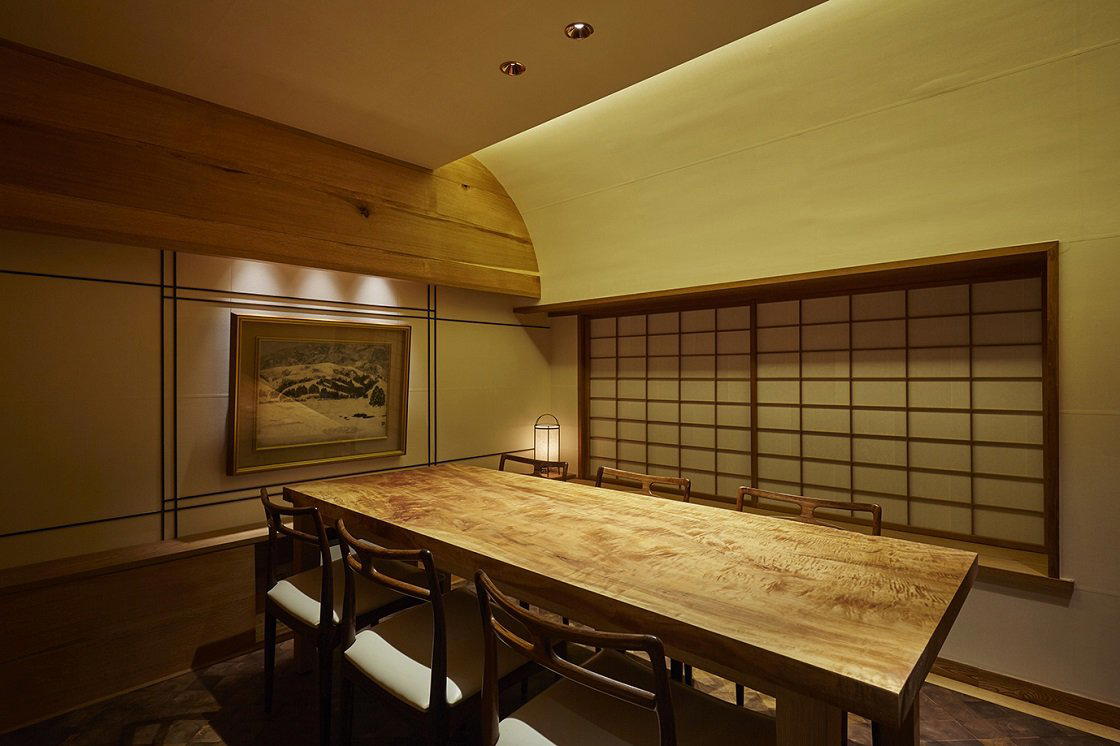
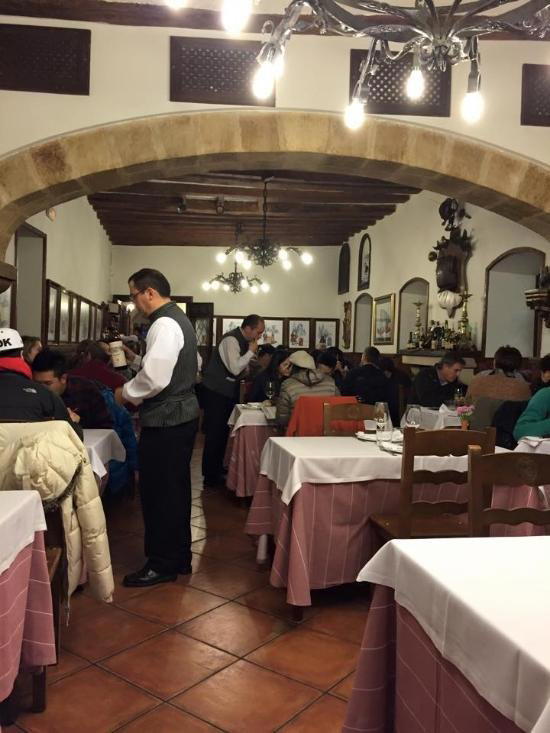
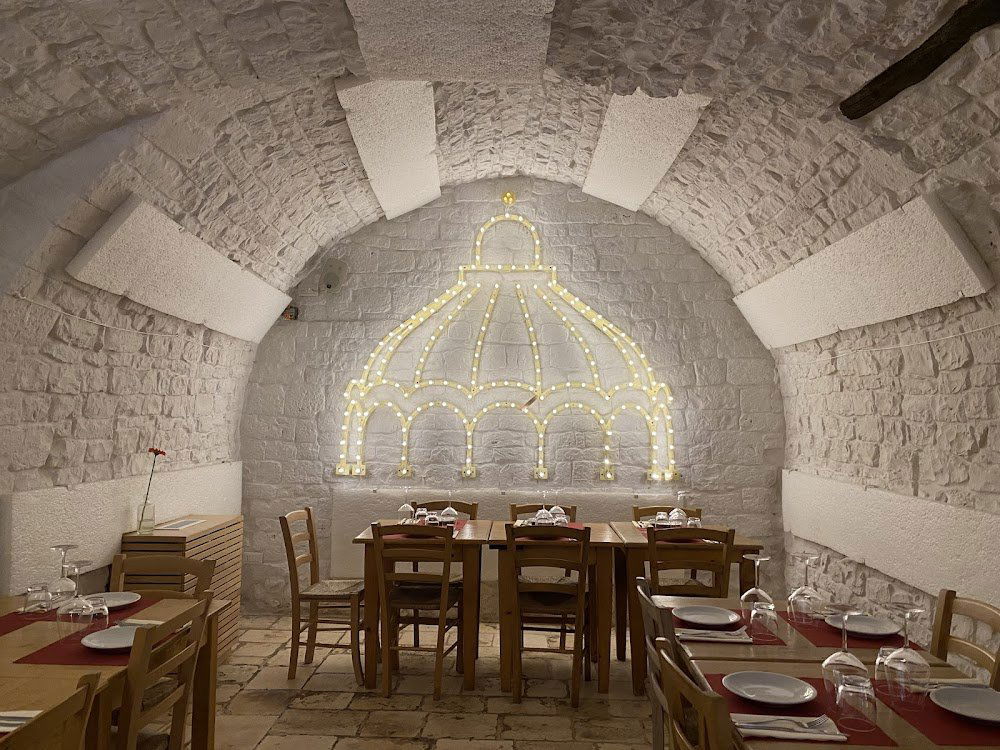
Vita Pugliese settles into Conversano's medieval fabric: stone arches, barrel-vaulted rooms and a narrow alleyway that opens into an unroofed dining room. The place reads like the architecture of the town itself, where outdoor terrace dining feels like a natural extension of the street. Evenings are hushed and intimate, and the dining rooms—built in the same vaulting logic as local buildings—offer a warmer, enclosed counterpoint when temperatures drop. The overall effect is quietly historic and serenely charming, a setting that foregrounds structure and place as much as the food.
Best For
This is a restaurant built around Puglian tradition, making it an ideal destination for evening meals that celebrate regional ingredients. The menu leans on the Murge plateau’s produce—durum wheat, olives, almonds and bitter greens—alongside frequent coastal offerings such as sea urchin, raw shellfish and octopus. It suits date nights and family dinners where the focus is on the coherence of place-driven cooking; the architecture and calm street setting amplify the sense of occasion without theatricality. Expect a food-first evening rooted in southern-Italian culinary logic.
Ordering Tips
Order with the region in mind: pasta like cavatelli and local specialties such as torcinelli and marinated cefalo speak to the kitchen’s grounding in Puglia. Seafood appears regularly—sea urchin, raw shellfish and octopus are highlighted—so look for those plates if you want a coastal counterpoint to the plateau flavors. If you prefer the alleyway experience, aim for early evening when the outdoor terrace captures the hush of the narrow lane; when temperatures drop, the barrel-vaulted interior provides a warmer, equally architectural dining room.
Venue details
Ambiance
Warm, relaxing atmosphere with soft lighting in stone vaulted rooms and lively yet cozy alleyway outdoor seating.
Tags
Vibe
Best For
Experience
Sourcing
View
At the Table
- Dress Code
- Smart Casual
- Noise Level
- Quiet
- Service Style
- Upscale Casual
- Meal Pacing
- Leisurely
- Capacity
- Intimate
- Kitchen
- Modern
- Menu Format
- A la carte
- Wine Program
- Curated
- Drinks Focus
- Natural wine
- Dietary
- Vegetarian friendly, Vegan options, Gluten-free options
- Outdoor Seating
- Yes
Signature Dishes
- cavatelli
- torcinelli
- marinated cefalo
Know before you go
Know Before You Go
- Getting there
- Via Ospedale, 15, 70014 Conversano BA, Italy
Planning details
Location
Recognition and awards
Also consider
Also Consider
- Pashà, Apulian, €€€€
- Da Tuccino, Seafood, Seafood
- Jamantè, Modern Cuisine, €€€
- Meraviglioso Osteria Moderna, Contemporary, €€€
- Pescaria, Notable alternative
Restaurant context
How Vita Pugliese compares in Conversano
Vita Pugliese sits in the sensible middle of the local shortlist: more vetted than a casual fallback because of its Michelin Plate, but less clearly positioned as a splurge than Pashà, which is the stronger choice for diners specifically seeking high-end Apulian cooking at a €€€€ level. If the question is value for a first night in Conversano, Vita Pugliese is the easier recommendation; if the question is occasion dining with a higher ceiling, Pashà is the cleaner fit.
For seafood, Da Tuccino is the more direct cross-shop. For a contemporary or modern-cuisine frame, compare against Jamantè and Meraviglioso Osteria Moderna, both listed at €€€ where pricing is available. Those two make more sense for diners who want a defined modern style; Vita Pugliese makes more sense when the goal is a relaxed, recognized restaurant in Conversano itself.
Pescaria is the casual alternative when speed and flexibility matter more than a full dinner. It is the easier backup for a loose schedule, while Vita Pugliese is better for a planned sit-down meal. Booking difficulty is marked easy here, so the advantage is not exclusivity; it is the combination of recognition, town-center practicality, and lower-pressure dining.
Explore Conversano
Around this place
Discover more on Pearl
Unlock the full Vita Pugliese guide in Pearl, including awards, comparisons, FAQs, planning details, and nearby places.
Compare Vita Pugliese
| Venue | Location | Cuisine | Awards | Price |
|---|---|---|---|---|
| Vita Pugliese | Conversano | , | 2026 Michelin Plate | , |
| Pashà | Conversano | Apulian | 2026 OAD Top Restaurants in Europe Recommended2026 Michelin 1 Star2025 Michelin 1 Star2024 Michelin 1 Star | €€€€ |
| Da Tuccino | Polignano | Seafood | 2026 Michelin Plate2026 OAD Casual in Europe Recommended2025 OAD Casual in Europe Ranked · #2792024 OAD Casual in Europe Ranked · #2942023 OAD Casual in Europe Highly Recommended | , |
| Jamantè | Polignano a Mare | Modern Cuisine | 2026 Michelin Plate2025 Michelin Plate2024 Michelin Plate | €€€ |
| Meraviglioso Osteria Moderna | Polignano a Mare | Contemporary | 2026 Michelin Plate2025 Michelin Plate2024 Michelin Plate | €€€ |
| Pescaria | Polignano | No published awards | , | , |


How Vita Pugliese Conversano compares with similar nearby venues.
FAQ
Frequently Asked Questions
What should I wear to Vita Pugliese?
Aim for smart casual dress. Vita Pugliese is in Conversano, and neat, relaxed restaurant wear is the safest choice.
What should a first-timer know about Vita Pugliese?
The main decision is timing: dinner runs Mon, Tue, Thu, Fri, and Sat from 8–10:30 PM, with Sunday service from 1–3 PM and Wednesday closed. The Michelin Plate 2026 makes it a credible choice in Conversano, provided the schedule works for your plans.
Is Vita Pugliese good for a special occasion?
It can be a good choice if you want a planned meal in Conversano with a Michelin Plate 2026 signal. If price, menu format, room style, or level of formality matters for the occasion, confirm current details directly.
What are alternatives to Vita Pugliese?
Is lunch or dinner better at Vita Pugliese?
Dinner offers the most service days, running Monday, Tuesday, Thursday, Friday, and Saturday from 8–10:30 PM. Daytime service is Sunday from 1–3 PM, while Wednesday is closed.