
Jeongjitgan
Dwaeji-gukbap · Sinpyeong 2(i)-dong, Busan
Restaurant in Busan, South Korea
 Book with Pearl
The Read
Pork Bone Broth Precision
Dress
Casual
Why go
Jeongjitgan is Busan's Michelin Bib Gourmand-recognised dwaeji-gukbap address, awarded in both 2024 and 2025. At a single ₩ price tier, it delivers the city's signature pork-bone soup with consistent precision and zero ceremony. First-timers wanting one verified reference point for Busan's gukbap tradition should book here: or rather, just show up off-peak.
About Jeongjitgan
The Verdict
If you think dwaeji-gukbap is just a cheap bowl of pork-bone soup you grab at any street-corner spot in Busan, Jeongjitgan will correct that assumption quickly. This is not a budget fallback: it is a Michelin Bib Gourmand-recognised address (awarded in both 2024 and 2025) that has earned repeat recognition for doing one thing with sustained precision. For a first-timer trying to understand why Busan takes its signature dish seriously, this is the right place to start.
What to Expect
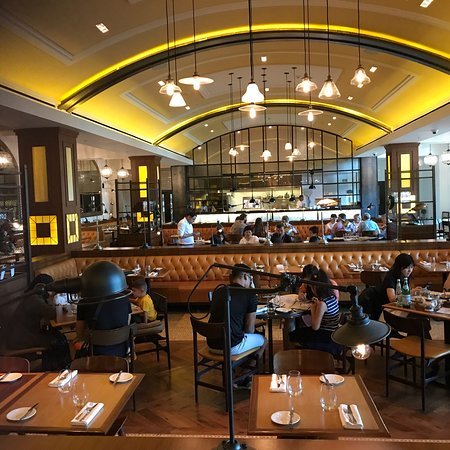
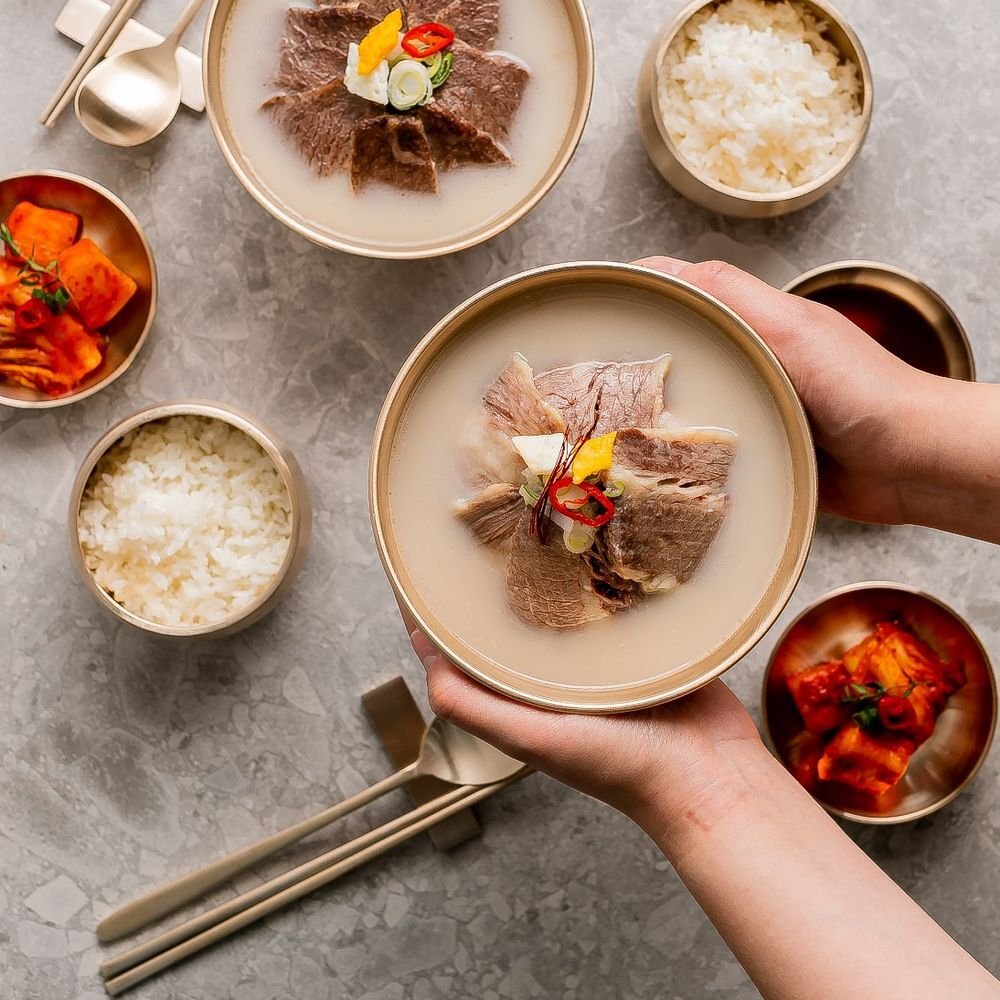
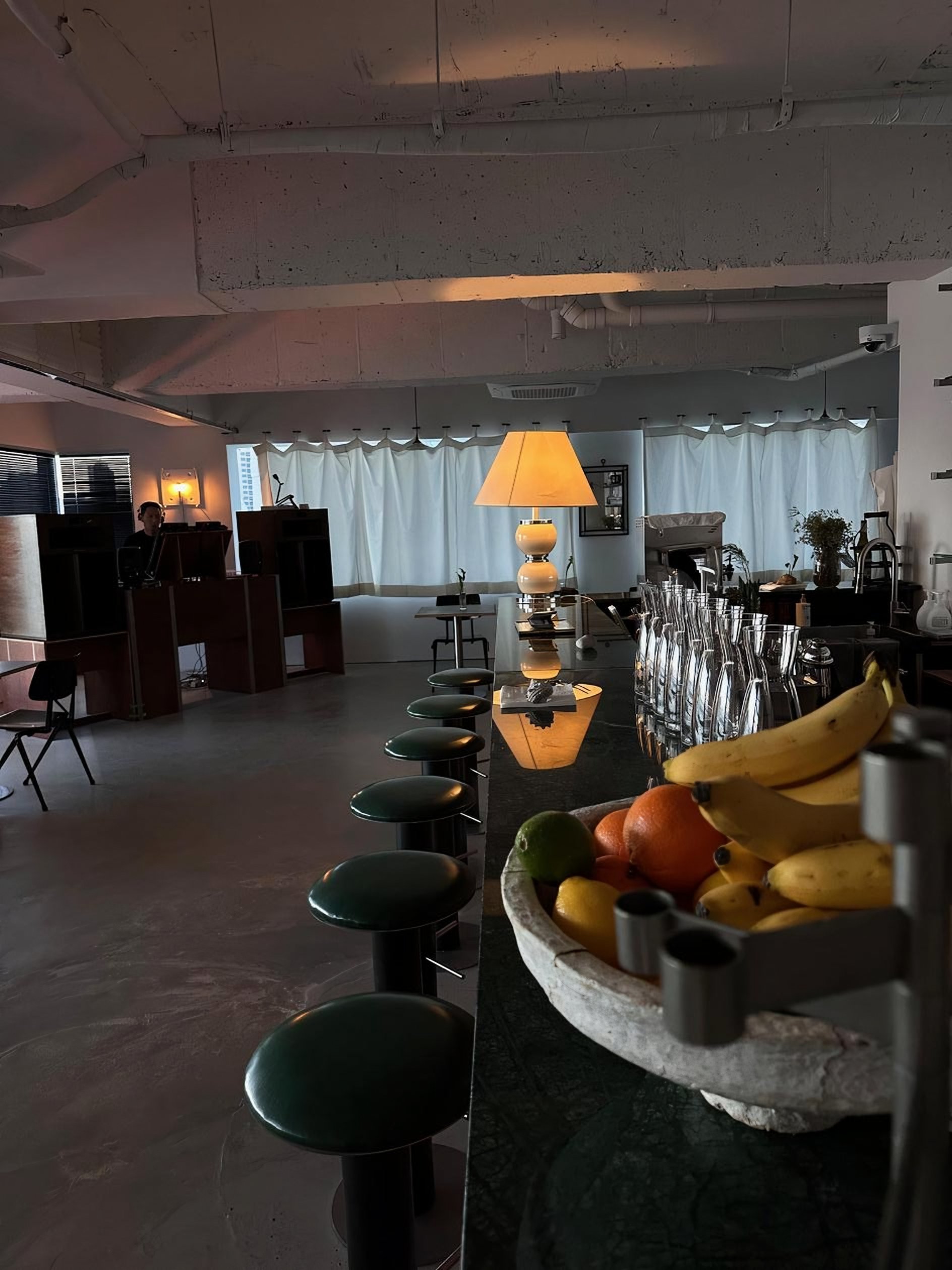
Dwaeji-gukbap is Busan's definitive comfort dish: pork and rice in a milky, long-simmered bone broth, served at a rolling boil. It is working-class food by origin, and Jeongjitgan does not pretend otherwise. The room will not surprise you with design ambition. The energy is practical, direct, and fast-moving: the sound profile is clattering bowls, brief exchanges, and the background hiss of a busy kitchen. Do not arrive expecting a quiet table and leisurely pacing. This is a place where the food is the entire point, and the service style reflects that: efficient, no-frills, and honest about what it is.
That service philosophy, which some diners mistake for indifference, is actually well-calibrated to the format and the price point. At a single ₩ price tier, you are not paying for tableside ceremony, and Jeongjitgan does not perform one. What you get instead is a kitchen focused entirely on the bowl in front of you. For first-timers, that efficiency can feel abrupt; once you understand the format, it reads as respect for your time and theirs.
Located at 6 Bibong-ro in Saha-gu, the address is in a residential working neighbourhood rather than a tourist corridor. This is worth knowing before you go: Saha-gu is not central Busan, and the surrounding streets are not set up for sightseeing. Plan the visit as a deliberate detour, not a casual drop-in between attractions.
Who Should Book
First-timers to Busan who want to eat one bowl of dwaeji-gukbap at a venue with a verifiable quality credential should book here. Solo diners fit naturally into this format, counter or small-table service suits a single person better than a group wanting to linger. If you are travelling with four or more people expecting a relaxed shared meal, the format may feel rushed. The dish is also not well-suited to special-occasion dining: there is no atmosphere architecture here to support a celebratory visit.
If you have already eaten around Busan's gukbap scene and are hunting for direct comparison, Anmok is the obvious peer at the same price tier, and worth visiting on the same trip. For broader context on Busan's pork soup tradition, Hapcheon Gukbapjip offers another reference point in the category.
Booking and Timing
Jeongjitgan operates in a category, affordable, high-recognition, single-dish, where walk-in traffic is normal and reservations may not be required. However, the Bib Gourmand status in consecutive years has raised the venue's profile, and peak meal times on weekends can produce queues. Arriving slightly before or after the standard lunch rush (before noon or after 1:30 PM) will generally mean a shorter wait. There is no evidence of a formal reservation system for a venue at this price tier; treat this as a walk-in with timing awareness rather than a booking exercise.
For comparison, if you are planning a broader Busan trip around food, the city's higher-end venues, Mori at ₩₩₩ and Palate at ₩₩, require advance reservations weeks out. Jeongjitgan sits at the opposite end of the planning spectrum: show up at the right time and you will eat well without any prior arrangement.
Context in Korea's Gukbap Scene
Busan is the national reference point for dwaeji-gukbap, and the Michelin Guide has recognised several addresses in the city's tradition. For Seoul-based comparisons, ANAM and Gwanghwamun Gukbap serve the dish in the capital, but Busan is where the format is most deeply rooted. Eating gukbap in Saha-gu rather than in a tourist-facing neighbourhood puts you closer to how locals actually eat the dish. That context is part of what you are paying for, or rather, not paying much for, at Jeongjitgan.
For a broader picture of where Jeongjitgan sits within Busan's dining scene, see our full Busan restaurants guide. If you are building out a full trip, our Busan hotels guide, bars guide, and experiences guide cover the rest. Among Korea's Michelin-recognised addresses worth knowing, Mingles in Seoul and Kwon Sook Soo in Gangnam-gu represent the country's fine-dining ceiling for comparison.
Quick reference: Walk-in, ₩ price tier, Saha-gu location, plan the detour, arrive off-peak, no reservation needed.
Planning details
- Hours
- Monday: Open 24 hours · Tuesday: 1 AM–11:30 PM
- Location
- 6 Bibong-ro, Saha-gu, Busan, South Korea
- Website
- menu.busan.go.kr/shop/info/CD_SHP_002355
- Phone
- +82 50-71376-2901
The take
The Take
The Vibe
Jeongjitgan reads like a quietly assertive neighborhood institution: unflashy, tradition-forward and utterly working-class. The place is committed to consistent execution of Busan’s beloved dwaeji-gukbap, and that steadiness earned it back-to-back Bib Gourmand nods. It sits off the city’s better-travelled corridors in Saha‑gu, drawing a predominantly local crowd and maintaining an unfussy, affordable presentation. The tenor here is classic and matter-of-fact: comfort food pared to essentials, delivered with a sense of regional authenticity rather than theatricality.
Best For
Jeongjitgan is best for diners seeking an authentic, budget‑minded taste of Busan’s pork‑bone soup tradition. The restaurant operates at a low ₩ price point and is explicitly positioned as a working‑class, value-forward spot, so it suits local families, anyone chasing straightforward regional specialties, and visitors who want to explore beyond the city’s tourist hubs. Michelin’s Bib Gourmand recognition underlines the kitchen’s consistency and value: this is a place to go when you prioritise honest execution and comforting bowls over formality or innovation.
Ordering Tips
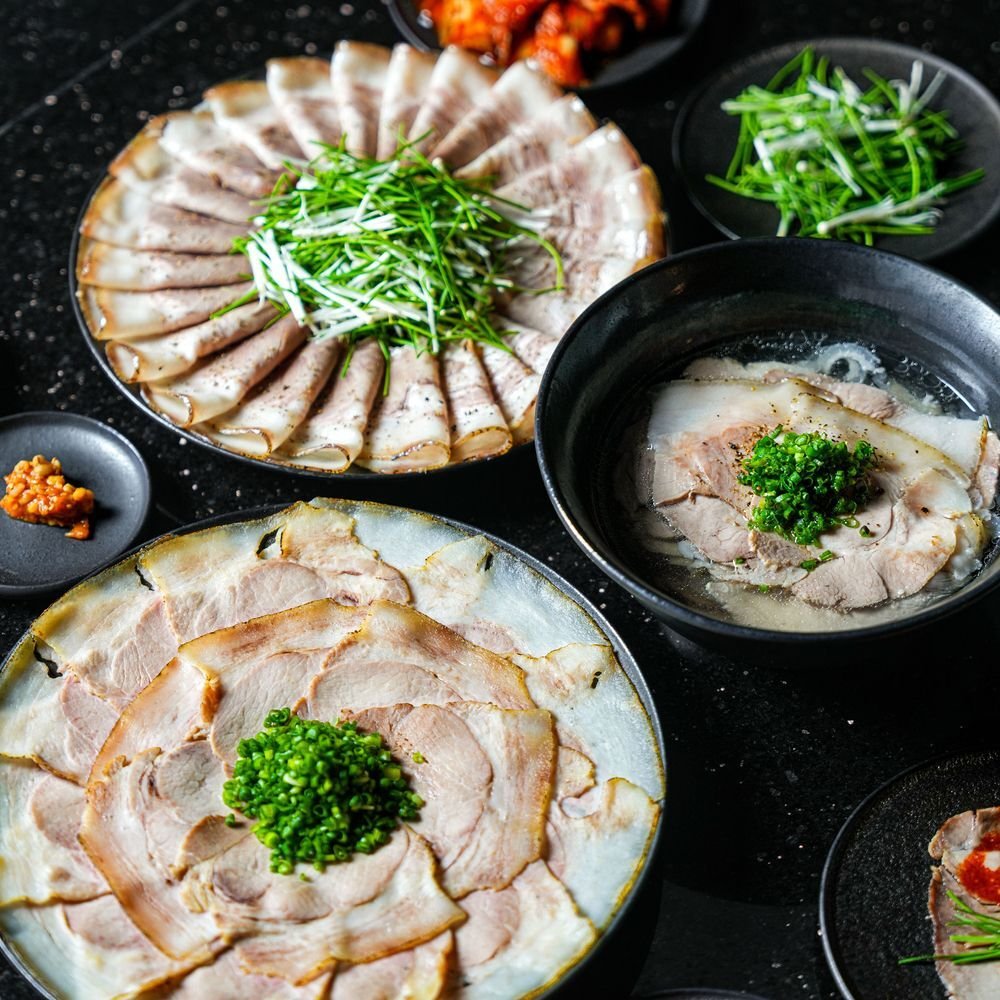
Order the signature dwaeji‑gukbap as your baseline: the milky, slow‑cooked pork‑bone broth ladled over rice is the raison d’être here. Suyuk and makguksu are natural complements; expect simple, unfussy presentation and straightforward portions. Given the restaurant’s emphasis on consistency within a regional tradition and its Bib Gourmand status, treat the menu as a short, practiced repertoire: pick the house staples and judge it by faithful execution and value rather than novelty.
Venue details
Ambiance
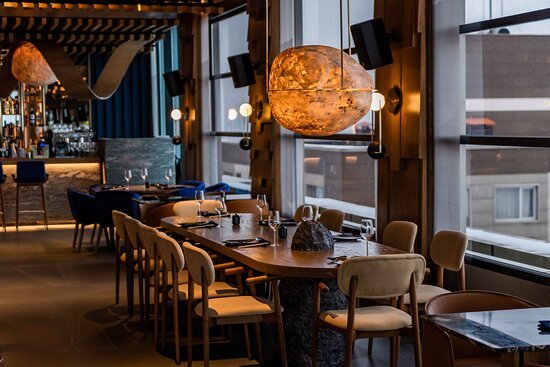
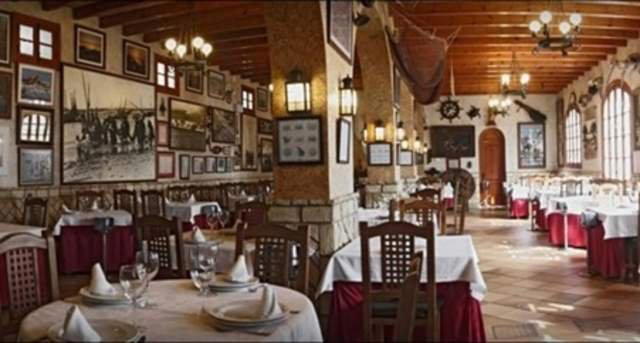
Practical and lively with functional lighting, counter seating facing the open kitchen, and a warm, efficient atmosphere that shifts from calm mornings to energetic late nights.
Tags
Vibe
Best For
Experience
At the Table
- Dress Code
- Casual
- Noise Level
- Lively
- Service Style
- Casual
- Meal Pacing
- Quick Bite
- Capacity
- Medium
- Kitchen
- Traditional
- Menu Format
- A la carte
Signature Dishes
- Dwaeji-gukbap
- Suyuk
- Makguksu
Know before you go
Know Before You Go
- Getting there
- 6 Bibong-ro, Saha-gu, Busan, South Korea
Planning details
Hours
- Monday
- Open 24 hours
- Tuesday
- 1 AM–11:30 PM
- Wednesday
- 6 AM–12 AM
- Thursday
- Open 24 hours
- Friday
- Open 24 hours
- Saturday
- Open 24 hours
- Sunday
- Open 24 hours
Location
6 Bibong-ro, Saha-gu, Busan, South Korea · Directions
Recognition and awards
Also consider
Also Consider
- Palate: Contemporary, ₩₩
- Mori: Japanese, ₩₩₩
- Born and Bred: Steakhouse, ₩₩₩₩
- 100.1.Pyeongnaeng: Naengmyeon, ₩
- Anmok: Dwaeji-gukbap, ₩
Restaurant context
At the ₩ tier, Jeongjitgan's direct competitor is Anmok, which serves the same dwaeji-gukbap format at an equivalent price point. The difference is recognition: Jeongjitgan carries consecutive Michelin Bib Gourmand credentials (2024 and 2025), which gives first-timers a clearer quality anchor. If you want to compare bowls across the category, visiting both on the same trip is reasonable and affordable. 100.1.Pyeongnaeng is also in the ₩ range but serves naengmyeon, a cold noodle dish, so it is a different meal entirely, not a substitute.
Palate at ₩₩ and Mori at ₩₩₩ are operating in a different category altogether: contemporary Korean and Japanese respectively, both requiring advance reservations and offering a formal dining experience that Jeongjitgan makes no attempt to replicate. If your trip has one slot for a sit-down dinner with wine and pacing, that spend is better directed at Palate or Mori. If you want to eat the dish Busan is actually known for at the price locals pay for it, Jeongjitgan is the more defensible choice.
Born and Bred at ₩₩₩₩ is the city's premium steakhouse option and shares no meaningful overlap with Jeongjitgan's format or occasion. The practical verdict: Jeongjitgan is the right call for value-first dining and category education; Palate is the step up for a proper dinner out; Mori is the choice if Japanese is your preference at a higher price; and Born and Bred is for a special-occasion splurge with a very different profile.
Explore Busan
Around this place
Discover more on Pearl
Unlock the full Jeongjitgan guide in Pearl, including awards, comparisons, FAQs, planning details, and nearby places.
Compare Jeongjitgan
| Venue | Location | Cuisine | Awards | Price |
|---|---|---|---|---|
| Jeongjitgan | Busan | Dwaeji-gukbap | 2025 Michelin Bib Gourmand2024 Michelin Bib Gourmand | ₩ |
| Palate | Busan | Contemporary | Michelin Guide Seoul & Busan 20262026 Wine Spectator Best of Award of Excellence2026 La Liste Top Restaurants2025 La Liste Top Restaurants2025 Michelin 1 Star2024 Michelin 1 Star | ₩₩ |
| Mori | Busan | Japanese | Michelin Guide Seoul & Busan 20262025 Michelin 1 Star2024 Michelin 1 Star | ₩₩₩ |
| Born and Bred | Busan | Steakhouse | 2026 La Liste Top Restaurants2025 OAD Top Restaurants in Asia Ranked · #122025 World's Best Steaks 101 Best Steak Restaurants · #152025 Asia's 50 Best Restaurants · #512025 Michelin Plate2024 OAD Top Restaurants in Asia Ranked · #92024 Michelin Plate2023 OAD Top Restaurants in Asia Ranked · #16 | ₩₩₩₩ |
| 100.1.Pyeongnaeng | Busan | Naengmyeon | Michelin Guide Seoul & Busan 20262025 Michelin Bib Gourmand2024 Michelin Bib Gourmand | ₩ |
| Anmok | Busan | Dwaeji-gukbap | Michelin Guide Seoul & Busan 20262025 Michelin Bib Gourmand2024 Michelin Bib Gourmand | ₩ |







.png?width=1200&quality=80)
How Jeongjitgan Busan compares with similar nearby venues.
FAQ
Frequently Asked Questions
What should I wear to Jeongjitgan?
Come as you are. Jeongjitgan is a single-dish dwaeji-gukbap spot in Saha-gu, Busan, priced at the lowest tier on the ₩ scale. There is no dress expectation here beyond being dressed at all. A Michelin Bib Gourmand signals value, not formality.
Is Jeongjitgan good for solo dining?
Yes, and it suits solo diners better than most. A single bowl of dwaeji-gukbap is a complete meal, and counter-style or quick-turn tables are standard in this format. You will not feel pressured to order more or fill a table.
Can Jeongjitgan accommodate groups?
Small groups of two to four are fine. Larger groups should be aware that high-turnover gukbap spots in Busan are not set up for extended group meals: seating tends to be compact and the format moves fast. If a sit-down group dinner is the goal, this is not the right format.
Is Jeongjitgan worth the price?
At ₩ pricing, yes, without qualification. Two consecutive Michelin Bib Gourmand awards (2024 and 2025) confirm the quality-to-cost ratio in a category where most bowls are already affordable. You are getting a recognised address at street-food pricing.
Is Jeongjitgan good for a special occasion?
Only if the occasion is specifically about eating great dwaeji-gukbap. The format is casual and fast-moving, not suited to a long celebratory meal. For a milestone dinner in Busan, look elsewhere. For a deliberate food stop where the bowl itself is the event, it works.
Can I eat at the bar at Jeongjitgan?
Bar seating in the Western sense is not a feature of dwaeji-gukbap restaurants. Seating in this format is typically shared tables or individual spots at a counter. No bar or drinks programme is documented for Jeongjitgan specifically.
How far ahead should I book Jeongjitgan?
Reservations are likely unnecessary. Gukbap restaurants in Busan operate on walk-in traffic as the norm, and at ₩ pricing, Jeongjitgan is not a reservation-driven format. Arriving at off-peak hours reduces any wait, particularly given the Bib Gourmand recognition drawing additional visitors.