
Hapcheon Gukbapjip
Dwaeji-gukbap · Yongho 4(sa)-dong, Busan
Restaurant in Busan, South Korea
 Book with Pearl
The Read
Bib Gourmand Pork Broth
Price
$10–20per person
Chef
Ki-jung Cheon
Dress
Casual
Why go
Hapcheon Gukbapjip holds back-to-back Michelin Bib Gourmand awards (2024 and 2025) for its dwaeji-gukbap, Busan's pork bone broth soup, at ₩ pricing that makes it one of the strongest value-for-quality calls in the city. Under chef Ki-jung Cheon, the kitchen consistently earns recognition that places it clearly above the neighbourhood average. Book easy, eat well.
About Hapcheon Gukbapjip
The Busan gukbap that earned Michelin's attention: twice
If you are in Busan and serious about eating the city's most-discussed bowl of dwaeji-gukbap, Hapcheon Gukbapjip is the place to book. This is the restaurant for the food-focused traveller who wants to understand why a pork bone broth soup earns back-to-back Michelin Bib Gourmand recognition in 2024 and 2025, and who wants to eat it at a price point that makes the decision easy. At ₩ pricing, the value proposition is hard to argue.
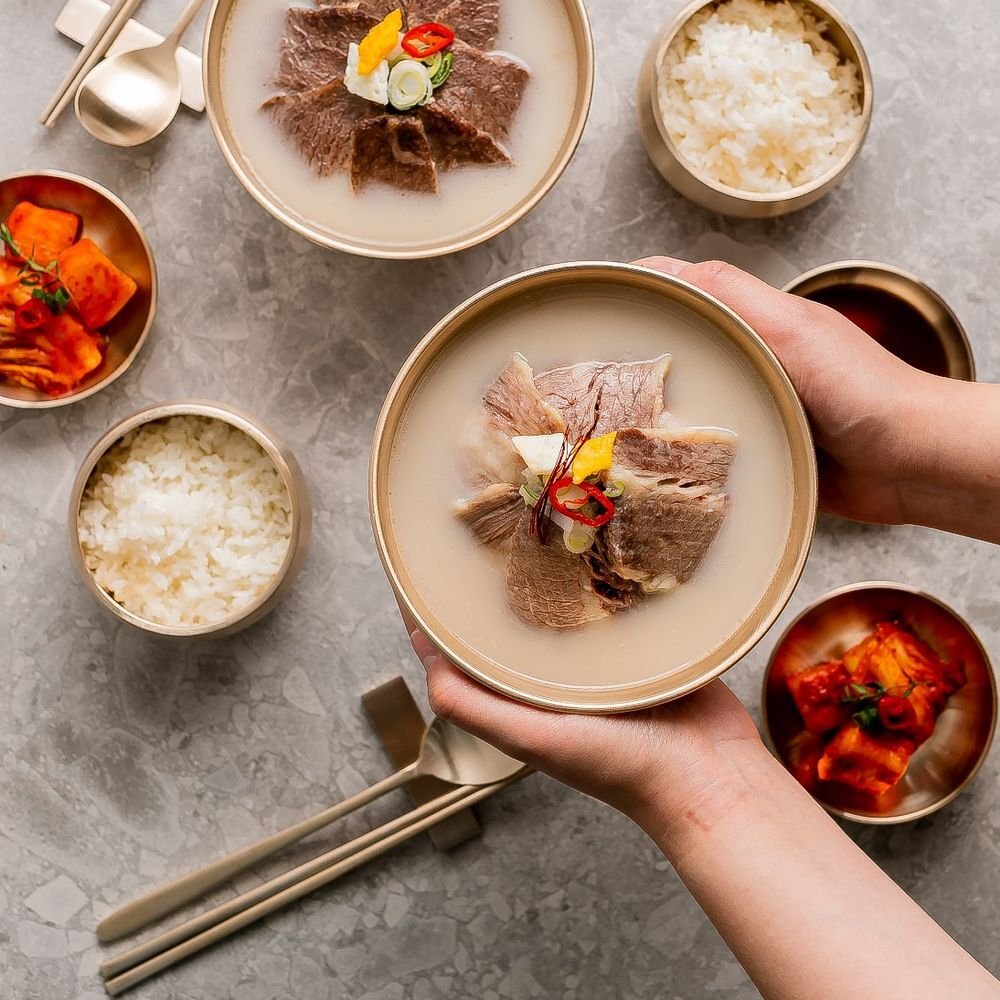
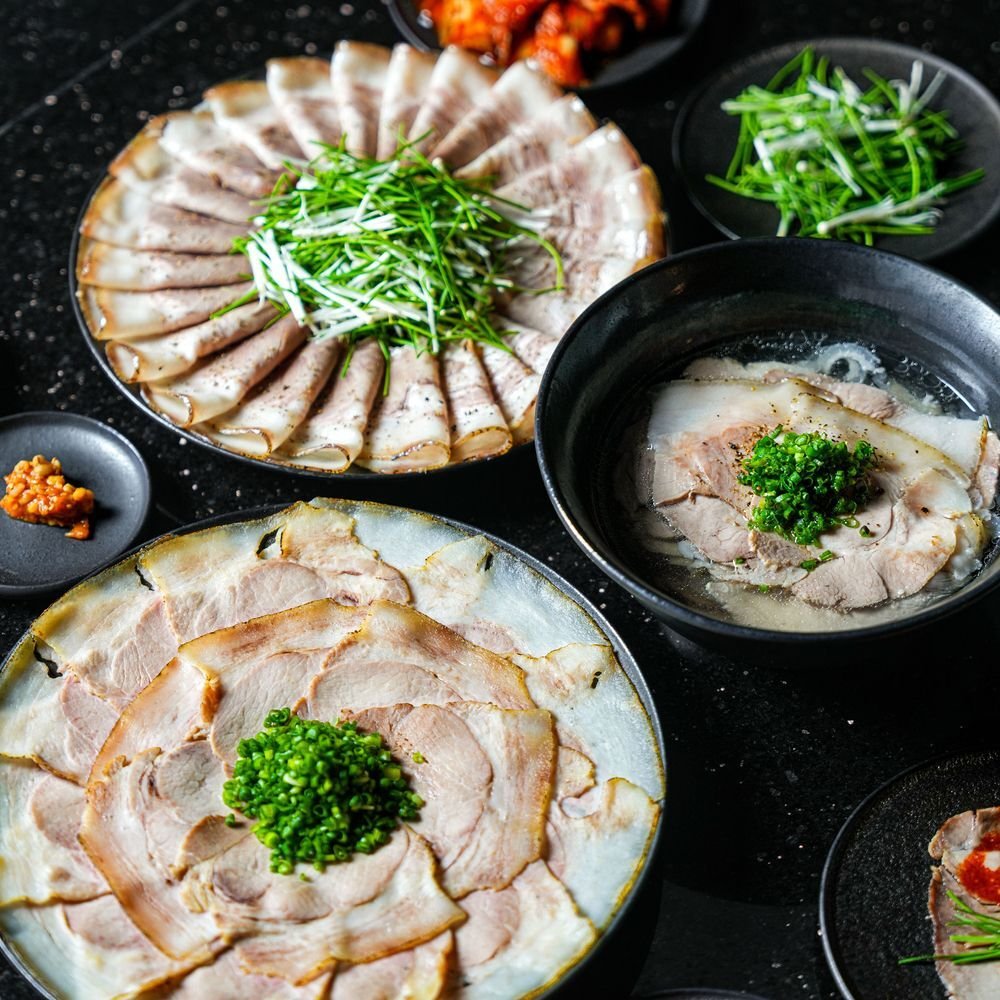
Dwaeji-gukbap: pork and rice soup, is Busan's civic dish. The city has hundreds of versions of it, from 24-hour canteens in Seomyeon to neighbourhood stalwarts near the fish market. Most are good. What puts Hapcheon Gukbapjip in a different category is Michelin's own verdict: two consecutive Bib Gourmand awards signal that the kitchen is delivering quality that systematically outperforms its price tier. That is a concrete, verifiable distinction, not a vague claim about tradition or heritage.
What the sourcing and kitchen approach tell you about the bowl
Dwaeji-gukbap is a dish where quality lives almost entirely in two decisions: what goes into the broth and how long it cooks. The milky, opaque stock that defines a properly made version requires pork bones, ideally neck and trotters, cooked for hours until the collagen breaks down and the fat emulsifies into the liquid. There is no cream, no dairy, no shortcut that produces the same result. When Michelin evaluators return to a restaurant two years running and award the Bib Gourmand both times, they are, among other things, confirming that the sourcing and process remain consistent. Under chef Ki-jung Cheon, Hapcheon Gukbapjip has held that standard across at least two annual evaluation cycles.
For the explorer-minded diner, the interesting question is not whether to order the gukbap, you are coming for the gukbap, but how the bowl here compares to what you would get at Anmok, one of the other well-regarded dwaeji-gukbap addresses in Busan. Both operate at ₩ pricing. The difference Hapcheon Gukbapjip makes is that its Bib Gourmand recognition provides external, independent validation that Anmok does not currently carry. If you only have time for one bowl, Hapcheon Gukbapjip is the call.
Within the broader Korean pork soup category, it is worth knowing that dwaeji-gukbap is a Busan-specific tradition. Seoul has its own gukbap venues, ANAM and Gwanghwamun Gukbap both carry the dish, but eating it in Busan, in a restaurant that Michelin has twice flagged, gives you the dish at its geographic and culinary source. That context matters if your goal is depth rather than just another good meal.
What to expect in the room
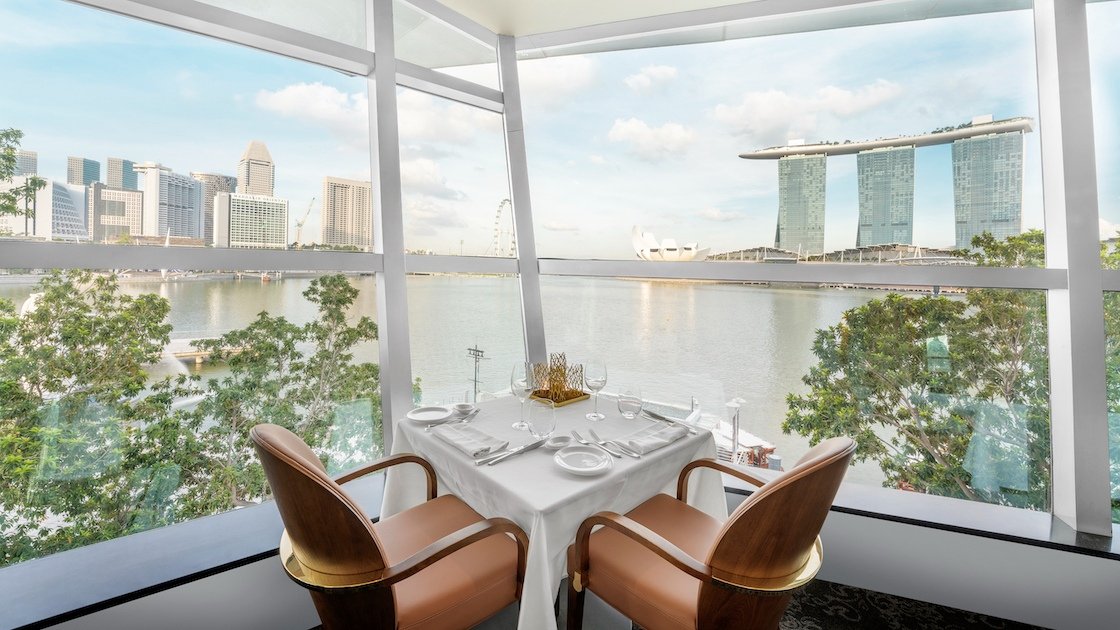
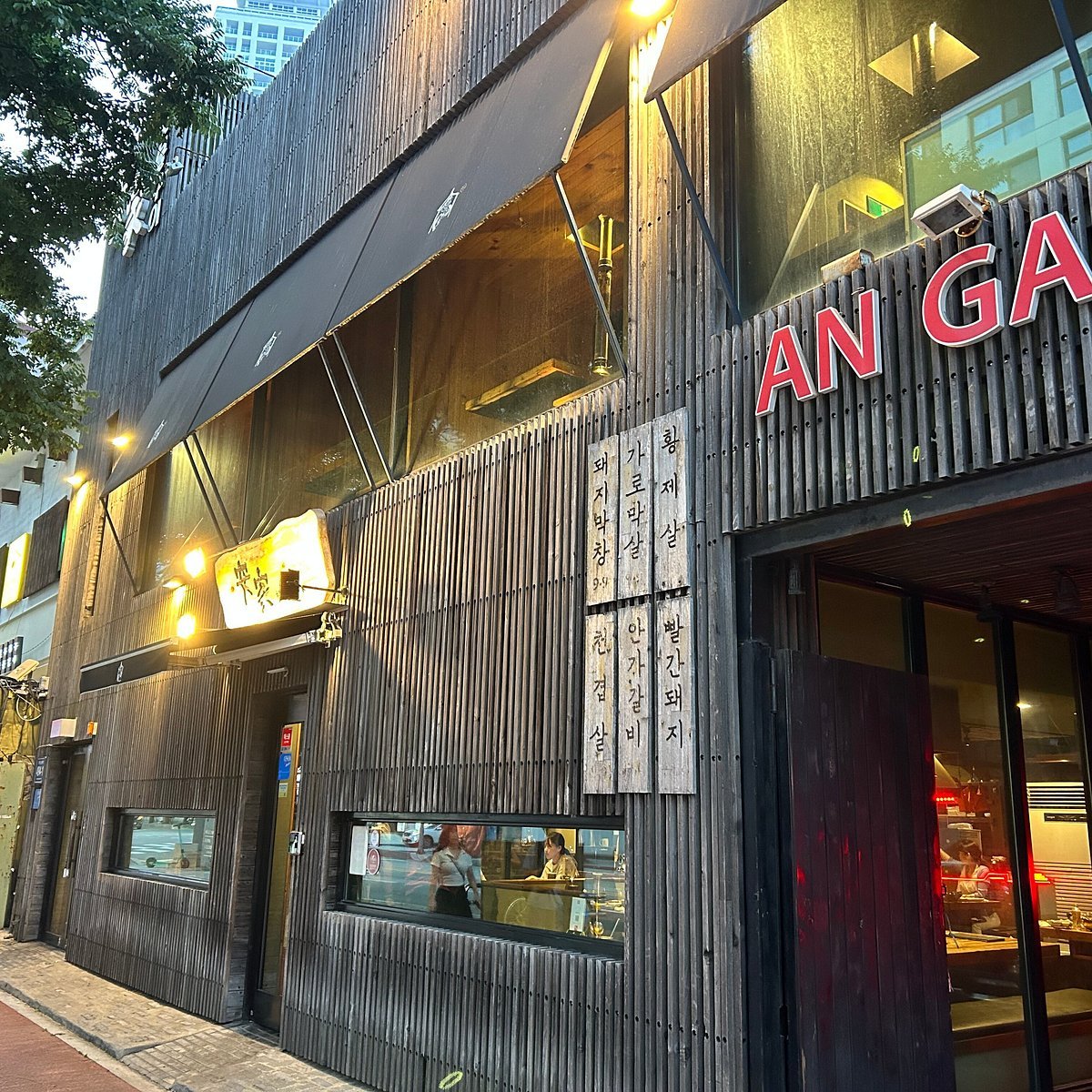
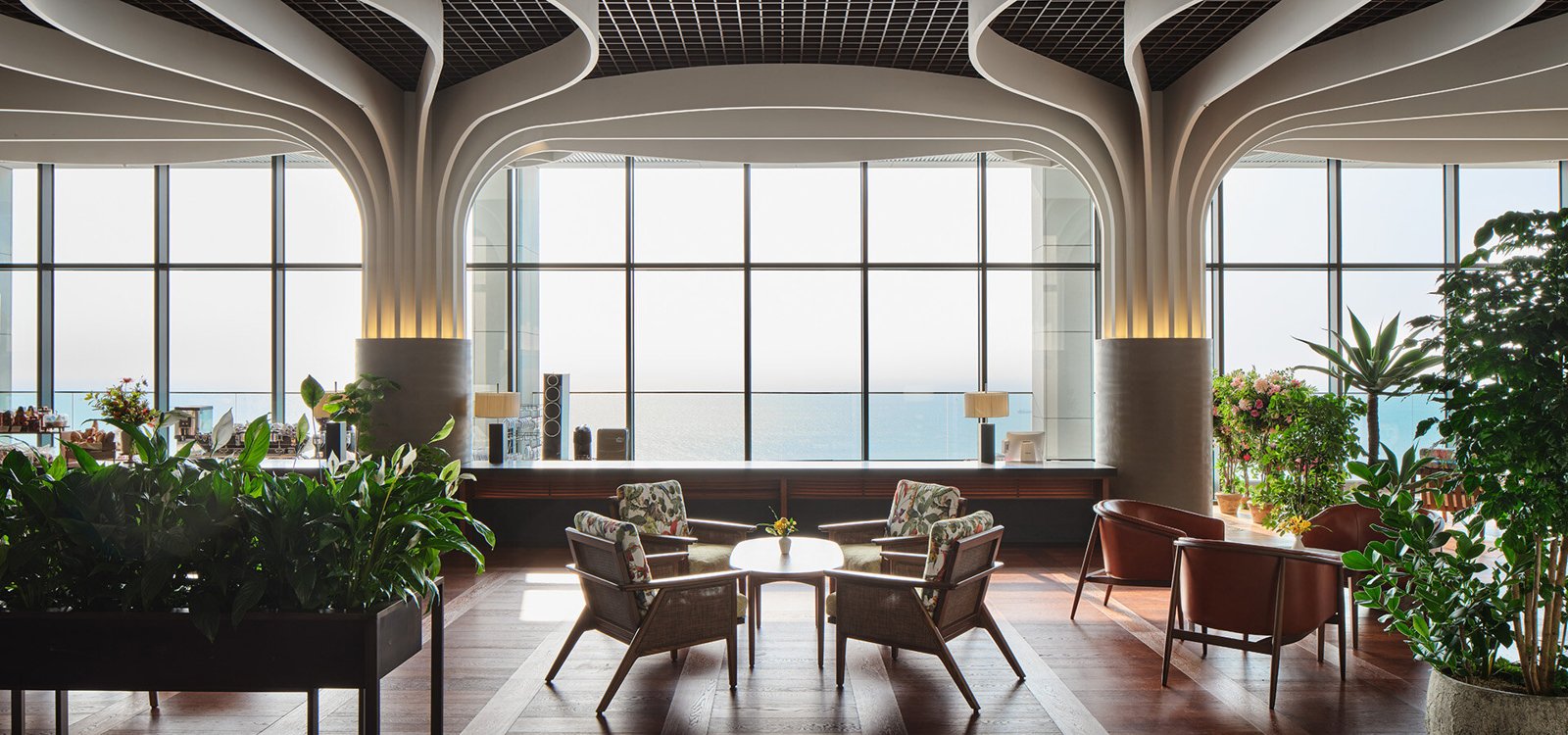
Hapcheon Gukbapjip sits at 235 Yongho-ro in Nam-gu. The atmosphere in a working Busan gukbap restaurant is functional rather than decorative: expect a direct dining room, tables close together, and a pace that reflects the lunch and dinner rush patterns of a neighbourhood venue rather than a destination tasting menu. The energy is brisk. This is a place where Busan residents eat, not a room designed to slow you down. For a solo diner or a pair, that environment is entirely appropriate, you are here for the bowl, not the decor. If you need a quieter, more considered setting, Jeongjitgan or Palate serve different moods at higher price points.
The noise level will reflect the kitchen's volume: busy services are audibly busy. Gukbap restaurants in Busan tend to operate at a communal register, which means the sound of the room, clattering bowls, conversation, the tick of the broth station, is part of the experience rather than a distraction from it. If you are accustomed to the quieter register of Seoul's high-end Korean restaurants such as Mingles or Kwon Sook Soo, calibrate expectations accordingly. The trade is atmosphere for value, and at ₩ pricing with Bib Gourmand credentials, it is a trade worth making.
Booking and getting there
Booking difficulty is rated Easy. At ₩ pricing and without a multi-week reservation window, this is not the kind of restaurant that requires advance planning weeks out. Walk-ins are plausible, though arriving during peak lunch hours at a Michelin-flagged restaurant carries some risk of a wait. Going slightly off-peak, early lunch or mid-afternoon if hours permit, is the practical move.
The address is 235 Yongho-ro, Nam-gu, Busan. Nam-gu is in the southern part of the city, accessible from central Busan by taxi or subway. If you are building a broader Busan itinerary, see our full Busan restaurants guide, our Busan hotels guide, and our Busan experiences guide for context on the wider city.
Know Before You Go
- Cuisine: Dwaeji-gukbap (Busan-style pork bone broth soup with rice)
- Price range: ₩, among the most affordable Michelin-recognised dining in South Korea
- Awards: Michelin Bib Gourmand 2024 and 2025
- Chef: Ki-jung Cheon
- Address: 235 Yongho-ro, Nam-gu, Busan, South Korea
- Booking difficulty: Easy, walk-ins viable, off-peak timing reduces wait risk
- Leading for: Solo diners, pairs, food-focused travellers, local eating
- Not ideal for: Groups needing a private room, diners seeking a quiet or designed environment
- Website / phone: Not confirmed in current data
Also in Busan and South Korea
For more dwaeji-gukbap in Busan, Anmok is the closest peer. For a different register of Busan eating, contemporary Korean cooking at a mid-range price point, Namakzip and Jeongjitgan are worth considering. For Japanese in Busan, Mori operates at ₩₩₩. Outside Busan, Michelin-level Korean dining is available at Mingles in Seoul and temple food at Baegyangsa Temple in Jangseong-gun. For regional variety, see also Double T Dining in Gangneung and Market Café in Incheon. Our full Busan bars guide and Busan wineries guide cover the rest of the city's drinking options. For The Flying Hog in Seogwipo, pork takes a very different form, worth knowing if you are heading to Jeju.
Planning details
- Hours
- Monday: 9:30 AM–2 PM, 2:30–8 PM · Tuesday: 9:30 AM–2 PM, 2:30–8 PM
- Location
- 235 Yongho-ro, Nam-gu, Busan, South Korea
- Phone
- +82 51-628-4898
The take
The Take
The Vibe
Hapcheon Gukbapjip reads like a quintessential Busan neighborhood kitchen: unadorned from the street yet quietly accomplished inside. Pots simmer from early morning, bowls are stacked and restacked, and the broth gains depth from long, consistent practice. There’s a strong sense of history and civic identity here; the shop is part of a post‑war tradition that Busan refined into something proudly local. The Michelin Bib Gourmand nods feel almost secondary to the everyday authority the place projects: reliable, earnest, and deeply rooted in its neighborhood.
Best For
This is a no‑frills neighborhood destination best suited to people after a straightforward, soulful bowl: early risers, solo diners, or small groups that appreciate honest comfort food. The setting and service lean casual and efficient, so it works well for quick lunches, late breakfasts, or unfussy dinners where the food is the primary draw. Its Bib Gourmand recognition also makes it a smart pick for visitors who want authentic regional cooking without pretense. Expect a communal, working‑class atmosphere rather than a leisurely, multi‑course dining experience.
Ordering Tips
Order the signature dwaeji‑gukbap and consider the suyuk if you want an added plate of tender pork. The bowl arrives with milky, long‑simmered pork broth and sliced pork incorporated into the soup; rice can come submerged or on the side depending on preference. Use the accompanying kimchi, salted shrimp paste and sliced green onion to adjust heat and salt as you go: these condiments are part of how the dish achieves its character. Prioritize a hot bowl early in the day to catch the broth at its freshest.
Venue details
Ambiance
Classic, no-frills Korean eatery with comforting, time-tested atmosphere focused on traditional flavors.
Tags
Vibe
Best For
At the Table
- Dress Code
- Casual
- Noise Level
- Conversational
- Service Style
- Casual
- Meal Pacing
- Standard
- Capacity
- Medium
- Kitchen
- Traditional
- Menu Format
- A la carte
Signature Dishes
- dwaeji-gukbap
- suyuk
Know before you go
Know Before You Go
- Getting there
- 235 Yongho-ro, Nam-gu, Busan, South Korea
Planning details
Hours
- Monday
- 9:30 AM–2 PM, 2:30–8 PM
- Tuesday
- 9:30 AM–2 PM, 2:30–8 PM
- Wednesday
- 9:30 AM–2 PM, 2:30–8 PM
- Thursday
- 9:30 AM–2 PM, 2:30–8 PM
- Friday
- 9:30 AM–2 PM, 2:30–8 PM
- Saturday
- 9:30 AM–2 PM, 2:30–8 PM
- Sunday
- 9:30 AM–2 PM, 2:30–8 PM
Location
235 Yongho-ro, Nam-gu, Busan, South Korea · Directions
Recognition and awards
Also consider
Also Consider
- Palate: Contemporary, ₩₩
- Mori: Japanese, ₩₩₩
- Born and Bred: Steakhouse, ₩₩₩₩
- 100.1.Pyeongnaeng: Naengmyeon, ₩
- Anmok: Dwaeji-gukbap, ₩
Restaurant context
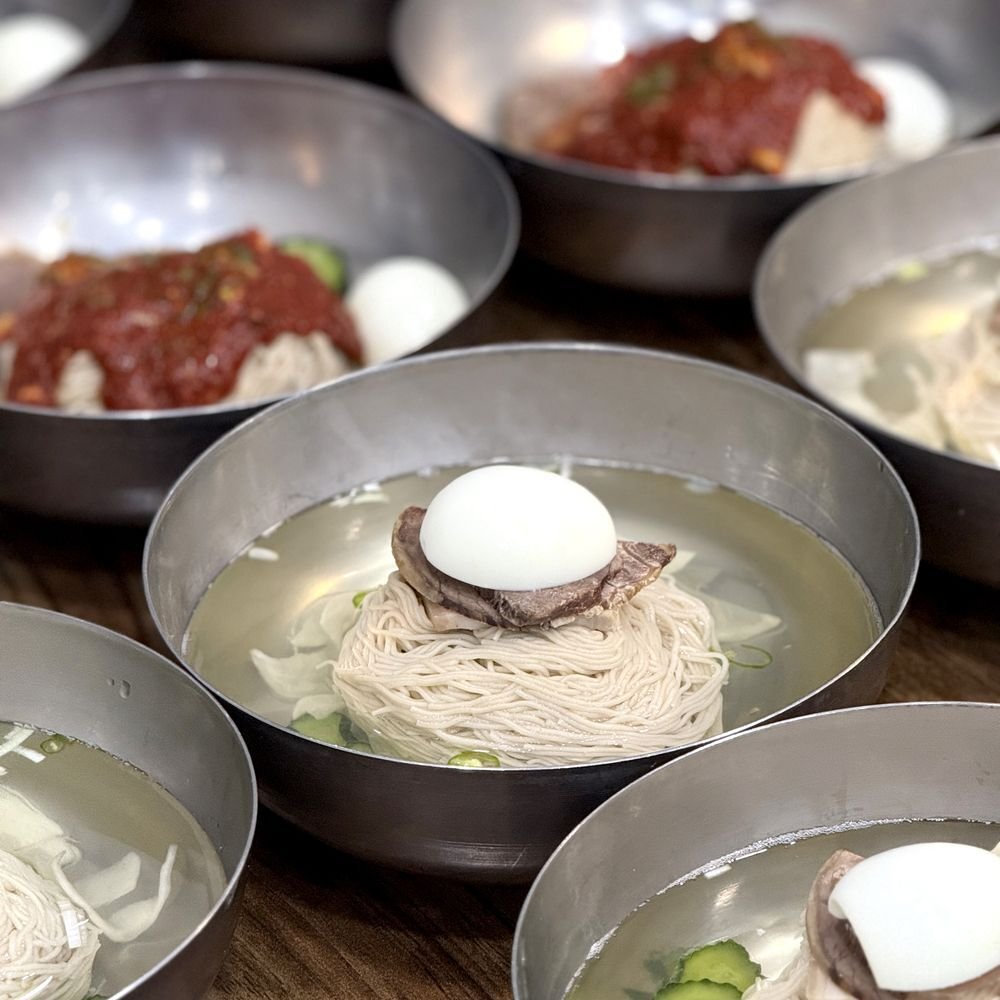
At ₩ pricing with two consecutive Michelin Bib Gourmand awards, Hapcheon Gukbapjip sits in a category of its own among Busan's affordable dining options. Its direct peer in the dwaeji-gukbap space is Anmok, also at ₩, which is a solid bowl but lacks the independent third-party recognition Hapcheon carries. If you are choosing between the two for a single sitting, Hapcheon Gukbapjip is the more defensible pick. 100.1.Pyeongnaeng, also at ₩, is the right call if cold naengmyeon noodles are what you are after: the two restaurants serve different dishes and address different cravings, so there is no real overlap in deciding between them.
Moving up the price ladder, Palate at ₩₩ delivers contemporary cooking in a more considered room: the right choice if you want a sit-down meal with a designed environment rather than a busy neighbourhood counter. Mori at ₩₩₩ serves Japanese cuisine and operates in a different register entirely: quieter, more precise, more expensive. These are not competing with Hapcheon Gukbapjip so much as serving a different occasion.
Born and Bred at ₩₩₩₩ is Busan's high-end steakhouse option: the right venue for a group splurge, not a point of comparison for a solo gukbap lunch. The practical read across all five: for maximum value at minimum spend, Hapcheon Gukbapjip is the answer. For a more formal dinner, Palate or Mori are the next steps up. For a serious group occasion with budget, Born and Bred is the call.
Explore Busan
Around this place
Discover more on Pearl
Unlock the full Hapcheon Gukbapjip guide in Pearl, including awards, comparisons, FAQs, planning details, and nearby places.
Compare Hapcheon Gukbapjip
| Venue | Price | Awards |
|---|---|---|
| Hapcheon Gukbapjip | ₩ | 2025 Michelin Bib Gourmand2024 Michelin Bib Gourmand |
| Palate | ₩₩ | Michelin Guide Seoul & Busan 20262026 Wine Spectator Best of Award of Excellence2026 La Liste Top Restaurants2025 La Liste Top Restaurants2025 Michelin 1 Star2024 Michelin 1 Star |
| Mori | ₩₩₩ | Michelin Guide Seoul & Busan 20262025 Michelin 1 Star2024 Michelin 1 Star |
| Born and Bred | ₩₩₩₩ | 2026 La Liste Top Restaurants2025 OAD Top Restaurants in Asia Ranked · #122025 World's Best Steaks 101 Best Steak Restaurants · #152025 Asia's 50 Best Restaurants · #512025 Michelin Plate2024 OAD Top Restaurants in Asia Ranked · #92024 Michelin Plate2023 OAD Top Restaurants in Asia Ranked · #16 |
| 100.1.Pyeongnaeng | ₩ | Michelin Guide Seoul & Busan 20262025 Michelin Bib Gourmand2024 Michelin Bib Gourmand |
| Anmok | ₩ | Michelin Guide Seoul & Busan 20262025 Michelin Bib Gourmand2024 Michelin Bib Gourmand |







.png?width=1200&quality=80)
What to weigh when choosing between Hapcheon Gukbapjip and alternatives.
FAQ
Frequently Asked Questions
Is the tasting menu worth it at Hapcheon Gukbapjip?
Hapcheon Gukbapjip does not operate a tasting menu format: this is a gukbap house, meaning the menu centres on a single bowl of dwaeji-gukbap. That focus is exactly what earned it back-to-back Michelin Bib Gourmands in 2024 and 2025. If you want a multi-course progression, look elsewhere; if you want Busan's most-discussed pork bone soup at a ₩ price point, this is the right call.
Is Hapcheon Gukbapjip worth the price?
At ₩ pricing, this is one of the strongest value propositions in Busan's restaurant scene: a Michelin Bib Gourmand two years running at a cost that won't register as a line item on your budget. The Bib Gourmand designation exists specifically to flag quality at accessible prices, so the answer here is a clear yes.
How far ahead should I book Hapcheon Gukbapjip?
Booking difficulty is rated Easy, so you do not need to plan weeks in advance the way you would for high-demand omakase counters. That said, Michelin recognition drives foot traffic, so arriving off-peak or slightly before a meal-service rush is a sensible precaution.
Is Hapcheon Gukbapjip good for solo dining?
Yes: a gukbap restaurant is one of the most solo-friendly formats in Korean dining. You order a single bowl, it arrives quickly, and the functional, counter-style setup common to working Busan gukbap houses means solo diners are the norm rather than the exception. The ₩ price point also makes it a low-commitment stop if you are eating across multiple restaurants in a day.
What should a first-timer know about Hapcheon Gukbapjip?
Dwaeji-gukbap is Busan's signature dish: a milky pork bone broth served with rice, typically accompanied by kimchi and fermented condiments on the side. The experience at Hapcheon Gukbapjip is functional rather than decorative: the room is built for eating, not atmosphere. Two Michelin Bib Gourmand awards under chef Ki-jung Cheon confirm the bowl itself is the reason to come.
What should I order at Hapcheon Gukbapjip?
The restaurant specialises in dwaeji-gukbap, so the pork bone soup is the order. This is not a venue with a broad menu to navigate: that singular focus on one dish, executed to Michelin Bib Gourmand standard, is the point. Customisation typically involves choosing cuts or add-ins at the table, per standard gukbap practice.
Does Hapcheon Gukbapjip handle dietary restrictions?
Dwaeji-gukbap is a pork-based dish at its core, making this a difficult option for anyone avoiding pork or meat. The format does not lend itself to significant substitution. If dietary restrictions are a factor, this is not the venue to test flexibility: a restaurant with a broader menu would be a more practical choice.