.png?width=1200&quality=80)
Eutteum Iroribata
Japanese · Namcheon 1(il)-dong, Busan
Restaurant in Busan, South Korea
 Book with Pearl
The Read
Sunken-Hearth Charcoal Cooking
Price
$50–100per person
Dress
Smart Casual
Why go
A Michelin Plate-recognised Japanese irori restaurant in Busan's Suyeong-gu, holding the listing in both 2024 and 2025 at an accessible ₩₩ price point. For food travellers who want structured, hearth-centred Japanese cooking without the ₩₩₩ commitment of Mori, this is the clearest alternative in the city. Book one to two weeks ahead.
About Eutteum Iroribata
A Michelin-Recognised Japanese Table in Busan at Mid-Range Prices
At the ₩₩ price tier, Eutteum Iroribata is one of the more accessible entry points into Michelin-recognised Japanese dining in Busan. The restaurant has held a Michelin Plate in both 2024 and 2025, which puts it in a credible bracket without the premium pricing of a starred venue. If you want serious Japanese cooking in the city without committing to the ₩₩₩ outlay that Mori requires, this is the clearest alternative.
The Case for Booking
Two consecutive Michelin Plate listings tell you something concrete: the kitchen is producing food the guide's inspectors consider worth recommending, and it has done so consistently. For a food-focused traveller who wants a structured, quality-driven Japanese meal in Suyeong-gu rather than the main tourist corridor, Eutteum Iroribata makes a strong case. The ₩₩ positioning means you are getting a recognised venue without the pricing pressure of a tasting-menu-only format.
The restaurant sits in Namcheon-dong, a neighbourhood in Suyeong-gu that sits away from the waterfront crowds. That location is relevant to your planning: it is not a drop-in venue on the way to Gwangalli Beach, but it is reachable and worth the deliberate trip. If you are already building an itinerary around Busan's restaurant scene, pair it with a look at Haemok or Iwa nearby to make the most of the area. Our full Busan restaurants guide maps the wider city for context.
The Iroribata Format and What It Signals
The name references an irori, the traditional Japanese sunken hearth used for grilling and warming. In a restaurant context, this format typically means counter or hearth-side dining where heat, smoke, and charcoal become part of the experience. It is a format that rewards slowing down: the cooking is tactile and process-driven, and much of the value is in watching the technique unfold. If you are the type of diner who eats quickly and moves on, this format is less suited to you. If you are travelling specifically to engage with the cooking, the irori format is exactly the right setting.
Format also has implications for the drinks side of the meal. Hearth-grilled Japanese cooking is a strong match for sake, shochu, and whisky-based drinks rather than a conventional wine-led program. A well-considered irori venue will use the drinks program to complement the smoke and char of the food, which is worth keeping in mind when you sit down. If the venue offers a sake pairing or spirit selection alongside the food, take it: it is likely the intended way to experience the menu.
Booking and Timing
Given the Michelin Plate recognition and the likely small size of an irori-format counter, booking ahead is advisable. Venues in this format typically seat fewer than twenty covers, and Busan's dining scene has become genuinely competitive at the quality end. Booking a week to ten days in advance should be sufficient for most weeknights, but weekend reservations around Korean public holidays will fill faster. For comparison, Zero Base and Palate, both operating at a similar quality tier, tend to fill weekend slots within days of opening their reservation window. Treat Eutteum Iroribata the same way.
The most reliable approach is to contact the restaurant directly via a Korean reservation platform such as Naver or Kakao, both of which are widely used by Busan venues of this type. If you are travelling from outside Korea, asking your hotel concierge to handle the booking call is a practical solution and avoids language barriers.
Drinks and the Bar Program
Eutteum Iroribata's editorial angle here is worth addressing directly: in an irori-format Japanese restaurant, the drinks program is not incidental. The hearth cooking creates flavour profiles, char, smoke, rendered fat, caramelised protein, that respond well to specific drinks pairings. Sake categories from junmai to aged koshu each interact differently with grilled food, and a kitchen operating at Michelin Plate level will generally have thought about this. If the menu includes a drinks pairing option, it is likely designed rather than assembled. For food-and-drink travellers specifically, this format offers more integration between kitchen and bar than a conventional multi-course restaurant.
For broader context on Busan's drinks scene, our full Busan bars guide covers the city's independent bar landscape, and our Busan wineries guide is worth checking if you are extending your trip.
Placing It in the Wider Korean Restaurant Context
Busan's Japanese dining scene is smaller than Seoul's but punches above its weight at the quality end. For reference, Seoul's top-tier Japanese cooking can be found at venues like Mingles and Kwon Sook Soo, while dedicated Japanese formats in Tokyo such as Myojaku and Azabu Kadowaki represent the ceiling of the format. Eutteum Iroribata sits below that ceiling but well above the casual end of the market. At ₩₩, it is an accessible and Michelin-option that does not require the price commitment of the city's top-tier tables. For a food traveller building a Busan itinerary, it belongs on the shortlist alongside Mori, the question is whether you want to spend more for Mori's starred format or stay at this price point with comparable recognition. Both are defensible choices depending on your budget and how central dining is to the trip.
For everything else the city offers beyond restaurants, our Busan hotels guide, experiences guide, and the wider restaurant directory cover the full picture.
FAQ
Is Eutteum Iroribata worth the price?
- At ₩₩, yes, two consecutive Michelin Plate listings at a mid-range price point is a strong value signal. You are getting inspector-recognised cooking without the financial commitment of a starred venue.
How far ahead should I book?
- Aim for one to two weeks in advance for weeknights, and two to three weeks for weekend slots or visits around Korean public holidays. The format likely means limited covers, so do not leave it to the week of travel.
What should a first-timer know?
- This is an irori-format Japanese restaurant, meaning hearth-centred cooking is the focus. It rewards engaged, unhurried diners. If you are unfamiliar with the irori tradition, think open-flame grilling at the table or counter rather than a conventional kitchen pass. Come ready to follow the kitchen's pace.
Is the tasting menu worth it?
- If a set or tasting format is offered, it is likely the intended way to experience the hearth cooking.
Is it good for a special occasion?
- The irori format and Michelin recognition make it a reasonable choice for a considered dinner rather than a casual meal, but it is not in the formal dining category. For a genuinely celebratory dinner with more ceremony, Mori at ₩₩₩ is the better fit.
Can it accommodate groups?
- Counter-format venues of this type typically max out at two to four covers per booking. Larger groups are generally not well-suited to the irori counter format. Contact the venue directly to confirm capacity before booking for more than four.
Does it handle dietary restrictions?
- Contact the restaurant directly before booking if restrictions are relevant. Japanese hearth cooking often involves fish, shellfish, and meat in close proximity, so advance notice is advisable.
What are the leading alternatives in Busan?
- For Japanese at a higher price point, Mori (₩₩₩) is the obvious upgrade. For contemporary Korean at the same price tier, Palate (₩₩) is worth comparing. If budget is the priority, 100.1.Pyeongnaeng and Anmok both operate at ₩ and represent Busan's essential local eating rather than destination dining.
Planning details
- Location
- South Korea, Busan, Suyeong-gu, Namcheon-dong, 번지 1층 20-57
- Phone
- +82 10-6640-2884
The take
The Take
The Vibe
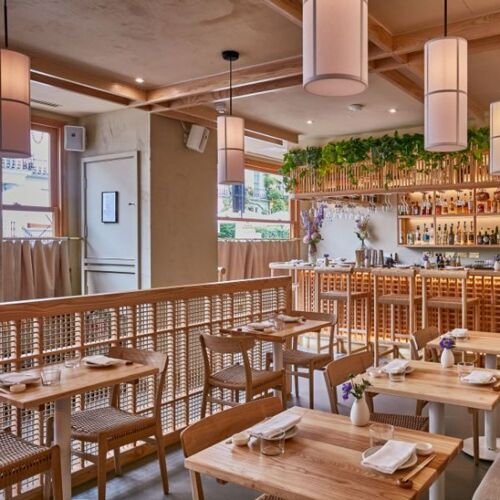
Eutteum Iroribata centers its identity on a sunken irori hearth, creating an environment that leans into rustic, warm, and quietly charming tones. The cooking method, food suspended over live coals and smoke rising through the room, gives the dining space a tactile, craft-driven atmosphere. Rather than flashy design gestures, the restaurant emphasizes architectural simplicity and an old‑world cooking logic that feels rooted in tradition. The result is a focused, cozy experience that highlights hearth-driven flavors and a sense of place tied to Japanese rural inns adapted for Busan.
Best For
This is primarily a dinner destination tailored to diners who want to experience a methodical, hearth-led meal. The irori format encourages a paced progression of dishes (lighter preparations moving toward longer-cooked, warming items) so it suits couples and small groups looking for a memorable evening or a special-occasion outing. The setting rewards patience and attention to technique, making it a strong choice for those who appreciate hands-on, fire-driven cooking and a thoughtful sequence of flavors.
Ordering Tips
Expect a meal that unfolds around the hearth: start with lighter, raw or lightly prepared plates, then move into the grilled and hearth-cooked courses as the fire’s heat develops, and finish with something warming and broth-based. Let the sequence guide you rather than jumping between disparate dishes; the physical arrangement of food and cooking times is part of the point. Anticipate pronounced smoky notes and dishes timed to the fire’s heat curve, and pace your appetite to enjoy the full arc of the meal.
Venue details
Ambiance
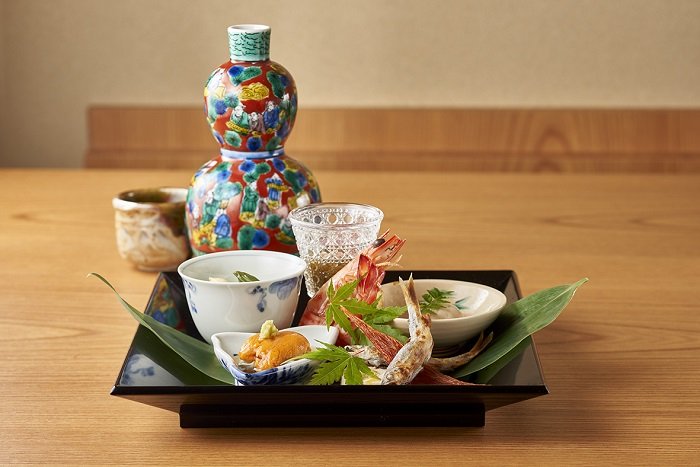
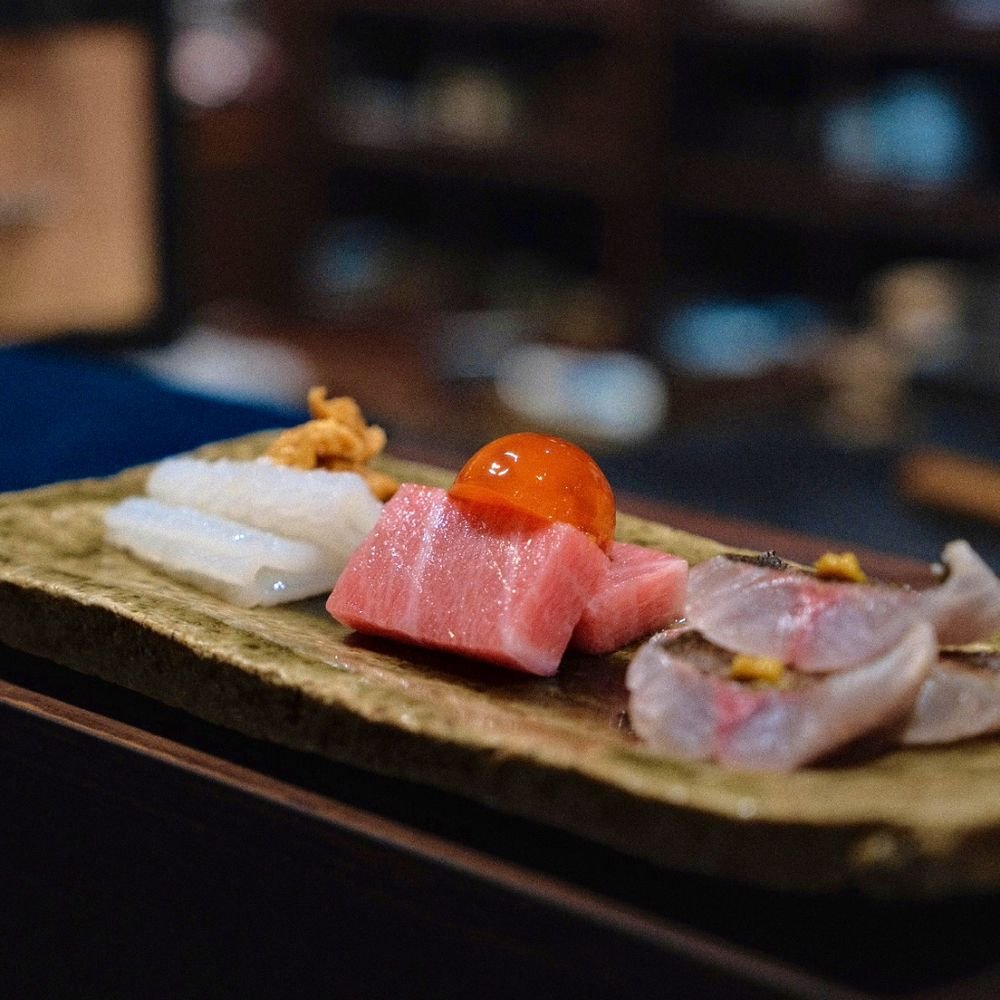
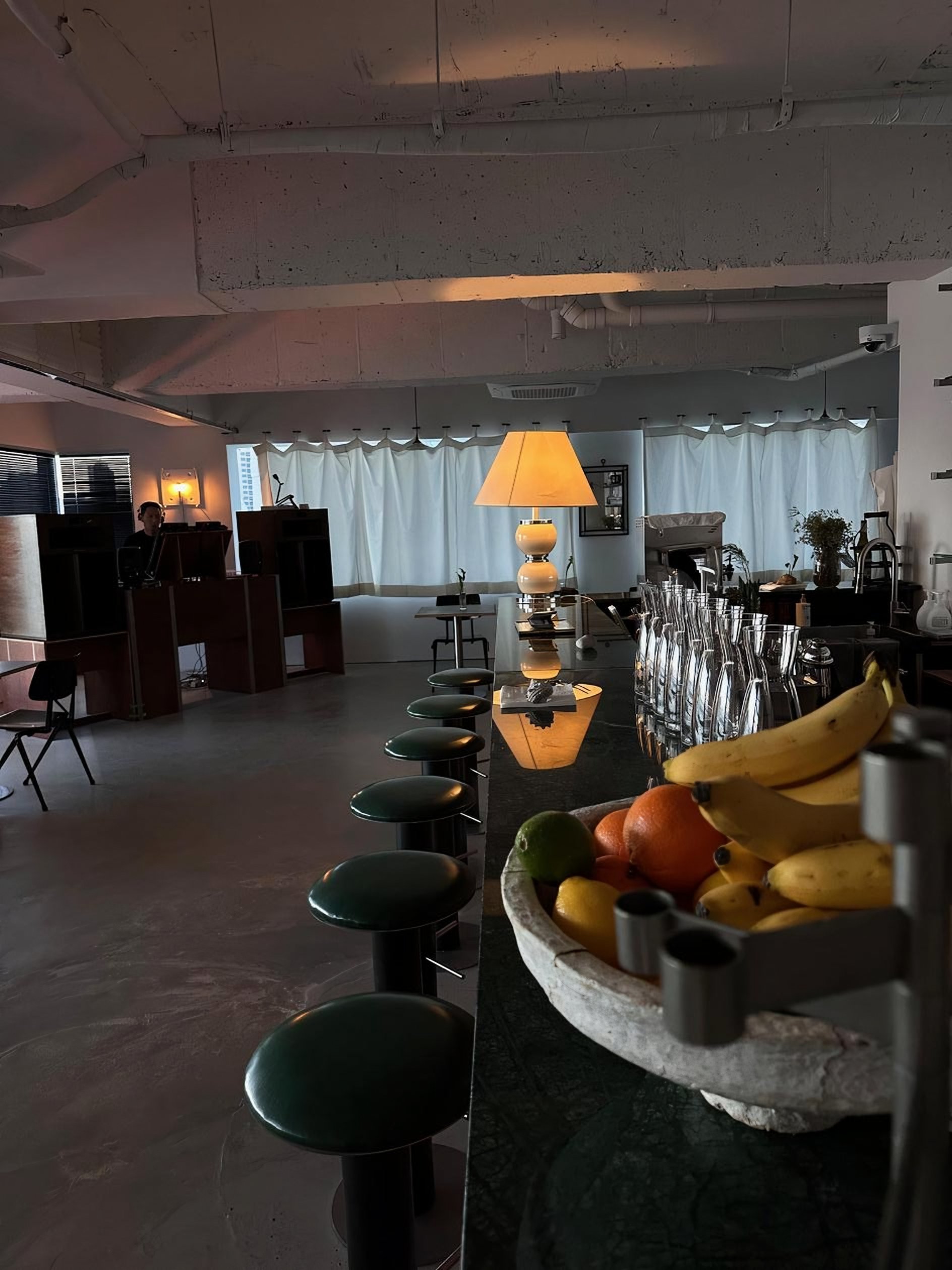
Intentionally restrained space free of unnecessary ornamentation, with refined tableware and the visual, aromatic appeal of fish grilling on the irori.
Tags
Vibe
Best For
Experience
Sourcing
At the Table
- Dress Code
- Smart Casual
- Noise Level
- Quiet
- Service Style
- Upscale Casual
- Meal Pacing
- Leisurely
- Capacity
- Intimate
- Kitchen
- Traditional
- Menu Format
- Omakase, Counter dining
- Drinks Focus
- Sake
Know before you go
Know Before You Go
- Getting there
- South Korea, Busan, Suyeong-gu, Namcheon-dong, 번지 1층 20-57
Planning details
Location
South Korea, Busan, Suyeong-gu, Namcheon-dong, 번지 1층 20-57 · Directions
Recognition and awards
Also consider
Also Consider
- Palate: Contemporary, ₩₩
- Mori: Japanese, ₩₩₩
- Born and Bred: Steakhouse, ₩₩₩₩
- 100.1.Pyeongnaeng: Naengmyeon, ₩
- Anmok: Dwaeji-gukbap, ₩
Restaurant context
Against Mori (₩₩₩, Japanese), Eutteum Iroribata is the practical choice for most budgets. Mori operates a tier above in price and likely in service formality, but if your priority is Michelin-recognised Japanese cooking in Busan without the premium outlay, Eutteum Iroribata does the job at ₩₩. The caveat: if this is a significant occasion and budget is not the constraint, Mori's extra investment probably delivers a more complete experience in terms of ceremony and depth.
Palate (₩₩, Contemporary) is the most direct competitor at the same price tier, though the cuisine comparison is not straightforward: Palate's contemporary format suits a different meal type than irori-style Japanese. If you are deciding between the two for a single dinner, the question is format preference: open-flame Japanese counter versus contemporary Korean. Both carry comparable recognition at the same spend level. Born and Bred (₩₩₩₩, Steakhouse) is a different proposition entirely and only worth considering if your group specifically wants a protein-focused Western format at a significantly higher price.
For diners not committed to a full sit-down dinner, 100.1.Pyeongnaeng (₩, Naengmyeon) and Anmok (₩, Dwaeji-gukbap) represent Busan's essential local eating at a fraction of the price. They are not alternatives in the same category, but if you are rationing your dining budget, reserve Eutteum Iroribata for the night you want a deliberate, quality-driven meal and hit one of the ₩ options for everything else.
Explore Busan
Around this place
Discover more on Pearl
Unlock the full Eutteum Iroribata guide in Pearl, including awards, comparisons, FAQs, planning details, and nearby places.
Compare Eutteum Iroribata
| Venue | Price | Booking Difficulty | Awards |
|---|---|---|---|
| Eutteum Iroribata | ₩₩ | Easy | 2025 Michelin Plate2024 Michelin Plate |
| Palate | ₩₩ | Unknown | Michelin Guide Seoul & Busan 20262026 Wine Spectator Best of Award of Excellence2026 La Liste Top Restaurants2025 La Liste Top Restaurants2025 Michelin 1 Star2024 Michelin 1 Star |
| Mori | ₩₩₩ | Unknown | Michelin Guide Seoul & Busan 20262025 Michelin 1 Star2024 Michelin 1 Star |
| Born and Bred | ₩₩₩₩ | Unknown | 2026 La Liste Top Restaurants2025 OAD Top Restaurants in Asia Ranked · #122025 World's Best Steaks 101 Best Steak Restaurants · #152025 Asia's 50 Best Restaurants · #512025 Michelin Plate2024 OAD Top Restaurants in Asia Ranked · #92024 Michelin Plate2023 OAD Top Restaurants in Asia Ranked · #16 |
| 100.1.Pyeongnaeng | ₩ | Unknown | Michelin Guide Seoul & Busan 20262025 Michelin Bib Gourmand2024 Michelin Bib Gourmand |
| Anmok | ₩ | Unknown | Michelin Guide Seoul & Busan 20262025 Michelin Bib Gourmand2024 Michelin Bib Gourmand |








Side-by-side comparison to help you decide where to book.
FAQ
Frequently Asked Questions
Does Eutteum Iroribata handle dietary restrictions?
The irori format typically involves a set menu built around the kitchen's choices, which limits flexibility for dietary restrictions. Communicate requirements clearly when booking. Strict vegetarian, vegan, or allergen-driven restrictions may be difficult to accommodate in a hearth-focused Japanese counter format.
What are alternatives to Eutteum Iroribata in Busan?
Within Busan's Japanese dining tier, Palate and Mori are the comparisons most worth considering depending on your format preference. For something outside the Japanese category, Born and Bred covers a different cuisine angle at a comparable recognition level. If you are open to travelling to the wider Korean dining scene, the options at the upper end expand significantly in Seoul.
Is Eutteum Iroribata good for a special occasion?
A reasonable choice for a low-key special occasion. The irori counter format is intimate rather than celebratory in a grand sense, so it suits a meaningful dinner for two more than a group milestone event.
How far ahead should I book Eutteum Iroribata?
Book at least one to two weeks ahead. Irori-format restaurants typically seat small numbers, and Michelin Plate status draws consistent demand in a city where recognised Japanese restaurants are relatively few. Leaving it to chance on the day is a gamble not worth taking.
What should a first-timer know about Eutteum Iroribata?
The irori format signals counter-style, hearth-centred dining where the cooking is close and the pacing is set by the kitchen. Come prepared for an attentive, structured meal rather than a casual drop-in. The ₩₩ price range means you are not committing to a blowout spend, so the format is approachable even for a first visit to this style of Japanese dining.
Is the tasting menu worth it at Eutteum Iroribata?
The Michelin Plate recognition across two consecutive years suggests the kitchen delivers a consistent, inspector-approved experience, which is the strongest available signal that a set-format meal here is worth the commitment. At the ₩₩ price tier, the risk-to-reward ratio is lower than at higher-priced omakase counters in the city.
Is Eutteum Iroribata worth the price?
At the ₩₩ price tier, yes. Two consecutive Michelin Plate listings (2024 and 2025) confirm that inspectors consider the kitchen worth recommending, and the mid-range price point makes this one of the more accessible Michelin-recognised Japanese meals in Busan. For the format and the recognition, the value is solid.