

Dilsk
Modern British · Kemptown, Brighton and Hove
Restaurant in Brighton and Hove, United Kingdom
The Read
Seaweed-Anchored Tasting Counter
Price
£££
Dress
Smart Casual
Why go
Dilsk, in the basement of Drakes Hotel on Marine Parade, is Brighton's most technically serious tasting menu destination — Michelin Plate recognised in 2024 and 2025. Chef Tom Stephens (trained under Tom Kerridge and Simon Rogan) runs a ten-course menu built around local sourcing and precise Modern British cooking. Book ahead and budget carefully for wine.
About Dilsk
Should You Book Dilsk?
Getting a table at Dilsk takes moderate planning — this is not a walk-in situation, particularly for the ten-course tasting menu on a weekend. The effort is worth it. If you are looking for a special-occasion dinner in the city, this is where to book. If you want à la carte flexibility or a shorter, lower-commitment evening, look elsewhere in Kemptown.
The Room
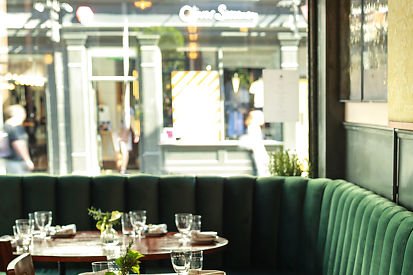
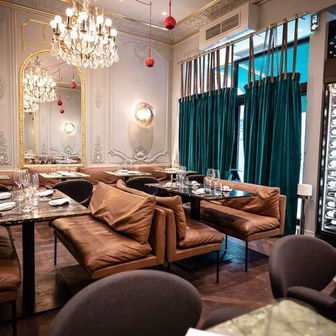
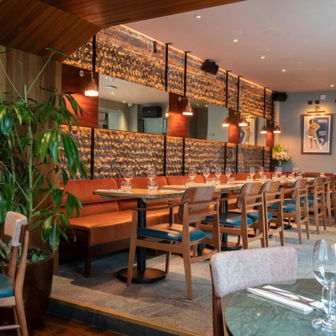
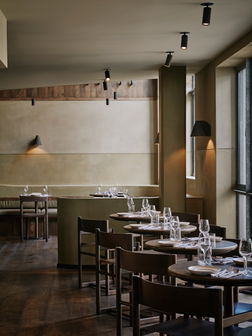
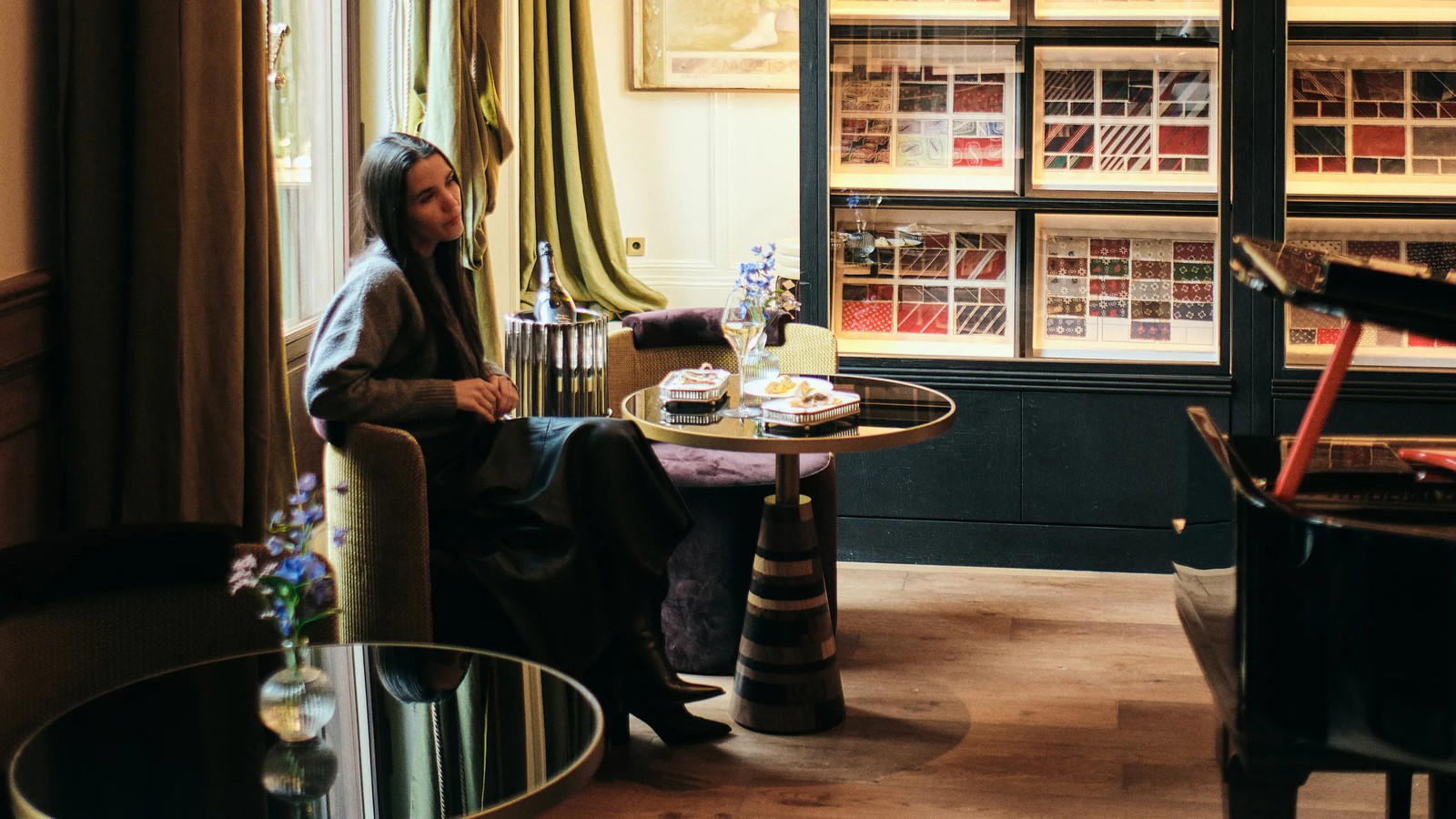
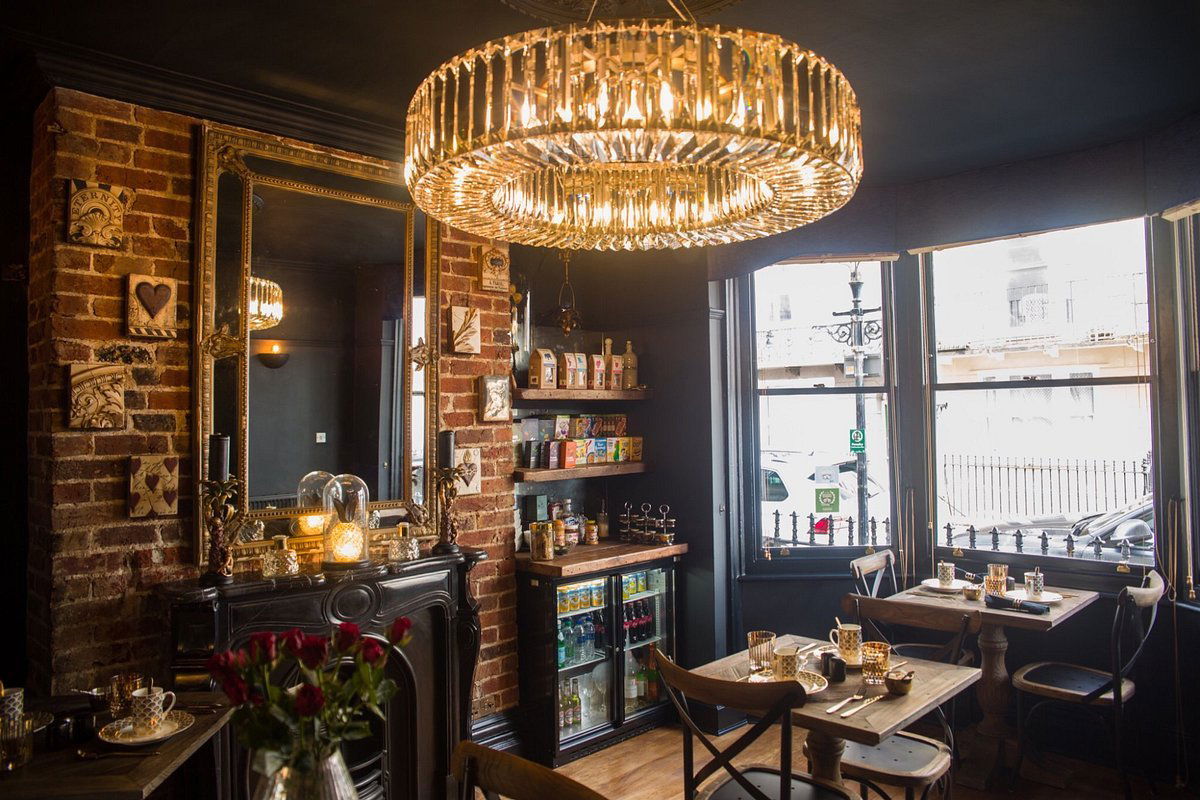
Dilsk sits in the basement of Drakes Hotel on Marine Parade, the space does exactly what a tasting-menu dining room should: it removes distraction. The décor is neutral, deliberately so, with nothing competing for attention against the food. Intimacy is the operative quality here — this is a room where the distance between tables and the low-key palette signal that the kitchen is the main event. The one caveat is the music: the soundtrack reportedly runs toward Ibiza-holiday territory, which may or may not suit your mood. Book for a special occasion confident that the atmosphere is composed, but be aware it is not uniformly serene.
The Tasting Menu Architecture
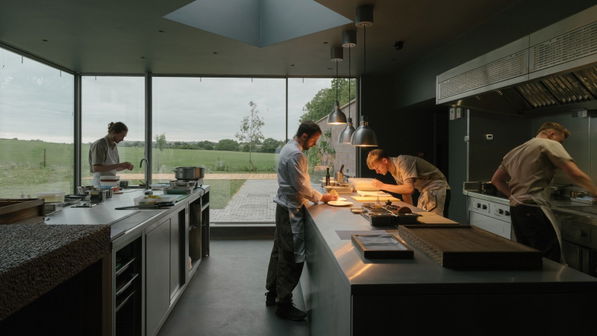
Chef Tom Stephens, trained under Tom Kerridge and Simon Rogan, two of the most technically demanding kitchens in British cooking, offers three formats: a three-course lunch, a six-course tasting menu, a ten-course full tasting menu. The three-course lunch is the lowest-risk entry point if you are undecided on format or budget. The ten-course menu is the full argument for why Dilsk matters.
The menu builds carefully. It opens with snacks, among them a smoked mackerel pâté with perry jelly and squid-ink tuile sets the register: precise, ingredient-led, with an acidity that keeps things from feeling heavy. The signature dish arrives early in the progression, a lightly poached oyster with trout roe, pickled radish, a custard made from dilsk, the red-brown seaweed after which the restaurant is named. It is a dish with genuine structural logic: the custard carries umami depth, the roe adds salinity, the radish cuts through both.
Bread is treated as a course in itself: a laminated brioche-croissant hybrid served with a butter incorporating garlic and crispy black cabbage. This is not an afterthought. It is one of the cleaner signals that Stephens is working at a level where technique is applied to context rather than for display.
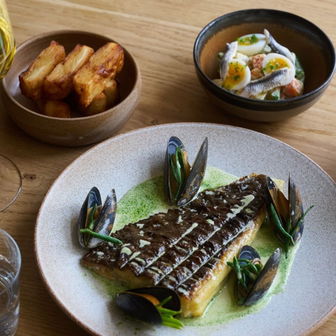
The middle courses demonstrate how the kitchen handles contrasting flavour architectures. A turnip dashi with smoked eel and Brighton salami delivers umami through two different registers, the dashi and the cured meat, without either overpowering the other. A piece of BBQ monkfish is paired with squash, caviar, bone marrow, a combination that places a lean fish inside a deeply savoury frame. Hogget with wild garlic and purple sprouting broccoli anchors the menu in local, seasonal sourcing, this is where the Modern British designation becomes meaningful rather than decorative.
Pink partridge breast arrives with caramelised cream, ceps, truffle, rich without being overworked. The dessert sequence across the full menu runs to three courses, with the standout being a construction around 71% Nicaraguan chocolate and rapeseed oil smoked over Earl Grey tea and barley miso. The flavour logic here is genuinely complex: bitter chocolate, aromatic smoke, fermented depth from the miso, landing in a way that is more interesting than most restaurant chocolate desserts operating at this price tier.
Service is described as informed, dedicated, unobtrusive, the right register for a tasting menu format where pacing and explanation matter without interrupting the meal's rhythm.
Wine
The wine list is arranged by style and includes organic options. The honest caveat: selection under £35 a bottle is limited. This is a list built to match the food's ambition rather than to offer accessible entry points. If budget is a consideration, plan for it in advance or ask for guidance at the lower end of the list when you arrive.
How It Compares
Within Brighton, Dilsk occupies a different tier from the city's casual dining options. For Modern British tasting menus at this level of technical execution, etch. by Steven Edwards is the direct peer comparison, both operate at Michelin recognition level and both require advance booking. Embers offers modern cooking at a lower price point if the full tasting menu commitment feels like too much. For a genuinely different mood, more relaxed, shorter format, lower spend, Burnt Orange, Amari, or Wild Flor cover the mid-range well.
Nationally, Stephens's training pedigree puts Dilsk in interesting company. The format and sourcing philosophy track closer to L'Enclume or Moor Hall in ambition than to the more formal service architecture of CORE by Clare Smyth or The Ritz Restaurant. At £££ pricing in a Brighton basement, Dilsk punches above its postcode.
Practical Details
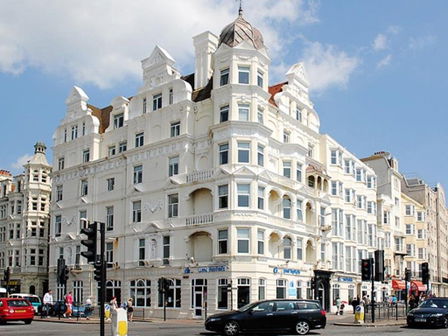
Dilsk is located at 44 Marine Parade, Kemptown, Brighton BN2 1PE, inside Drakes Hotel. Pricing sits at £££. Three menu formats are available: a three-course lunch, a six-course tasting menu, a ten-course full tasting menu. Booking is moderate in difficulty, plan ahead, particularly for weekend dinner. The wine list runs thin below £35 a bottle. The space is in a hotel basement; access and ambiance reflect that. For more options across the city, see our full Brighton and Hove restaurants guide, hotels guide, bars guide, wineries guide, and experiences guide.
Quick reference: Drakes Hotel basement, Marine Parade, Kemptown | £££ | Three-course lunch / six-course / ten-course tasting menu | Advance booking advised.
FAQ
Is the tasting menu worth it at Dilsk?
- Yes, if a progressive tasting format is what you are after. The ten-course menu has structural depth, the smoked mackerel snack through to the miso-chocolate dessert builds across multiple flavour registers without repetition. The three-course lunch is a lower-risk entry point if you are unsure about the full commitment.
Can I eat at the bar at Dilsk?
- No bar dining option is confirmed in available information for Dilsk. The format is a dedicated tasting menu dining room within Drakes Hotel. If counter or bar seating is important to you, check directly with the venue when booking. For a more flexible format in Brighton, Cin Cin or Burnt Orange offer walk-in-friendly formats.
What should I order at Dilsk?
- On the full menu, the signature lightly poached oyster with trout roe, dilsk custard, pickled radish is the dish most closely identified with what Dilsk is doing. The bread course, a laminated brioche-croissant hybrid with garlic butter and crispy black cabbage, is genuinely worth attention. The 71% Nicaraguan chocolate dessert with barley miso and Earl Grey-smoked rapeseed oil is the standout at the end of the menu. If budget is a consideration, the three-course lunch gives access to the kitchen's approach without the full tasting menu spend.
What should a first-timer know about Dilsk?
- Book ahead, this is not a drop-in venue. The basement location inside Drakes Hotel means the room is intimate and controlled, not a buzzy dining-room atmosphere. The music reportedly skews toward energetic pop, which is worth knowing if you are planning a quiet celebration dinner. The wine list is strong on style but thin under £35, so factor that into your budget. For context on where Dilsk sits in Brighton's broader dining scene, Chef Stephens trained under Tom Kerridge and Simon Rogan, two of the most technically demanding names in British cooking.
Is Dilsk worth the price?
- At £££, Dilsk is priced below comparable Michelin-recognised tasting menus in London, venues like CORE by Clare Smyth or The Fat Duck operate at significantly higher price points for comparable format. The local sourcing, the progressive menu structure, the chef's training pedigree all support the price. The wine list can push the final bill up quickly if you are not selective. Worth it for a special occasion; less so if you want flexibility or a shorter meal.
What are alternatives to Dilsk in Brighton and Hove?
- For a comparable Modern British tasting menu experience, etch. by Steven Edwards is the closest peer in Brighton, also operating at Michelin recognition level. For a step down in formality and price, Wild Flor and Ginger Pig offer quality cooking at £ to ££ spend. For a different cuisine at a similar mid-range price, Palmito (Asian, ££) and Amari (Spanish, ££) are solid alternatives. See our full Brighton and Hove restaurants guide for a broader view.
The take
The Take
The Vibe
Dilsk sits in the basement of Drakes Hotel and presents a concentrated, low-lit dining room that reads modern rather than traditional. The décor is neutral and the mood leans slightly theatrical: composed service and thoughtful plating meet a soundtrack that some guests find clubbier than expected. The kitchen’s technique-forward modern British approach — especially its labour-intensive bread course — lends the room a purposeful, contemporary seriousness. Overall the experience feels considered and refined without the stiffness of an old-school country-house restaurant.
Best For
This is a tasting-menu destination for evening dining: Dilsk occupies Brighton’s serious-cooking bracket, with Michelin Plates in 2024 and 2025 and a near-perfect review score. It’s best suited to diners who want a focused, modern British tasting experience — think date nights and special occasions where the meal itself is the point. Located in Kemptown near the seafront, the restaurant trades the casual seaside bustle outside for a composed, inward-looking dining room that rewards attention to craft.
Ordering Tips
The kitchen elevates the bread course into a signature moment: expect a laminated brioche–croissant hybrid served with a seasoned butter, a clear signal that technique matters here. The venue operates as a tasting-menu proposition, so plan on a multi-course evening rather than à la carte ordering. Note the music can be surprisingly clubbier for a fine-dining room, so if ambience is crucial to your meal experience that is worth factoring in when choosing your night.
Planning details
Location
44 Marine Parade, Kemptown, Brighton and Hove, Brighton BN2 1PE, United Kingdom · Directions

Also consider
Also Consider
- Burnt Orange, Mediterranean Cuisine, ££
- Palmito, Asian, ££
- Amari, Spanish, ££
- Cin Cin, Italian, ££
- Embers, Modern Cuisine, ££
Restaurant context
Dilsk is operating at a different level from most of Brighton's dining options. Among the city's £££ and above restaurants, etch. by Steven Edwards is the direct competitor: both hold Michelin recognition, both require advance booking, both make a case for Brighton as a serious tasting-menu destination. If you are choosing between them, the decision comes down to chef style rather than quality differential, Stephens leans into seaweed, dashi, coastal sourcing; etch. takes a different editorial line. Book both if you are spending time in the city; book Dilsk first if local-produce provenance matters to you.
The comparison venues at £ to ££ serve a different purpose. Burnt Orange (Mediterranean, ££) and Amari (Spanish, ££) are the better pick if you want a full evening out without tasting-menu pacing or spend. Cin Cin (Italian, ££) suits a more relaxed, walk-in-friendly dinner. Palmito (Asian, ££) is the value option if you want precision cooking without the occasion-dining price. Embers (Modern, ££) sits closest to Dilsk in concept but at a lower price point, worth considering if the full tasting menu feels like too much commitment for a weeknight.
For the right diner profile, a celebration, anniversary, or serious food occasion, Dilsk is the clear recommendation in Brighton. It outperforms its price tier relative to comparable Modern British tasting menus operating in London and the broader South East, including hide and fox in Saltwood and Gidleigh Park in Chagford. If budget is the constraint, go to Burnt Orange. If the occasion demands the full tasting menu treatment, Dilsk is where to spend it.
Explore Brighton and Hove
Around this place
Discover more on Pearl
Unlock the full Dilsk guide in Pearl, including awards, comparisons, FAQs, planning details, and nearby places.
Compare Dilsk
| Venue | Price | Awards |
|---|---|---|
| Dilsk | £££ | Michelin Guide Great Britain & Ireland 20262026 Michelin PlateThe Good Food Guide 20252025 Michelin Plate2024 Michelin Plate |
| Burnt Orange | ££ | Michelin Guide Great Britain & Ireland 2026The Good Food Guide 20252025 Michelin Bib Gourmand2024 Michelin Bib Gourmand |
| Palmito | ££ | Michelin Guide Great Britain & Ireland 2026The Good Food Guide 20252025 Michelin Bib Gourmand2024 Michelin Bib Gourmand |
| Amari | ££ | SquareMeal UK Top 100 Restaurants 2026 · #83Michelin Guide Great Britain & Ireland 2026The Good Food Guide 20252025 Michelin Plate2024 Michelin Plate |
| Cin Cin | ££ | Michelin Guide Great Britain & Ireland 2026The Good Food Guide 20252025 Michelin Bib Gourmand2024 Michelin Bib Gourmand |
| Embers | ££ | Michelin Guide Great Britain & Ireland 2026The Good Food Guide 20252025 Wine Spectator Award of Excellence2025 Michelin Plate |

.png?width=1200&quality=80)



A quick look at how Dilsk measures up.
FAQ
Frequently Asked Questions
Is the tasting menu worth it at Dilsk?
Yes, for the right diner. The ten-course menu at this Michelin Plate-recognised restaurant delivers technically precise cooking from a chef trained under Tom Kerridge and Simon Rogan — that pedigree shows in the kitchen's confidence with sauces, sourcing, course-by-course progression. At £££ pricing, it is a commitment, but the three-course lunch format offers a lower-stakes entry point if you want to test the kitchen before committing to the full menu.
Can I eat at the bar at Dilsk?
Dilsk operates as a tasting-menu restaurant in the basement of Drakes Hotel on Marine Parade — it is a seated dining room format, not a bar-counter setup. The venue does not have a documented bar-dining option, so plan around a reserved table rather than a casual drop-in.
What should I order at Dilsk?
The ten-course tasting menu is where the kitchen makes its case — highlights from the documented menu include the lightly poached oyster with trout roe and dulse custard, a laminated brioche-croissant hybrid served as a bread course, a dessert built around 71% Nicaraguan chocolate with rapeseed oil smoked over Earl Grey tea and barley miso. If the full menu feels like too much, the six-course version covers the same technical territory with fewer courses.
What should a first-timer know about Dilsk?
Book in advance — this is not a walk-in restaurant, particularly for evening sittings. The room is in the basement of Drakes Hotel, neutrally decorated and fairly compact, so the focus is entirely on the food. The three-course lunch menu is documented as a good entry point if you are new to the format or unsure about committing to a longer tasting menu at £££ pricing.
Is Dilsk worth the price?
At £££, Dilsk delivers Michelin Plate-recognised cooking with a clear point of view — local sourcing, strong sauce work, a chef with high-profile training credentials. The value case is strongest on the full tasting menu, where the cost-per-course ratio makes more sense than at mid-range casual restaurants in Brighton. If you are price-sensitive, the three-course lunch is the most accessible version of the same kitchen.
What are alternatives to Dilsk in Brighton and Hove?
Within Brighton, Cin Cin offers a more casual pasta-led approach at a lower price point if you want Italian-influenced cooking without the tasting-menu commitment. Burnt Orange suits groups looking for sharing plates and a livelier room. Embers focuses on wood-fire cooking and is worth considering if you prefer a shorter, less structured format. Dilsk is the clearest choice when the specific goal is a technically driven Modern British tasting menu.