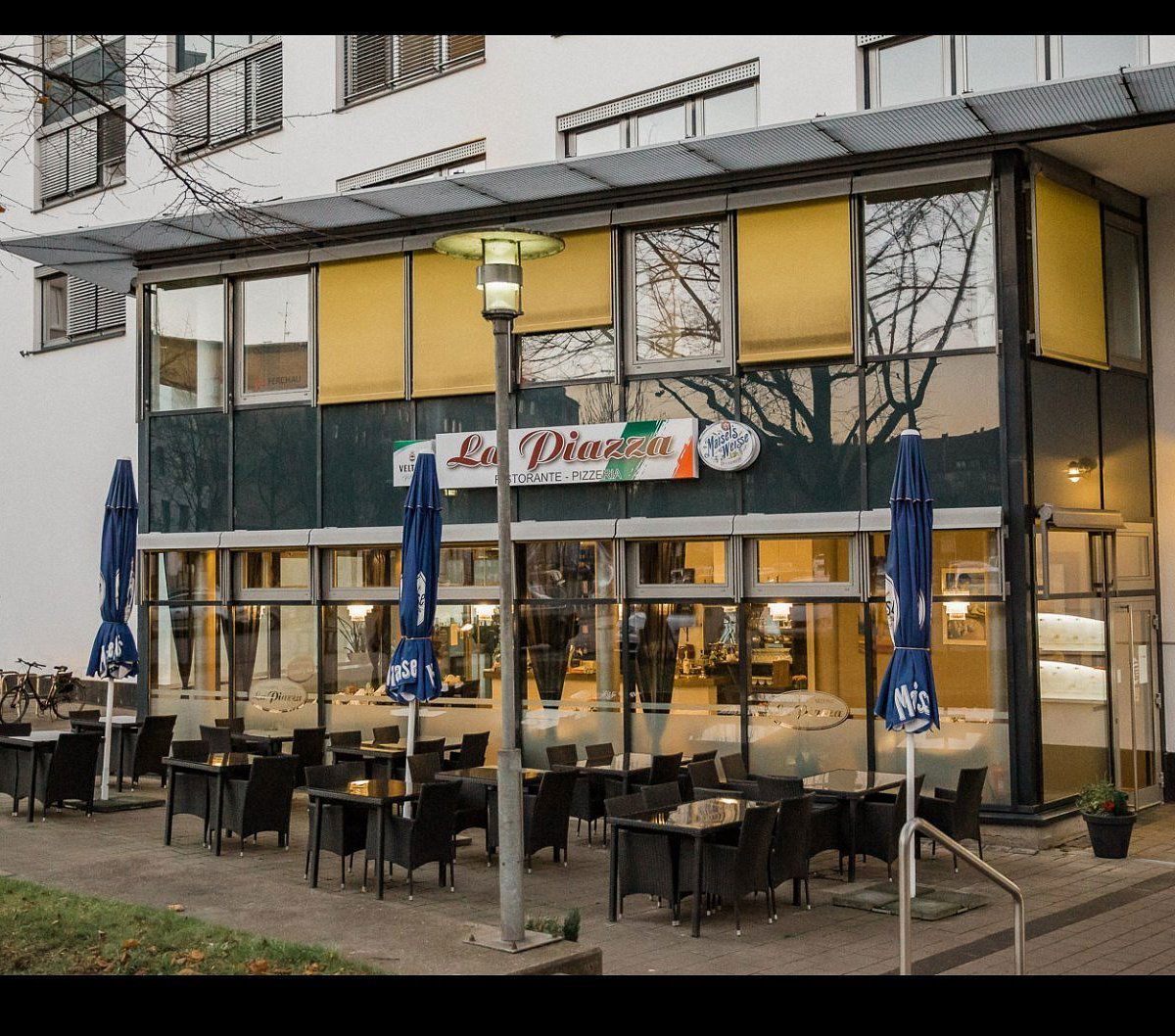
La Piazza
Am Neumarkt, Bremerhaven
Restaurant in Bremerhaven, Germany
 Book with Pearl
The Read
Price
$20–30per person
Dress
Casual
Why go
La Piazza is a practical Bremerhaven pick for a relaxed meal when ease matters more than a defined fine-dining brief. Its current Tuesday-to-Sunday lunch and dinner rhythm makes it useful for travellers, but with no listed price, cuisine detail, or awards signal, treat it as a low-friction local option rather than a destination booking.
About La Piazza
In Bremerhaven, La Piazza is best understood from the basics: it is a casual restaurant with lunch and dinner hours from Tuesday through Sunday and a Monday closure.
That makes occasion-matching important. If you are comparing La Piazza with other Bremerhaven choices, consider the kind of meal you want and the amount of planning you are willing to do. Other options to compare include Natusch, Restaurant Delphi - Bremerhaven, Huong Viet, Mulberry St, and Fine Dining by Phillip Probst.
Choose it for a low-friction meal, not for a researched splurge
The strongest case for La Piazza is practicality. The current weekly rhythm includes lunch and dinner service from Tuesday through Sunday, with Monday closed, which makes it useful for travellers or locals who want a meal slot that is easy to fit into the day. The dress code is casual.
Treat La Piazza as a convenience-first Bremerhaven option and confirm any specific needs directly before going, especially if the meal depends on menu details, accessibility, group size, or dietary requirements.
Better as part of a Bremerhaven plan than a standalone destination
Use La Piazza as a flexible meal slot within a broader Bremerhaven stay. The stronger research path is to build around the city first, then pick the restaurant that fits the meal: Our full Bremerhaven restaurants guide for dining, Our full Bremerhaven hotels guide for where to stay, Our full Bremerhaven bars guide for drinks, Our full Bremerhaven wineries guide for wine stops, and Our full Bremerhaven experiences guide for the rest of the day.
Planning details
- Location
- Grashoffstraße 7, 27570 Bremerhaven, Germany
- Reservations
- Book on TheFork
- Website
- lapiazza-bremerhaven.de
- Phone
- +4947193141450
The take
The Take
The Vibe
La Piazza reads as a dependable neighbourhood trattoria that favors warmth over flash. The copy positions it squarely in the Italian‑in‑Germany tradition: ingredient-minded and convivial, but not inclined toward haute cuisine. It settles into a mid-scale register that feels approachable — a place where regulars and visitors alike can expect straightforward, regional Italian cooking presented without affectation. The tone is domestic rather than theatrical, and the restaurant slots neatly into Bremerhaven’s port-city fabric as a comfortable option for everyday gatherings rather than a destination for avant‑garde dining.
Best For
La Piazza is best for uncomplicated, convivial meals with people you know: family dinners, casual get‑togethers, and low-key weeknight outings. The review frames it as a neighbourhood staple that answers the city’s appetite for reliable, approachable Italian food, so it suits diners looking for familiar flavours and a steady, ingredient-focused menu rather than a fine‑dining occasion. Because the restaurant inhabits a middle register between budget staples and pretentious tasting menus, it is a sensible pick for groups who want solid cooking in a relaxed, friendly setting.
Ordering Tips
Expect straightforward, regionally rooted Italian fare rather than experimental tasting menus; the profile emphasizes ingredient focus and classic preparations. Given La Piazza’s positioning as a mid-scale, convivial neighbourhood restaurant, look for familiar dishes executed with an eye to produce and regional specificity — simpler plates are likely where the kitchen shows its strengths. Treat the visit as a relaxed, communal meal: opt for shareable starters and mains to lean into the convivial atmosphere the review highlights, and leave expectations of fine‑dining formality at the door.
Venue details
Ambiance
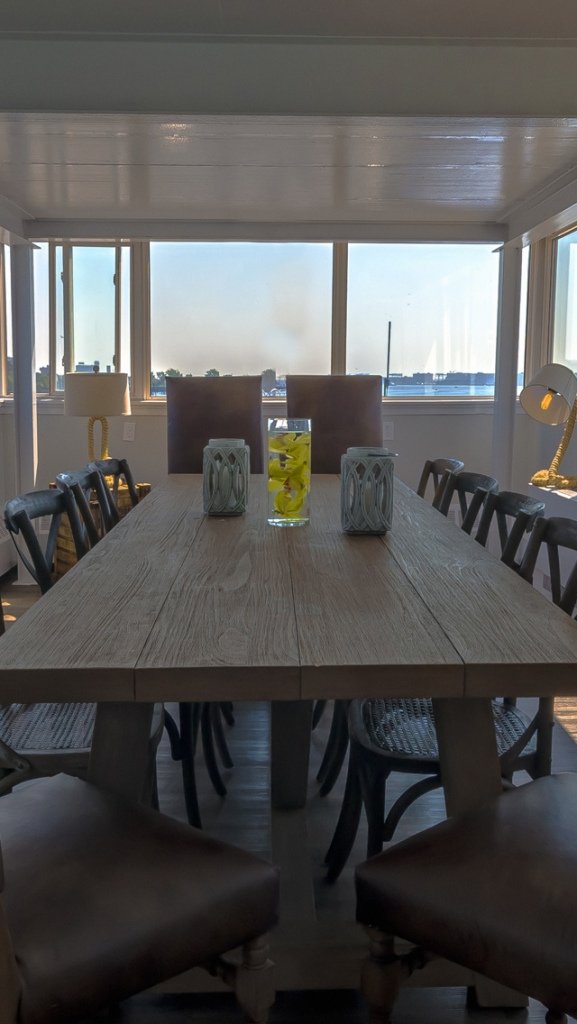
Casual Italian atmosphere suitable for lunch and dinner.
Tags
Vibe
Best For
At the Table
- Dress Code
- Casual
- Noise Level
- Conversational
- Service Style
- Upscale Casual
- Meal Pacing
- Standard
- Capacity
- Medium
- Kitchen
- Traditional
- Menu Format
- A la carte
- Wine Program
- Standard
- Dietary
- Vegetarian friendly
- Outdoor Seating
- Yes
Know before you go
Know Before You Go
- Getting there
- Grashoffstraße 7, 27570 Bremerhaven, Germany
Planning details
Location
Grashoffstraße 7, 27570 Bremerhaven, Germany · Directions
Also consider
Also Consider
- Natusch, Notable alternative
- Restaurant Delphi - Bremerhaven, Notable alternative
- Huong Viet, Notable alternative
- Fine Dining by Phillip Probst, Modern Cuisine, €€€€
- Mulberry St, Notable alternative
Restaurant context
How La Piazza compares in Bremerhaven
Choose La Piazza when the priority is an easy, central meal with lower planning pressure. Natusch is the sharper choice for diners who want a more specific local restaurant target, while Restaurant Delphi - Bremerhaven is a better fit when the group wants Greek cooking rather than a neutral city-centre option.
For a higher-spend occasion, Fine Dining by Phillip Probst has the clearest positioning: Modern Cuisine at €€€€. That makes it the better choice for a planned splurge, while La Piazza makes more sense for a casual lunch or dinner where price and format need to stay flexible.
If La Piazza is full or the group wants a more defined cuisine lane, Huong Viet and Mulberry St are the cleaner cross-shops. Use Huong Viet when Vietnamese food is the brief; use Mulberry St when the group wants an alternative casual room in Bremerhaven.
Explore Bremerhaven
Around this place
Discover more on Pearl
Unlock the full La Piazza guide in Pearl, including awards, comparisons, FAQs, planning details, and nearby places.
Compare La Piazza
| Venue | Location | Cuisine | Price | Awards |
|---|---|---|---|---|
| La Piazza | Bremerhaven | , | , | No published awards |
| Natusch | Bremerhaven | , | , | No published awards |
| Restaurant Delphi - Bremerhaven | Bremerhaven | , | , | No published awards |
| Huong Viet | Bremerhaven | , | , | No published awards |
| Fine Dining by Phillip Probst | Bremerhaven | Modern Cuisine | €€€€ | 2026 Michelin PlateMichelin Guide Germany 20262025 Michelin Plate2024 Michelin Plate |
| Mulberry St | Bremerhaven | , | , | No published awards |
.png?width=1200&quality=80)

How La Piazza Bremerhaven compares with similar nearby venues.
FAQ
Frequently Asked Questions
Does La Piazza handle dietary restrictions?
Ask La Piazza directly before you go, especially if allergies or specific dietary needs will determine whether the restaurant works for you.
Is La Piazza good for solo dining?
The schedule makes it possible to plan either lunch or dinner from Tuesday through Sunday, with Monday closed.
Is La Piazza good for a special occasion?
If the occasion depends on a particular style of meal, compare it with options such as Fine Dining by Phillip Probst or confirm details directly.
What are alternatives to La Piazza in Bremerhaven?
Other Bremerhaven options to compare include Natusch, Restaurant Delphi - Bremerhaven, Huong Viet, Fine Dining by Phillip Probst, and Mulberry St. La Piazza is easiest to evaluate from its basics: casual dress and lunch-dinner hours Tuesday through Sunday.