
Restaurant in Hamtramck, United States
Bon Bon Bon Hamtramck Manufactory
100ptsBean-to-Bonbon Manufacturing
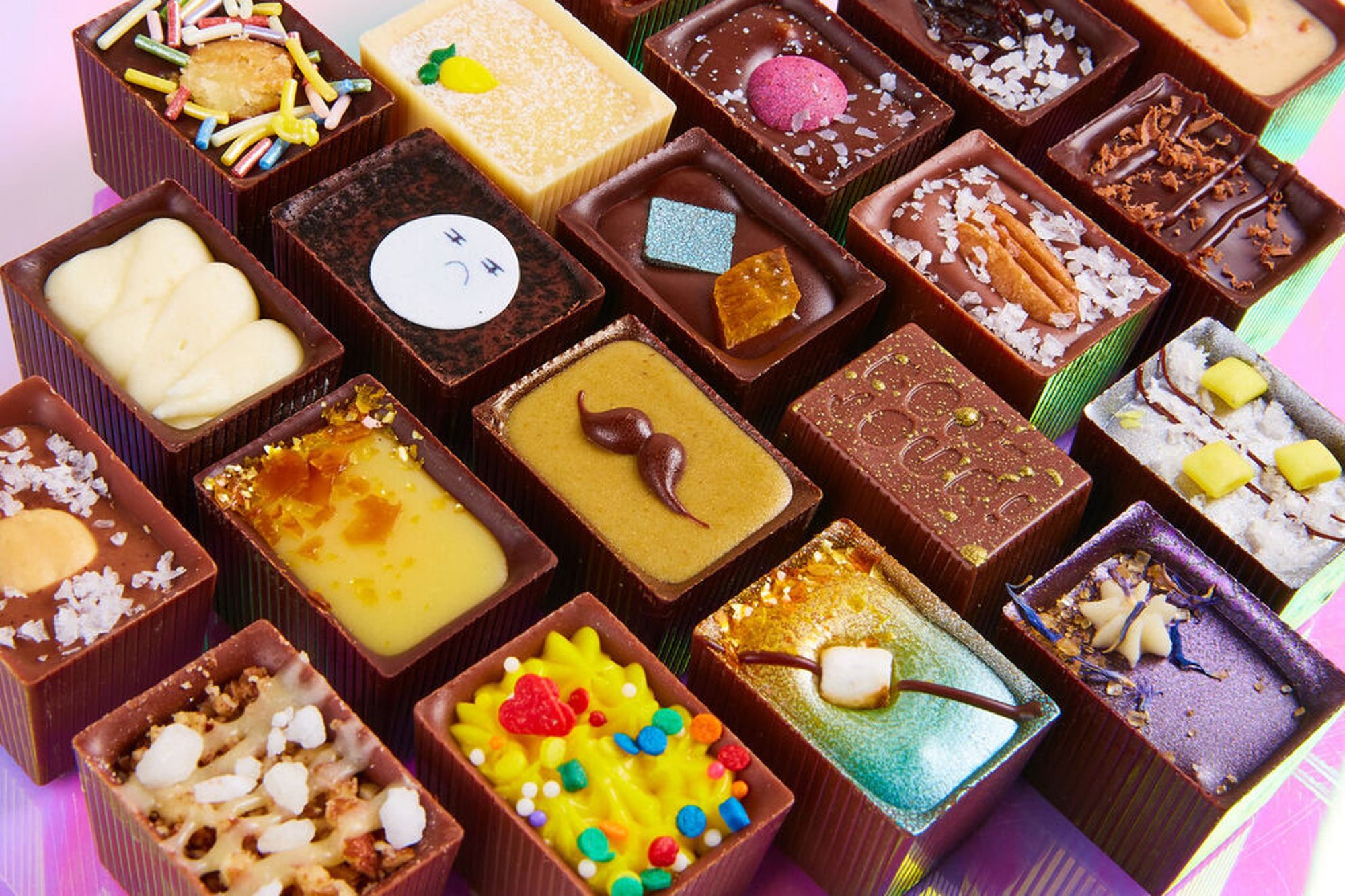
About Bon Bon Bon Hamtramck Manufactory
Bon Bon Bon's Hamtramck Manufactory on Joseph Campau Avenue operates as both production facility and retail front for one of Detroit's most deliberate chocolate operations. The space reflects the sourcing-first philosophy that defines the brand: small-batch, origin-driven confections made with a specificity unusual in American chocolate retail. For visitors making their way through Hamtramck's dense, polyglot food corridor, it is a worthwhile detour with a distinct point of view.
Chocolate With a Address: Hamtramck's Manufacturing Block
Joseph Campau Avenue runs through Hamtramck like a cross-section of American immigration history, with Polish delis giving way to Yemeni bakeries, Bangladeshi grocers, and Filipino takeaways within a few blocks. In that context, a chocolate manufactory feels like an anomaly — and that is precisely the point. Bon Bon Bon's production facility and retail space at 11360 Joseph Campau sits inside a neighbourhood that rewards specificity. This is not a tourist corridor; Hamtramck is a working-class city completely surrounded by Detroit, and the food culture here earns its credibility through daily commerce rather than culinary positioning. That Bon Bon Bon chose this address for its manufacturing operation says something about the brand's relationship to place, and to the kind of craft food production that tends to root itself in unglamorous, affordable industrial-adjacent real estate rather than in the gallery districts that usually attract premium confectioners.
The manufactory format is distinct from a conventional chocolate shop. Where a retail boutique presents finished product, a manufactory reveals process: tempering, moulding, enrobing, and finishing happen in proximity to the point of sale. That transparency is a deliberate editorial statement about sourcing and production integrity. In a category — American artisan chocolate , where the word "craft" has been stretched nearly beyond meaning, physical visibility of the process functions as a form of accountability. For visitors familiar with sourcing-led operations like Blue Hill at Stone Barns in Tarrytown or Single Thread Farm in Healdsburg, the logic is recognisable: showing where something comes from and how it is made is not marketing, it is evidence.
The Sourcing Argument Behind American Artisan Chocolate
American craft chocolate has undergone a significant structural shift over the past fifteen years. Bean-to-bar production, once the province of a handful of coastal producers, has spread to Midwestern cities where lower overhead makes small-batch economics viable. The category's more serious players now source cacao with the attention that wine producers give to appellation: tracking origin, fermentation process, drying method, and harvest year as variables that shape final flavour rather than as background trivia. This is the framework that separates a sourcing-led operation from a confectioner that buys commodity chocolate and adds fillings.
Bon Bon Bon's approach fits inside this sourcing-conscious tier of American chocolate production. The manufactory format underscores that positioning: when production and retail share a floor, the distance between raw ingredient and finished product becomes legible to the customer in a way that a conventional shop counter does not permit. This matters in a market where consumers are increasingly literate about food provenance , the same instinct that drives interest in operations like Oyster Oyster in Washington, D.C., which built its identity around ingredient origin and seasonal constraint, applies to premium confectionery that takes its cacao sourcing seriously.
Hamtramck provides an interesting counterpoint to the neighbourhoods where premium food production typically concentrates. The city's food corridor on Joseph Campau is anchored by community-level operations , places like Polish Village Cafe, which has held its position in the neighbourhood for decades without bending toward trend. Bon Bon Bon occupies a different register on the same street, but the neighbourhood's indifference to culinary fashion is, if anything, a useful pressure test. A food producer here survives on repeat custom and local credibility, not on passing foot traffic from visitors following a magazine tip.
Where Bon Bon Bon Fits in the American Confectionery Scene
The American artisan confectionery category has developed a recognisable internal hierarchy. At the commodity end, mass-produced chocolates use standardised couverture and generic flavourings. At the mid-tier, "artisan" producers often source quality couverture but do limited work on origin differentiation. At the upper tier, a smaller group of producers traces cacao to specific farms or cooperatives, controls fermentation and roasting variables, and treats the finished bonbon or bar as the end point of a traceable supply chain. Bon Bon Bon's manufactory format positions it in the upper portion of that spectrum, at least in terms of production philosophy and visibility.
For comparison, the sourcing rigour that defines the most credible farm-to-table restaurants , operations like Smyth in Chicago, The Wolf's Tailor in Denver, or Frasca Food and Wine in Boulder , translates directly into the chocolate category when applied to cacao origin. The same questions that distinguish a serious restaurant from a competent one (Where does this come from? Who grew it? How was it processed?) apply to chocolate when a producer takes origin seriously. A manufactory that makes this process visible is making those questions answerable in real time.
The Detroit metropolitan area has not historically been associated with premium artisan food production in the way that coastal cities have, which makes Bon Bon Bon's presence in Hamtramck more interesting as a signal. Producers at the quality tier the manufactory represents typically need proximity to a consumer base willing to pay a premium for origin-tracked product. That Detroit's craft food scene has matured enough to sustain this kind of operation is worth noting for visitors building a broader picture of the region's food culture.
Planning a Visit to Joseph Campau
Hamtramck is a short drive or rideshare from downtown Detroit, and Joseph Campau Avenue rewards a longer visit rather than a single-stop trip. The block-by-block diversity of the food corridor means that a visit to the Bon Bon Bon Manufactory at 11360 Joseph Campau fits logically into a broader afternoon on the street. Given the neighbourhood's working-city character, the atmosphere is less curated than what visitors might expect from a standalone chocolate destination in a major urban centre , which is part of the draw. For a fuller orientation to what the city offers across its dining and food culture, see our full Hamtramck restaurants guide.
Specific hours, pricing, and booking details are leading confirmed directly with the manufactory, as this information was not available at time of writing. Given the production-facility format, visiting during standard retail hours on weekdays may offer greater visibility into the manufacturing process than weekend visits, though this is worth verifying in advance.
Frequently Asked Questions
- What dish is Bon Bon Bon Hamtramck Manufactory famous for?
- Bon Bon Bon is known for its small-batch bonbons and chocolates made with a focus on ingredient sourcing and production transparency. The manufactory format means the operation produces a range of confections on-site rather than a single signature item. Specific current offerings are leading confirmed through the manufactory directly, as production lines and seasonal selections can vary.
- Do I need a reservation for Bon Bon Bon Hamtramck Manufactory?
- The manufactory operates as a production facility with a retail component rather than as a restaurant or tasting-room format that typically requires advance booking. As a retail destination in Hamtramck, walk-in visits are the expected format, though confirming current hours before visiting is advisable. For context on what makes Hamtramck an interesting city for food exploration, see our Hamtramck guide.
- What's the standout thing about Bon Bon Bon Hamtramck Manufactory?
- The combination of production facility and retail space on a single floor makes the sourcing and manufacturing process visible in a way that a conventional chocolate shop does not. This transparency is the distinguishing feature: the manufactory does not just sell finished product, it shows how that product is made. Within the American artisan chocolate category, that level of production visibility places Bon Bon Bon in a credible, sourcing-led tier alongside operations that treat ingredient origin as a primary quality signal , comparable in philosophy, if not in format, to sourcing-driven restaurants like Lazy Bear in San Francisco or Providence in Los Angeles.
- Is Bon Bon Bon's Hamtramck location different from a standard chocolate boutique, and why does that matter for a visit?
- The Hamtramck address is specifically a manufactory, meaning it functions as the production base for the brand rather than as a polished retail experience designed primarily for walk-in shoppers. That distinction matters because the visit is as much about seeing how origin-tracked chocolate is made as it is about purchasing finished product. Hamtramck's position as a dense, community-oriented city rather than a tourist corridor reinforces this: Bon Bon Bon on Joseph Campau is a working production facility in a working neighbourhood, which gives the operation a credibility that a boutique in a higher-profile district might not carry as naturally.
Related editorial
- Asia's 50 Best Restaurants 2026: The Chairman and Wing Go 1-2 from the Same BuildingThe Chairman takes No. 1 and Wing climbs to No. 2 at Asia's 50 Best Restaurants 2026. Both operate from the same Hong Kong building. Here's what it means.
- Four Seasons Yachts Debut: 95 Suites, 11 Restaurants, and a March 2026 Maiden VoyageFour Seasons I launches March 20, 2026, with 95 suites, a one-to-one staff ratio, and 11 onboard restaurants. Worth tracking if you want hotel-grade service at sea.
- LA Michelin Guide 2026: Seven New Restaurants from Tlayudas to Uzbek DumplingsMichelin's March 2026 California Guide update adds six LA restaurants and one Montecito newcomer, spanning Oaxacan tlayudas, Uzbek manti, and Korean-Italian pasta.
Save or rate Bon Bon Bon Hamtramck Manufactory on Pearl
Keep this venue in your Pearl passport, rate it after you visit, and track it alongside every other place you collect.