
.png?width=1200&quality=80)
Rive Gauche
French Contemporary · Dongcheng, Beijing
Restaurant in Beijing, China
 Book with Pearl
The Read
Southwestern-French Crossover
Price
¥¥¥
Dress
Smart Casual
Why go
Inside The PuXuan Hotel, Rive Gauche layers southwestern Chinese ingredients—Sichuan peppercorns, Yunnan mushrooms—into French technique, creating a Michelin Plate-recognized menu that reads familiar but tastes sharply regional. The ¥¥¥ price tier and easy booking make it Beijing's most accessible French Contemporary option for diners who value bold, sourcing-driven cooking over traditional precision.
About Rive Gauche
Rive Gauche in Beijing is a French Contemporary restaurant at the ¥¥¥ price tier. It features smart casual dress, a modern spin on classic French cuisine, and a kitchen that blends traditional techniques with the bold flavors of southwestern China. That makes the restaurant easier to understand as a French Contemporary room with a regional Chinese accent rather than as a place defined by a specific dish, format, award, or service ritual.
Regional Chinese Flavors Meet French Technique
The strongest reason to consider Rive Gauche is its stated approach: traditional French technique shaped by the bold flavors of southwestern China. That does not point to a particular ingredient list, signature plate, tasting menu, or seasonal sourcing program, but it does establish the restaurant’s point of view. Diners looking for French Contemporary cooking with a more regional Chinese inflection may find the premise more distinctive than a straightforward classic French meal. If you prefer a more familiar French Contemporary comparison in Beijing, Brasserie 1893 or Jing may also be useful reference points.
Without a set dish list, menu format, lunch service, or tasting-menu structure to plan around, it is best to treat the cuisine description as the guide: French Contemporary cooking, modernized classic French ideas, and bold southwestern Chinese flavors. At the ¥¥¥ level, the value question is whether that combination is what you want from a Beijing meal.
The Room and Service Format
Rive Gauche is in Beijing and has a smart casual dress code. Beyond that, specific claims about the room, floor, noise level, reservation difficulty, pacing, seating, or service style are not available. The safest expectation is a polished French Contemporary restaurant rather than a casual bistro or a narrowly defined counter-style experience. If you want to compare it with other premium Beijing dining options, Blackswan is another comparable venue to consider.
The ¥¥¥ price bracket places Rive Gauche in a premium but not top-priced category within this guide’s shorthand. Use the price tier as a general signal rather than a precise budget. For diners choosing among French Contemporary restaurants in Beijing, Rive Gauche’s clearest differentiator is its blend of French technique with southwestern Chinese flavor.
For travelers exploring Beijing's broader dining landscape, check our full Beijing restaurants guide for other French Contemporary options and regional dining in the city.
Located inside
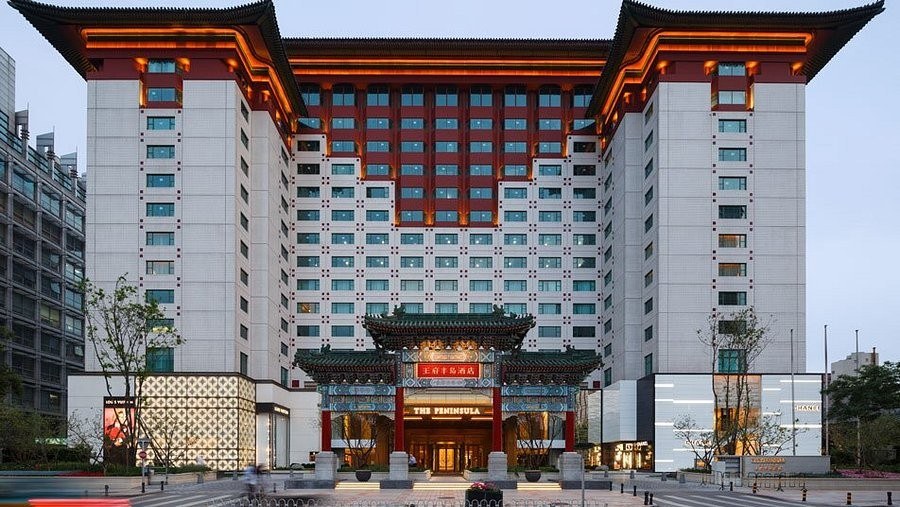
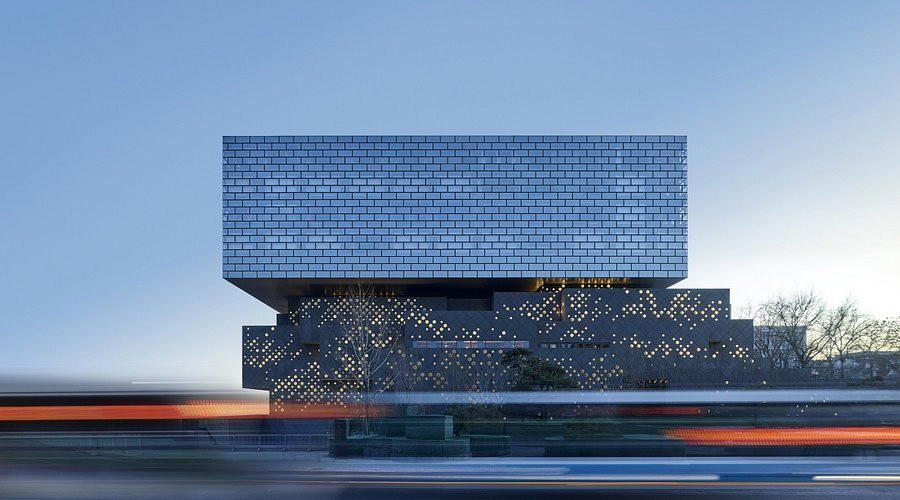 HotelThe PuXuan Hotel and SpaFull hotel guide
Planning details
- Location
- China, 1, Dongcheng, Wangfujing Ave, 1号CN 北京市2层璞瑄酒店 邮政编码: 100006
- Reservations
- Book on OpenTable
- Website
- thepuxuan.com/en/beijing-wangfujing-luxury-hotel-dining/french-cuisine-rive-gauche-le-table
- Phone
- +86 10 5393 2495
The take
The Take
The Vibe
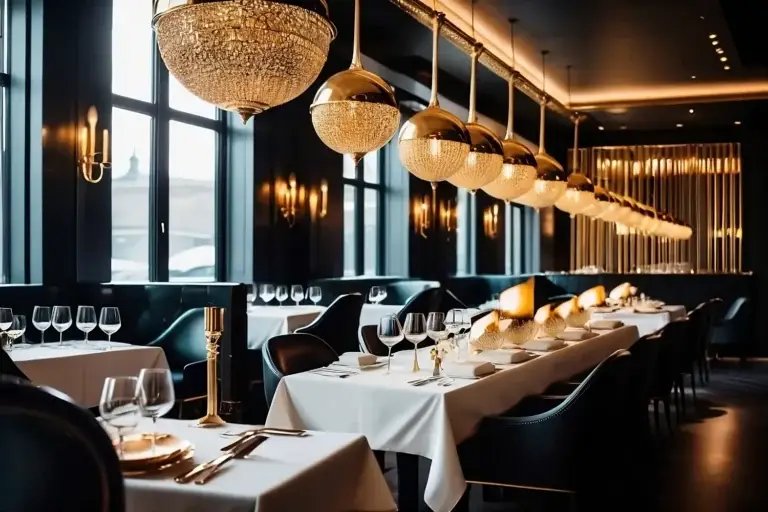
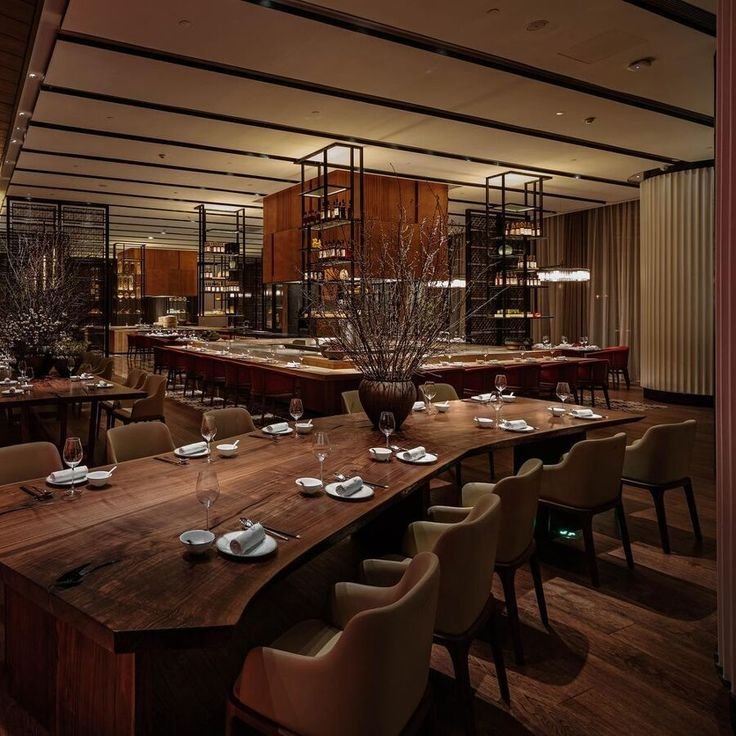
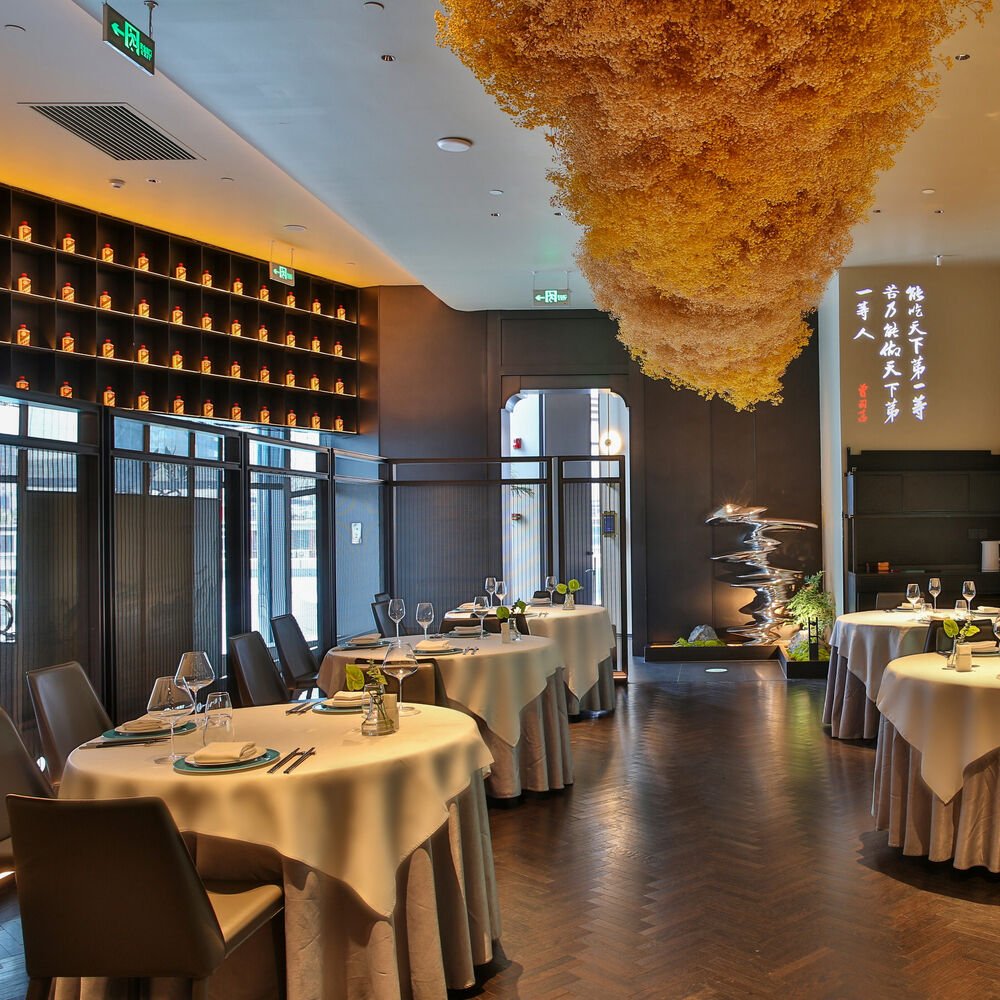
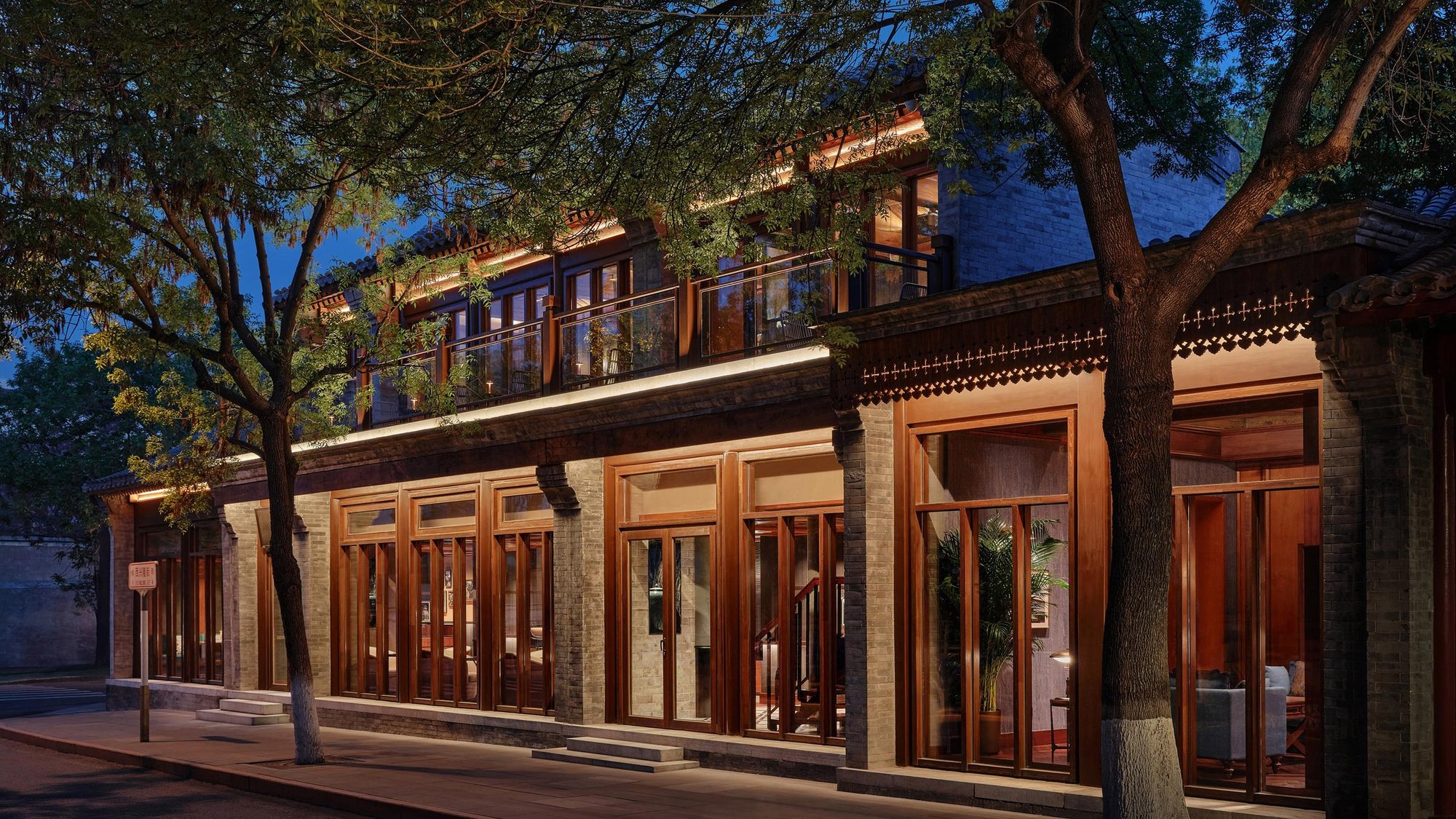
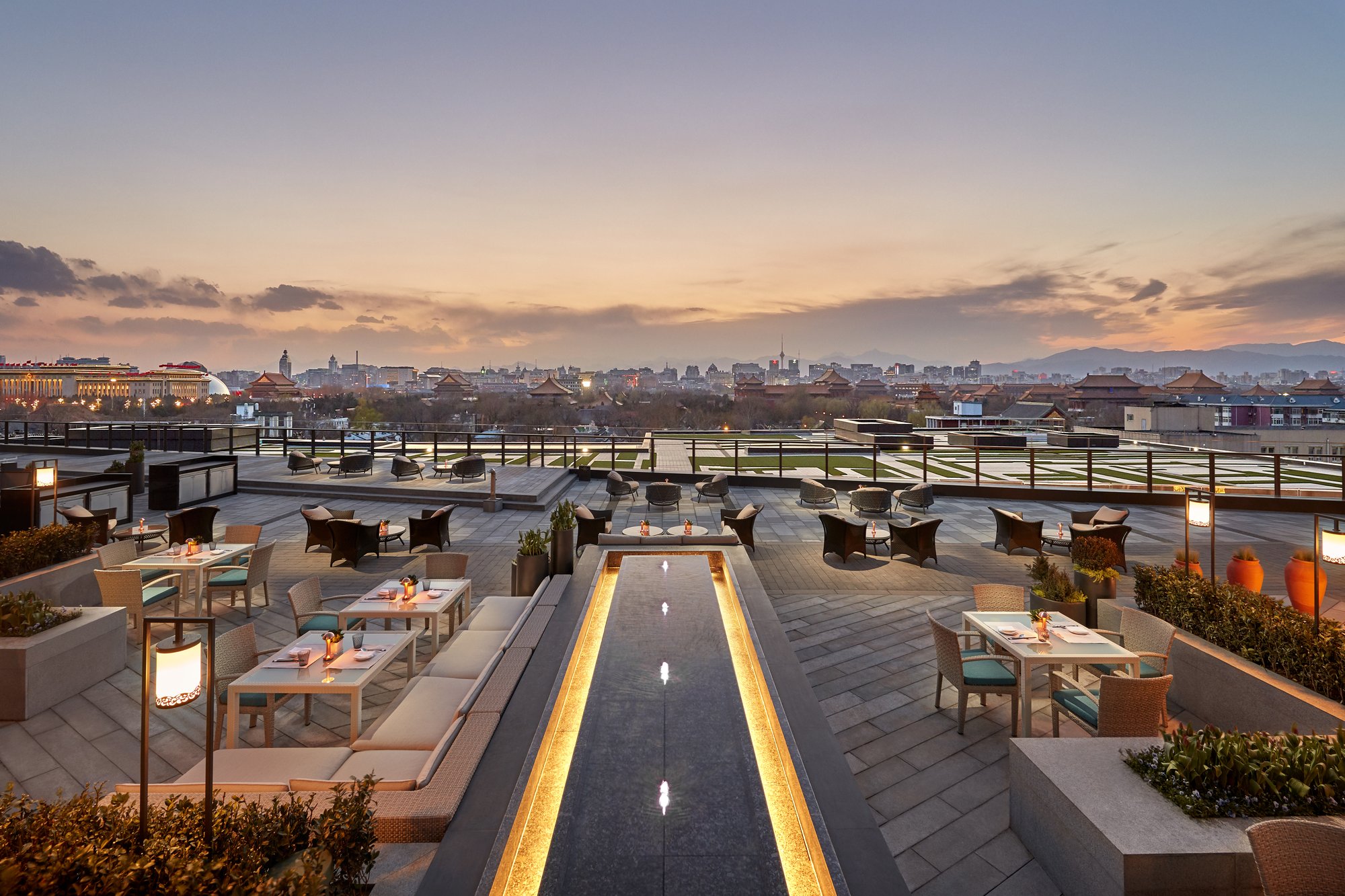
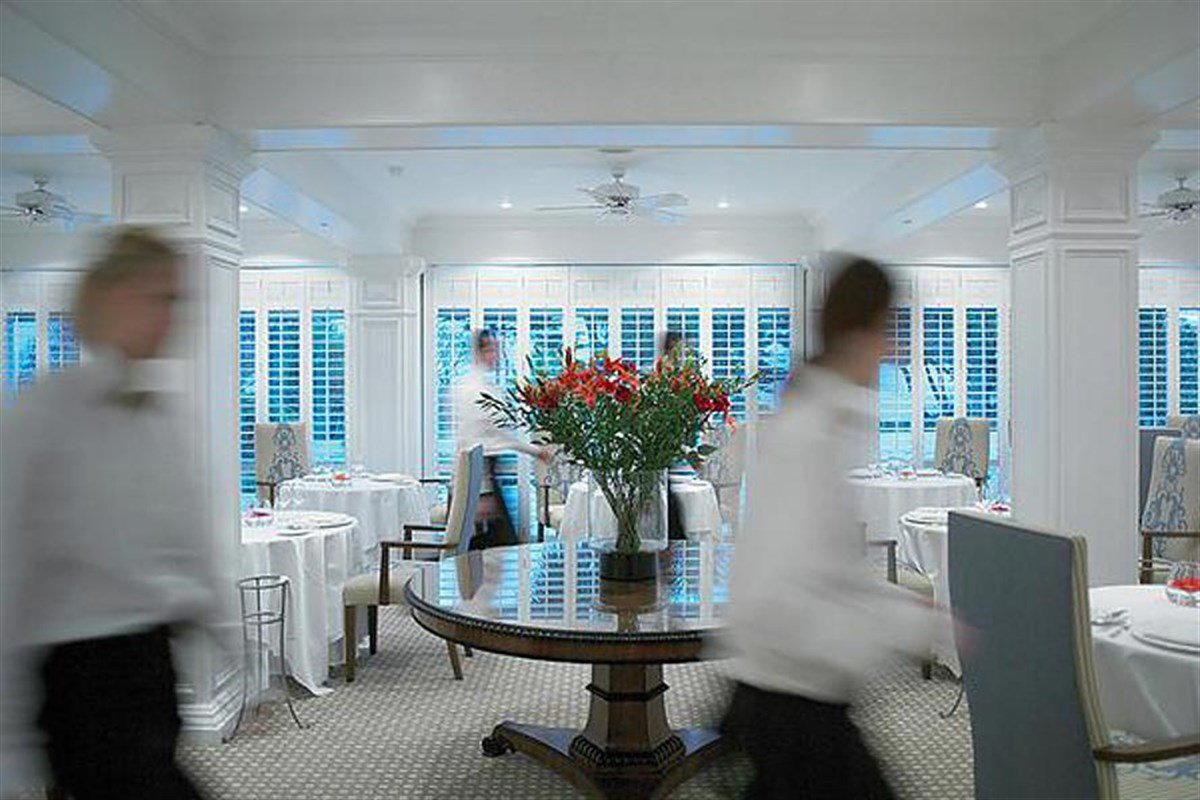
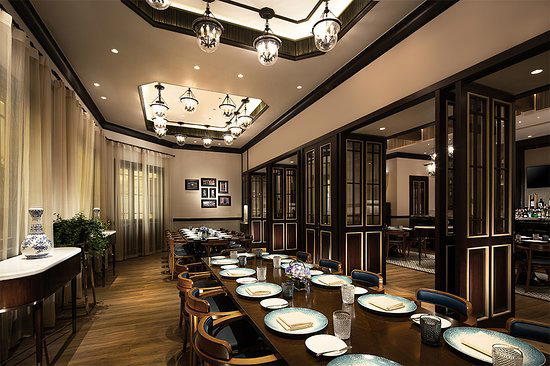
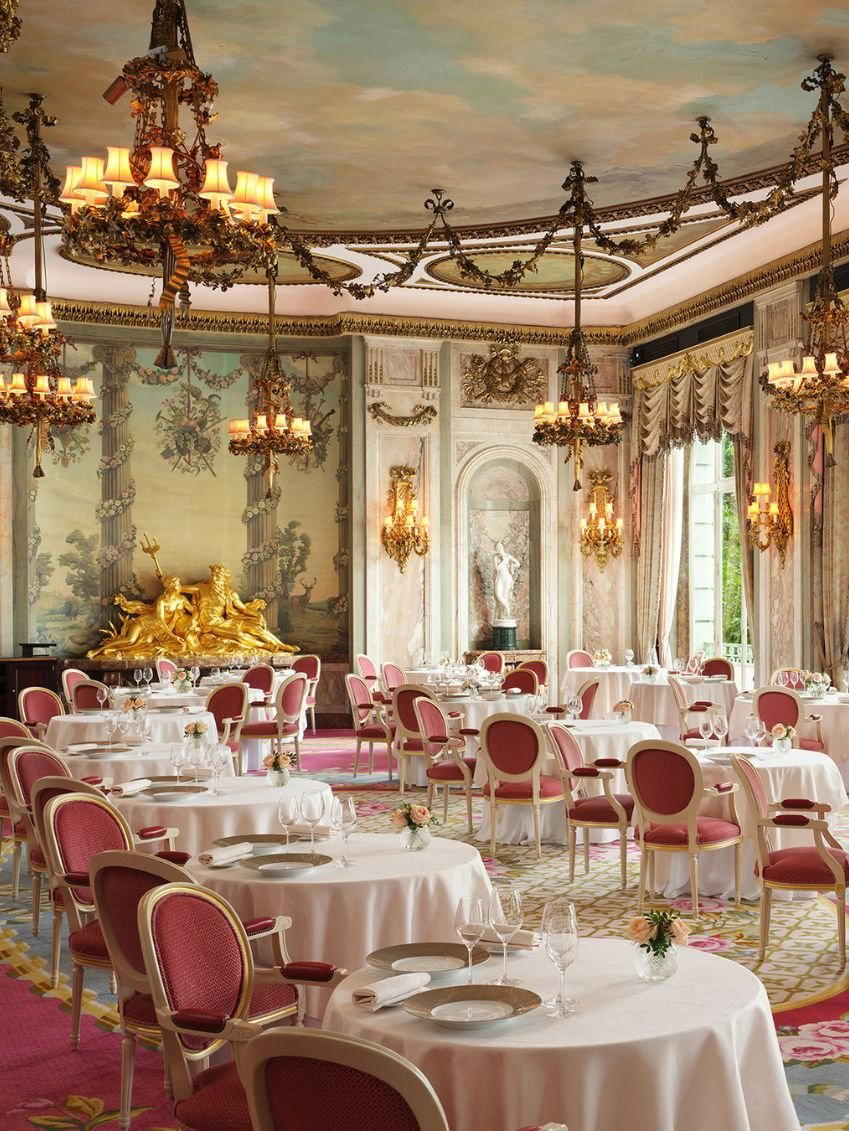
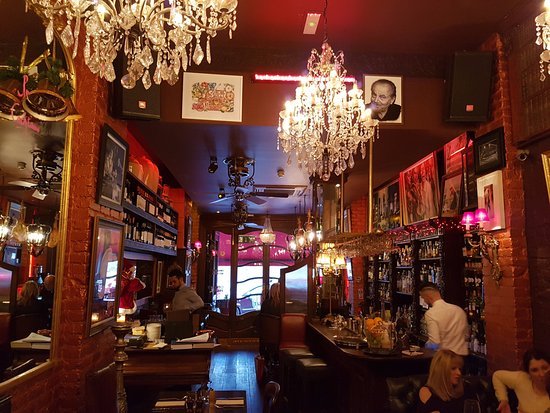
Rive Gauche sits quietly above Wangfujing Avenue in The PuXuan Hotel and Spa, offering a restrained and classic atmosphere that deliberately contrasts with the bustle below. The dining room reads as refined and considered: classical French technique anchors the cooking while the hotel setting shapes a composed, upper-floor calm. The kitchen’s sourcing from Sichuan and Yunnan introduces an earthy counterpoint to French formality, so the room feels both precise and quietly adventurous. Overall the experience is calm and classic rather than flashy — a place for measured conversation and focused tasting without the noise of the street.
Best For
This is a destination for people who want a polished, intimate evening rather than a rowdy night out. The premium hotel location and classical French approach make it particularly well suited to date nights, special-occasion dinners, and business meals that require a quiet, professional setting. Because the dining room is positioned above a busy commercial corridor, it functions as a refuge from the street — ideal when you want privacy and a controlled atmosphere. Large-party or casual late-night scenes are not the restaurant’s emphasis; it favors composed, seated dining.
Ordering Tips
Menus at Rive Gauche foreground how classical French technique meets ingredients from southwestern China, so look for dishes that pair French preparations with Yunnan and Sichuan elements. Expect plates that feature Yunnan truffles, wild mushrooms, mountain herbs, and heirloom grains alongside Sichuan cured meats, fermented pastes, and regional pepper varieties. Choosing items that call out those local ingredients will reveal the restaurant’s defining agenda: French structure with a distinctly Chinese larder. Because the focus is on sourcing and technique, tasting or multi-course choices that showcase a range of those components are particularly informative.
Venue details
Ambiance
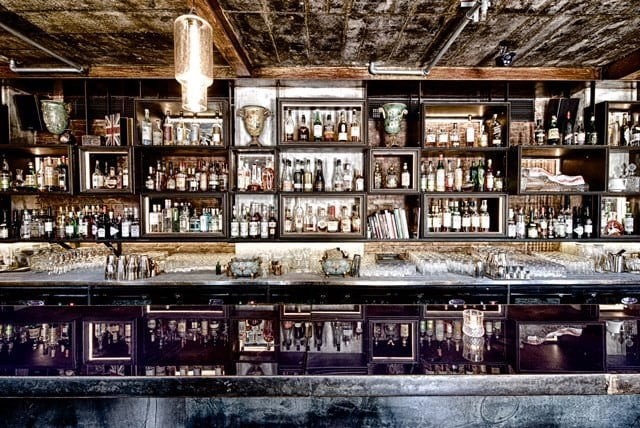
Serene and elegant Parisian romance with sophisticated lighting, warm ambiance, and terrace views.
Tags
Vibe
Best For
Experience
Sourcing
View
At the Table
- Dress Code
- Smart Casual
- Noise Level
- Conversational
- Service Style
- Upscale Casual
- Meal Pacing
- Leisurely
- Capacity
- Medium
Know before you go
Know Before You Go
- Getting there
- China, 1, Dongcheng, Wangfujing Ave, 1号CN 北京市2层璞瑄酒店 邮政编码: 100006
Planning details
Location
China, 1, Dongcheng, Wangfujing Ave, 1号CN 北京市2层璞瑄酒店 邮政编码: 100006 · Directions
thepuxuan.com/en/beijing-wangfujing-luxury-hotel-dining/french-cuisine-rive-gauche-le-table
Recognition and awards

Also consider
Also Consider
- Brasserie 1893, French Contemporary, ¥¥¥
- Blackswan, French Contemporary, ¥¥¥¥
- Jing, French Contemporary, ¥¥¥
- Les Morilles, French Contemporary, ¥¥¥
Restaurant context
Among Beijing's French Contemporary options, Rive Gauche sits in the middle tier for both price and ambition. Blackswan charges ¥¥¥¥ and delivers more refined technique with a tasting-menu focus, making it the better choice for diners chasing Michelin-star precision. Brasserie 1893 and Jing both match Rive Gauche's ¥¥¥ price point but lean toward classic French preparations without the southwestern Chinese ingredient layering, so they'll appeal more if you prefer unadulterated French cooking. Les Morilles, also at ¥¥¥, emphasizes foraged and seasonal French ingredients but stays closer to European sourcing rather than crossing into regional Chinese flavors.
Rive Gauche's advantage is twofold: it's the easiest to book on short notice, and it offers the most distinct ingredient sourcing in the category. If you want French technique amplified by bold Chinese flavors and you don't want to plan weeks ahead, book here. If you're chasing the highest technical refinement and don't mind the harder reservation, go to Blackswan. For a quieter, more traditional French meal at the same price tier, Brasserie 1893 or Jing will feel more familiar.
Value-wise, Rive Gauche justifies the ¥¥¥ spend if you're dining for the ingredient-driven approach rather than for formality or tableside theatre. The Michelin Plate recognition confirms competence, but the menu's appeal depends on whether you're seeking novelty or convention. If you're exploring Beijing's French Contemporary scene and want to cover the category, Rive Gauche is worth a visit, but it's not the first reservation you should chase if precision or ambiance rank higher than sourcing strategy.
Explore Beijing
Around this place
Discover more on Pearl
Unlock the full Rive Gauche guide in Pearl, including awards, comparisons, FAQs, planning details, and nearby places.
Compare Rive Gauche
| Venue | Location | Cuisine | Awards | Price |
|---|---|---|---|---|
| Rive Gauche | Beijing | French Contemporary | 2026 Forbes Soon To Be Rated2025 Michelin Plate2024 Michelin Plate | ¥¥¥ |
| Brasserie 1893 | Beijing | French Contemporary | 2025 Michelin Plate2024 Michelin Plate | ¥¥¥ |
| Blackswan | Beijing | French Contemporary | 2026 Black Pearl 1 Diamond2026 La Liste Top Restaurants2025 Michelin 1 Star2025 The Best Chef One Knife2025 La Liste Top Restaurants2024 Michelin 1 Star | ¥¥¥¥ |
| Jing | Beijing | French Contemporary | 2025 OAD Top Restaurants in Asia Ranked · #3842025 Wine Spectator Best of Award of Excellence2025 The Best Chef One Knife2025 Michelin 1 Star2025 Black Diamond 1 Diamond2024 OAD Top Restaurants in Asia Ranked · #3522024 Michelin 1 Star2023 OAD Top Restaurants in Asia RecommendedWorld's Best Wine Lists 2022 | ¥¥¥ |
| Les Morilles | Beijing | French Contemporary | 2026 Black Pearl 1 Diamond2025 Michelin Plate2025 Black Diamond 1 Diamond2024 Michelin Plate | ¥¥¥ |






How Rive Gauche Beijing compares with similar nearby venues.
FAQ
Frequently Asked Questions
Is Rive Gauche worth the price?
At ¥¥¥, Rive Gauche is most compelling if you want French Contemporary cooking that brings a modern spin to classic French cuisine and incorporates bold flavors associated with southwestern China. Judge the value by whether that cuisine profile appeals to you.
Is the tasting menu worth it at Rive Gauche?
A tasting-menu format is not listed here. If you are considering Rive Gauche, base the decision on the cuisine profile: French Contemporary cooking, a modern take on classic French cuisine, and bold southwestern Chinese flavors.
What should a first-timer know about Rive Gauche?
Rive Gauche is in Beijing, the cuisine is French Contemporary, the price tier is ¥¥¥, and the dress code is smart casual. Its culinary identity is a blend of traditional French techniques with bold flavors from southwestern China.
What should I order at Rive Gauche?
No specific signature dishes are listed here. A first-time diner should use the cuisine description as a guide and look for dishes that reflect Rive Gauche’s French Contemporary approach and its use of bold southwestern Chinese flavors.