
Restaurant in Tokyo, Japan
Ara Ki
305Pearl PointsReservation-only Edomae for serious sushi dinners.

About Ara Ki
Ara Ki is a dinner-only Edomae sushi counter in Akasaka with nine seats, a fixed 18:00 start, and a Tabelog score of 4.24 — placing it among a small group of Tokyo sushi restaurants with verified external standing. At JPY 60,000–79,999 per head, it is best suited to milestone dinners or serious return visitors to Tokyo's top-tier sushi circuit. Reservation through Tabelog or a concierge is required; no official website or public phone number is listed.
Who Should Book Ara Ki — and When
Ara Ki is the right choice if you are planning a significant dinner in Tokyo and want Edomae sushi at a level that has earned consistent recognition from Japan's most competitive rating system. At JPY 60,000–79,999 per head for dinner, this is a considered spend — appropriate for a milestone celebration, a client dinner where the room needs to match the occasion, or a return visit to Tokyo by someone who has already worked through the more accessible tier of the city's sushi counter circuit. If you have dined at Harutaka and want to push further into Akasaka's top tier, Ara Ki is the logical next stop.
Ara Ki, Akasaka: What You Are Actually Booking
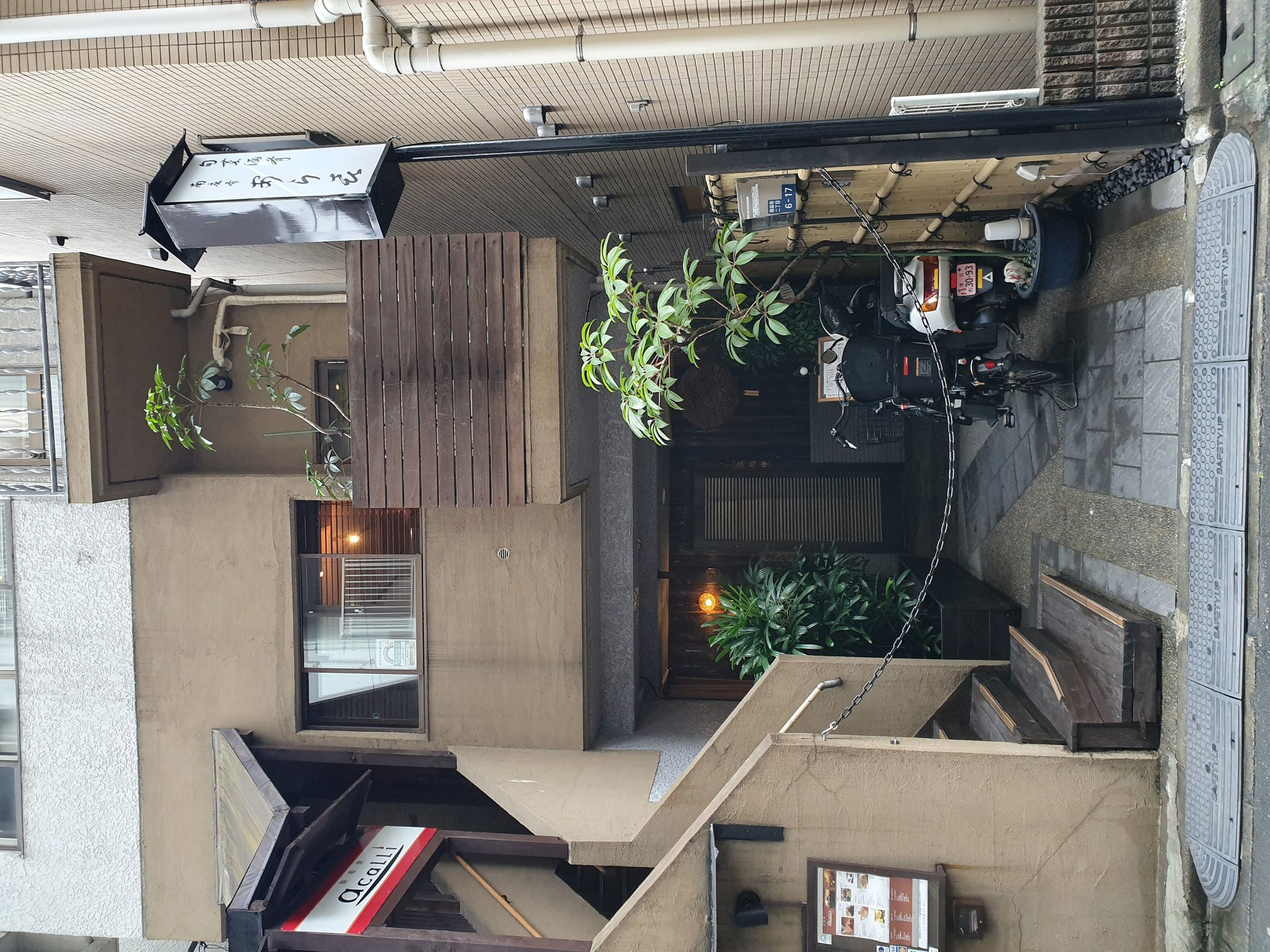
Ara Ki sits on the second floor of the Akasaka Street Building in Minato City, about 150 metres from Akasaka Station, close enough to walk from most central Tokyo hotels without planning. The room is deliberately contained: nine counter seats and one private room. That spatial configuration is not incidental. At nine seats, the counter operates more like a private audience than a restaurant service, and the single private room means small groups who want separation from the main counter have a genuine option, even if full private buyout of the venue is not available.
The format is dinner-only, there is no lunch service at Ara Ki. All guests start at 18:00, and service runs through to 21:00. That fixed-start structure is worth understanding before you book: this is not a venue where you arrive on your own schedule. It runs as a single coordinated seating, which means pacing is collective and the experience is shaped as much by the room as by your own table. For diners who have been once, this is something to lean into rather than resist, arrive at 18:00, plan nothing afterward, and give the three hours room to breathe.
On the awards record: Ara Ki holds a Tabelog Score of 4.24 and was named a Tabelog Award 2026 Bronze winner, placing it at rank 24 in that cohort. It has also been selected for the Tabelog Sushi TOKYO "Tabelog 100" in 2025, a list that identifies the hundred sushi restaurants in Tokyo considered most worth visiting by the platform's reviewer base. That combination of score, award tier, and list selection puts Ara Ki in a small group of Akasaka sushi counters with verified external standing. For context: a 4.24 on Tabelog is a score that most serious Tokyo sushi restaurants do not reach. The platform's scoring is notoriously compressed at the leading, making the difference between 4.0 and 4.2 meaningful.
The drink program skews toward sake and wine, with the venue described as particular about both. Credit cards are accepted; QR code payment via d Barai is also available. Electronic money is not accepted. Parking is unavailable, which is consistent with the neighbourhood, Akasaka is well served by subway and taxi, and arriving by car would be unusual for a venue of this type.
For a second visit, the private room is worth requesting if your group runs to two or three people who want a quieter frame for the meal. The counter remains the better choice for a solo diner or a pair who want the full rhythm of the counter experience, watching the preparation, tracking the sequence, and engaging with the pacing as it develops.
Ara Ki sits at the top of what Tokyo's most demanding sushi rating infrastructure currently validates. For comparable Edomae sushi at a slightly different price point or booking profile, Harutaka is the most direct alternative. For a broader view of where Ara Ki fits within Tokyo's high-end dining options across formats, see our full Tokyo restaurants guide. If your trip extends beyond the capital, HAJIME in Osaka and Gion Sasaki in Kyoto are worth adding to your planning. For other formats during the same Tokyo trip, RyuGin covers kaiseki, and Sézanne and L'Effervescence are the leading options if French is in the rotation. Beyond dining, our full Tokyo hotels guide, bars guide, and experiences guide cover the rest of your stay. If you are building a broader Japan itinerary, akordu in Nara, Goh in Fukuoka, 1000 in Yokohama, and 6 in Okinawa are each worth considering depending on where you are travelling.
More from Pearl
- Our full Tokyo restaurants guide
- Our full Tokyo hotels guide
- Our full Tokyo bars guide
- Our full Tokyo wineries guide
- Our full Tokyo experiences guide
- Crony (Innovative French), Tokyo
- Le Bernardin, New York City
- Lazy Bear, San Francisco
Frequently Asked Questions
Can I eat at the bar at Ara Ki?
Yes — the counter is the main format here. Ara Ki seats nine guests at the counter, with one private room as an alternative. The counter is where the full sushi experience is delivered, so for a first visit, that is the seat to request. The private room suits groups that want separation, but counter dining is the intended format at this price point (¥60,000–¥79,999).
What should I wear to Ara Ki?
No dress code is listed in Ara Ki's records, but at ¥60,000–¥79,999 per head and with a Tabelog Award Bronze credential, the room will skew formal. Treat it like a serious business dinner: conservative, neat, and nothing heavily fragranced that would interfere with the fish. Check with the restaurant directly before visiting, as expectations may vary.
Is Ara Ki good for a special occasion?
It is one of the stronger cases for a milestone dinner in Tokyo. The format — reservation-only, counter seating, a fixed dinner start at 18:00 — creates a structured, focused evening. A private room is available if you want more separation. At ¥60,000–¥79,999 per person, this is a considered spend rather than a casual celebration, so match the occasion to the format.
Does Ara Ki handle dietary restrictions?
Dietary accommodation details are not published for Ara Ki. Edomae sushi at this level is typically a tightly sequenced omakase, which limits flexibility by design. Contact the restaurant before booking if restrictions are a factor — the record notes irregular closures and changing hours, so direct confirmation is necessary regardless.
What are alternatives to Ara Ki in Tokyo?
Harutaka in Ginza is the most direct comparison: reservation-only Edomae counter, similar prestige tier, and comparable pricing. If you want a counter with more Western influence at a similar spend, Florilège (French tasting menu) is worth considering for a different format. Ara Ki's Tabelog 4.24 score and Bronze Award place it among Tokyo's top-tier sushi counters, but Harutaka has broader international name recognition for first-time visitors choosing between the two.
What should a first-timer know about Ara Ki?
All diners start at 18:00 — this is not a rolling reservation restaurant, so arriving late disrupts the room. The venue is on the second floor of the Akasaka Street Building, about 150 metres from Akasaka Station. Reservations are required; there is no walk-in option. Budget ¥60,000–¥79,999 per person for dinner, credit cards are accepted, and the kitchen is noted for its emphasis on fish sourcing.
Location
Japan, 〒107-0052 Tokyo, Minato City, Akasaka, 6 Chome−3−16 赤坂ストリートビルディング
Tokyo, Japan
Also Consider
- Harutaka, Sushi, ¥¥¥¥
- RyuGin, Kaiseki, Japanese, ¥¥¥¥
- L'Effervescence, French, ¥¥¥¥
- HOMMAGE, Innovtive French, French, ¥¥¥¥
- Florilège, French, ¥¥¥
Within Tokyo's high-end sushi category, the most direct comparison to Ara Ki is Harutaka, also Edomae, also counter-format, also at the ¥¥¥¥ tier. Both carry strong Tabelog recognition, and the choice between them comes down to availability and personal preference for room feel rather than a meaningful quality gap. If Ara Ki is fully booked for your dates, Harutaka is the call, not a fallback. For diners who want the same spend applied to a fundamentally different format, RyuGin delivers kaiseki at comparable price and external validation, the right choice if you want a multi-course Japanese format with a different pacing and a larger room.
If your group is debating between sushi and French, L'Effervescence and HOMMAGE both operate at ¥¥¥¥ and offer more flexibility on group size and dietary accommodation than a nine-seat sushi counter. Florilège is a step down in price at ¥¥¥ and a reasonable option if the spend at Ara Ki feels difficult to justify for the whole table. For a sushi-forward Japan trip that extends beyond Tokyo, Gion Sasaki in Kyoto is worth building into the itinerary as a kaiseki complement rather than a direct competitor.
On booking difficulty: Ara Ki requires reservation and has no public phone or website, which means you are dependent on Tabelog or a Japanese-speaking concierge. That is a higher friction booking process than most of its peers. If ease of reservation matters, for a trip with shorter lead time or without concierge support, Harutaka or RyuGin may be simpler to secure. For guests comfortable planning two to three months out through a hotel concierge, the booking process at Ara Ki is manageable and should not be the reason to book elsewhere.
