



De Kas
€€€ · Organic · Frankendael, Amsterdam
Restaurant in Amsterdam, Netherlands
 Book with Pearl
The Read
Greenhouse-Grown Mediterranean
Price
€€€
Chef
Jos Timmer & Wim de Beer
Why go
De Kas holds a MICHELIN Green Star and grows around 300 varieties of vegetables, herbs, fruit across its on-site greenhouse and a Beemster Polder nursery, serving a daily-changing set menu from what was harvested that morning. Booking is easy relative to its recognition level. Visit late spring through summer for the garden terrace and the widest seasonal range.
About De Kas
The Verdict
De Kas is one of the most distinctive restaurant bookings in Amsterdam, at the €€€ price tier it delivers a clear rationale: a MICHELIN Green Star operation that grows roughly 300 varieties of vegetables, herbs, fruit on its own land, then serves what was harvested that morning. If farm-to-plate dining with serious seasonal rotation is what you are after, this is the most coherent version of that concept in the city. Book it for a long lunch in late spring or summer, when the greenhouse garden is at full output and the terrace is open.
The Space and the Season
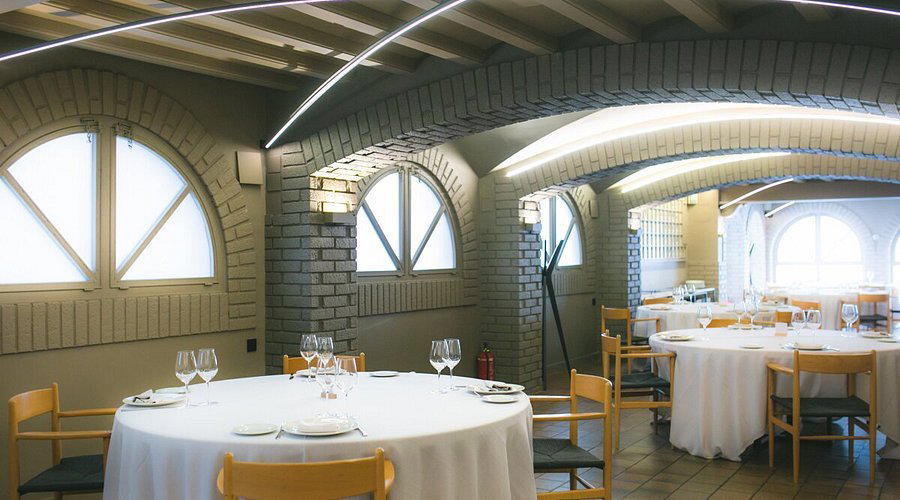
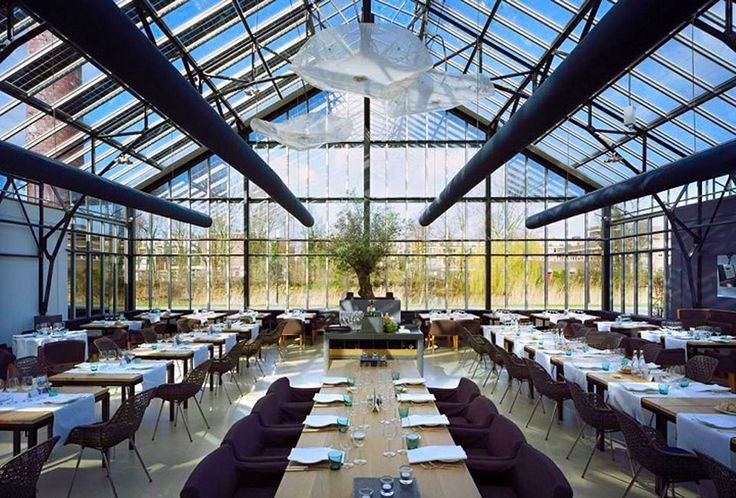
De Kas occupies a converted City Nursery built in 1926 in Amsterdam's Frankendael park area, at Kamerlingh Onneslaan 3. The structure is tall, glass-walled, flooded with natural light during the day; by evening, dining inside feels closer to sitting under the sky than inside a conventional restaurant. The space is not incidental to the food: the greenhouse and garden on-site supply the kitchen directly, meaning the scent of herbs and soil from working growing beds is genuinely present, not decorative. This is a functioning nursery that happens to serve dinner, not a restaurant that gestures at greenery for atmosphere.
The seasonal rotation here is more literal than at most restaurants. Chefs Jos Timmer and Wim de Beer draw on a second, larger growing site in the Beemster Polder as well as the on-site greenhouse, so the menu shifts with what is viable to harvest on a given day. That means a visit in April looks meaningfully different from one in October. Summer is the peak window: longer days, the terrace at full capacity, the widest range of produce available. Autumn visits trade the terrace for a more dramatic indoor atmosphere as the light drops, but the menu contracts in range. Winter and early spring are the thinnest periods for produce variety, though the kitchen maintains quality through the full year.
MICHELIN awarded De Kas a Green Star, which is specifically given for sustainability practices rather than culinary technique alone. The restaurant has held this alongside its position in the Opinionated About Dining (OAD) Casual Europe rankings, reaching #250 in 2024 and #378 in 2025; a slight slip in position but still a firmly respected placement in a competitive European field. Star Wine List recognised it with a White Star in November 2025 for the wine offering, which adds a further layer of value at this price point.
The menu is set rather than à la carte, with a vegetarian version available alongside the standard format. The kitchen's approach is described as light and Mediterranean in orientation, with Timmer and de Beer noted specifically for balancing sweet and sour flavours through subtle saucing. Dishes work with what the land is producing rather than the other way around, which is either exactly what you want or a format that will frustrate diners who need full menu predictability before they commit to a booking.
What to Know Before You Book
Booking is rated Easy, which is relatively unusual for a restaurant at this recognition level in Amsterdam. You are not competing against a six-week waitlist. That said, the garden terrace fills first for summer lunch, so if timing and outdoor seating matter to you, book with a few weeks' lead time rather than last-minute. The address is Kamerlingh Onneslaan 3, 1097 DE Amsterdam, it sits within the Frankendael park, which is east of the city centre and reachable by tram. It is not a walk from the canal belt, so factor in travel time.
There is no published dress code in the database, but at the €€€ tier and with the glass-greenhouse setting, smart-casual is the appropriate read. The restaurant does not have the formality of a traditional fine dining room, but it is not a neighbourhood bistro either.
For visitors building a broader Amsterdam dining itinerary, our full Amsterdam restaurants guide covers the complete picture. If you are extending the trip, our Amsterdam hotels guide, bars guide, and experiences guide are worth checking alongside.
Know Before You Go
- Address: Kamerlingh Onneslaan 3, 1097 DE Amsterdam, Netherlands
- Price tier: €€€ (set menu format)
- Cuisine: Organic / Mediterranean-influenced, seasonal rotation
- Booking difficulty: Easy
- Ideal time to visit: Late spring through summer for the terrace and maximum produce range
- Vegetarian option: Yes, a full vegetarian menu is available
- Awards: MICHELIN Green Star; OAD Casual Europe #250 (2024), #378 (2025); Star Wine List White Star (2025)
- Chefs: Jos Timmer and Wim de Beer
How It Compares
See the comparison section below for how De Kas sits against its Amsterdam peers.
De Kas in Context: Netherlands Farm-to-Table Dining
Within the Netherlands, the commitment to producer-led menus is shared by a small number of operations. MEI in Amersfoort and Restaurant Renilde in Rotterdam are both organic-category venues at a similar price tier and worth considering if you are travelling more broadly. For the higher end of Dutch fine dining, De Librije in Zwolle and 't Nonnetje in Harderwijk represent a different calibre of investment. Aan de Poel in Amstelveen, De Bokkedoorns in Overveen, Brut172 in Reijmerstok, and De Groene Lantaarn in Staphorst round out a wider picture of destination dining across the country.
Planning details
- Hours
- Location
- Location
- Kamerlingh Onneslaan 3, 1097 DE Amsterdam, Netherlands
- Website
- restaurantdekas.nl
- Phone
- +31 20 462 4562
The take
The Take
The Vibe
De Kas occupies a cathedral-proportioned greenhouse whose iron skeleton dates to 1926, and that historic structure shapes every aspect of the experience. Exposed steel, long central aisles and soil-level planting beds threaded through the dining room give the place a cultivated, almost institutional elegance. The restaurant reads as both an agricultural atelier and a landmark: what felt eccentric in 2001 now reads prescient, and the kitchen’s full integration with the on-site gardens and nearby fields lends the room an unmistakable sense of purpose and provenance.
Best For
This is a destination for diners who prize seasonality and intentional sourcing—think special occasions, thoughtful date nights and elevated business dinners. The kitchen’s Michelin-recognized approach and its role as a reference point in Amsterdam’s dining culture signal an elevated tasting experience rather than casual, last-minute meals. Because produce is harvested on-site and at a nearby working field and reaches the kitchen the same day, the restaurant suits guests who want a menu driven by immediacy and terroir rather than fixed à la carte choices.
Ordering Tips
Expect a daily-changing menu: there is no fixed carte because offerings are determined by what is harvested that day. Chefs oversee roughly 300 varieties of vegetables, herbs and fruit grown both in the on-site greenhouse and at the larger field in the Beemster Polder, and morning-harvested produce reaches the kitchen the same day. Ask staff about that day’s harvest or signature vegetable preparations to understand how the menu is composed; the experience rewards diners who embrace the seasonally driven, farm-integrated approach.
Venue details
Ambiance
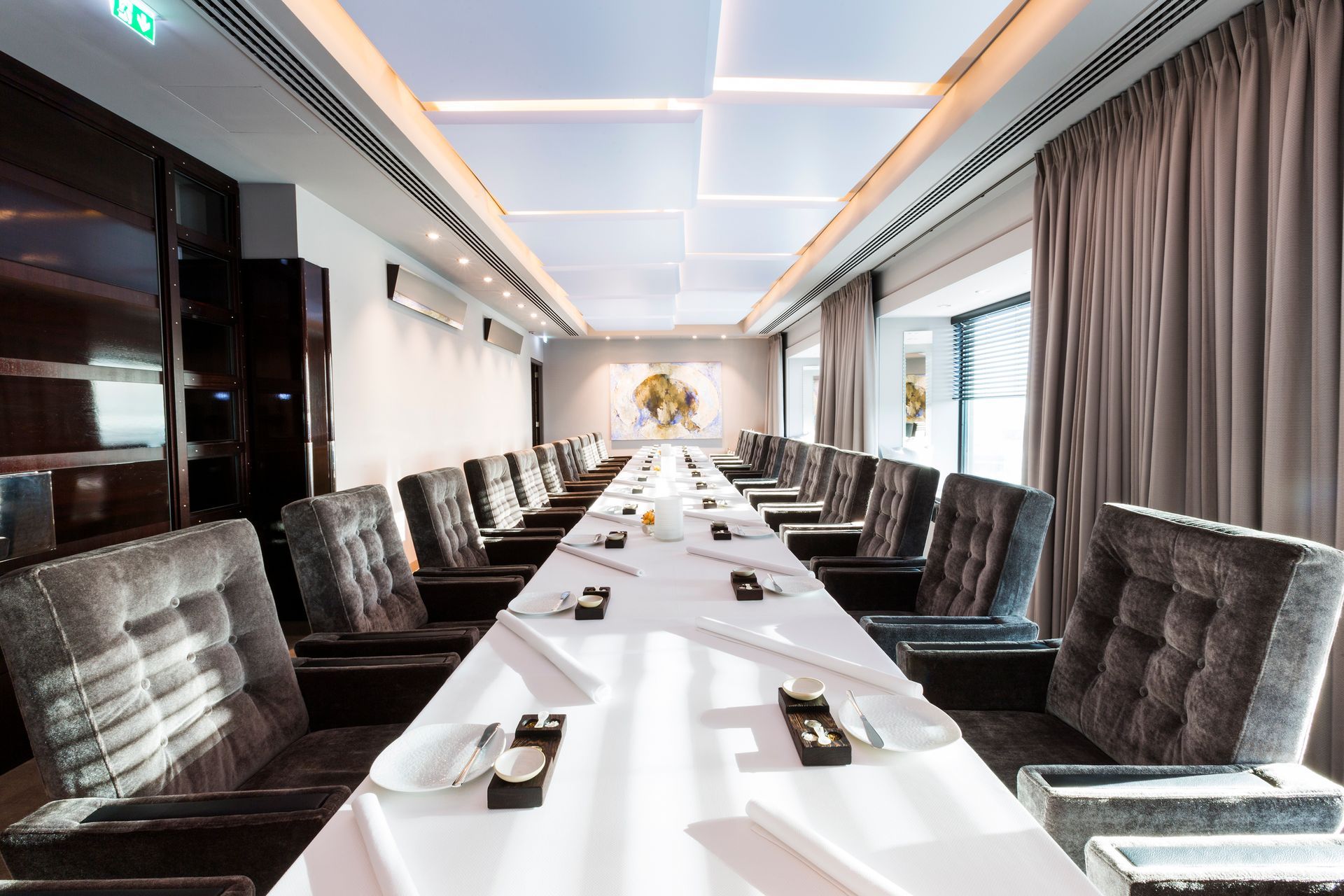
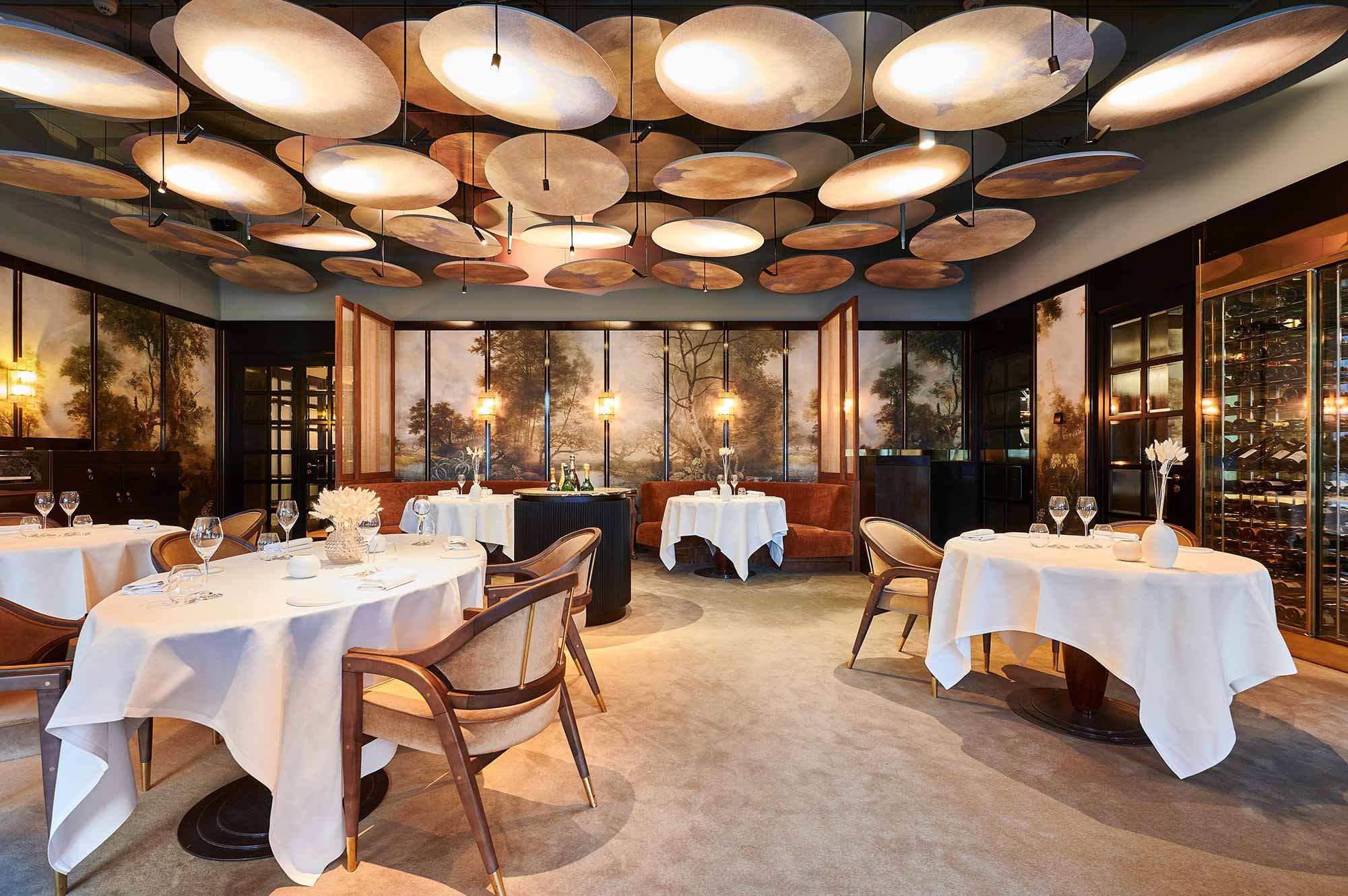
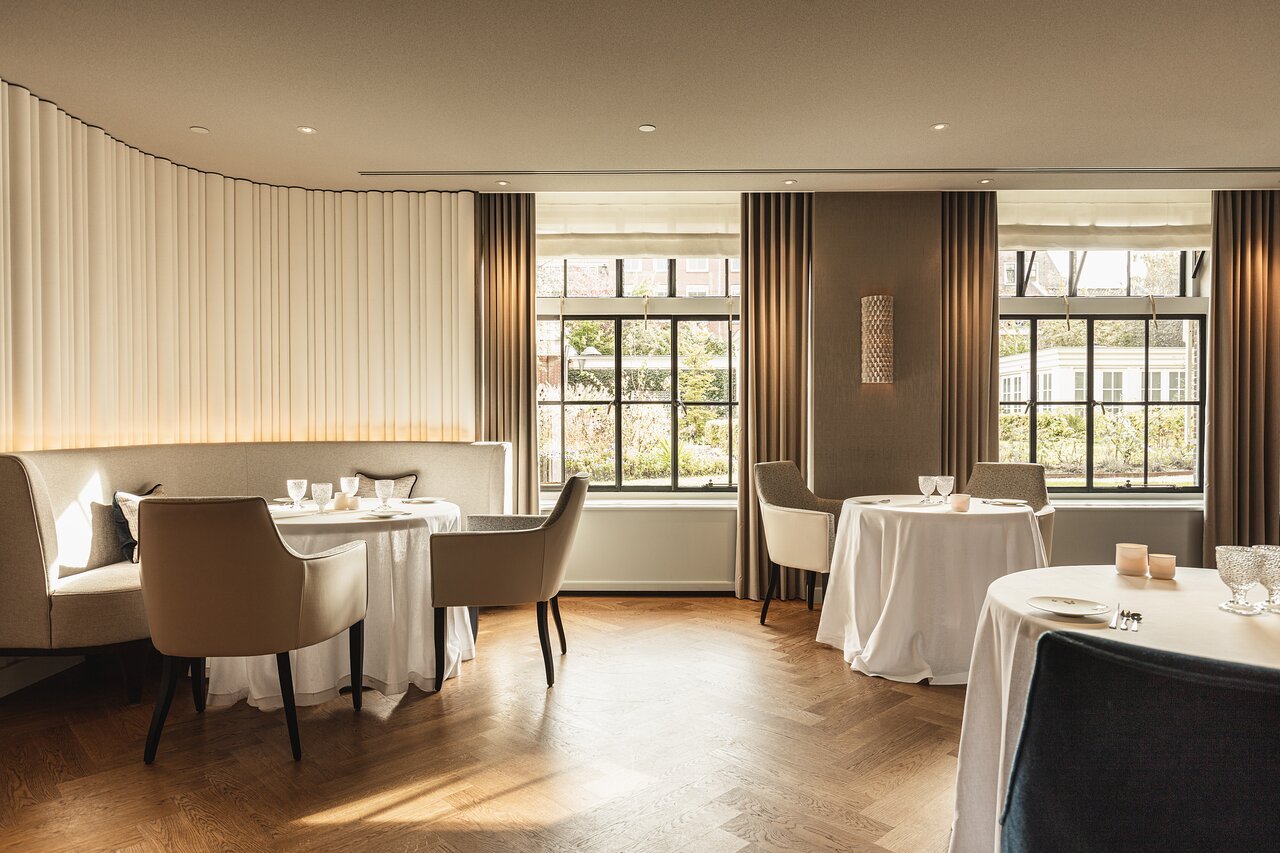
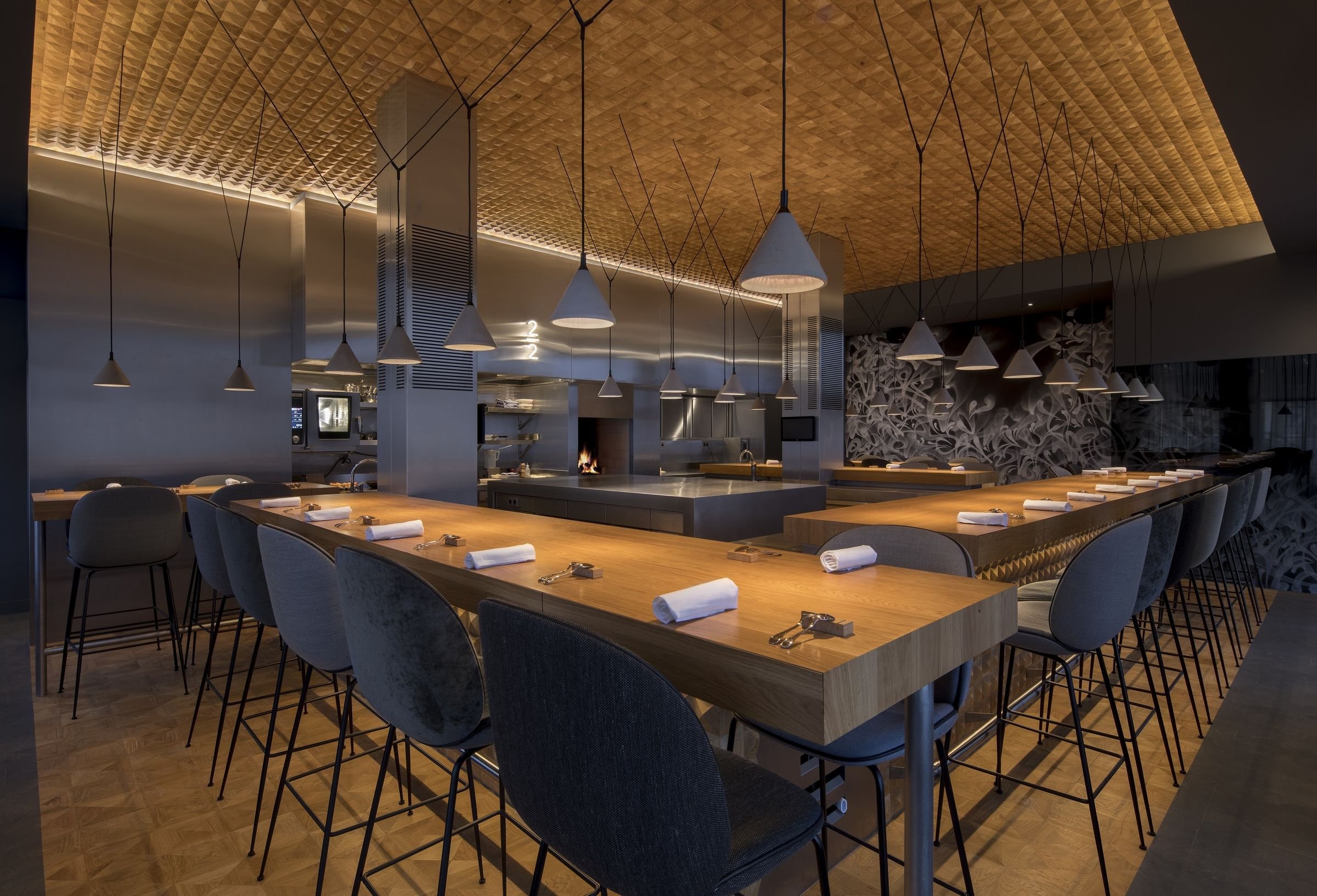
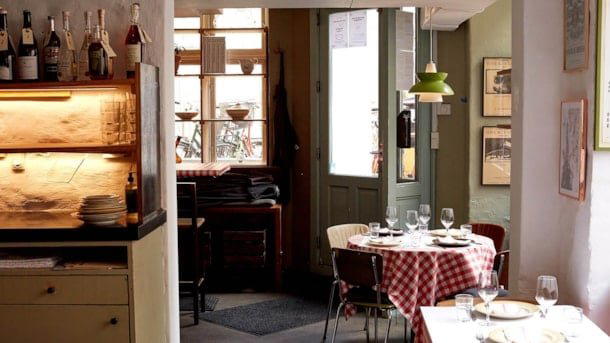
Light-filled greenhouse with airy, elegant atmosphere, natural light, and cozy minimalistic interior amid surrounding greenery.
Tags
Vibe
Best For
Experience
Sourcing
View
At the Table
- Noise Level
- Conversational
- Service Style
- Upscale Casual
- Meal Pacing
- Leisurely
- Capacity
- Medium
Planning details
Hours
Location
Location
Kamerlingh Onneslaan 3, 1097 DE Amsterdam, Netherlands · Directions
Recognition and awards


Restaurant context
At the €€€ tier, De Kas and BAK are the two closest comparisons in Amsterdam for produce-led, farm-oriented dining. BAK sits on the water in the NDSM area and takes a slightly more stripped-back approach; De Kas wins on setting and the depth of its own-farm provenance. If the greenhouse and the daily harvest concept matter to you, De Kas is the stronger choice. If you want harbour views alongside the seasonal menu, BAK is worth considering. Wils at €€€ covers similar sustainable territory with a broader world cuisine remit; it is a reasonable alternative if you want more menu range, but it does not have the same physical distinctiveness as De Kas.
Bolenius at €€€€ takes Modern Dutch cooking further into fine dining formality, with a kitchen garden of its own. If you are already committed to the farm-provenance concept and want more technical ambition and service structure alongside it, Bolenius is the next step up. The price difference is real, though. Choux at €€€ offers Modern French at a comparable price point but is a different proposition entirely; the right choice if classic technique matters more than seasonal-produce storytelling.
For high-end creative dining without a farm mandate, Ciel Bleu at €€€€ is Amsterdam's most formal option in this set, with two MICHELIN stars and a hotel setting at the Okura. It is a different spend level and a different evening. The clearest decision rule: book De Kas if you want the greenhouse setting, the daily harvest menu, the MICHELIN Green Star credentials at the €€€ price point. Move to Bolenius or Ciel Bleu only if you want to increase the formality and the investment.
Around this place
Discover more on Pearl
Unlock the full De Kas guide in Pearl, including awards, comparisons, FAQs, planning details, and nearby places.
Compare De Kas
| Venue | Price | Booking Difficulty | Awards |
|---|---|---|---|
| De Kas | €€€ | Easy | Star Wine Lists 20262026 OAD Casual in Europe Recommended2025 OAD Casual in Europe Ranked · #378We're Smart World Top Restaurants 2025We're Smart World Top 100 20252025 Michelin 1 Star2024 OAD Casual in Europe Ranked · #2502024 Michelin 1 Star2023 OAD Casual in Europe Highly Recommended |
| Ciel Bleu | €€€€ | Unknown | Star Wine Lists 2026 · #12026 OAD Classical in Europe Ranked · #662026 Wine Spectator Best of Award of Excellence2026 La Liste Top Restaurants2025 OAD Classical in Europe Ranked · #58We're Smart World Top Restaurants 20252025 La Liste Top Restaurants2025 The Best Chef One Knife2025 Michelin 2 Stars |
| Bolenius | €€€€ | Unknown | 2026 OAD Top Restaurants in Europe Recommended2025 OAD Top Restaurants in Europe Ranked · #611We're Smart World Top 100 2025We're Smart World Top Restaurants 20252025 Michelin 1 Star2024 Michelin 1 Star2023 OAD Top New Restaurants in Europe Recommended |
| Wils | €€€ | Unknown | 2026 OAD Top Restaurants in Europe Recommended2025 OAD Top Restaurants in Europe Ranked · #612We're Smart World Top Restaurants 20252025 Michelin 1 Star2024 Michelin 1 Star |
| BAK | €€€ | Unknown | Star Wine Lists 20262026 OAD Top Restaurants in Europe Recommended2025 OAD Top Restaurants in Europe Ranked · #597We're Smart World Top Restaurants 20252025 Michelin Plate2024 Michelin Plate2023 OAD Casual in Europe Recommended |
| Choux | €€€ | Unknown | Star Wine Lists 20262026 OAD Top Restaurants in Europe Recommended2025 OAD Classical in Europe Ranked · #290We're Smart World Top 100 2025We're Smart World Top Restaurants 20252025 Michelin 1 Star2025 Michelin Plate2024 OAD Classical in Europe Ranked · #3612024 Michelin Plate |




.png?width=1200&quality=80)
How De Kas stacks up against the competition.
FAQ
Frequently Asked Questions
What should I order at De Kas?
De Kas runs a set menu built around whatever was harvested that morning from their own greenhouse and Beemster Polder farm, so there is no à la carte choice to navigate. Vegetarians should note that the menu is available in a full vegetarian version. The format suits diners who want the kitchen to decide; if you prefer selecting dishes yourself, this is not the right booking.
Is De Kas good for a special occasion?
Yes, the setting does a lot of the work. The 1926 glass greenhouse structure provides a daytime meal flooded with natural light or an evening under the stars, which is a strong backdrop for celebrations. The MICHELIN Green Star and a ranking of #250 in Opinionated About Dining Europe (2024) give it the credibility to justify a birthday or anniversary booking. Booking difficulty is rated Easy, which means you can secure a table without planning months out.
What should I wear to De Kas?
The venue's own description references a 'light, Mediterranean' menu and a greenhouse setting, which signals a relaxed rather than formal register. Smart casual fits the tone: no need for a jacket, but the €€€ price tier means trainers and beachwear would feel out of place. Think well-put-together rather than dressed up.
What should a first-timer know about De Kas?
The kitchen works entirely from daily yields of their own farm produce, around 300 varieties of vegetables, herbs, fruit, so the menu changes with the season and harvest. You are not choosing dishes; you are trusting the set format. The garden terrace is specifically flagged as worth requesting. Booking is rated Easy for a restaurant at this recognition level, so last-minute reservations are more feasible here than at comparable Amsterdam spots.
Is the tasting menu worth it at De Kas?
At €€€ pricing with a MICHELIN Green Star and a farm growing 300 produce varieties on-site, the set menu has a clear value argument: you are paying for genuine provenance, not a borrowed concept. The format works best for diners who are comfortable letting the kitchen lead. If you want to pick and choose courses or control protein options beyond the vegetarian alternative, the fixed format will frustrate rather than satisfy.
Is De Kas worth the price?
For what it delivers, yes. The €€€ tier is justified by a MICHELIN Green Star, own-farm produce harvested the same day, a landmark building, an OAD Europe ranking of #250 (2024). Against Amsterdam peers at similar prices, the combination of provenance and setting is hard to replicate. If you are looking for a conventional fine-dining format with rich, protein-led courses, the lighter Mediterranean style may feel underwhelming for the spend.
What are alternatives to De Kas in Amsterdam?
Bolenius is the closest direct comparison: also produce-focused, similarly priced, with strong sustainability credentials, though without the greenhouse setting. BAK in the Overhoeks tower offers a tighter, more avant-garde tasting menu with city views. Ciel Bleu at the Okura is the step-up for classic fine dining prestige. Choux and Wils are better picks if you want a more accessible price point without sacrificing ingredient quality.