Honna Canteen
Alcorcón, Alcorcon
Restaurant in Alcorcon, Spain
 Book with Pearl
The Read
Dress
Casual
Why go
A flexible Alcorcón option for casual plans, especially when schedule and ease matter more than a documented tasting-menu or chef-led format. Use it for low-risk solo dining, informal groups, or same-week meals; cross-shop nearby peers if cuisine, price, or occasion polish are the main decision points.
About Honna Canteen
Honna Canteen is a casual venue in Alcorcon with opening hours that can help with planning around evening, late-night, and weekend daytime windows. Beyond its hours and casual dress code, details such as cuisine, menu format, chef, price range, seat count, awards, and booking requirements are not highlighted here, so expectations should stay practical.
A practical Alcorcon choice, not a documented destination format
The appeal is practical rather than ceremonial. Honna Canteen is in Alcorcon, and the schedule gives clear timing information for planning a visit.
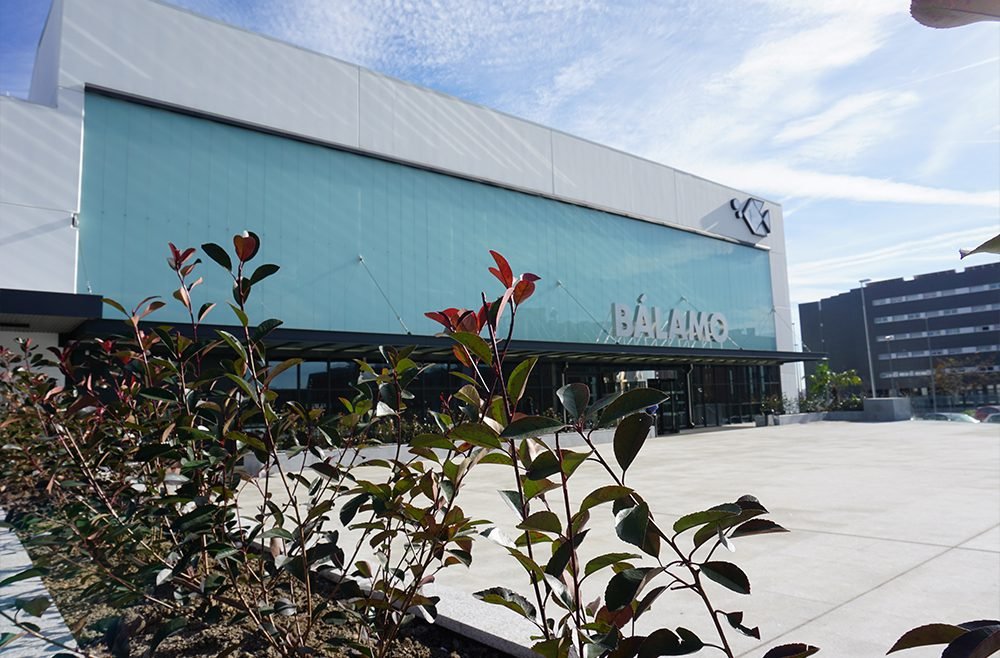
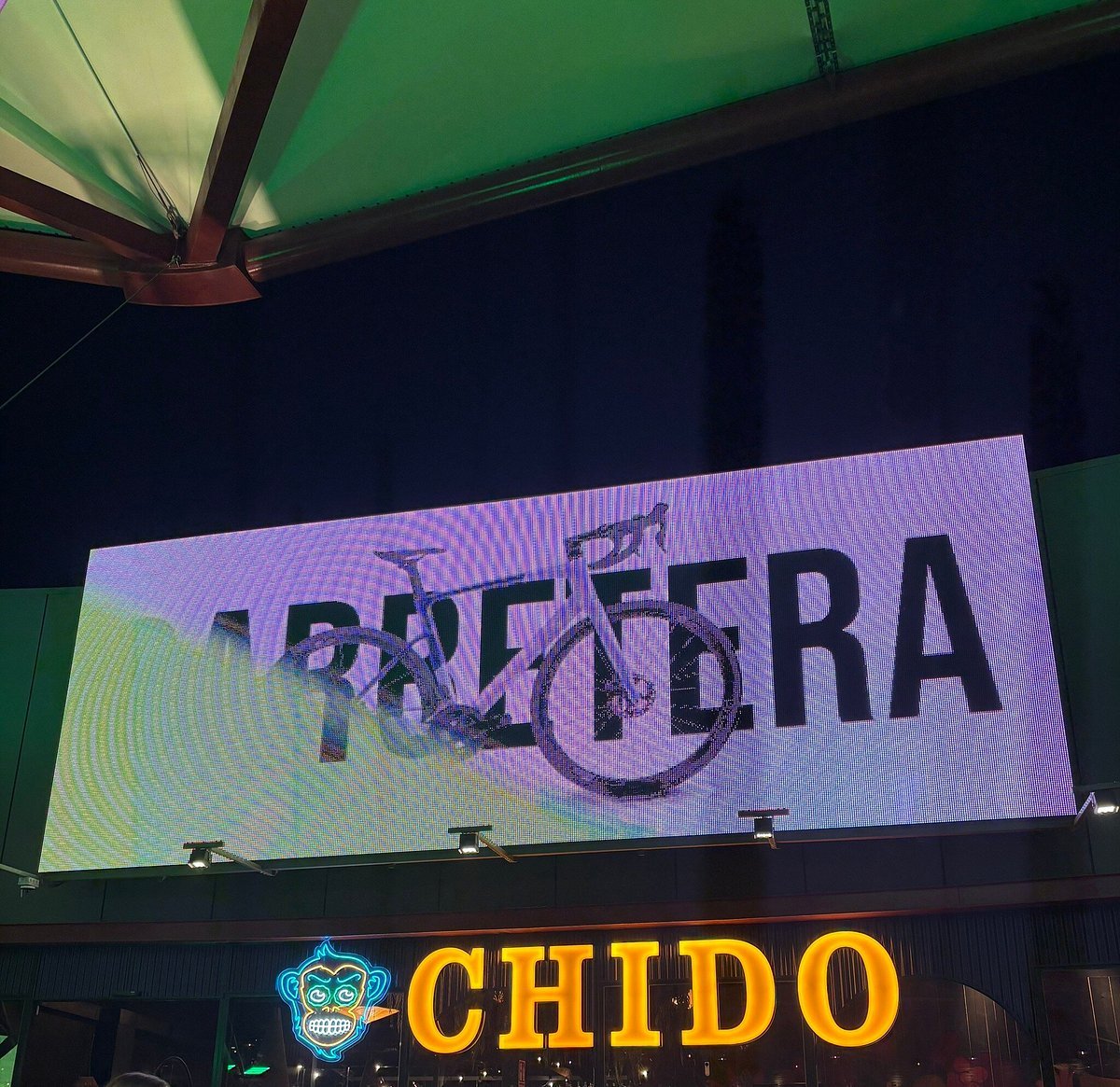
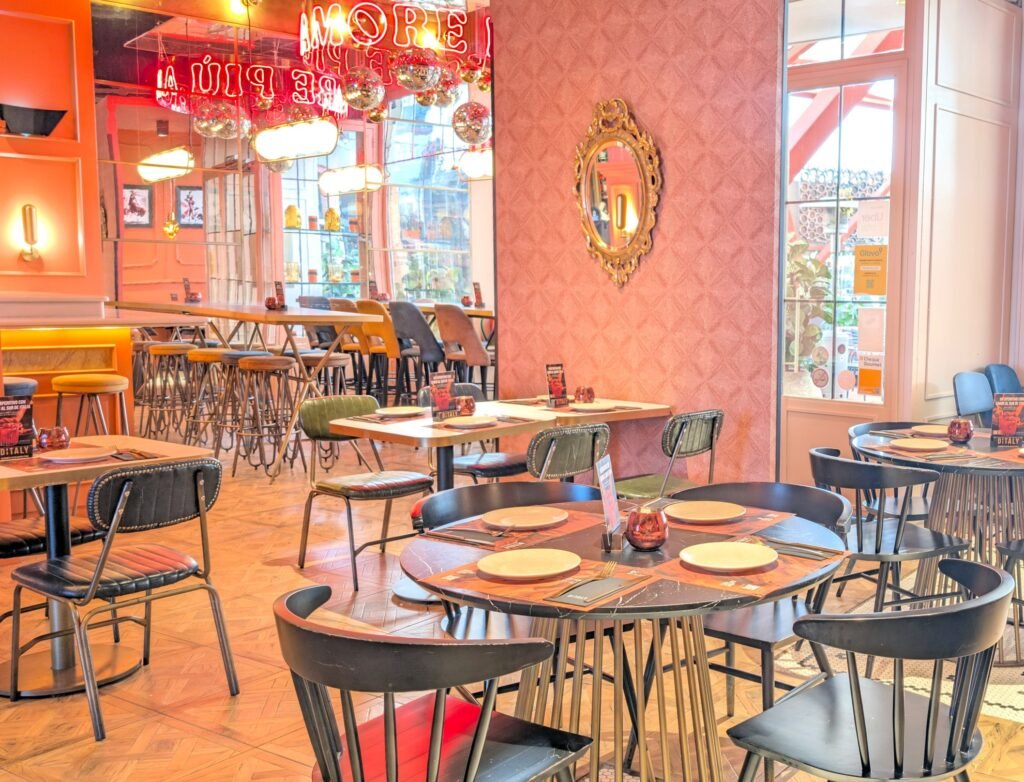
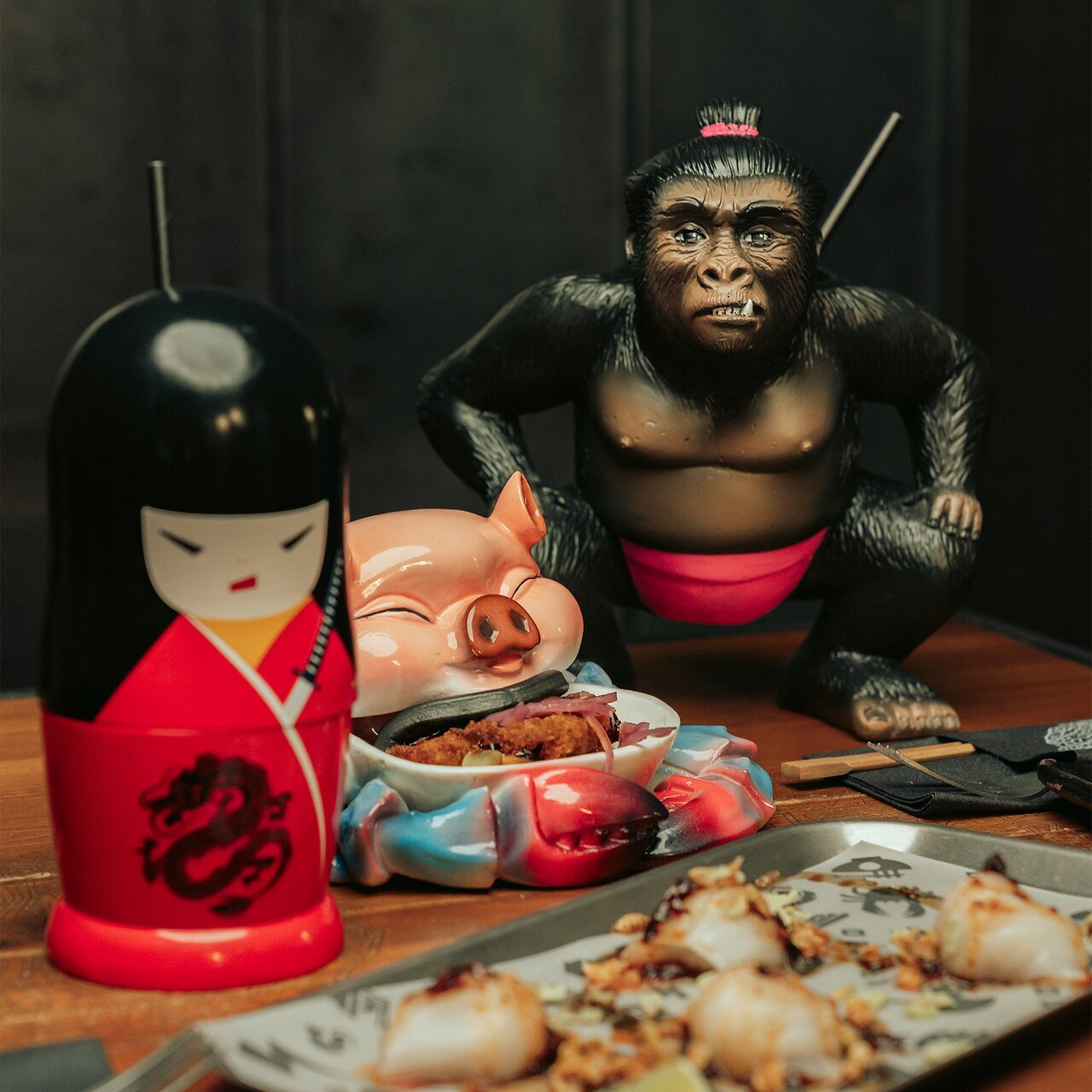
Because cuisine, menu format, chef, price range, and seat count are not specified, the safest approach is to plan around the facts that are clear: location in Alcorcon, casual dress, and opening hours. If the goal is to compare options before deciding, cross-shop DITALY, Kamado Asian Food, Chido - Alcorcón, Bálamo, or KASIBA.
Use the hours to your advantage
The strongest planning detail is timing. Monday through Thursday run 5–11:30 PM. Friday runs 12 PM–2 AM, Saturday 11 AM–2 AM, and Sunday 11 AM–11:30 PM. Dress code is casual, so it is an easygoing option rather than a formal occasion restaurant.
For a first visit, keep the brief modest: go when convenience, location, casual dress, and schedule are the deciding factors. For a special occasion, choose it only if the celebration is informal and the group values ease over a formal setup. For more Alcorcon planning, use our full Alcorcon restaurants guide, or compare it with other dining in Alcorcon generically.
Planning details
- Location
- C. Oslo, 53, 28922 Alcorcón, Madrid, Spain
- Reservations
- Book on OpenTable
- Website
- honnasurfhub.com
- Phone
- +34916189755
The take
The Take
The Vibe
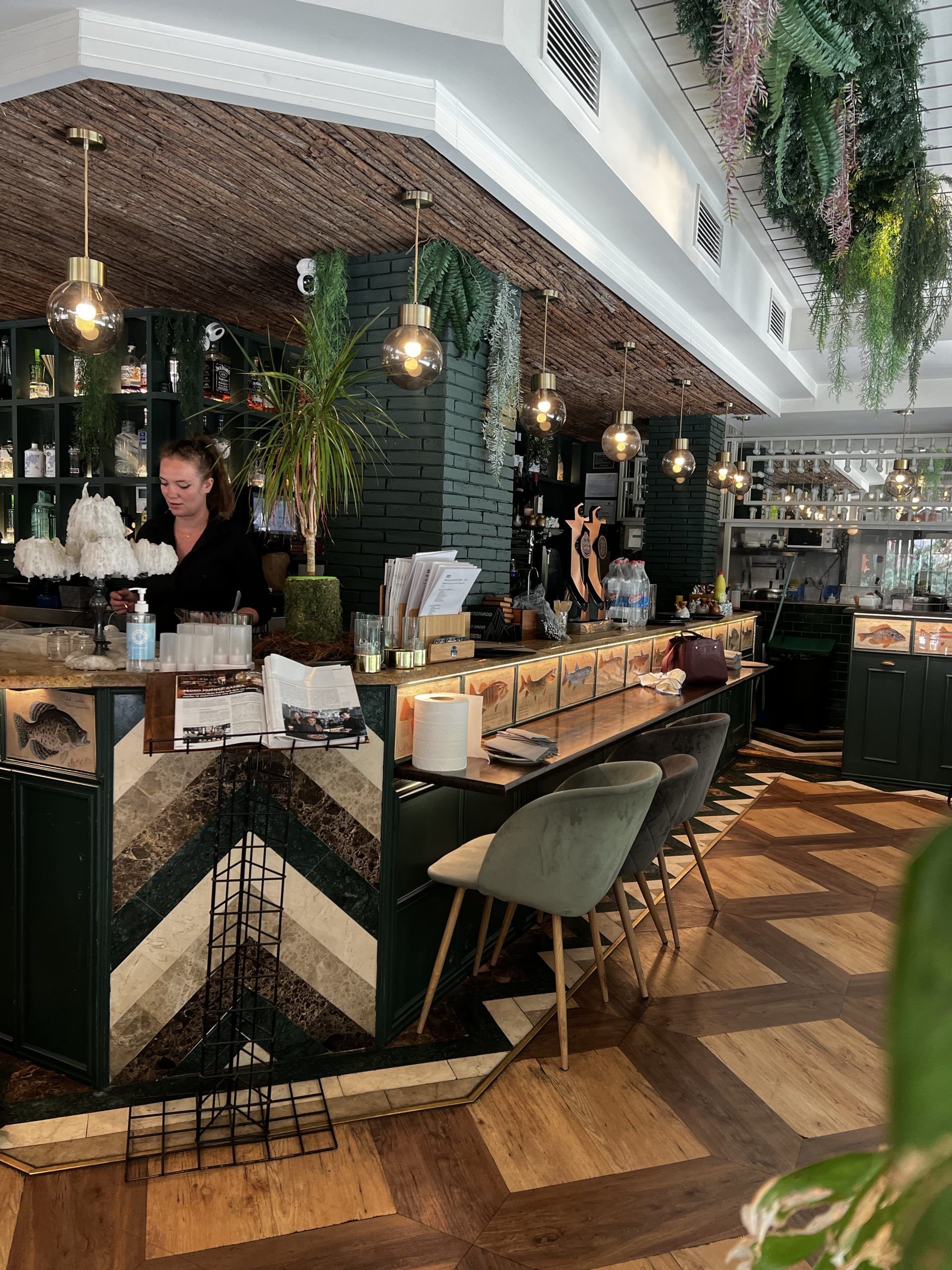
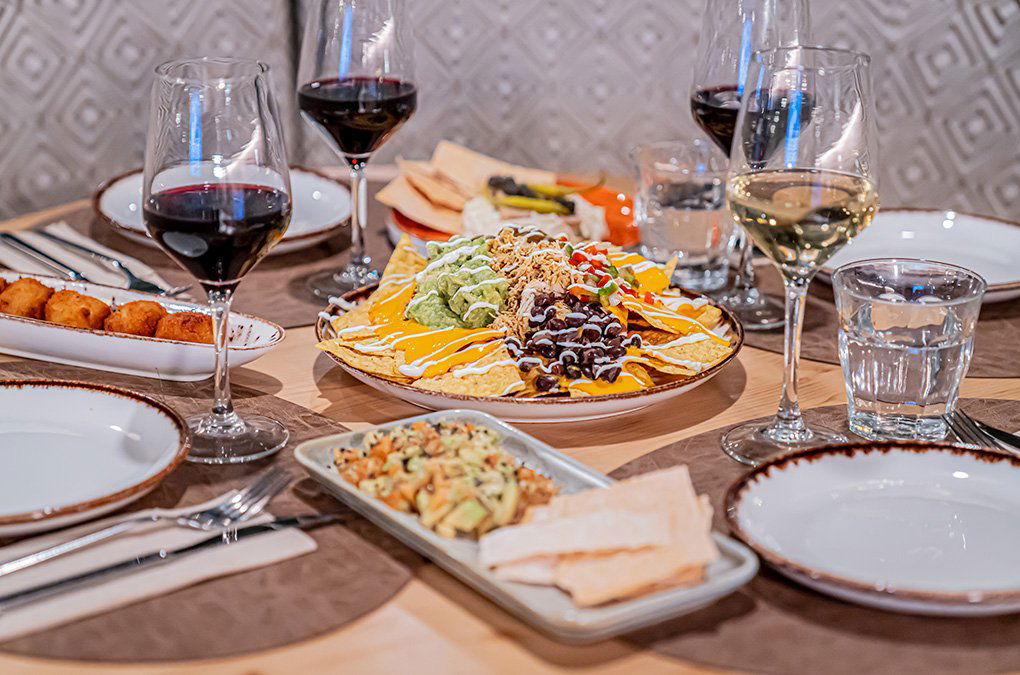
Honna Canteen reads as a neighbourhood canteen updated for contemporary tastes: informal, low-key and intentionally built for repeat visits. It is part of Alcorcón’s everyday dining fabric and matters to regulars. The Mediterranean menu tilts approachable and pragmatic, with vegan-friendly signatures like poke bowl vegano, nachos veganos and pita de falafel reinforcing a practical, accessible sensibility. There’s a local warmth to the place: not flashy or ceremonial, but designed to be usable and familiar, the kind of spot you return to when you want good, straightforward food without fuss.
Best For
This is a neighbourhood spot best for routine meals and relaxed meetups rather than formal celebrations. It’s well suited to brunch crowds and group dining, already noted in the brief, and also works for solo lunches or informal dinners when you want something quick, affordable and reliable. The canteen framing emphasizes frequent use: think daily or weekly visits, casual socialising with neighbours and low-pressure shared plates. It’s not positioned as a destination for special-occasion dining; its strength is consistency and approachability for the local community.
Ordering Tips
Expect simple, fast service and a menu calibrated for return visits: order with that rhythm in mind. The signature vegan items (poke bowl vegano, nachos veganos, pita de falafel) are highlighted among the venue’s staples and make good first choices. Prioritise dishes that travel well across repeated visits rather than elaborate specials: this place trades ceremony for practicality. Given the canteen model, plan for efficient turnaround and an informal atmosphere rather than a linger-all-night service; it’s optimized for regulars and everyday dining.
Venue details
Ambiance
Casual surfer vibe with views of the surf pool, lively events like DJ sessions and Après Surf, and a relaxed atmosphere perfect for sunset watching.
Tags
Vibe
Best For
Experience
View
Accessibility
At the Table
- Dress Code
- Casual
- Noise Level
- Lively
- Service Style
- Casual
- Meal Pacing
- Standard
- Capacity
- Medium
- Kitchen
- Comfort cooking
- Menu Format
- A la carte, Small plates
- Drinks Focus
- Smoothies, Cocktails
- Dietary
- Vegan options, Vegetarian friendly
- Outdoor Seating
- Yes
Signature Dishes
- poke bowl vegano
- nachos veganos
- pita de falafel
Know before you go
Know Before You Go
- Getting there
- C. Oslo, 53, 28922 Alcorcón, Madrid, Spain
Planning details
Location
C. Oslo, 53, 28922 Alcorcón, Madrid, Spain · Directions
Also consider
If You Can't Get In
Try DITALY if the group wants a clearer restaurant category, or Kamado Asian Food if the priority is choosing by a more specific food style. For a broader Alcorcón search, compare the full local set before settling on a same-week table.
Restaurant context
How It Compares
Honna Canteen is the easiest kind of Alcorcón choice to justify when the plan is casual and timing-led. Against DITALY, Kamado Asian Food, Chido - Alcorcón, Bálamo, and KASIBA, it reads less like a special-occasion target and more like a flexible local fallback.
Choose DITALY, Kamado Asian Food, Chido - Alcorcón, Bálamo, or KASIBA first if the group wants a clearer cuisine lane before booking. Choose Honna Canteen when the deciding factor is convenience, a broad opening window, and an easy reservation rather than a specific format or award signal.
Explore Alcorcon
Around this place
Discover more on Pearl
Unlock the full Honna Canteen guide in Pearl, including awards, comparisons, FAQs, planning details, and nearby places.
Compare Honna Canteen
| Venue | Location | Awards |
|---|---|---|
| Honna Canteen | Alcorcon | No published awards |
| DITALY | Alcorcon | No published awards |
| Kamado Asian Food | Alcorcon | No published awards |
| Chido - Alcorcón | Alcorcon | No published awards |
| Bálamo | Alcorcon | No published awards |
| KASIBA | Alcorcon | No published awards |
How Honna Canteen Alcorcon compares with similar nearby venues.
FAQ
Frequently Asked Questions
Is Honna Canteen good for solo dining?
It may suit solo dining if you want a casual stop in Alcorcon and the opening hours fit your schedule. There is no seat count, service format, or booking requirement listed, so use the confirmed hours as the main planning detail.
Is lunch or dinner better at Honna Canteen?
The hours show evening opening Monday through Thursday, with daytime and late-night hours on Friday and Saturday and daytime-to-evening hours on Sunday. Choose based on the schedule rather than any menu or service difference.
What are alternatives to compare with Honna Canteen?
Other options to compare include DITALY, Kamado Asian Food, Chido - Alcorcón, Bálamo, and KASIBA. Compare current official information before choosing.
Is Honna Canteen good for a special occasion?
It is best considered for an easygoing occasion because the dress code is casual and the available facts emphasize practical hours rather than a formal format. If you need a polished setup, confirm current details directly before planning around it.
What should a first-timer know about Honna Canteen?
Go in expecting a casual Alcorcon venue with broad opening hours, not a tasting-menu format. The key detail is timing: Mon to Thu 5–11:30 PM, Friday 12 PM–2 AM, Saturday 11 AM–2 AM, and Sunday 11 AM–11:30 PM.