.png?width=1200&quality=80)
Le Rocher Blanc
Modern Cuisine · Albaret-Sainte-Marie
Restaurant in Albaret-Sainte-Marie, France
 Book with Pearl
The Read
Margeride Terrain Cooking
Price
$30–50per person
Dress
Smart Casual
Why go
Le Rocher Blanc is the value-first modern-cuisine pick in Albaret-Sainte-Marie: Michelin Plate recognition, a € price tier, and a practical fit for travellers who want a credible meal without choosing a higher-priced occasion restaurant. Treat it as a dine-in booking rather than a takeout plan, since off-premise details are not part of the useful decision case.
About Le Rocher Blanc
Le Rocher Blanc is a practical Albaret-Sainte-Marie option for diners who want modern cuisine at a € price point. Its Michelin Plate recognition for 2025 gives it a clear quality signal, while the smart-casual dress code keeps expectations direct rather than overly formal.
For a first-timer, the decision is simple. Consider Le Rocher Blanc if the goal is a lower-cost modern-cuisine meal in Albaret-Sainte-Marie with Michelin Plate recognition. If you are comparing it with another named option, Le Théophile - Château d'Orfeuillette is a natural point of reference. For the broader local picture, use our full Albaret-Sainte-Marie restaurants guide alongside your wider trip planning.
A value-first modern-cuisine choice, not the splurge play
The Michelin Plate matters here because it gives Le Rocher Blanc a recognition point without changing the basic value proposition: modern cuisine, € pricing, and smart-casual dress. That makes it useful for diners who want a credible meal without building the whole occasion around a high-spend restaurant experience.
Information regarding takeout, delivery, specific menus, signature dishes, seating style, or dietary accommodations is not provided. It is best to confirm directly with the restaurant before you go if any of those details are important to the plan. The safest expectation is a modern-cuisine meal in Albaret-Sainte-Marie, rather than making assumptions about format or service.
Le Rocher Blanc's usefulness comes from clarity: modern cuisine, € price tier, smart-casual dress, and Michelin Plate recognition. Do not go expecting extensive ceremony, a named chef-led narrative, or a heavily documented signature-dish experience unless you have confirmed those details directly. Choose it for a credible meal at a gentler price point.
How to choose it against other options
Against Le Théophile - Château d'Orfeuillette, Le Rocher Blanc is best understood through its core offerings: modern cuisine, € pricing, smart-casual dress, and Michelin Plate recognition. If price and a Michelin signal are the main factors, Le Rocher Blanc is easy to put on the shortlist.
Folie des Sens, La Gabale, and Sodade can also be useful names to compare when planning a meal in the area. Information on their menus, settings, or pricing is not available, so it is best not to overstate the differences. Use Le Rocher Blanc when its mix of modern cuisine, € pricing, and Michelin Plate recognition fits the occasion, then check the other venues directly for current details.
For broader planning around the town, the local guide can help separate the meal from the rest of the itinerary. If you are comparing modern-cuisine stops more widely, keep the comparison grounded in specific information rather than assuming similar menus, service styles, or price points across different restaurants.
Planning details
- Location
- 48200 Albaret-Sainte-Marie, France
The take
The Take
The Vibe
Le Rocher Blanc reads like a restaurant that belongs to its place. Set on the Margeride plateau in a very small village, the dining room feels defined by the moorland, cattle pastures and the short growing season that shape the menu. The cooking balances regional tradition and contemporary technique: you get the gravity of classic Margeride proteins alongside a kitchen that treats scarcity as an editorial principle. With Michelin Plate recognition in the 2025 guide, the restaurant presents an unflashy, landscape-rooted charm—scenic and classic rather than metropolitan—making the room feel quietly consequential rather than trendy.
Best For
This is a destination for diners who want to experience food that is true to a place rather than a style. It suits date nights and special occasions for people willing to travel into the Margeride for dinner and a pronounced sense of terroir. The village setting and the focus on local beef, lamb and small-scale agriculture create an intimate, intentional meal experience: you go for the provenance and the kitchen’s response to what the plateau produces. Michelin Plate recognition signals reliability without the formality of a starred dining ritual.
Ordering Tips
Let the region guide your choices. The description emphasizes the Margeride’s protein traditions—particularly beef and lamb—and explains that the menu answers to what local producers can supply in a short growing season. Opt for dishes that highlight those animals and seasonal produce, and expect preparations that either honor classic regional approaches or apply a contemporary technical lens. The kitchen’s Michelin Plate status suggests consistency, and the note about an accessible price range means you can explore mains that showcase local sourcing without anticipating a high-end price tag.
Venue details
Ambiance
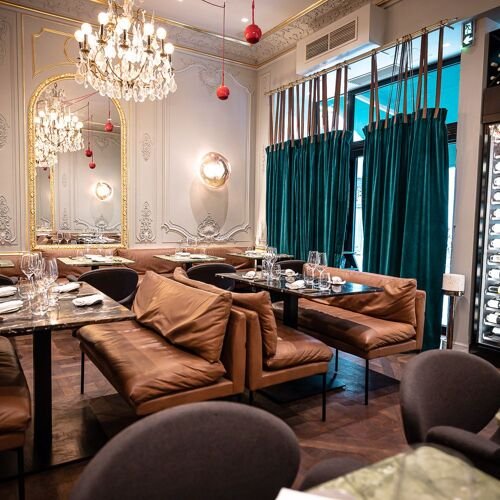
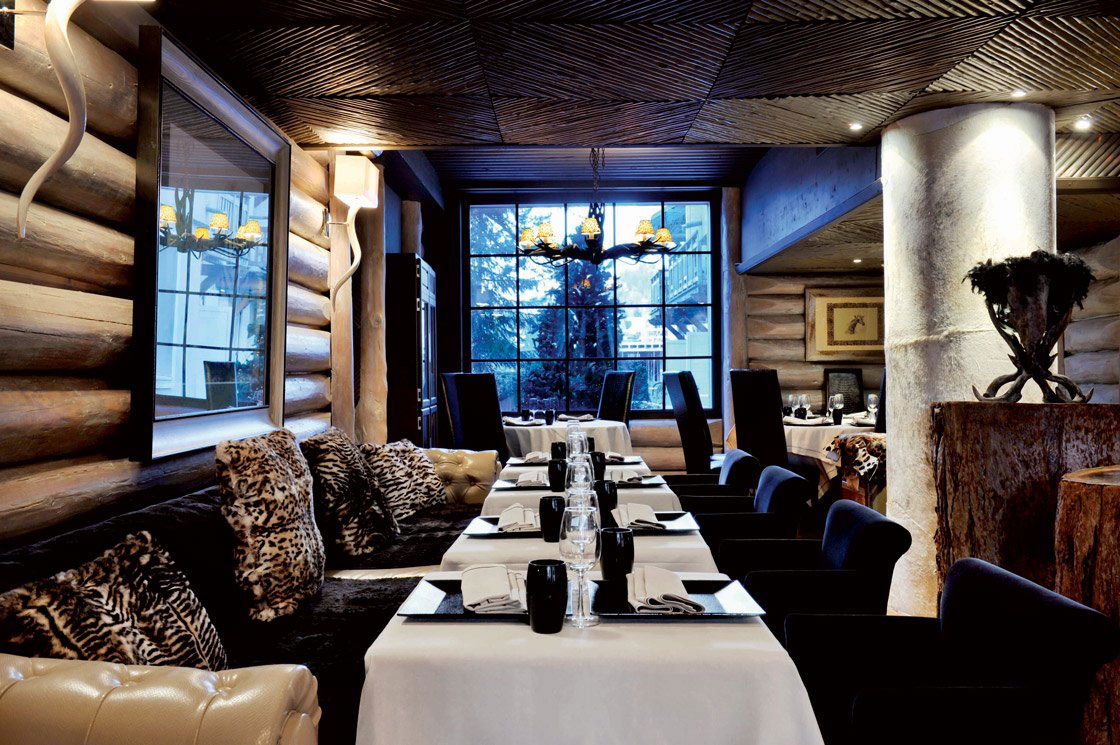
Warm, cozy atmosphere with tasteful, original, and atypical decor creating a haven of peace.
Tags
Vibe
Best For
Experience
Sourcing
At the Table
- Dress Code
- Smart Casual
- Noise Level
- Quiet
- Service Style
- Upscale Casual
- Meal Pacing
- Leisurely
- Capacity
- Small
- Kitchen
- Seasonal
- Menu Format
- A la carte
- Wine Program
- Curated
- Dietary
- Vegetarian friendly, Vegan options
Know before you go
Know Before You Go
- Getting there
- 48200 Albaret-Sainte-Marie, France
Planning details
Location
48200 Albaret-Sainte-Marie, France · Directions
Recognition and awards
Also consider
Where to look if this is full
Start with Folie des Sens if the priority is staying in the same € price band. It is the most practical substitute for a modern-cuisine meal at similar spend.
Choose Le Théophile - Château d'Orfeuillette if the meal needs more sense of occasion and the higher €€ tier is acceptable. La Gabale and Sodade are also better fits when dinner is the main plan rather than a value stop.
Restaurant context
How It Compares
Le Théophile - Château d'Orfeuillette is the more occasion-led choice in Albaret-Sainte-Marie, with a €€ price tier and a setting that makes more sense for a special dinner. Le Rocher Blanc is the better value play: same broad modern-cuisine category, lower price tier, and easier to justify for a first meal in town.
La Gabale and Sodade both sit at €€, so choose them when the budget is built around dinner as the main event. Le Rocher Blanc is better for a lower-key meal where Michelin Plate recognition is enough of a quality signal and the bill matters.
Folie des Sens is the closest value comparison because it also sits at €. If Le Rocher Blanc is not available, Folie des Sens is the cleanest same-budget alternative; if the night calls for more atmosphere or a higher-spend occasion, move up to Le Théophile - Château d'Orfeuillette instead.
Explore Albaret-Sainte-Marie
Around this place
Discover more on Pearl
Unlock the full Le Rocher Blanc guide in Pearl, including awards, comparisons, FAQs, planning details, and nearby places.
Compare Le Rocher Blanc
| Venue | Location | Cuisine | Awards | Price |
|---|---|---|---|---|
| Le Rocher Blanc | Albaret-Sainte-Marie | Modern Cuisine | 2025 Michelin Plate | € |
| Le Théophile - Château d’Orfeuillette | Albaret-Sainte-Marie | Modern Cuisine | Michelin Guide France & Monaco 20262025 Michelin Plate2024 Michelin Plate | €€ |
| Le Rocher Blanc | La Garde | Modern Cuisine | 2024 Michelin Plate | € |
| La Gabale | Aumont-Aubrac | Modern Cuisine | 2025 Michelin Bib Gourmand2024 Michelin Bib Gourmand | €€ |
| Folie des Sens | Saint-Flour | Modern Cuisine | Michelin Guide France & Monaco 20262025 Michelin Plate2024 Michelin Plate | € |
| Sodade | Chaudes-Aigues | Modern Cuisine | Michelin Guide France & Monaco 20262025 Michelin Bib Gourmand2024 Michelin Bib Gourmand | €€ |


How Le Rocher Blanc Albaret-Sainte-Marie compares with similar nearby venues.
FAQ
Frequently Asked Questions
Does Le Rocher Blanc handle dietary restrictions?
Ask directly when you book. It offers modern cuisine, € pricing, smart-casual dress, and a Michelin Plate in 2025, but specific dietary accommodations are not specified.
What are alternatives to compare with Le Rocher Blanc?
Le Théophile - Château d'Orfeuillette, La Gabale, Folie des Sens, and Sodade are useful names to compare when planning in the area. Le Rocher Blanc stands out for modern cuisine, € pricing, smart-casual dress, and Michelin Plate recognition.
Is Le Rocher Blanc worth the price?
It can be, if you are looking for modern cuisine in Albaret-Sainte-Marie at a € price point with Michelin Plate recognition. The value case is strongest when its offerings match what you want from the meal.
Is Le Rocher Blanc good for solo dining?
Its € price point makes it a low-commitment option to consider, but solo-dining setup and seating details are not specified. If seating style matters, check directly before booking.
What should I order at Le Rocher Blanc?
No signature dish or current menu item is specified. Use the cuisine style as your guide: expect modern cuisine, then choose from the current menu on the day or ask the restaurant for its recommendation.