

Tabelog 100 - Okonomiyaki - 2025: Japan’s Finest Okonomiyaki
Tabelog 100 (Hyakumeiten) Okonomiyaki selection for 2025. Tabelog publishes these as source-ordered lists of 100 restaurants.

Venues on this list
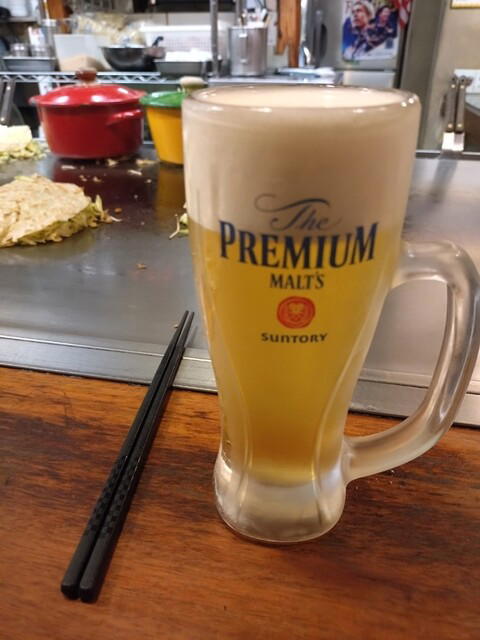
LOPEZ
Hiroshima, Japan
Counter-service okonomiyaki shop near Yokogawa Station, named to Tabelog's 100 Best Okonomiyaki list since 2019. The 17-seat counter serves Hiroshima-style savory pancakes and teppanyaki at JPY 2,000–2,999 (dinner), no reservations accepted. Open weeknights only; closed weekends. Walk-ins welcome.
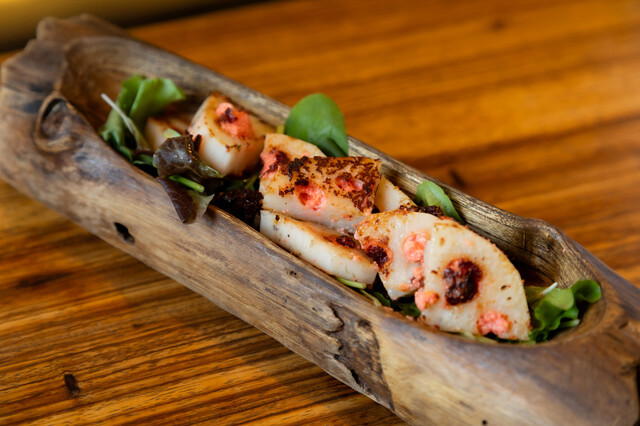
NIKUTAMA Yokogawa hiroshima honten
Hiroshima, Japan
Tabelog Okonomiyaki 100 (2025) teppan kitchen in Yokogawa serving farm-vegetable okonomiyaki with natural wines since October 2022. Expect JPY 4,000–4,999 dinners, a 12-seat counter plus one loft table, and Shinshu-apple house sauce lighter than downtown standards. Families welcome; reservations recommended weekends.
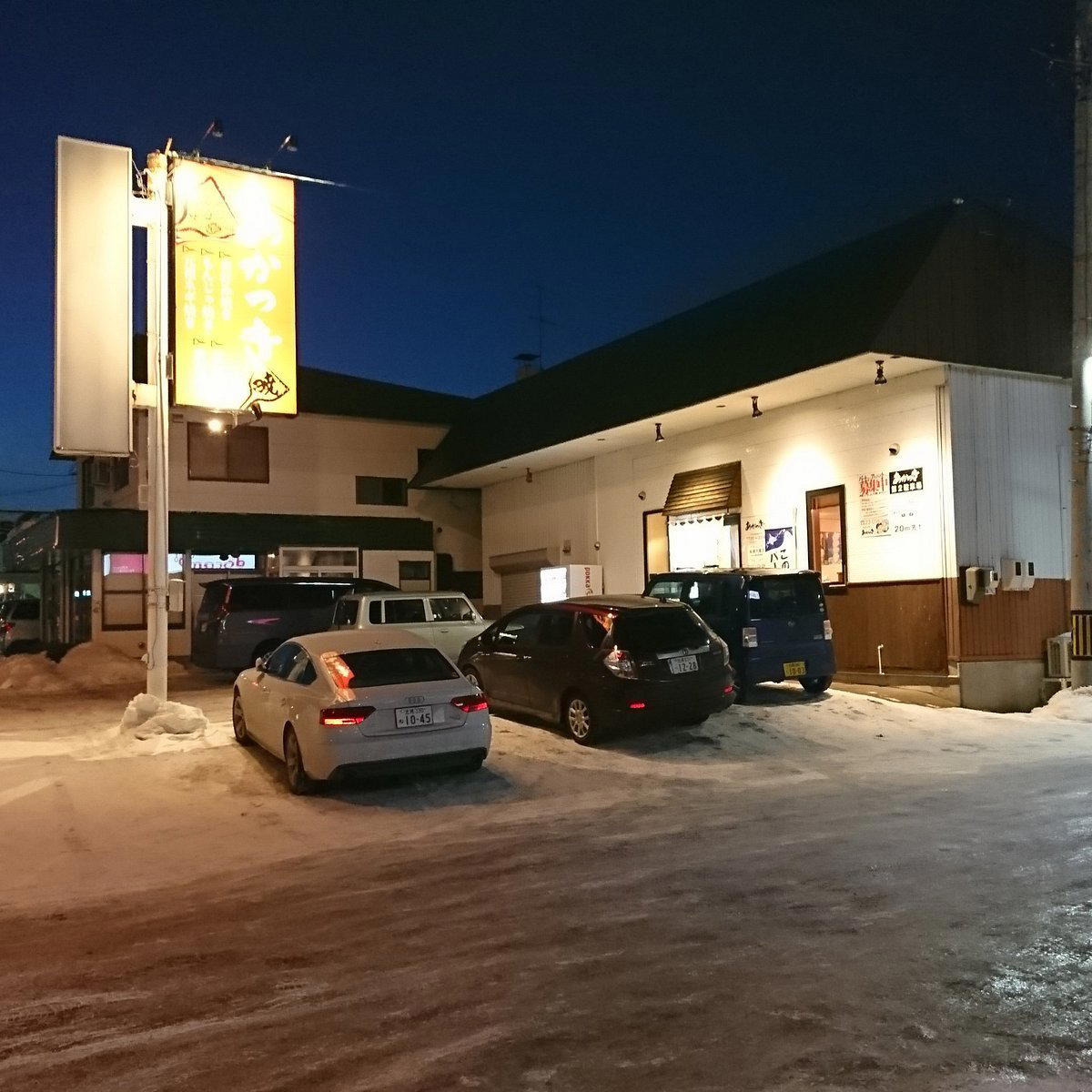
Akatsuki
Kitami, Japan
Akatsuki earned Tabelog 100 Okonomiyaki 2025 recognition for its okonomiyaki, monjyayaki, and teppanyaki execution in Kitami, a city with few nationally recognized dining options. Lunch (JPY 1,000–JPY 1,999) offers better value than dinner (JPY 6,000–JPY 7,999), and the venue's parking and accessible location make it practical for car-dependent eastern Hokkaido travelers.
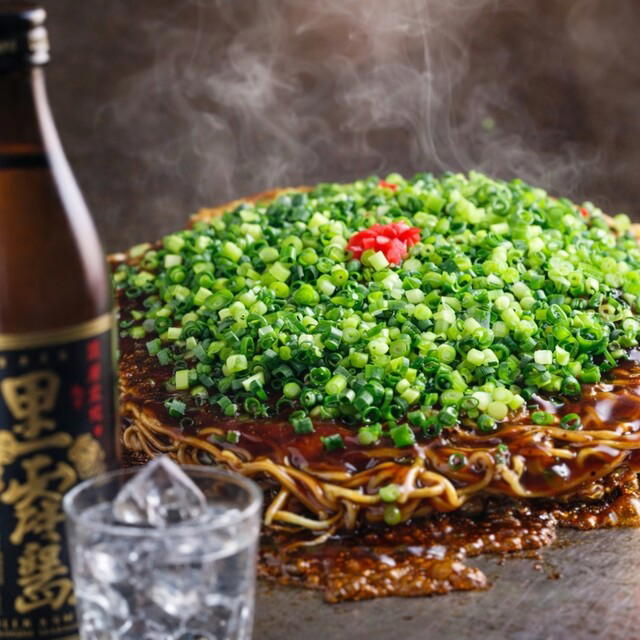
Hiroshima Okonomiyaki Kokoya
Shimonoseki, Japan
Tabelog 100 Okonomiyaki honoree since 2022, serving Hiroshima-style okonomiyaki at JPY 1,000–1,999 per head. Solo chef, phone-only reservations, 22 seats. Better value than Hiroshima city peers, though peak-hour waits can stretch. Book early or arrive by 6 PM.
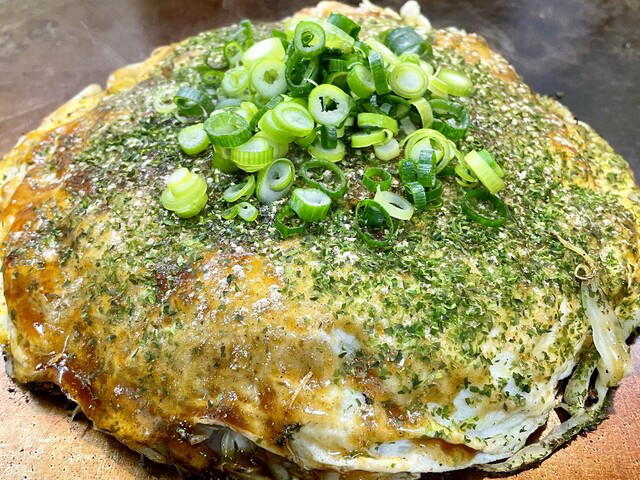
Non Non
Hiroshima, Japan
A 20-seat okonomiyaki counter in Hiroshima's Danbaraminami district, recognized six times on Tabelog's national Okonomiyaki 100 list (2018, 2022–25). Lunch runs JPY 1,000–1,999, with weekday service closing once ingredients sell out. Counter and tatami seating accommodate solo diners, families, and groups up to twenty.
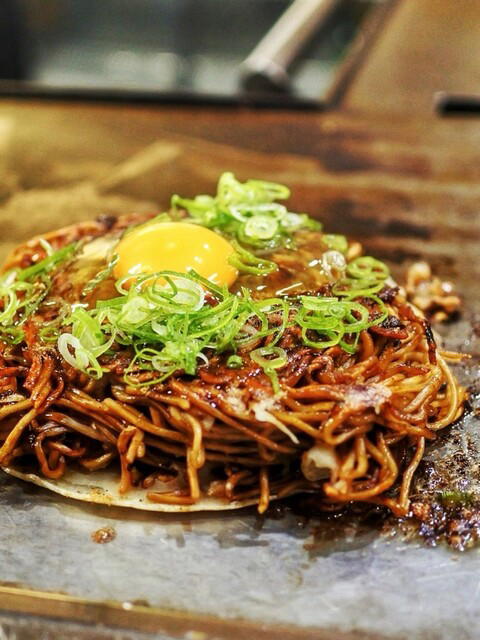
Yamamoto Mambo
Kyoto, Japan
Tabelog 100 okonomiyaki near Kyoto Station (2022–2025), priced JPY 1,000–1,999 per person. Family-friendly, cash-only, reservations weekdays only. Rooted in a 1948 operation, relocated 2020. Counter and table seating for 23; walk-ins accepted weekends but fill fast.
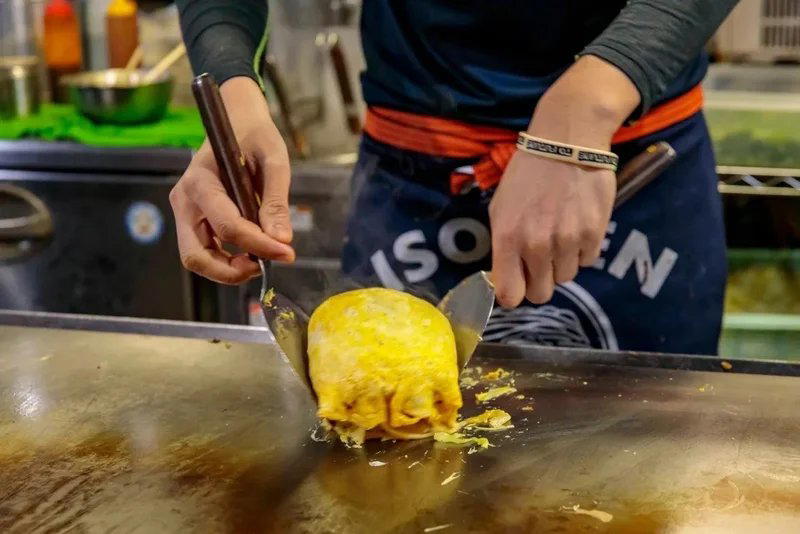
Denkou Sekka Ekie hiroshima ten
Hiroshima, Japan
Tabelog Okonomiyaki 100 selection (2023–2025) inside Hiroshima Station's ekie complex, serving layered Hiroshima-style okonomiyaki at JPY 1,000–1,999 with counter seating, no-reservation walk-in access, and multilingual menus. Ideal for travelers prioritizing convenience and Tabelog-validated quality over atmospheric neighborhood shops.
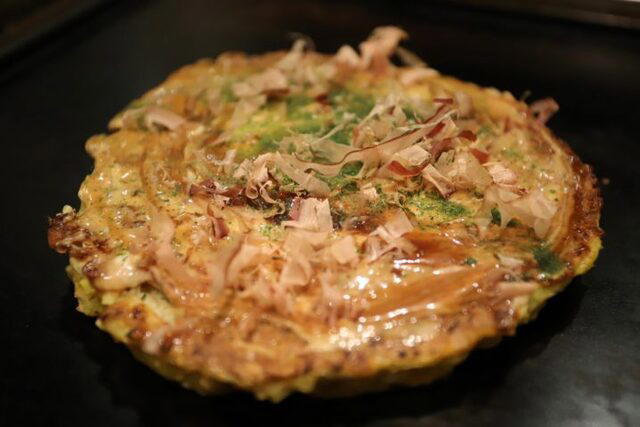
Okonomiyaki Dan
Osaka, Japan
A Tabelog Okonomiyaki 100 counter near Namba Station serving griddle-cooked pancakes from 5 PM to 4 AM six nights a week. The format is simple; counter seating, cook-it-yourself or staff-executed, JPY 1,000–1,999 per head; and the late hours make it a practical choice when most Osaka restaurants have closed. Technique and consistency earn the recognition rather than innovation or luxury ingredients.
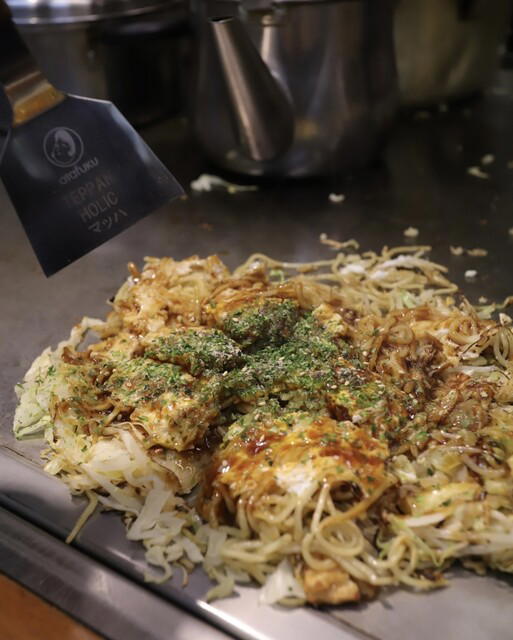
Hiroshima Okonomiyaki Hiro
Kumamoto, Japan
A 16-seat counter in Kumamoto's Motoyama neighborhood serving Hiroshima-style okonomiyaki at JPY 1,000–1,999, with four consecutive Tabelog 100 selections (2022–2025) backing its technical consistency. No reservations, cash or electronic payment only, and a brisk, family-friendly energy best suited to solo diners and pairs who arrive off-peak.
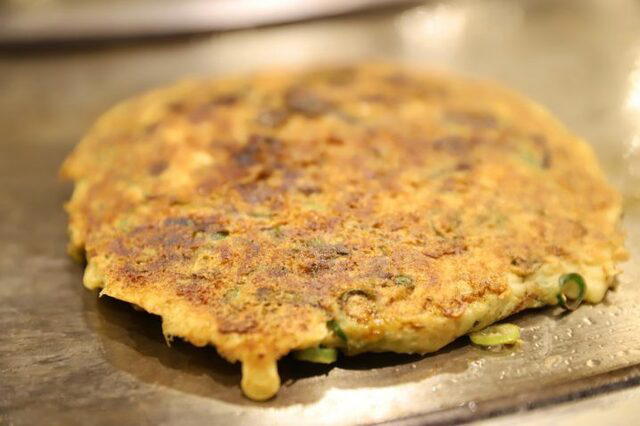
Negiyaki Yamamoto Honten
Osaka, Japan
Counter-only negiyaki specialist in Juso with Tabelog 100 recognition since 2018, offering green-onion-forward griddle pancakes at JPY 2,000 to JPY 2,999 per person. No reservations accepted; expect queues during peak lunch and dinner hours, but faster turnover than most award-listed spots in Osaka.
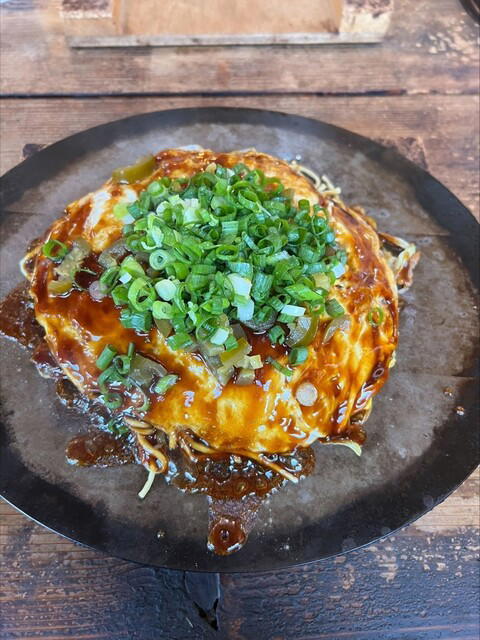
Jidan
Hiroshima, Japan
Tabelog 100 okonomiyaki shop in eastern Hiroshima where the five-seat teppan counter delivers front-row access to precise layering technique. Lunch runs under JPY 2,000, dinner under JPY 1,000, but service windows span just 90 minutes each and reservations fill quickly. Worth the residential-area trip for purists prioritizing execution and value over downtown convenience.
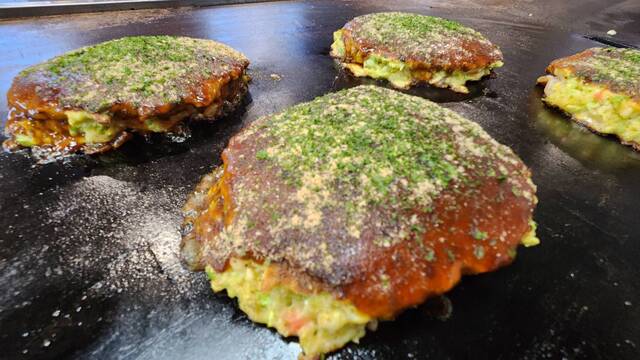
Okonomiyaki Hiranoya
motofuchuumachi, Japan
A five-time Tabelog 100 okonomiyaki specialist in Nanao, Ishikawa, known for ingredient sourcing and a 100+ item menu. Lunch runs JPY 1,000–1,999, dinner JPY 2,000–2,999. Book 3–5 days ahead for weekday slots, 7–10 days for weekend evenings. Counter seats offer griddle views; tatami rooms accommodate groups up to 50.
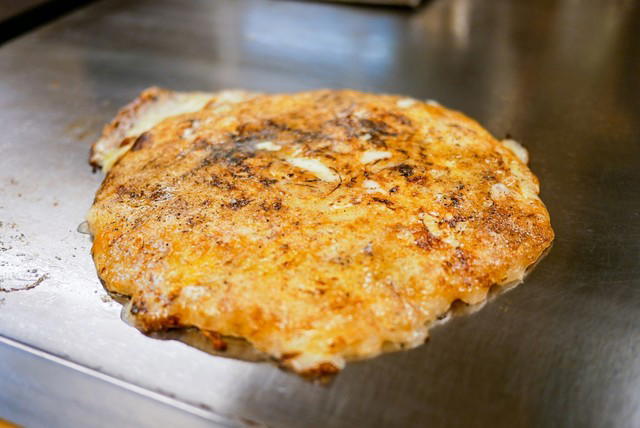
Tenteko Mukonosou ten
Amagasaki, Japan
Tenteko Mukonosou ten in Amagasaki delivers Tabelog 100-recognized okonomiyaki at JPY 3,000-3,999 per dinner, with weekend lunch dropping to JPY 1,000-1,999. The 16-seat counter-and-table space prioritizes technical precision over atmosphere, making it a worthwhile detour for okonomiyaki specialists willing to travel five minutes from Mukonoso Station. Reservations accepted; cash or PayPay only.
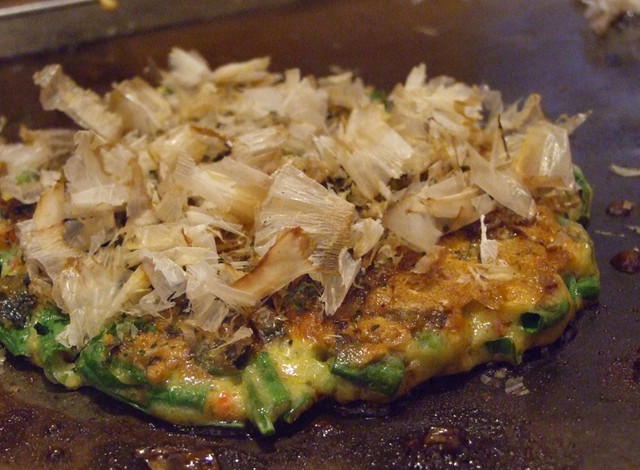
Sogetsu
Osaka, Japan
Tabelog 100 Okonomiyaki spot near Ogimachi Station with semi-private booths and JPY 1,000–JPY 1,999 pricing. Eight years of recognition signal consistent Osaka-style pancake execution, though cash-only policy and early close (8:30 PM weekdays) narrow the booking window. Walk-ins work for weekday lunch; dinner reservations cap at 7 PM arrivals.
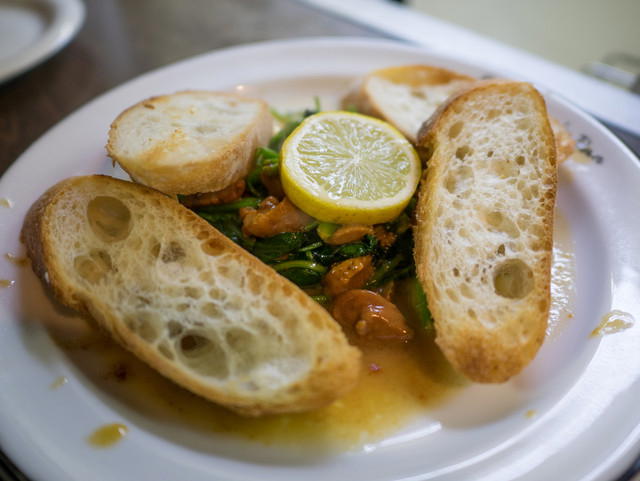
Hiroshima Marukajiri Naka-chan
Hiroshima, Japan
Tabelog Okonomiyaki 100 selection since 2019, this Naka Ward address runs JPY 6,000–7,999 per head and seats 28 across counter, tatami, and a six-person private room. The kitchen flags fish as a specialty, layering seafood toppings into Hiroshima-style pancakes with noodles and cabbage stacked rather than mixed. Reservations open for up to eight diners; book two weeks ahead for weekend slots.
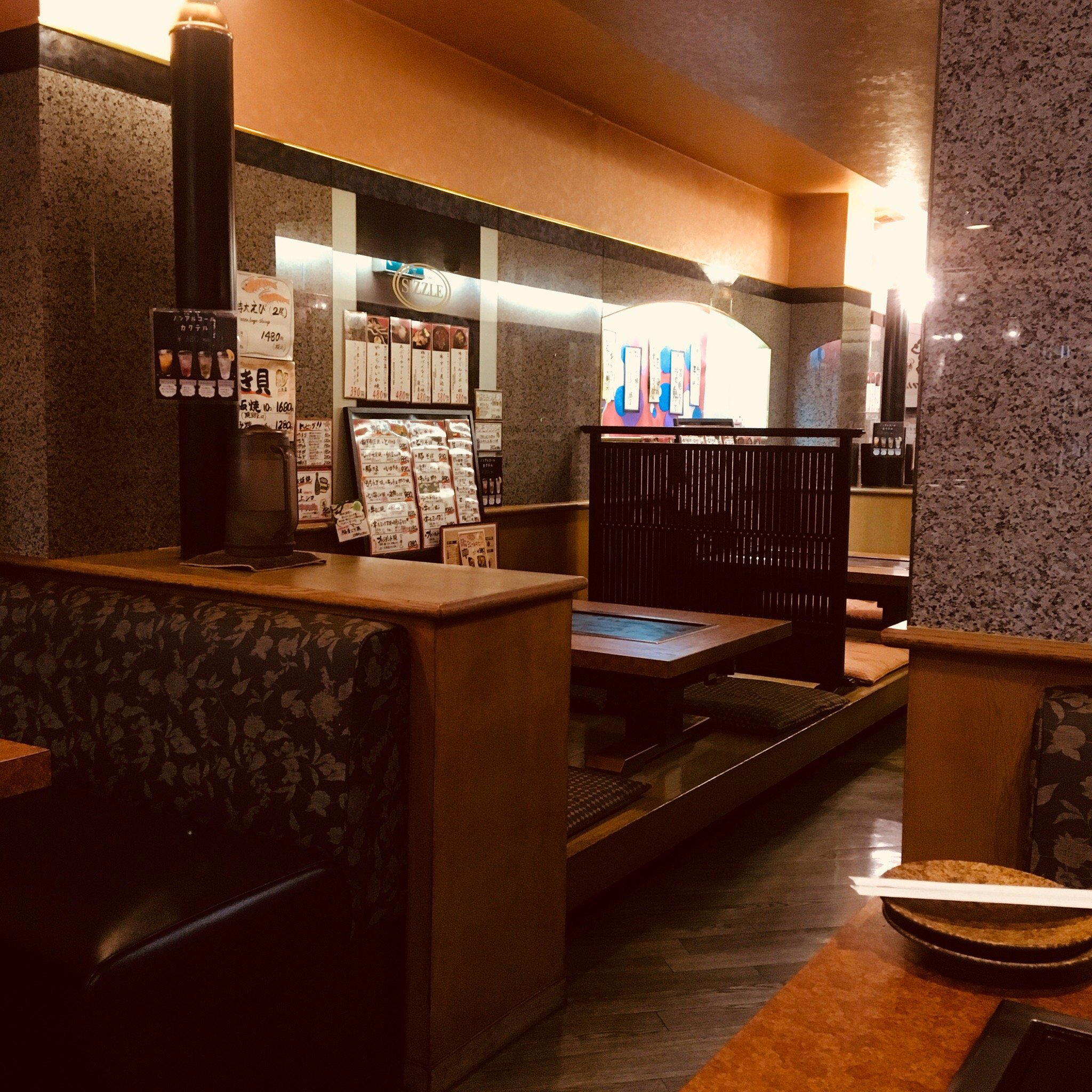
Kyo Gion Negiyaki Kona
Kanazawa, Japan
Book Kyo Gion Negiyaki Kona when the plan calls for casual okonomiyaki rather than a formal Kanazawa dinner. Its Opinionated About Dining Casual in Japan recognition gives it credibility, but the real value is flexibility: an easy, griddle-led meal that works well between higher-pressure reservations.
Okonomiyaki Chitose
Osaka, Japan
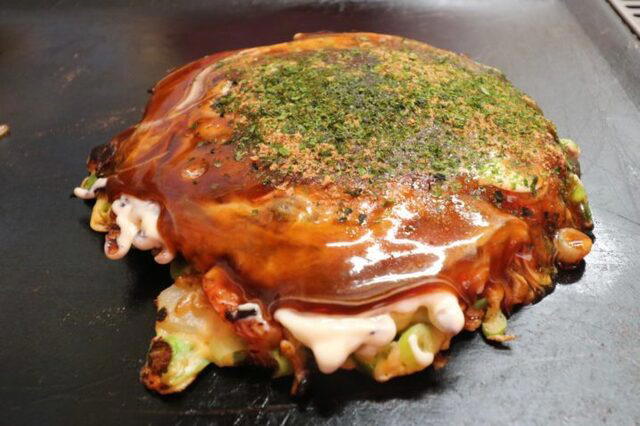
A no-frills okonomiyaki counter in Nishinari Ward, open since 1959 and on Tabelog's Okonomiyaki 100 list every year since 2022. Walk-in only, JPY 1,000–1,999 price range, and a 12-seat setup where you watch the griddle work. No reservations, no photos, no polish; just ingredient discipline and technique at one of Osaka's most accessible award-winning meals.
Okonomiyaki Imari Ebisu
Tokyo, Japan
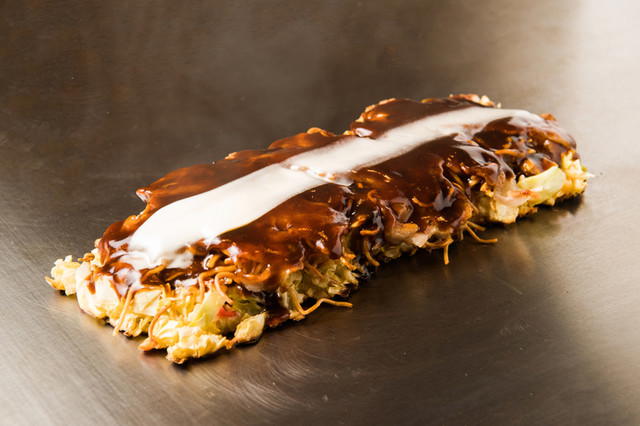
A Tabelog 100 okonomiyaki specialist in Ebisunishi since 2013, recognized for consistent execution at JPY 4,000–4,999. Easy reservations, takeout available, and family-friendly seating make it a practical choice for repeat visits without splurge-tier pricing.
Hiroshima-fu Okonomiyaki Kacchan
Miyazaki, Japan
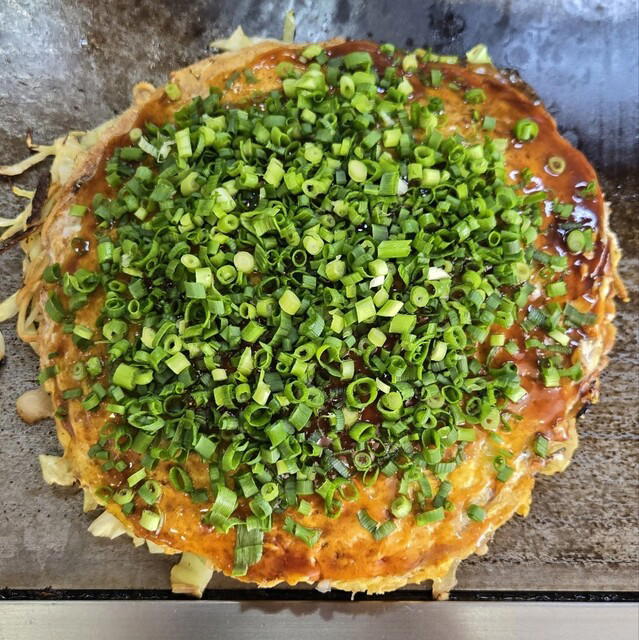
Hiroshima-style okonomiyaki specialist in Miyazaki, named to Tabelog's Okonomiyaki 100 four years running. Lunch runs JPY 1,000–1,999, dinner under JPY 1,000. The 16-seat tatami room serves layered pancakes with shochu and modest wine pairings. Book for a budget-friendly alternative to Miyazaki's higher-priced chicken and beef specialists.
Okonomiyaki Kiji
Osaka, Japan
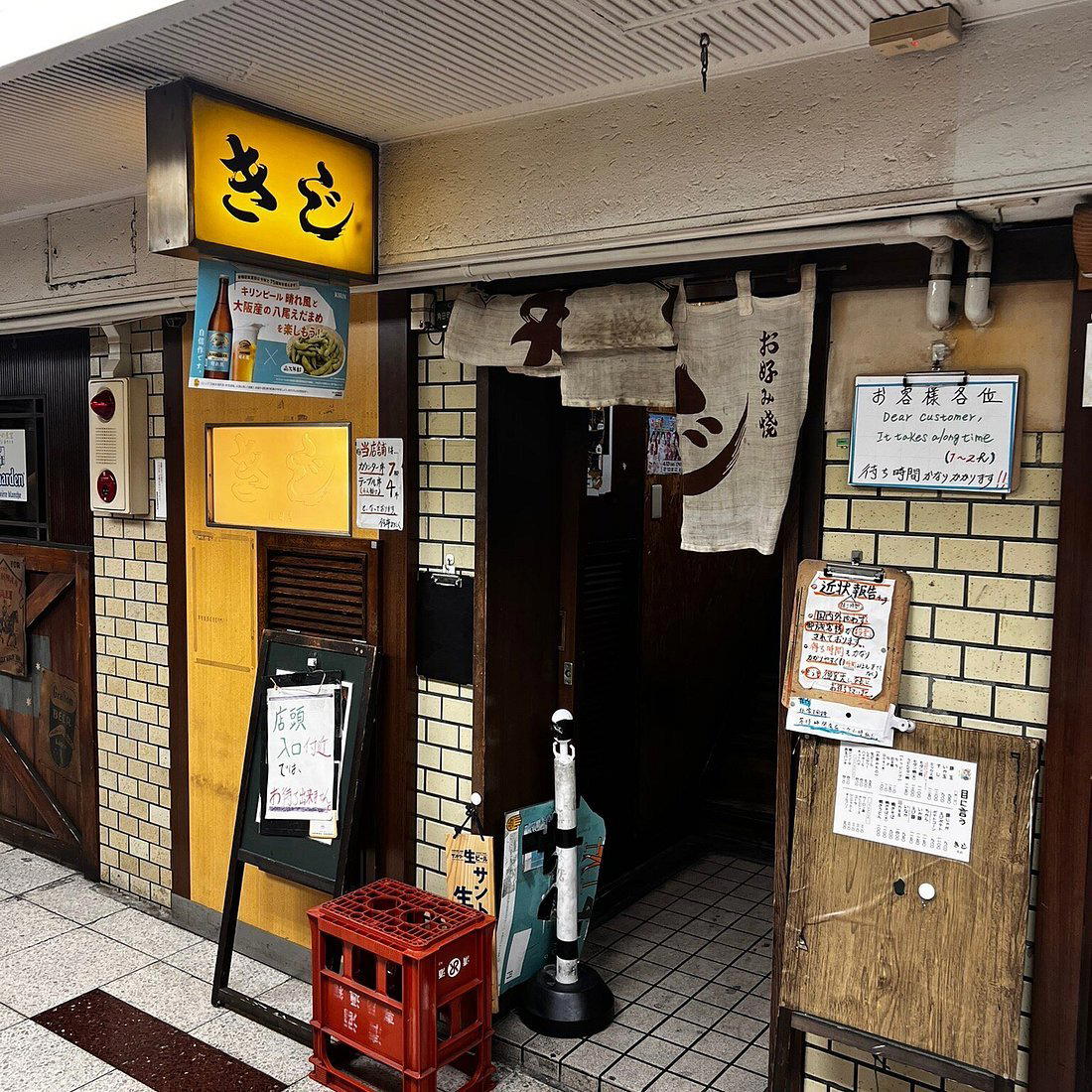
Book Okonomiyaki Kiji when the goal is a casual Osaka okonomiyaki meal, not a formal dinner or wine-led night. It is strongest as an Umeda-area lunch or low-friction dinner, especially for solo diners and pairs who want the category without turning the meal into the whole evening.
Okonomiyaki Omoni Honten
Osaka, Japan
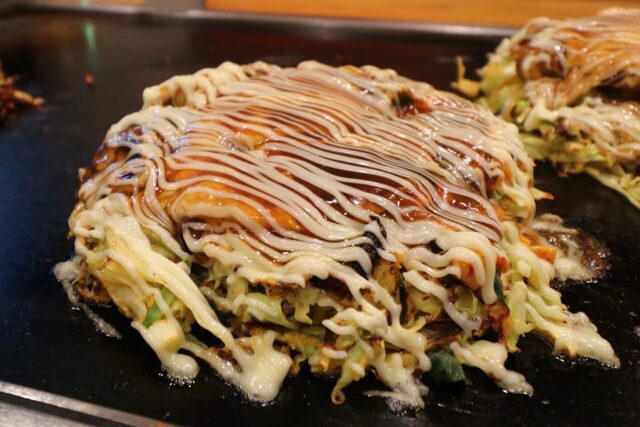
Ikuno-ku's eight-time Tabelog 100 okonomiyaki specialist offers build-your-own pancakes with soft-boiled egg, beef sinew, and homemade kimchi for JPY 1,000–2,999. No reservations, cash or QR pay only, and a 10-minute walk from Tsuruhashi Station make this Osaka's best value for neighbourhood okonomiyaki technique.
Koguma
Yokohama, Japan
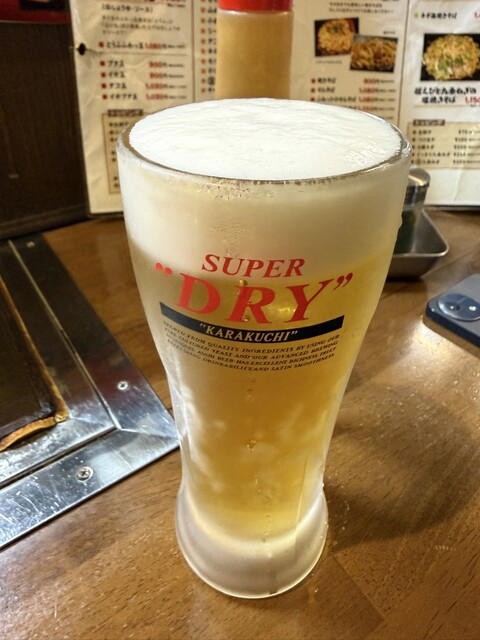
A Tabelog 100 okonomiyaki shop (2023–2025) in Yokohama's Aoba Ward, where JPY 3,000–3,999 buys tableside teppanyaki in a 33-seat neighborhood room. Cook your own savory pancakes on built-in griddles, with patient staff guidance for first-timers. Pet-friendly terrace, cash-only, closed Monday.
Hiroshima Ya
Chiba, Japan
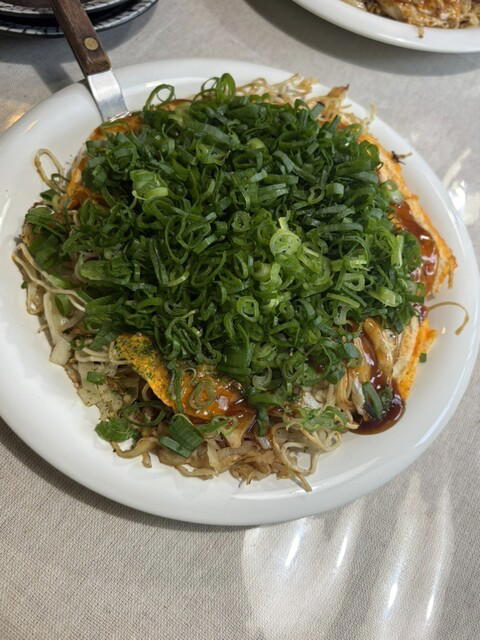
A Tabelog Okonomiyaki 100 (2025) counter in Nagareyama specializing in Hiroshima-style okonomiyaki, offering technically precise layered pancakes at JPY 3,000–3,999 for dinner. Reservations accepted weekdays only; weekend walk-ins common. Cash-only, parking available, 502 meters from Minami Nagareyama Station.
USHIO
Tokyo, Japan
USHIO is a practical Roppongi dinner pick when the goal is credible Tokyo dining without a luxury-level bill. Its JPY 5,000 to JPY 5,999 range and Tabelog 100 #24 recognition make it worth considering for focused evening plans, especially for diners who value depth over a heavily publicized signature dish.
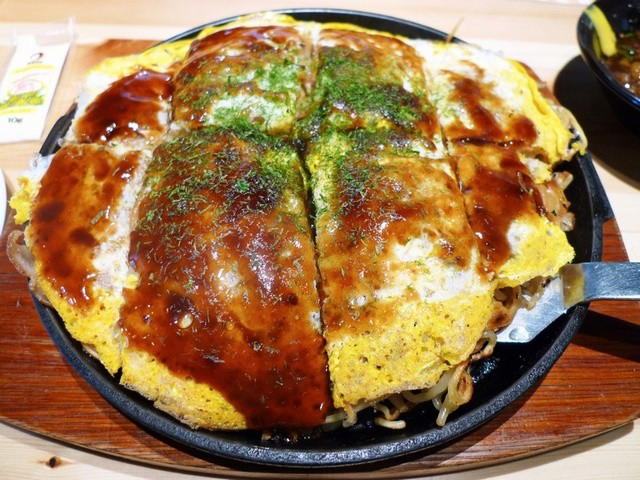
Kacchan
Fukushima, Japan
Three-time Tabelog 100 okonomiyaki specialist in Fukushima serving savory pancakes at JPY 2,000–2,999 per head. Family-friendly tatami seating and private rooms for young children make it practical for groups, though the lively atmosphere suits celebrations over quiet dinners. Book weekdays before 7 PM for lower noise levels; reservations open weeks out and rarely sell out.
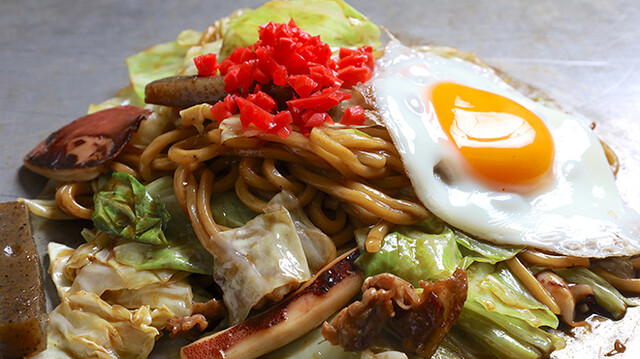
Okonomiyaki Ajikuraya
Osaka, Japan
This 70-seat okonomiyaki spot in Tennoji-ku earned Tabelog 100 recognition in 2025 while keeping walk-ins viable and lunch under JPY 2,000. Private rooms for six and eight, sunken seating, and weekend hours from 11 AM to midnight make it a rare group-friendly, family-tolerant pick in Osaka's griddle scene, priced below peers like Yakiyaki Okamoto without sacrificing space or flexibility.
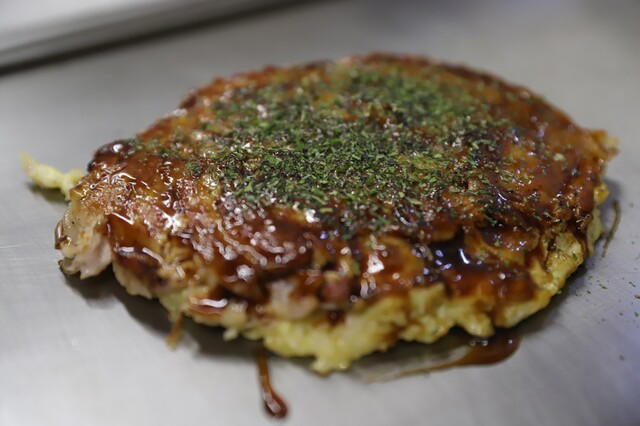
Fuji
Kobe, Japan
A 23-seat okonomiyaki counter one minute from Kosoku Kobe Station, Fuji earned a Tabelog 100 slot in 2025 while holding the check under JPY 2,000. Weekday lunch reservations are possible; weekends and all dinners run walk-in only. The griddle sits in plain view, the format suits solo diners and pairs, and cash is the only payment option.
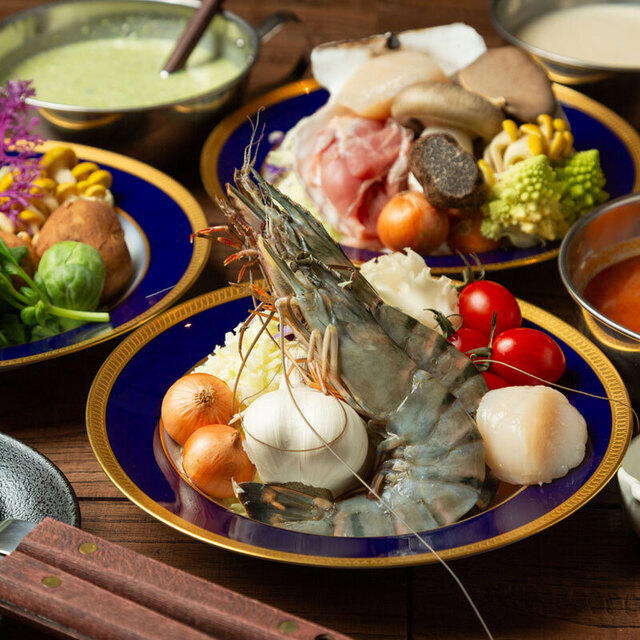
Konamon Dokoro Mitsukuni Ura nanba ten
Osaka, Japan
A Tabelog 100 Okonomiyaki 2025 honoree in Ura Namba, offering technically sound okonomiyaki, yakisoba, and monjayaki at JPY 5,000 per head. The forty-seat room spans counter, table, and sunken tatami configurations, with counter seating ideal for first-timers who prefer staff-handled grilling over DIY flipping. Reservations are available; weekend lunch caps at ninety minutes, but dinner runs relaxed until 11 PM.
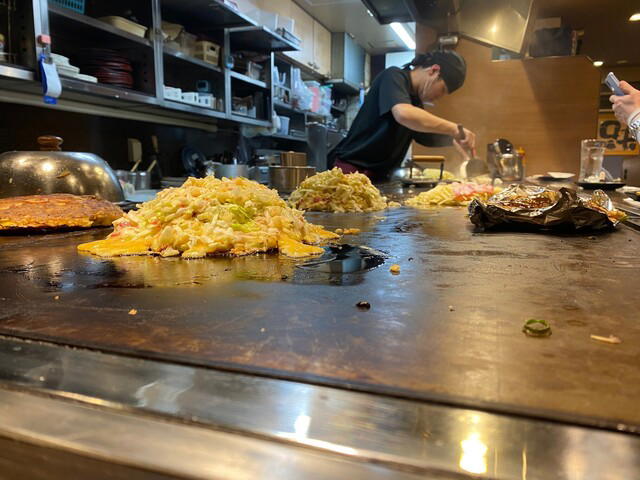
Ajinoya Honten
Osaka, Japan
A 60-year Namba okonomiyaki specialist delivering cabbage-packed, light-batter pancakes at JPY 1,000–3,999. Counter seating, walk-in friendly, and consistent enough to earn eight consecutive Tabelog 100 selections. Best for regulars seeking reliable teppan execution without ceremony.
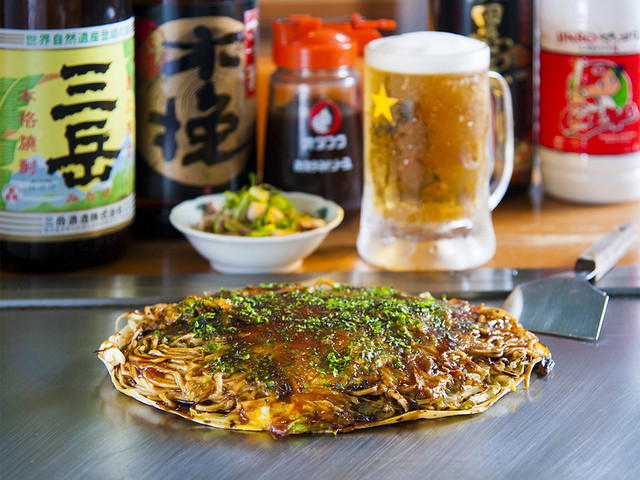
Masaru
Hiroshima, Japan
A Tabelog 100 Okonomiyaki 2025 selection near Hiroshima Station, serving counter-only okonomiyaki at JPY 2,000–2,999 for dinner and under JPY 1,000 for lunch. The 20-seat iron-plate format puts the griddle work at the center of the meal, with reservations recommended for weekend evenings but walk-ins feasible at lunch. Cash or PayPay only.
Okonomiyaki Kiji Marunouchi ten
Tokyo, Japan
Walk-in-only okonomiyaki counter in Tokyo Station's TOKIA basement, serving Osaka-style griddle pancakes and yakisoba since 2005. Tabelog 100 (Okonomiyaki) regular since 2018. Lunch JPY 1,000–1,999, dinner JPY 3,000–3,999. No reservations; queue early or accept the wait. Counter seats offer best views; tables suit groups.
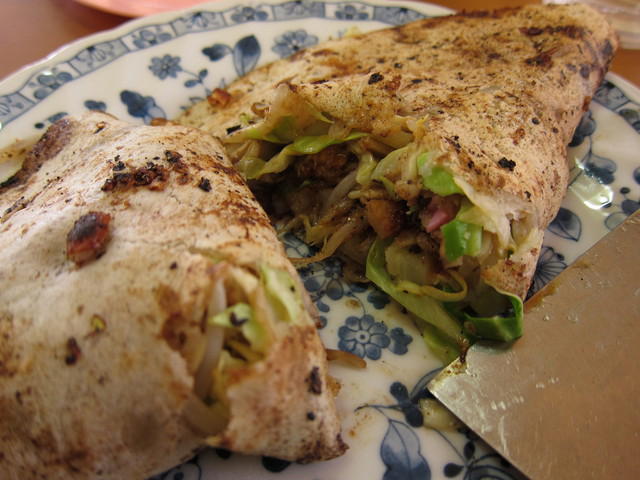
Yamaguchi Okonomiya
Karatsu, Japan
Yamaguchi Okonomiya is the value-led Karatsu pick for a casual, researched meal rather than a formal occasion. Choose it when you want low spend and a recognized local stop; choose Aru Tokoro instead if the priority is a more composed regional Japanese or seafood meal.
Toda Wataru no Okonomiyaki Santekan
Tokyo, Japan
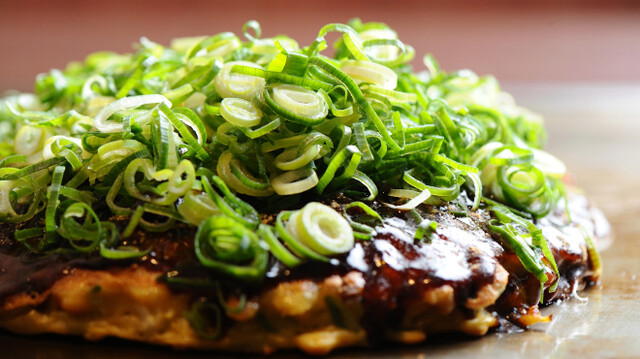
A Tabelog 100 okonomiyaki specialist in Roppongi's Ark Hills South Tower, Toda Wataru no Okonomiyaki Santekan delivers teppan precision and vegetable-forward cooking at JPY 4,000–4,999 for dinner. Counter seating offers the best view of the griddle work; the space is spacious, wheelchair-accessible, and family-friendly. Reservations recommended for dinner, walk-in for weekday lunch.
Tapioca Shokudo
Osaka, Japan
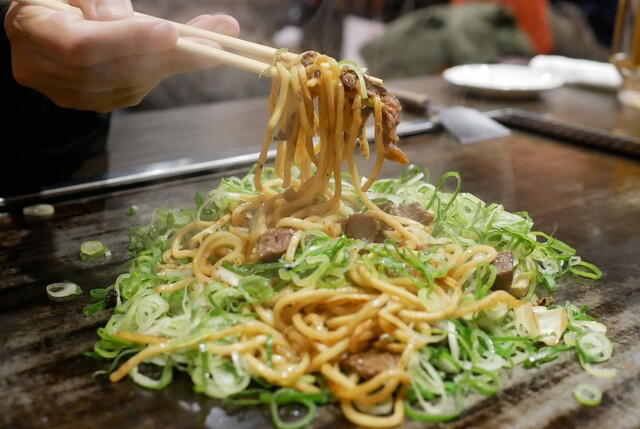
Tapioca Shokudo is worth booking if you want a casual Osaka meal with a stronger quality signal than its price tier suggests. The 2025 Tabelog 100 recognition makes it a useful pick for food-focused travelers, but it is better for small, practical meals than for polished special occasions.

asakanakicchinruburu
Asaka, Japan
Tabelog Okonomiyaki 100 selection in Asaka, opened October 2024 by a Hiroshima fish shop family. Offers Hiroshima-style okonomiyaki and seafood set meals at JPY 1,000–1,999, with 20 seats, tatami seating, and a kids' space. Reservations accepted; walk-ins possible Sunday lunch. Family-friendly infrastructure and takeout available.
Onomichi Murakami
Osaka, Japan
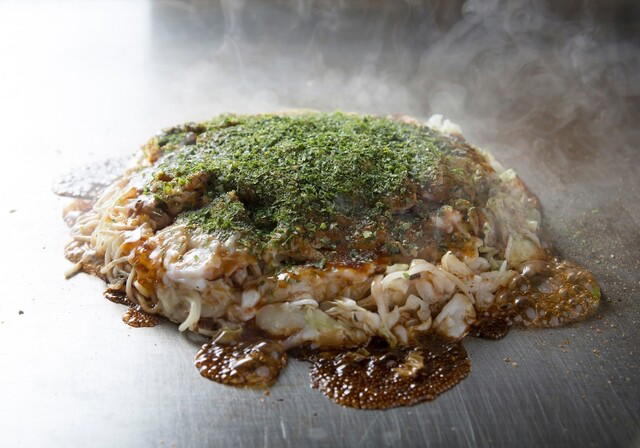
A Tabelog 100 – Okonomiyaki repeat selection serving Hiroshima-style pancakes at a 38-seat counter in Kitashinchi. Open until 4 AM on weekdays, closed weekends, with a smoking-allowed policy. At JPY 3,000 to JPY 3,999, it rewards groups comfortable with late hours and counter theatre over quiet conversation.
Cabbage Batake
Kamakura, Japan
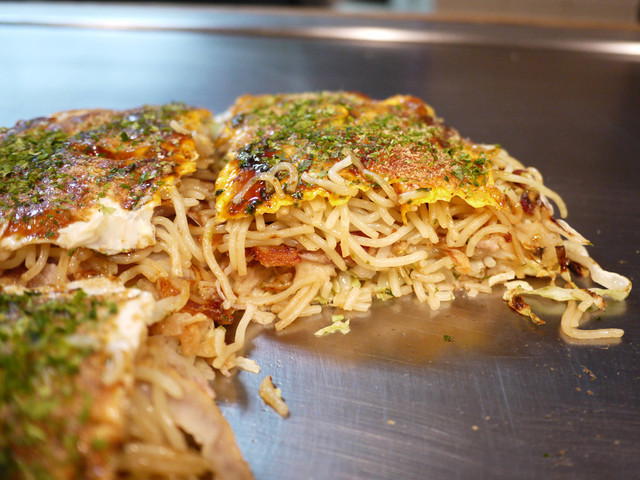
Cabbage Batake is a practical Ofuna dinner pick for first-timers who want value with a credible recognition signal, not a high-spend tasting-menu night. It costs more than Kamakura's cheapest casual options but far less than Chinese restaurant KUE, making it a useful middle-ground choice for smaller parties.
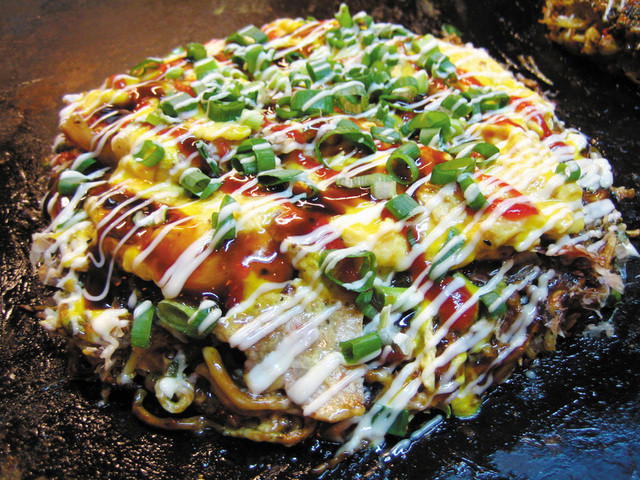
Teramae
Osaka, Japan
Teramae is a family-run Higashiosaka dining hall serving Tabelog-recognized okonomiyaki and teppanyaki at under JPY 2,000 per head. The 66-seat space offers DIY griddle cooking with 14 topping options, making it a reliable, low-stress choice for groups and repeat visits. Walk-ins welcome, and the ingredient sourcing prioritizes consistency over boutique provenance, keeping prices accessible without sacrificing execution.
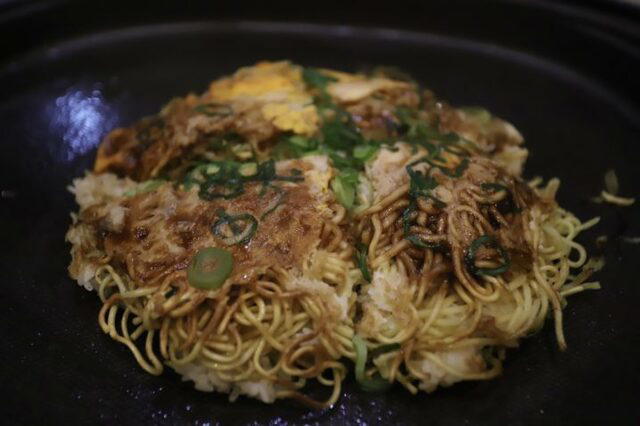
Okonomiyaki Hirano
Hiroshima, Japan
A 17-seat house-restaurant in Minami Ward serving Hiroshima-style okonomiyaki under JPY 1,000, recognized on Tabelog's Okonomiyaki 100 for four consecutive years (2022–2025). Walk-in only, counter seating, classic griddle technique without upscale pretense. Arrive at opening to avoid waits; bring cash or PayPay.
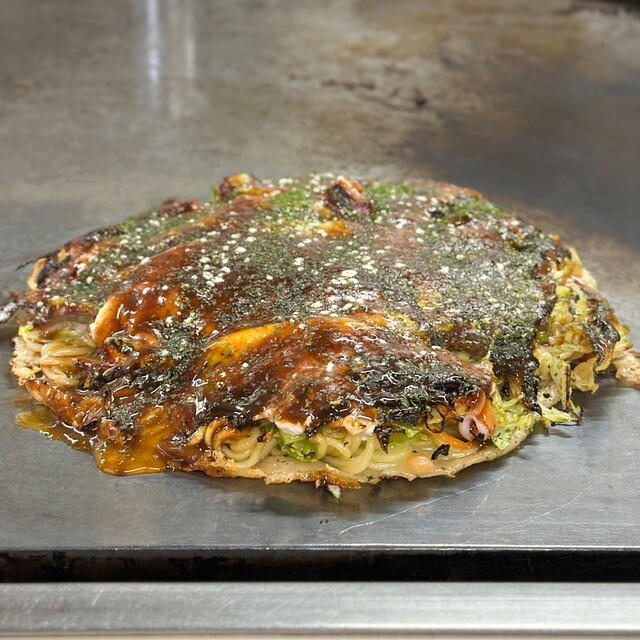
Okonomiyaki Tecchan Honten
Mihara, Japan
Tabelog 100 Okonomiyaki selection (2019–2025) three minutes from Mihara Station, serving teppanyaki-griddled savory pancakes under JPY 2,000. Lunch pricing (under JPY 999) and extended hours until 7:30 PM make the daytime visit the better value. Counter seating suits solo diners; takeout available. Cash only, no reservations without menu orders.
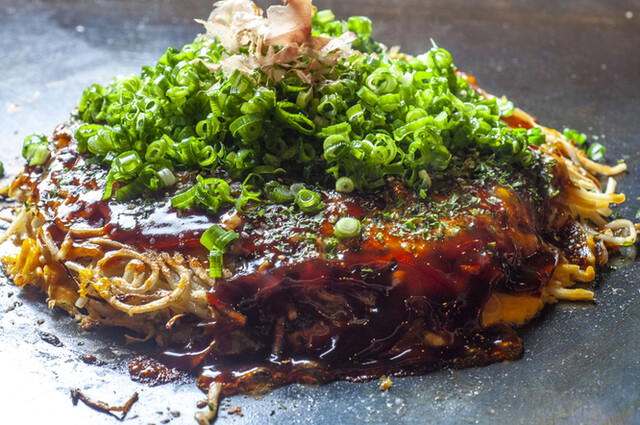
Shintenchi Micchan
Hiroshima, Japan
Tabelog 100 Okonomiyaki selection since 2018, tracing its lineage to the post-war stall that defined Hiroshima-style layered pancakes. JPY 1,000–1,999 per head, weekday evening reservations only (Tuesday, Wednesday, Friday), weekend walk-ins possible. Counter seats offer the clearest view of the teppan griddle technique.
Hassho
Tokyo, Japan
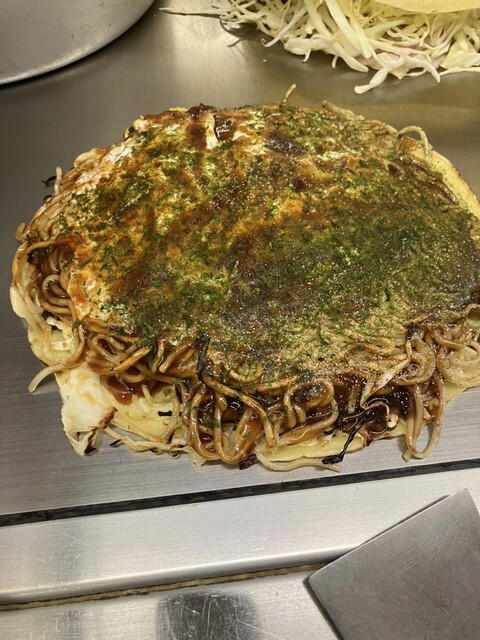
A 20-seat Kyodo okonomiyaki counter holding seven consecutive Tabelog Okonomiyaki 100 selections (2018–2025) at JPY 2,000–2,999 per head. No reservations, cash only, dinner service Wednesday through Sunday. Counter seats face the griddle; walk-ins typically wait 15–20 minutes on weekend evenings.
Okonomiyaki Fukutake
Tokyo, Japan
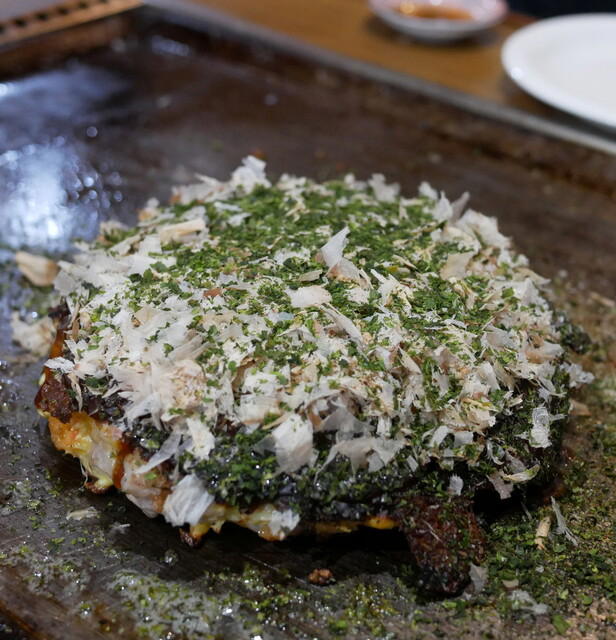
Tabelog 100 okonomiyaki specialist in Ota City's Higashiyaguchi, delivering consistent griddle work at JPY 1,000–1,999 per person. Eight years of consecutive recognition (2018–2025) in a 20-seat tatami room, cash-only, reservations required for two or more. Worth the trip south if you're chasing value-driven Tabelog picks beyond central Tokyo.
Ningyocho
Saitama, Japan
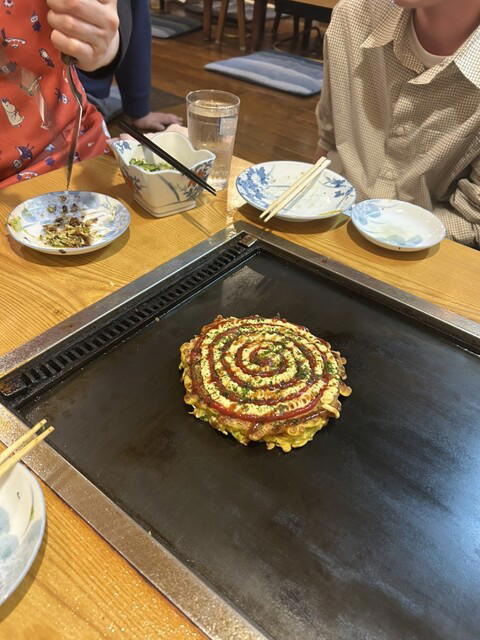
A Tabelog 100 okonomiyaki shop near Omiya Station requiring six-guest minimums for early reservations, with tableside teppan service justifying the JPY 4,000–4,999 check. Groups of six or more get paced, attentive service; smaller parties face walk-in uncertainty. Smoking permitted throughout, cash only.
Teppanyaki to Okonomiyaki Mishimaya
Hiroshima, Japan
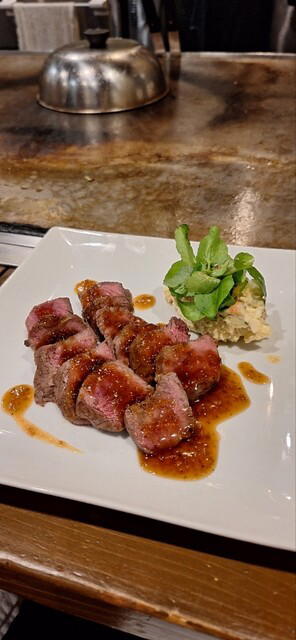
Mishimaya earns its Tabelog Okonomiyaki 100 spot through accessible pricing and consistent execution. At under JPY 2,000 for dinner, the 16-seat counter delivers straightforward Hiroshima-style okonomiyaki with family-friendly service and takeout options. Book ahead for dinner; walk-ins work for lunch.
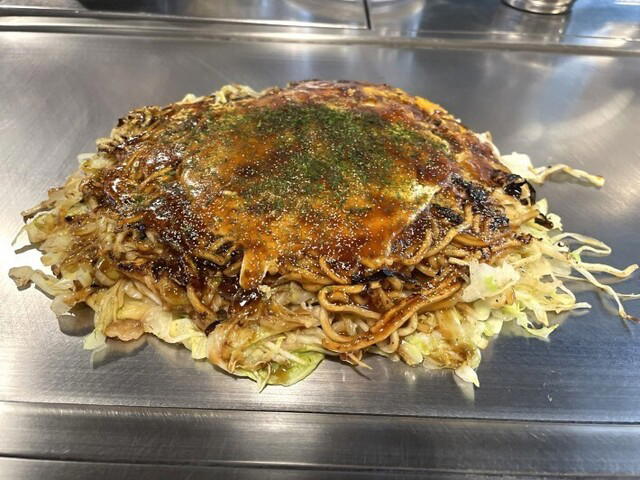
Soba Tamaya
Iwakuni, Japan
Tabelog 100 - Okonomiyaki 2025 honoree in Iwakuni, serving okonomiyaki and teppanyaki at JPY 1,000–1,999 per head. Counter and tatami seating split across 31 seats; family-friendly, solo-friendly, and straightforward in approach. Limited hours (closed Tuesday and Wednesday) and cash-preferred payment.
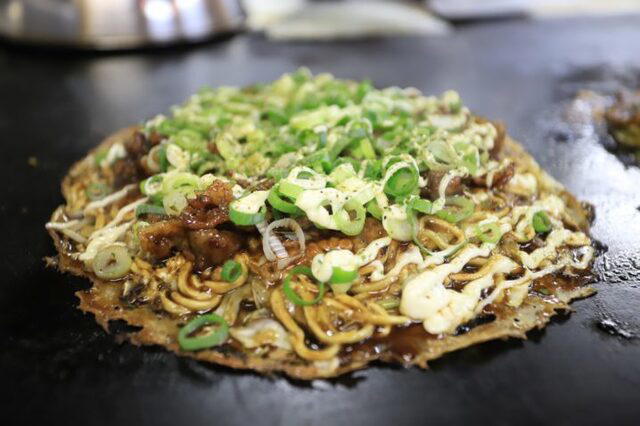
Arata
Kyoto, Japan
A Tabelog 100 okonomiyaki veteran (eight consecutive years) serving jaw meat specialties and hormone teppanyaki at JPY 5,000–5,999 per head. The drink program; sake, shochu, and house-mixed cocktails; is built to pair with rich, fatty griddle cooking. Six minutes from Kyoto Station, dinner-only, cash-only, reservations accepted.
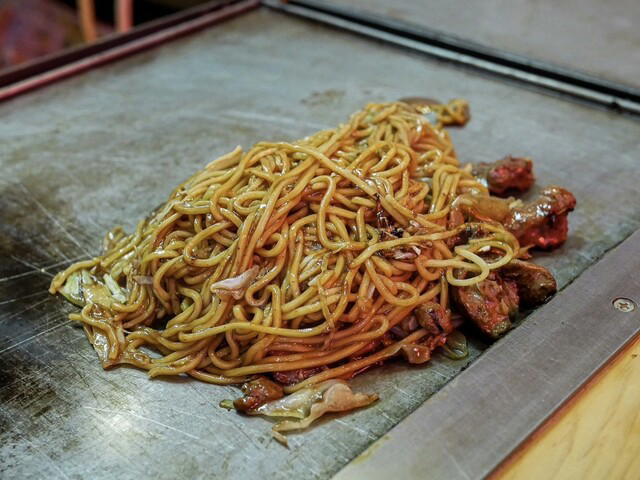
Fumiya Okonomiyaki Honten
Takamatsu, Japan
A Tabelog 100 okonomiyaki specialist in Takamatsu's Kawaramachi district, serving award-level savory pancakes for under 1,000 yen. The 17-seat shop runs no-reservations lunch service with limited hours, drawing locals for technically precise okonomiyaki in a cash-only, alcohol-free setting five minutes from Kotoden Kawaramachi Station.
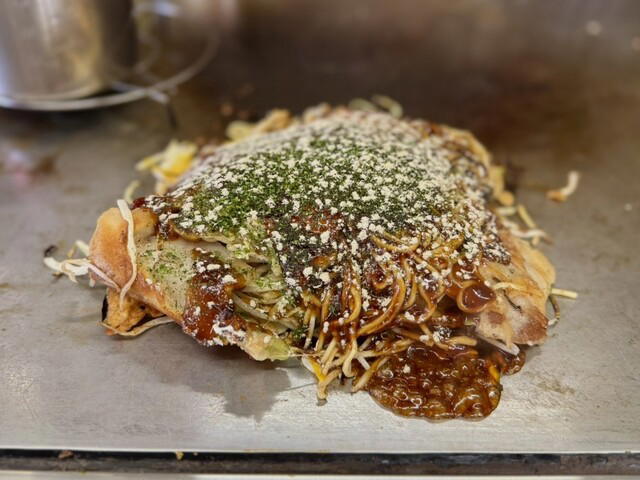
Ganso Hassho
Hiroshima, Japan
A seven-seat Takeyacho counter serving Hiroshima-style okonomiyaki at JPY 1,000–1,999, with three consecutive Tabelog 100 selections (2023–2025). Lunch-only, no reservations, cash-only; arrive before 10:30 AM or expect a wait. Worth it for technique at volume, but the midday-only window and rigid format demand schedule flexibility.
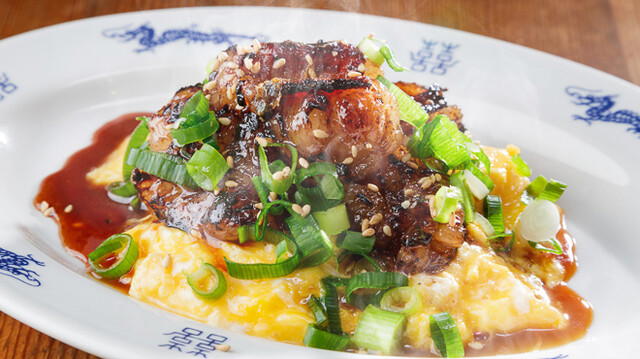
Okonomi Tamachan Viva
Osaka, Japan
A Kitahorie okonomiyaki specialist with tableside grilling, a sommelier-curated wine list, and enough terrace seating for groups of twenty. Tabelog 100 recognition (2024, 2025) at JPY 4,000–4,999 per head. Book ahead for weekend dinners; walk-ins work weeknights. Pets and strollers welcome outdoors.
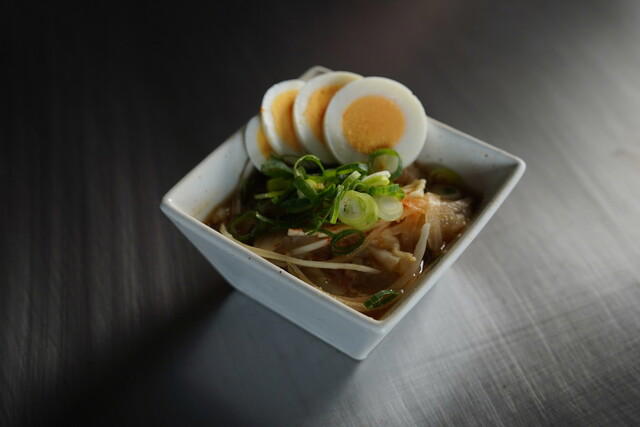
Itsukaichi Hassho
Hiroshima, Japan
A Saeki Ward okonomiyaki anchor trained under Hassho Yagenbori, earning Tabelog 100 honors annually since 2018. The kitchen sources seasonal contract-farm cabbage and layers Hiroshima-style pancakes at JPY 1,000–1,999 per head. Weekday lunch reservations accepted; weekend takeout requires advance calling. Counter and tatami seating for 34.
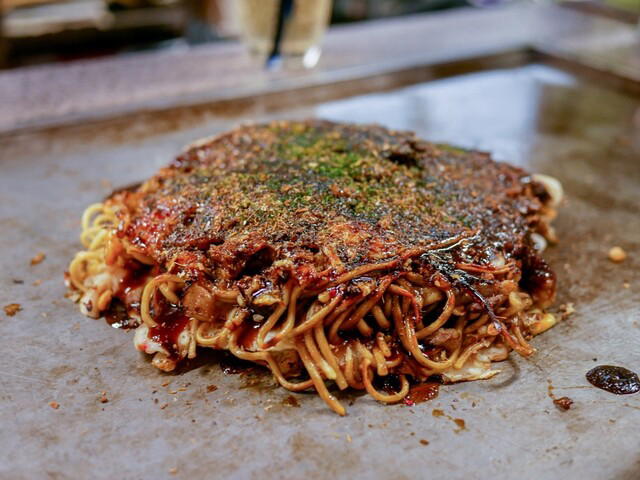
Okonomiyaki Yoshino
Kyoto, Japan
Tabelog 100 Okonomiyaki mainstay since 2018 serving griddled savory pancakes under JPY 2,000 per head in a converted Higashiyama house. Counter seats, four-tops, and take-out options suit families and groups; cash-only, Thursday-to-Sunday hours, and walk-in-friendly booking make it an easy add to temple-district itineraries. Reservations accepted by phone but rarely necessary outside Friday-Saturday dinner.
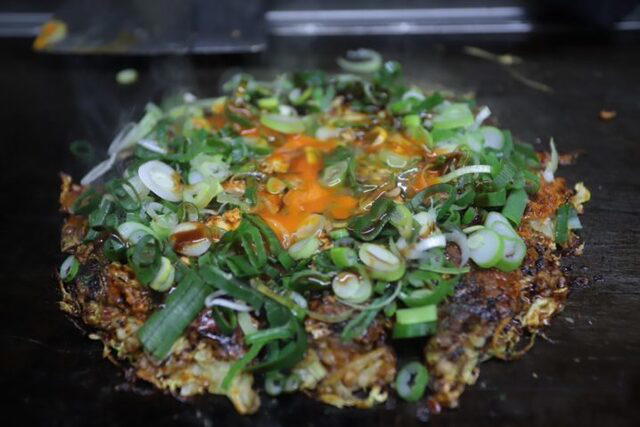
Gion Negiyaki Kana Higashi ten
Kyoto, Japan
A twelve-seat counter in Gion serving negiyaki; Kyoto's green-onion pancake; at JPY 2,000–2,999. Tabelog Okonomiyaki 100 selection from 2018 through 2025. Cash only, no frills, consistent execution. Worth booking for lunch if you want category-defining technique without kaiseki pricing.
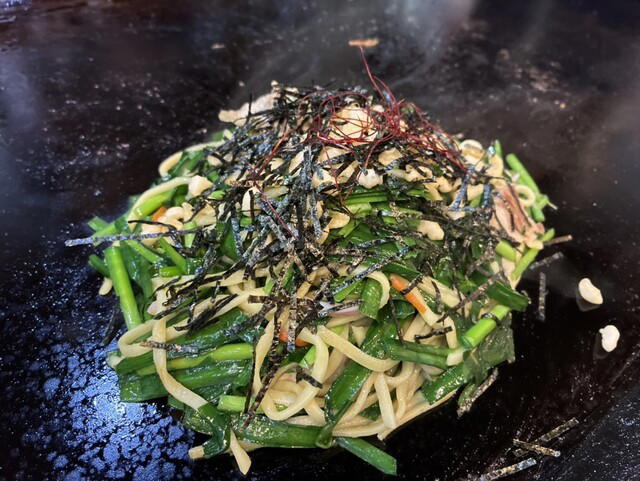
Hirosueya
Konan, Japan
Tabelog 100 Best Okonomiyaki (2025) recognition for a 14-seat counter-and-table spot in rural Kōchi, serving okonomiyaki and yakisoba at under JPY 1,000 for dinner. Cash-only, smoking-allowed, with parking; functional and technically consistent, though the location requires a car and the no-frills format won't suit everyone.
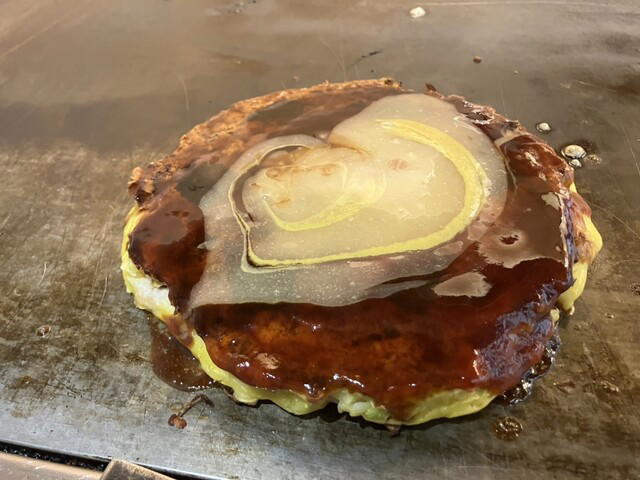
Botefuku
Kani, Japan
This no-frills, counter-only okonomiyaki house in Kani holds four consecutive Tabelog 100 selections (2022–2025) and charges under JPY 1,000 per person. No reservations accepted, cash only, and closed Wednesday and Sunday. Best for solo diners and pairs willing to prioritize griddle skill over ambiance; arrive early on weekends or visit weekday evenings to avoid the wait.
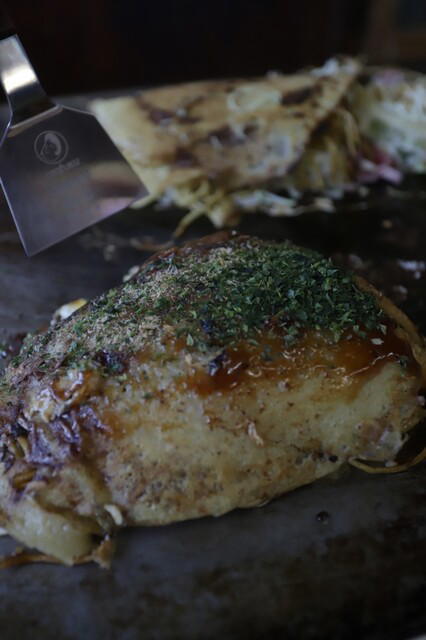
Hinode
Matsuyama, Japan
A five-seat okonomiyaki counter two minutes from Mitsu Station, holding a spot on Tabelog's Okonomiyaki 100 since 2018. Lunch runs under ¥1,000, dinner around ¥1,500, with straightforward pork and seafood griddle pancakes that prioritize consistency over innovation. Best for solo diners or pairs seeking reliable value; tight seating and early evening closure limit flexibility for groups or late meals.
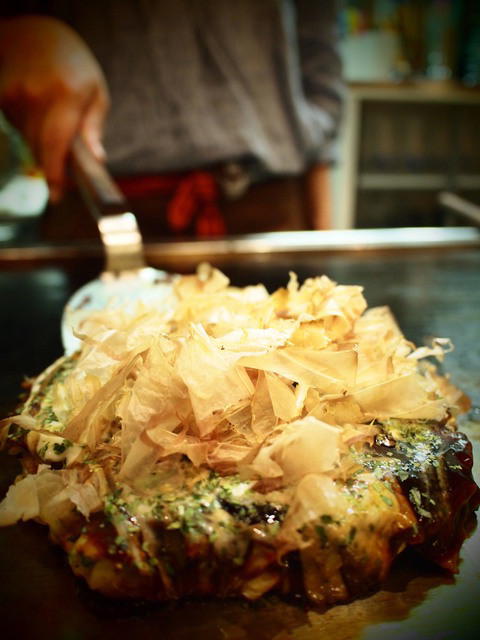
Yao Ya
Hakusan, Japan
Three-time Tabelog 100 okonomiyaki specialist in a residential Hakusan setting, serving cash-only savory pancakes at JPY 1,000–1,999 (dinner typically JPY 4,000–4,999 with drinks). The 20-seat house-style space suits friends and small groups; reservations encouraged, as the kitchen closes early when ingredients run out.
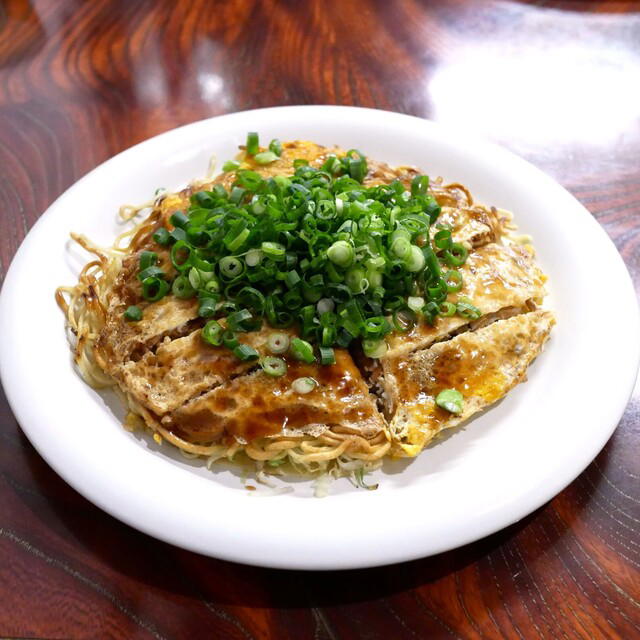
Tatsu
Hiroshima, Japan
Nine-seat okonomiyaki counter in Higashi Ward, selected for Tabelog 100 – Okonomiyaki three consecutive years. Technique-focused griddle work at JPY 1,000–2,999, no reservations, cash only, smoking permitted. Suits solo diners and pairs prioritizing craft over convenience; residential location and limited seating require early arrival.
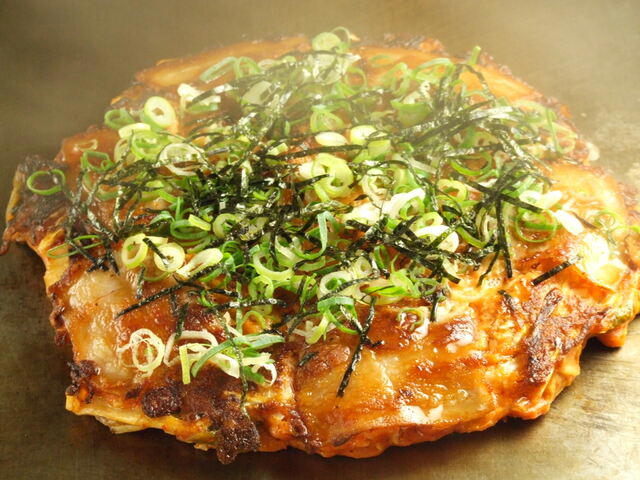
Okonomiyaki Kiji Shinagawa ten
Tokyo, Japan
Tabelog 100 okonomiyaki spot in Shinagawa with Osaka-style griddle cooking at JPY 1,000–JPY 1,999 lunch and JPY 3,000–JPY 3,999 dinner. Casual dress, weekday lunch and dinner service, and weekend midday and evening hours make it a practical Tokyo option for a relaxed meal.<p>For comparison, see <a href="https://joinpearl.co/restaurants/katsusen">Katsusen</a>.</p><p>Tabelog 100 okonomiyaki spot in Shinagawa with no reservations, walk-in waits under 30 minutes on weekdays, and Osaka-style griddle cooking at JPY 1,000–JPY 1,999 lunch, JPY 3,000–JPY 3,999 dinner.</p>
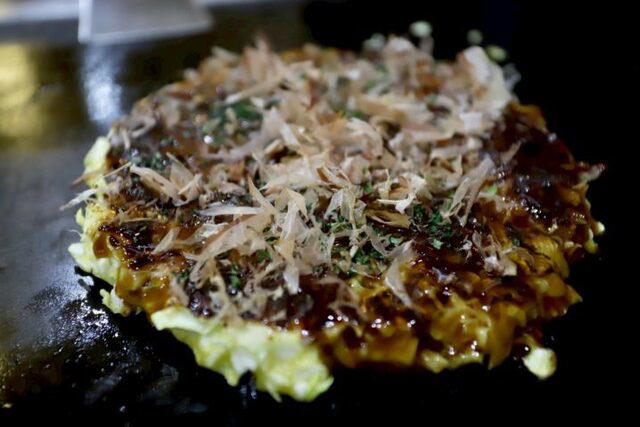
Okonomiyaki Hayashi
Osaka, Japan
Tabelog 100 – Okonomiyaki 2025 selection in Abeno, delivering technically precise batter and crisp cabbage at ¥1,000–¥3,000 per head. The 20-seat room accommodates solo counter diners and small kotatsu groups; cash-only, smoking-permitted, closed Mondays. Book ahead for weekend evenings or walk in for weekday lunch.
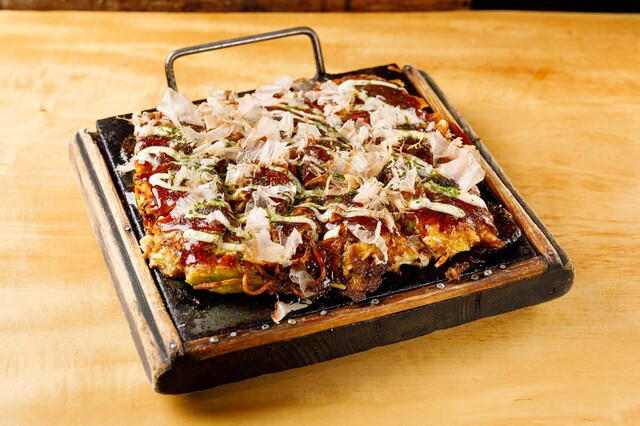
Hana
Osaka, Japan
A 14-seat okonomiyaki counter in Miyakojima Ward that has earned eight consecutive Tabelog 100 selections since 2018. Lunch runs under JPY 1,000 for pancakes only; dinner at JPY 3,000–3,999 requires ordering from the teppanyaki menu alongside drinks. Book for weekday lunch if you want fast, affordable okonomiyaki, or reserve ahead for evening sake and grilled dishes at the counter.
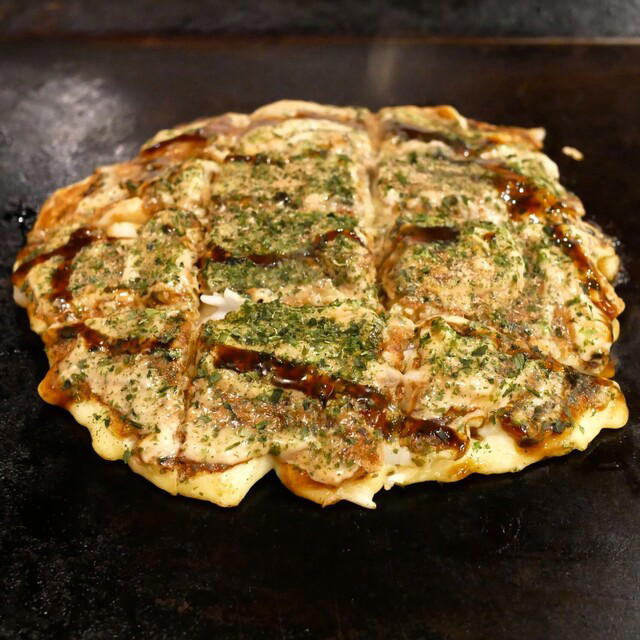
Zubora Tei
Kitakyushu, Japan
A Tabelog Okonomiyaki 100 regular (2024 and 2025) in Konyamachi, five minutes from Tanga Station. Zubora Tei runs a 22-seat counter focused on consistent griddle work at JPY 1,000–1,999 per person. Cash-only, dinner service only, and takeout available for testing before committing to a counter seat. Walk-ins work most weeknights; closed Monday and Tuesday.
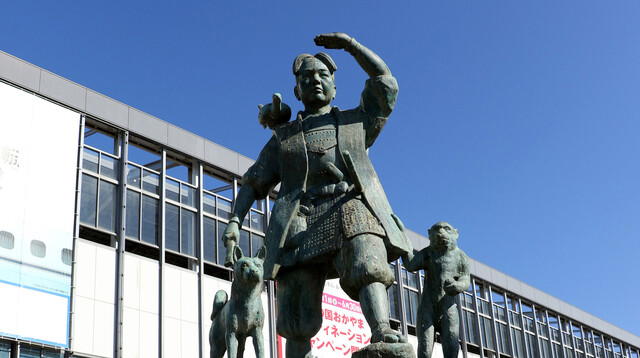
Okonomiyaki Mori
Okayama, Japan
A Hokancho institution since 1978 and four-time Tabelog 100 Okonomiyaki selection, this 28-seat counter and tatami spot delivers Okayama-style pakuri with local yellow leeks and hormone udon at lunch-friendly pricing (JPY 3,000-JPY 3,999 midday, JPY 5,000-JPY 5,999 dinner). Technique is consistent, noise levels rise after 7 PM, and the room prioritizes execution over atmosphere; book weekday lunch for faster service and easier conversation.
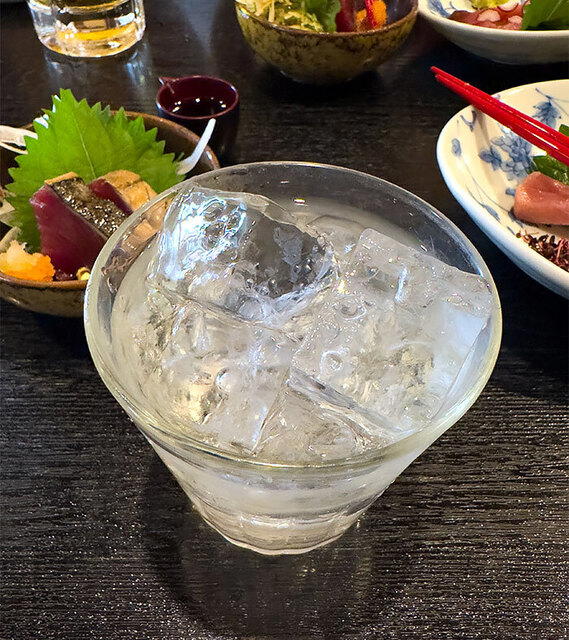
Kurumi
Nagoya, Japan
A Tabelog 100-listed okonomiyaki specialist in Nagoya's Shinsakae neighborhood, offering teppanyaki-izakaya dining at JPY 5,000 to JPY 5,999. The 50-seat space includes counter seating and private tatami rooms, with a shochu-focused drink program and a structured booking window (advance reservations 2-5 PM or after 9 PM). Closed Sundays.
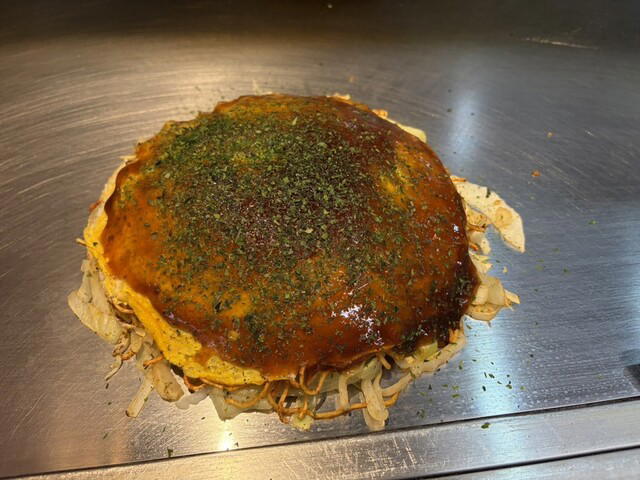
Okoja
yukichoufushidani, Japan
A Tabelog 100 Okonomiyaki honoree three years running, Okoja serves Hiroshima-style layered pancakes in Saeki Ward's hill country for under JPY 2,000 at dinner and under JPY 1,000 at lunch. The 22-seat counter fills fast on weekends despite its rural location, rewarding early arrivals and phone reservations with affordable, technique-driven okonomiyaki and rare on-site parking.
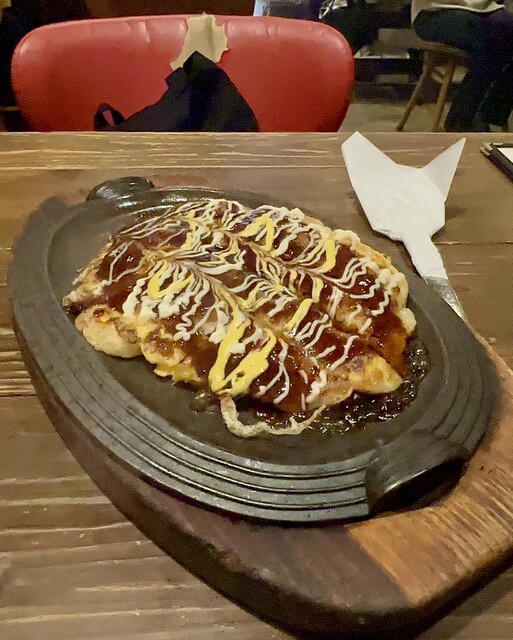
Nord
Amagasaki, Japan
A 22-seat counter-focused okonomiyaki spot near Tachibana Station, recognized in the Tabelog 100 Okonomiyaki list for four consecutive years. Dinner runs JPY 1,000-1,999, lunch under JPY 1,000, with a no-frills format that prioritizes griddle technique over ambiance. Best for solo diners and pairs seeking award-list quality at casual-dining pricing.
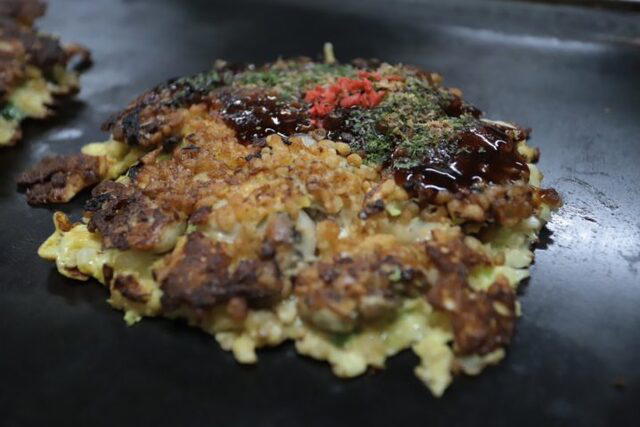
Tama Chan
Bizen, Japan
Tabelog 100 okonomiyaki house restaurant in Hinasecho Sogo, selected seven consecutive years. JPY 1,000–1,999 covers griddle-cooked Kansai-style okonomiyaki, yakisoba, and teppanyaki at counter seats or tatami rooms. Walk-ins accepted; cash only. Seasonal hours shift between winter's full service and summer's lunch-focused schedule.
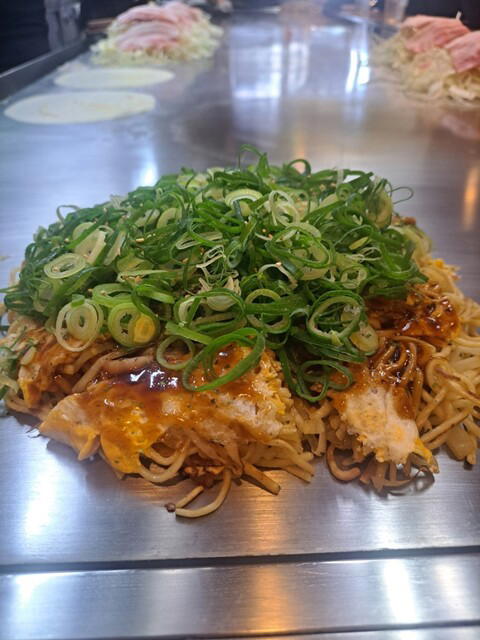
Okonomiyaki Sankou
Hiroshima, Japan
Hiroshima-style okonomiyaki in suburban Asaminami Ward, named to Tabelog's Okonomiyaki 100 five times since 2018. No reservations, walk-in only, JPY 1,000–JPY 1,999 per person. Twenty seats (counter and tables), cash only, closed Monday–Tuesday. Best-value choice among Hiroshima's award-recognised pancake specialists.
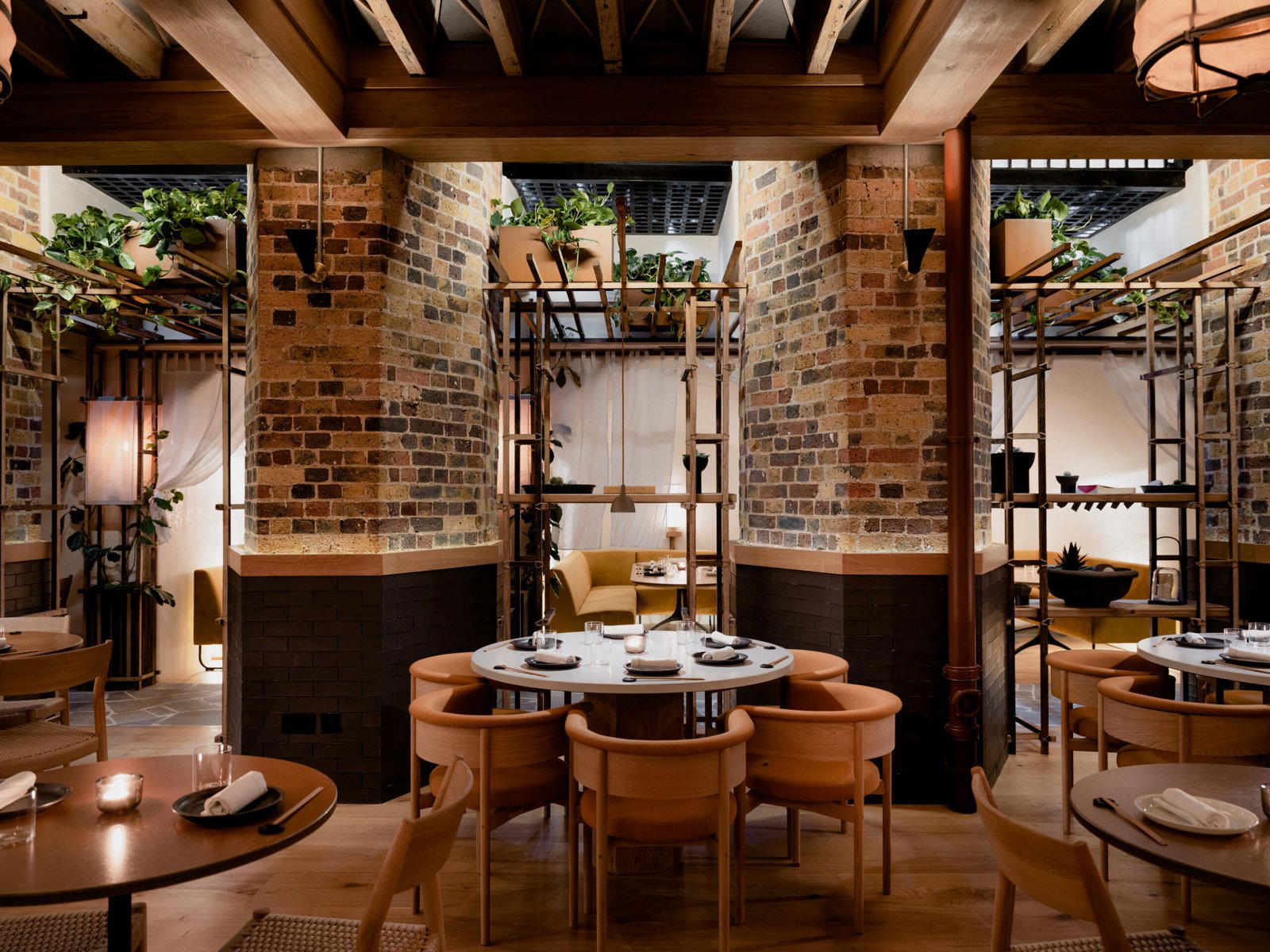
Sachi
Fuchu, Japan
Sachi is a casual, counter-service okonomiyaki shop in Fuchu, twice named to Tabelog's Okonomiyaki 100 (2024, 2025) and priced under JPY 2,000 at dinner. The 20-seat room beside Myojoji Temple offers griddle-prepared Hiroshima-style pancakes with a focus on technique over speed. Reservations recommended on weekends; lunch under JPY 1,000 is the sharper value. Closed Monday and Tuesday.
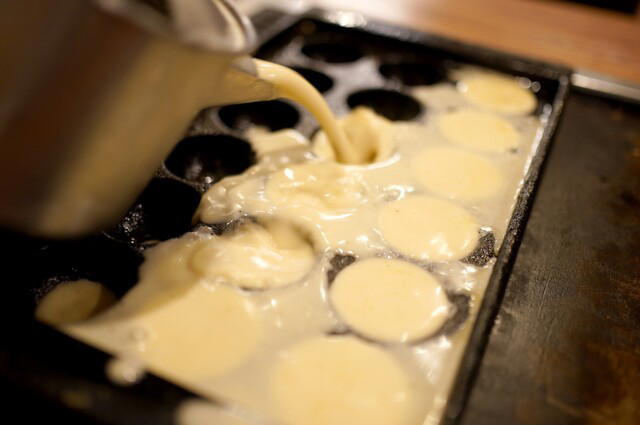
Naniwa
Tokyo, Japan
Nerima's seven-time Tabelog 100 okonomiyaki specialist operates a 25-seat counter and tatami room where Osaka-style pancakes and takoyaki are griddled to order. At JPY 4,000–4,999 per head, it's a neighborhood anchor that rewards advance phone reservations and repeat visits, delivering award-recognized technique without tourist crowds.
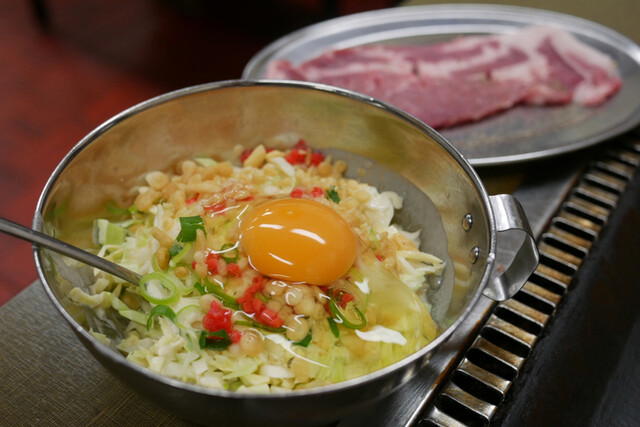
Okonomiyaki Chigusa
Osaka, Japan
A Tabelog Okonomiyaki 100 regular since 2018, this Tenjinbashi neighborhood shop delivers technically precise okonomiyaki at JPY 1,000–1,999 per person. No reservations, cash only, and a 56-seat room that fills fast during peak hours. Go for the batter technique and restrained sauce application, not the ambiance.
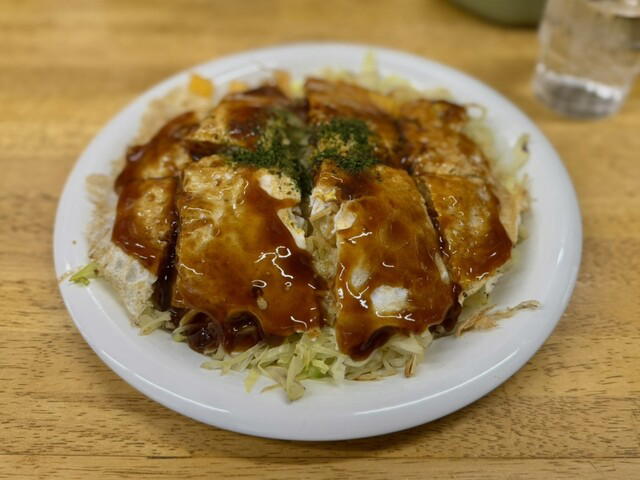
Icchan Honten
Hiroshima, Japan
A ten-minute walk from Hiroshima Station, this Tabelog Okonomiyaki 100 shop (2019, 2024, 2025) serves technically precise Hiroshima-style pancakes for under JPY 1,000; lower than most competitors charging double near tourist zones. Walk-in only, cash-only, closed Monday–Tuesday.
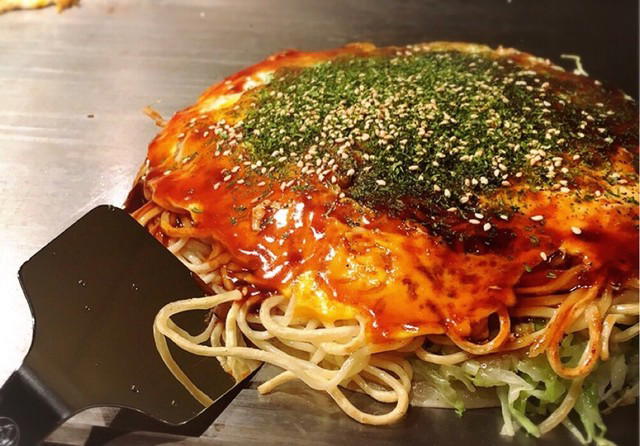
Ichigo Ichie
Hiroshima, Japan
Hiroshima okonomiyaki meets premium teppanyaki in Nagarekawacho, with fresh oysters, local anago, and Hiroshima beef grilled to order. Tabelog 100 recognition and JPY 6,000–7,999 pricing position it well above the city's budget pancake houses; book for the seafood breadth, skip if you want traditional okonomiyaki at local prices.
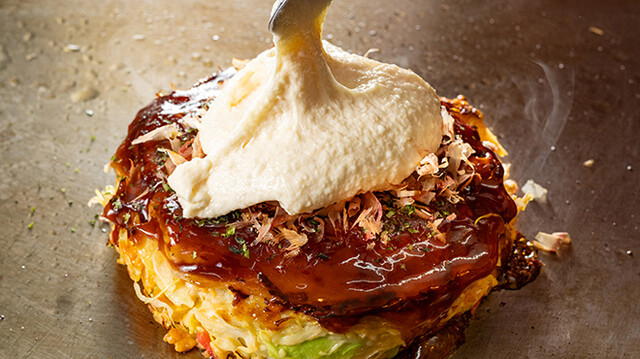
Genki
Tokyo, Japan
A 20-seat teppanyaki izakaya near Kinshicho Station, named to Tabelog Okonomiyaki 100 five consecutive years (most recently 2025). Four counter seats place diners directly in front of the griddle; reservations require two or more people, cash only, and smoking is allowed. Dinner averages JPY 4,000–4,999; book three to four weeks ahead.
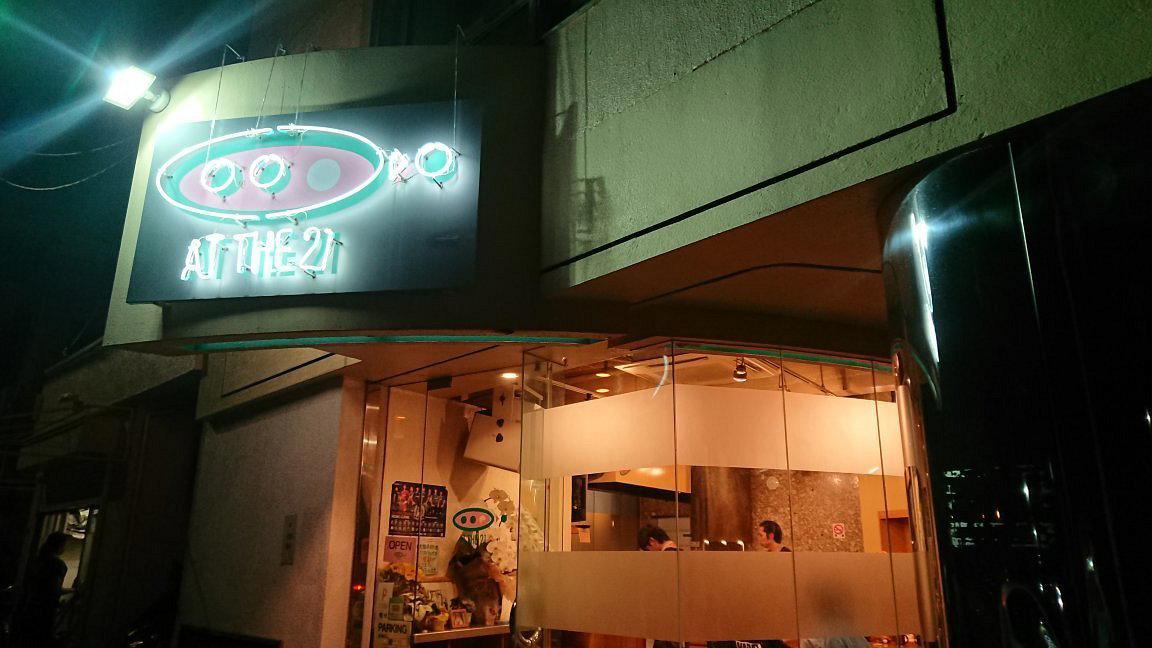
AT THE 21
Osaka, Japan
AT THE 21 is a practical Toyonaka pick for a modestly priced Osaka meal, especially when later evening availability matters. The draw is value plus recognition: JPY 1,000 to JPY 1,999 and a Tabelog 100 #75 placement for 2025. Best for small, low-pressure occasions rather than diners seeking a formal tasting-menu night.
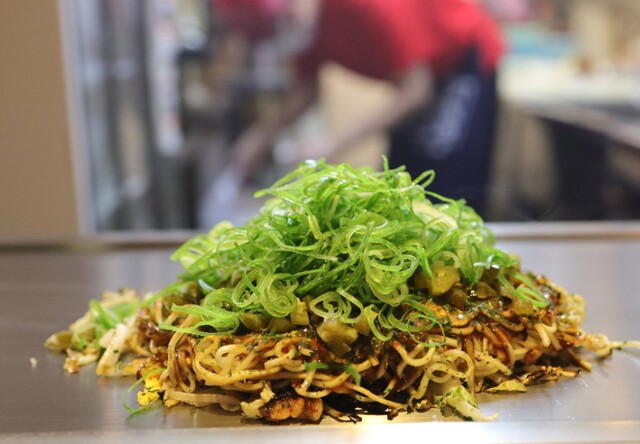
Hiroshima Okonomiyaki Okotaro
Tokyo, Japan
Hiroshima-style okonomiyaki at JPY 3,000–3,999, delivered counter-only in Kameari. A Tabelog 100 Okonomiyaki fixture since 2018, Okotaro layers thin batter, steamed cabbage, and integrated noodles with technical precision. Cash-only, dinner-only, and worth the northeast Tokyo trek for ingredient-focused execution without central-district markups.
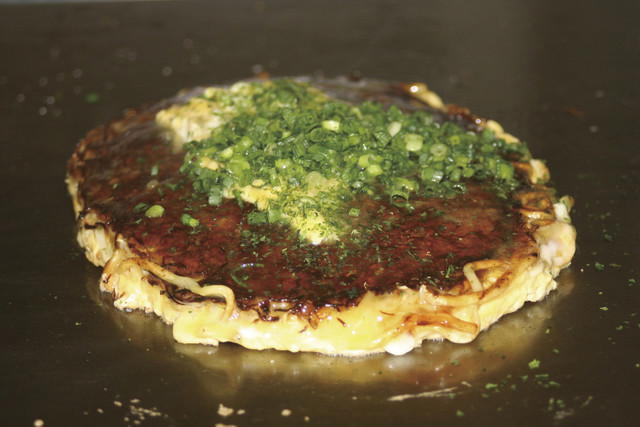
Hira no Ya
Fukuyama, Japan
Walk-in okonomiyaki spot in Fukuyama serving Fuchu-yaki (minced beef-filled pancakes) at under JPY 2,000 per meal. Counter and table seating, cash-only, six-day service with no reservations required. Tabelog 100 recognition for consistent regional cooking.
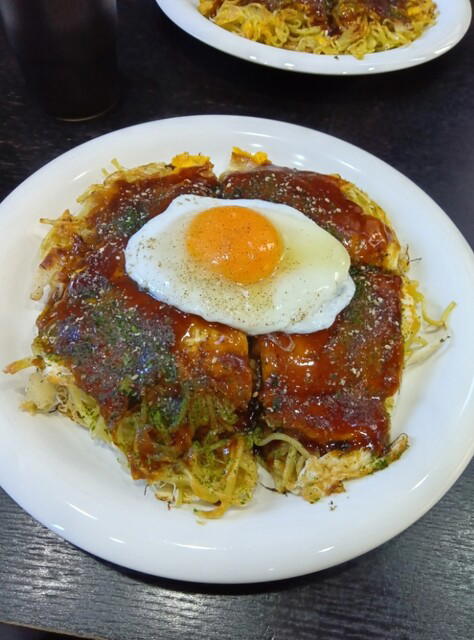
Okonomiyaki SETO
Higashihiroshima, Japan
A Tabelog 100 Okonomiyaki selection serving Hiroshima-style pancakes at JPY 1,000–1,999, with 17 counter and tatami seats. No reservations, cash-only, and walk-in service make it easy for solo diners or small groups seeking a front-row griddle view without premium pricing.
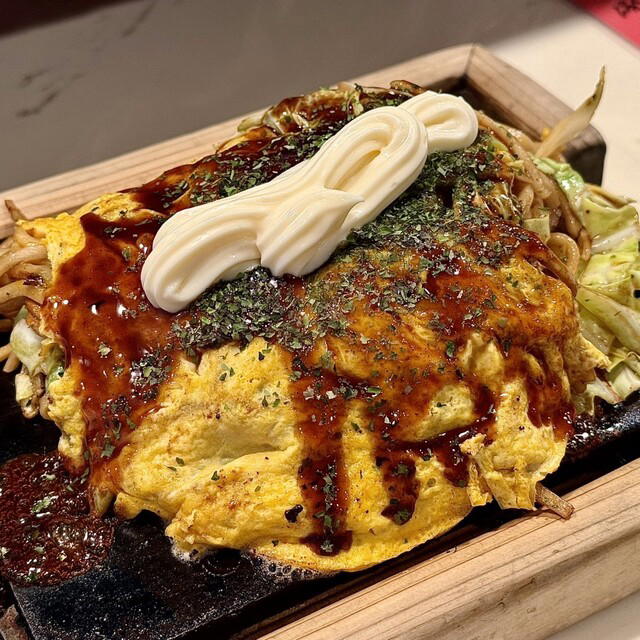
Asai
Nishinomiya, Japan
A 12-seat okonomiyaki counter in Nishinomiya's Kurakuenguchi neighborhood, selected for Tabelog 100 in 2023 and 2025. Walk-in only, cash only, open Friday through Sunday. Lunch runs JPY 1,000–1,999, dinner JPY 2,000–2,999. The format is old-school Kansai: counter seating, griddle-side cooking, and smoking allowed. Ingredient quality justifies the Tabelog recognition, and the limited hours keep crowds manageable.
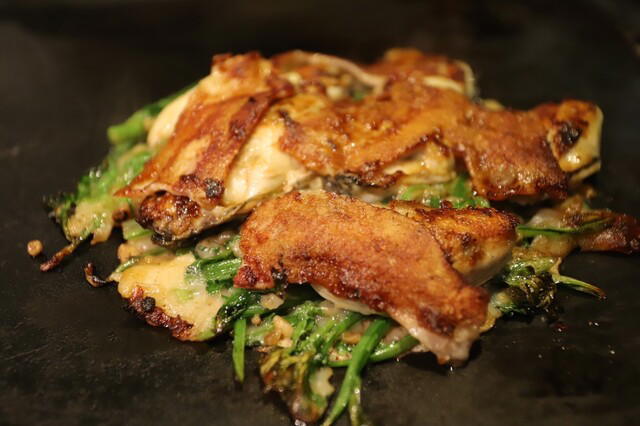
Moriguchi
Kobe, Japan
A four-time Tabelog Okonomiyaki 100 honoree (2022–2025) serving teppanyaki and izakaya plates in a 27-seat Nada Ward dining room. JPY 3,000–3,999 gets you griddle precision and seasonal ingredient sourcing without marquee pricing, though the cash-only policy and ten-day advance booking window add planning friction.
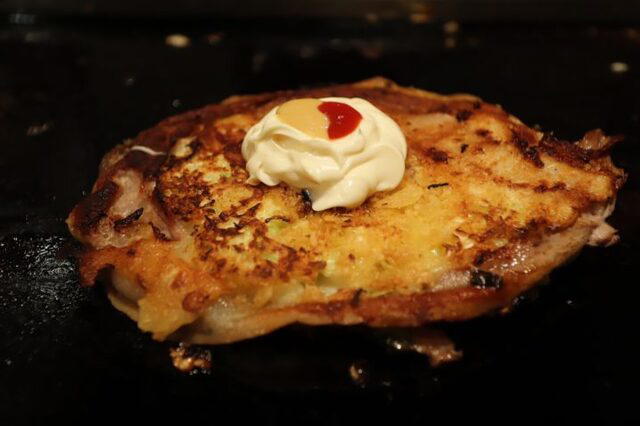
Zouya
Osaka, Japan
Zouya is a value-led Osaka dinner pick for travelers who want a credible neighborhood meal without building the night around a hard reservation. Its Tabelog 100 #81 ranking in 2025 gives it a stronger trust signal than a random casual stop, while the JPY 1,000 - JPY 1,999 range keeps the decision low-risk.
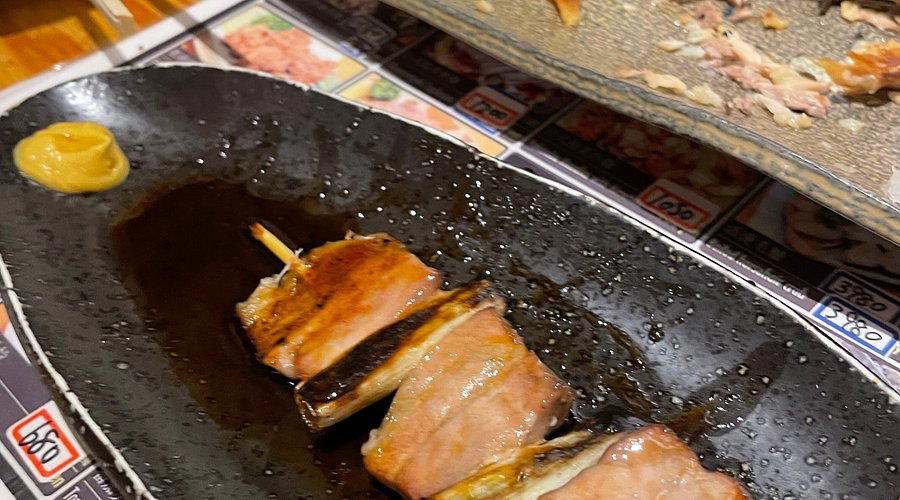
Hakodate Fusaya Daimon ten
Hakodate, Japan
This Tabelog 100 – Okonomiyaki 2025 selection trades Kansai orthodoxy for Hakodate's fishing fleet, pulling live king crab and squid from its own tank for teppanyaki and okonomiyaki at JPY 3,000–3,999 per head. The 52-seat room accepts reservations but rarely fills, making it an accessible dinner anchor five minutes from JR Hakodate Station.
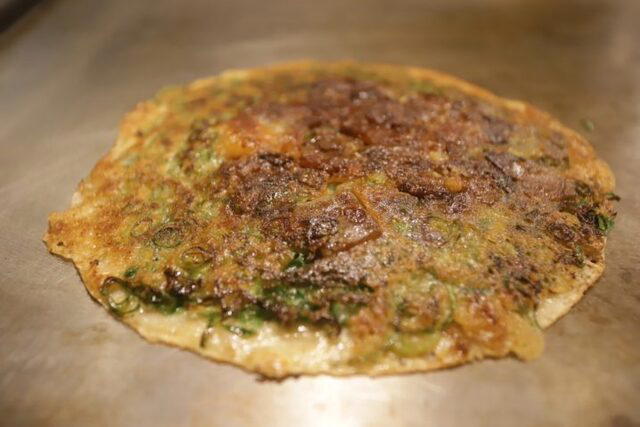
Misaku Kobe kitano ten
Kobe, Japan
Misaku Kobe kitano ten earns its six-year Tabelog Okonomiyaki 100 streak with daily-shredded Hyogo cabbage and precise griddle technique at JPY 2,000–2,999 per head. The 16-seat counter runs no-reservations and fills fast, but arrive at 4:30 PM opening and you'll skip the queue for some of Kobe's tightest okonomiyaki execution without the Kobe beef markup.
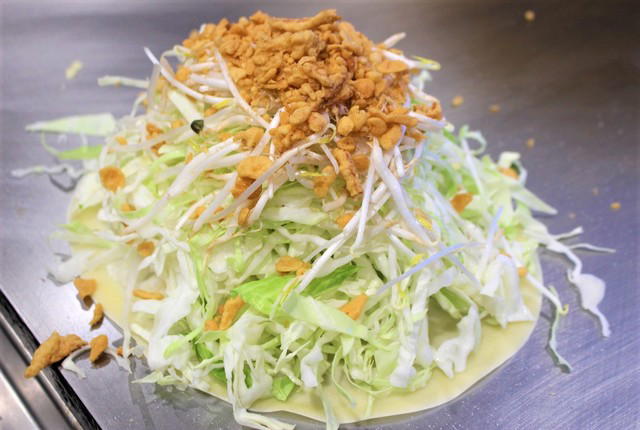
Yagenbori Hassho
Hiroshima, Japan
Yagenbori Hassho delivers Hiroshima-style okonomiyaki at JPY 1,000–1,999 with the technical consistency that earned eight consecutive Tabelog 100 selections through 2025. The 45-seat teppan spot welcomes walk-ins, accepts reservations for groups of four or more, and adds oysters to the menu during winter months. Each pancake takes 20 to 30 minutes to cook, and takeout is possible though the crisp edge fades quickly once wrapped.
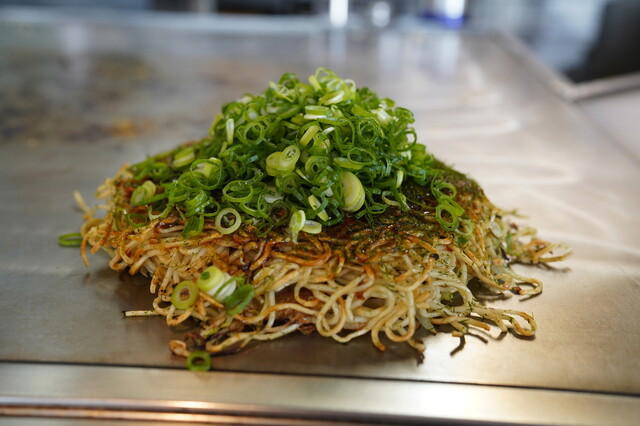
Okonomiyaki Hasshou
Hiroshima, Japan
This walk-in-only okonomiyaki counter near Ginzancho tram stop serves JPY 1,000–1,999 lunches Wednesday through Sunday, closing at 5 PM. A Tabelog 100 Okonomiyaki selection since 2018, it offers reliable Hiroshima-style griddle work without reservations, formal service, or dinner hours. Arrive before noon to skip the queue.
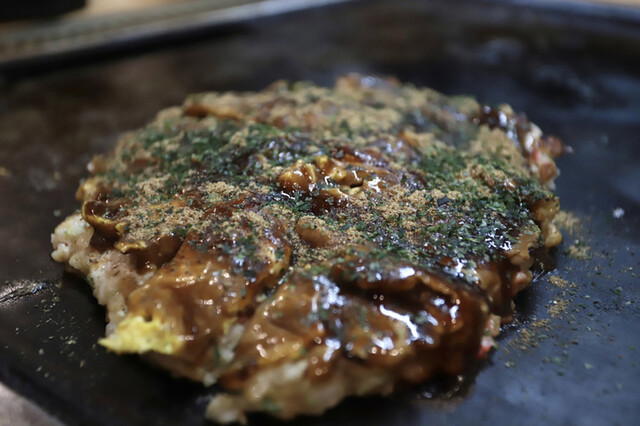
Dontaku
Osaka, Japan
Dontaku delivers Tabelog 100-recognized okonomiyaki and teppanyaki at JPY 2,000-2,999, making it one of Osaka's more affordable award-winning counters. The 15-seat space focuses on griddle technique rather than polish, with late-night hours (until 4 AM weekends) and a cash-only, phone-reservation setup. Choose this for budget-conscious okonomiyaki; consider Goichi or Yakiniku Horumon Uchida if service and ambiance matter more.
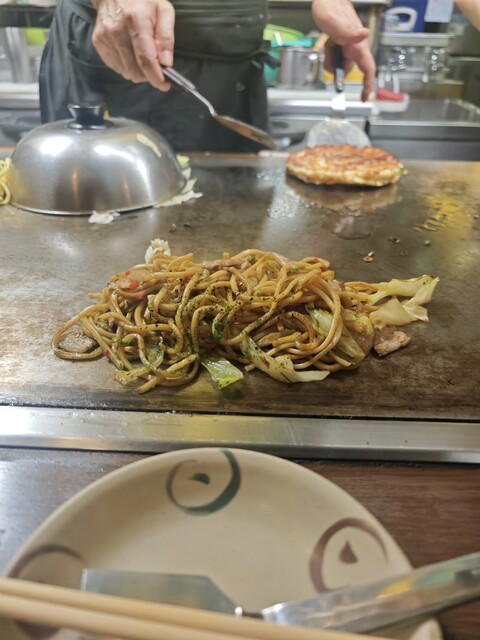
Okonomiyaki Kiji Honten
Osaka, Japan
Tabelog 100 okonomiyaki counter in Shin-Umeda Shokudogai serving JPY 1,000–1,999 griddle pancakes with no reservations, cash-only payment, and sustained awards since 2018. Queue 30–45 minutes at peak lunch and Friday dinner; off-peak weekday afternoons move faster. Counter seats face the griddle, table seats suit groups, and the informal format works for solo diners and families. Closed Sunday.
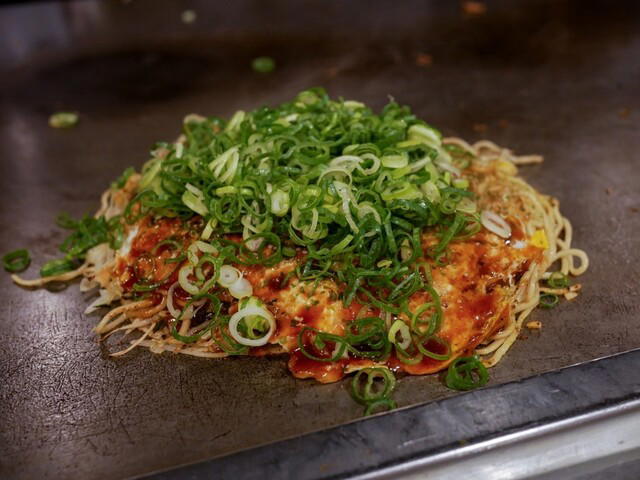
Fumi Chan Nagarekawa ten
Hiroshima, Japan
A Tabelog Okonomiyaki 100 regular since 2018, this Nagarekawa spot delivers Hiroshima-style okonomiyaki under ¥2,000 with minimal booking friction. Staff handle the griddle work at a 52-seat counter and table setup, producing dry-surfaced pancakes that stay structured through crisp cabbage layers. Easier to access than most award-listed peers, with walk-in availability most nights until mid-evening.
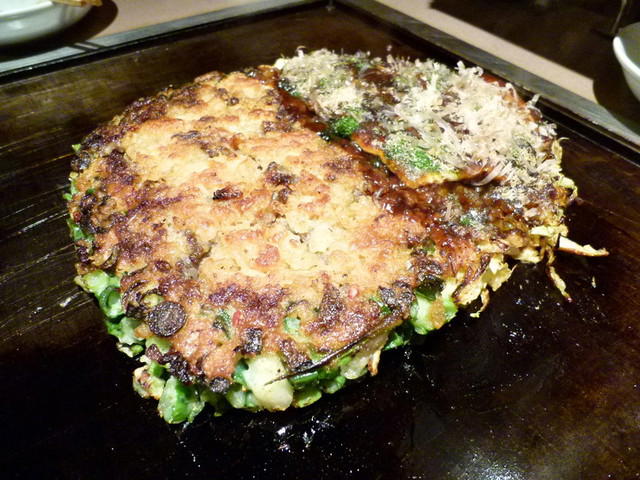
Okonomiyaki Kitaro
Nishinomiya, Japan
Nishinomiya counter spot serving Tabelog 100-recognized okonomiyaki and yakisoba at JPY 1,000–1,999 for Sunday lunch and JPY 3,000–3,999 for dinner. Weeknight reservations available; weekends walk-in only. Best for families and groups who value reliable griddle technique over experimental menus.
Fukutaro (福太郎)
Osaka, Japan
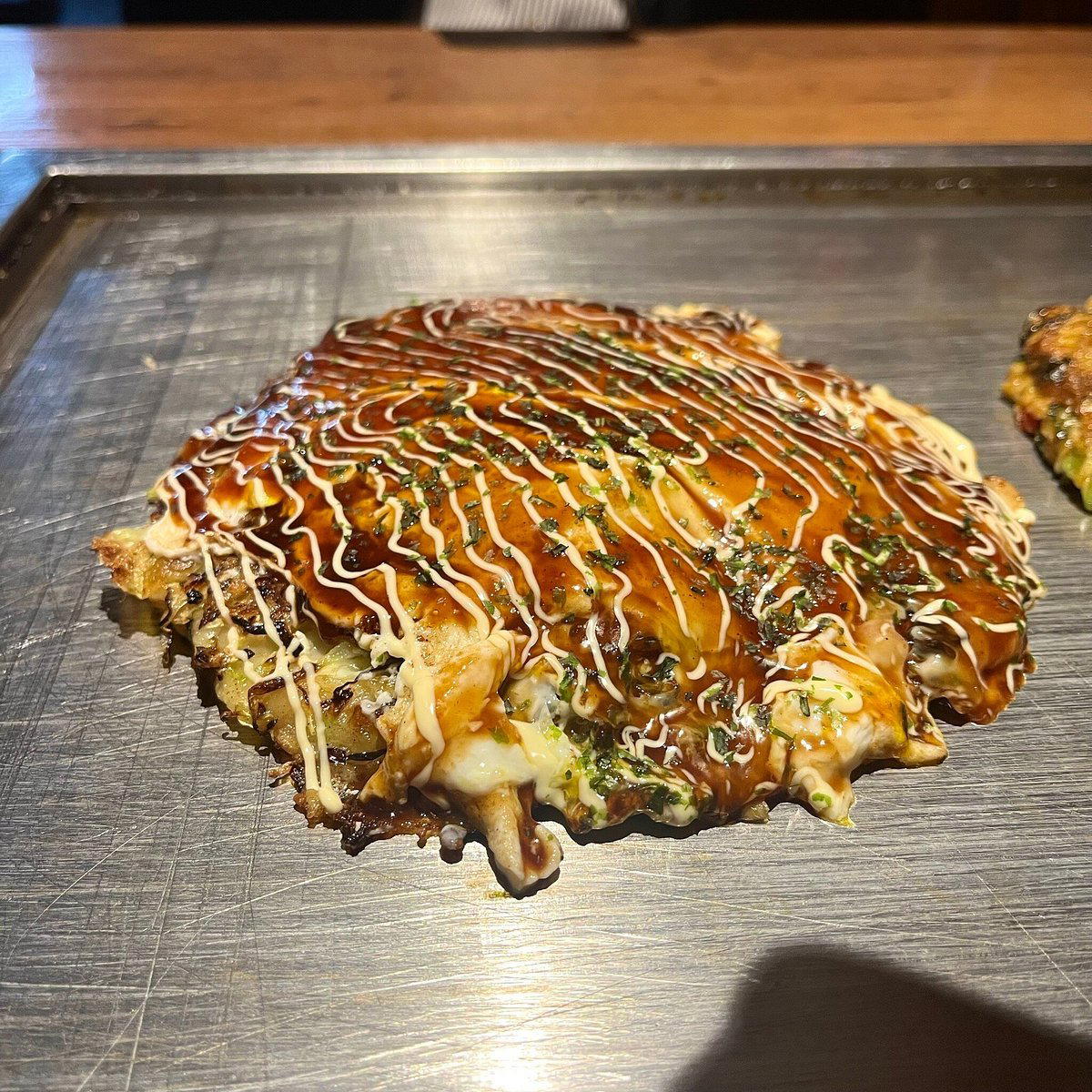
Fukutaro (福太郎) is a smart casual Osaka choice when the plan calls for energy and ease rather than a formal destination meal. Go for a flexible, local-feeling stop in the city; skip it if the occasion needs a quiet room, confirmed service details, or a fully planned menu in advance.
Okonomiyaki Koshida Honten
Hiroshima, Japan
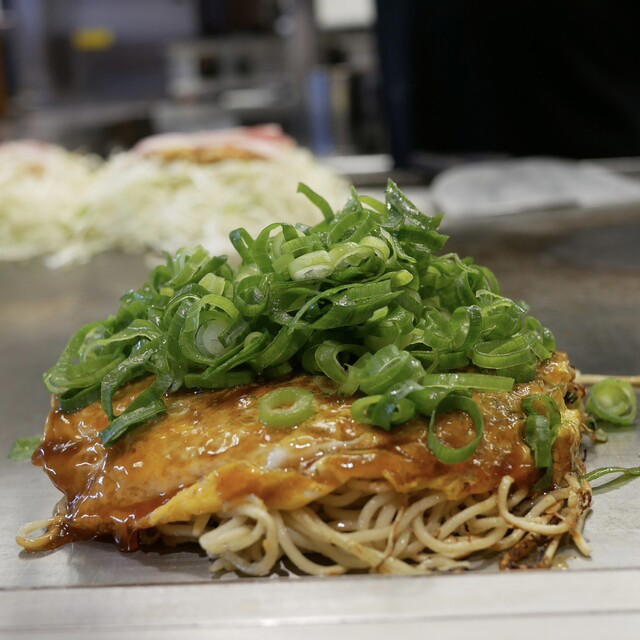
A late-night Nagarekawa okonomiyaki counter that has appeared on the Tabelog 100 Okonomiyaki list every year since 2018, serving technically solid Hiroshima-style okonomiyaki for under JPY 2,000 per head in a casual, smoking-allowed room open until 3 AM. Best for travelers who prioritize griddle skill over ambiance and don't mind proximity to locals winding down after work.
Ajito
Higashihiroshima, Japan
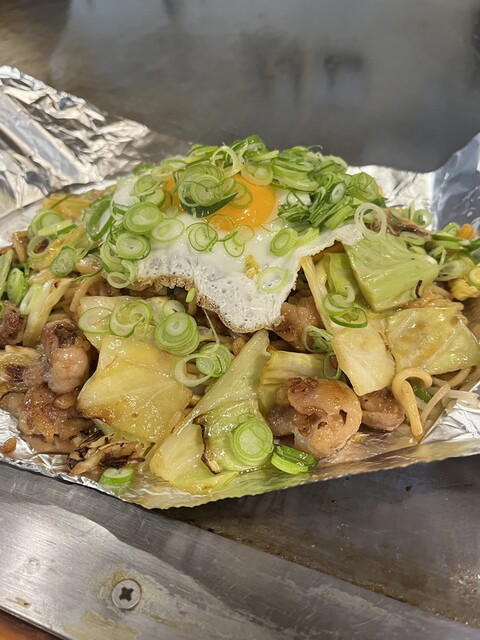
Ajito is a practical Higashihiroshima pick for diners who want a vetted local meal without a heavy booking lift. Its 2025 Tabelog 100 recognition gives it more credibility than a random nearby stop, but it is better for casual explorers than for a formal special occasion built around a named tasting menu or chef-led format.
Mizuno (美津の)
Osaka, Japan
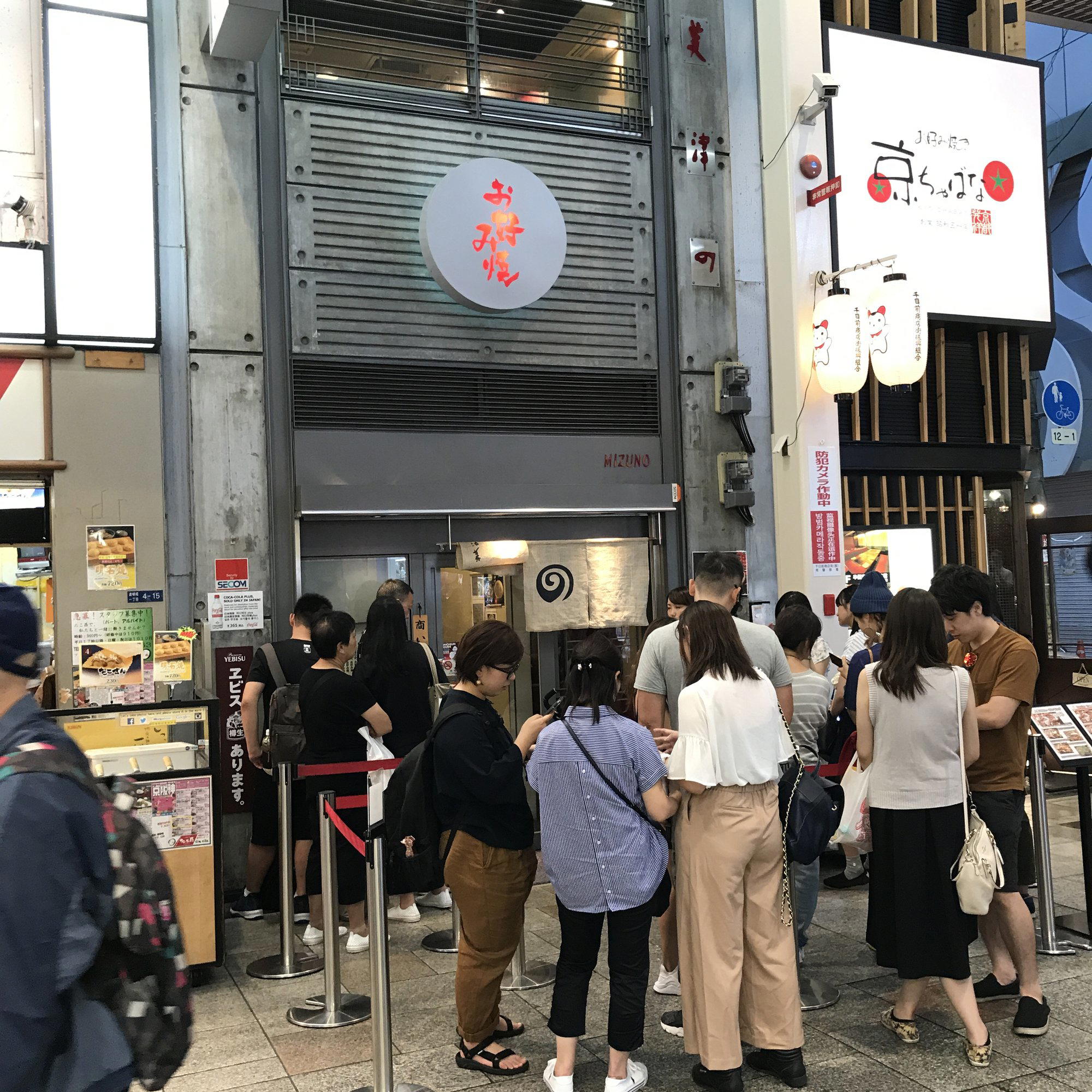
Dotonbori is loud, busy, and easy to get wrong; Mizuno (美津の) is worth prioritizing when you want a recognized Osaka stop rather than a random canal-side meal. Its Tabelog 100 #93 placement in 2025 is the main trust signal. Go for a compact, high-energy meal, not a quiet special-occasion dinner.
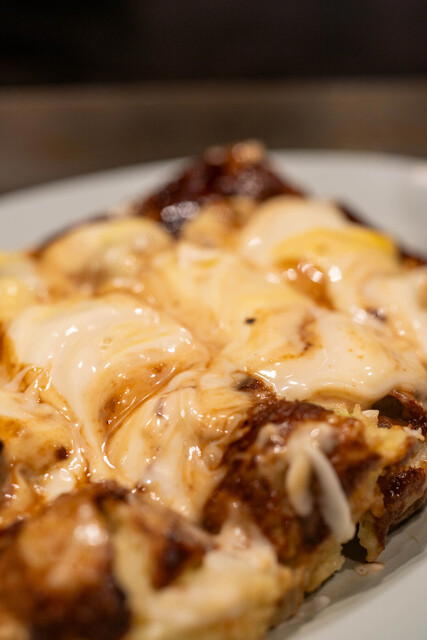
Boteyan Tanaka
Toyama, Japan
An eight-year Tabelog Okonomiyaki 100 selection, Boteyan Tanaka delivers crisp, savory okonomiyaki and yakisoba in a no-frills basement counter setting near Toyama Station. At JPY 1,000–JPY 1,999 per head, it's a straightforward, wallet-friendly meal for solo travelers and families; no reservations, just walk in and order.
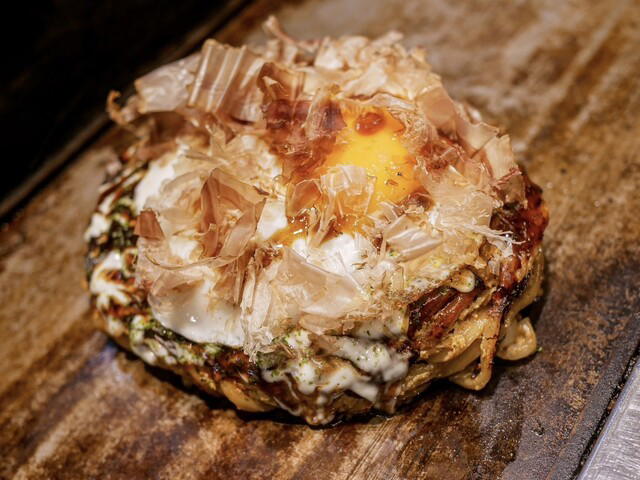
Okonomiyaki Momiji
Osaka, Japan
Tennōji Ward's Tabelog 100 okonomiyaki counter (2018–2025) distinguished by a monthly-rotating wine list that elevates the classic Kansai griddle format. Late hours (until 2 AM) and counter seating for five; reservations recommended but not difficult. At JPY 4,000–4,999, the price reflects wine curation more than pancake technique; worth it if pairing matters, optional if you are chasing the lowest spend in the category.
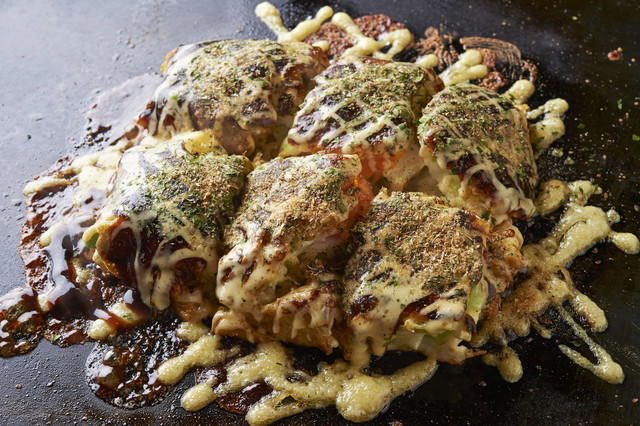
Nanban Tei Shimokitazawa ten
Tokyo, Japan
Nanban Tei delivers consistent okonomiyaki and teppanyaki at JPY 3,000–3,999, earning Tabelog 100 recognition six years running. The 35-seat Shimokitazawa room suits dates, groups, and family dinners better than counter-only competitors, with weekend lunch service offering a lower-commitment entry point.
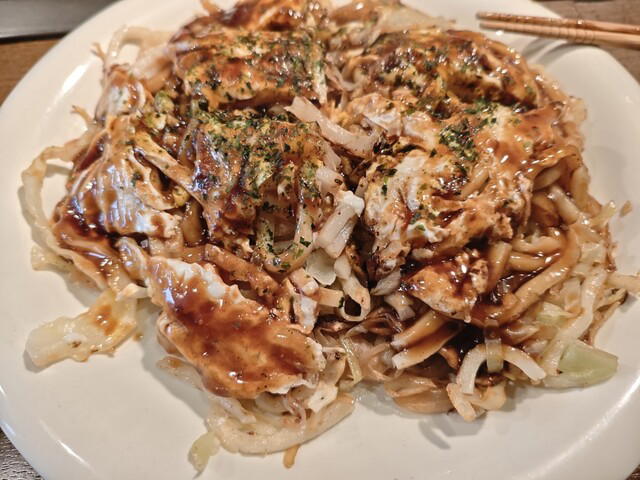
Kanransha
Hiroshima, Japan
Six-time Tabelog 100 okonomiyaki counter in Hiroshima's Naka Ward, seating 14 at teppanyaki griddle spots and small tables. JPY 1,000–1,999 per person for classic Hiroshima-style layering, with counter seats offering the best view of the cooking process. Reservations available via phone or Instagram; walk-ins possible on slower weekday lunches.
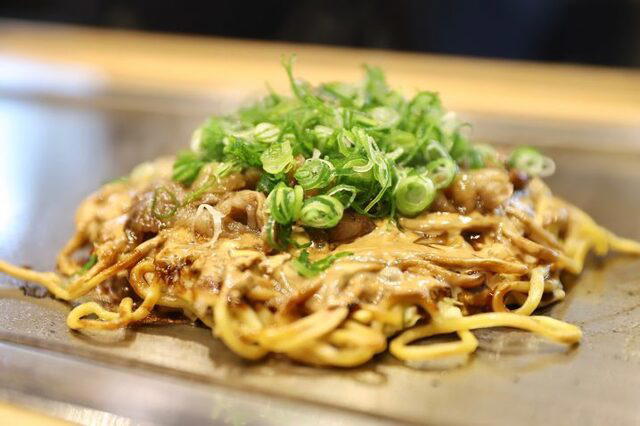
Okonomiyaki Shimizu
Osaka, Japan
A six-seat counter in Tosabori where Tabelog 100-listed okonomiyaki (2024, 2025) runs under JPY 3,000. The chef works the griddle in silence, the technique is precise, and the room fills fast on weekends. Book ahead if you want award-level execution without the omakase price tag.
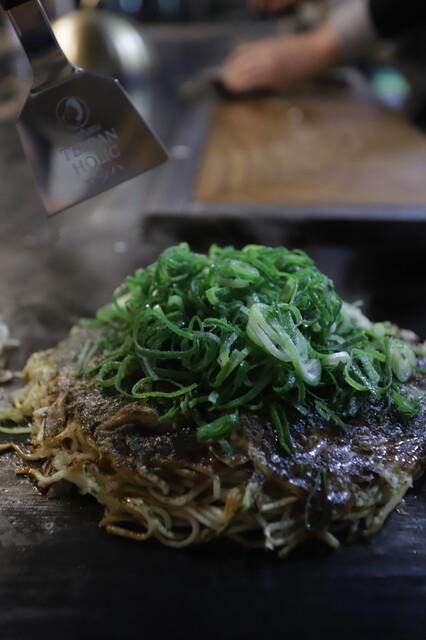
Okonomiyaki Murakami
Onomichi, Japan
Nine-seat counter serving traditional Hiroshima-style okonomiyaki on weekends only, with eight consecutive Tabelog 100 – Okonomiyaki selections from 2018 through 2025. No reservations, cash only, and open until ingredients run out. At JPY 1,000 to JPY 1,999 per person, it's a low-key, awards-backed option for solo diners and couples willing to plan around Saturday or Sunday availability.
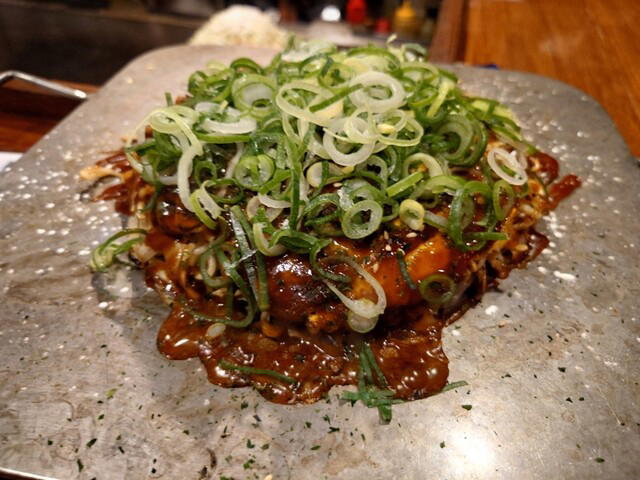
Okonomiyaki Junior
Hiroshima, Japan
Counter-service Hiroshima okonomiyaki selected for Tabelog 100 in 2025, offering traditional pancake-and-noodle layering at JPY 1,000–3,999. Private rooms available, reservations accepted, and the location near Tatemachi Station makes it a practical, affordable introduction to the format for first-time visitors or a dependable fallback when higher-priced spots are booked.
Overview
Tabelog 100 - Okonomiyaki - 2025 is an annual curated list of Japan’s top 100 okonomiyaki restaurants, ranked by Tabelog, the nation’s premier restaurant review platform. This list highlights the best eateries where diners can experience authentic and innovative okonomiyaki across Japan, recognized for their quality, popularity, and culinary artistry.
The Tabelog 100 - Okonomiyaki - 2025 list showcases the pinnacle of okonomiyaki dining, a beloved Japanese savory pancake dish known for its regional variations and customizable ingredients. Compiled by Tabelog, Japan’s largest and most influential restaurant review platform, this list draws from millions of user reviews and ratings nationwide. It celebrates longstanding local favorites and innovative newcomers, reflecting both tradition and evolving culinary trends. The list is a key resource for food enthusiasts seeking authentic and exceptional okonomiyaki experiences in Japan’s diverse food landscape.
For discerning diners and travelers eager to savor Japan’s iconic okonomiyaki, the Tabelog 100 - Okonomiyaki - 2025 list offers an authoritative guide to the country’s top 100 establishments. From Osaka’s bustling street-food stalls to Hiroshima’s layered delicacies, these restaurants represent the highest standards of flavor, technique, and atmosphere. Whether seeking classic recipes or inventive twists, this list is a passport to authentic experiences that celebrate Japan’s rich culinary heritage.
Quick Facts
- Publisher
- Tabelog
- Year
- 2025
- Coverage
- Okonomiyaki restaurants across Japan
- Items
- 100
- Frequency
- Annual
About This Edition
The 2025 edition of Tabelog 100 - Okonomiyaki reflects notable trends such as the resurgence of traditional Kansai-style okonomiyaki alongside innovative fusion approaches incorporating international ingredients. This year’s list also features several emerging chefs and restaurants from less recognized regions, highlighting the expanding popularity of okonomiyaki beyond its historical strongholds. Sustainability and ingredient sourcing have become increasingly important criteria in this edition’s selections.
Frequently Asked Questions
What is Tabelog 100 - Okonomiyaki - 2025?
How are honorees selected?
How often is this list updated?
How can I find these on Pearl?
How many of these have you visited?
Find out on Pearl and keep score across every place in Tabelog 100 - Okonomiyaki - 2025.