

Tabelog 100: Best Japanese Traditional Sweets & Cafes in West Japan 2023
Tabelog 100 (Hyakumeiten) Japanese traditional sweets / Japanese sweets cafe - WEST selection for 2023. Tabelog publishes these as source-ordered lists of 100 restaurants.

Venues on this list
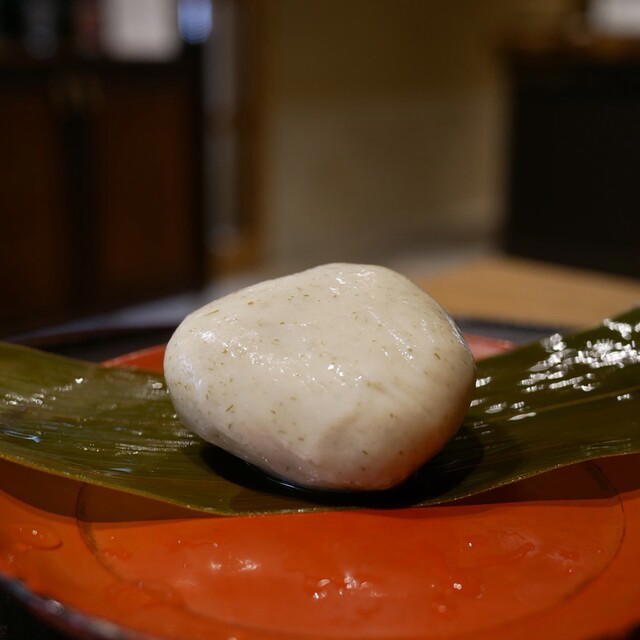
Fuka Nishiki ten
Kyoto, Japan
A Tabelog 100 traditional sweets counter in Nishiki Market operating as a two-seat take-out specialist. At JPY 1,000-1,999, the shop rewards travelers seeking portable omiyage or same-day snacks with award-recognized quality and no-reservations convenience, though the narrow footprint and quick-consumption requirement suit solo visitors better than groups.
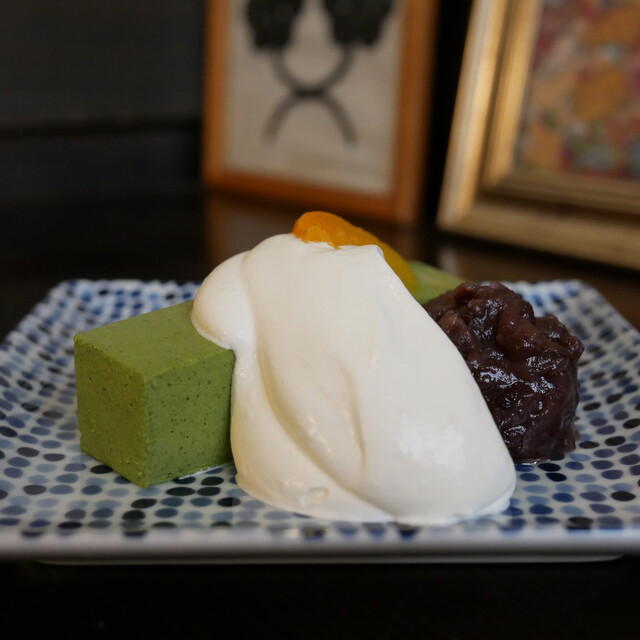
Kanmidokoro Akachaya
Kobe, Japan
Tabelog 100-recognized wagashi cafe in Nada Ward, five minutes from Oji Koen Station, serving house-made kakigōri and seasonal sweets under 1,000 yen. Summer hours extend for shaved ice; limited weekly lunch specials sell out fast Tuesday through Friday. Reservations accepted, cash only, 22 seats split between counter, table, and tatami rooms.
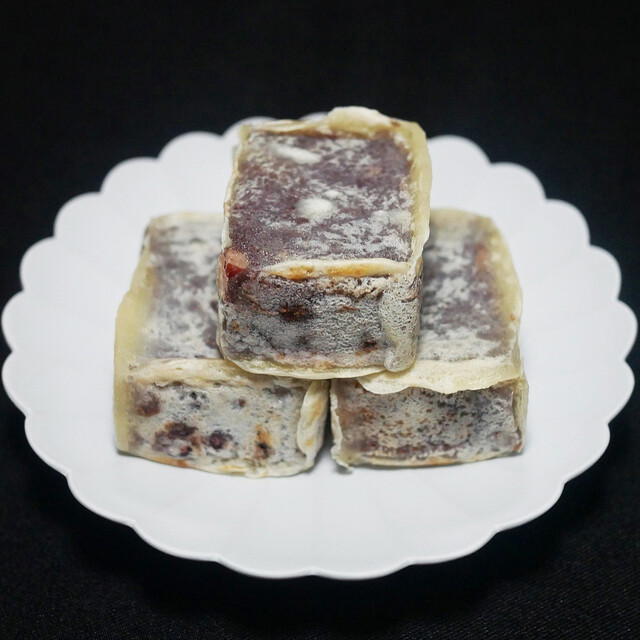
Deiribashi Kintsuba Ya
Osaka, Japan
A Tabelog 100-listed kintsuba specialist in Dojima, favoring takeout over sit-down service. The griddled sweet-bean cakes cost under JPY 2,000 per visit and hold up well for gifting or hotel-room snacking. Cash-only, no reservations, closed Sundays; best for travelers seeking portable wagashi precision rather than a full tea ceremony.
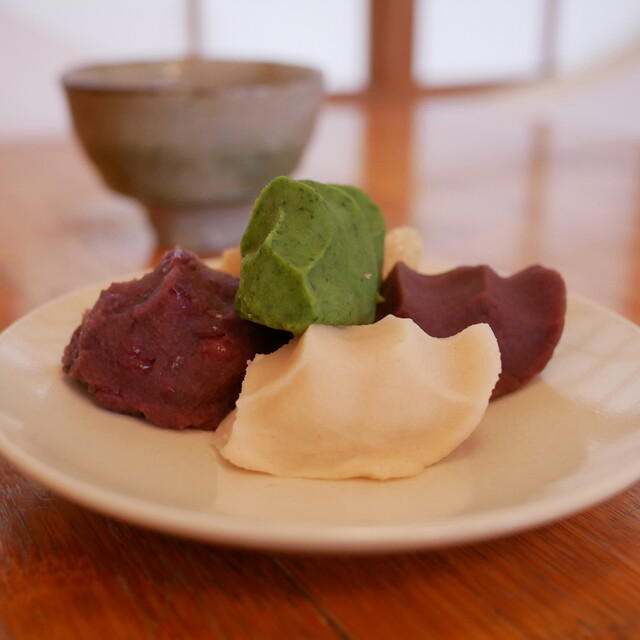
Kikujudo Yoshinobu
Osaka, Japan
A weekday-only wagashi specialist in Osaka's Koraibashi district, recognised in Tabelog's 2023 WEST 100. Kikujudo Yoshinobu sells daifuku and seasonal sweets under JPY 999, with a 12-seat tea room open 11 AM–4 PM. Phone ahead to reserve specific items; stock runs low by late afternoon, and the 4:30 PM close eliminates evening visits.
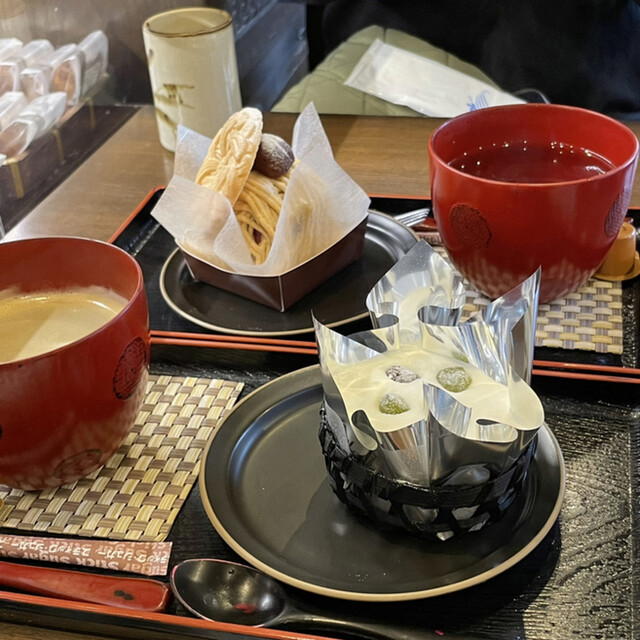
Ichijoji Nakatani
Kyoto, Japan
A Tabelog 100–recognized wagashi shop in northern Kyoto's Ichijoji district, serving seasonal Japanese sweets and tea in a converted house near temple sites. Walk-ins welcome, family-friendly, JPY 1,000–1,999 per visit. Best for travelers seeking a low-key specialty stop between Shugakuin and Manshu-in.
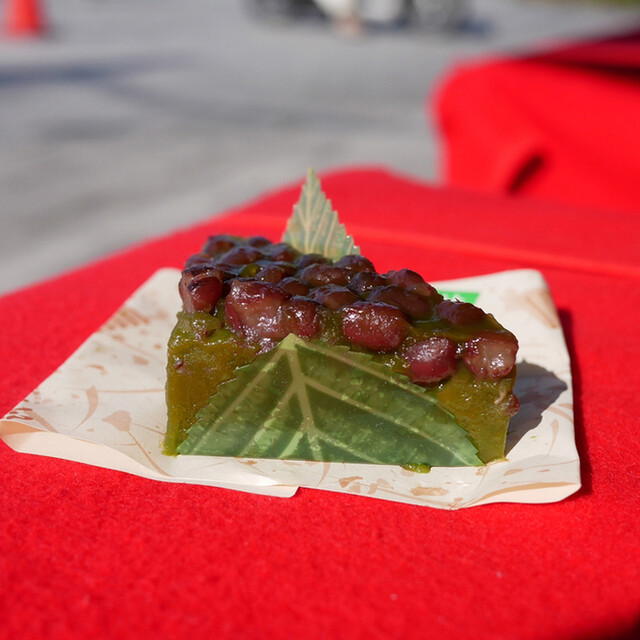
Keihan Uji Ekimae Surugaya
Kyoto, Japan
A Tabelog 100 take-out wagashi shop steps from Keihan Uji Station, offering temple-goer-friendly sweets under JPY 1,000. The two-seat counter is more waiting area than café, so treat this as a quick grab before or after Byodo-in. Opens 9:30 AM, closes Thursdays, and runs fastest between 2–4 PM.
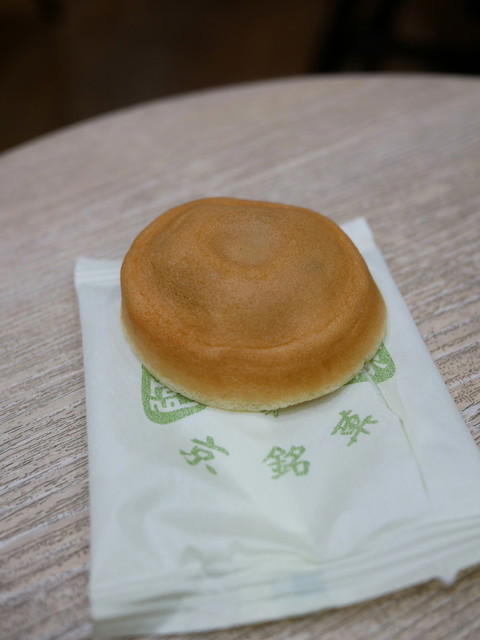
Mangetsu JR kyoto isetan ten
Kyoto, Japan
Mangetsu's Kyoto Station counter delivers Tabelog 100-recognized traditional sweets at under ¥1,000 per visit, with fast take-out service inside JR Isetan's B1F food hall. The format favors travelers hunting gifts or a quick mochi fix between trains, not those seeking a sit-down wagashi tasting; practical and reliably executed, but with no seating or ceremony to frame the experience.
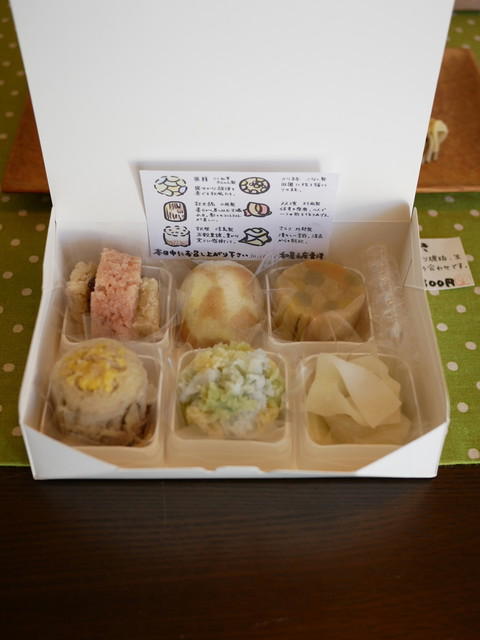
Wagashi Mise Seiyo
Kyoto, Japan
A Kyoto wagashi workshop open three days per month; typically the third weekend; offering technique-driven traditional sweets at JPY 2,000–2,999. Recognized by Tabelog's 100 Best (2023, 2018), it delivers ceremonial-level craft without the tea-house markup, but scheduling around the limited retail window is essential. Worth the effort for enthusiasts; casual buyers may prefer daily-open alternatives like Mikura Ya or Croa.
Kawabata Doki
Kyoto, Japan
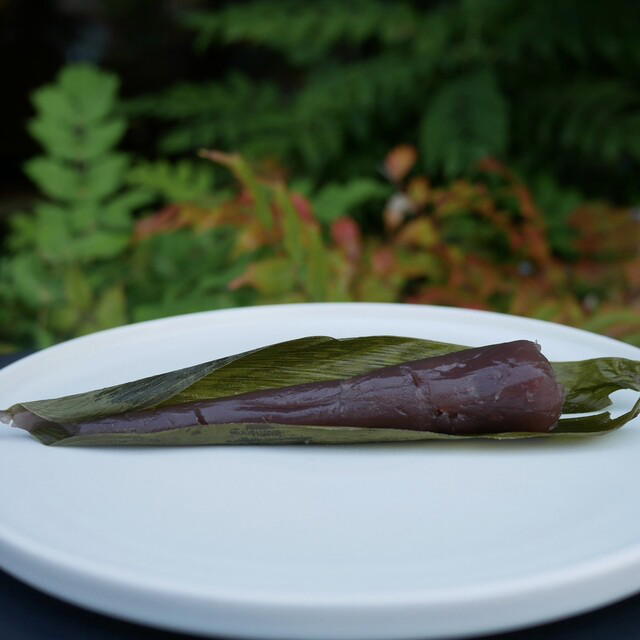
Kawabata Doki is a reservation-only, take-out <em>wagashi</em> shop in Kyoto's Kitayama neighborhood, requiring advance phone booking and cash payment. At JPY 3,000-JPY 3,999, it suits gift purchases or special-occasion sweets rather than casual walk-ins. Tabelog-recognized but logistically demanding for spontaneous visitors.
Okashi Tsukasa Juko
Kyoto, Japan
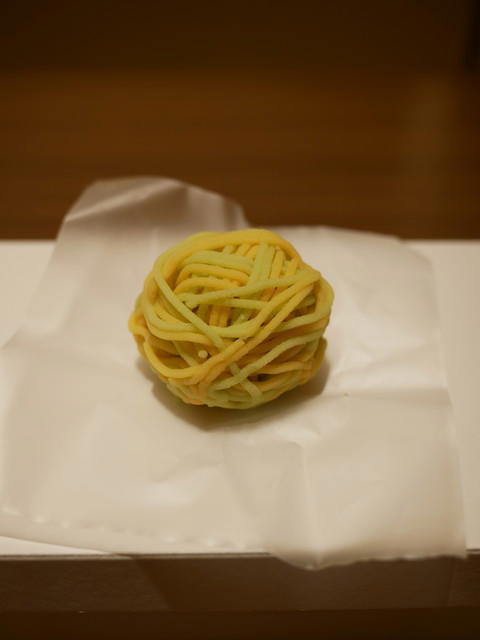
Tabelog 100 Best Sweets (WEST) selection since 2017 offering traditional Japanese wagashi at under ¥999 per item. Take-out only format with recommended reservations and no seating. Located in residential Kamigyo Ward near Kuramaguchi Station, this shop delivers quality-to-price value well above tourist-district wagashi shops.
Hashiri Imochi Roho
Kyoto, Japan
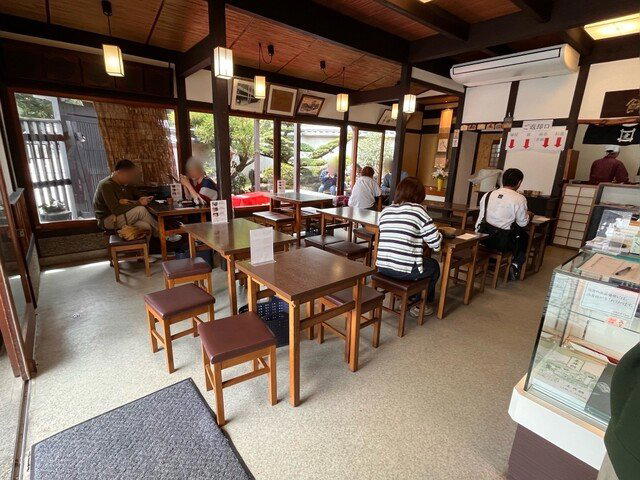
A traditional mochi shop in Yawata, two minutes from Iwashimizu Hachimangu Station, serving take-out sweets under ¥1,000. Recognized in Tabelog's 2023 WEST wagashi selection, it offers straightforward red-bean mochi in a walk-in format with parking, appealing to shrine visitors and locals seeking a no-fuss sweet stop outside central Kyoto.
Yume Kabou Takara Kasugachou honten
Takamatsu, Japan
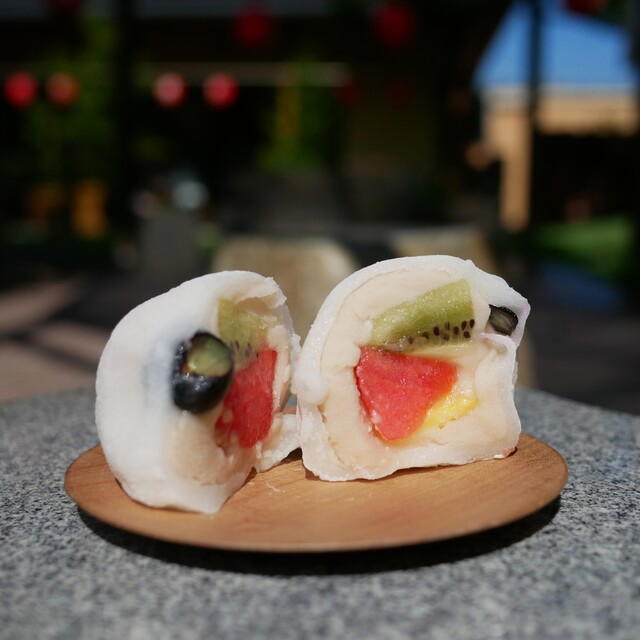
Tabelog 100–recognized wagashi shop in Takamatsu serving daifuku and seasonal Japanese sweets under JPY 999. Takeaway-focused with 60-car parking, family-friendly policies, and consistent execution that justifies Tabelog 100 WEST recognition. Walk-ins welcome; closed Wednesdays.
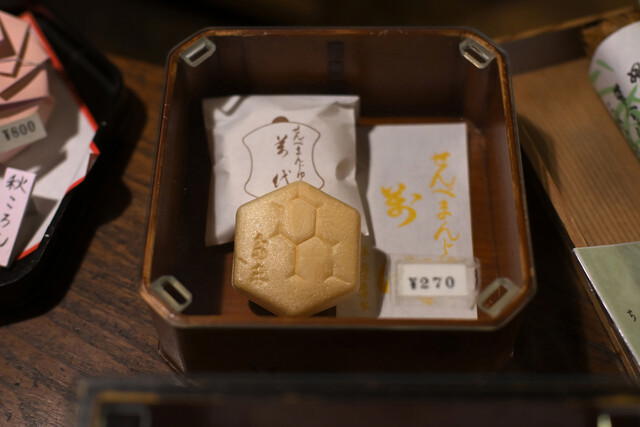
Kamesuehiro
Kyoto, Japan
A take-away wagashi specialist three minutes from Karasuma Oike station, recognized on Tabelog 100 lists for six consecutive years. The shop sells traditional Japanese sweets under JPY 999 per item, with no seating and a focus on formats that travel well. Open Tuesday through Saturday until 5 PM; reservations accepted by phone.
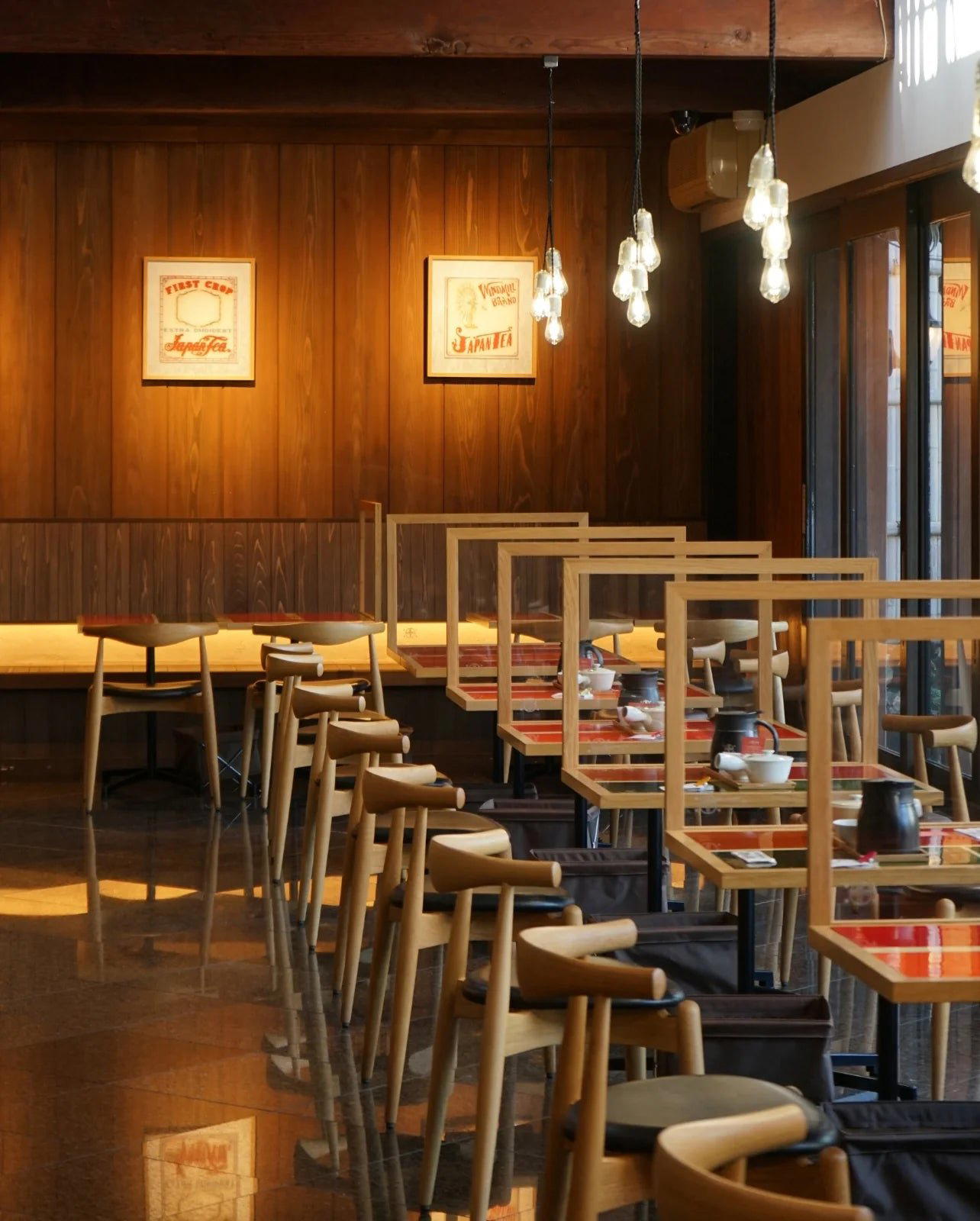
Nakamura Tokichi Honten Uji honten
Kyoto, Japan
A century-old teahouse in Uji serving matcha desserts and noodles at JPY 1,000–2,999, recognized three times by Tabelog's WEST 100 for Japanese sweets. No reservations; expect waits during spring and fall weekends. Two minutes from JR Uji Station, with terrace seating overlooking the Uji River.
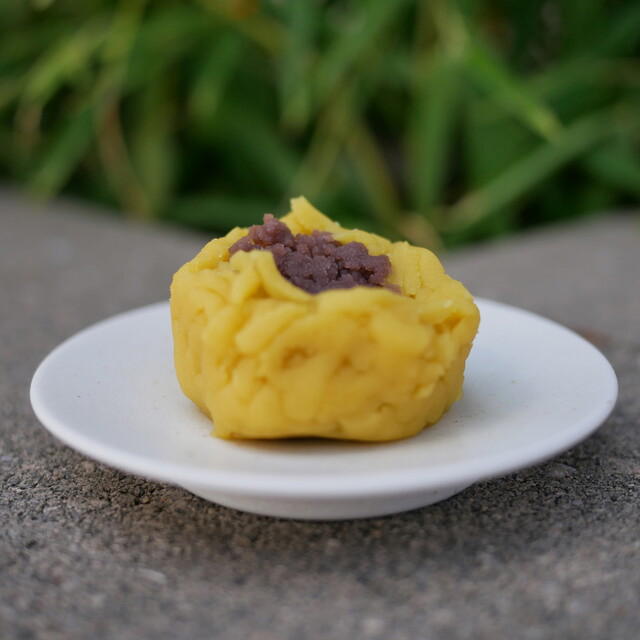
Kameya Yoshinaga
Kyoto, Japan
Tabelog 100-recognized wagashi shop in central Kyoto offering traditional Japanese sweets for take-out at ¥1,000–¥1,999 per visit. Walk-in access Monday, Tuesday, and Thursday through Saturday, 8 AM to 6 PM, with no reservations required. A practical stop for travelers seeking award-recognized confectionery without sit-down service.
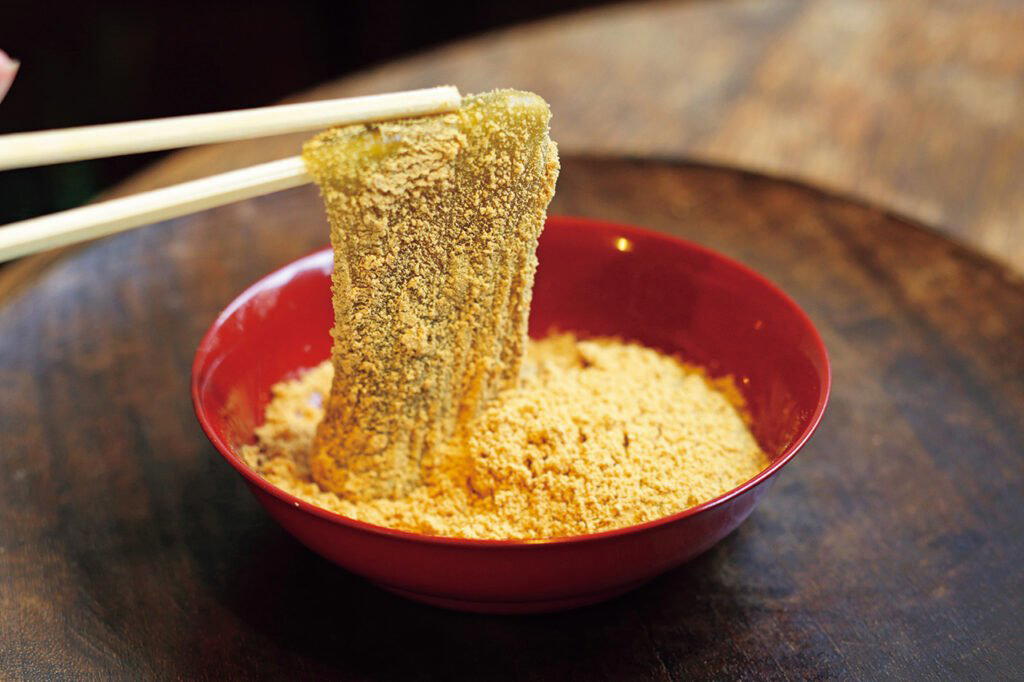
Rakushaan
Kyoto, Japan
Rakushaan works for a researched Kyoto dinner because its Tabelog 100 #16 (2023) placement gives it a real credibility signal. The catch is practical uncertainty: cuisine style, price, seating, dress code, and booking channel are not clear here, so it suits diners willing to verify details before committing rather than travelers needing a frictionless plan.
Momiji Do Niban Ya
Hatsukaichi, Japan
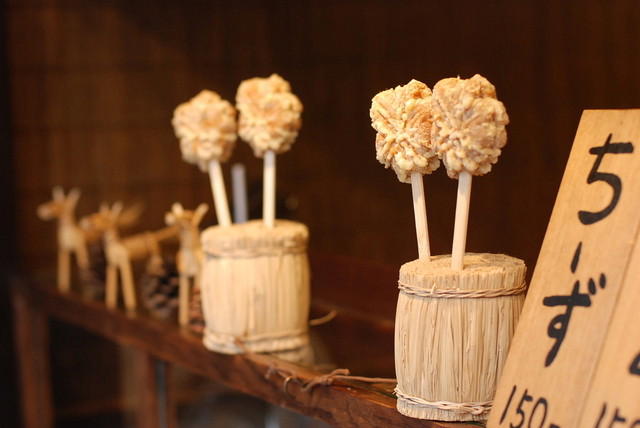
Momiji Do Niban Ya fries the island's ubiquitous steamed maple-leaf cakes to order, delivering a crisp-shelled novelty at under 200 yen per piece. The food-court setup and five-minute service work for a quick snack between Itsukushima Shrine and the ferry, but lines stretch during peak season and the format favors convenience over craft.
Daigokuden Honpo Honten
Kyoto, Japan
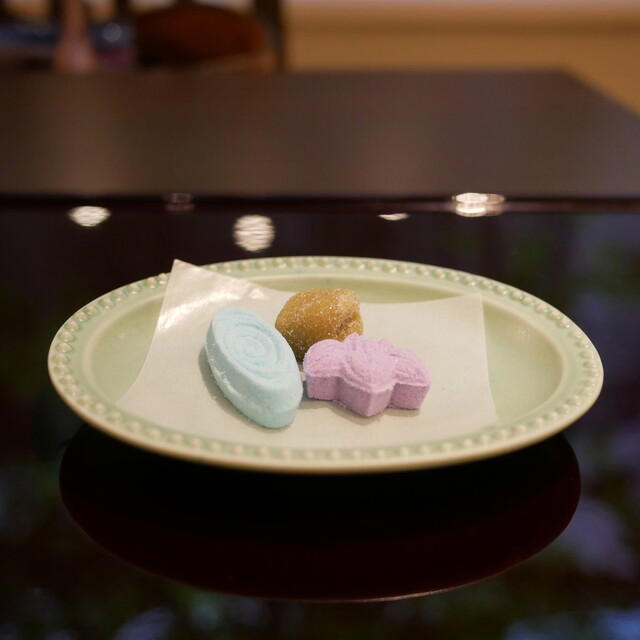
A Tabelog 100-recognized wagashi shop near Karasuma station, serving traditional Japanese sweets in a 38-seat café added during a 2019 renovation. At JPY 1,000–1,999, it offers accessible seasonal confections and kakigori without reservations, best visited on weekday mornings or late afternoons to avoid peak tourist crowds. Retail-focused format suits quick stops more than destination dining.
Yaogen Raikodo Honten
Osaka, Japan
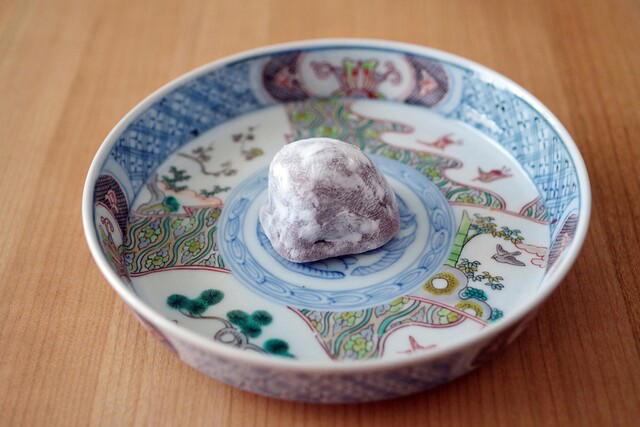
A Tabelog 100-listed wagashi shop in Sakai Ward, Yaogen Raikodo Honten operates a take-out-only model with sub-1,000-yen pricing and a focus on traditional Japanese sweets. Recognition in the 2023 Tabelog West list signals consistent technical execution, though cash-only payment and pre-5 PM closing hours require advance planning. Worth booking for travelers seeking omiyage or a post-lunch treat, provided you arrive before midday sellouts.
Okashi Tsukasa Takaoka Fukunobu
Osaka, Japan
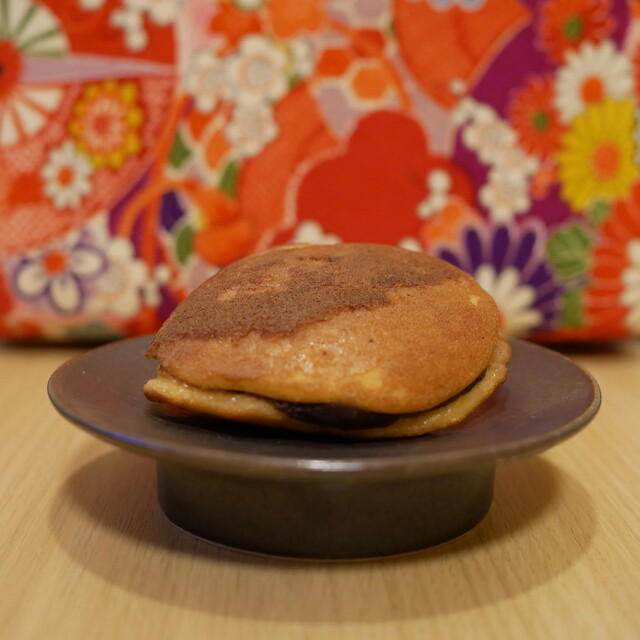
A Tabelog 100 WEST 2023 wagashi counter in Osaka's Doshomachi district descended from Toyotomi Hideyoshi's food attendant, operating take-out only with cash payment required. Seasonal mochi and sweet-bean confections rotate every few weeks, priced JPY 1,000–1,999 per box, with no seating or on-site tasting; buy for omiyage or to take home, not to linger.
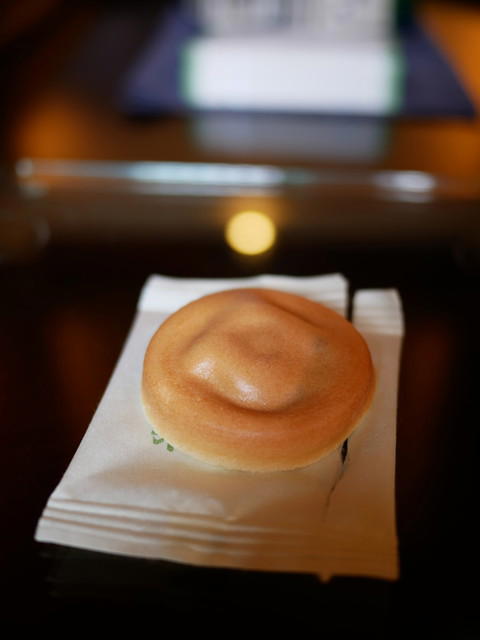
Ajari Mochi Honpo Kyogashi Tsukasa Mangetsu Honten
Kyoto, Japan
A Tabelog 100 Japanese sweets shop near Demachiyanagi station, offering takeaway mochi at under JPY 999. Five Tabelog 100 selections (2018–2020 and 2022–2023) anchor the reputation. Cash-only, with limited bench seating and a five-day shelf life. Open 9 AM–6 PM, closed some Wednesdays. A practical stop for traditional confections without the formality of a teahouse.
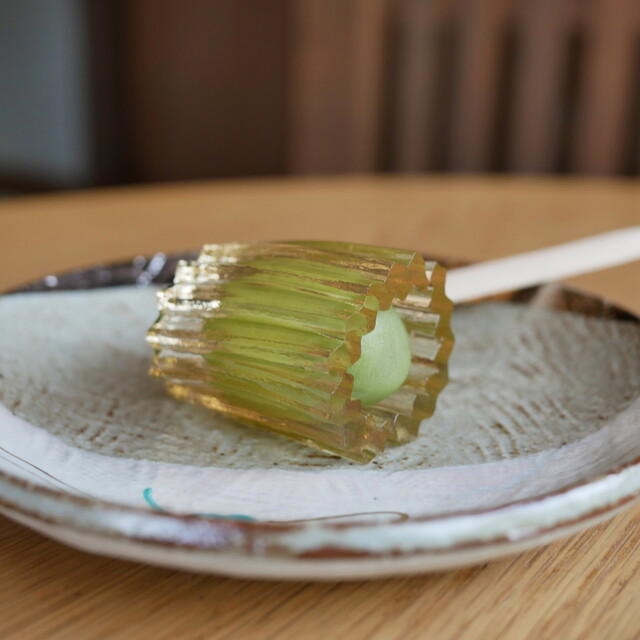
Isuzu Chaya Honten
Ise, Japan
A Tabelog 100-recognized sweets cafe near Ise Grand Shrine, offering traditional wagashi and Western sweets in the JPY 1,000–1,999 range. Walk-in only, open 9:30 AM to 4:30 PM daily. Choose this over Akafuku Honten if you want menu variety; choose Akafuku if you prefer a single-focus mochi specialist.
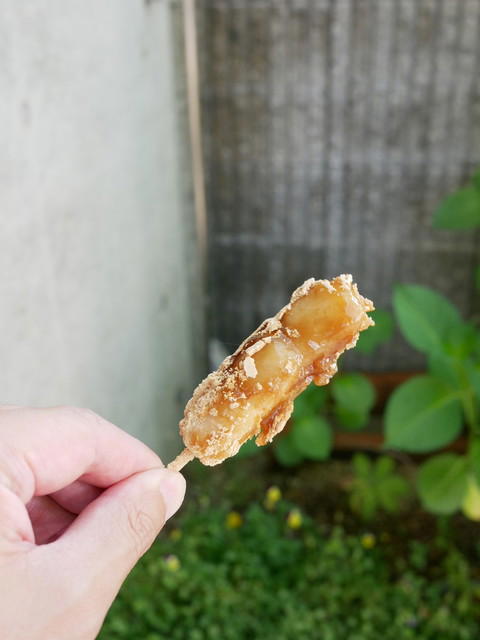
Mitama Ya
Kyoto, Japan
A Tabelog 100 take-out wagashi counter in Shimogamo offering precision confections at JPY 1,000–1,999. Cash-only, no seating, reservations recommended. Also available at Kyoto Takashimaya and JR Kyoto Isetan pop-ups Thursday–Saturday.
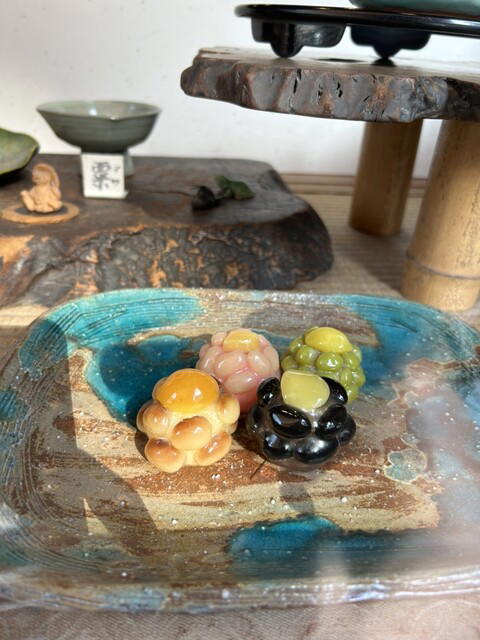
Honke Gepaikeya Naomasa
Kyoto, Japan
Tabelog-recognized Japanese traditional sweets shop near Sanjo Station offering seasonal wagashi at under JPY 2,000. Takeaway-only format with no reservations required. Cash-only, closes at 6 PM. Best for travelers who want award-level sweets without sit-down service or high prices.
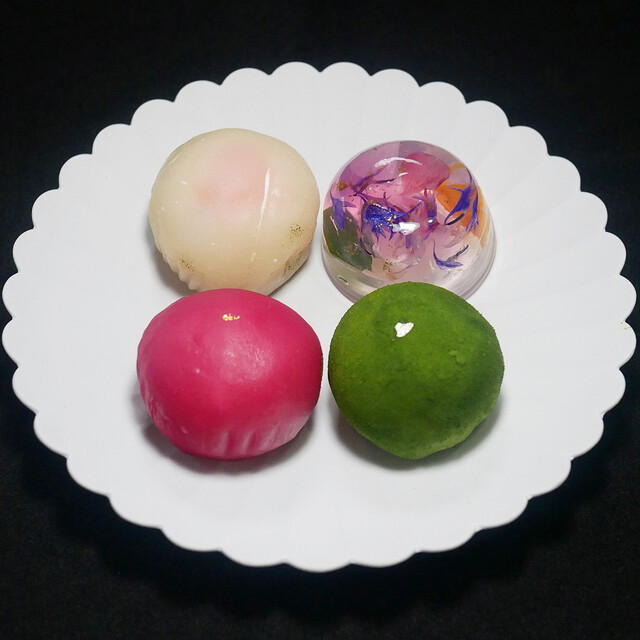
Mochisho Shizuku Shinmachi ten
Osaka, Japan
A Shinmachi mochi counter with Tabelog 100 selections in 2018–2020 and 2022–2023 and a price range of JPY 1,000–1,999. The eight-seat eat-in space and walk-in take-away model deliver technically precise daifuku without the formality or cost of destination wagashi shops. Book this for casual excellence: recognized craft, tight execution, no reservations required.
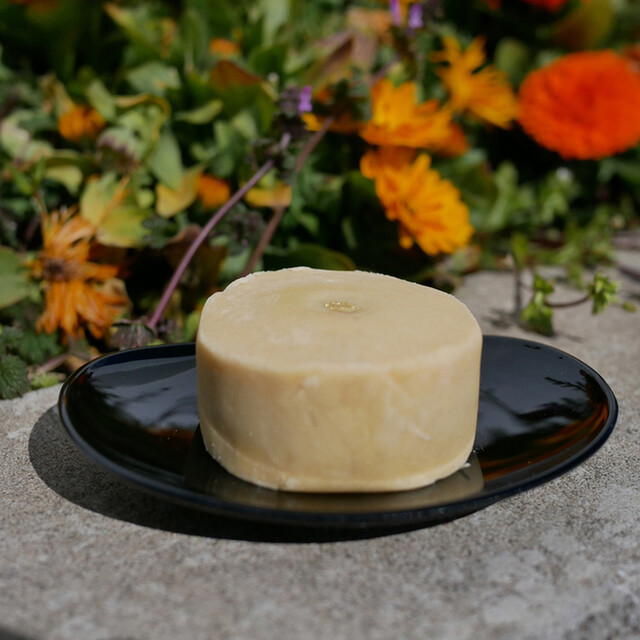
Takara Kasho Sugaya Yamamoto ten
Takarazuka, Japan
A Tabelog 100 West 2023 take-out counter two minutes from Yamamoto Station, serving traditional Japanese sweets, cakes, and dorayaki under JPY 1,000. The award-verified selection and neighborhood pricing make it a practical detour for transit passengers who want Hyogo-prefecture wagashi without sit-down formality. Closed Mondays; stock sells out by mid-afternoon on weekends.
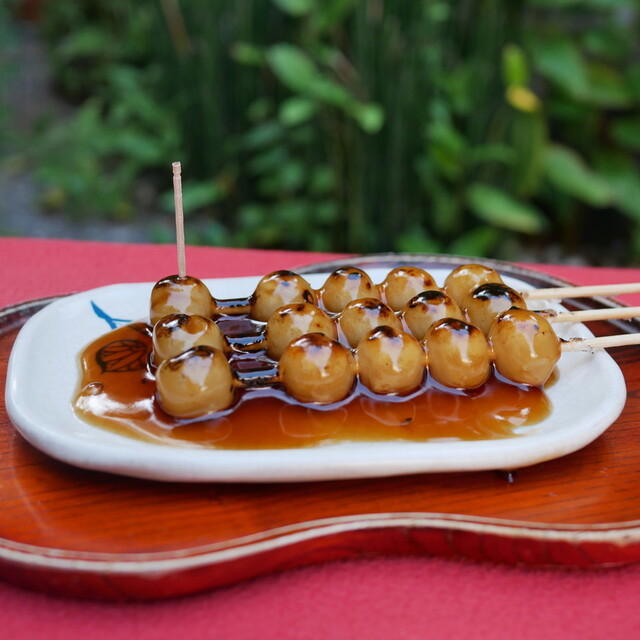
Kamo Mitarashi Chaya
Kyoto, Japan
Tabelog 100-recognized teahouse serving charcoal-grilled mitarashi dango and seasonal shaved ice at under JPY 999 near Shimogamo Shrine. No reservations, walk-in only, cash or QR payment; ideal for a quick traditional-sweets stop between northern Kyoto shrine visits.
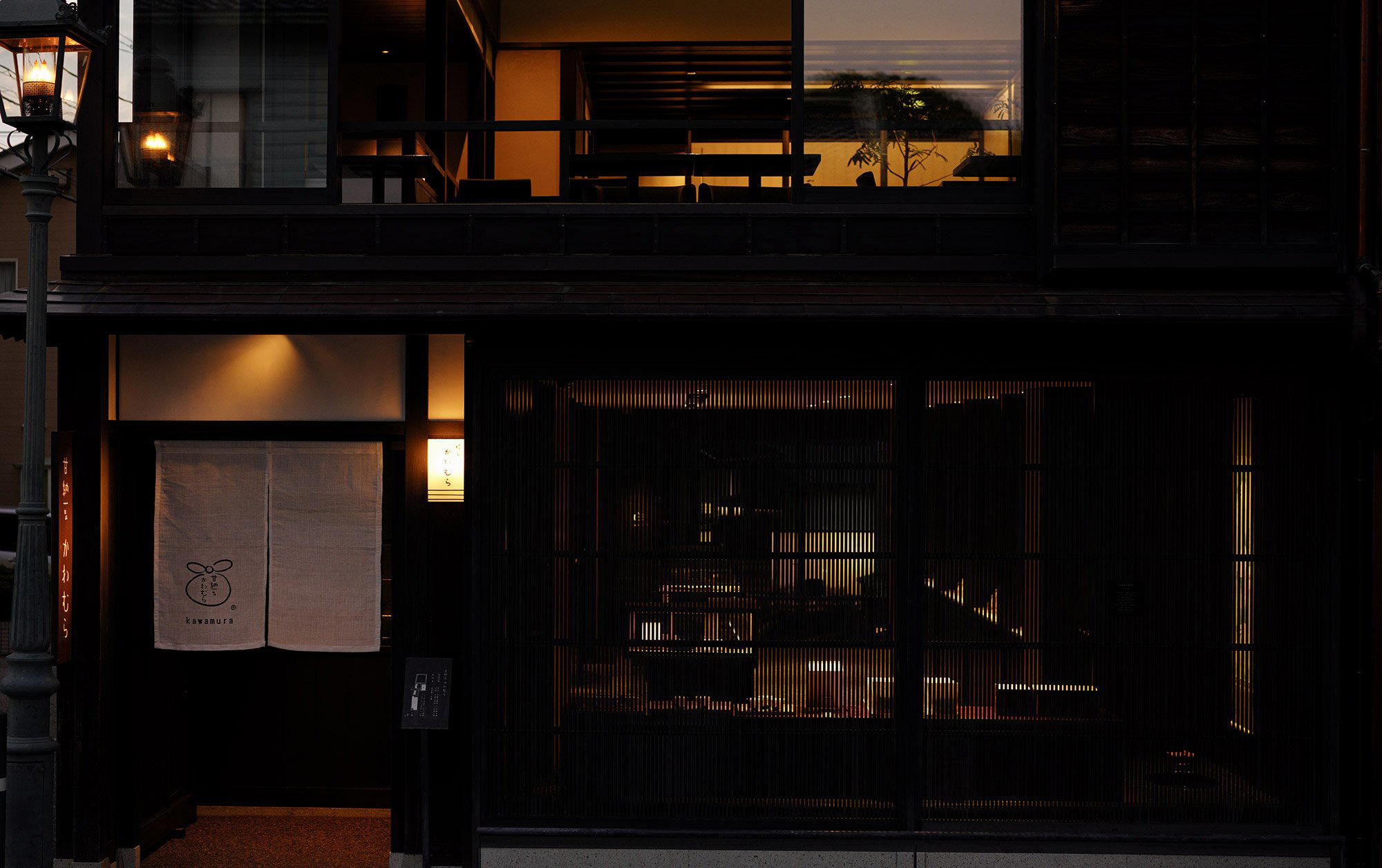
Amanatto Kawamura
Kanazawa, Japan
Amanatto Kawamura is a smart daytime Kanazawa stop when the plan calls for a recognized local specialty rather than a full restaurant booking. Go for an easy, compact visit before dinner or between neighborhood sightseeing; skip it if the occasion needs seating certainty, a full meal, or a drinks-led format.
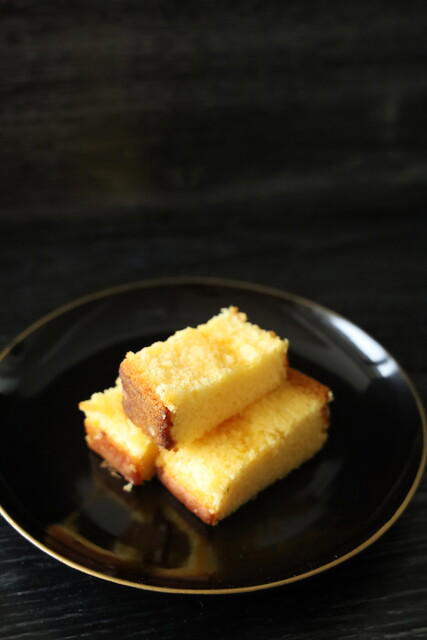
Iwanaga Baijuken
Nagasaki, Japan
A 195-year-old Nagasaki wagashi specialist recognized on the 2023 Tabelog 100 list, operating take-out service four days a week at JPY 2,000–2,999. Traditional mochi and seasonal sweets near Meganebashi Bridge; no reservations needed, best visited mornings.
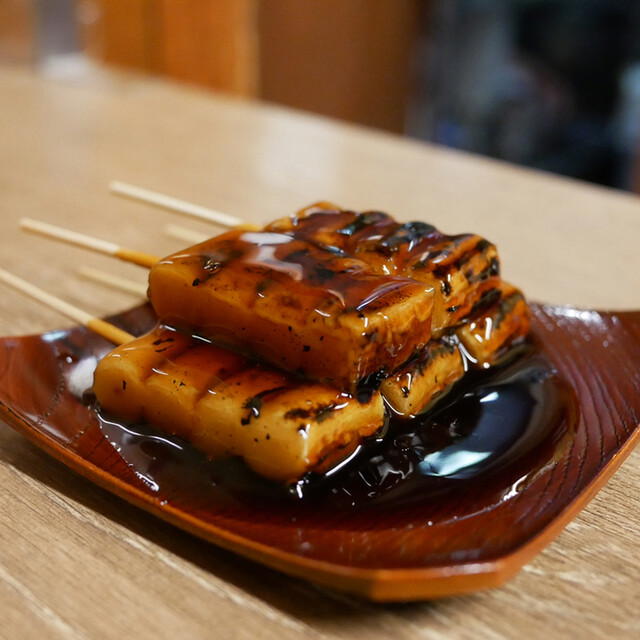
Umezono Kawaramachi ten
Kyoto, Japan
A Tabelog 100 wagashi shop in Nakagyo Ward, Umezono Kawaramachi ten delivers traditional Japanese sweets under JPY 999 via a no-reservations, take-out-first counter. Open daily 10:30 AM–7:30 PM, six minutes from Sanjo Station, it's built for speed and seasonal variety rather than lingering café service. Best for gift boxes or quick snacks before temple rounds.
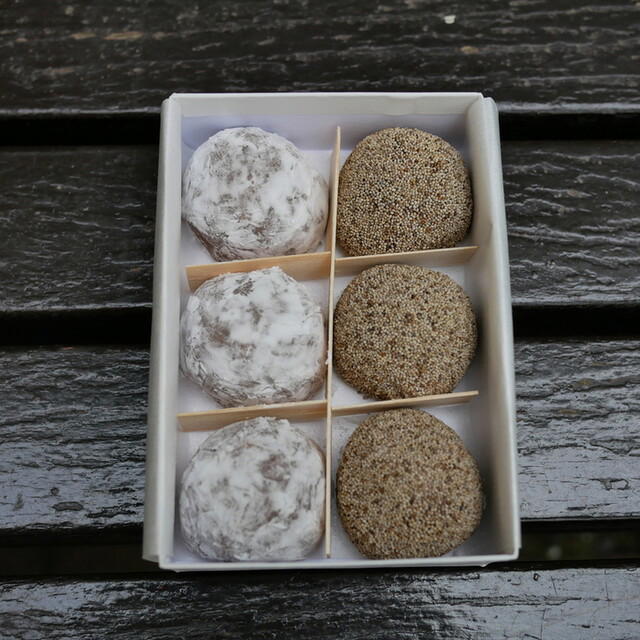
Honke Kojima
Osaka, Japan
A takeaway-only wagashi shop in Sakai Ward, open Tuesday through Sunday until stock runs out. At JPY 1,000–1,999, the counter-only format delivers Tabelog 100-recognized traditional Japanese sweets without the café markup. Worth the tram ride from central Osaka if you're serious about regional confectionery, less so if convenience is the priority.
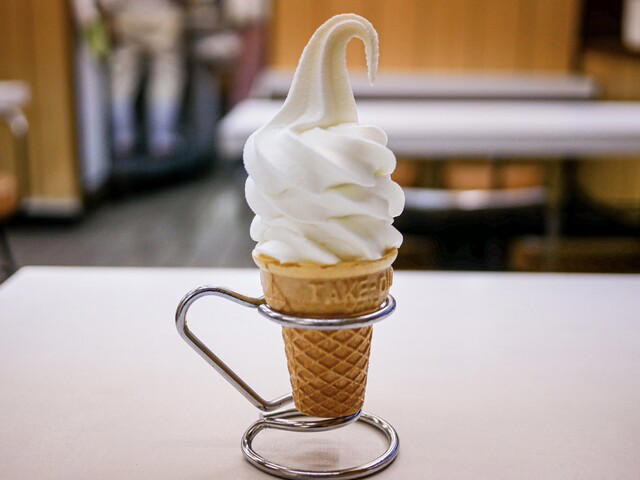
Kadoya
Osaka, Japan
Kadoya serves seasonal Japanese sweets, gelato, and kakigōri in Osaka's Morishoji district at under 1,000 JPY per visit. The café earned a Tabelog 100 nod in 2023 for its rotating wagashi selection and fruit-forward shaved ice, with walk-in seating for 41 and no reservations required. Cash-only, open Wednesday through Sunday afternoons.
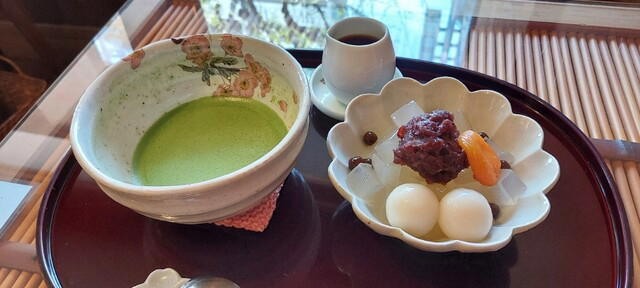
Mitsubachi
Kyoto, Japan
A 14-seat wagashi and kakigori café near Demachiyanagi Station that accepts walk-ins only and often sells out by late afternoon. Tabelog 100 recognition in the Japanese traditional sweets category confirms the quality, while the cash-only, no-reservations format rewards flexible schedules. Pricing runs JPY 1,000–JPY 1,999 per item, making it an accessible stop for travelers prioritizing spontaneity over advance planning.
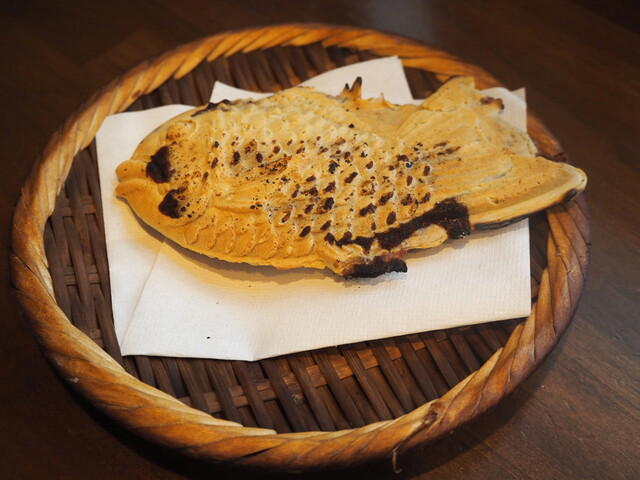
Osaka Naniwaya
Osaka, Japan
Walk-in wagashi counter in Nakazaki-cho serving fresh-made taiyaki and seasonal kakigōri for under ¥1,000. five-time Tabelog WEST 100 selection (2018–2020, 2022–2023) with quick turnover and family-friendly terrace seating. Taiyaki orders accepted by phone; seats and shaved ice first-come, first-served.
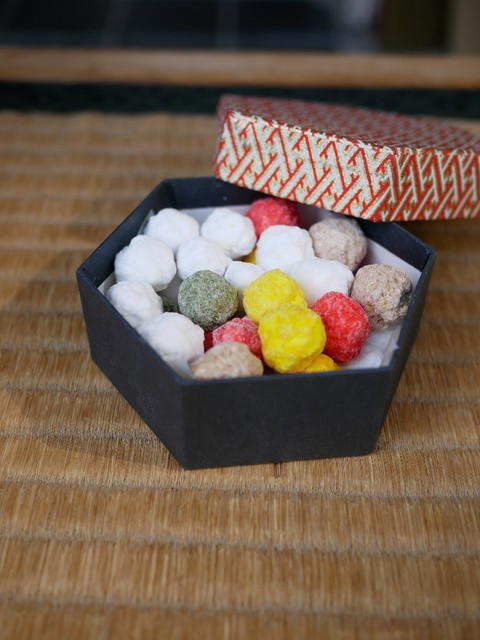
Honke Funahashiya
Kyoto, Japan
A Meiji-era confectionery near Sanjo Ohashi selling traditional Kyoto arare, roasted beans, and biscuits from a single storefront. Tabelog 100-recognized, cash-only, no reservations, and often sold out by late afternoon. Best for travelers who value heritage over convenience and are willing to queue.
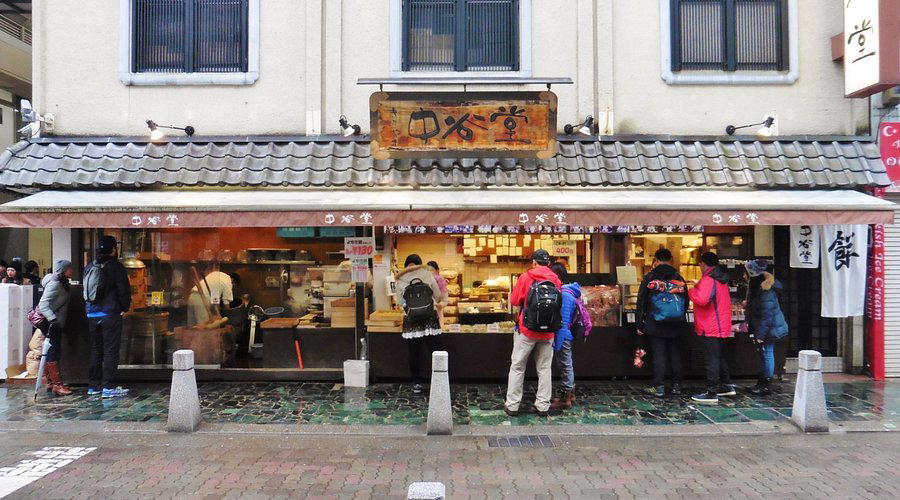
Nakatani Do
Nara, Japan
Tabelog 100-recognized mochi counter near Kintetsu Nara Station, known for fresh yomogi daifuku pounded at high speed throughout the day. Under JPY 1,000 per piece, cash-only, takeaway format ideal for snacking en route to Nara Park. Queue can stretch during peak hours; ask staff for pounding times upon arrival.
Inari Futaba
Kyoto, Japan
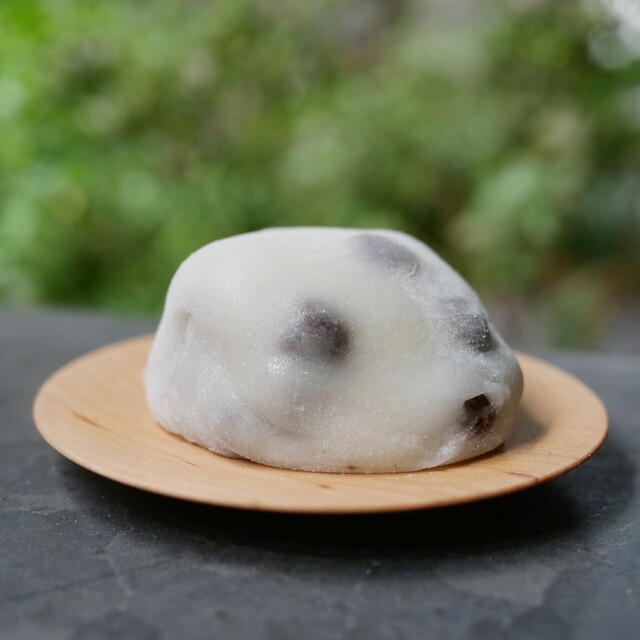
A Tabelog 100-recognized wagashi counter near Fushimi Inari Shrine, serving traditional daifuku and red bean sweets under ¥1,000. Takeaway-only format, cash payment required, and inventory that sells out before closing; stop here early in your shrine visit for fresh, portable sweets that won't strain your budget or your schedule.
Kyogashi Tsukasa Shojuken
Kyoto, Japan
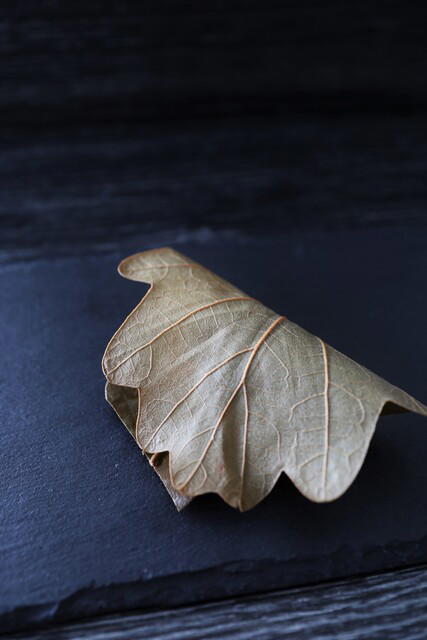
A 1932-founded Kyoto wagashi workshop near Kenninji Temple, supplying Zen temples and Gion tea houses. Pre-order by phone for fresh confections at JPY 1,000–1,999; walk-in inventory is limited. Tabelog 100 West honoree since 2017. Reservations essential; cash-only; closed Sundays and Mondays.
Ito Ju Kaho Honten
Hikone, Japan
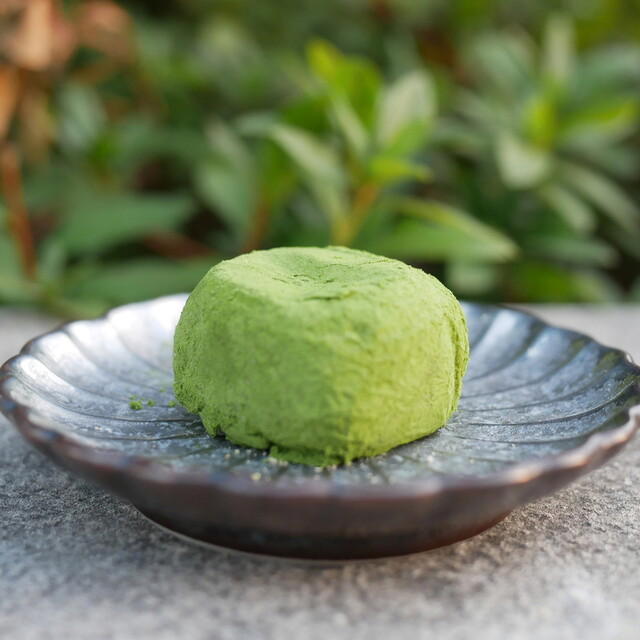
Ito Ju Kaho Honten is a take-out wagashi shop in Hikone's Honmachi district, recognized in Tabelog's 2023 Hyakumeiten for Japanese traditional sweets. The shop operates without seating, offering seasonal confections in the JPY 1,000–1,999 range; a lower price point than Hikone's yakitori and beef specialists, and a practical stop for travelers visiting Hikone Castle who want artisan sweets without the JPY 4,000+ dinner commitment.
Miidera Chikara Mochi Honke
Otsu, Japan
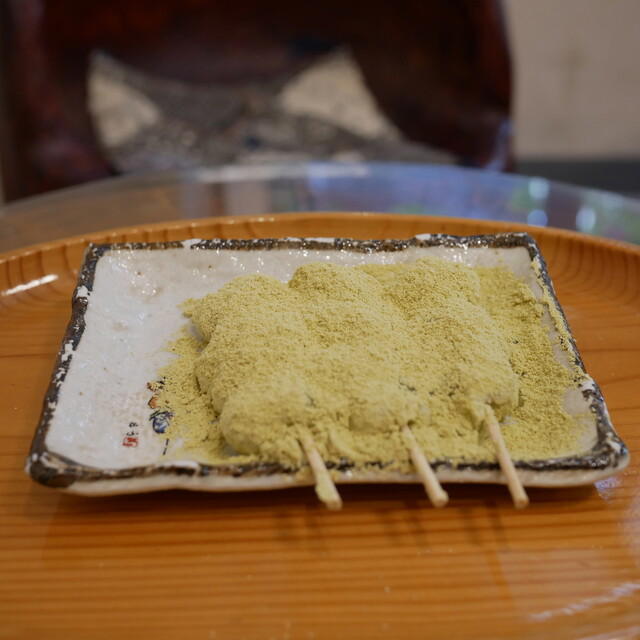
A Tabelog 100-recognized wagashi shop in Otsu specializing in chikara mochi, a traditional rice-cake format tied to the nearby Miidera temple. Open 7 AM to 7 PM daily, the shop offers affordable sweets (under JPY 999) in a takeaway-first format, with a small second-floor gallery and private room seating for groups. Best visited in the morning to avoid stock shortages.
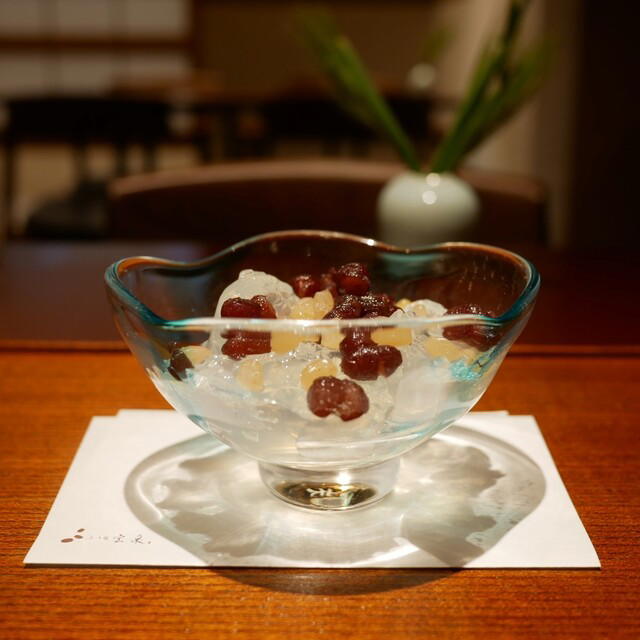
Hosen JR shinkansen kyoto eki ten
Kyoto, Japan
Hosen occupies the JR Kyoto shinkansen concourse with Tabelog 100-recognized wagashi and a 30-seat café serving matcha and seasonal sweets. Retail takeaway under JPY 1,000 beats city-center pricing, but the café format trades atmosphere for train-station access. Walk-ins work except holiday peaks; best for departing travelers needing quality omiyage without leaving the platform.
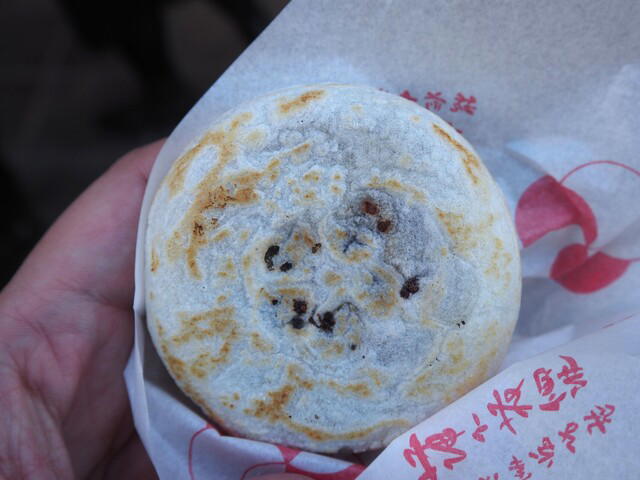
Oshokuji Dokoro Kasano Ya
Dazaifu, Japan
A century-old wagashi take-out counter four minutes from Dazaifu Station, named to Tabelog's 2023 Japanese traditional sweets WEST 100 list. Walk-in only, under 1,000 yen per item, and open daily 9 AM to 6 PM with no reservations required. The simplest Tabelog-recognized stop on the temple route.
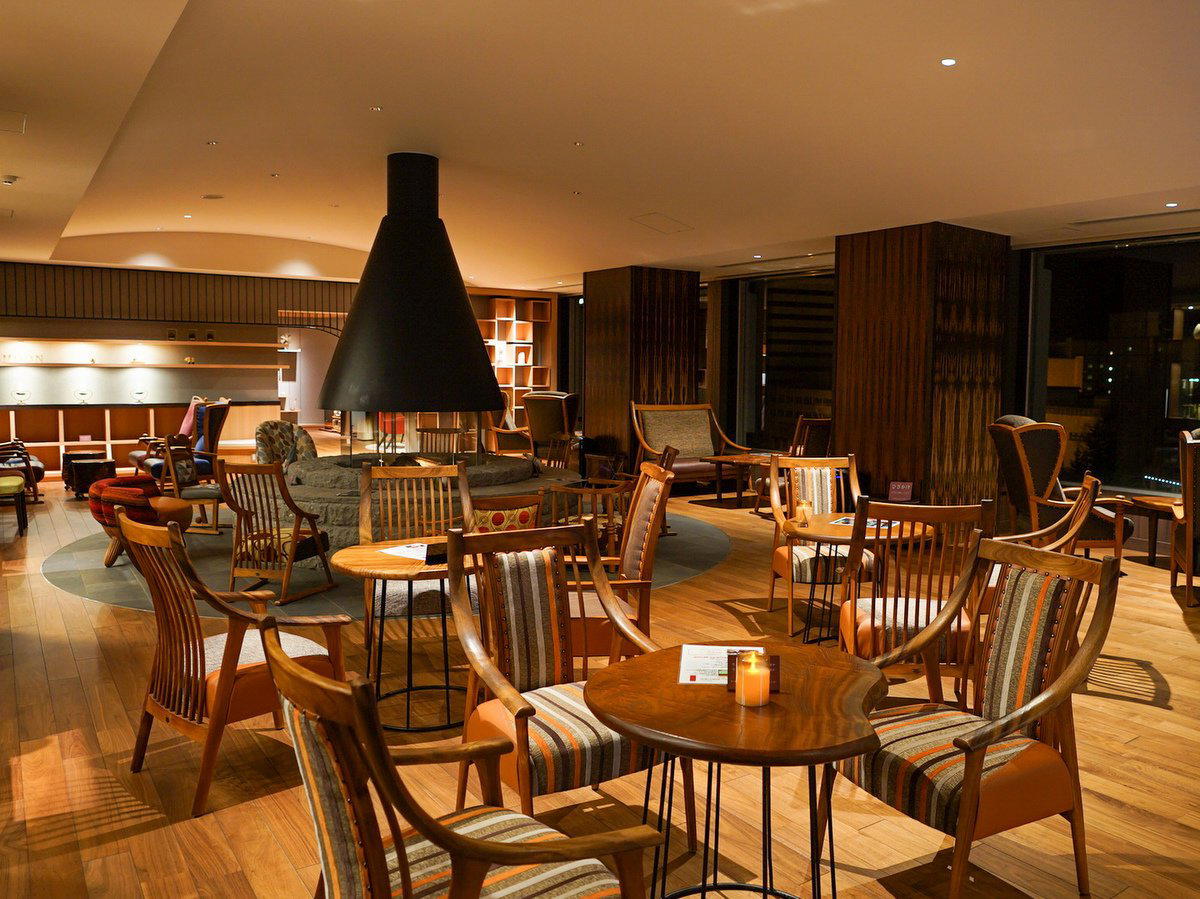
Shogetsu
Kyoto, Japan
Shogetsu is one of Kyoto's most consistently recognised wagashi specialists, ranked in Opinionated About Dining's Casual Japan top 70 for three consecutive years. Open Tuesday to Saturday in Sakyo Ward, it suits food-focused visitors who want to go beyond kaiseki and into Kyoto's traditional confectionery craft. Walk-ins appear to be the standard format, making it an easy addition to a Shimogamo-area morning.
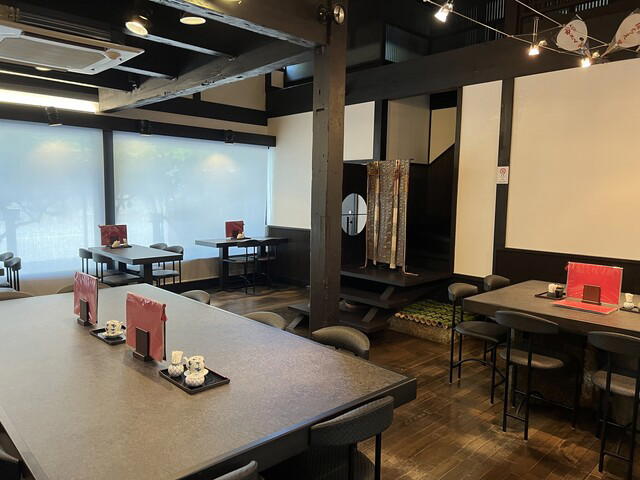
Kono Hana
Kyoto, Japan
A walk-in wagashi and kakigori house beside Kitano Tenmangu shrine, priced at JPY 1,000–1,999 with seasonal menu shifts and family-friendly seating. The Tabelog 100 listing reflects local popularity; reservations aren't taken, so weekday lunches are your safest bet.
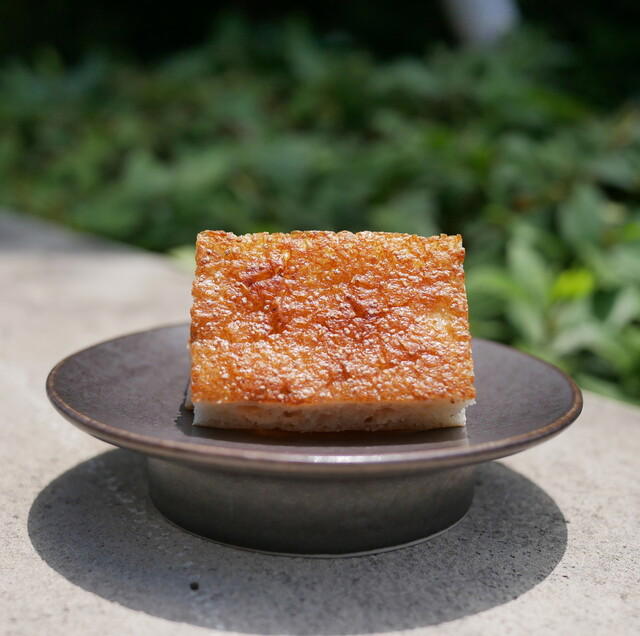
Kameya Mutsu
Kyoto, Japan
A take-out-only wagashi counter near Horikawa Shichijo, recognized in the Tabelog 100 (West, 2023) for budget-friendly traditional sweets under ¥999. No seating or café service, but the accessible pricing and morning hours suit travelers assembling gift boxes or stocking up for temple visits south of Kyoto Station.
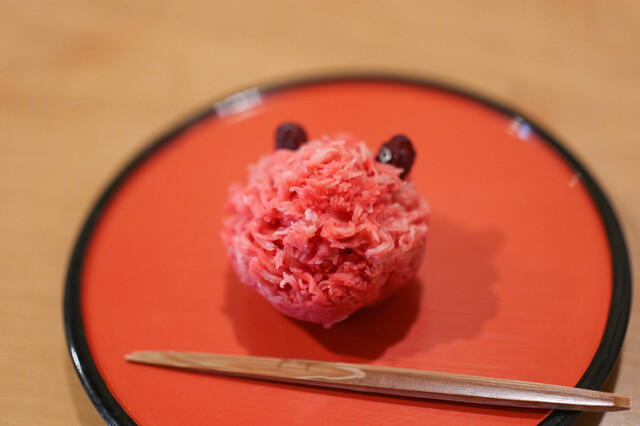
Yorozu Onkashi Atsurae Dokoro Kashiya
Nara, Japan
A Tabelog 100-listed wagashi café in a converted Nara house, serving seasonal Japanese sweets and kakigōri at JPY 1,000–1,999. The tatami-mat seating and strict 4:30 PM last order suit mid-day temple-tour breaks; reservations by phone are recommended for the 13-seat space. Cash only, no fusion experiments; traditional technique in a residential hideaway.
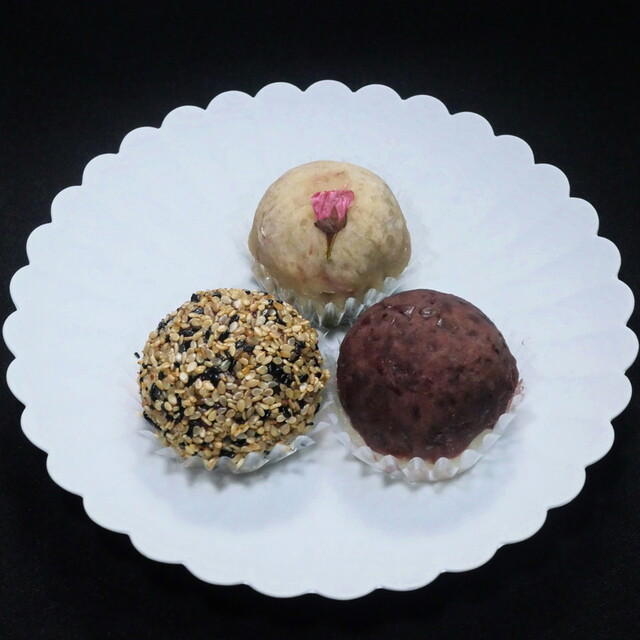
Mori no Okashi
Osaka, Japan
Award-winning wagashi takeout counter in Sonezakishinchi that opens at 4:30 PM and sells out fast. Tabelog 100 recognition (2023, 2019) confirms technical consistency, but the no-seating, cash-only format and limited hours reward advance phone booking over walk-in optimism. Under ¥1,000 per person makes this one of Osaka's more accessible award-level sweets specialists.
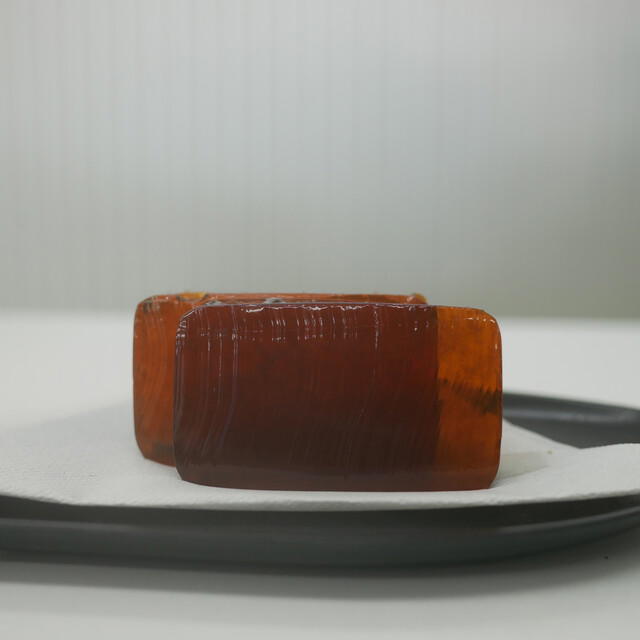
Kame Hironaga
Kyoto, Japan
Tabelog 100-listed wagashi shop in Nakagyo Ward offering handmade Japanese sweets at JPY 1,000–1,999. Take-out only, cash-only, with easier booking than most recognized confectioners. Closed Sundays; peak-season reservations advised during Gion Festival period.
Ishitani Mochiya Toyama chuo dori honten
Toyama, Japan
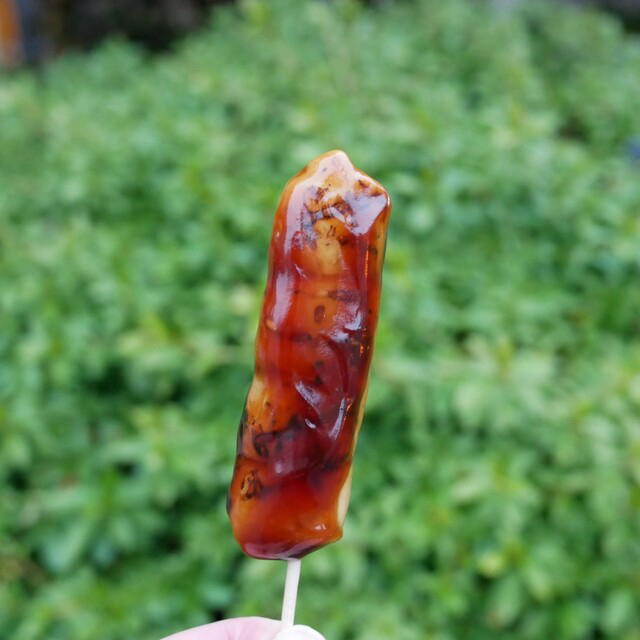
A Tabelog 100 West–recognized traditional sweets shop in central Toyama, offering daifuku and <em>wagashi</em> for under JPY 1,000. Walk-in only, take-out focused, closed Tuesday and Wednesday. Best for quick stops between trains or as a low-cost, high-quality snack before heading to dinner elsewhere.
Kasagiya
Kyoto, Japan
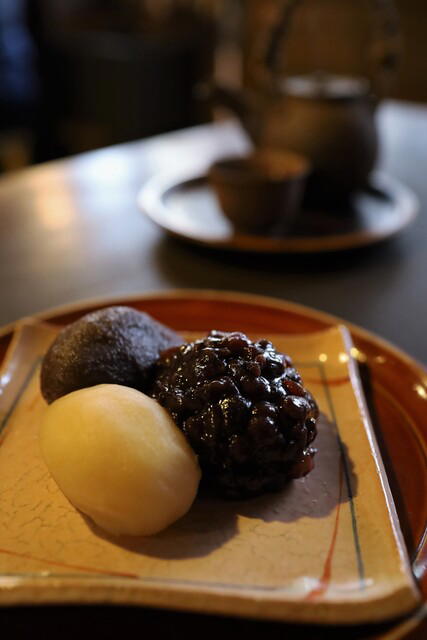
A cash-only Higashiyama Ward cafe that earned its Tabelog 100 WEST spot with traditional wagashi and kakigori under JPY 1,000. No reservations, 20 seats, closes at 5 PM; functional service and family-friendly pacing make it a practical break during temple tours rather than a destination meal.
Kiri no Mori Kashi Kobo Matsuyama ten
Matsuyama, Japan
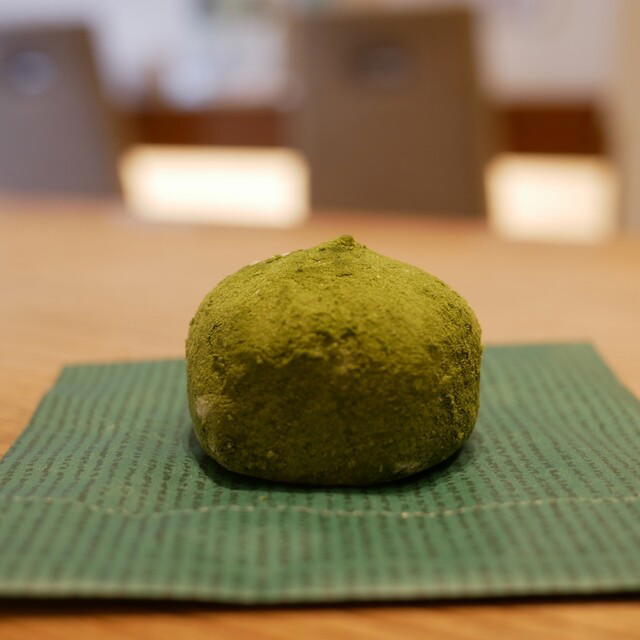
Kiri no Mori Kashi Kobo Matsuyama ten is a take-away Japanese sweets counter near Okaido Station, recognized in Tabelog 100 WEST 2023 for traditional daifuku and mochi-based confections under JPY 1,000. Six seats, no reservations, and a grab-and-go format make it a quick omiyage stop rather than a dining destination.
Miyoshiya
Kyoto, Japan
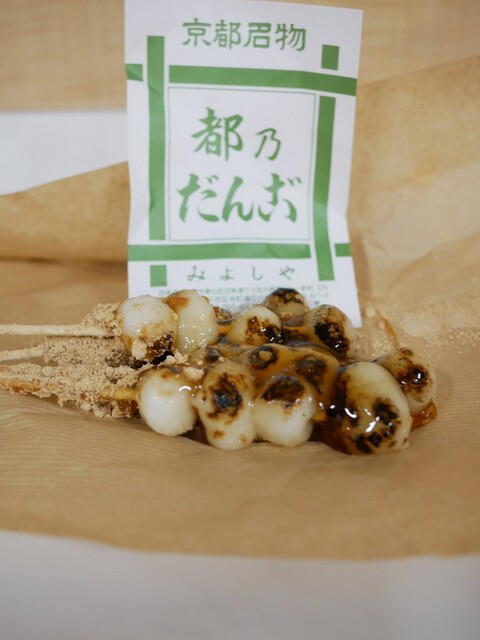
Miyoshiya is a budget-friendly wagashi shop near Gion Shijo Station, offering traditional Japanese sweets for under JPY 1,000. Recognized in the 2023 Tabelog 100 WEST, it operates takeout-only with no seating or reservations. Best for travelers seeking an affordable, quick introduction to seasonal mochi and anko-based confections without the formality of a tea ceremony.
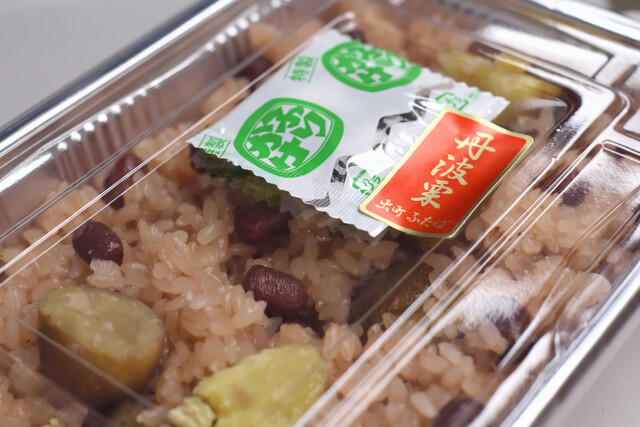
Demachi Futaba
Kyoto, Japan
Tabelog 100 (West) 2023 wagashi specialist offering same-day daifuku and traditional sweets under JPY 1,000. Takeout-only format with no reservations; arrive early for full selection. Cash-only, closed Tuesdays.
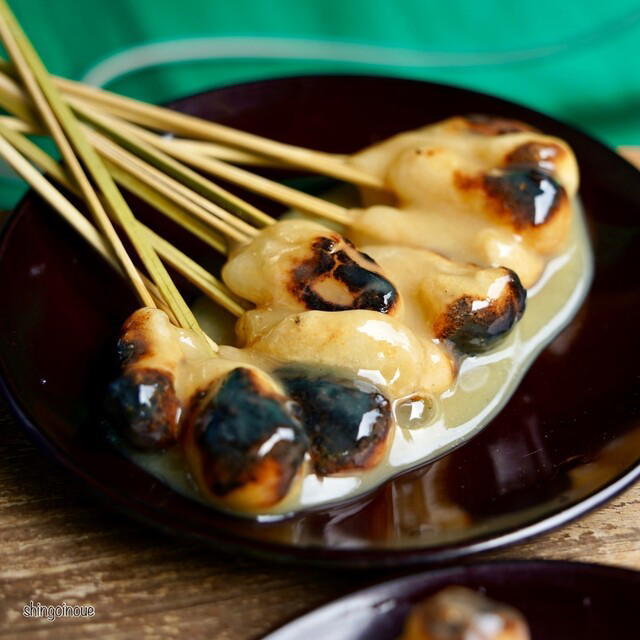
Aburi Mochi Honke Nemoto Kazariya
Kyoto, Japan
A tatami tea-stand beside Imamiya Shrine serving charcoal-grilled mochi with white miso since 1637. The two-piece portion costs under JPY 999, takes 15 minutes, and has held the same format for four centuries. Walk-ins only; closes Thursdays and late December. Worth the stop if you're already touring Daitoku-ji or northern Kyoto temples.
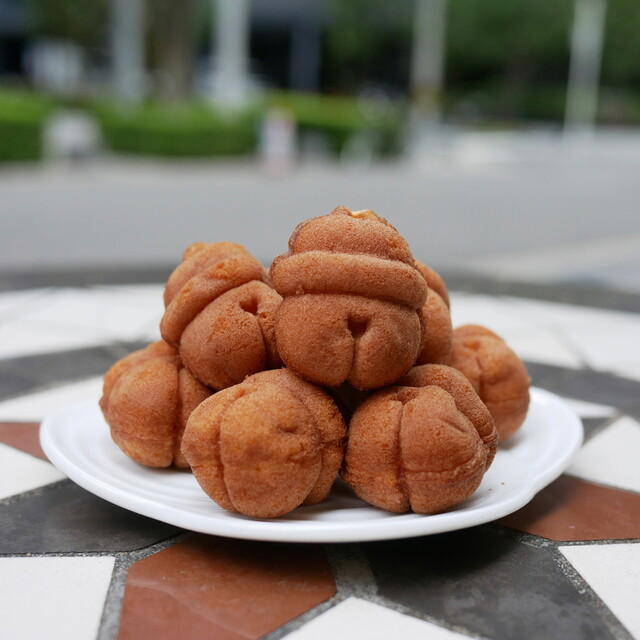
Koubai Dou
Shingu, Japan
A take-out wagashi shop in Shingu earning 2023 Tabelog 100 recognition (WEST) for traditional Japanese sweets at JPY 1,000 - JPY 1,999. Open 9 AM daily except Tuesdays, with parking and family-friendly service. Cash only; no seating. A practical stop for pilgrims touring the Kumano Kodo who want quality sweets without metro pricing or ceremony.
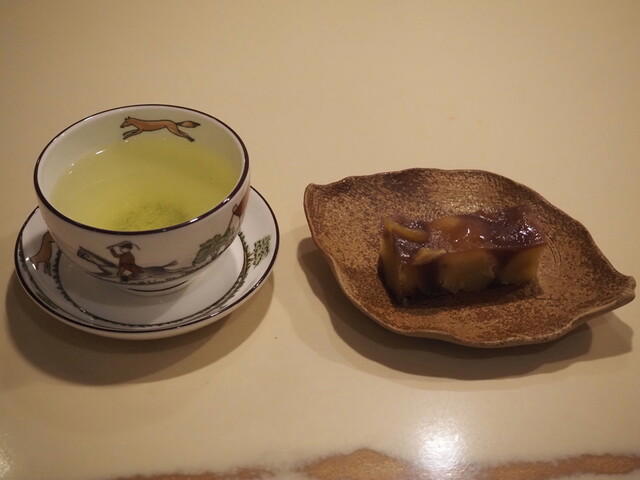
Angetsu
Osaka, Japan
A seven-seat wagashi counter in Higashishinsaibashi, operating since 1868 and recognized by Tabelog 100 Japanese Traditional Sweets WEST 2023. At JPY 2,000–2,999, Angetsu delivers careful craftsmanship without the formality of a tea ceremony; practical for take-out gifts or a quick counter visit between Shinsaibashi shopping and dinner.
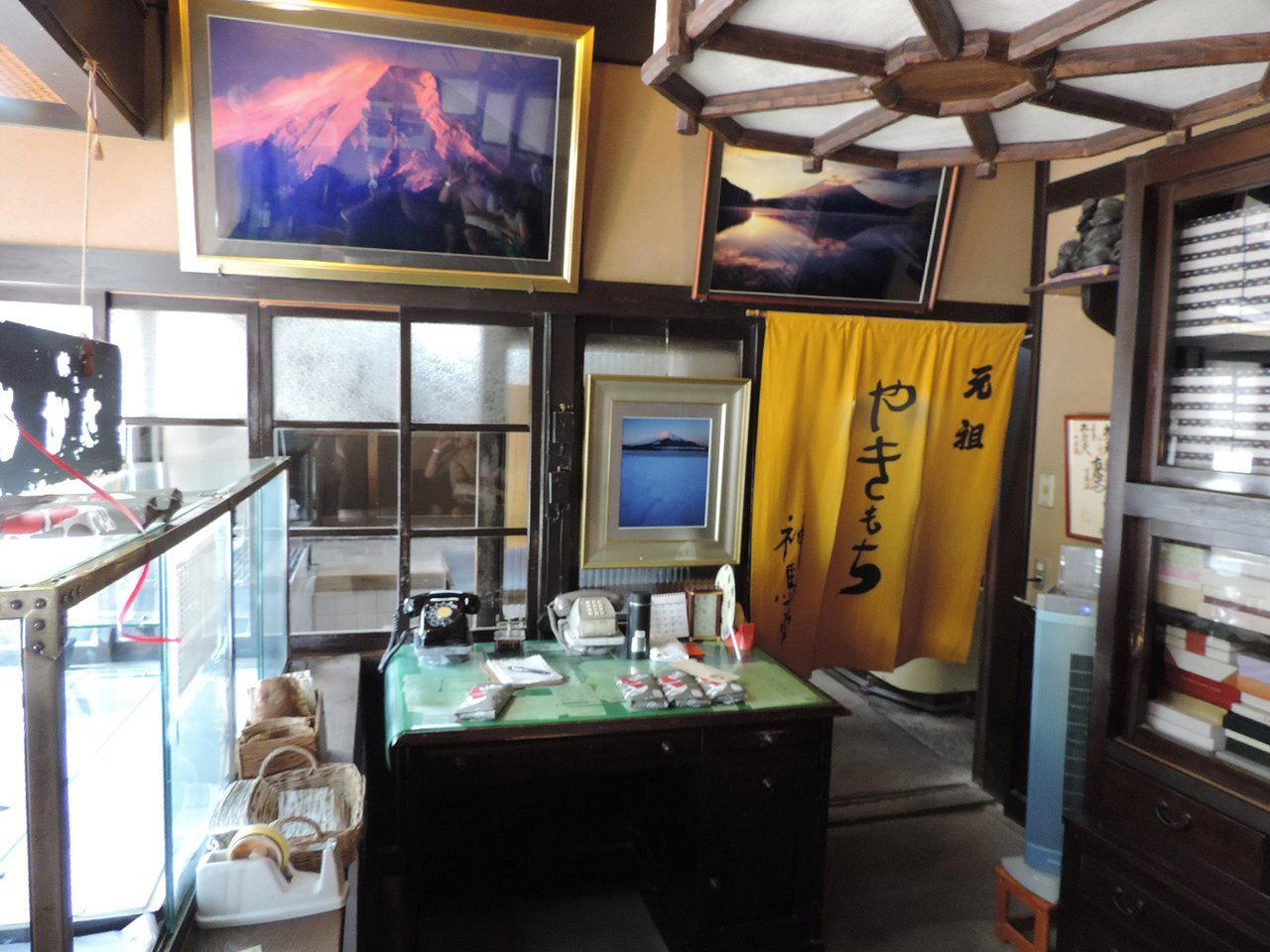
Jinba Do
Kyoto, Japan
A northern Kyoto wagashi shop that has earned six consecutive Tabelog 100 selections since 2018, all at under 1,000 JPY. The take-out-only format and 7 AM opening make it ideal for early risers, but most days sell out by 11 AM, so late arrivals miss the window entirely.
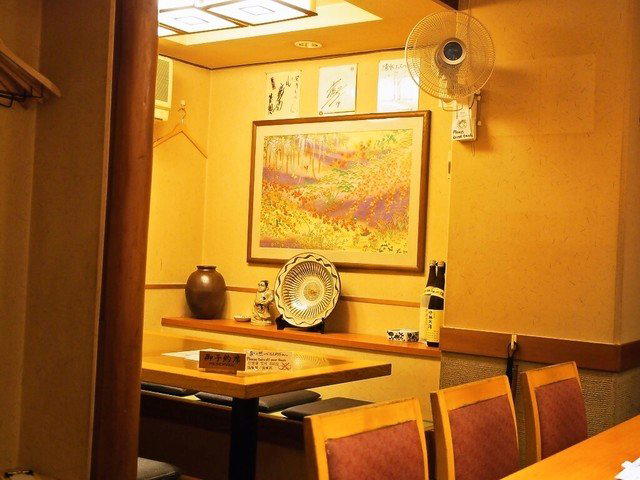
Gyokusei Ya
Osaka, Japan
Tabelog 100-recognized wagashi shop in Sennichimae operating takeaway-only from a four-seat counter, with strict purchase limits and 2 PM opening that sells out within hours. Worth the queue for serious sweets collectors at JPY 1,000–1,999, but the no-lingering format and narrow hours (closed Wednesday, Thursday, Sunday) suit planners better than drop-in visitors.
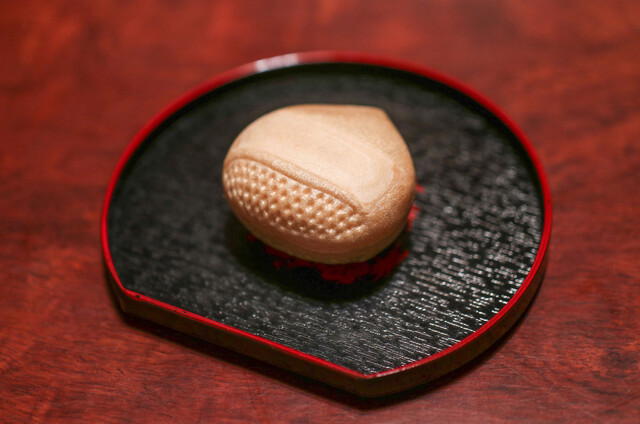
Kyoto Kuriya
Kyoto, Japan
Kyoto Kuriya is a Tabelog 100-listed wagashi shop in Nakagyo-ku that rotates seasonal sweets and keeps prices under ¥999. The take-away format and quiet side-street location make it a reliable stop for regulars who want technical skill without the temple-district crowds, though the lack of seating and minimal English signage require some navigation.
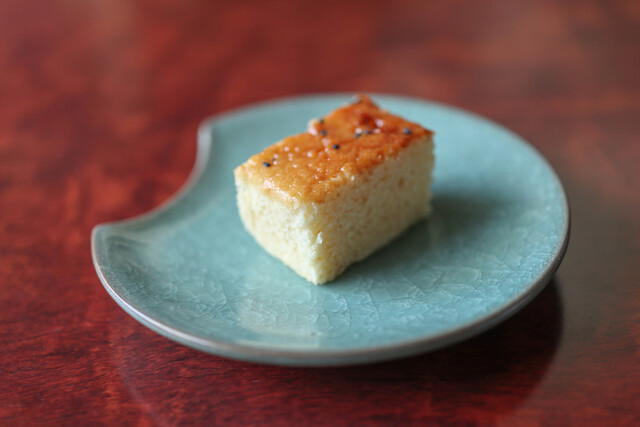
Matsuya Tokiwa
Kyoto, Japan
Award-listed wagashi shop near Marutamachi Station operating strictly 9:30 AM–3 PM for take-out. Tabelog 2023 West Japan 100 selection at under ¥999, with next-day reservation available for larger orders. Walk-ins work for individual purchases; expect seasonal traditional sweets without the queues or gilt-box pricing of central Kyoto competitors.
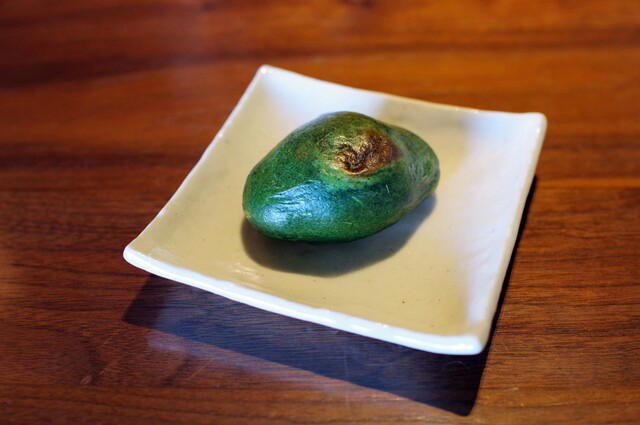
Okashi Tsukasa Nakamura Ken
Kyoto, Japan
Okashi Tsukasa Nakamura Ken is a low-spend Kyoto pick that makes sense as a focused daytime stop, especially for repeat visitors already heading toward Nishikyo Ward. The 2023 Tabelog 100 ranking gives it a stronger reason to consider than a random neighborhood detour, but it is not a substitute for a full sit-down Kyoto meal.
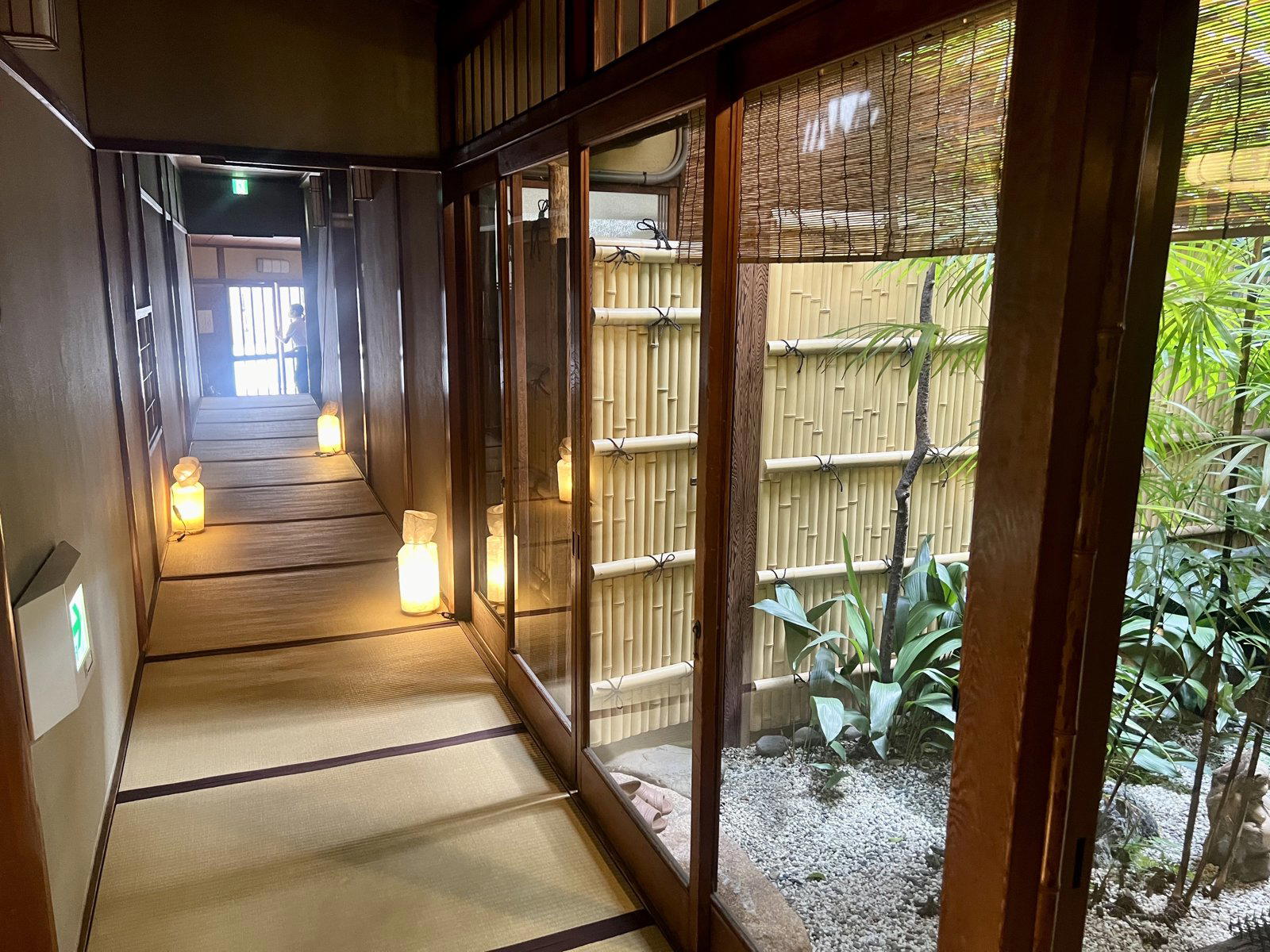
Gion Tokuya
Kyoto, Japan
Gion Tokuya works for a quiet daytime stop in Gion, especially for two people marking a low-key occasion. It is not the right choice if the meal needs a wine-led format, late dinner energy, or detailed menu planning; its strength is timing, setting, and easy booking in a busy Kyoto district.
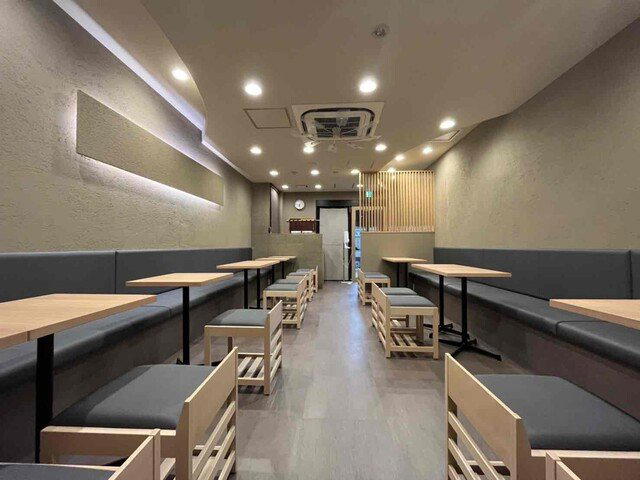
Sabo Isehan
Kyoto, Japan
A Tabelog 100 sweets cafe near Demachiyanagi Station serving slow-cooked Tanba azuki and house-made warabi mochi for JPY 1,000–JPY 1,999. The 26-seat room fills quickly in summer for kakigori; weekday mornings are easiest to visit. No reservations, walk-in only, closed Tuesdays.
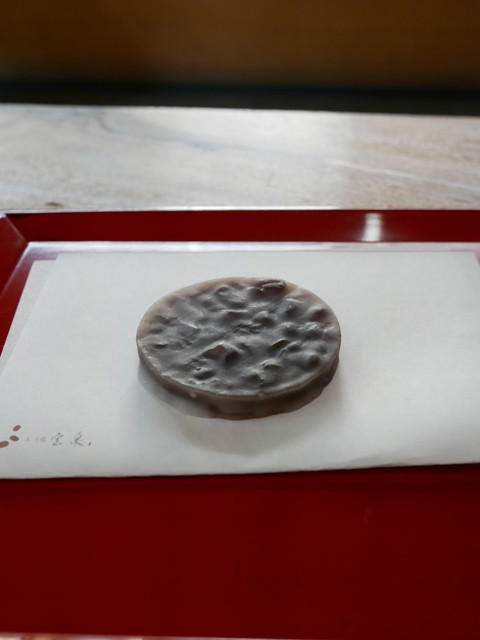
Housen Dou Honten
Kyoto, Japan
Takeaway-only traditional sweets shop in Sakyo Ward, open Monday–Saturday until 5 PM. Tabelog 100 (WEST, 2023) selection at under ¥1,000, with parking and no-reservation access. Best for travelers based north of Kyoto Station who want wagashi without sit-down service or central Gion crowds.
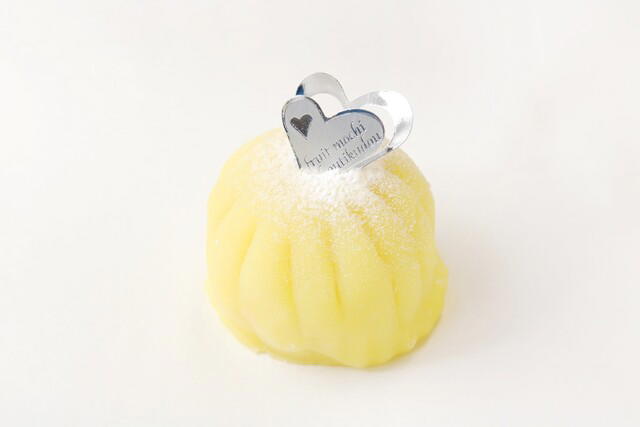
Shouchiku Dou Suita yamada honten
Osaka, Japan
Shouchiku Dou Suita yamada honten has held the same Suita address since 1889, turning out seasonal fruit daifuku that earned it two consecutive Tabelog 100 recognitions. At JPY 2,000–JPY 2,999 per visit, the shop delivers mid-tier pricing for what is demonstrably upper-tier execution: whole strawberries, peaches, pears, or mandarins wrapped in taut mochi skin and balanced anko. It is a take-away-only operation best visited during peak fruit windows, when the 135-year-old template shows what disciplined seasonal wagashi looks like without the tourist-district markup.
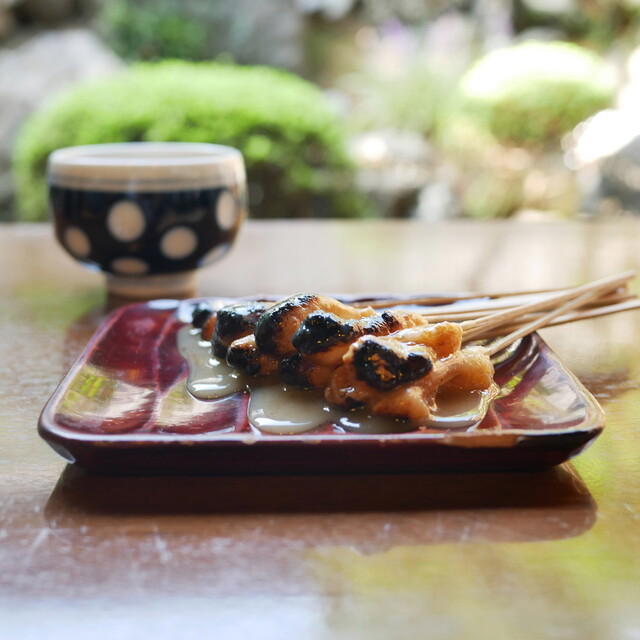
Ichiwa Ichimonjiya Wasuke
Kyoto, Japan
A millennium-old grilled mochi shop on the Imamiya Shrine approach, offering aburi mochi at under 1,000 yen with no reservations or modern frills. Worth the northward detour for heritage seekers; less compelling for those prioritizing variety or polished service over historical continuity.
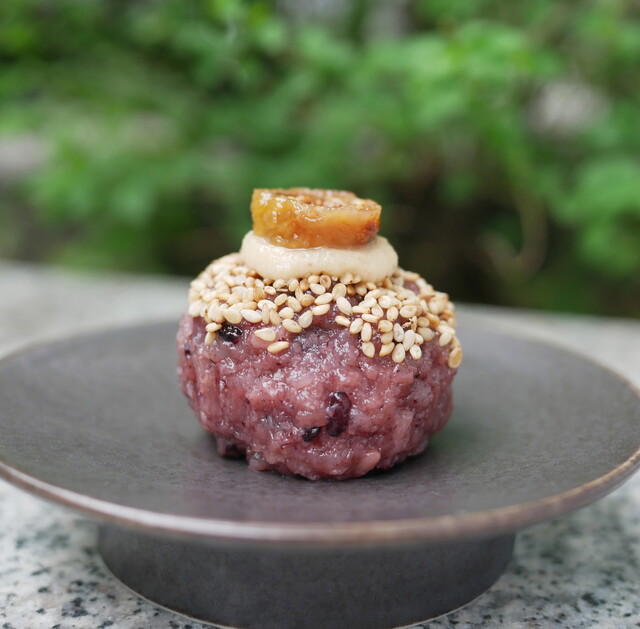
Mori no Ohagi
Osaka, Japan
A Toyonaka takeaway shop specializing in ohagi (sweet rice balls wrapped in anko) since 2010, earning Tabelog 100 status in 2023. Under ¥999, cash only, no seating. Sells out most days; arrive early Tuesday through Saturday for full selection. Best for informed visitors who know what ohagi is and want technically consistent versions at the lowest price tier in Osaka's wagashi category.
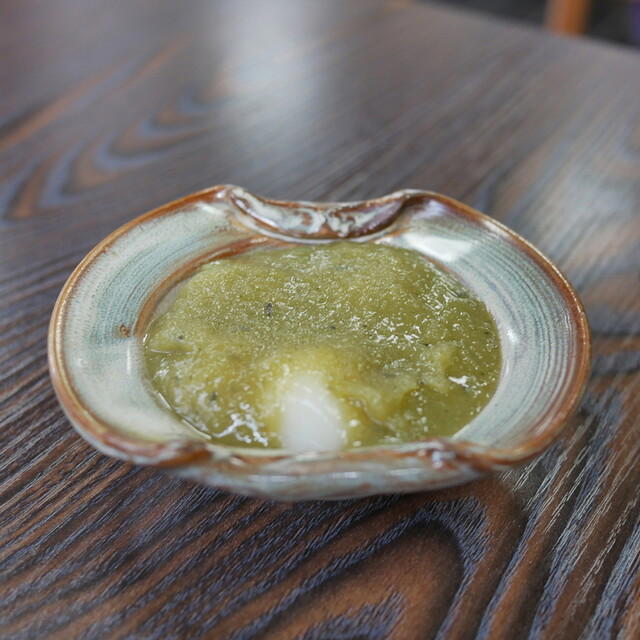
Kan Bukuro
Osaka, Japan
Tabelog 100–listed sweet shop in Sakai Ward offering traditional wagashi and kakigori at under ¥1,000 per item. Walk-in only with weekend queues; cash payment required. The 40-seat room runs dine-in and take-out service from 10 AM to 5 PM Thursday through Monday, closing Tuesdays and Wednesdays.
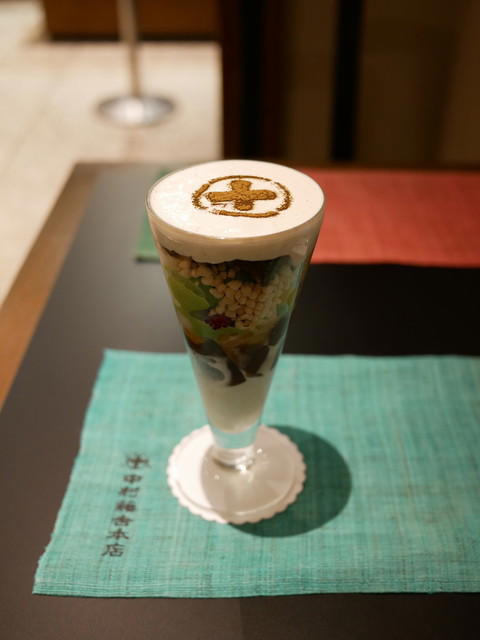
Nakamura Tokichi Honten Kyoto eki ten
Kyoto, Japan
A matcha-focused café and noodle shop inside JR Kyoto Isetan, serving tea parfaits and udon at JPY 1,000 to JPY 1,999 with sofa seating and no reservation required. Selected for Tabelog Japanese Traditional Sweets WEST 100 in 2023. Walk-ins work; solo travelers and transit pauses benefit most.
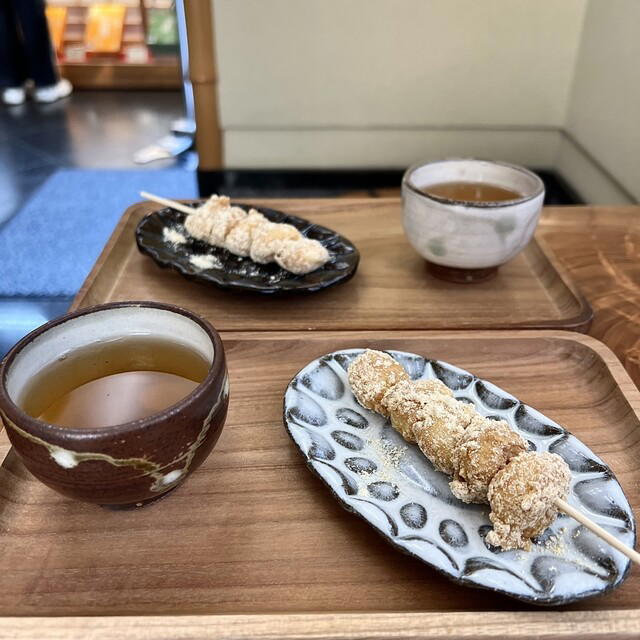
Dango Sho Honten
Kashihara, Japan
A no-frills mitarashi dango counter that earned Tabelog 100 recognition for its technical precision. The kinako rice-flour dumplings, served fresh and priced under JPY 999, are worth a quick stop if you're touring the Asuka region by car; but this is takeout only, not a cafe experience.
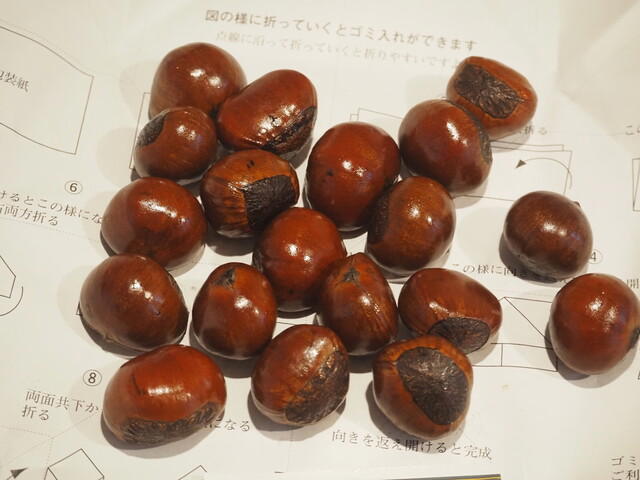
Amaguri no Shinise Hayashi Mansho Do Honten
Kyoto, Japan
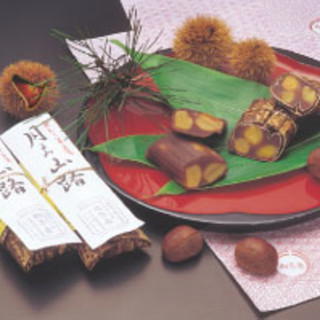
A century-old take-out chestnut shop in Shijo-Kawaramachi, recognized on Tabelog's 2023 WEST 100 for traditional sweets. Prices stay under ¥999, and the roasted amaguri peaks September through February. No seating or reservations; this is a grab-and-go stop for seasonal snacks, not a sit-down wagashi experience.
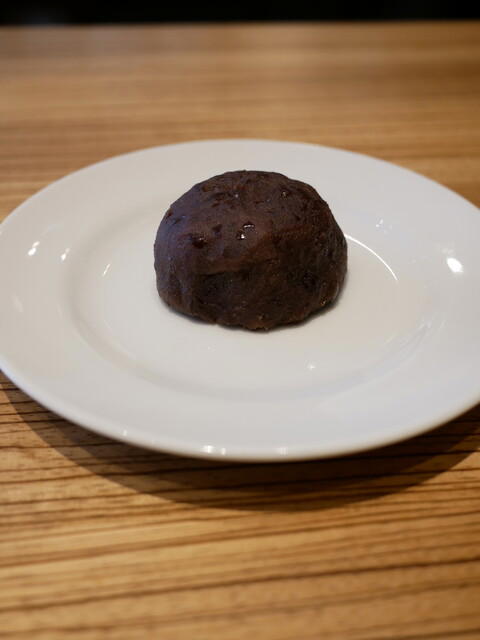
Imanishi Ken
Kyoto, Japan
This modest Gojo-area takeout counter sells traditional Japanese sweets in limited daily batches, closing by mid-afternoon most days. Recognized in Tabelog's Wagashi West 100, it offers exceptional value under ¥1,000 for visitors who can navigate rotating closures and cash-only payment. Best for travelers assembling picnic supplies or bringing sweets to hosts rather than those seeking in-house tea service.
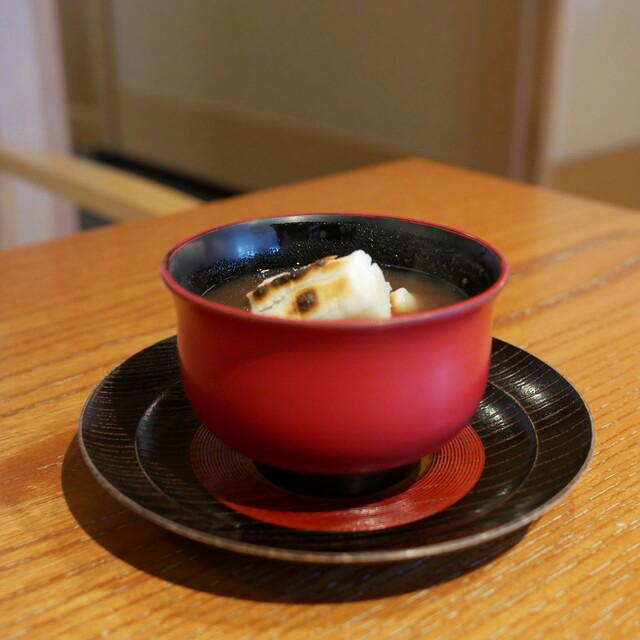
Rakugan Moroeya Nishichaya Karyo Ajiwai
Kanazawa, Japan
A Tabelog 100–recognized wagashi café in Kanazawa's Nomachi district, specializing in rakugan and seasonal kakigōri. The 14-seat space offers careful execution at JPY 1,000–1,999 per person, with reservations available and six parking spaces; rare for central Kanazawa. Worth the detour if you're already visiting the Nishi Chaya teahouse district.
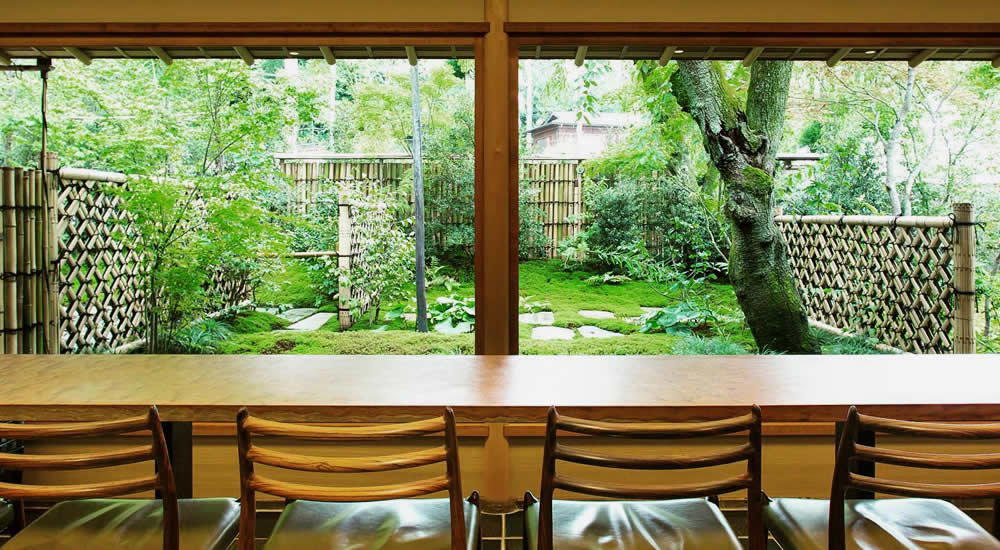
Salon de Muge
Kyoto, Japan
Book Salon de Muge for a quiet daytime Higashiyama stop, not for a formal dinner or large private event. The value is location and pacing: useful for smaller parties building a Kyoto day around the temple district, but less suitable if the priority is confirmed tasting-menu structure, chef detail, or group dining logistics.
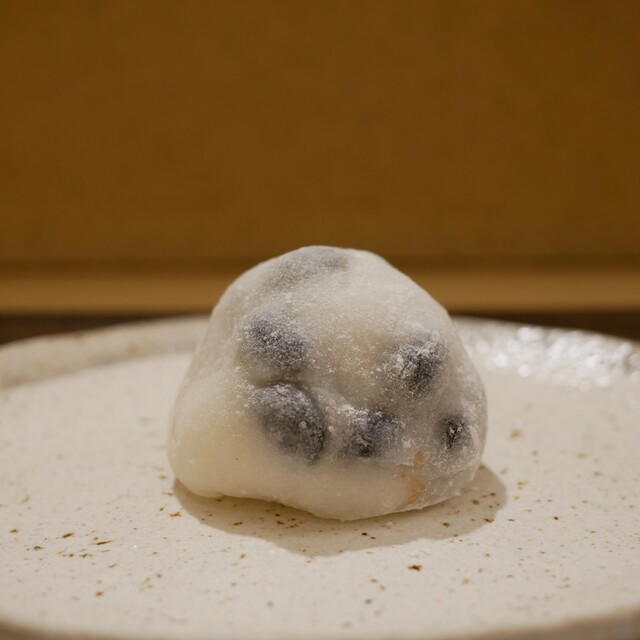
Suzume Kanazawa hyakubangai ten
Kanazawa, Japan
This Tabelog 100-recognized counter shop inside Kanazawa Station delivers technically sound daifuku and traditional sweets for under ¥1,000, making it the most convenient option for travelers who want quality wagashi without leaving the terminal. The seven-seat eat-in counter and 8:30 AM opening time give it an edge over competitors in the city center.
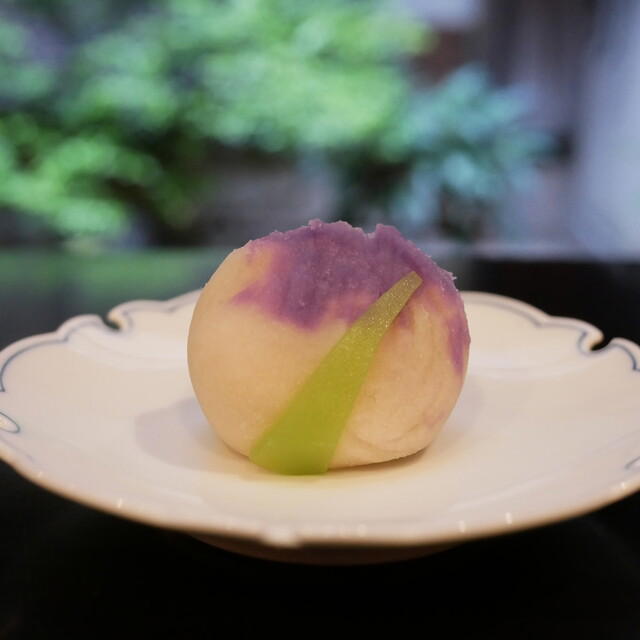
Daigokuden Honpo Rokkaku ten
Kyoto, Japan
A Tabelog 100 wagashi shop with 22-seat café offering seasonal kōhaku nagashi (amber-flow jellied sweets) and tatami seating. Monthly flavors rotate from white miso to chestnut adzuki, priced under JPY 1,000. Walk-in only, five minutes from Karasuma Station, with takeaway counter open until 7:00 PM.
Matsubaya
Komatsu, Japan
A Tabelog 100-recognized traditional sweets shop in central Komatsu, offering takeaway Japanese confections below ¥1,000 per visit. The seven-minute walk from Komatsu Station and flexible payment options make it an easy stop, though the lack of seating and modest price range position it as a practical purchase rather than a destination experience.
Nijo Wakasaya Teramachi ten
Kyoto, Japan
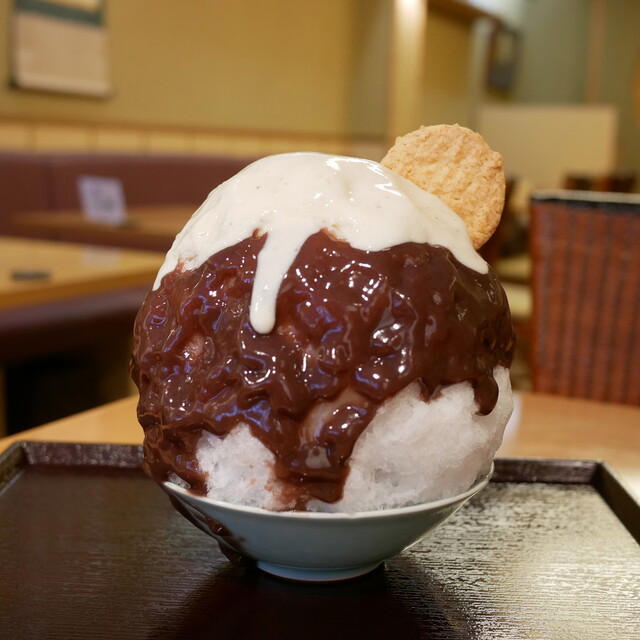
A 13-year-old wagashi shop near Kyoto Shiyakusho Mae station, recognized on Tabelog's Japanese traditional sweets WEST 100 list from 2019 through 2023. Serves traditional Japanese sweets, kakigori, and café-style items at JPY 1,000–1,999 per head with no reservations required, walk-in only, in a 23-seat family-friendly room five minutes from the subway.
Shokan Do
Nagasaki, Japan
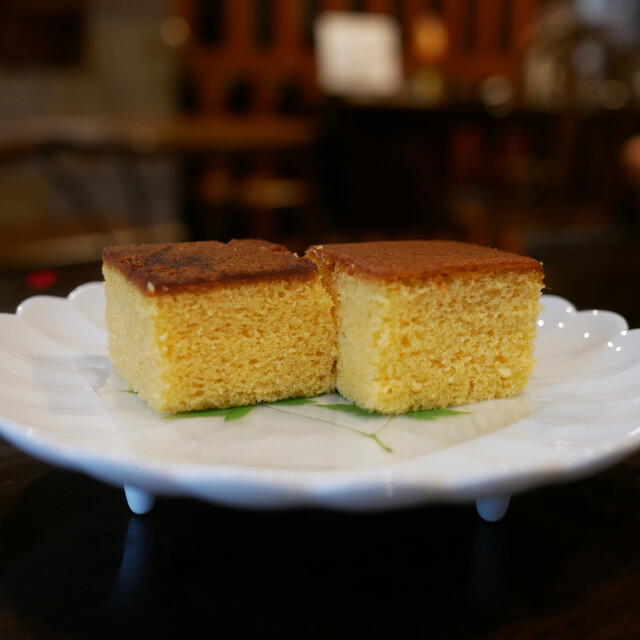
A heritage take-out shop near Meganebashi Bridge selling castella and seasonal wagashi at JPY 1,000–1,999, recognized in Tabelog's 2023 western Japan sweet selections. The format favors quick stops over lingering; order at the counter, grab a box, and move on. Best for travelers layering an affordable heritage-food stop into a broader Nagasaki itinerary.
Ryokujuan Shimizu
Kyoto, Japan
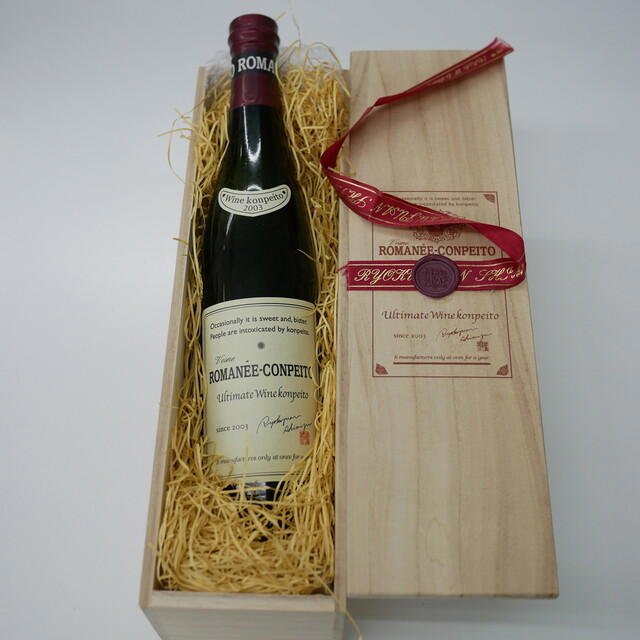
Takeaway-only konpeitō specialist recognized by Tabelog 100 (WEST) for handmade crystallized sugar candy. Labor-intensive production yields sharper flavor and texture than mass-market versions. Expect JPY 1,000–1,999 per purchase, no dine-in, and a residential Sakyo Ward location 10 minutes from Demachiyanagi Station. Worth the effort for craft-focused gift-givers, less practical for immediate convenience.
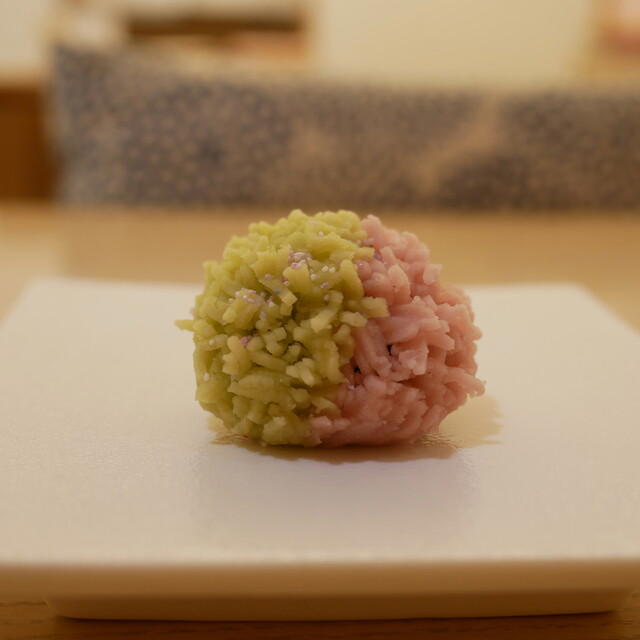
Kameya Yoshinaga Honten
Kyoto, Japan
Tabelog 100-listed wagashi shop in Shimogyo Ward with a four-seat tea room and take-out counter, open daily 9:30 AM–6 PM. Under JPY 1,000 buys recognized rice-based confections without reservations or formal service; a practical stop for travelers sampling Kyoto's sweets traditions between heavier dining commitments.
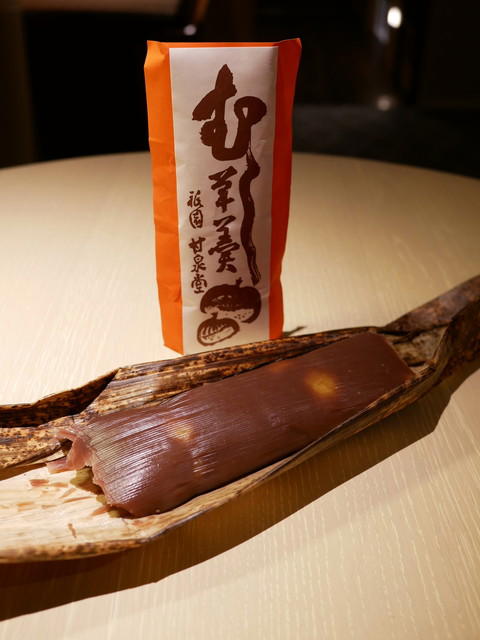
Kansen Do
Kyoto, Japan
Takeout-only wagashi shop in Gion with a seven-year Tabelog 100 streak for seasonal namagashi. Cash-only, Japanese-language transactions, and limited daily production mean you visit on the shop's terms; but the quality and price (JPY 1,000–2,999) justify the effort for serious sweets buyers.
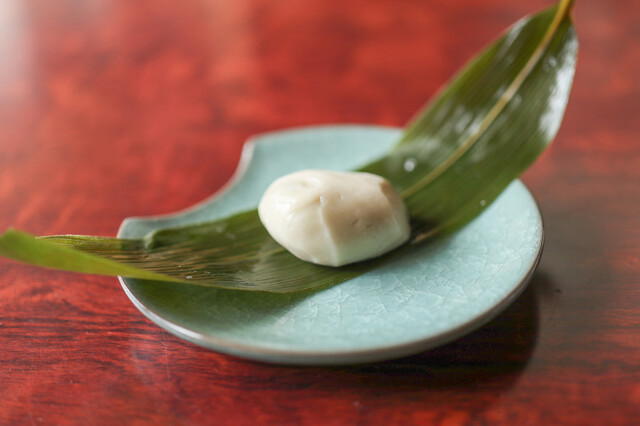
Fuka Fuchomae honten
Kyoto, Japan
Fuka Fuchomae honten specializes in <em>nama-fu</em> (wheat gluten cakes) from a house shop in Kamigyo Ward, priced under ¥1,000 and recognized six times on Tabelog's Sweets WEST 100. Take-out only, cash-only, closed Mondays; best for provisioning ingredients or esoteric gifts rather than sit-down tasting.
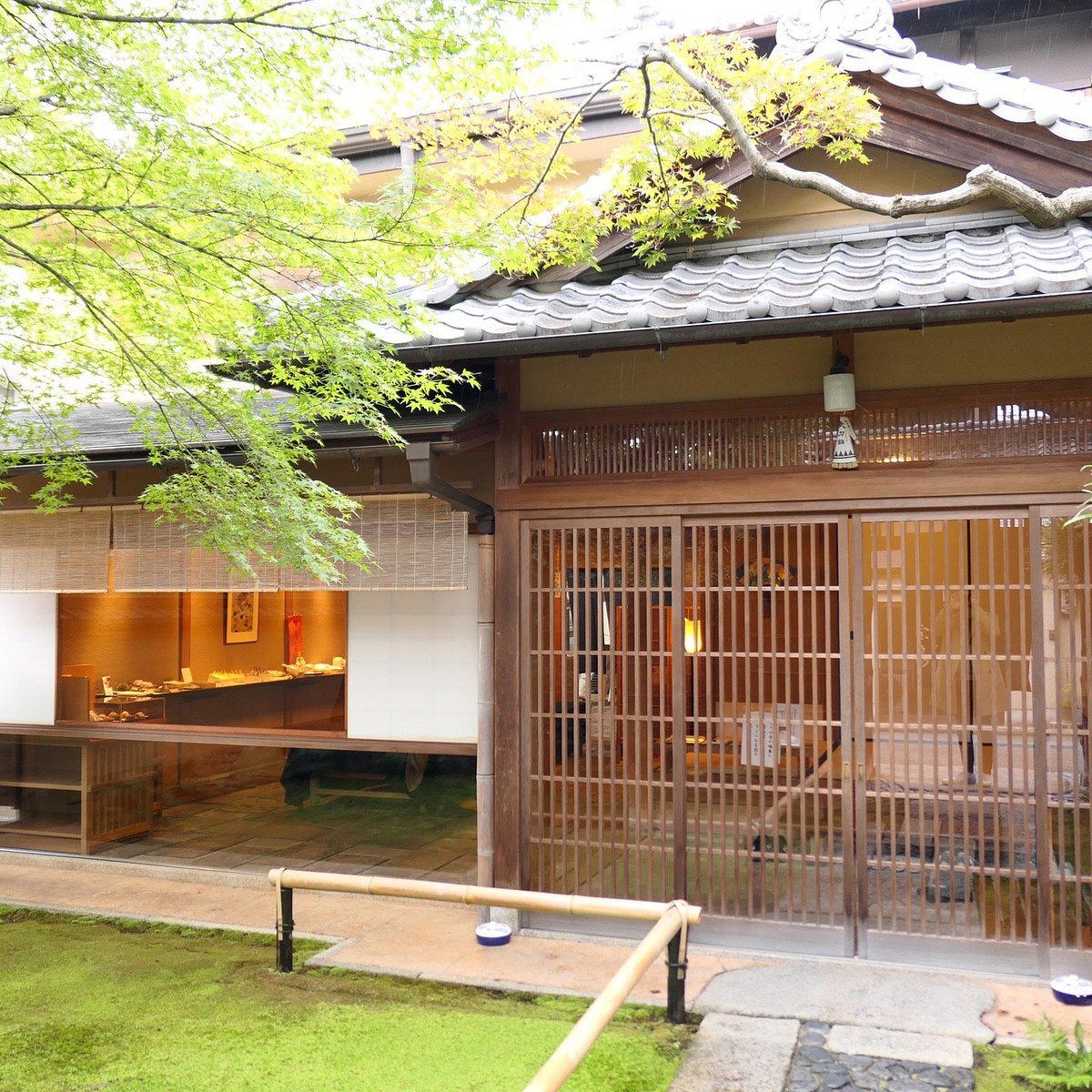
Saryo Housen
Kyoto, Japan
Choose Saryo Housen for a calm, daytime Kyoto sweets-and-tea stop in Shimogamo, especially for a quiet date or low-key celebration. It is a stronger pick when the room and pace matter than when you need a fast café, dinner plan, or inexpensive snack near the city center.
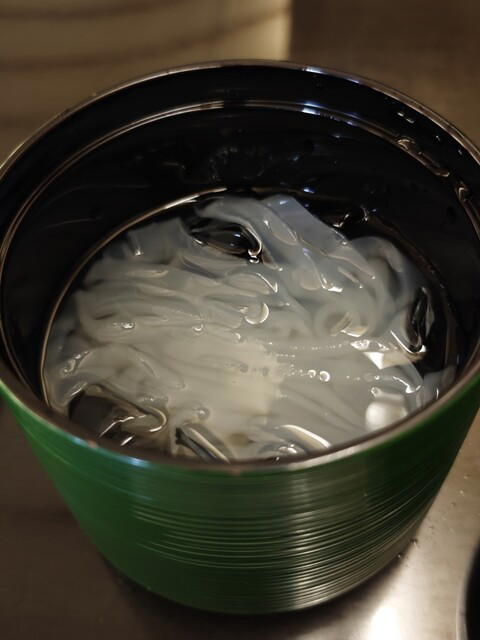
Kagizen Yoshifusa Shijou honten
Kyoto, Japan
Tabelog 100-recognized wagashi café in Gion offering traditional Kyoto sweets at JPY 1,000–1,999. Walk-in only, 62 table seats, and a relaxed alternative to formal tearooms. Best for afternoon visits between temple stops or as a cultural introduction to seasonal Japanese confections without tearoom ceremony.
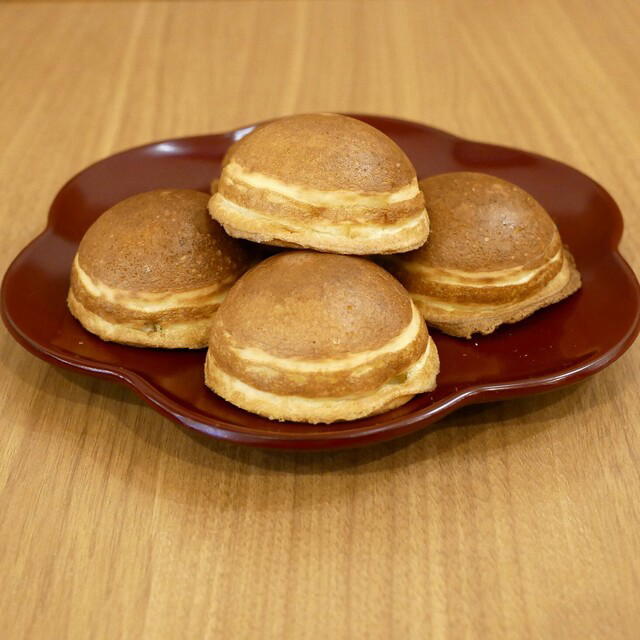
Hachimitsu Man Honpo
Tsu, Japan
A Tabelog 100 WEST-recognized wagashi shop in Tsu serving traditional Japanese sweets, gelato, and ice cream at under JPY 1,000 per item. Open 9:45 AM to 5 PM most days, it's a practical takeaway stop near Tsu Shimmachi Station; better for afternoon snacking or omiyage shopping than sit-down dining, with a honey-driven lineup and family-friendly atmosphere.
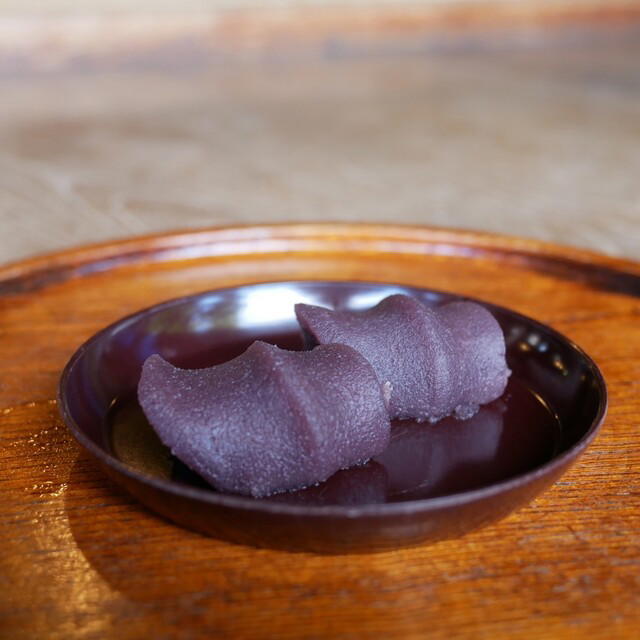
Akafuku Honten
Ise, Japan
A traditional sweets shop near Ise Grand Shrine serving only Akafuku mochi; three soft rice cakes with sweet red bean paste; in a tatami-seated room. Open from 5 AM daily with no reservations, it offers a deliberate sit-down format for under ¥999. Recognized by Tabelog 100 West for Japanese traditional sweets across multiple years, it is the most accessible way to engage with Ise's shrine-visit food tradition without committing to a full meal.
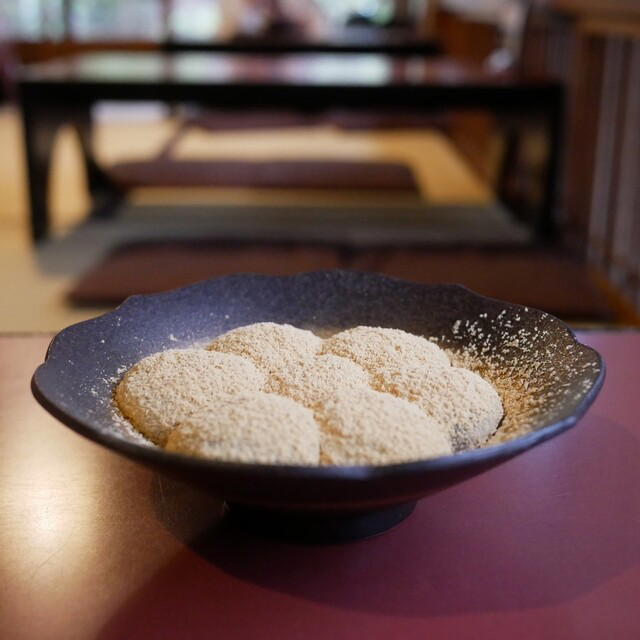
Gion Komori
Kyoto, Japan
A Tabelog 100 (2023) traditional sweets and cafe spot in Gion, offering walk-in access, 124 seats, and JPY 1,000–1,999 pricing. Best for families or mid-tour breaks rather than formal dining occasions. Cash only, closed Mondays.
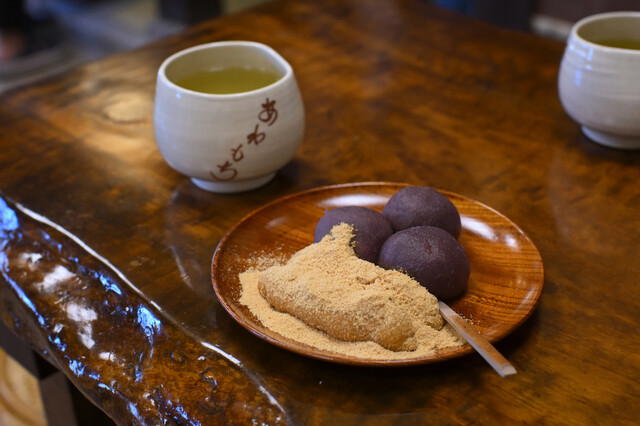
Awamochidokoro Sawaya
Kyoto, Japan
A family-run traditional sweet shop near Kitano Tenmangu shrine, Awamochidokoro Sawaya serves fresh millet mochi at under JPY 1,000. Recognized in Tabelog's Sweets WEST 100 since 2018, it offers easy walk-in access, same-day takeout, and 30 seats for on-site tea service. Open five days a week from 9 AM to 5 PM, it's one of Kyoto's most accessible award-listed wagashi stops.
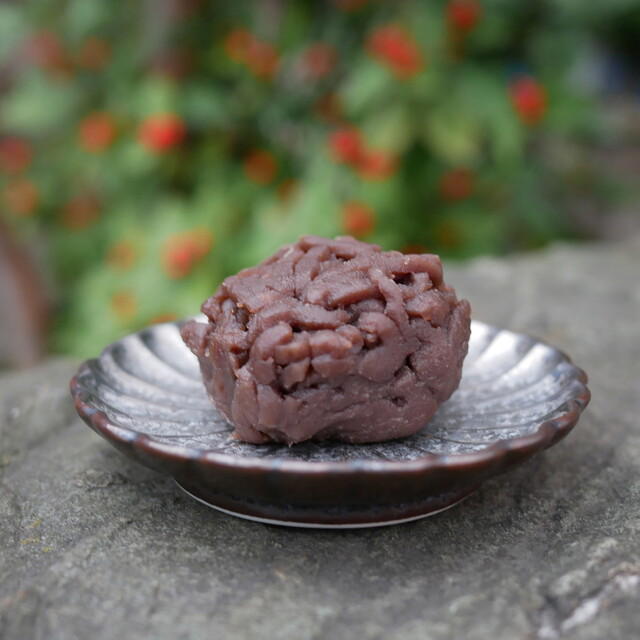
Onkashi Tsukasa Shioyoshiken
Kyoto, Japan
A Kamigyo-ku wagashi shop with seven consecutive Tabelog awards (2017–2023) and a 3.74 score, offering take-out traditional sweets Monday through Saturday, 9 AM–5:30 PM. No reservations required; walk-ins welcome. Priced at JPY 1,000–1,999 per purchase, the shop accepts PayPay, credit cards, and electronic money; practical for travelers exploring northern Kyoto temples and the Imperial Palace area.
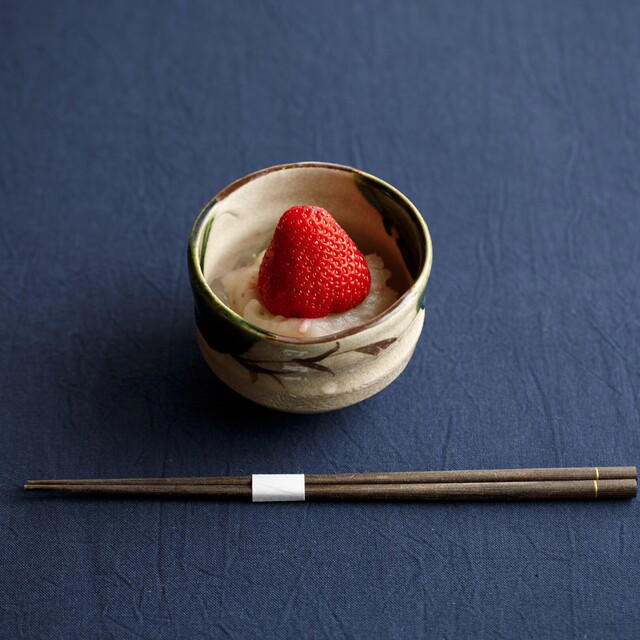
Tsubomi
Kanazawa, Japan
Tsubomi works as an affordable Kanazawa sweets stop, especially for pairs or small parties who want a low-risk meal rather than a formal occasion. The appeal is value and ease, not a documented private dining setup or a named tasting format, so use it as part of a broader city itinerary.
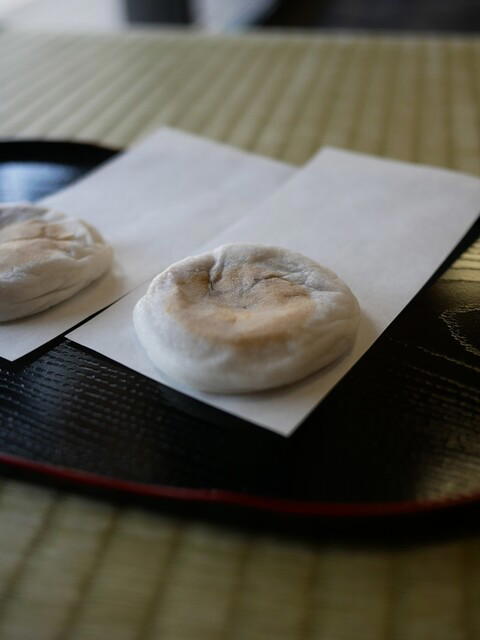
Aoiya Yakimochi Sohonpo
Kyoto Shi, Japan
Aoiya Yakimochi Sohonpo works as a quick, low-cost Kamigamo-area sweets stop, not as a full Kyoto meal. Go when it fits your route, especially earlier in the day; for groups wanting a seated Japanese meal or private-room feel, cross-shop more formal Kyoto restaurants instead.
Momiji Do Honten
Hatsukaichi, Japan
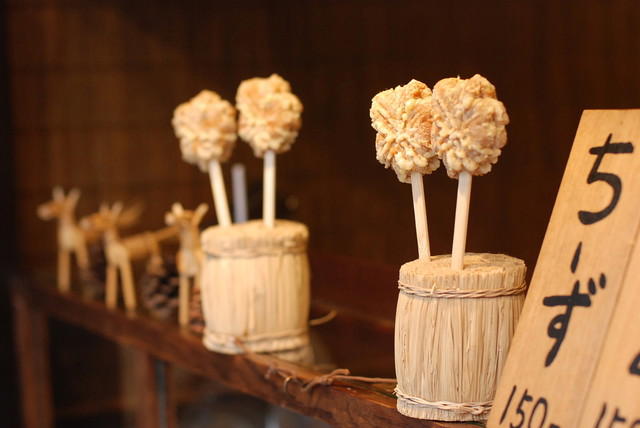
A fifth-generation Miyajima sweets shop recognized in Tabelog's 2023 Hyakumeiten for its registered-trademark Age Momiji; deep-fried maple-leaf cakes made to order at ¥190 each. Walk-ins accepted daily from 9 AM; expect five-minute waits on busy weekends but consistent availability. Under ¥1,000 per visit, cash only, with 30-seat eat-in space and self-service tea.
Honneri Kwashi Suiren isshin
Osaka, Japan
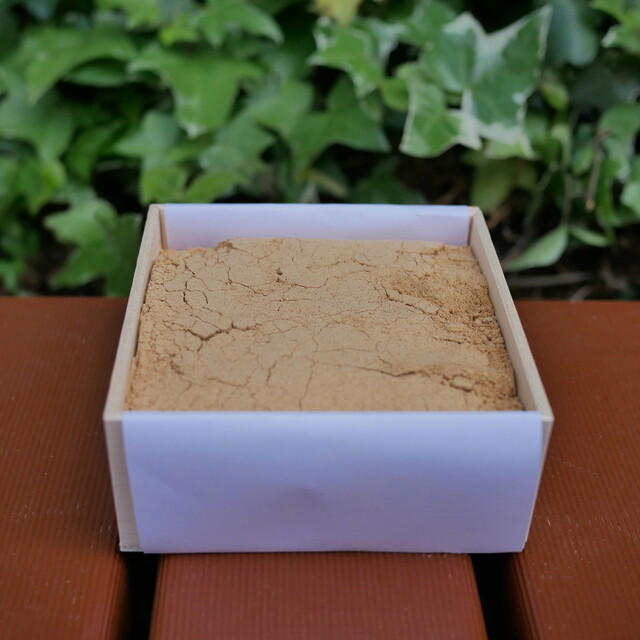
Tabelog 100-ranked takeout counter in Kitakyuhojimachi selling two traditional Japanese sweets: warabimochi and takiren. Both under ¥999, cash only, and often sold out by mid-afternoon. Open Tuesday–Sunday 11 AM until stock runs out. Phone ahead to confirm availability. Five-minute walk from Sakaisuji Honmachi Station.
Awagen
Osaka, Japan
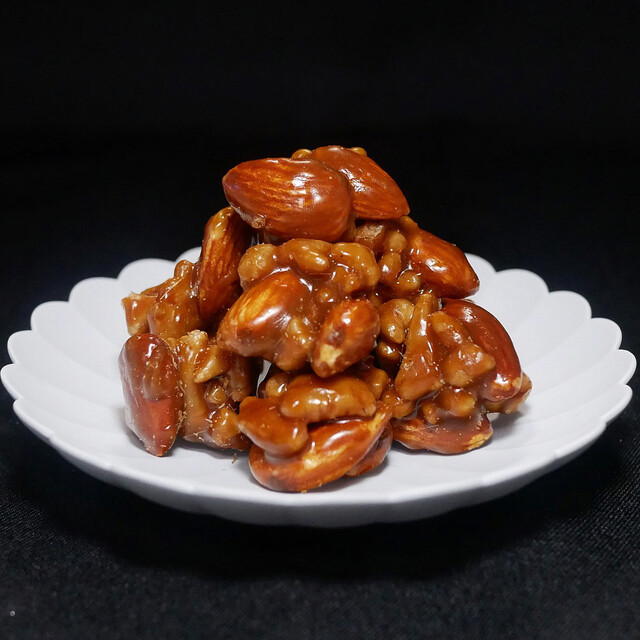
Takeaway-only wagashi specialist in Osaka's Sumiyoshi-ku, recognized on Tabelog's 100 Best West Japan traditional sweets list. Seasonal hand-shaped confections priced at JPY 1,000–1,999, sold weekdays until afternoon sell-out. No seating, cash-only, best for those who appreciate traditional Japanese sweets and don't mind a residential-neighborhood detour.
Mikura Ya
Kyoto, Japan
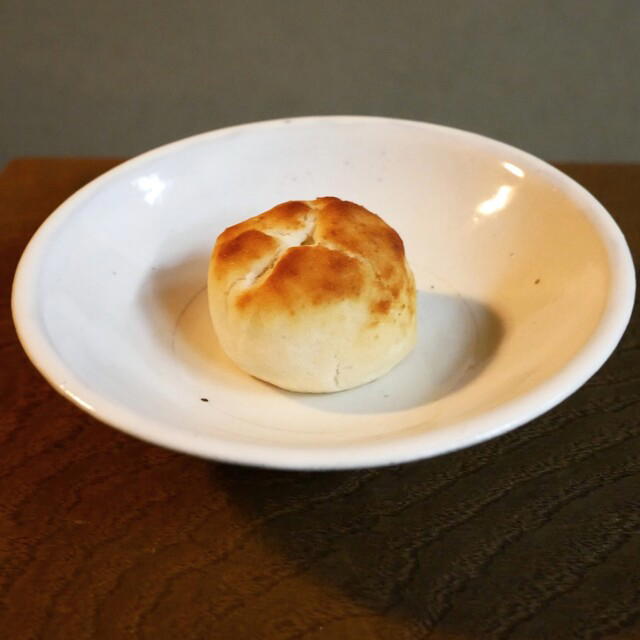
A take-out wagashi shop in northern Kyoto's Kita Ward, recognized on Tabelog's 2023 WEST 100 list for accessible, everyday traditional sweets at JPY 1,000-1,999. The wheelchair-accessible, family-friendly space welcomes browsing without pressure, closing only on the 1st and 15th of each month. Best for travelers stocking up on gifts or locals seeking reliable neighborhood sweets without the crowds or premium prices of central Kyoto patisseries.
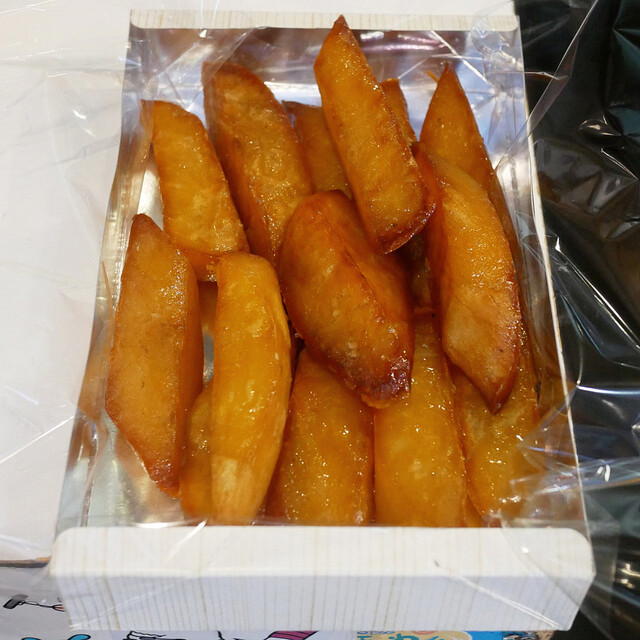
Shima Ya Honten
Osaka, Japan
Walk-up sweet-potato specialist 45 meters from Abeno station, delivering Tabelog-awarded roasted sweet potato and daigakuimo at under JPY 999. Ingredient sourcing outperforms the price tier, but the takeout-only format limits the experience to product quality rather than service or ambiance. A practical grab-and-go stop for travelers threading together Osaka's southern neighborhoods.
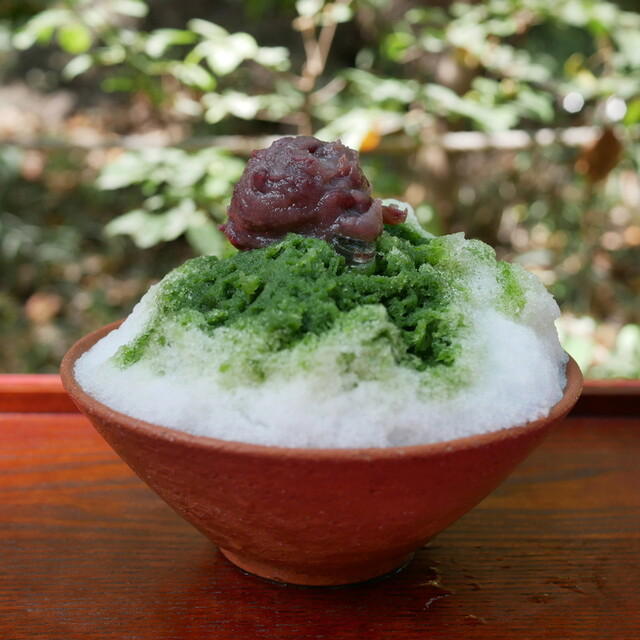
Saruya
Kyoto, Japan
Saruya serves traditional Japanese sweets at under ¥999 in Shimogamo Shrine's courtyard, earning Tabelog 100 recognition for reliable mitarashi dango and seasonal wagashi. The 60-seat open-air format suits families seeking a casual, walk-in stop during shrine visits, but noise levels and modest preparation depth mean this is best treated as convenient refueling rather than a destination for wagashi craft.
Overview
The Tabelog 100 - Japanese Traditional Sweets / Japanese Sweets Cafe - WEST - 2023 is a prestigious ranking of the top 100 wagashi shops and Japanese sweets cafes across West Japan. Compiled from millions of reviews on Tabelog, Japan's largest restaurant review site, this list highlights the region’s finest artisans and establishments specializing in traditional confections and modern wagashi cafés for 2023.
Originating from Japan’s largest and most trusted restaurant review platform, Tabelog, the Tabelog 100 lists recognize excellence in various culinary categories nationwide. The 2023 edition focusing on Japanese traditional sweets and sweets cafes in the West region; covering areas like Kansai, Chugoku, and Shikoku; showcases a rich cultural heritage of wagashi craftsmanship. These confections, deeply rooted in seasonal ingredients and regional techniques, are celebrated for both their aesthetic beauty and refined flavors. The list not only honors longstanding family-run shops but also innovative cafés redefining traditional sweets for contemporary palates, making it a vital resource for gourmands and travelers seeking authentic Japanese dessert experiences.
For connoisseurs of Japanese confectionery and travelers drawn to Japan’s rich culinary heritage, the Tabelog 100 for Japanese traditional sweets and sweets cafés in West Japan offers an unparalleled guide. This curated list spotlights 100 of the most revered wagashi artisans and innovative sweets cafés, blending time-honored techniques with contemporary creativity. Whether seeking the delicate subtlety of matcha-flavored mochi or the elegant presentation of seasonal yokan, this collection invites you to savor the region’s finest expressions of Japan’s sweet culture in 2023.
Quick Facts
- Publisher
- Tabelog (Kakaku.com, Inc.)
- Year
- 2023
- Coverage
- West Japan (Kansai, Chugoku, Shikoku regions)
- Items
- 100 top-rated traditional sweets shops and cafes
- Frequency
- Annual
About This Edition
The 2023 West Japan edition reflects a fascinating blend of tradition and innovation. This year’s list highlights a surge in sweets cafés that fuse classic wagashi elements with contemporary aesthetics and global flavor inspirations. Notably, several new entrants from emerging urban neighborhoods underscore a growing trend of younger entrepreneurs reinvigorating traditional sweets culture. Meanwhile, historic shops with centuries-old legacies continue to anchor the list, emphasizing the enduring appeal of authentic, handcrafted confections.
Frequently Asked Questions
What is Tabelog 100 - Japanese traditional sweets / Japanese sweets cafe - WEST - 2023?
How are honorees selected?
How often is this list updated?
How can I find these on Pearl?
How many of these have you visited?
Find out on Pearl and keep score across every place in Tabelog 100 - Japanese traditional sweets / Japanese sweets cafe - WEST - 2023.