
Shokan Do
Meganebashi Bridge, Nagasaki
Restaurant in Nagasaki, Japan
 Book with Pearl
The Read
Price
JPY 1,000 - JPY 1,999 JPY 1,000 - JPY 1,999 View spending breakdown
Why go
A heritage take-out shop near Meganebashi Bridge selling castella and seasonal wagashi at JPY 1,000–1,999, recognized in Tabelog's 2023 western Japan sweet selections. The format favors quick stops over lingering — order at the counter, grab a box, and move on. Best for travelers layering an affordable heritage-food stop into a broader Nagasaki itinerary.
About Shokan Do
JPY 1,000–1,999 buys a box of Nagasaki's heritage sweets at a shop operating under the same family name since the Edo period, a price bracket that feels almost too modest given the 2023 Tabelog 100 recognition for western Japan's traditional confections. The question isn't whether to visit, but what to prioritize across two or three stops. Start with castella, the Portuguese-influenced sponge cake that defines Nagasaki's sweet legacy, then return for seasonal wagashi when traveling outside summer heat.
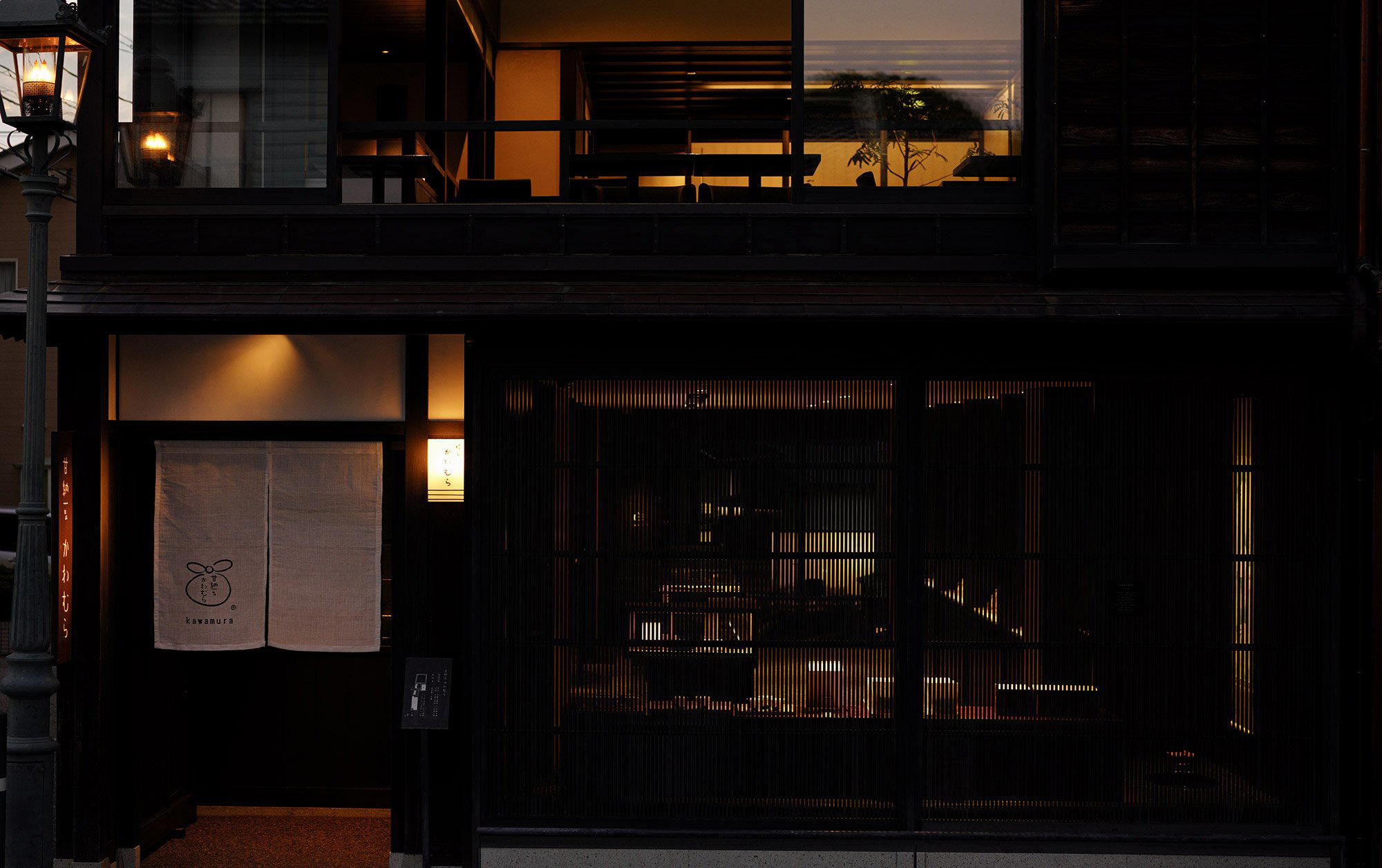
Shokan Do occupies a quiet corner near Meganebashi Bridge in the Uonomachi district, a take-out shop rather than a sit-down parlor. The setup means you're browsing display cases and ordering at the counter, an efficient format for travelers building a day around the city's Dutch-trading-port landmarks. The atmosphere is workmanlike rather than theatrical; regulars know what they want and the staff wrap purchases quickly. Families with children make up a visible portion of the foot traffic, a signal that the shop handles casual visits without the formality some heritage confectioners insist upon.
What to Order Across Multiple Visits
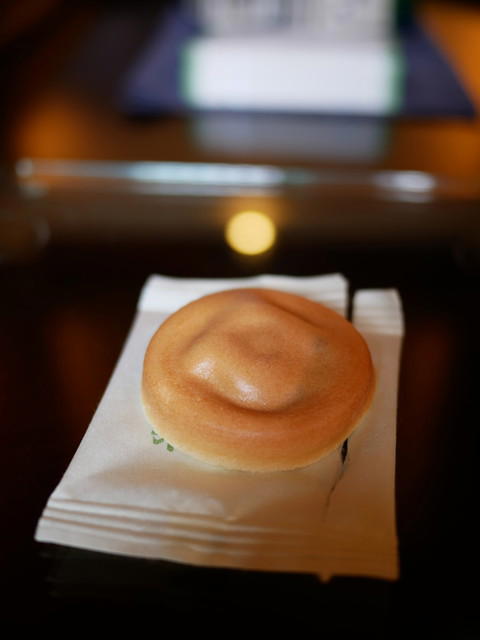
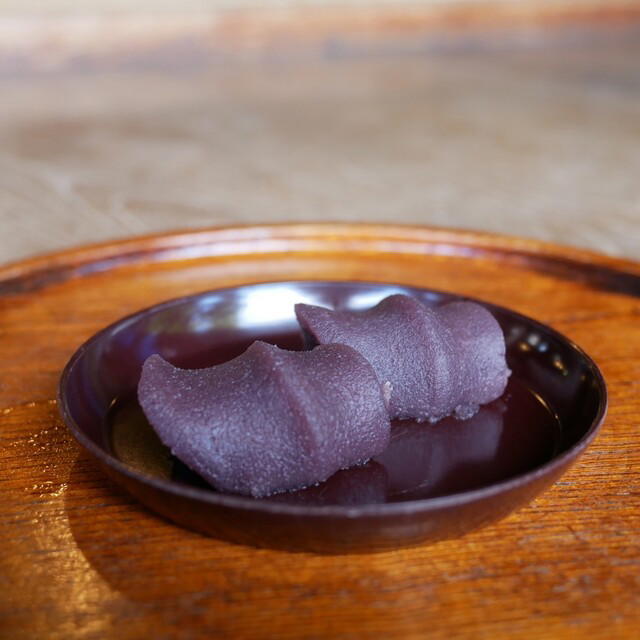
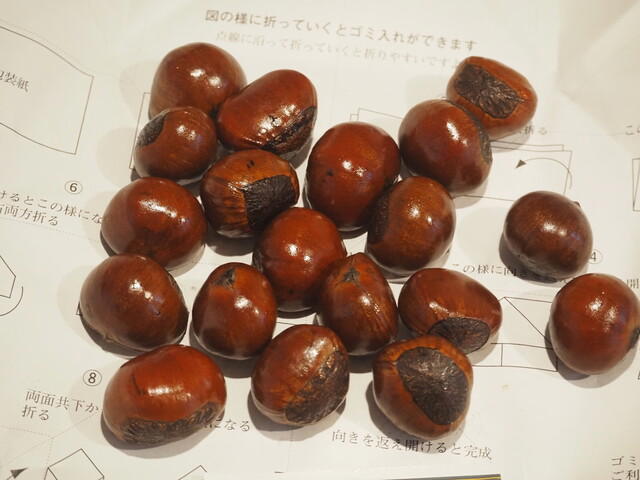
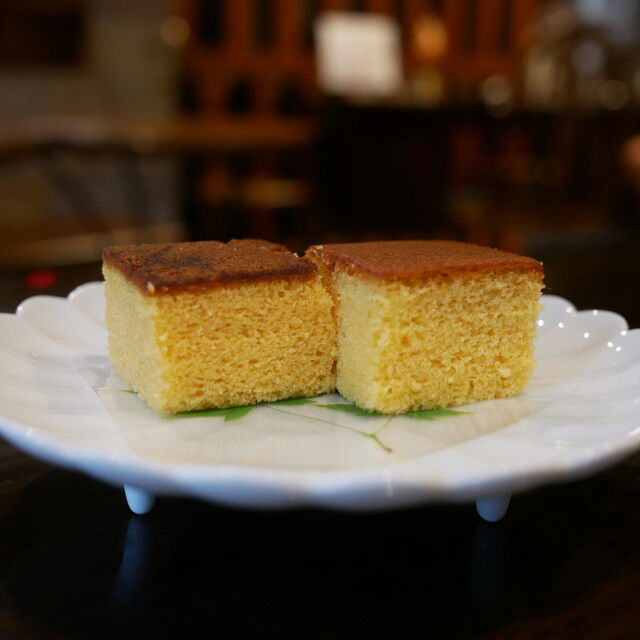
Castella should anchor the first visit. Shokan Do's version follows the dense, honey-scented template that Portuguese merchants introduced to Nagasaki in the 16th century, though the shop layers in local brown sugar for depth. Pick up a half-loaf if traveling solo, a full loaf if sharing. The second visit warrants exploring wagashi, traditional Japanese sweets shaped to reflect the season. Spring brings sakura-mochi, autumn delivers chestnut-based confections, and winter leans into yuzu citrus. The take-out format means you can sample widely without committing to a full tasting menu.
The shop also stocks packaged sweets suitable for gifts, a practical consideration if returning home or visiting Japanese colleagues. Credit cards (VISA, Master, JCB, AMEX) and QR code payments work here, a convenience not universal among older Nagasaki sweet shops. Parking accommodates two vehicles, tight but functional for a quick stop.
How Shokan Do Fits Nagasaki's Sweet Shop Hierarchy
At JPY 1,000–1,999, Shokan Do sits at the entry tier among Nagasaki's recognized confectioners. Primrose matches the price range and also earned Tabelog 100 honors, making the two shops rough peers in value and format. Kanro undercuts both at under JPY 999, trading some polish for even tighter budgets. For a step up, Asa Honten delivers more elaborate seasonal wagashi at JPY 3,000–3,999, worth the premium if the visit coincides with a festival or holiday when special shapes appear. Osaka Ya Hamachou ten occupies the high end at JPY 8,000–9,999, a different experience entirely, sit-down service, kaiseki-adjacent presentation, and overkill unless sweets are the trip's central focus.
The take-out model makes Shokan Do easier to book than seated venues; reservations are accepted but walk-ins fill gaps throughout the day. Tuesday through Sunday the shop opens 9:00 AM to 6:00 PM, closed Mondays. Mornings see lighter crowds than late afternoons when locals stop by en route home. The Meganebashi Bridge tram stop sits three minutes' walk away on Nagasaki Electric Tramway lines 4 and 5, a direct connection from JR Nagasaki Station (transfer at Kokaidomae, four-minute tram ride plus four-minute walk total).
Shokan Do makes sense for travelers layering heritage food stops into a broader Nagasaki itinerary, pair it with a walk through the Dutch Slope district or a visit to Sofukuji Temple. It's less compelling if sweets alone justify the detour; in that scenario, Asa Honten's refined presentation or Primrose's parallel Tabelog pedigree might offer more variety. But for a quick, affordable castella fix backed by centuries of family craft and regional recognition, the shop delivers without ceremony. Grab a box, find a bench near the bridge, and allocate ten minutes to see whether Nagasaki's signature sweet lives up to its reputation. For a broader sense of the city's dining range, explore our full Nagasaki restaurants guide.
Planning details
- Location
- 長崎県長崎市魚の町7-24
- Website
- shokando.jp
- Phone
- +81958261123
Venue details
Ambiance
Traditional Japanese sweets shop atmosphere with a classic, understated interior focused on takeaway castella and tea, creating a calm, nostalgic feel rather than a full-service restaurant setting.
Tags
Vibe
Best For
Experience
View
At the Table
- Noise Level
- Conversational
- Service Style
- Counter Service
- Meal Pacing
- Quick Bite
- Capacity
- Small
Signature Dishes
- Nagasaki Castella
- Freshly baked castella with sparkling matcha
- Gosanyaki Castella
Know before you go
Know Before You Go
- Getting there
- 長崎県長崎市魚の町7-24
Planning details
Location
Recognition and awards
Also consider
Also Consider
- Primrose, JPY 1,000 - JPY 1,999 - JPY 999, JPY 1,000 - JPY 1,999 - JPY 999
- Iwanaga Baijuken, JPY 2,000 - JPY 2,999 View spending breakdown, JPY 2,000 - JPY 2,999 View spending breakdown
- Osaka Ya Hamachou ten, JPY 8,000 - JPY 9,999, JPY 8,000 - JPY 9,999
- Asa Honten, JPY 3,000 - JPY 3,999, JPY 3,000 - JPY 3,999
- Kanro, - JPY 999, - JPY 999
Restaurant context
Shokan Do and Primrose occupy the same JPY 1,000–1,999 bracket and share Tabelog 100 recognition, making them near-interchangeable for travelers seeking affordable, award-backed castella and wagashi. Both operate take-out counters rather than sit-down parlors, so the decision hinges on location convenience more than experience quality. Primrose may edge ahead if your route doesn't pass Meganebashi Bridge, but neither shop offers a clear advantage in product range or presentation.
Kanro undercuts both at under JPY 999, worth considering if budget tightness outweighs pedigree. The lower price tier means fewer seasonal specialties and simpler packaging, but the core castella format holds. For travelers willing to spend more, Asa Honten at JPY 3,000–3,999 delivers more elaborate seasonal wagashi with better presentation, justified if the visit coincides with a festival or holiday when special shapes appear. Osaka Ya Hamachou ten jumps to JPY 8,000–9,999 with sit-down service and kaiseki-adjacent plating, a different experience entirely and overkill unless sweets anchor the trip.
All five venues handle walk-ins comfortably, so booking difficulty rarely factors into the choice. Shokan Do's Meganebashi Bridge location integrates easily into a Dutch Slope or Sofukuji Temple walking route, while Primrose sits closer to Chinatown. If castella is a box-tick rather than a deep dive, Shokan Do or Primrose suffice. If seasonal wagashi or gift-worthy packaging matter, Asa Honten justifies the step up. Kanro makes sense only when every yen counts.
Explore Nagasaki
Around this place
Discover more on Pearl
Unlock the full Shokan Do guide in Pearl, including awards, comparisons, FAQs, planning details, and nearby places.
FAQ
Frequently Asked Questions
Does Shokan Do handle dietary restrictions?
Shokan Do specializes in castella and traditional Japanese sweets, which typically contain eggs, sugar, and wheat flour. The shop operates as a take-out counter with no on-site dining, so ingredient substitutions are not offered. If you need allergen details, phone inquiries are your only option since the venue does not list a public website with ingredient breakdowns.
Is Shokan Do worth the price?
At JPY 1,000–1,999, Shokan Do delivers Tabelog 100-recognized castella without the markup you'd pay at hotel gift shops. The 2023 selection confirms execution quality, and the price sits comfortably below specialty confectioners like Iwanaga Baijuken. If you're in Nagasaki and want castella that meets regional standards, this is the fair-value pick.
Is Shokan Do good for solo dining?
Shokan Do is a take-out shop, not a sit-down venue, so solo versus group size is irrelevant. You walk in, order castella or wagashi, and leave. The two-space parking lot and weekday 9:00 AM–6:00 PM hours make it convenient for independent travelers picking up souvenirs or same-day snacks without advance planning.
Is the tasting menu worth it at Shokan Do?
Shokan Do does not offer a tasting menu. The shop operates as a traditional confectionery counter selling castella, wagashi, and other Japanese sweets by the piece or box. You select items from the display case, pay at the counter, and take them with you. Format is strictly retail, not experiential dining.
What should I order at Shokan Do?
Order castella first, it's the category that earned the shop Tabelog 100 recognition in 2023. Traditional wagashi and seasonal sweets fill out the range, but castella remains the flagship offering and the reason most visitors stop in. Prices run JPY 1,000–1,999, so buying a box to sample at your hotel or share with travel companions is straightforward and affordable.