

2026 Falstaff Winery Guide: The Ultimate Wine Authority — Page 19
Falstaff's 2026 Wineries guide.

Venues on this list
Cottini S.p.A
Caprino Veronese, Italy
Cottini S.p.A is a sensible shortlist winery for travelers already planning time in Caprino Veronese, especially if the goal is Veneto wine context rather than a heavily scripted tasting experience. The Falstaff Listed 2026 recognition is the clearest trust signal, but plan it as one stop within a wider local wine route.
Domäne Baumgartner – Weingut Ing. W. Baumgartner
Untermarkersdorf, Austria
A strong pick for wine travelers who want a broad Weinviertel tasting rather than a tiny cellar-door experience. The draw is scale, family heritage dating to 1725, rustic group-friendly hospitality, and a portfolio centered on Austrian varieties. Falstaff listing adds useful confidence, but book with the right expectation: educational and classic, not intimate or design-led.
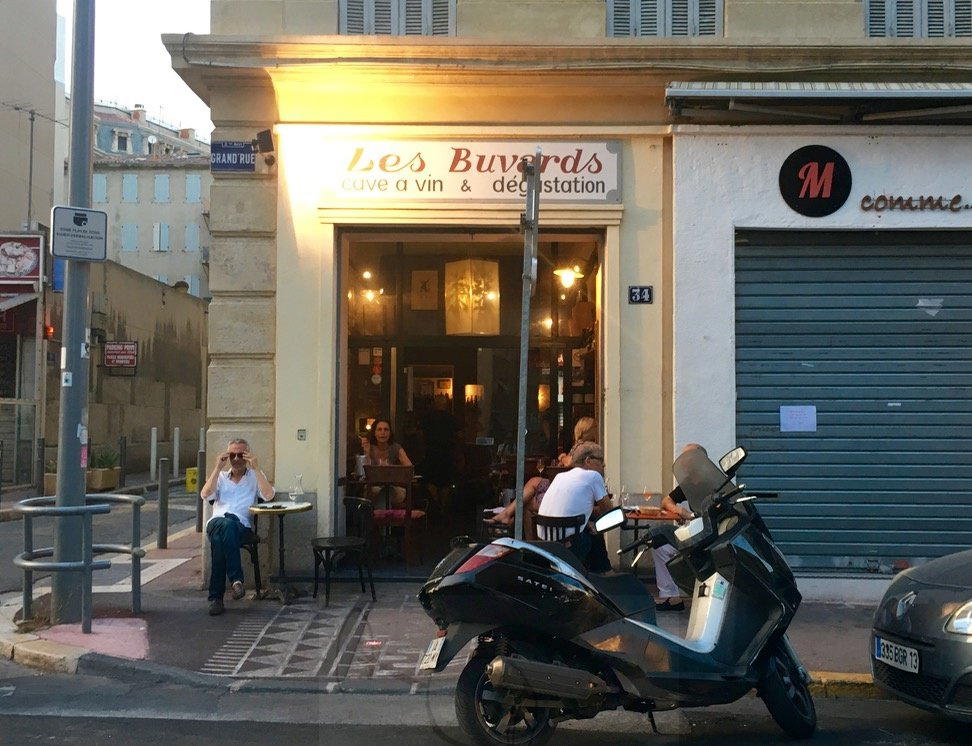
Antoine Sunier
Regnie Durette, France
Book Antoine Sunier if the occasion calls for a focused Régnié-Durette winery visit rather than a hospitality-heavy tasting stop. The Falstaff Listed recognition gives it a credible quality signal, but sparse public logistics make it a better fit for small, planned visits than large groups or travelers who need food, fixed hours, or packaged private options confirmed upfront.
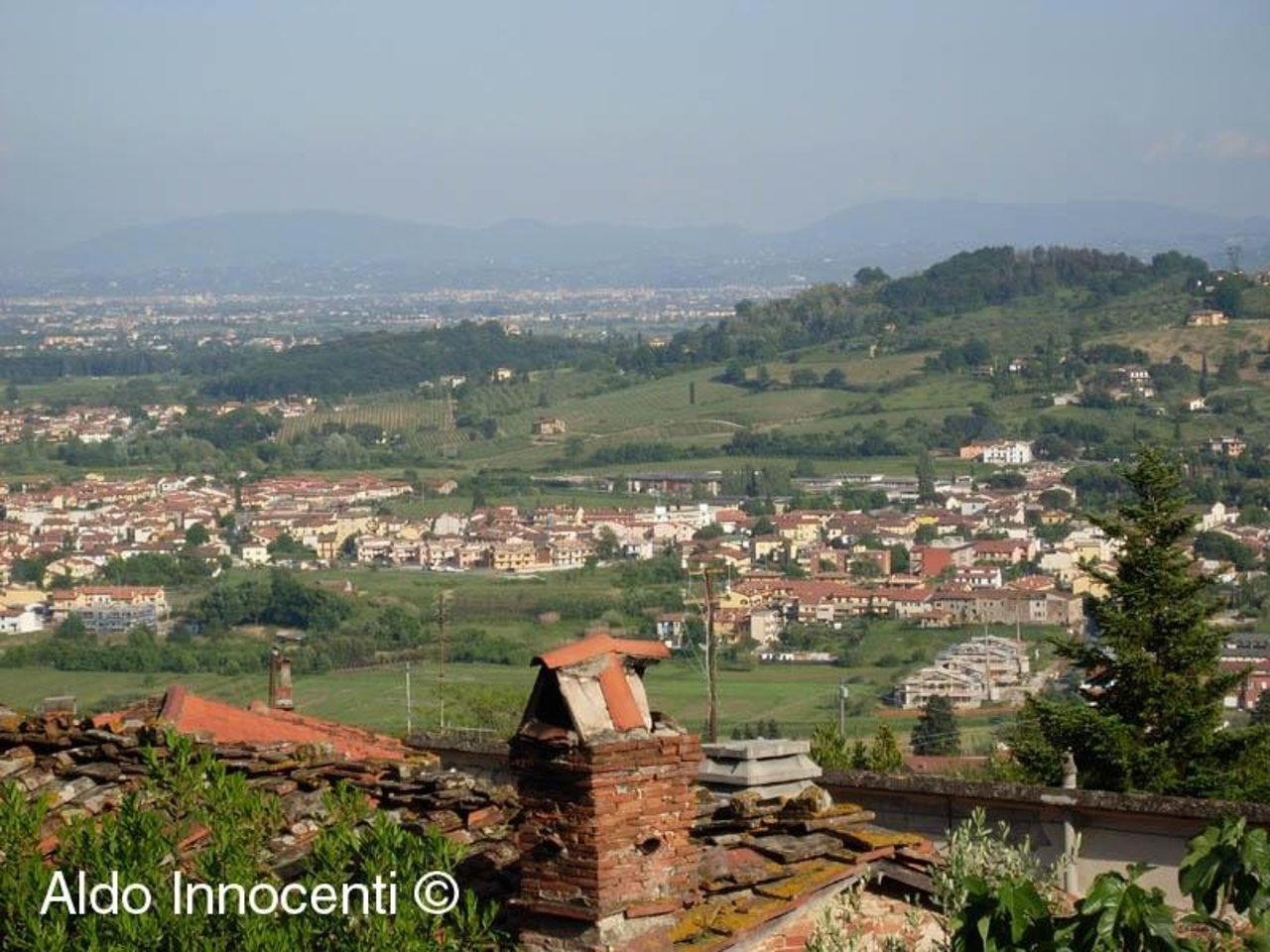
Cantine Bonacchi
Quarrata, Italy
Cantine Bonacchi is worth booking if the appeal is a working Tuscan production winery rather than a decorative tasting-room experience. The draw is its classic, industrial setup, $$ positioning, Falstaff Listed 2026 recognition, and portfolio spanning Chianti, Brunello di Montalcino, Rosso di Montalcino, and Vin Santo del Chianti.
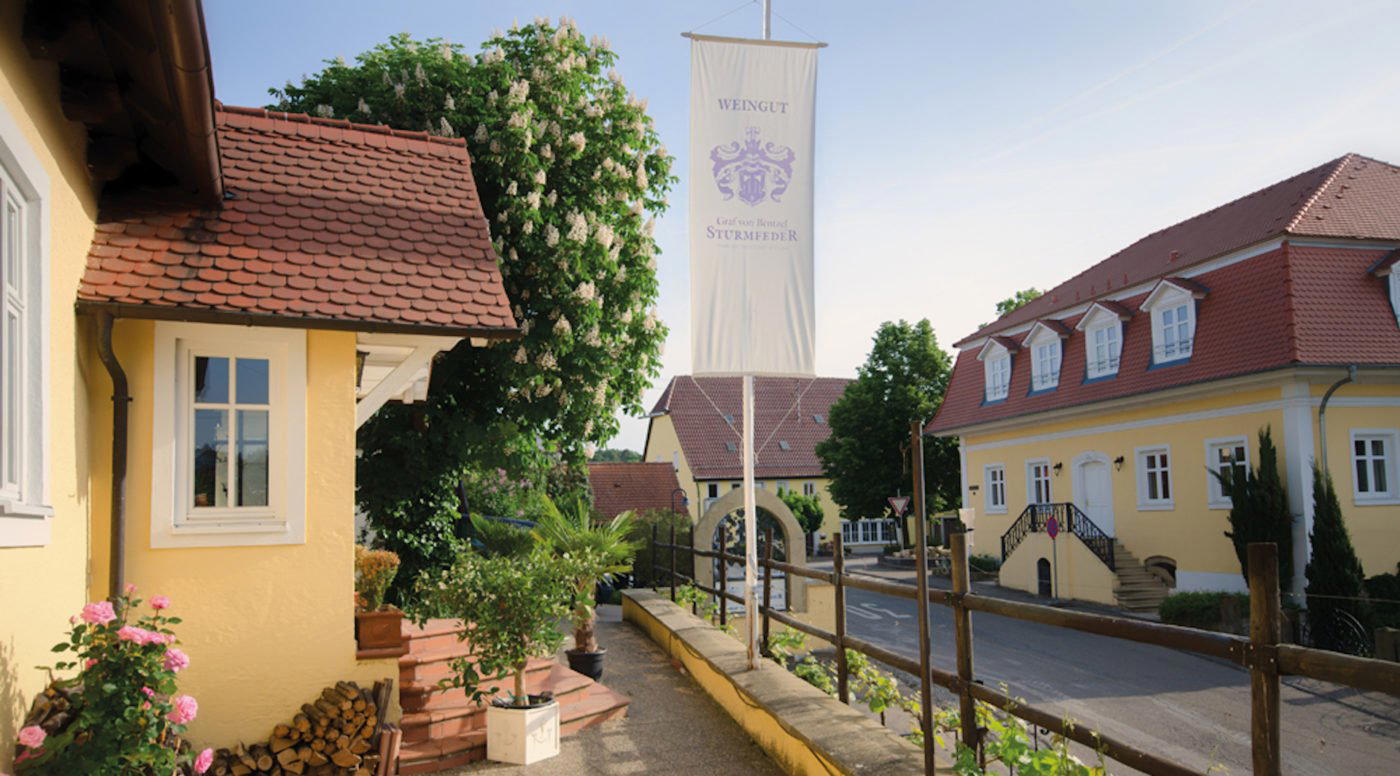
Graf von Bentzel-Sturmfeder
Schozach, Germany
Book Graf von Bentzel-Sturmfeder if you want a focused Württemberg winery stop built around heritage, VDP tiering, and regional grapes rather than a resort-style tasting experience. It is a stronger fit for wine-focused visitors than groups looking for confirmed food service or a polished hospitality package.
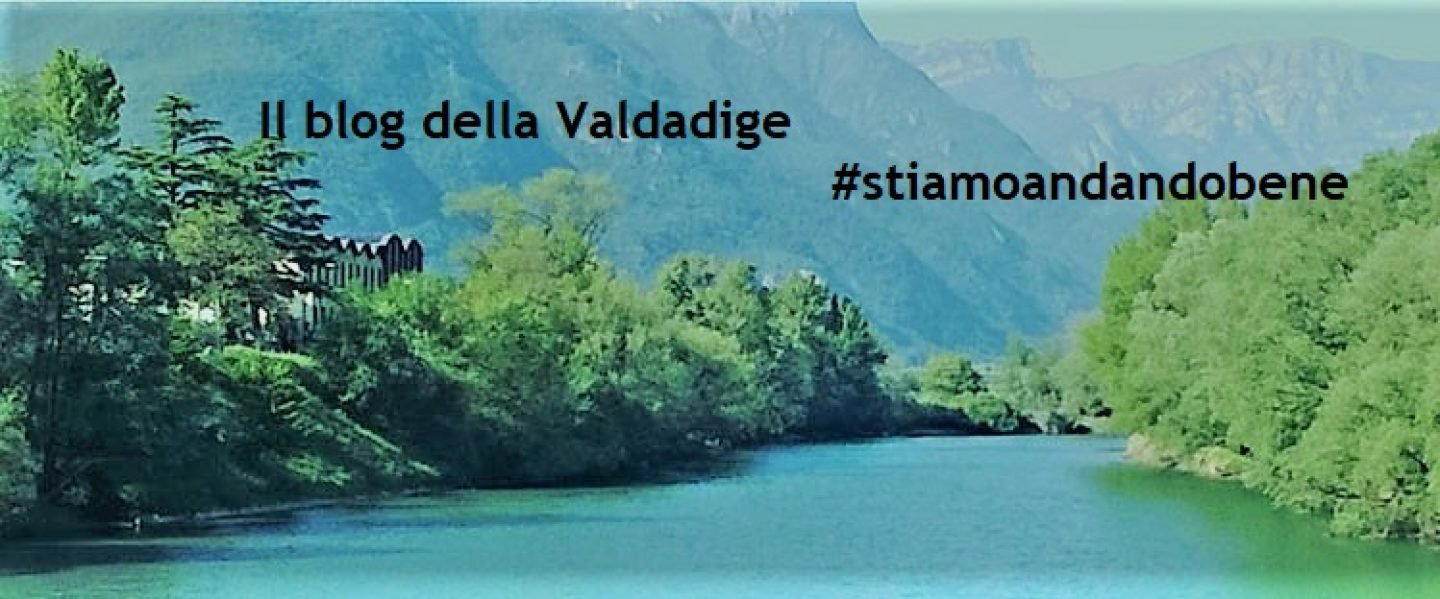
Cantina Valdadige
Brentino Belluno, Italy
Cantina Valdadige is a good-value cooperative winery stop in Brentino Belluno, better for casual aperitifs and local Valdadige wines than for a formal estate-tour experience. Go for the quiet wine-bar setting, friendly service, and accessible pricing; skip it if the occasion needs a full restaurant meal or a polished luxury tasting.
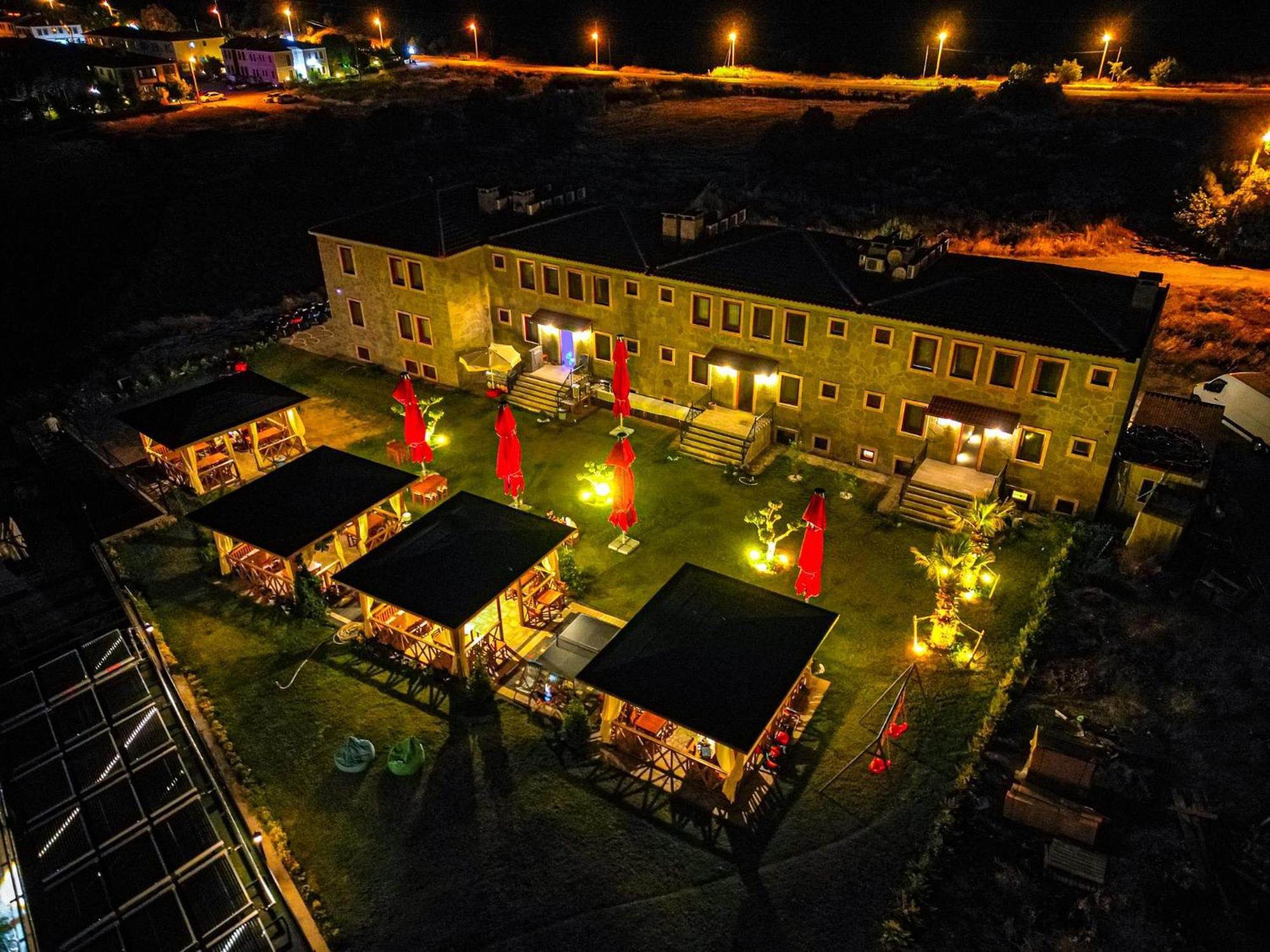
Amadeus / Ayana
Bozcaada Canakkale, Turkey
Worth adding to a Bozcaada wine day if the goal is a relaxed boutique producer with a focus on Syrah and Cabernet Sauvignon. The appeal is vineyard context and modern Turkish red-wine production, not a highly formal tasting program. Falstaff Listed 2026 recognition adds a credible quality signal.
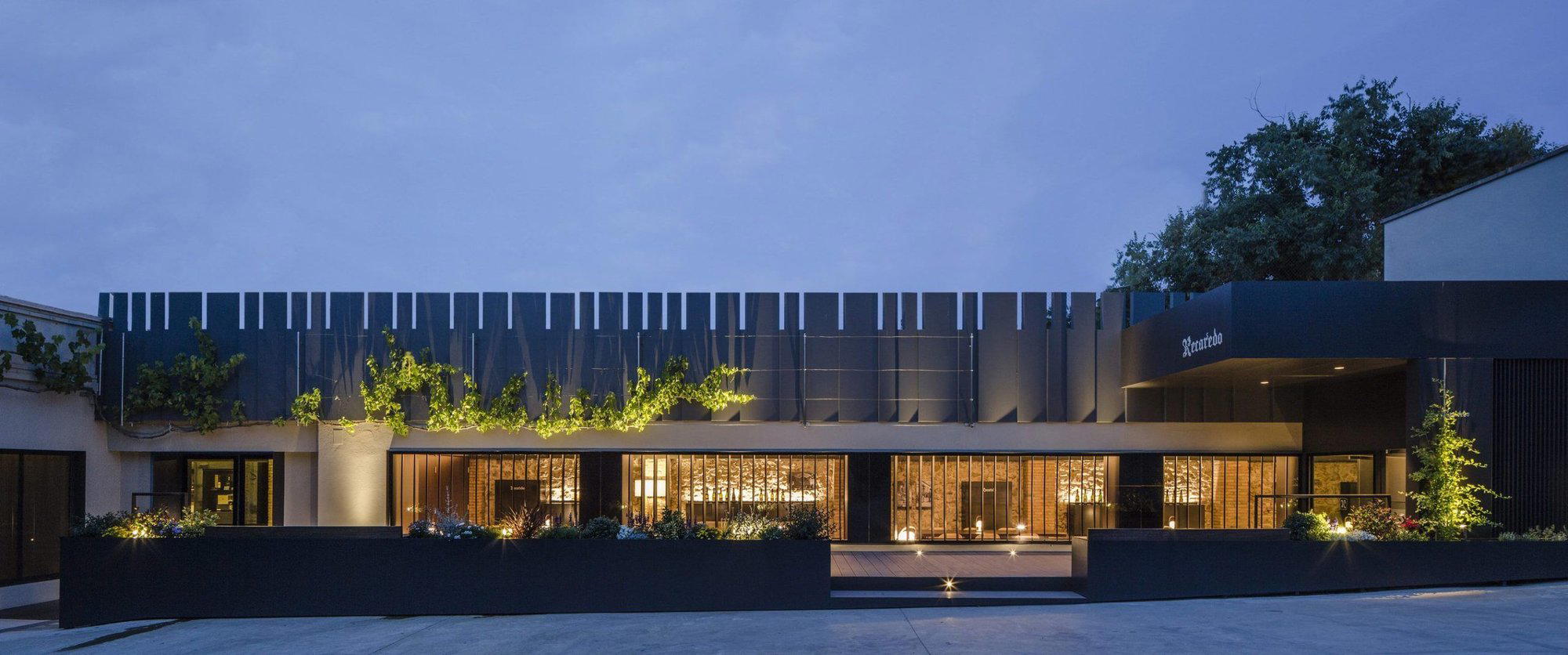
Recaredo
Sant Sadurní d'Anoia, Spain
Recaredo is worth prioritising for a serious sparkling-wine stop in Sant Sadurní d'Anoia, especially for a date, anniversary, or small hosting moment where the wine itself is the point. Cross-shop Gramona and Raventós i Blanc for similarly focused producer visits; choose Freixenet or Codorníu if group logistics and easier access matter more.
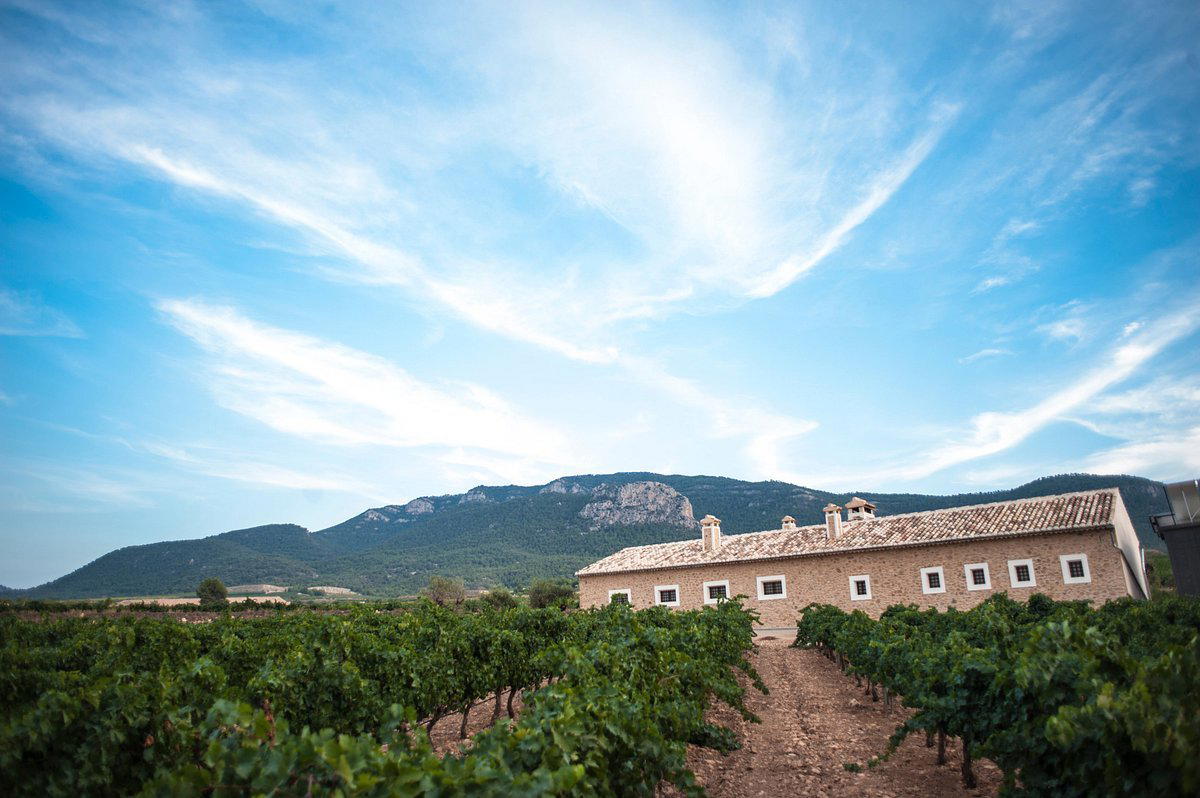
Casa de la Ermita
Jumilla Murcia, Spain
Casa de la Ermita is worth planning around if the goal is a deeper Jumilla visit rather than a quick tasting. The €15 guided format, museum component, organic-wine history, and Sierra del Carche setting make it a strong pick for travelers who want Monastrell context and regional perspective in one stop.
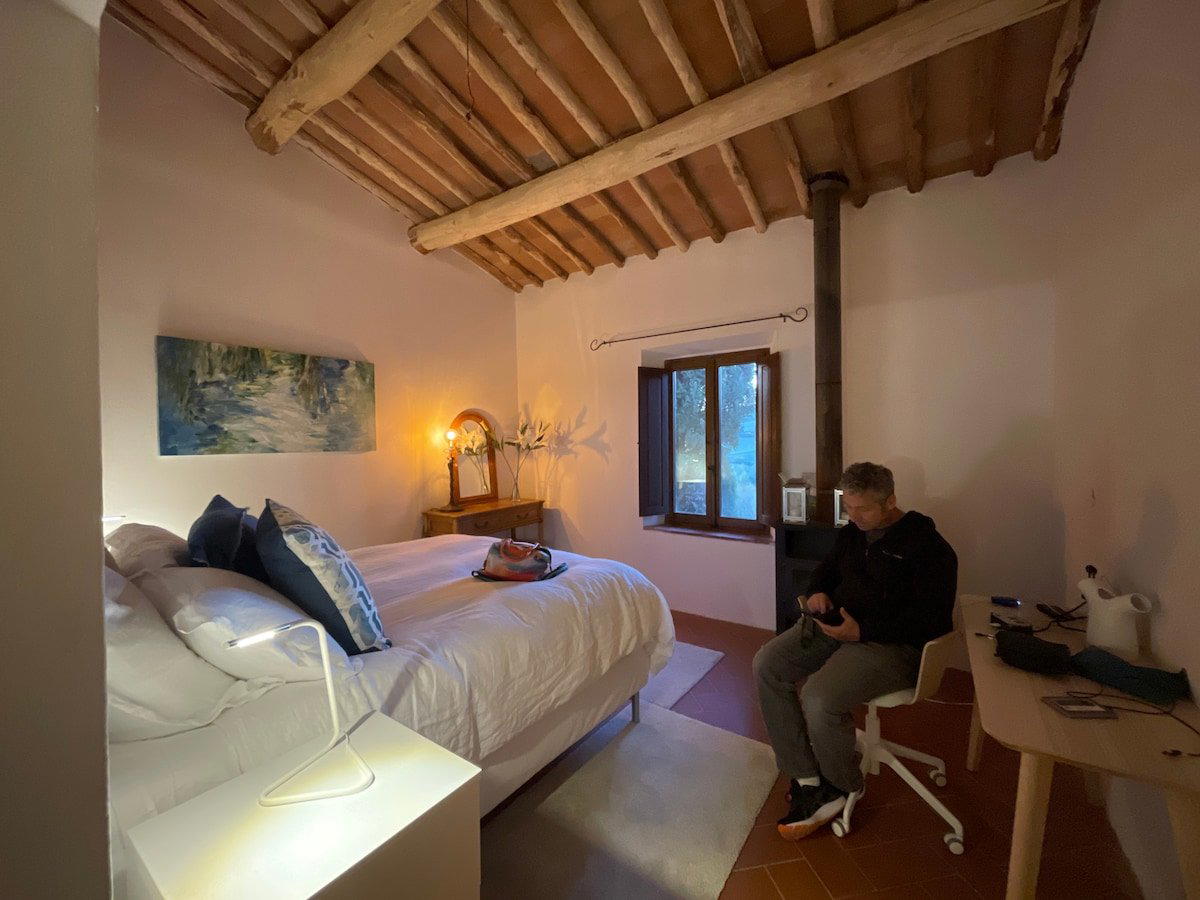
Borgo Salcetino
Radda in Chianti, Italy
Book Borgo Salcetino if you want a traditional Radda in Chianti winery visit with fair-value Chianti Classico and a rustic cellar setting. The strongest case is bottle value rather than luxury hospitality: Falstaff listed in 2026, with published wine prices that make buying after tasting feel reasonable.
Azienda Agricola Il Barlettaio
Radda in Chianti, Italy
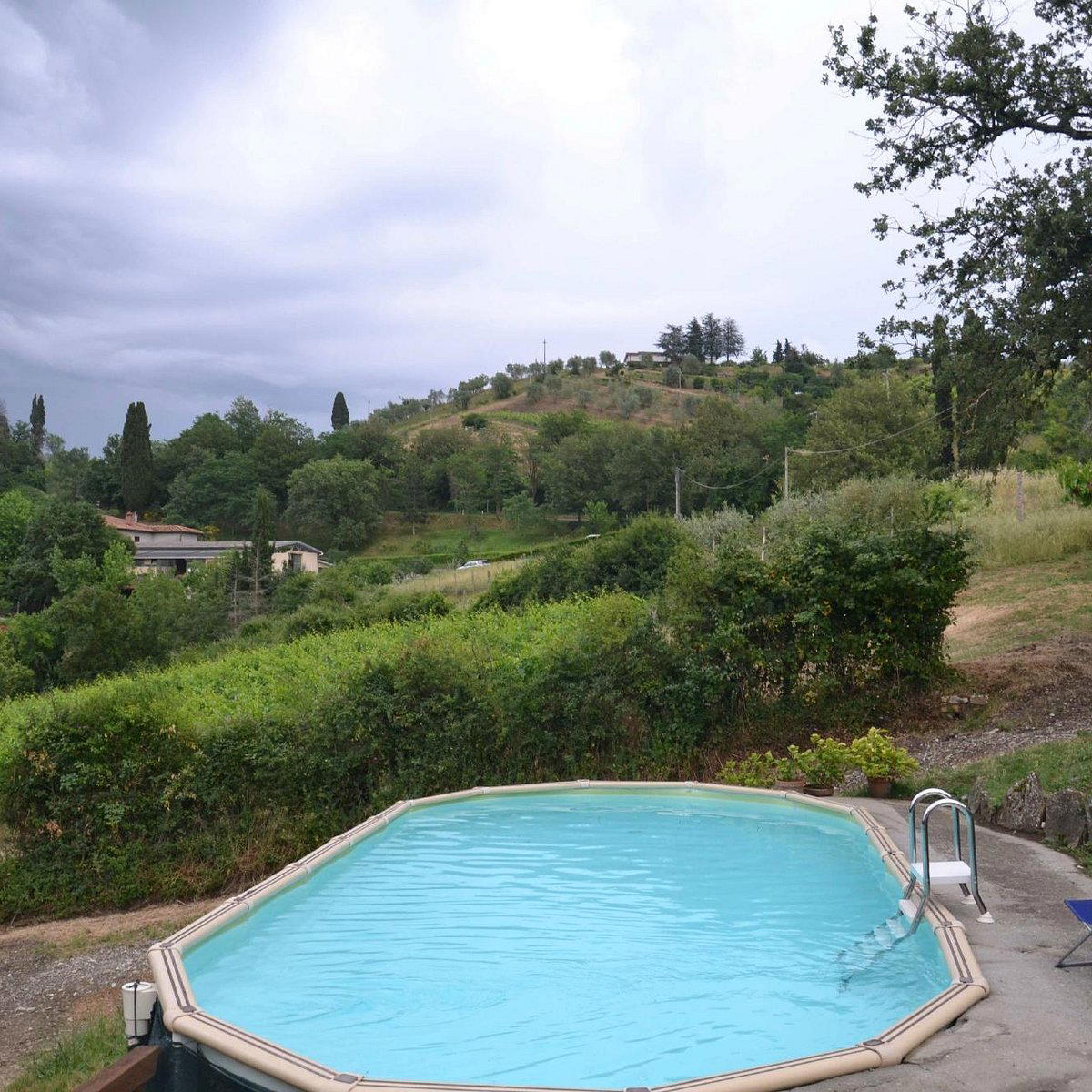
Azienda Agricola Il Barlettaio is a strong pick for a quiet, personal Chianti Classico tasting in Radda, especially if organic farming and olive oil alongside wine matter to the visit. Book it for an intimate, family-run estate feel rather than a grand winery production; Falstaff listing adds useful recognition without changing the relaxed tone.
Bodegas Máximo Abete
San Martin De Unx, Spain
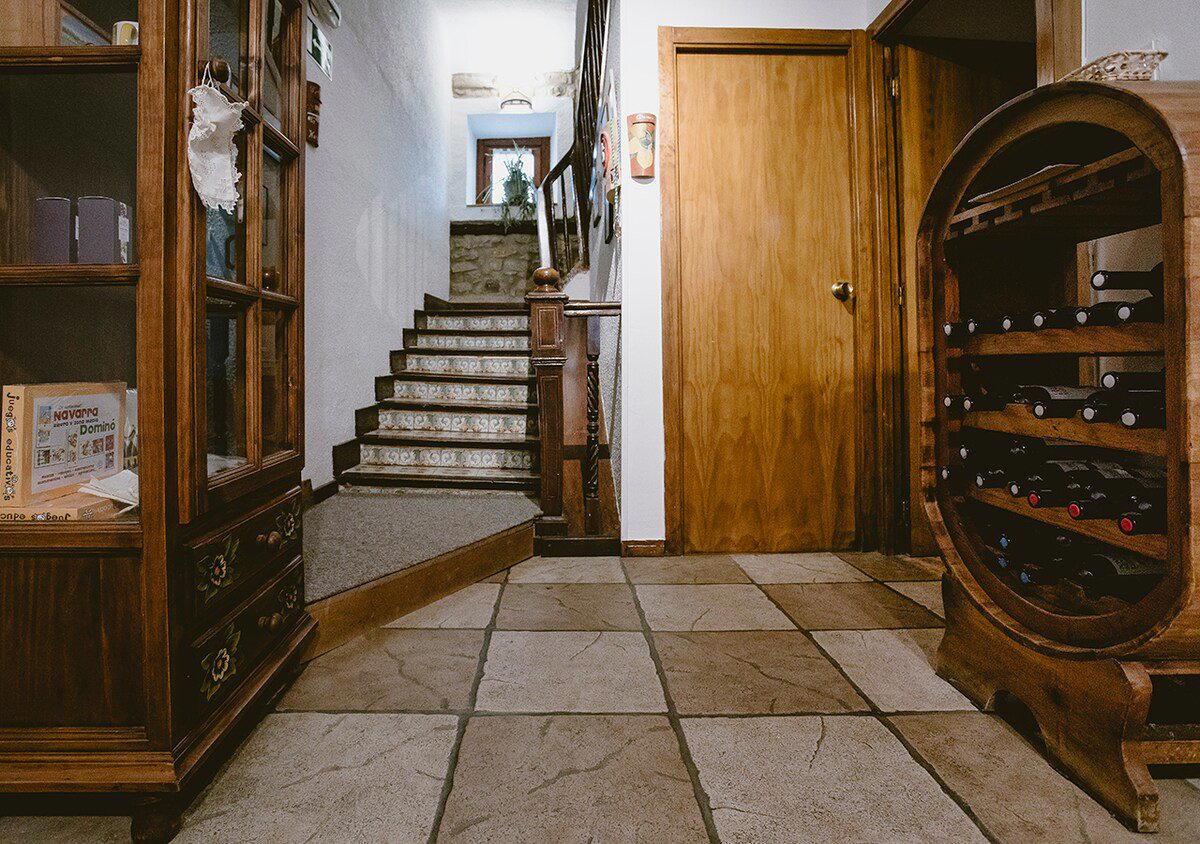
Worth planning for if you care about mountain Garnacha, old vines, and Navarra terroir more than polished winery amenities. Bodegas Máximo Abete is strongest as a focused tasting stop for small, wine-literate groups, with the clearest payoff in rosé, red, and old-vine bottlings from its rugged Guerinda Mountains setting.
Buitenverwachting
Cape Town, South Africa
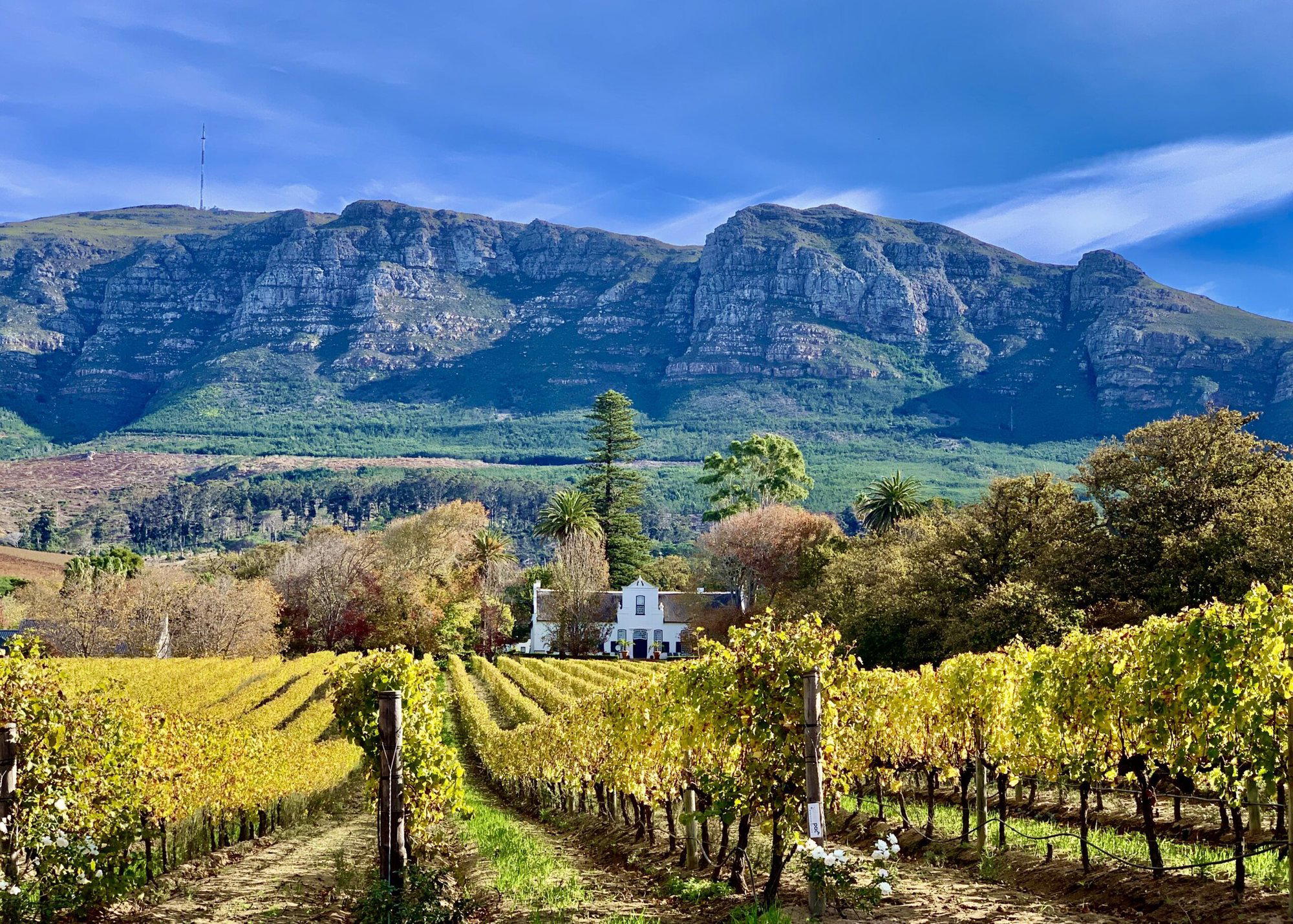
A strong Constantia pick for travelers who want a calm Cape Town wine-estate stop without turning the day into a long regional circuit. Plan ahead and treat it as an anchor booking, then compare nearby estates by mood: Groot Constantia for heritage, Beau Constantia for views, and Constantia Glen for a polished local contrast.
Weingut Von Winning
Deidesheim, Germany
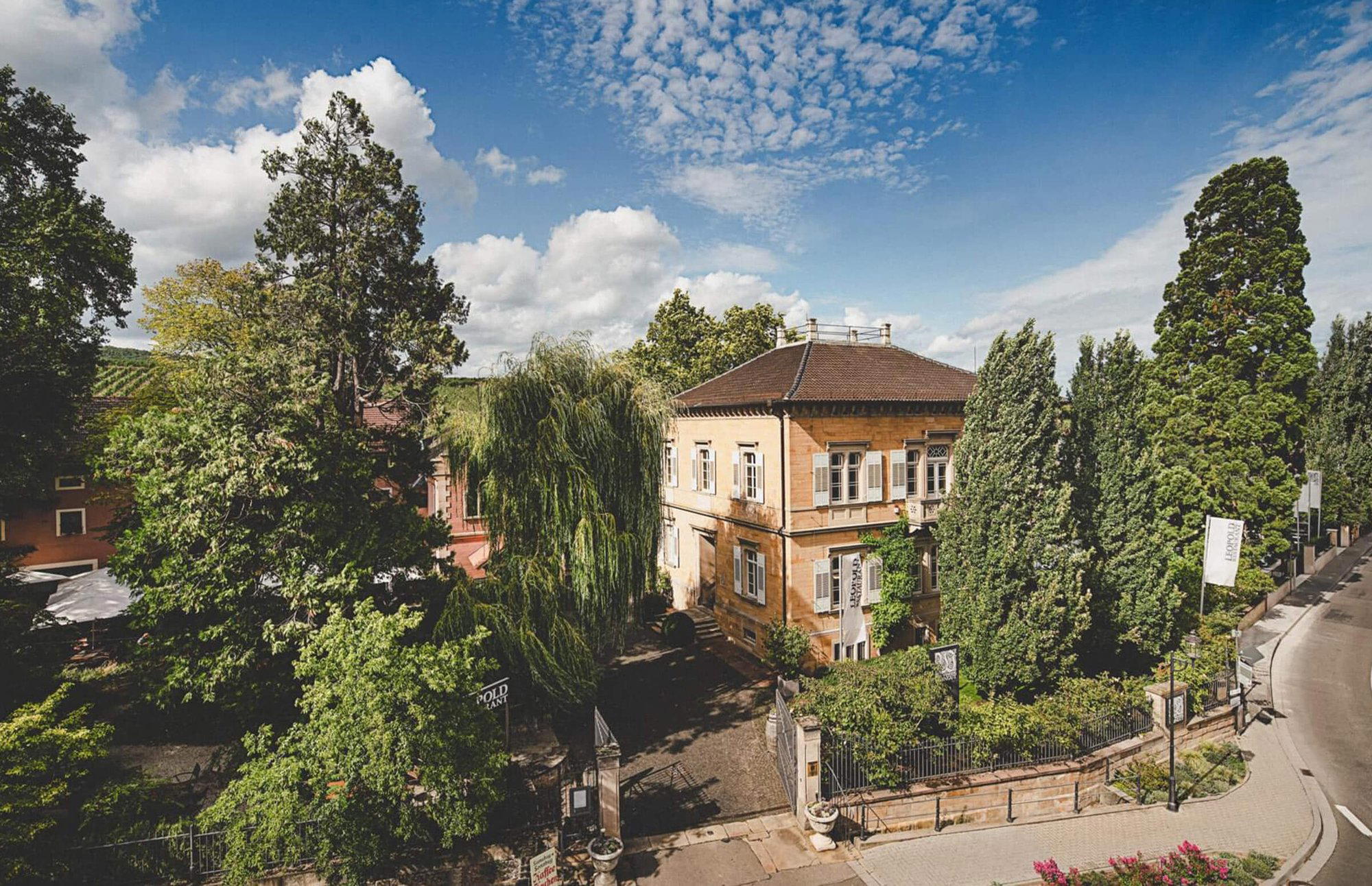
A serious Deidesheim winery pick for visitors who want a focused Riesling-led stop rather than a casual drop-in. The value case is strongest when compared directly with nearby producers, especially Weingut Bassermann-Jordan and Weingut Reichsrat von Buhl, rather than judged as a standalone visit.
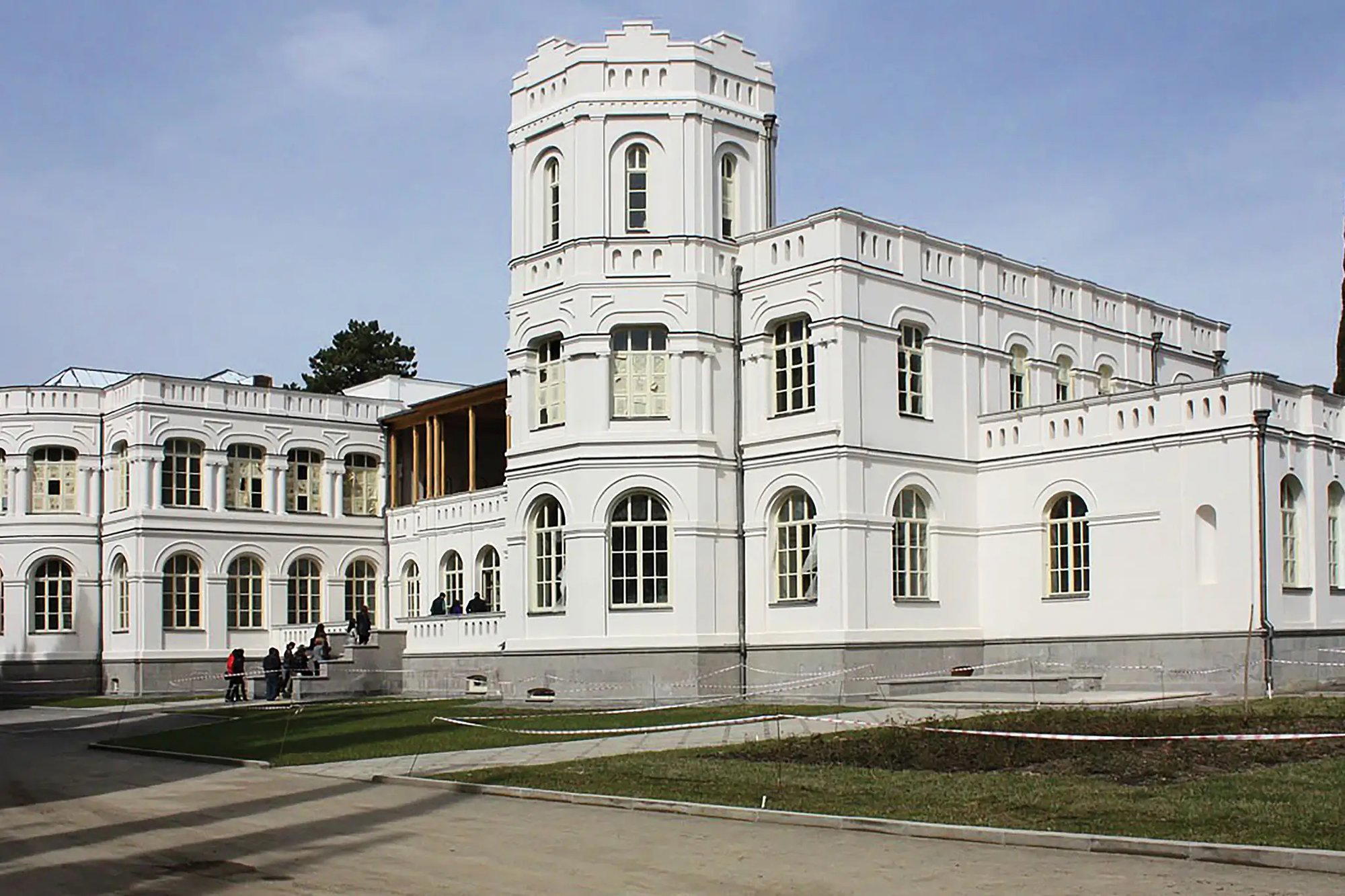
Binekhi Winery
Tblisi, Georgia
Binekhi Winery is a sensible Tbilisi pick for travelers who want Georgian wine context without turning the visit into a full-day production. Its 2026 Falstaff listing gives it a useful credibility signal, but confirmed visitor details are thin, so it suits flexible wine explorers more than travelers who need fixed pricing, hours, and tasting structure upfront.
Tenuta Gabe
San Pietro Di Feletto, Italy
A focused Conegliano Valdobbiadene DOCG Prosecco producer in Crevada, better for small, appointment-led wine visits than broad winery hospitality. Worth considering if the plan centers on Glera, family-led production, and a quiet rural setting; less suited to groups needing confirmed food, large-capacity hosting, or a full-day estate experience.
Cobaneshof
Gobelsburg, Austria
Book Cobaneshof if you want a relaxed Kamptal vineyard stay rather than a formal tasting-room appointment. Its strongest use case is a warm-weather visit built around the courtyard, estate wines, Austrian regional food, and a slow countryside pace. Falstaff listing adds a useful trust signal, but the draw is the Heuriger format, not luxury polish.
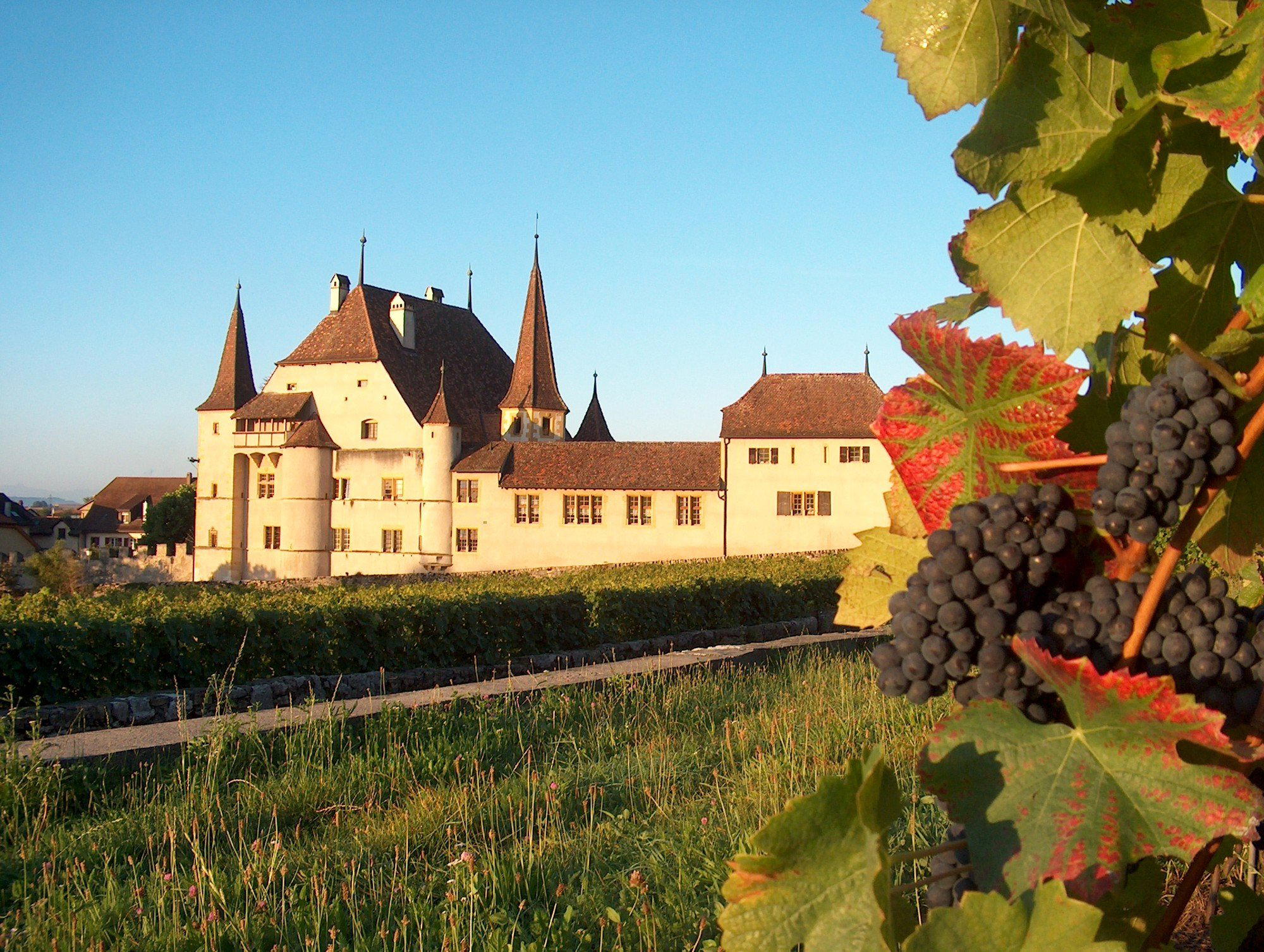
Cave des Lauriers
Cressier Ne, Switzerland
Old-barrel cellar atmosphere is the hook here: Cave des Lauriers is a practical pick for a focused Neuchâtel winery visit in Cressier. Go if Pinot Noir, Chasselas, family continuity, and a historic 16th-century setting matter more than a glossy tasting-room experience. The wine club is most compelling for repeat drinkers of these regional styles.
Domaine Nicolas Reau
Sainte Radegonde, France
Domaine Nicolas Reau is worth pursuing if low-intervention Loire Cabernet Franc and Chenin Blanc are the point of the trip. Expect a small, appointment-only producer experience rather than a built-out tasting room, with the strongest buying case around Pompois, L’Enfant Terrible, Victoire, and Clos des Treilles.
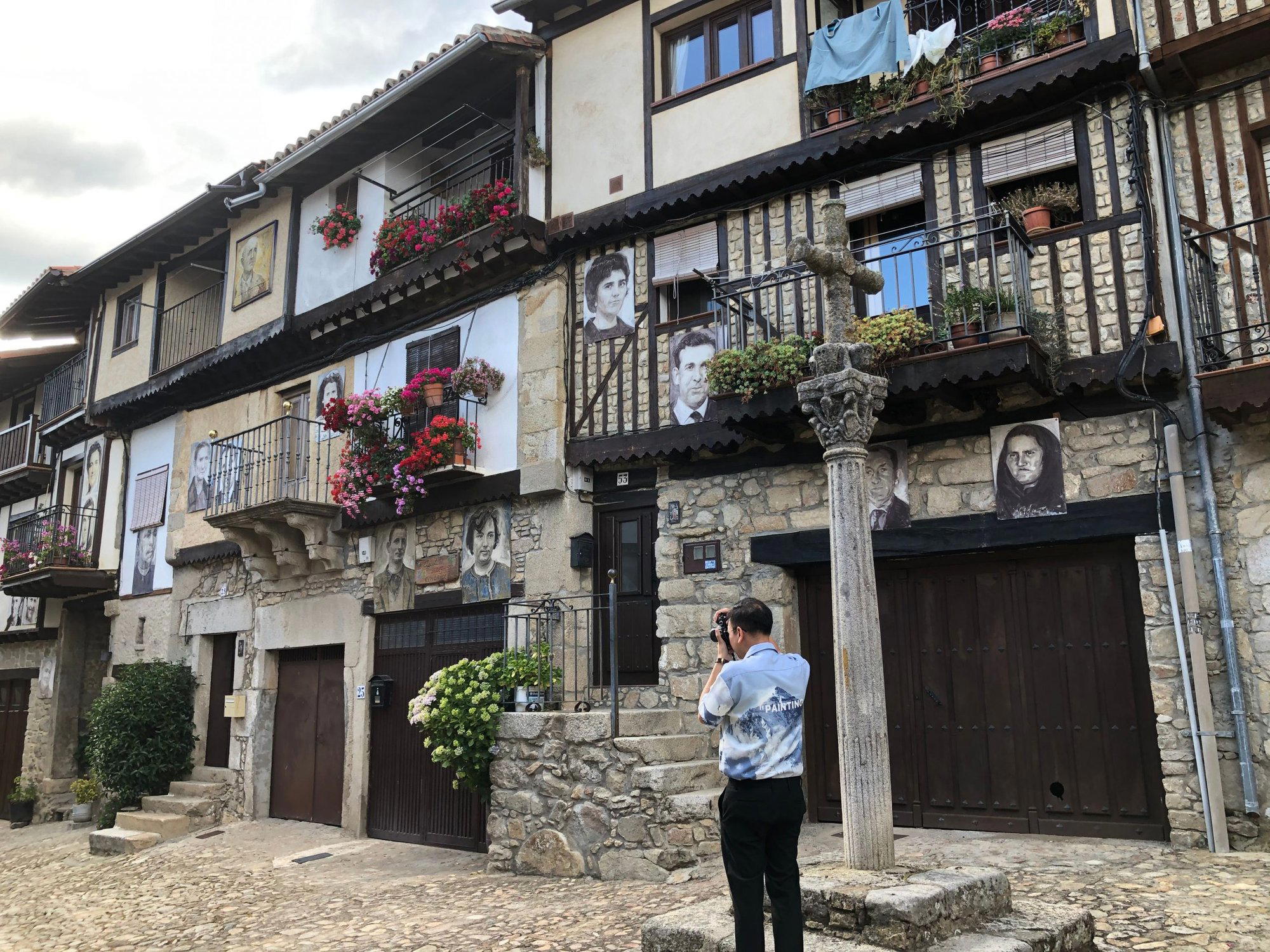
Viñas del Cenit
Villanueva De Campean, Spain
A focused Castilla y León winery choice for travelers who care more about depth than convenience. Prioritise it if a structured or private tasting can be arranged; skip it as a casual walk-up stop or food-led outing unless visitor logistics are already clear.
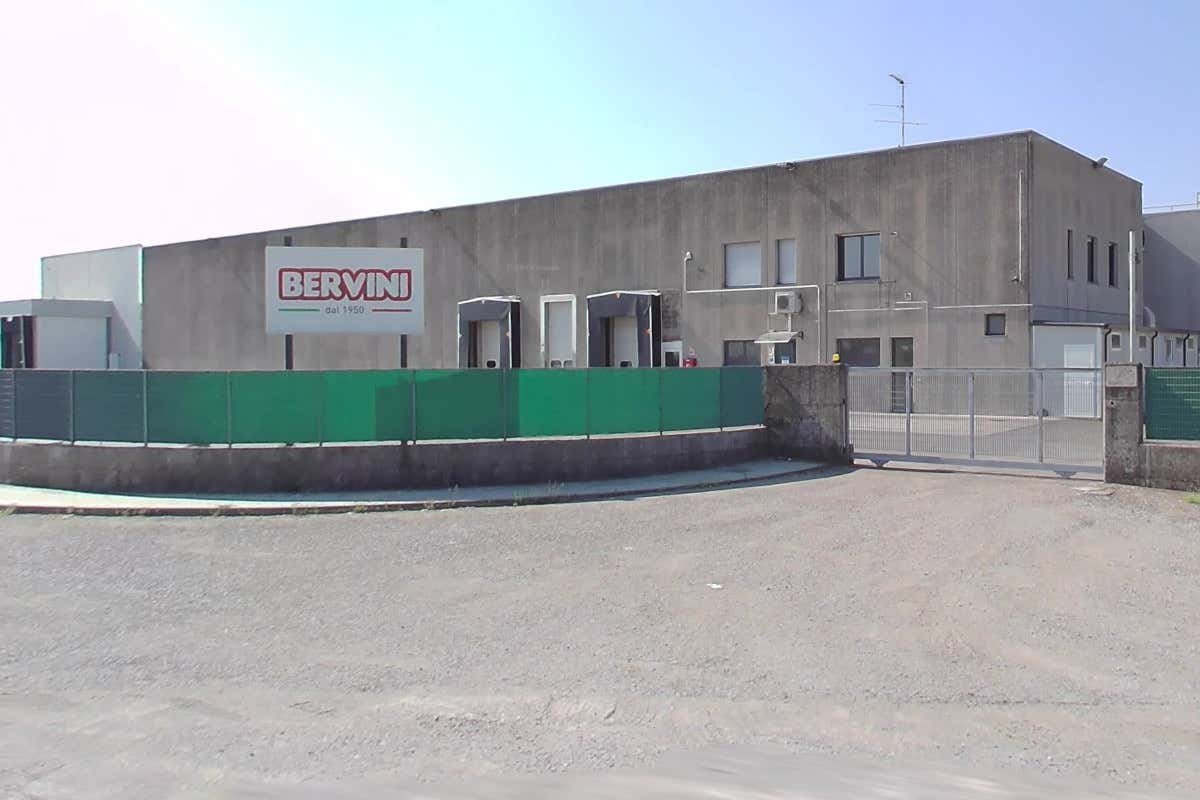
Bervini
Pordenone, Italy
Choose Bervini if the winery setting matters: this Pordenone-area estate pairs lively Friulian bubbles with a converted silk mill backdrop and a family story dating to 1955. It is strongest for sparkling wines, organic bottles, and travelers who want Prosecco DOC plus Friuli Grave context without a luxury price tag.
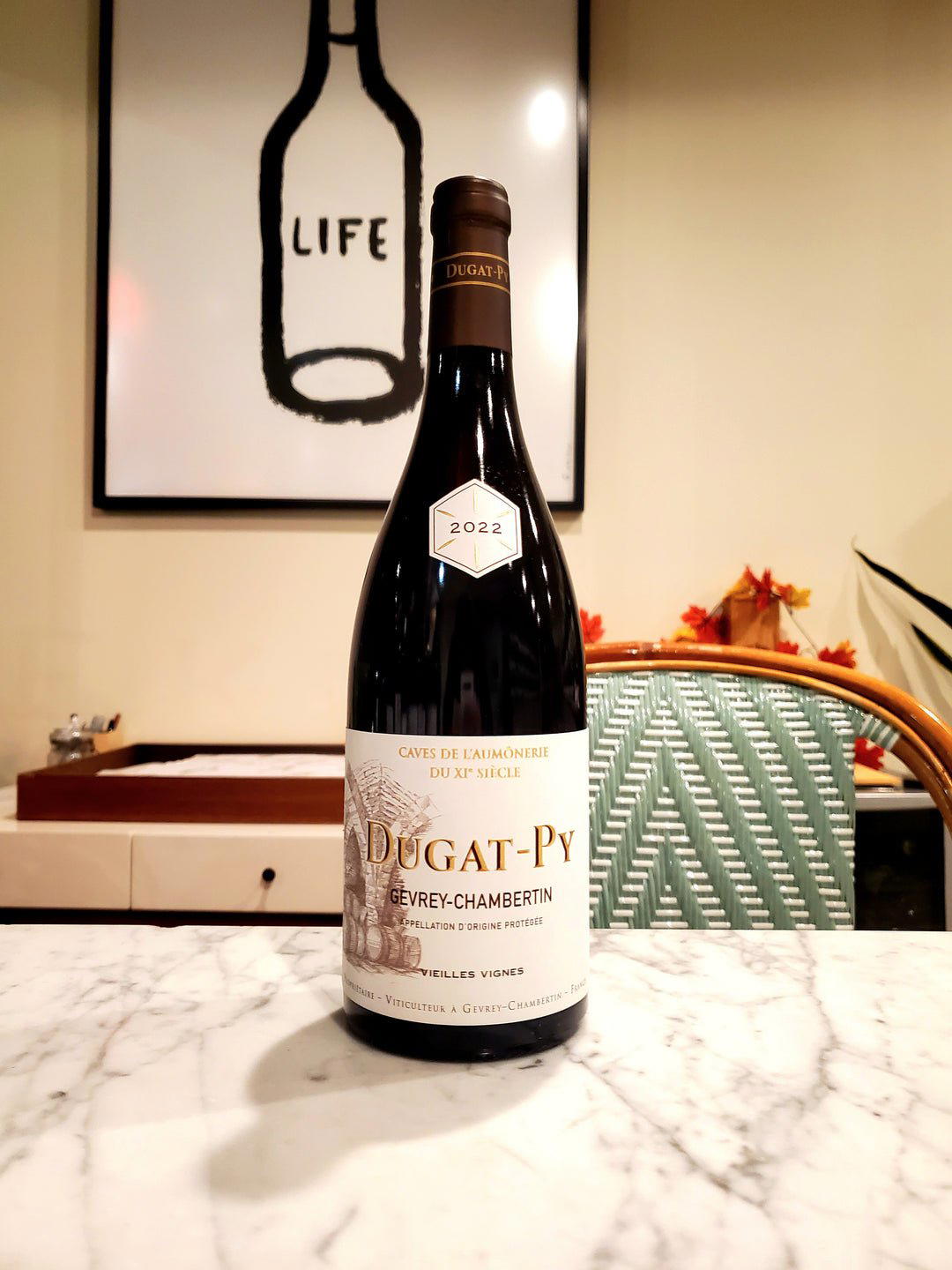
Domaine Dugat-Py
Gevrey-Chambertin, France
Domaine Dugat-Py is a high-intent Gevrey-Chambertin winery target for serious Burgundy collectors, not a casual drop-in stop. It is worth planning around for a special-occasion wine trip, but only if access is confirmed early and the group is small. Cross-shop Domaine Armand Rousseau, Domaine Denis Mortet, Domaine Duroché, Domaine Drouhin-Laroze, and Domaine Henri Rebourseau for backup plans.
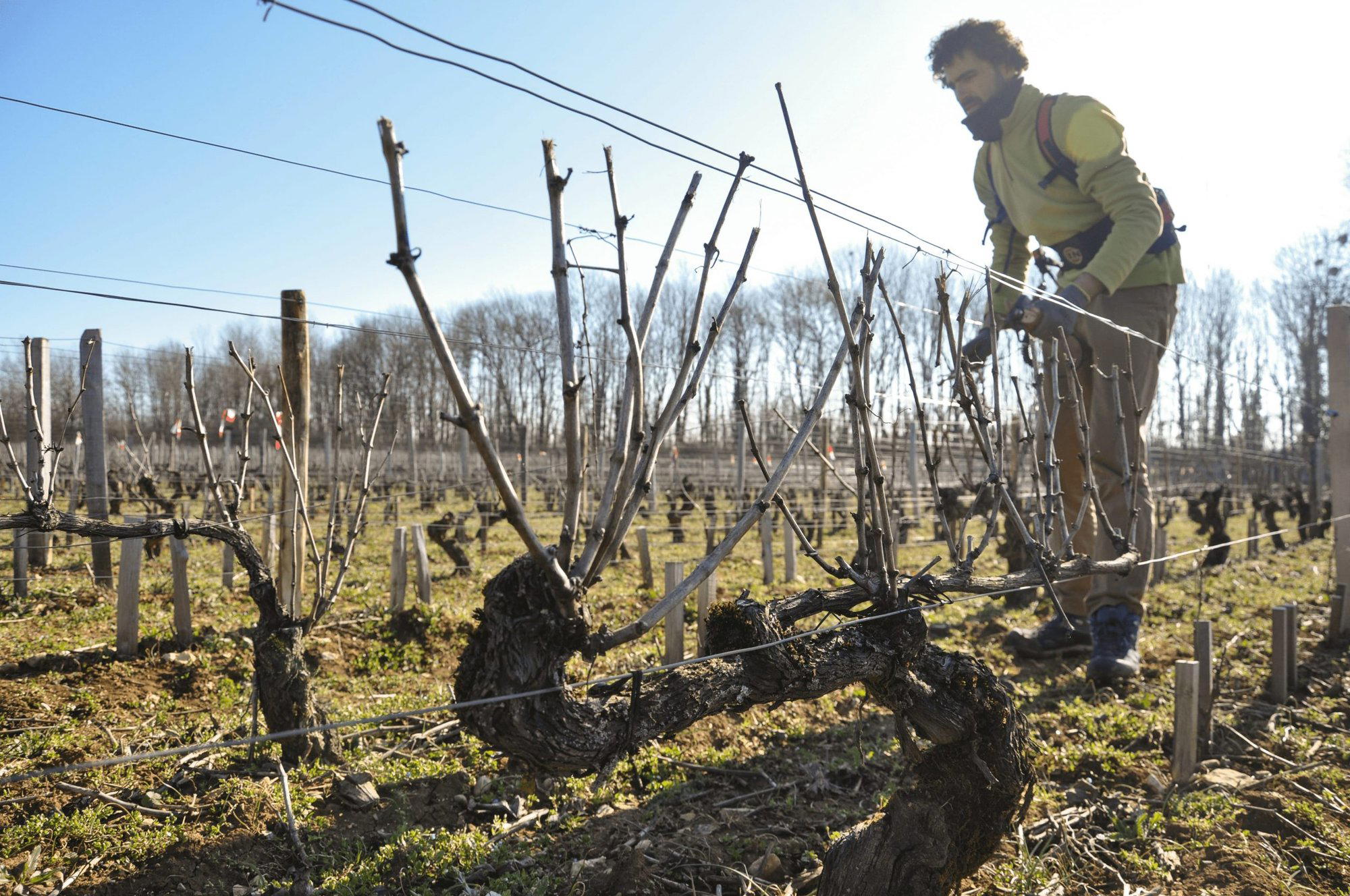
Domaine Alain Jeanniard
Morey-Saint-Denis, France
Domaine Alain Jeanniard is a practical Morey-Saint-Denis target for Burgundy drinkers who care about direct producer access more than a polished visitor setup. Its Falstaff Listed (2026) recognition gives it a useful trust signal, but the wine-club or allocation value should be assessed only after confirming availability, pricing, shipping, and visit format.
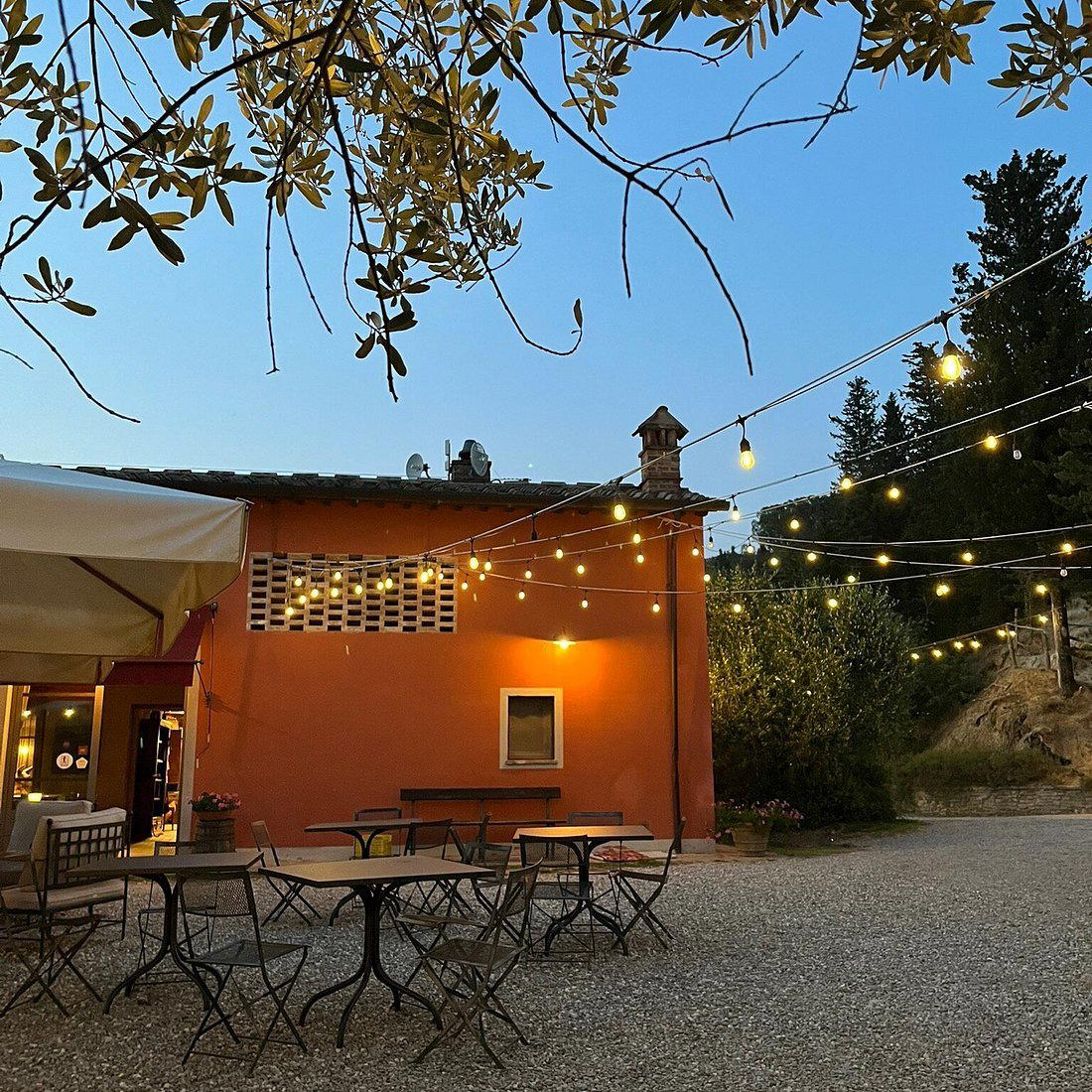
Azienda Agricola Montalbino
Montespertoli, Italy
Azienda Agricola Montalbino makes sense as a flexible Montespertoli winery stop, especially for travelers who already know the area and want a quieter rural visit. It is less suited to groups that need confirmed food pairings, published tasting details, or firm capacity information before planning the day.
Coppi Casa Vinicola
Turi, Italy
Coppi Casa Vinicola is a strong Turi choice for travellers who want a serious Puglian winery stop rather than a casual tasting-room swing-by. The 2026 Falstaff 3 Stars rating is the key trust signal, so if a private or upgraded tasting is possible, that is the version to pursue.
Domaine de Campaucels
Montagnac, France
Domaine de Campaucels works if you want a quiet, appointment-only Montagnac wine stop built around organic farming and Languedoc grape diversity. The value is strongest for curious tasters, not visitors looking for a polished tasting-room format or food-led experience. Falstaff Listed in 2026, with an accessible price tier.
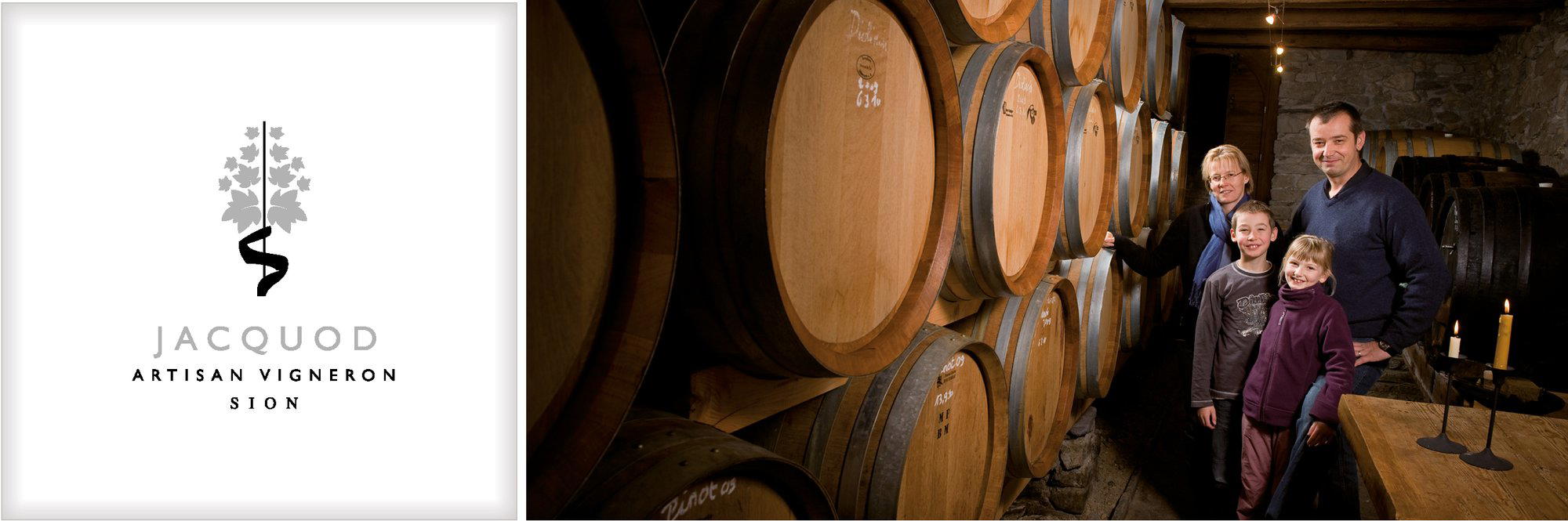
Cave Christophe Jacquod
Bramois, Switzerland
Cave Christophe Jacquod works for a compact Bramois winery stop rather than a full hospitality experience. It suits couples, small groups, and business guests who want a focused Valais tasting setting; arrange details ahead, especially if food, shipping, larger groups, or specific bottles matter to the plan.
Fraccaroli
Peschiera del Garda, Italy
Book Fraccaroli if you want a Lugana-focused winery visit with food, family continuity, and a rural agriturismo setting rather than a glossy tasting room. The strongest reason to go is the estate-wine-and-local-dish format, supported by Falstaff listing recognition and prior wine-tourism recognition for its culinary experience.
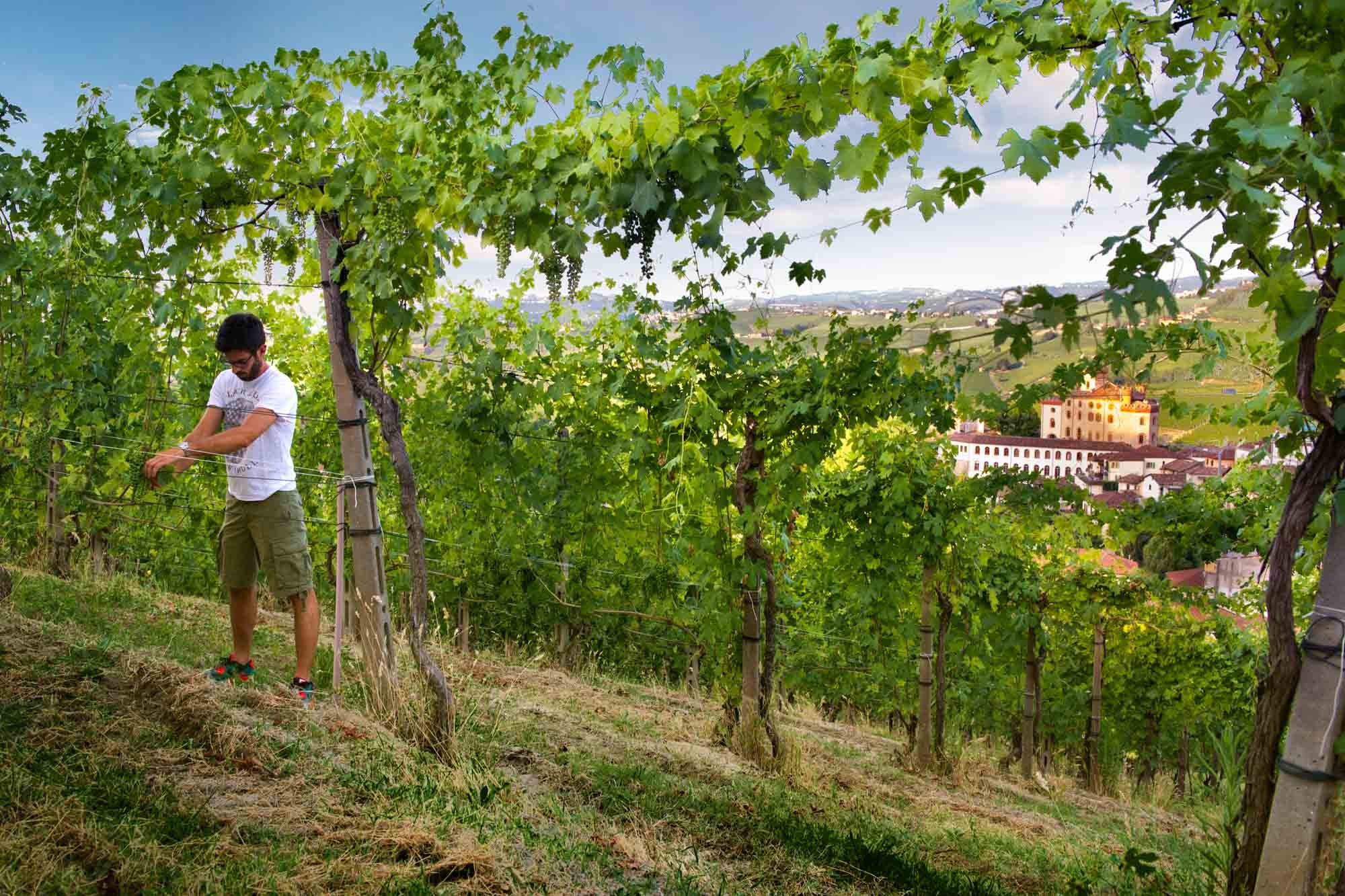
Cantine Risveglio
Brindisi, Italy
Cantine Risveglio works if the trip is already focused on Brindisi wine culture and flexibility matters more than a published tasting or food-pairing format. The recognition signal is useful, but visitors looking for confirmed menus, flagship wines, shipping details, or structured hospitality should compare options before building a full itinerary around it.
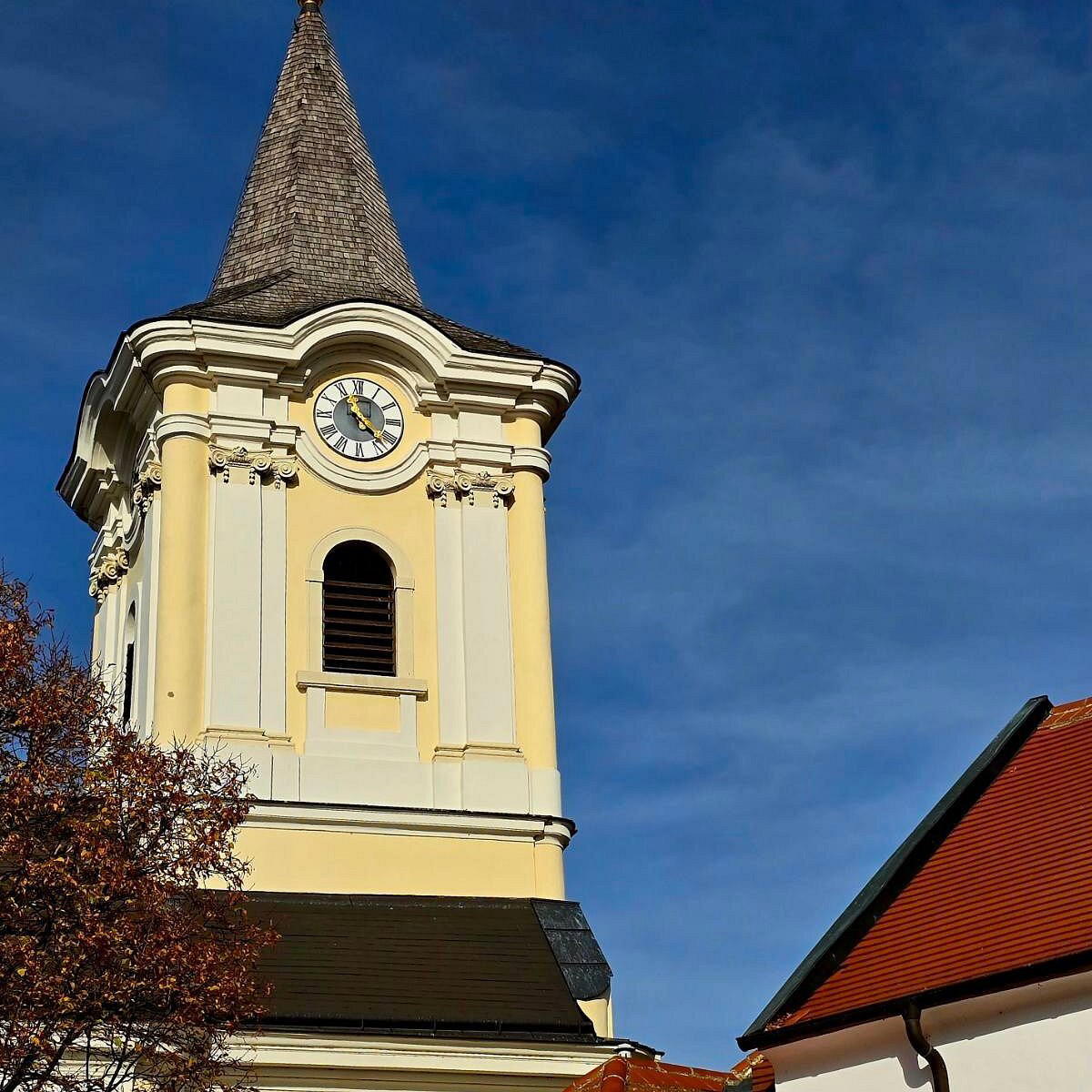
Bio-Weingut Ettl
Podersdorf am See, Austria
Book Bio-Weingut Ettl if you want a quiet organic winery visit near Lake Neusiedl rather than a polished tourism production. The draw is small-scale Seewinkel character, native Austrian varieties, and a relaxed tasting style that suits couples or small groups. Large-format celebrations and highly structured hospitality are better handled elsewhere.
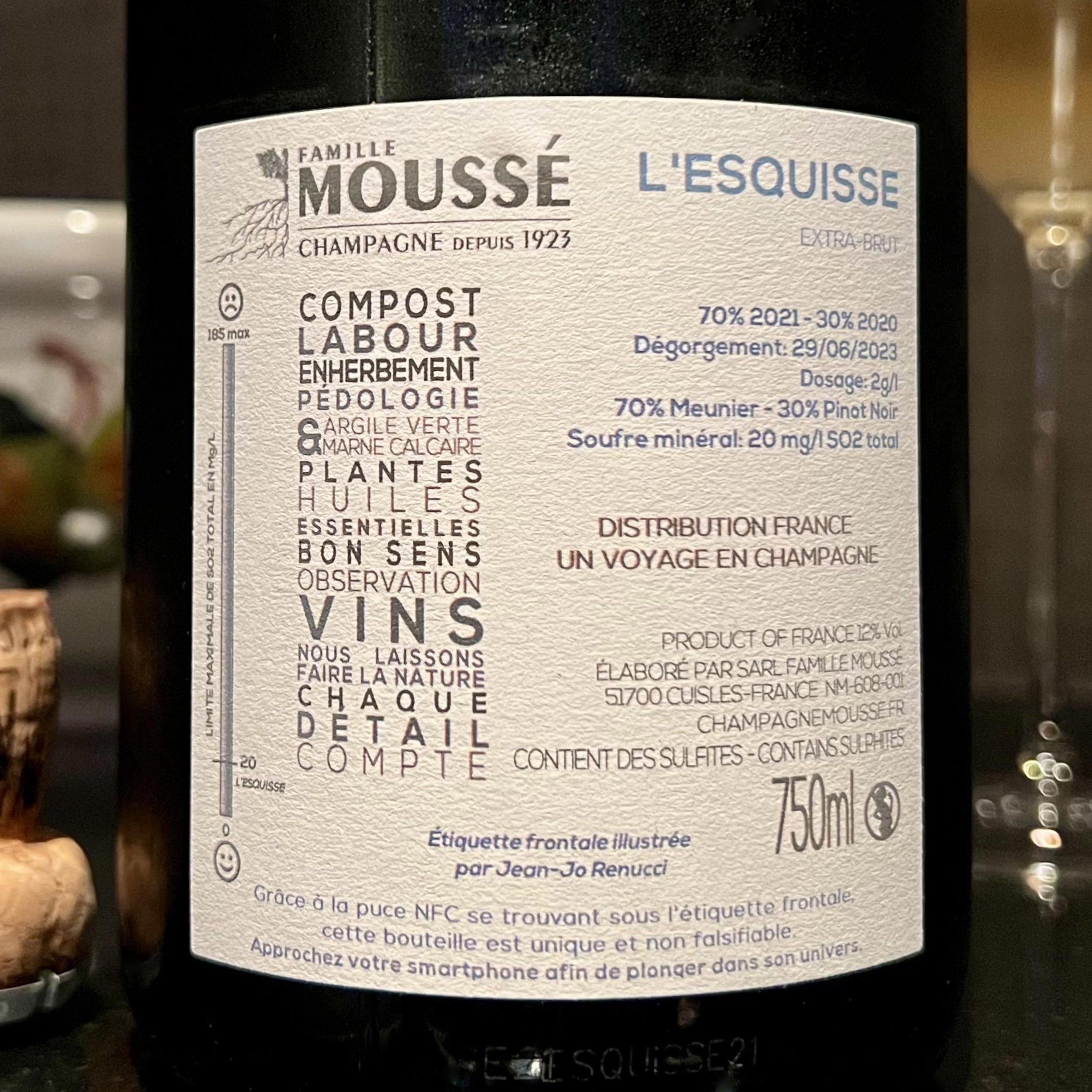
Champagne Delouvin Nowack et Famille Delouvin
Vandieres, France
A sensible pick for wine travelers who want a village-level Champagne stop in Vandières, especially given its Falstaff Listed 2026 recognition. Treat it as a focused tasting appointment within a wider Marne Valley day, not as a fully documented destination experience; confirm format, food, and pricing before building the itinerary around it.
Fabiano
Settimo Di Pescantina, Italy
Fabiano is worth booking if the priority is Veronese wine depth, especially Amarone and limited-production Vajo Cent’anni. It is appointment-only and $$$, so it suits planned wine-focused visits better than casual drop-ins. The strongest case is heritage plus controlled scale: a family producer dating to 1912, Falstaff Listed in 2026, with vineyards across Valpolicella and the Garda Lake area.
Andrea und Peter Strübin-Lichtin
Maisprach, Switzerland
A small Maisprach wine-farm booking for travellers who care more about direct producer access than polished tasting-room theatre. The value case is strongest for Pinot Noir, Pinot Gris, and Gutedel drinkers looking for a quiet Baselland stop with a rural, informal feel.
GUTGALLÉ Rheinhessen
Flonheim, Germany
A worthwhile Flonheim stop for drinkers who want Rheinhessen context, especially around Silvaner, rather than a luxury tasting-room experience. The strongest reasons to go are the family-run setup, 16-hectare scale, site-referenced Rotenpfad Silvaner, and documented range across dry, feinherb, rosé, and sweet wine styles.
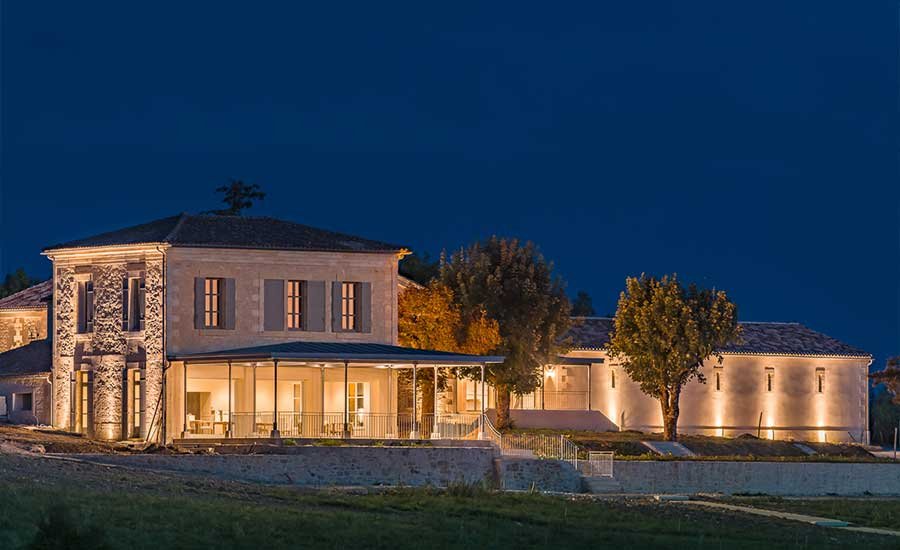
Château Tour Saint Christophe
Saint-Christophe-des-Bardes, France
A focused Saint-Christophe-des-Bardes winery pick for travellers who care more about bottle assessment than a long hospitality program. Prioritise it for a special-occasion wine stop or buying-focused itinerary, then cross-check nearby wineries before committing shipping space.
K1 Wines
Kuitpo, Australia
Book K1 Wines if you want an Adelaide Hills cellar-door visit built around scenery, estate-grown wine, and a relaxed lakeside setting. It is a better fit for couples, wine travellers, and small groups than for anyone seeking a highly technical tasting or a formal restaurant-led meal.
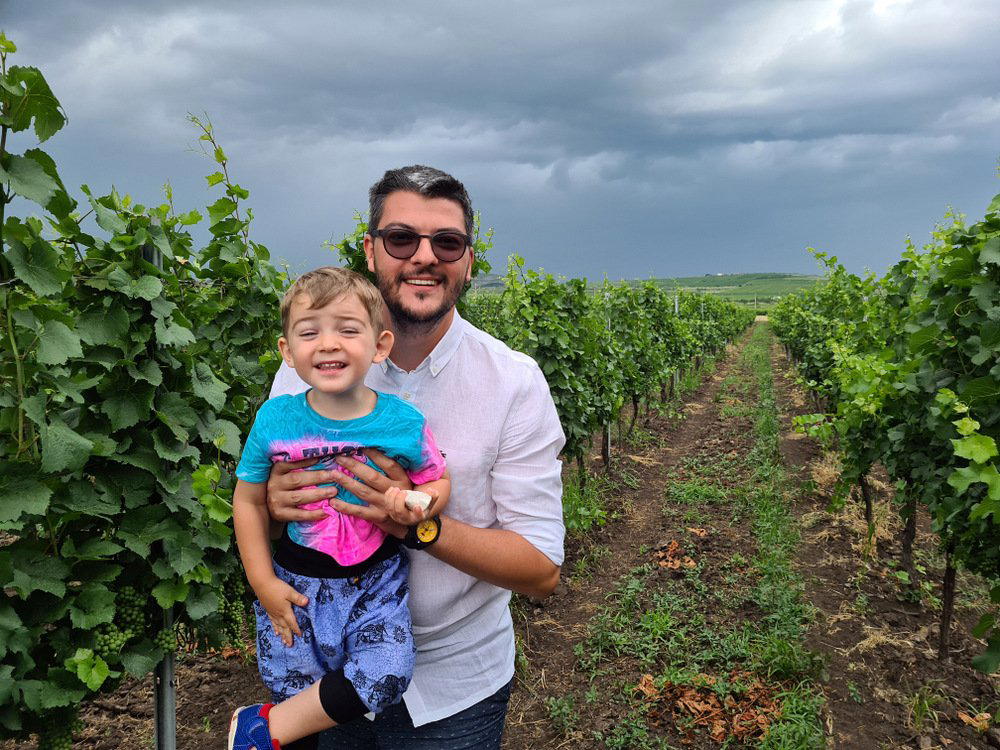
Aurelia Vişinescu
Buzau, Romania
Aurelia Vişinescu is a stronger fit for a planned Dealu Mare wine stop than a spontaneous drop-in. The 2026 Falstaff listing gives it a useful trust signal, but visitors should confirm tasting availability, timing, and food options before building a Buzău itinerary around it.
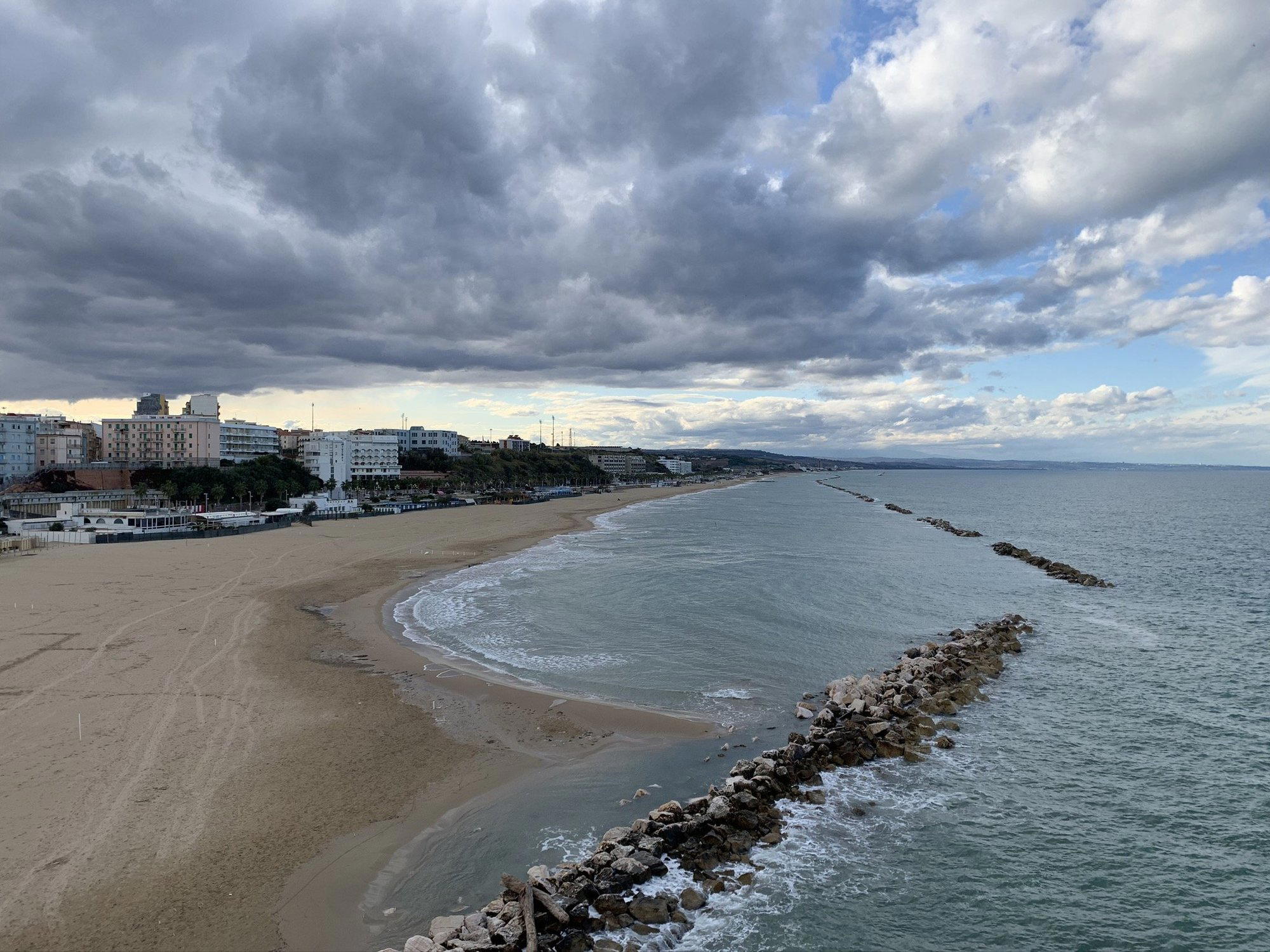
Azienda Agricola Claudio Cipressi
San Felice Del Molise, Italy
Azienda Agricola Claudio Cipressi works if the appeal is Molise wine with an external recognition signal rather than a heavily documented visitor setup. Falstaff listing in 2026 gives it credibility, but first-timers should treat it as a focused winery stop and build dining, lodging, and timing around San Felice del Molise separately.
Sant'Orsola
Cossano Belbo, Italy
Worth considering if the goal is a large-scale Langhe winery with family history, modern architecture, and a serious barrel-cellar story. Fratelli Martini Secondo Luigi is better for production context than for a confirmed food-pairing experience, with sparkling wine and broad Italian brand ranges forming the clearest reasons to go.
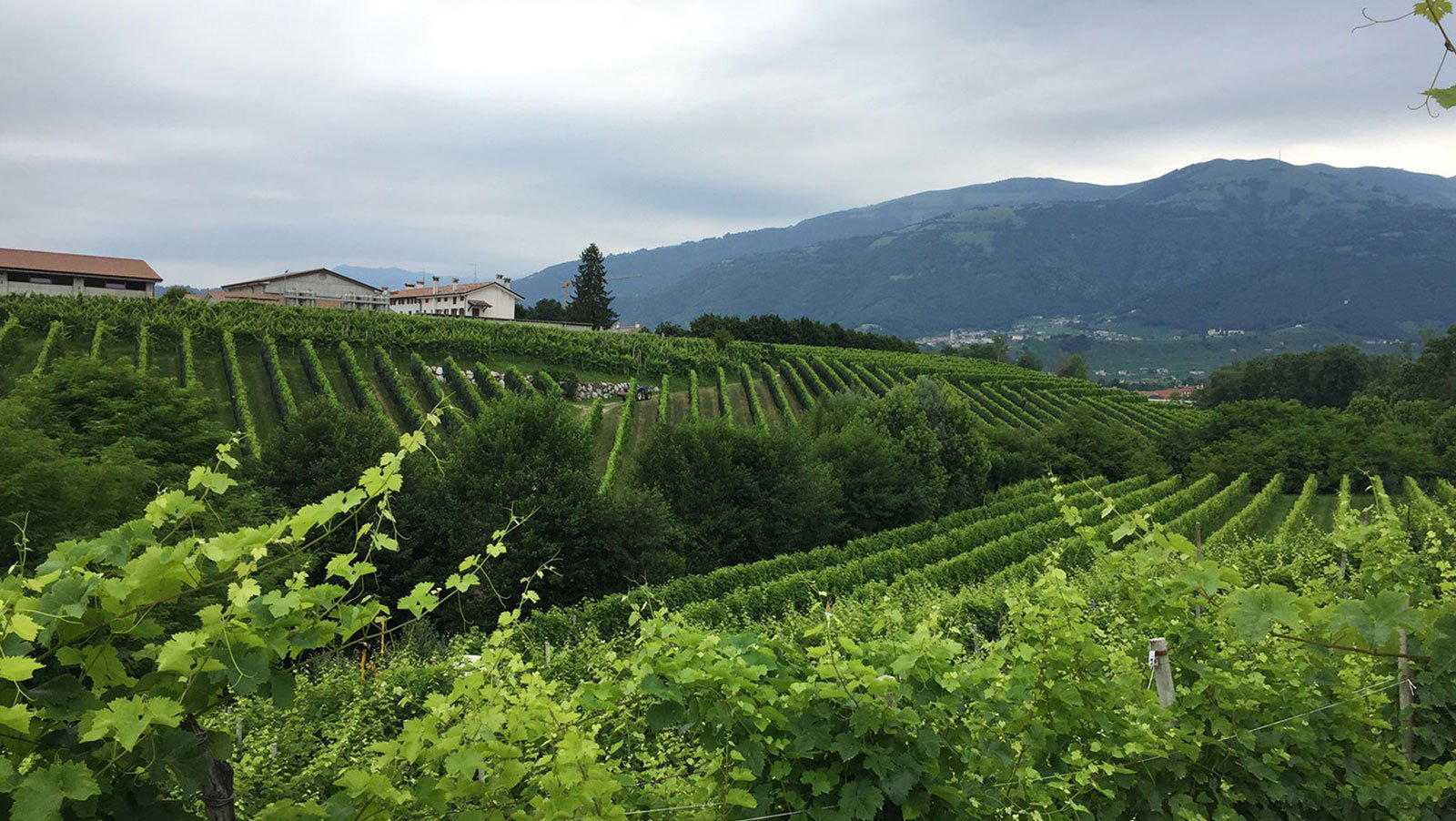
Ca' dal Molin
Valdobbiadene, Italy
Ca’ dal Molin is worth booking for a relaxed, family-run Prosecco tasting in Valdobbiadene, especially if you want estate-grown DOCG wines without a formal visitor-center feel. Focus on the Extra Dry, Extra Brut, and Il Rude con il Fondo if buying bottles to take home or ship.
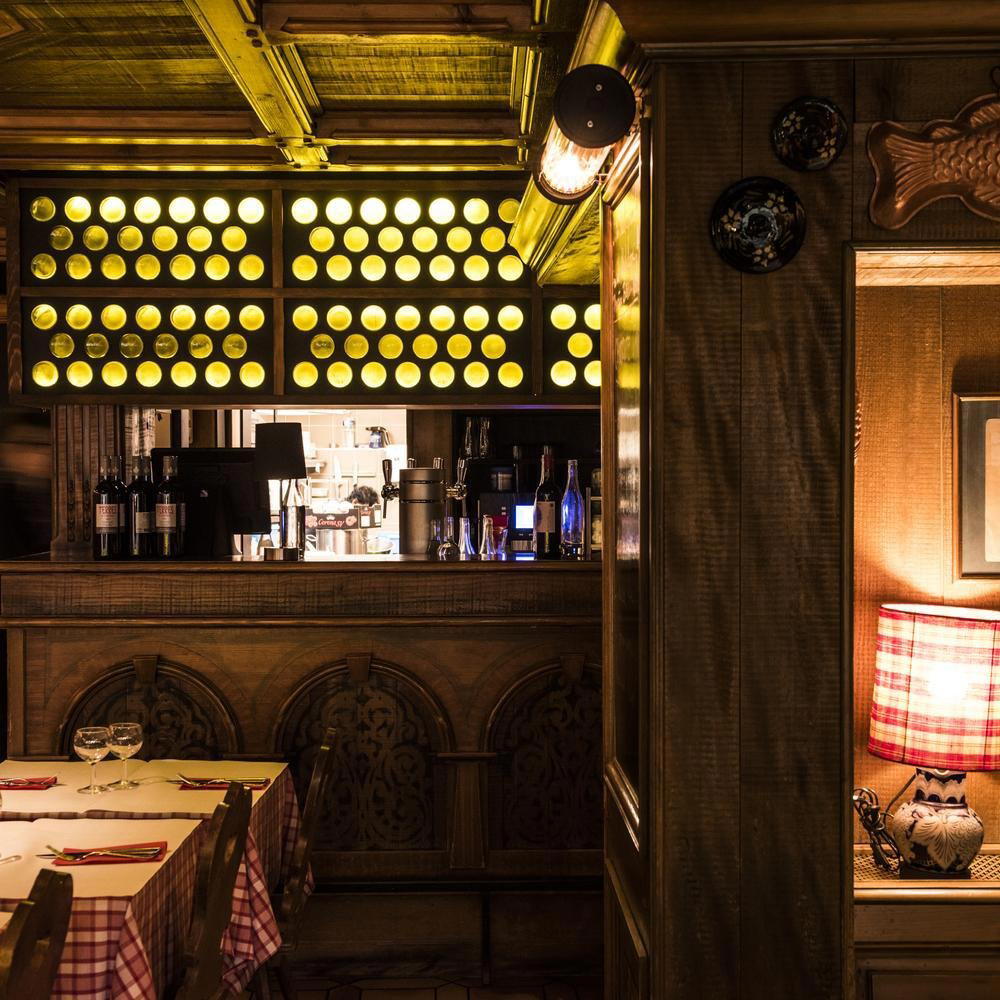
Alte Mühle Thomas Höreth
Kobern-Gondorf, Germany
A Michelin Guide-selected family retreat in Kobern-Gondorf with an attached wine estate, an idyllic inner courtyard, and overnight rooms; all at an accessible €€ price point. Best suited to couples or small groups wanting a Moselle Valley retreat rather than destination-level kitchen ambition.
How many of these have you visited?
Find out on Pearl and keep score across every place in 2026 Falstaff Winery Guide.