
GEKKOJU YUFUIN
Yufuincho, Yufu
Hotel in Yufu, Japan
 Book with Pearl
Why go
Shortlist GEKKOJU YUFUIN if the goal is a calm, design-led Yufu stay rather than a business-friendly base. Its MICHELIN hotel selection gives it a credible quality signal, but value depends on how it prices against Kamenoi Besso, Yufuin Tamanoyu, ENOWA Yufu, and Gettouan for your dates.
About GEKKOJU YUFUIN
GEKKOJU YUFUIN is a Yufu hotel with a clear trust signal: it is listed in the MICHELIN Guide Hotels Selected 2025. Beyond that recognition, travelers should avoid over-reading the public summary. Treat it as a Yufu stay to compare carefully against other options in the area, rather than assuming specific room features, dining formats, wellness facilities, or service details.
A Yufu stay with a MICHELIN hotel-selection signal
The strongest reason to consider GEKKOJU YUFUIN is its MICHELIN Guide Hotels Selected 2025 recognition. That gives travelers a useful quality marker, but it does not specify the finer details that often decide a stay, such as room layout, included services, dining format, or facilities. Before booking, check the current hotel materials directly and compare the offer against your own priorities for a Yufu trip.
For travelers choosing between Yufu options, GEKKOJU YUFUIN can be considered alongside Kamenoi Besso, Yufuin Tamanoyu, ENOWA Yufu, and Gettouan. The safer way to compare them is practical: look at current availability, cancellation terms, room descriptions, and the kind of stay each property is presenting at the time you book. GEKKOJU YUFUIN should not be chosen on assumed details; choose it if the listing and current hotel information match your trip.
Book around your needs, not assumptions
Confirm the room type, included services, meal arrangements, and any facilities directly before committing. If a preferred date is open, compare the current offer and cancellation terms against Gettouan rather than paying more based on atmosphere alone.
The location should be described simply as Yufu. That makes GEKKOJU YUFUIN relevant for travelers who specifically want to stay in Yufu, but it is still worth checking travel times and transport plans for your itinerary. Readers building a wider plan can use Pearl's Yufu hotels guide first, then review other dining options through Pearl's Yufu restaurants guide.
Know Before You Go
- Good for: travelers considering a Yufu stay with a MICHELIN Guide hotel-selection signal.
- Less good for: travelers who need specific details on facilities, dining formats, room features, or transport logistics before shortlisting.
- Booking read: compare current rates, room descriptions, included services, and cancellation terms before committing.
- Trust signal: MICHELIN Guide Hotels Selected in 2025.
- Dress code: smart casual.
- Cross-shop: compare GEKKOJU YUFUIN with Yufuin Tamanoyu, ENOWA Yufu, Kamenoi Besso, and Gettouan based on current booking details.
Planning details
- Location
- 2106-8 Yufuincho Kawakami, Yufu, Oita 879-5102, Japan
- Website
- gekkoju-yufuin.jp
- Phone
- +81 50-3613-0870
The take
The Take
The Vibe
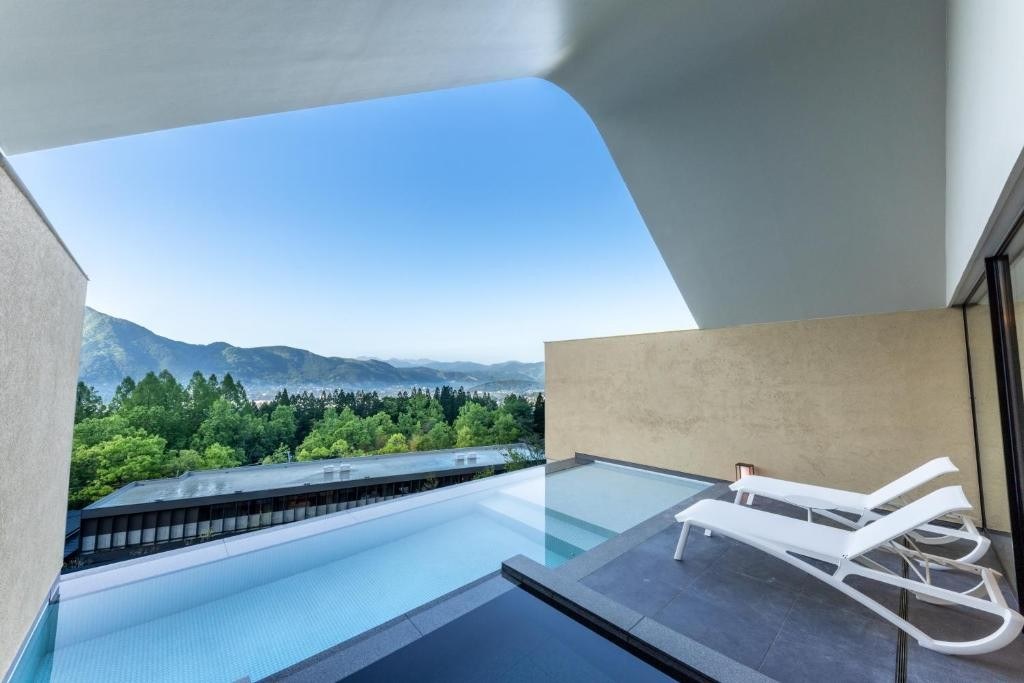
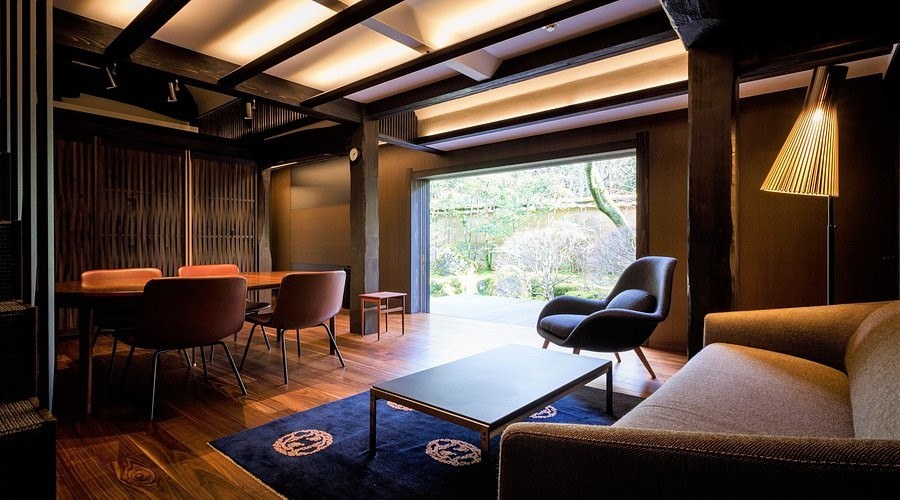
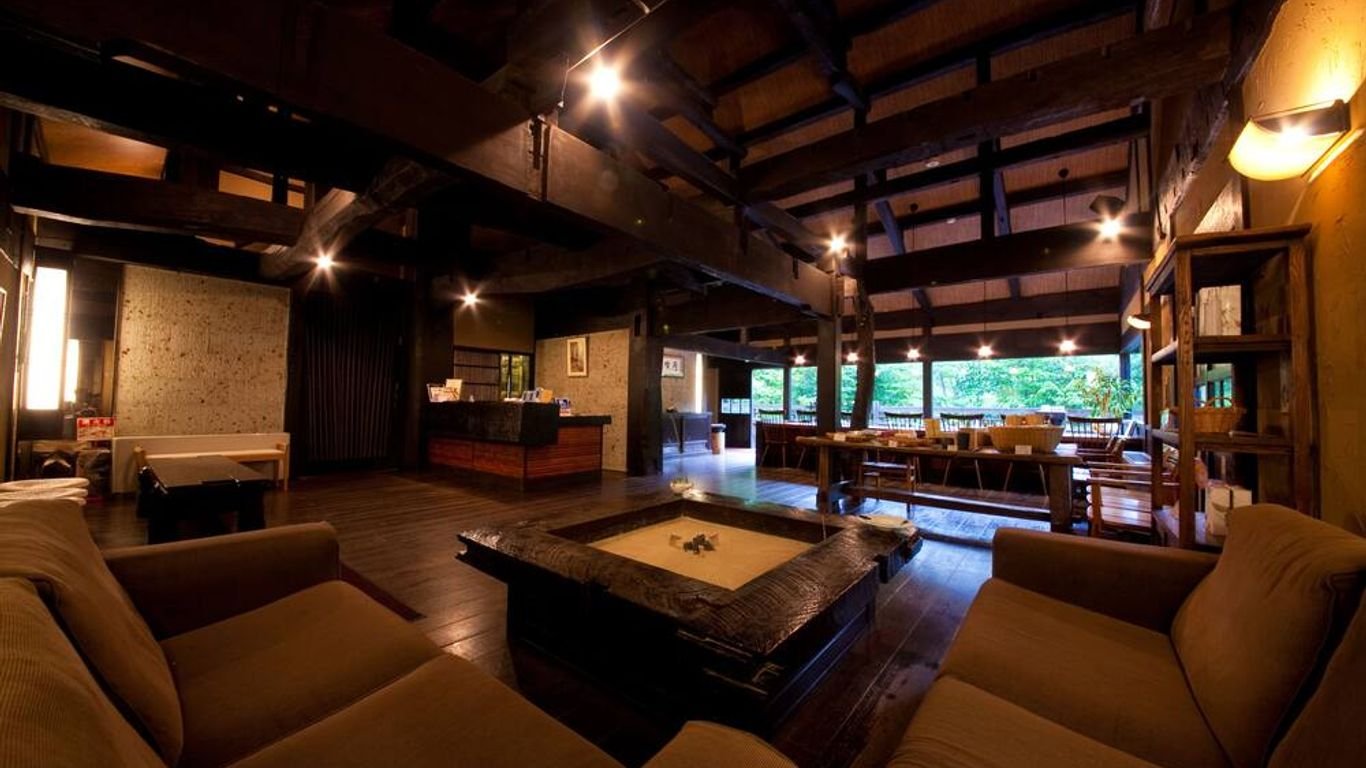
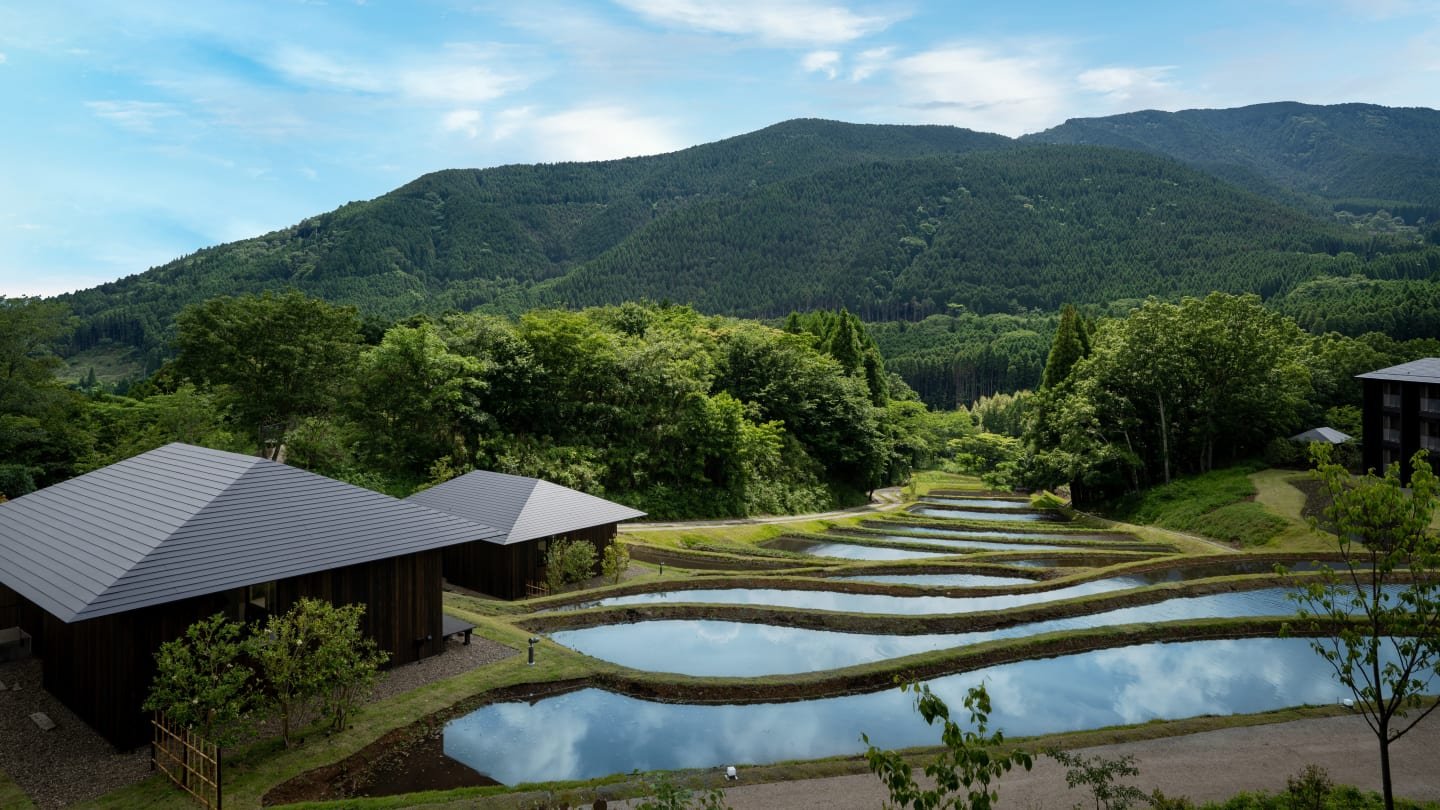
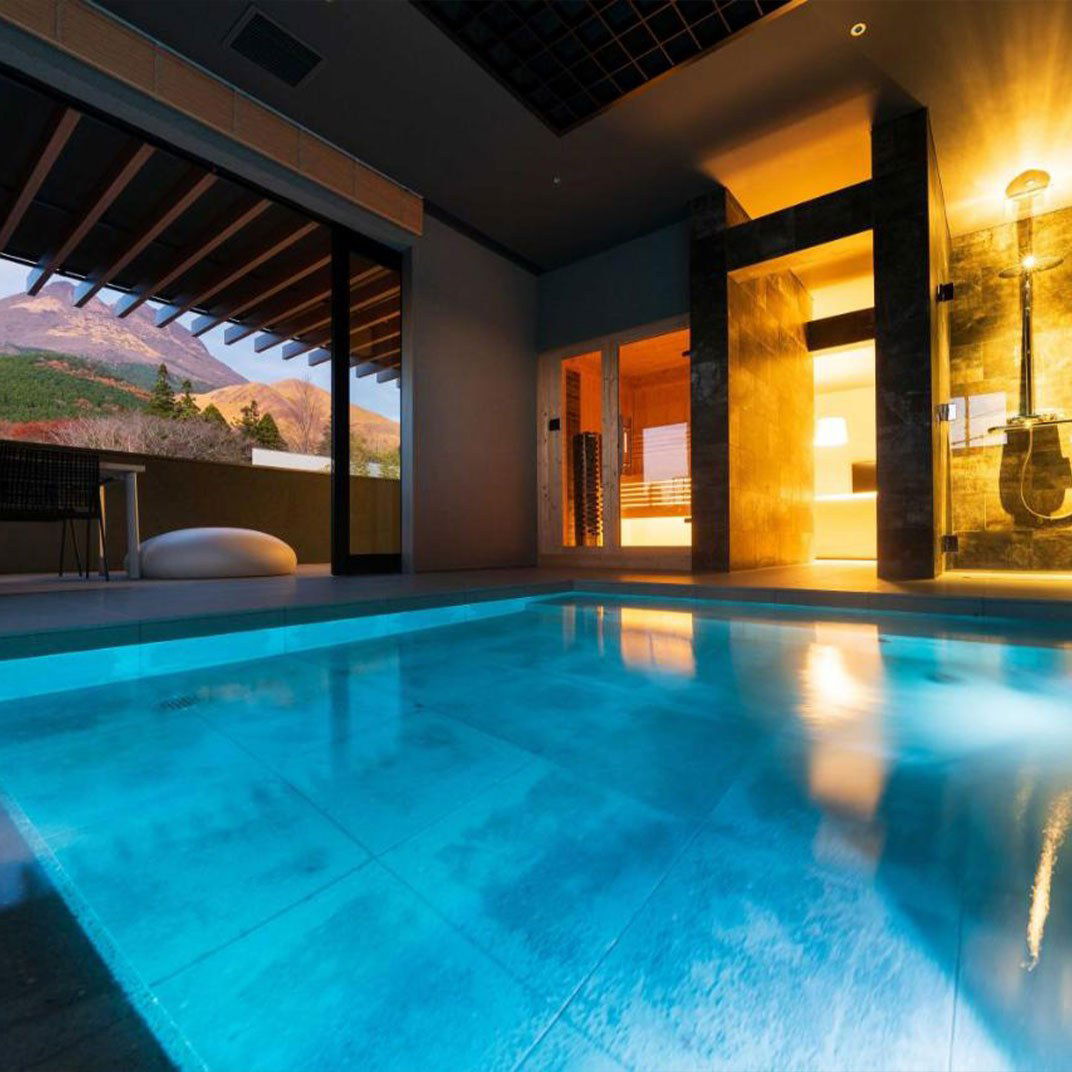
Gekkoju Yufuin reads as a design-led retreat that privileges restraint over spectacle. Its low profiles and timber framing lean on material honesty, while rooms are carefully oriented to frame Yufu-dake’s twin peaks. The editorial emphasis on 'stillness' and a 'quieter edge' positions the property as quietly curated rather than decorative — an understated, contemplative place where architecture and landscape steer the guest experience. Michelin's 2025 Selected nod underscores that the restraint is purposeful: hospitality, space, and food are integrated into a coherent, quietly confident whole.
Best For
This hotel suits travellers who prize architecture, calm, and close attention to context. Design-minded visitors and those seeking a peaceful mountain-facing retreat will appreciate the timber-framed, low-rise approach and rooms oriented toward Yufu-dake. The Michelin Selected recognition also signals that guests who value a considered food and hospitality program — as part of a deliberately curated stay rather than flashy amenity lists — will find this property rewarding. It is especially apt for short getaways where quiet and proximity to the valley’s geometry are the priorities.
Stay Tips
If mountain views matter, request a room oriented toward Yufu-dake’s twin peaks: the description makes clear that sightlines are a deliberate part of the design. Treat the stay as a quiet, design-focused experience rather than a full-service resort visit; the hotel emphasizes spatial restraint and material honesty over theatrical amenity spectacle. The 2025 Michelin Selected mention suggests food and hospitality are curated, so confirm meal availability or in-house dining options when booking if dining is central to your plans.
Venue details
Ambiance
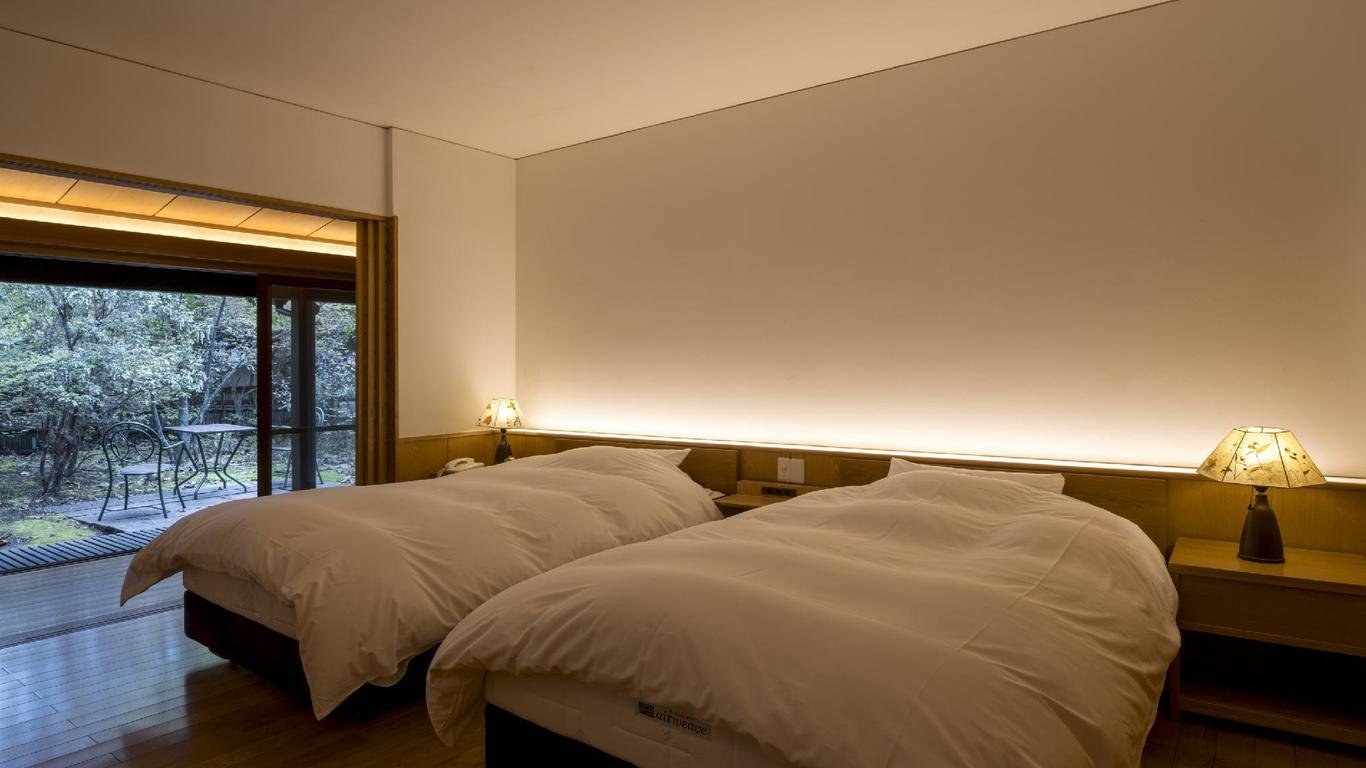
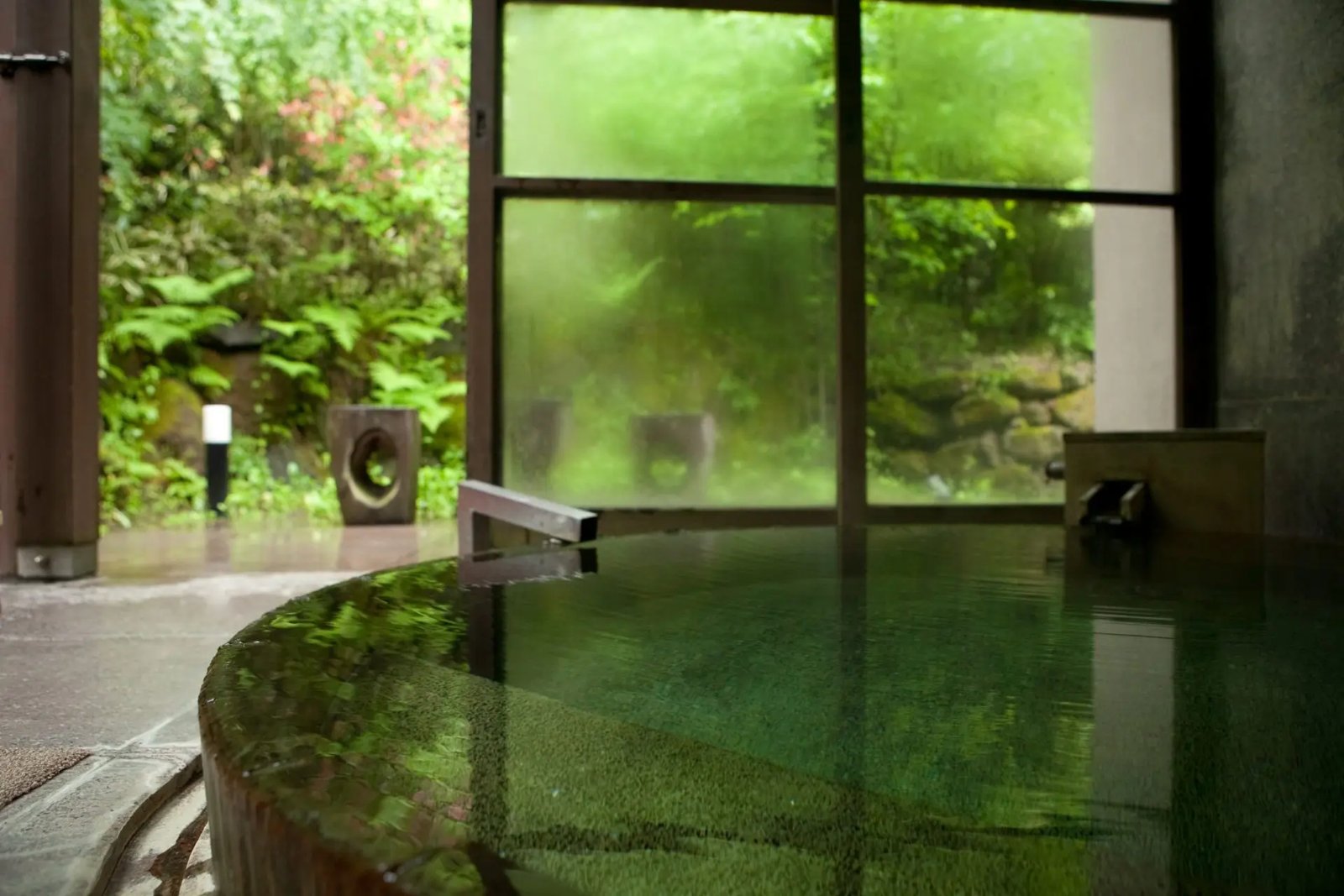
Serene and tranquil atmosphere with modern design, featuring peaceful Japanese gardens and luxurious Western-style suites.
Tags
Vibe
Best For
Experience
Amenities
View
About the Stay
- Rooms
- 5
- Check-in
- 15:00
- Check-out
- 11:00
- Property Style
- Luxury All Suite Villa with Butler Service
- Design Style
- Modern Western Luxury with Japanese Elements
Know before you go
Know Before You Go
- Getting there
- 2106-8 Yufuincho Kawakami, Yufu, Oita 879-5102, Japan
Planning details
Location
Recognition and awards
Also consider
Where to look if this does not fit
Try ENOWA Yufu if the priority is contemporary luxury and design. Try Yufuin Tamanoyu if the priority is a more traditional Yufu ryokan stay.
Hotel context
How It Compares
GEKKOJU YUFUIN is the pick to consider when atmosphere and a quieter design-led stay matter more than ryokan heritage alone. Kamenoi Besso and Yufuin Tamanoyu are better cross-shops for travelers who want the more established Yufu ryokan reference points, especially if the trip is built around tradition rather than contemporary hotel feel.
ENOWA Yufu is the sharper comparison for design-minded travelers. If ENOWA prices materially higher on your dates, GEKKOJU YUFUIN may make more sense as the value play. If the rates are close, choose based on which atmosphere fits the trip: contemporary luxury at ENOWA, calmer retreat positioning here.
Gettouan and Yufuincho Kawakami are useful backups if availability or room category does not line up. Because booking difficulty is easy here, do not overpay just to secure a Yufu address; compare room type, cancellation terms, and the overall feel before locking in.
Explore Yufu
Around this place
Discover more on Pearl
Unlock the full GEKKOJU YUFUIN guide in Pearl, including awards, comparisons, FAQs, planning details, and nearby places.
Compare GEKKOJU YUFUIN
| Venue | Location | Awards |
|---|---|---|
| GEKKOJU YUFUIN | Yufu | 2025 Michelin Selected Hotels |
| Kamenoi Besso | Yufu | 2026 Michelin 2 Keys2025 Michelin 2 Keys2024 Michelin 2 Keys |
| Yufuin Tamanoyu | Yufu | 2026 Michelin 1 Key2025 Michelin 1 Key |
| Yufuincho Kawakami | Yufu | No published awards |
| ENOWA Yufu | Yufu | 2026 Relais Chateaux Hotels2026 Michelin 2 Keys2025 Relais Chateaux Award2025 Michelin 2 Keys2024 Michelin 2 Keys |
| Gettouan | Yufu | No published awards |




How GEKKOJU YUFUIN compares with similar nearby venues.
FAQ
Frequently Asked Questions
Is GEKKOJU YUFUIN good for business travel?
GEKKOJU YUFUIN is in Yufu, and it has MICHELIN Guide Hotels Selected 2025 recognition. Whether it works for business travel depends on your schedule, transport needs, and the current services offered by the hotel. Do not assume a business-hotel setup without checking directly.
How is the location of GEKKOJU YUFUIN?
GEKKOJU YUFUIN is in Yufu. For location planning, use only the current details provided by the hotel or your booking platform, and check travel times against the rest of your itinerary before reserving.
Which room category is best at GEKKOJU YUFUIN?
The best room category depends on the current options available for your dates. Check the hotel's own room descriptions, inclusions, cancellation terms, and any amenities before choosing. If you are comparing within Yufu, you can also review Yufuin Tamanoyu and Gettouan based on their current booking details.
How is the pool and spa at GEKKOJU YUFUIN?
Specific pool or spa details are not specified. If those facilities matter to your trip, confirm them directly with GEKKOJU YUFUIN before booking. The key detail is the hotel's MICHELIN Guide Hotels Selected 2025 recognition.
How does GEKKOJU YUFUIN compare to nearby hotels?
GEKKOJU YUFUIN is a Yufu hotel with MICHELIN Guide Hotels Selected 2025 recognition. It can be compared with Kamenoi Besso, Yufuin Tamanoyu, Gettouan, and ENOWA Yufu, but the comparison should be based on current rates, availability, room details, and services rather than assumed style or facilities.
How is the dining at GEKKOJU YUFUIN?
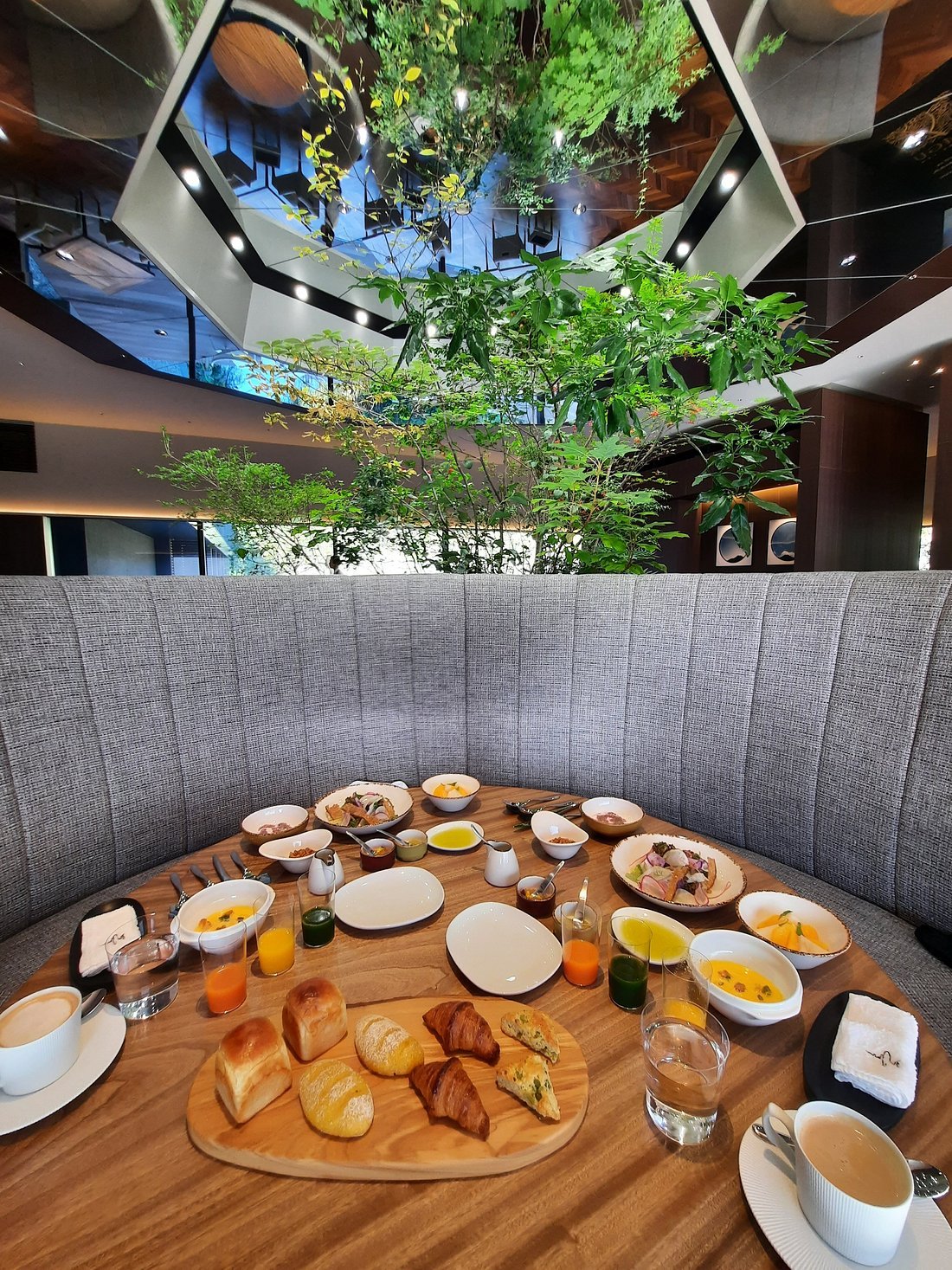
Specific dining details are not specified. If meals, restaurant access, or dietary needs are important, confirm the current arrangements directly with GEKKOJU YUFUIN before booking. The hotel's MICHELIN Guide Hotels Selected 2025 recognition is noted, but it does not specify a particular dining format.