
Ohana
Shinhokamachi, Yanagawa
Hotel in Yanagawa, Japan
 Book with Pearl
Why go
Book Ohana if the point of the trip is Yanagawa itself: canal-town atmosphere, slower pacing, and a locally anchored stay. It is a stronger fit for couples or special occasions than for travelers who want a full Fukuoka city base, resort facilities, or nightlife-first convenience.
About Ohana
Ohana is a stay to consider when the trip is centered on Yanagawa. It offers a Yanagawa location and MICHELIN Guide Hotels Selected (2025) recognition. Confirm any room, service, dining, or arrival details directly before booking.
For readers, the decision should come down to whether staying in Yanagawa itself is more useful than choosing a different base in the region.
Book for Yanagawa, with expectations confirmed before arrival
The smart guest profile is simple: travelers who need or want to stay in Yanagawa and prefer a property with confirmed recognition. Ohana is listed by the MICHELIN Guide under Hotels Selected (2025), and the dress code is smart casual.
If the trip is built around a different style of stay, compare the choice with other regional options rather than assuming Ohana will cover every resort or private-stay expectation. Furuyu Onsen ONCRI, Onyado Chikurintei, Snow Peak YAKEI SUITE, Hilltop Resort Fukuoka, and NOT A HOTEL FUKUOKA may be useful comparisons depending on the wider itinerary.
Best timing is when Yanagawa is the reason for the stay
The strongest reason to choose Ohana is that the stay is tied to Yanagawa. Guests should confirm booking difficulty, seasonality, check-in style, dining, or specific amenities with the venue before finalizing plans.
If the stay is for business in Yanagawa, the appeal is the location and the confirmed recognition. If the stay is leisure, use local planning resources for context, including Yanagawa restaurants, and confirm current details directly before booking.
Planning details
- Location
- Japan, 〒832-0069 Fukuoka, Yanagawa, Shinhokamachi, 1−1
- Website
- ohana.co.jp
- Phone
- +81 120-336-092
The take
The Take
The Vibe
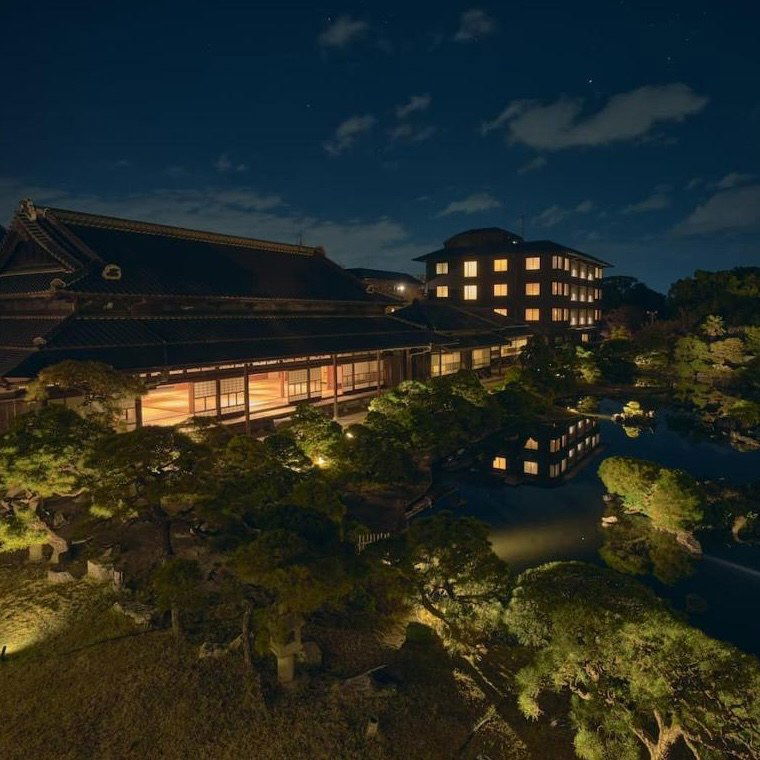
Ohana presents itself as a quietly composed, small-scale hotel that leans into Yanagawa’s canal-centered identity. Design coherence and careful craft shape guest experience more than flashy amenities: low wooden facades, willow-lined waterways and a restrained architectural language put the setting first. The property reads as intimate and composed, with an emphasis on subtle, context-driven gestures rather than spectacle. Guests encounter a calm, measured pace—one that privileges observation and local rhythms—making Ohana a tasteful retreat for travelers who value considered design and a close fit with place.
Best For
Ohana suits travelers seeking a calm, design-forward overnight in a little-known canal city. It is well matched to couples on weekend escapes or anniversaries, and to solo travelers who want a quiet base for exploring Yanagawa’s waterways and traditional streets. The hotel’s Michelin Selected distinction signals a focus on thoughtful service and contextual design, so it also appeals to guests who prize character and craftsmanship over large-scale luxury. Visitors come for the setting as much as the rooms—expect a stay that emphasizes atmosphere and local texture.
Stay Tips
Because the property aligns with a small, context-driven lodging model and carries a Michelin Selected distinction, it is wise to book early and confirm room availability well ahead of travel dates. If you want to engage the canal setting, ask about rooms or orientations that best connect to the waterways—staff can advise on sightlines and the hotel’s relationship to the historic centre. Plan time to stroll the low wooden facades and watch punting activity rather than over-scheduling activities; the destination rewards slow exploration more than a packed itinerary.
Venue details
Ambiance
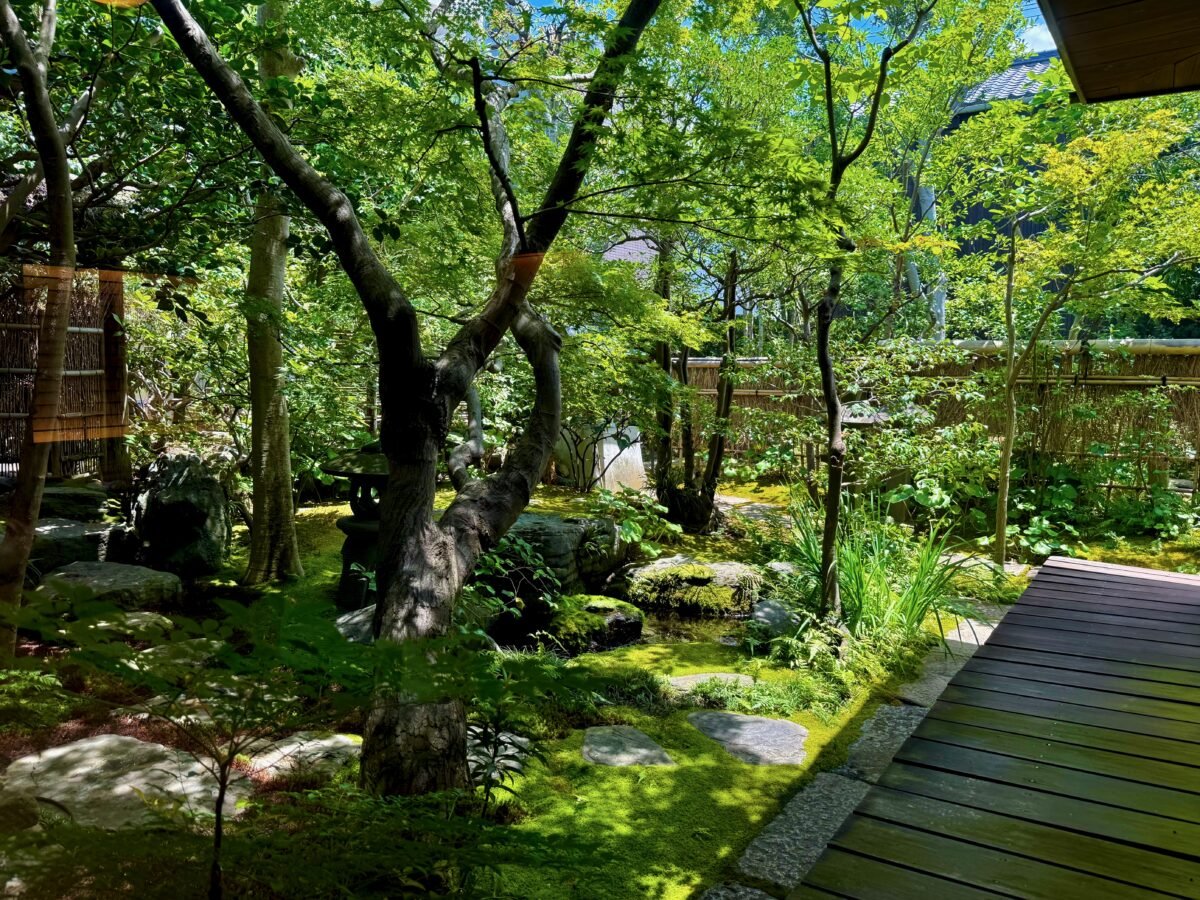
Timeless warmth and elegance blending historical charm with modern sophistication, featuring serene garden views, natural morning light in the grand hall, and tranquil cypress soaking tubs.
Tags
Vibe
Best For
Experience
Amenities
View
Accessibility
About the Stay
- Rooms
- 20
- Check-in
- 15:00
- Check-out
- 10:00
- Property Style
- Historic Ryokan Estate with Modern Renovations Preserving Feudal Lord Heritage
- Design Style
- Traditional Japanese with Modern Luxury Elements and Preserved Cultural Artifacts
Know before you go
Know Before You Go
- Getting there
- Japan, 〒832-0069 Fukuoka, Yanagawa, Shinhokamachi, 1−1
Planning details
Location
Recognition and awards
Also consider
Also Consider
- Furuyu Onsen ONCRI, Notable alternative
- Onyado Chikurintei, Notable alternative
- Snow Peak YAKEI SUITE, Notable alternative
- Hilltop Resort Fukuoka, Notable alternative
- NOT A HOTEL FUKUOKA, Notable alternative
Hotel context
How It Compares
Choose Ohana when the location premium matters: staying in Yanagawa is the advantage, especially for a calm celebration or a trip built around the city. Furuyu Onsen ONCRI and Onyado Chikurintei are better fits if the goal is a retreat-style stay outside the metro area, with more emphasis on ryokan or onsen atmosphere than Yanagawa access.
Snow Peak YAKEI SUITE is the cross-shop for travelers who want the stay itself to feel like the main event, especially if outdoor setting and design-led privacy matter more than being in town. Ohana is the more practical pick when the itinerary is centered on Yanagawa and the hotel should support that plan rather than replace it.
For travelers who need broader dining, transport, and city convenience, Hilltop Resort Fukuoka and NOT A HOTEL FUKUOKA are easier bases. Pick those for Fukuoka access; pick Ohana when the value comes from waking up in Yanagawa rather than commuting in for the day.
Explore Yanagawa
Around this place
Discover more on Pearl
Unlock the full Ohana guide in Pearl, including awards, comparisons, FAQs, planning details, and nearby places.
Compare Ohana
| Venue | Location | Awards |
|---|---|---|
| Ohana | Yanagawa | 2025 Michelin Selected Hotels |
| Furuyu Onsen ONCRI | Saga | No published awards |
| Onyado Chikurintei | Takeo | 2026 Michelin 2 Keys2025 Michelin 2 Keys |
| Snow Peak YAKEI SUITE | Fukuoka | No published awards |
| Hilltop Resort Fukuoka | Fukuoka | No published awards |
| NOT A HOTEL FUKUOKA | Fukuoka | No published awards |


How Ohana Yanagawa compares with similar nearby venues.
FAQ
Frequently Asked Questions
When is the best time to book Ohana?
Book according to your Yanagawa plans, especially if the stay is tied to fixed dates. The MICHELIN Guide Hotels Selected (2025) recognition is confirmed, but guests should check room availability, booking difficulty, seasonal demand, and policies directly before booking.
Is Ohana good for business travel?
It can make sense if the trip is centered on Yanagawa. Ohana is a Yanagawa stay with MICHELIN Guide Hotels Selected (2025) recognition. Guests should confirm specific business facilities or corporate-hotel services directly.
Which room category is best at Ohana?
Choose based on the room details available at the time of booking and confirm anything important directly with the venue. For a different style of regional stay, Furuyu Onsen ONCRI or Onyado Chikurintei may be useful comparisons.
Do loyalty programs work at Ohana?
Do not count on loyalty-program value unless you can confirm direct benefits before booking. The clearer reason to consider Ohana is its Yanagawa location and MICHELIN Guide Hotels Selected (2025) recognition. If loyalty benefits matter more than the stay itself, compare other regional options such as Hilltop Resort Fukuoka and check current terms directly.
What is check-in like at Ohana?
Confirm arrival time, access, and any special instructions directly with the venue before travel. If you are comparing different stay formats in the region, NOT A HOTEL FUKUOKA may be another reference point.
How is the dining at Ohana?
Do not book on the assumption of a specific restaurant, cuisine, menu, or meal service. Treat Ohana as a Yanagawa stay first, then confirm dining arrangements directly or plan around other dining in Yanagawa. Snow Peak YAKEI SUITE may be another regional comparison depending on the itinerary.