
Chenot Palace Weggis
Weggis
Hotel in Weggis, Switzerland
 Book with Pearl
The Read
Price
$300–500per night
Why go
Book Chenot Palace Weggis when the trip is about a serious wellness reset, not a broad Lake Lucerne resort stay. It suits quiet celebrations, solo recovery time, and couples who value calm over scene. Its 2026 Virtuoso Luxury Hotel Partner recognition also makes the booking channel worth checking before paying a high-end Swiss hotel rate.
About Chenot Palace Weggis
Chenot Palace Weggis is a premium venue in Weggis. It is best approached with a narrow planning lens: confirm the exact stay experience, inclusions, facilities, and policies directly before booking.
The clearest practical note is the dress code: smart casual. That makes it easier to plan packing for a polished stay, but the property's dining format, service style, room categories, spa facilities, wellness schedule, or other operational details should be checked directly through the booking channel rather than assumed.
Choose it when the offerings match your trip
The value case depends on what you confirm for your dates. Readers comparing premium options around the area can consider Chenot Palace Weggis alongside Bürgenstock Resort, Hotel Villa Honegg, Park Hotel Vitznau, Waldhotel by Bürgenstock, and Hotel Vitznauer Hof - Lifestyle Hideway, while keeping the focus on fit, availability, and the specific inclusions offered at the time of booking.
For booking strategy, the key recognition is Virtuoso Luxury Hotel Partner for 2026. That may be relevant for travelers using an eligible luxury travel advisor route, though the exact benefits should be confirmed for the selected rate and dates. Do not assume specific credits, upgrades, meals, or amenities unless they are stated in the booking terms.
Plan around Weggis, then verify the details that matter
Use Weggis as the location anchor and confirm the practical pieces that will shape the stay: arrival timing, room type, dining availability, facilities, and any policies that matter to your group. A specific cuisine, menu format, service schedule, price level, room roster, or amenity list should be confirmed directly.
For the wider trip, readers can use Weggis hotels guide, Weggis restaurants guide, Weggis bars guide, Weggis wineries guide, and Weggis experiences guide to decide what else to arrange outside the venue. If the stay depends on particular services or facilities, confirm them directly before committing.
Planning details
- Location
- Hertensteinstrasse 34
- Website
- chenotpalaceweggis.com
- Phone
- +41 41 255 21 89
The take
The Take
The Vibe
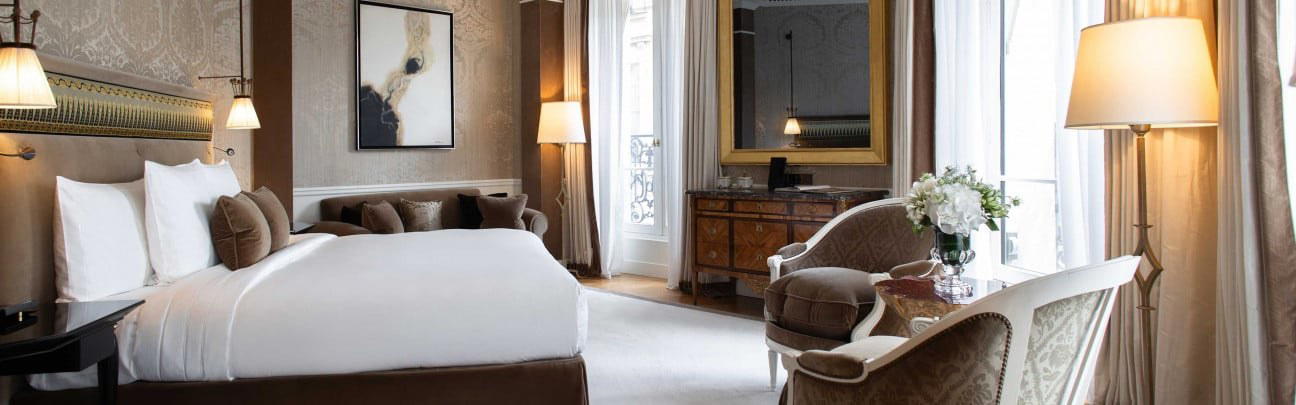
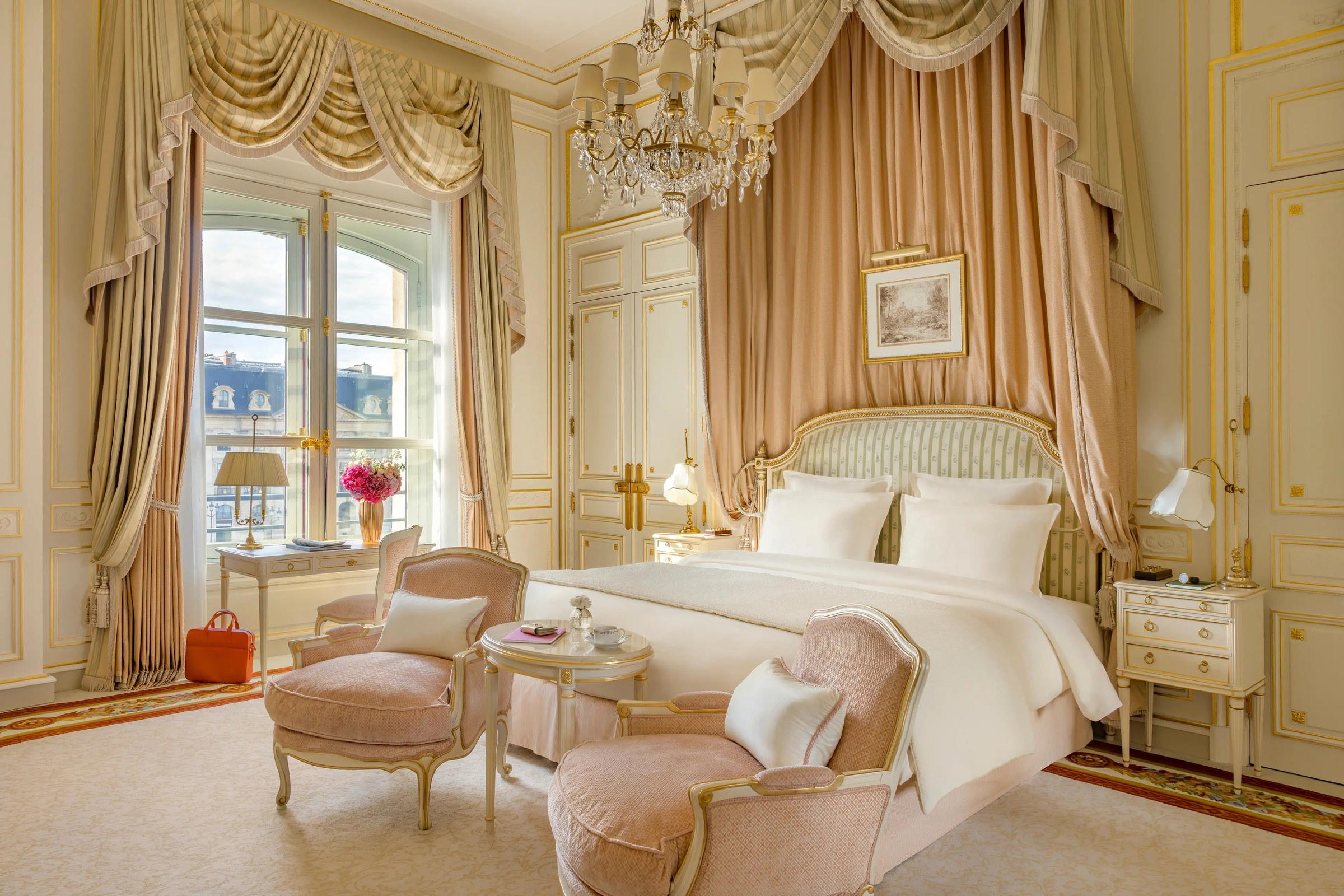
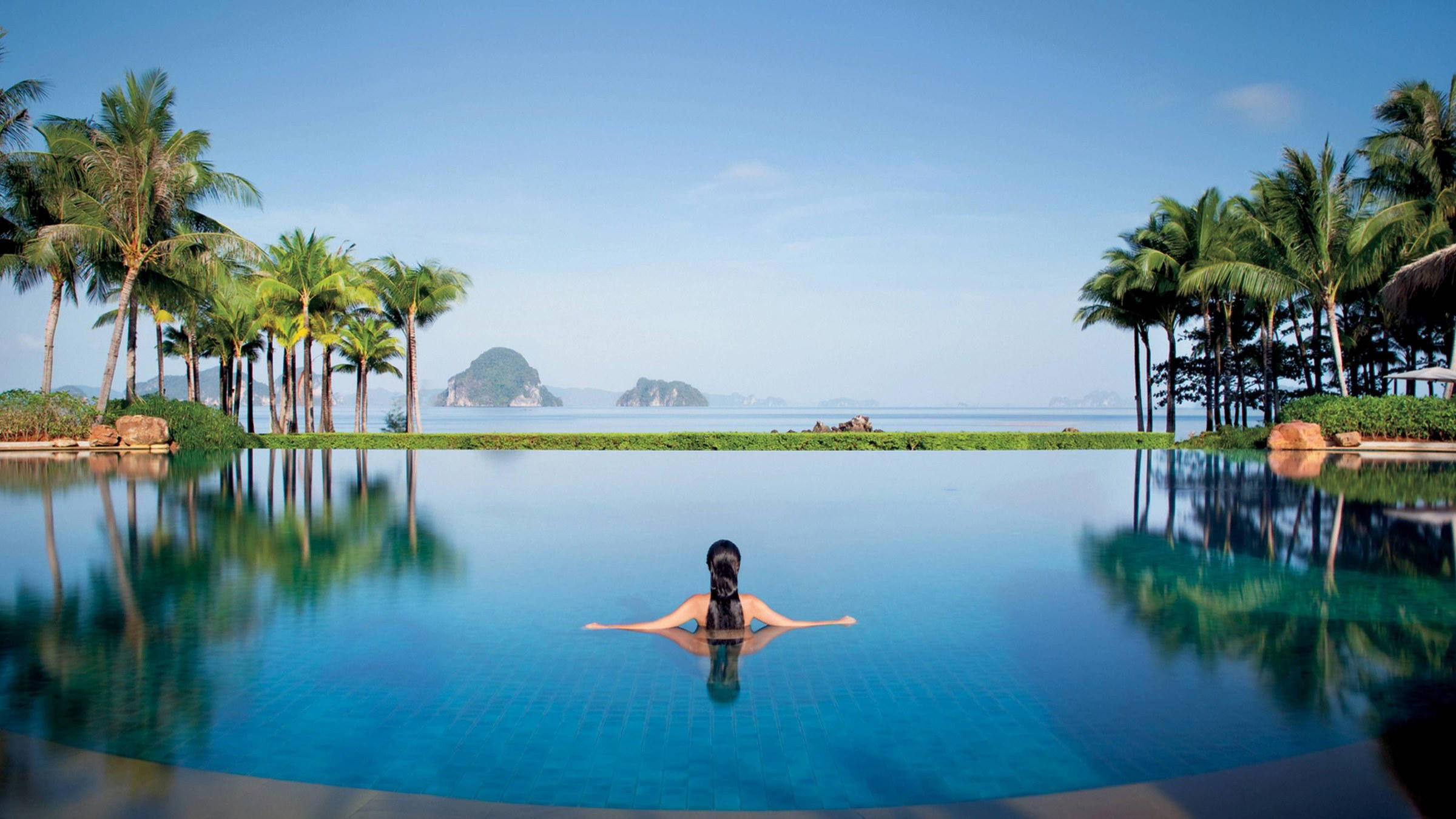
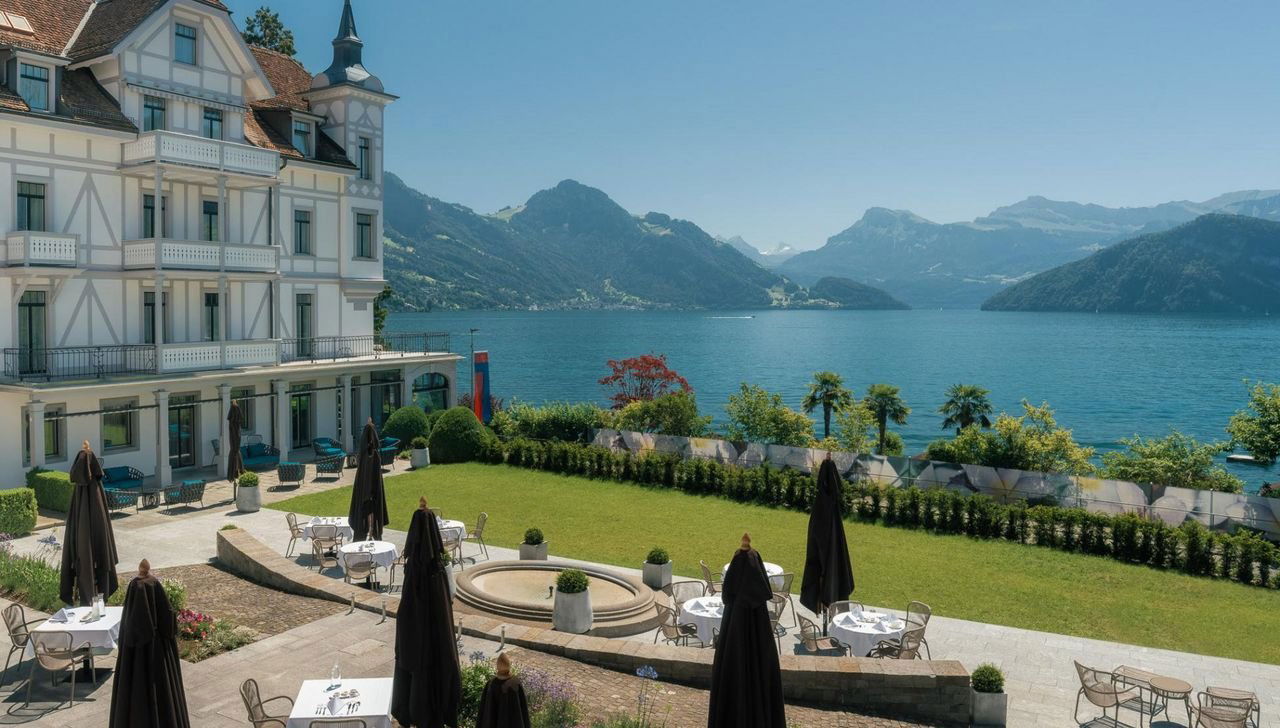
Chenot Palace Weggis reads like a lakeside palace in the European tradition but operates with a distinctly clinical-wellness intent. The building’s formal proportions, generous relationship to light and lake-facing orientation are used deliberately to support recovery: architecture, materials and views are part of the therapeutic programme rather than mere backdrop. The lakeshore and the encircling Alps give the property a quietly grand, restorative presence — a place where the grand gestures of historic resort architecture are calibrated to deliver calm, focus and an elevated, serene retreat from everyday life.
Best For
This is primarily a destination for guests focused on wellness and recovery: those who want a structured, high-end spa programme in a scenic, low-stimulation setting. The palace format and lakeside position also make it suitable for couples seeking a scenic, refined escape; its formal, composed atmosphere aligns well with romantic getaways and honeymoon stays that prioritize tranquillity and scenery over nightlife or buzzing social scenes. Travelers who value architecture, light and expansive lake-and-Alps views will get the most from a stay here.
Stay Tips
Book spa programmes and consultations in advance to secure preferred treatment times, since the hotel operates as an integrated wellness destination. Request a lake-facing room when reserving — the description highlights the importance of the lake aspect and surrounding Alps to the experience. Expect a formal, programme-driven stay rather than a typical resort focused on dining and nightlife; plan travel logistics around quiet, restorative days and allow time to benefit from the property’s emphasis on light, space and scenery.
Venue details
Ambiance
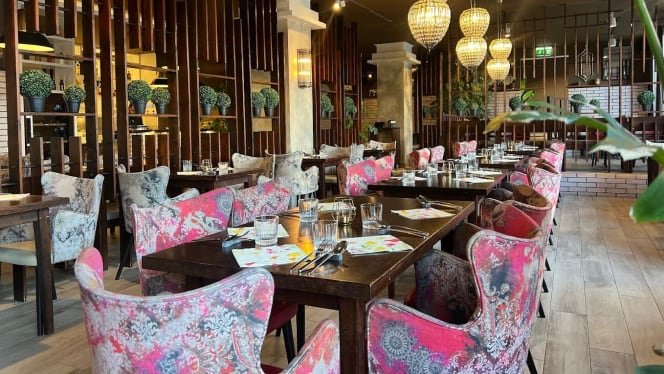
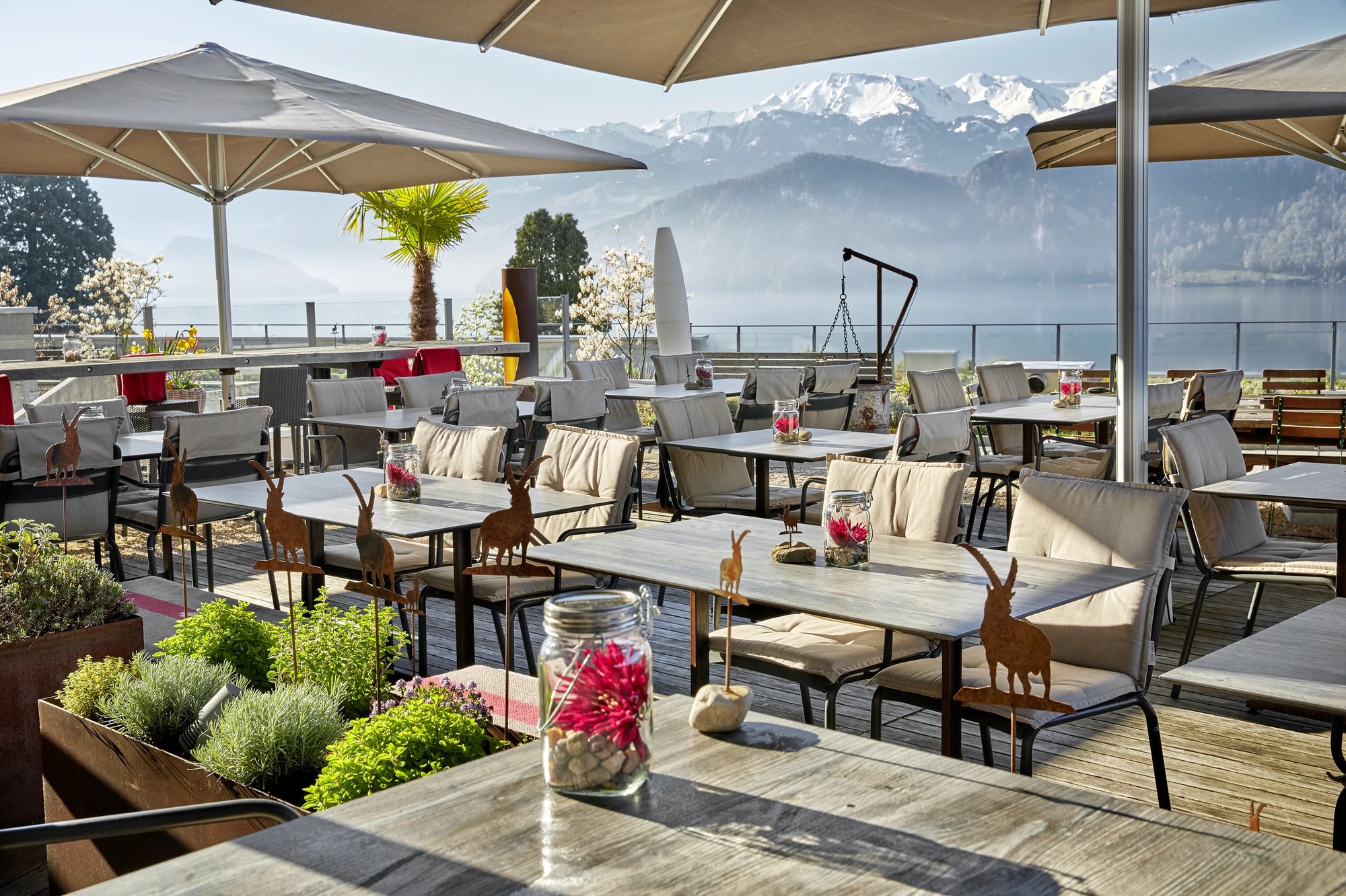
Serene and tranquil atmosphere with soft natural light from panoramic lake and mountain views, fostering deep relaxation and rejuvenation.
Tags
Vibe
Best For
Experience
Amenities
View
Accessibility
About the Stay
- Rooms
- 97
- Check-in
- 15:00
- Check-out
- 12:00
- Property Type
- Palace hotel
- Property Style
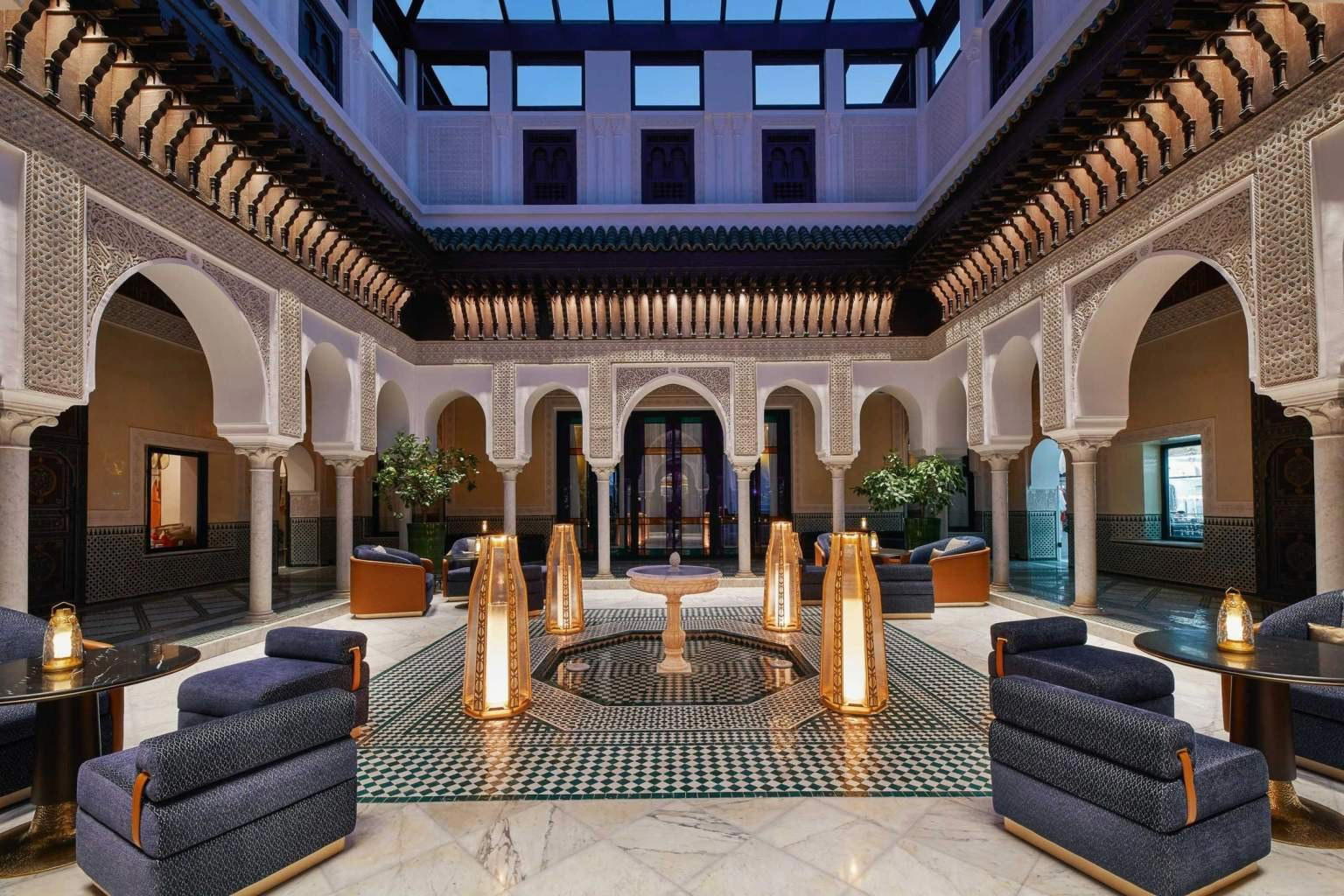
- Luxurious Belle Epoque Palace Renovated with Modern Wellness Annex
- Design Style
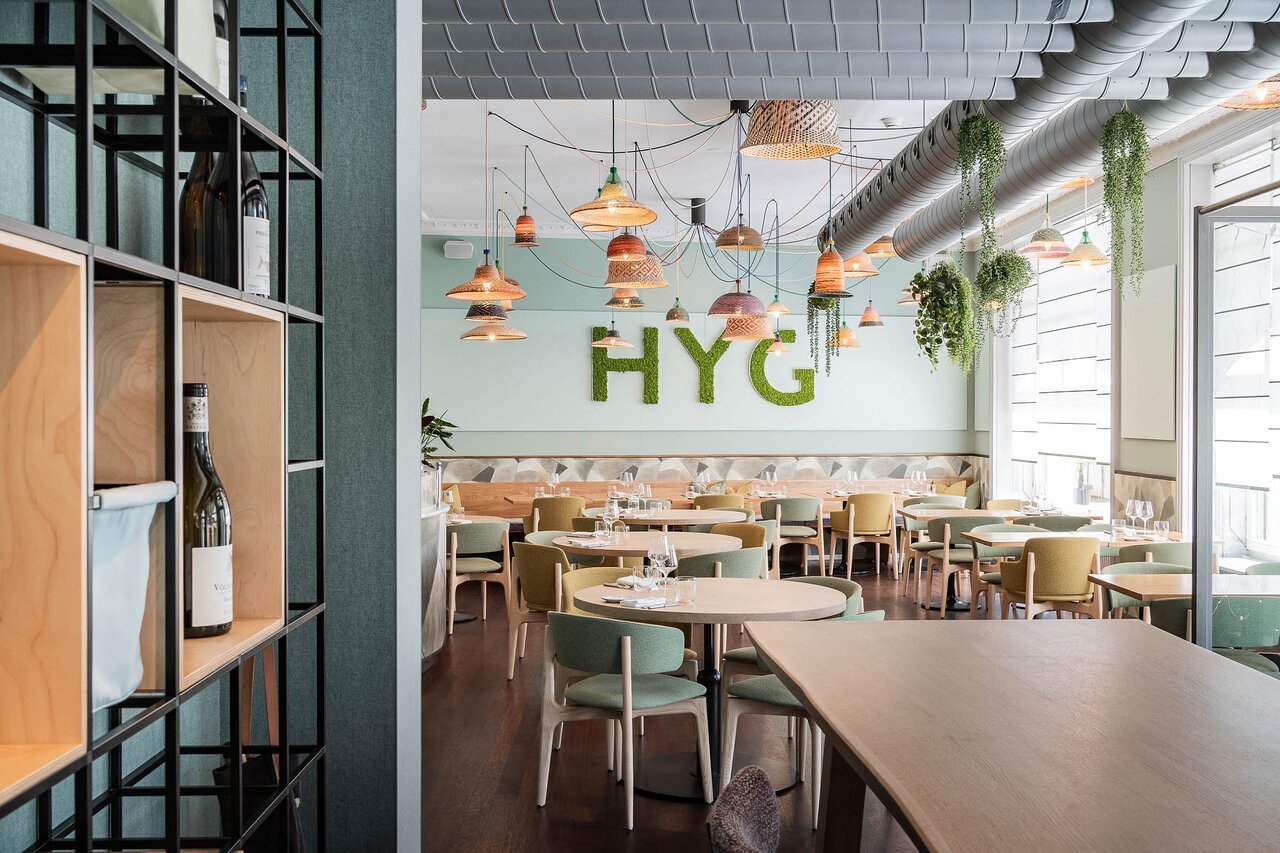
- Elegant Minimalist with Neutral Tones and Wooden Elements
- Airport Transfer
- Available
- Pool
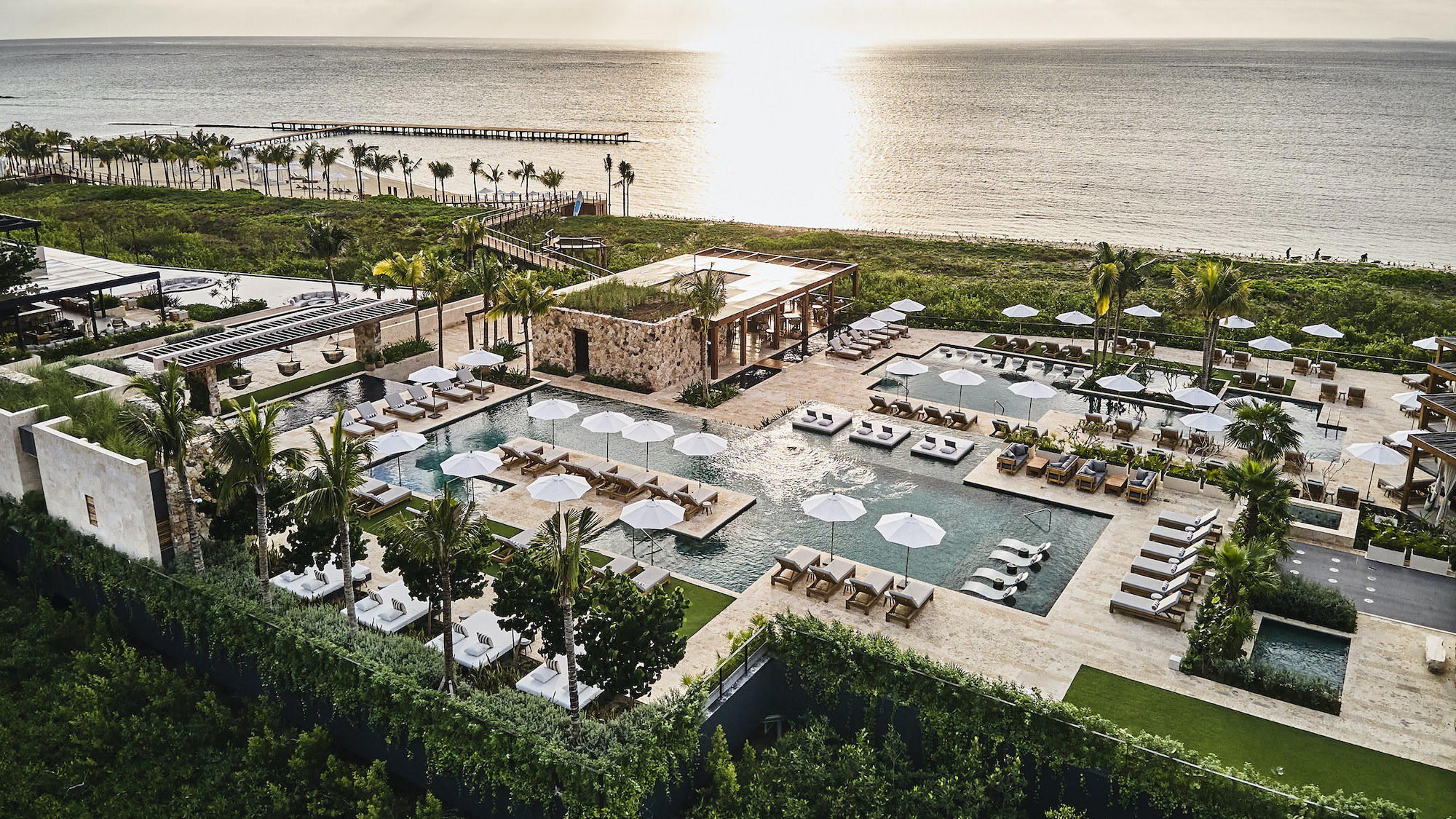
- Yes
- Spa
- Yes
- Pets
- Allowed
- Cancellation
- Moderate
Know before you go
Know Before You Go
- Getting there
- Hertensteinstrasse 34
Planning details
Location
Recognition and awards

Also consider
Also Consider
- Waldhotel by Bürgenstock, Notable alternative
- Hotel Villa Honegg, Notable alternative
- Park Hotel Vitznau, Notable alternative
- Bürgenstock Resort, Notable alternative
- Hotel Vitznauer Hof - Lifestyle Hideway, Notable alternative
Hotel context
How Chenot Palace Weggis compares around Lake Lucerne
Waldhotel by Bürgenstock and Chenot Palace Weggis are the closest comparison for wellness-minded travelers. Choose Chenot Palace Weggis if the stay is meant to feel quieter, more controlled, and more retreat-focused. Choose Waldhotel by Bürgenstock if the group wants wellness access with the broader Bürgenstock setting nearby.
Hotel Villa Honegg is the better cross-shop for a romantic, view-led lake escape, while Park Hotel Vitznau is the stronger fit for guests who want a grander lakeside hotel experience. Chenot Palace Weggis is the more disciplined choice when ambiance and wellness structure matter more than a classic luxury-hotel rhythm.
Bürgenstock Resort suits travelers who want scale, more resort energy, and a wider sense of occasion. Hotel Vitznauer Hof - Lifestyle Hideway is the easier pick for a lighter lifestyle stay. Chenot Palace Weggis is the one to book when the budget is justified by focus, quiet, and a wellness-first purpose rather than variety.
Explore Weggis
Around this place
Discover more on Pearl
Unlock the full Chenot Palace Weggis guide in Pearl, including awards, comparisons, FAQs, planning details, and nearby places.
Compare Chenot Palace Weggis
| Venue | Location | Awards |
|---|---|---|
| Chenot Palace Weggis | Weggis | 2026 Virtuoso Luxury Hotel Collection |
| Waldhotel by Bürgenstock | Lucerne | No published awards |
| Hotel Villa Honegg | Ennetbürgen | 2026 La Liste Top HotelsSmall Luxury Hotels Member 20252024 Michelin 2 Keys |
| Park Hotel Vitznau | Vitznau | 2026 Virtuoso Luxury Hotel Collection2026 Forbes 5-Star2026 La Liste Top HotelsLeading Hotels of the World 20262026 Michelin 2 Keys2025 Forbes 5-Star2025 Michelin 2 Keys2024 Michelin 2 Keys |
| Bürgenstock Resort | Bürgenstock | Star Wine Lists 2026 · #12026 Virtuoso Luxury Hotel Collection2026 Forbes 4-Star2026 La Liste Top HotelsLeading Hotels of the World 20262024 Michelin 3 Keys |
| Hotel Vitznauer Hof - Lifestyle Hideway | Vitznau | 2025 Michelin 1 Key |









How Chenot Palace Weggis compares with similar nearby venues.
FAQ
Frequently Asked Questions
How does Chenot Palace Weggis compare to nearby hotels?
Chenot Palace Weggis is one premium option to compare with Bürgenstock Resort, Waldhotel by Bürgenstock, Park Hotel Vitznau, Hotel Villa Honegg, and Hotel Vitznauer Hof - Lifestyle Hideway. Compare current rates, inclusions, facilities, and cancellation terms before deciding.
Do loyalty programs work at Chenot Palace Weggis?
The outside recognition is Virtuoso Luxury Hotel Partner for 2026. Any specific benefits, credits, upgrades, or loyalty earnings should be confirmed for the exact booking channel and rate before reserving.
Which room category is best at Chenot Palace Weggis?
What is check-in like at Chenot Palace Weggis?
Is Chenot Palace Weggis good for business travel?
If you need meeting space, reliable workspace, fast transfers, or specific connectivity, confirm those details before booking.
Is Chenot Palace Weggis family-friendly?
If children are part of the trip, confirm occupancy rules, room configurations, dining access, and any age-related policies before reserving.
How is the pool and spa at Chenot Palace Weggis?
If pool and spa facilities are central to the trip, confirm what is available, what is included, and whether reservations or restrictions apply for your dates.