


La Bobadilla
Villanueva de Tapia
Hotel in Villanueva de Tapia, Spain
 Book with Pearl
The Read
Andalusian Estate Seclusion
Why go
La Bobadilla is worth booking when the trip calls for a quiet inland Málaga base rather than a city hotel. Its Michelin 1 Key, Leading Hotels of the World membership, and Virtuoso partnership make the quality signal stronger than a typical rural stay, but the location only makes sense if the hotel itself is the point of the trip.
About La Bobadilla
La Bobadilla is a Villanueva de Tapia hotel best considered by travelers who want their stay centered on the property and the town rather than on a Málaga city itinerary. It is a luxury-hotel choice with strong recognition; check any operational details directly before booking.
The recommendation is clearest for guests comparing a Villanueva de Tapia stay with a more urban Málaga hotel. If the trip depends on frequent city plans, spontaneous restaurant hopping, or easy movement between city sights, a Málaga hotel may be simpler. If the goal is to base the trip in Villanueva de Tapia and prioritize a more settled hotel stay, La Bobadilla is the relevant option.
Book it for Villanueva de Tapia, not for city convenience
Quality recognition: Michelin awarded the hotel 1 Key in 2024, and the property is also a Leading Hotels of the World member and a Virtuoso Luxury Hotel Partner. Those credentials place La Bobadilla in a luxury-hotel context and make it a serious option for travelers who care about a recognized stay rather than only a place to sleep.
Trade-off is location. Villanueva de Tapia is not the same choice as staying in central Málaga, so the hotel should be considered as a Villanueva de Tapia booking rather than a default base for constant city plans. For broader planning, use our full Villanueva de Tapia hotels guide, then check our full Villanueva de Tapia restaurants guide, our full Villanueva de Tapia bars guide, our full Villanueva de Tapia wineries guide, and our full Villanueva de Tapia experiences guide if the stay needs more than hotel time.
Who should choose the Villanueva de Tapia luxury version
Book this over a Málaga city hotel if a Villanueva de Tapia setting matters more than urban access. The better fit is a traveler who is comfortable planning around the hotel and the town rather than relying on a dense city grid of walkable options at the last minute.
Confirm room types, pricing, facilities, restaurant information, or service schedules directly before committing. The dress code is smart casual. Judge value against the kind of trip you are planning: La Bobadilla makes more sense when the recognized hotel itself is central to the stay, and less sense if you only need a convenient base between outside plans.
Quick reference: choose La Bobadilla for a recognized luxury hotel in Villanueva de Tapia; choose central Málaga if walkability and last-minute city dining matter more.
Planning details
- Location
- Finca La Bobadilla Carretera Salinas, A-333, Km. 65, 5, 29315 Archidona, Málaga
- Website
- fincalabobadilla.com/es
- Phone
- +34 951 08 57 40
The take
The Take
The Vibe
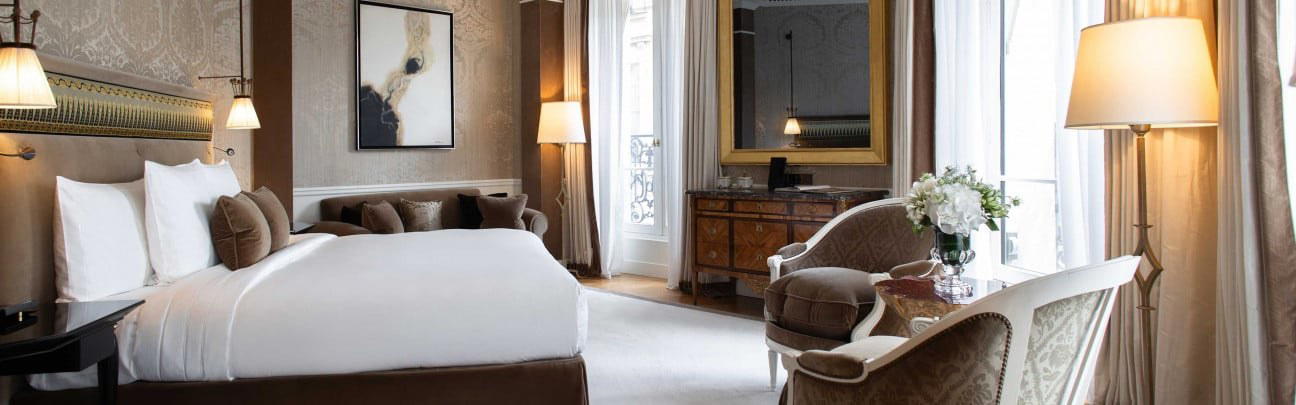
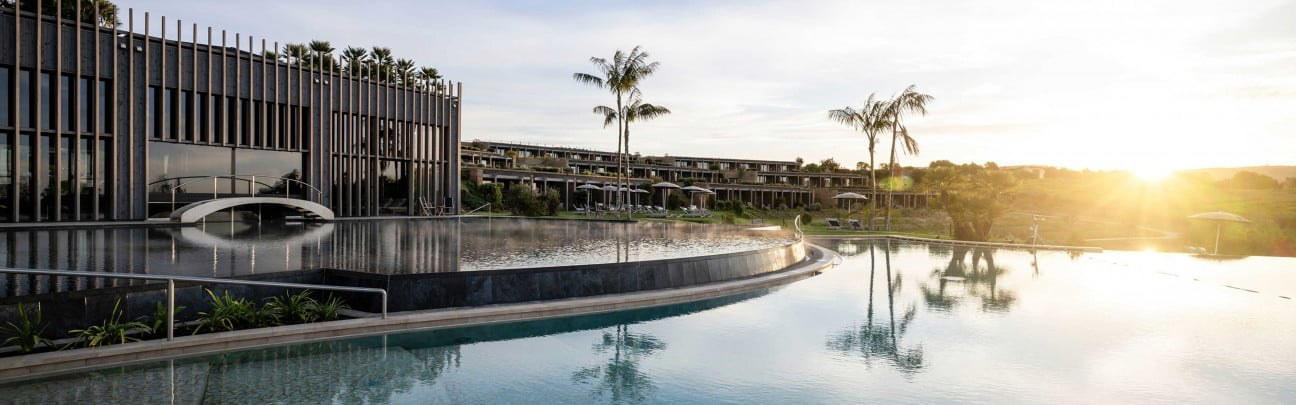
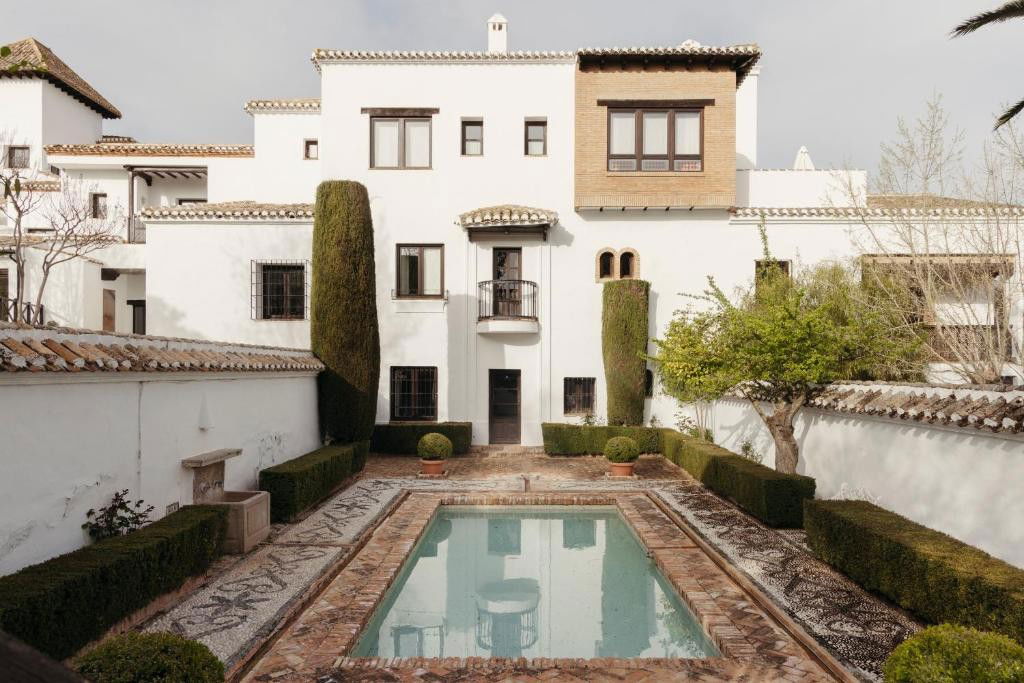
La Bobadilla presents itself as an Andalusian village rendered with high design discipline. Mudejar arches, carved wood details, ceramic tilework and columned corridors read as structural choices rather than period costume, so the architecture truly sets the pace of a stay. The property’s bell tower, whitewashed facades and stone floors create a quietly theatrical sequence of courtyards and passages, while olive groves and holm oaks frame long rural views. The result is a considered, historic-feeling retreat that emphasizes calm, ritualized movement through spaces—a rural luxury that feels both authentic and deliberately composed.
Best For
This is a hotel for travelers seeking a tranquil, architecturally driven escape. It suits couples on honeymoon or a romantic getaway drawn to the property’s village-like intimacy and historic detail, and it fits celebratory stays such as anniversaries where setting matters as much as service. The rural setting and calm circulation through courtyards also make the hotel appropriate for wellness-oriented breaks and weekend escapes focused on restorative quiet. Guests come for atmosphere as much as amenities—expect a stay shaped by place, light and traditional Andalusian craftsmanship.
Venue details
Ambiance
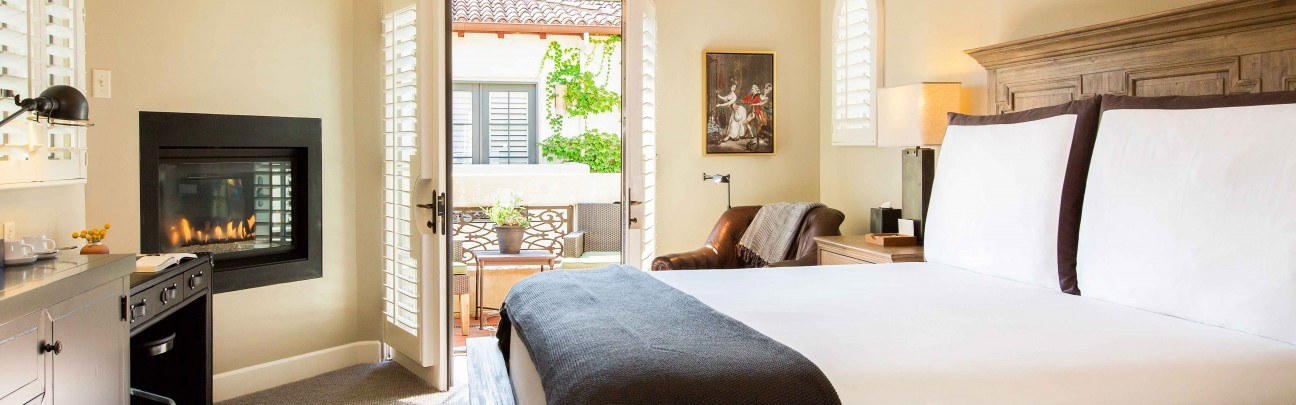
Serene and relaxing with natural light through Mudejar windows, stone floors, and views of olive groves and mountains, offering a tranquil countryside escape.
Tags
Vibe
Best For
Experience
Amenities
View
Accessibility
About the Stay
- Rooms
- 72
- Check-in
- 14:00
- Check-out
- 12:00
- Property Type
- Heritage hotel
- Property Style
- Andalusian Village Finca on a Vast Estate
- Design Style
- Mudejar Architecture with Stone, Hardwood, and Marble
- Airport Transfer
- Available
- Pool
- Yes
- Spa
- Yes
- Pets
- Allowed
- Families
- Welcome
Know before you go
Know Before You Go
- Getting there
- Finca La Bobadilla Carretera Salinas, A-333, Km. 65, 5, 29315 Archidona, Málaga
Planning details
Location
Finca La Bobadilla Carretera Salinas, A-333, Km. 65, 5, 29315 Archidona, Málaga · Directions
Recognition and awards


Also consider
Also Consider
- Palacio Solecio, Notable alternative
- Gran Hotel Miramar, Notable alternative
- Cristine Bedfor Málaga, Notable alternative
- Vincci Larios Diez, Notable alternative
- Ilunion Malaga Hotel, Notable alternative
Hotel context
How It Compares
La Bobadilla is the better choice if the stay should feel rural, quiet, and self-contained. Palacio Solecio, Gran Hotel Miramar, Cristine Bedfor Málaga, Vincci Larios Diez, and Ilunion Malaga Hotel make more sense for Málaga access, especially if restaurants, bars, and short city transfers matter.
For ambiance, the split is clear: La Bobadilla is the low-noise countryside call, while Gran Hotel Miramar is the stronger pick for a grand city-hotel feel. Palacio Solecio and Cristine Bedfor Málaga suit travelers who want a smaller urban base with more immediate access to Málaga plans. Vincci Larios Diez is the practical city-center alternative, and Ilunion Malaga Hotel is the easier functional choice if convenience matters more than a resort-style stay.
Because booking difficulty is hard, do not treat La Bobadilla as the easy backup. If dates are fixed and inventory is tight, cross-shop Palacio Solecio or Gran Hotel Miramar first for a higher-polish city stay; choose Vincci Larios Diez or Ilunion Malaga Hotel when value and access matter more than retreat energy.
Explore Villanueva de Tapia
Around this place
Discover more on Pearl
Unlock the full La Bobadilla guide in Pearl, including awards, comparisons, FAQs, planning details, and nearby places.
Compare La Bobadilla
| Venue | Location | Awards |
|---|---|---|
| La Bobadilla | Villanueva de Tapia | 2026 Virtuoso Luxury Hotel Collection2026 Mr & Mrs Smith Luxury HotelsLeading Hotels of the World 20262025 Michelin Selected Hotels2024 Michelin 1 Key |
| Palacio Solecio | Málaga | 2026 Mr & Mrs Smith Luxury Hotels2025 Michelin Selected HotelsSmall Luxury Hotels Member 2025 |
| Gran Hotel Miramar | Málaga | 2026 Virtuoso Luxury Hotel Collection2026 Michelin Guide New HotelsLeading Hotels of the World 20262025 Michelin Selected Hotels |
| Cristine Bedfor Málaga | Málaga | 2026 Mr & Mrs Smith Luxury HotelsTablet Hotels Top 40 New Hotels 2025 · #162025 Michelin Selected Hotels |
| Vincci Larios Diez | Málaga | No published awards |
| Ilunion Malaga Hotel | Málaga | No published awards |



How La Bobadilla Villanueva de Tapia compares with similar nearby venues.
FAQ
Frequently Asked Questions
How is the location of La Bobadilla?
La Bobadilla is in Villanueva de Tapia. It suits travelers who want that setting rather than a central Málaga stay. Compared with Palacio Solecio or Gran Hotel Miramar, it is the pick for Villanueva de Tapia rather than city convenience.
What is check-in like at La Bobadilla?
Confirm timing and arrival instructions directly with the hotel before travel. Its recognition includes a Michelin 1 Key and membership in Leading Hotels of the World.
How is the dining at La Bobadilla?
Do not assume a particular restaurant format, cuisine, menu, or schedule without checking with the hotel. The dress code is smart casual. If dinner-out flexibility in Málaga is the priority, Vincci Larios Diez or Palacio Solecio may be easier city-hotel bases.
How is the pool and spa at La Bobadilla?
Check directly with La Bobadilla for pool or spa facilities before planning the stay around them. Its luxury credentials include Virtuoso Luxury Hotel Partner status, but specific facilities should be checked for your dates.
Which room category is best at La Bobadilla?
How does La Bobadilla compare to other hotels?
Choose La Bobadilla if you want a Villanueva de Tapia hotel with a Michelin 1 Key. Gran Hotel Miramar, Palacio Solecio, Cristine Bedfor Málaga, Vincci Larios Diez, and Ilunion Malaga Hotel are more relevant for travelers prioritizing Málaga city access rather than a Villanueva de Tapia stay.