
Hotel Hacienda de Abajo
Villa y Puerto de Tazacorte
Hotel in Villa y Puerto de Tazacorte, Spain
 Book with Pearl
The Read
Colonial Canarian Heritage Stay
Price
$100–200per night
Why go
Book Hotel Hacienda de Abajo if the goal is a calm, heritage-led stay in Tazacorte with a more personal service feel than a large resort. It is better suited to couples and first-time La Palma visitors than business travelers or guests who want a full resort campus.
About Hotel Hacienda de Abajo
Hotel Hacienda de Abajo is a hotel in Villa y Puerto de Tazacorte. The safest way to evaluate it is as a city-specific hotel choice rather than assume a particular resort format, dining program, room style, or facilities list.
A Villa y Puerto de Tazacorte hotel with Preferred Hotels recognition
Hotel Hacienda de Abajo is recognized with Preferred Hotels L.V.X. Collection placement in 2025. That is a clear signal for travelers comparing it with other premium hotel options.
Book it for Villa y Puerto de Tazacorte, not for assumed extras
The grounded reason to consider Hotel Hacienda de Abajo is direct: it places the stay in Villa y Puerto de Tazacorte. Travelers should confirm any trip-specific needs directly, especially if the stay depends on particular facilities, dining arrangements, accessibility needs, or arrival logistics.
For a first stay, the practical move is to verify the details that matter most before committing. If the trip requires a broader resort setup or a different style of hotel, compare it with other premium options such as Hacienda del Conde Golf & Spa, Hotel Puntagrande, RedLevel at Gran Meliá Palacio de Isora - Adults only, or The Ritz-Carlton Tenerife, Abama.
Use local guides to plan the rest of the stay
For the surrounding trip, use local planning resources for other parts of the stay, and confirm venue-specific details directly before making reservations or building an itinerary around them.
Verdict: consider Hotel Hacienda de Abajo if you want a hotel in Villa y Puerto de Tazacorte with Preferred Hotels L.V.X. Collection recognition for 2025. Confirm all practical details directly before booking, and choose another option if your trip depends on specific amenities or services.
Planning details
- Location
- C. Miguel de Unamuno, 11, 38770 Tazacorte, Santa Cruz de Tenerife
- Website
- hotelhaciendadeabajo.com
- Phone
- +34 922 40 60 00
The take
The Take
The Vibe
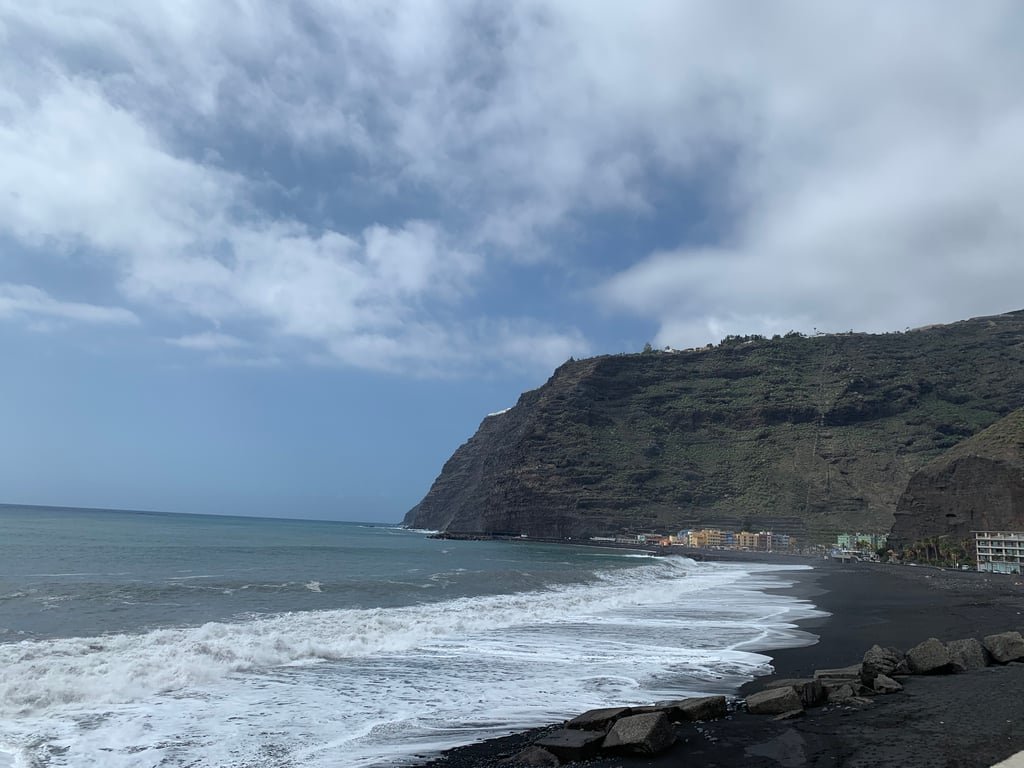
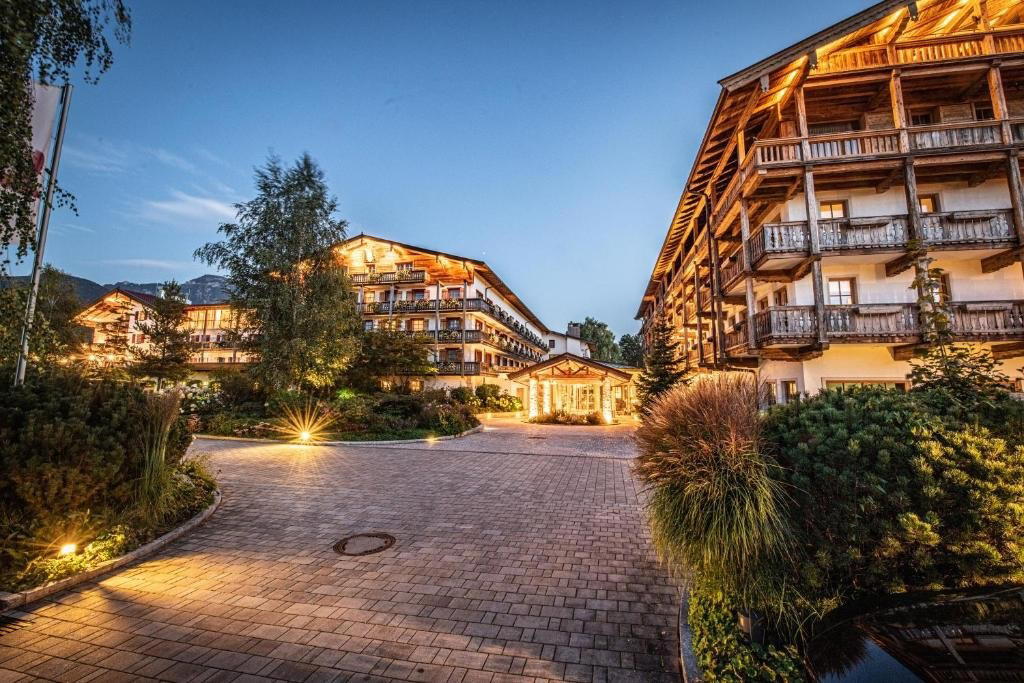
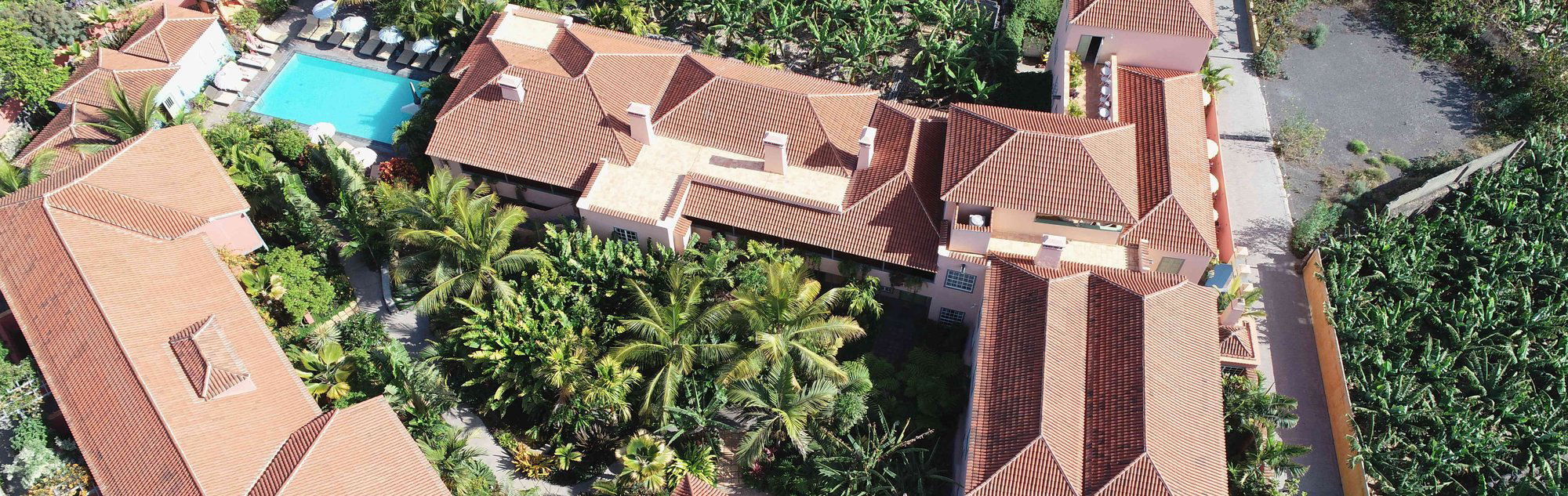
Hotel Hacienda de Abajo presents a quiet, historic hacienda converted with restraint and respect for original fabric. Thick thermal walls, carved wooden balconies and inward-facing courtyards define the building’s rhythm; restorations prioritize continuity over flamboyant reinvention. The property reads as part of Tazacorte’s agrarian and maritime landscape rather than as a stage set, so the mood is intimate, refined and contemplative. Interiors favor measured, classic detailing that lets the architecture—rather than contemporary contrasts—take center stage. The overall effect is a low-key, sophisticated refuge for travelers who prize authenticity, heritage and a calm, scenic setting.
Best For
Hotel Hacienda de Abajo suits couples and solitary travelers seeking a quiet, heritage-rich stay on La Palma’s western shore. With a modest inventory of rooms and an emphasis on conserving original fabric, it caters to honeymooners, anniversary makers and weekend escape artists who prioritize atmosphere over spectacle. The setting—between banana plantations, a working fishing port and laurisilva forest—also appeals to guests drawn to nature, stargazing and slow-paced exploration. It’s an appropriate pick for wellness-minded visitors and anyone after a contemplative coastal retreat where local character and architectural authenticity shape the experience.
Venue details
Ambiance
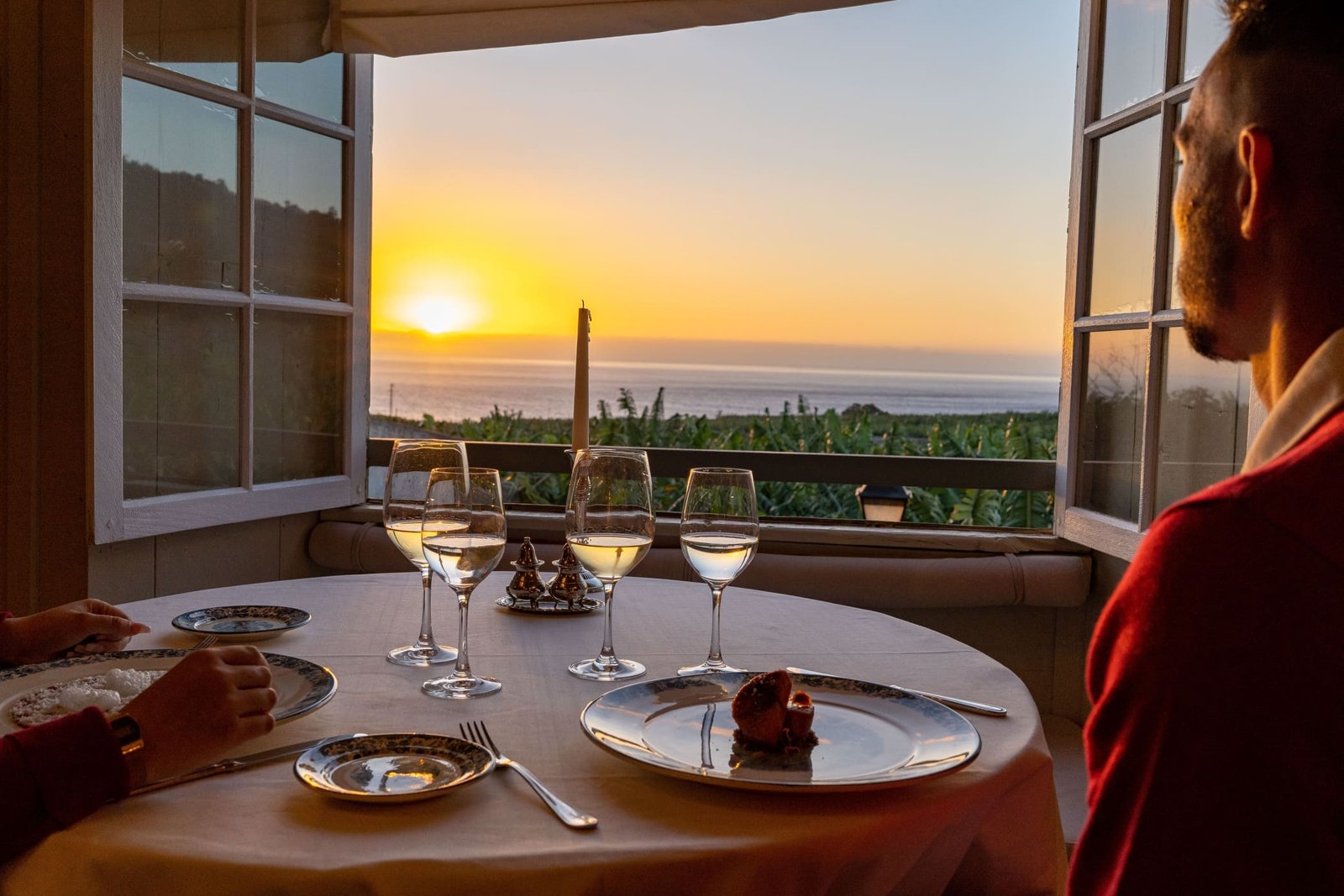
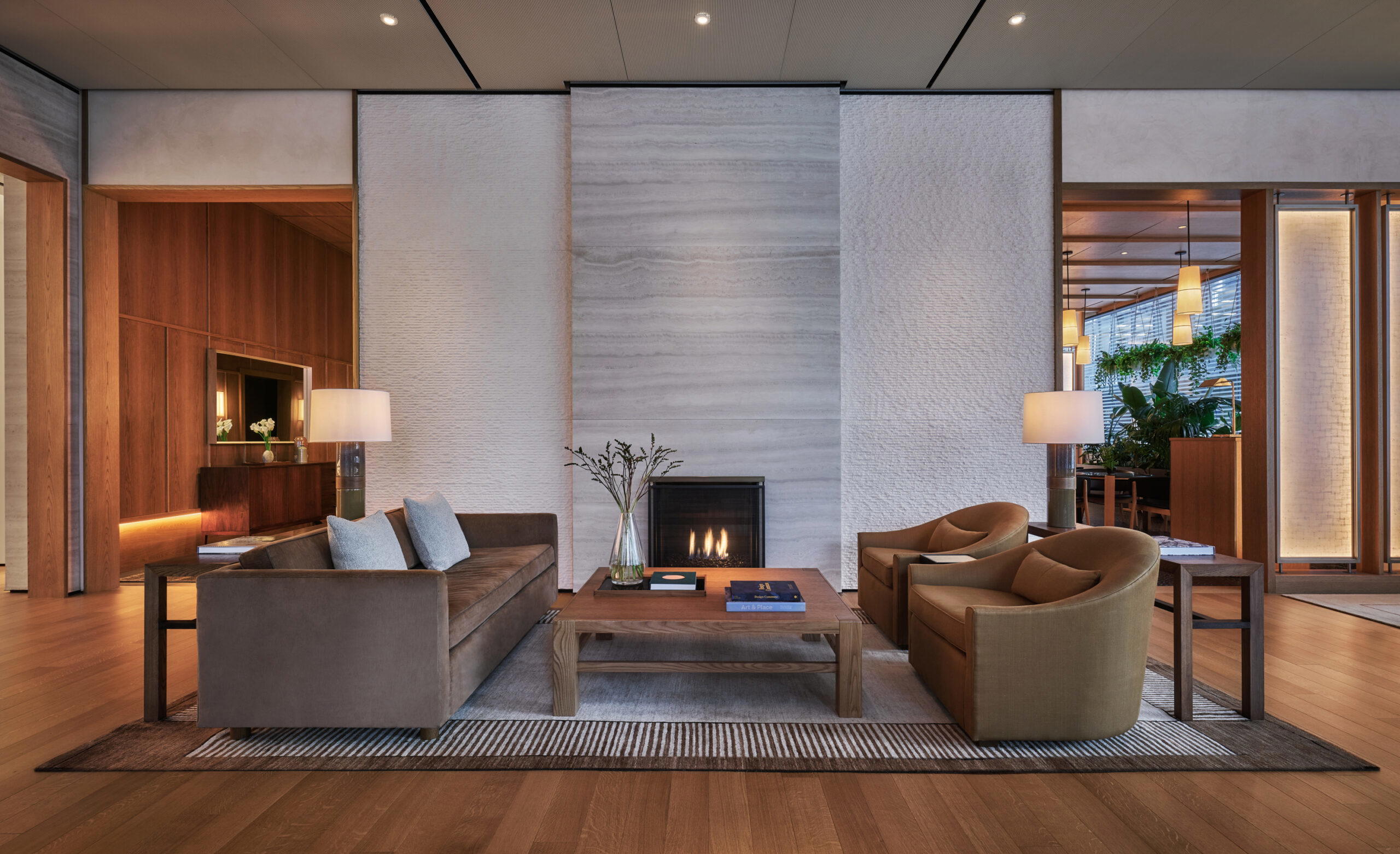
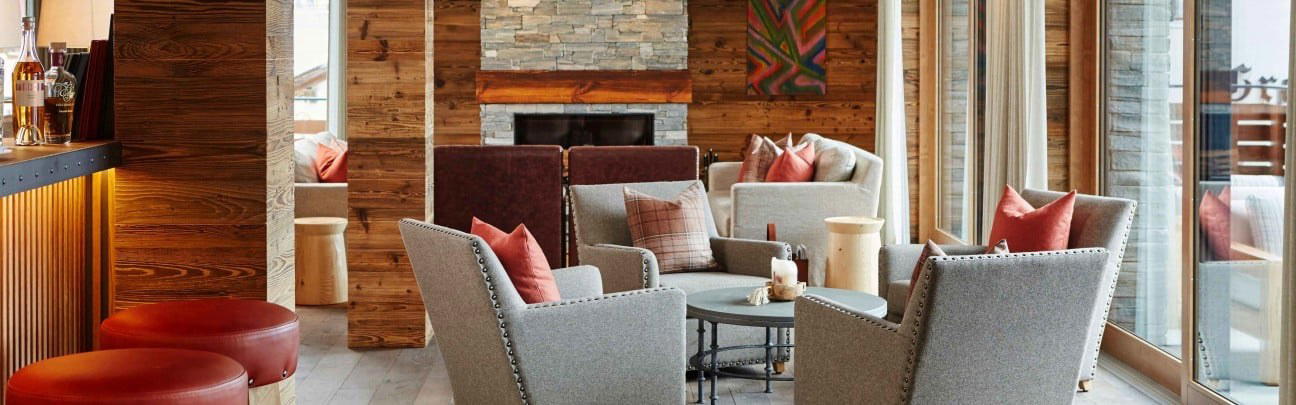
Understated elegance with museum-like antique decor, serene gardens, and a calm oasis atmosphere praised for relaxation and tranquility.
Tags
Vibe
Best For
Experience
Amenities
View
Accessibility
About the Stay
- Rooms
- 32
- Property Type
- Heritage hotel
- Property Style
- Historic Hacienda with Individually Decorated Rooms Featuring Antiques and Art From Centuries Past.
- Design Style
- Classic Spanish Elegance with Rustic Charm and Opulent Detailing.
- Airport Transfer
- Available
- Pool
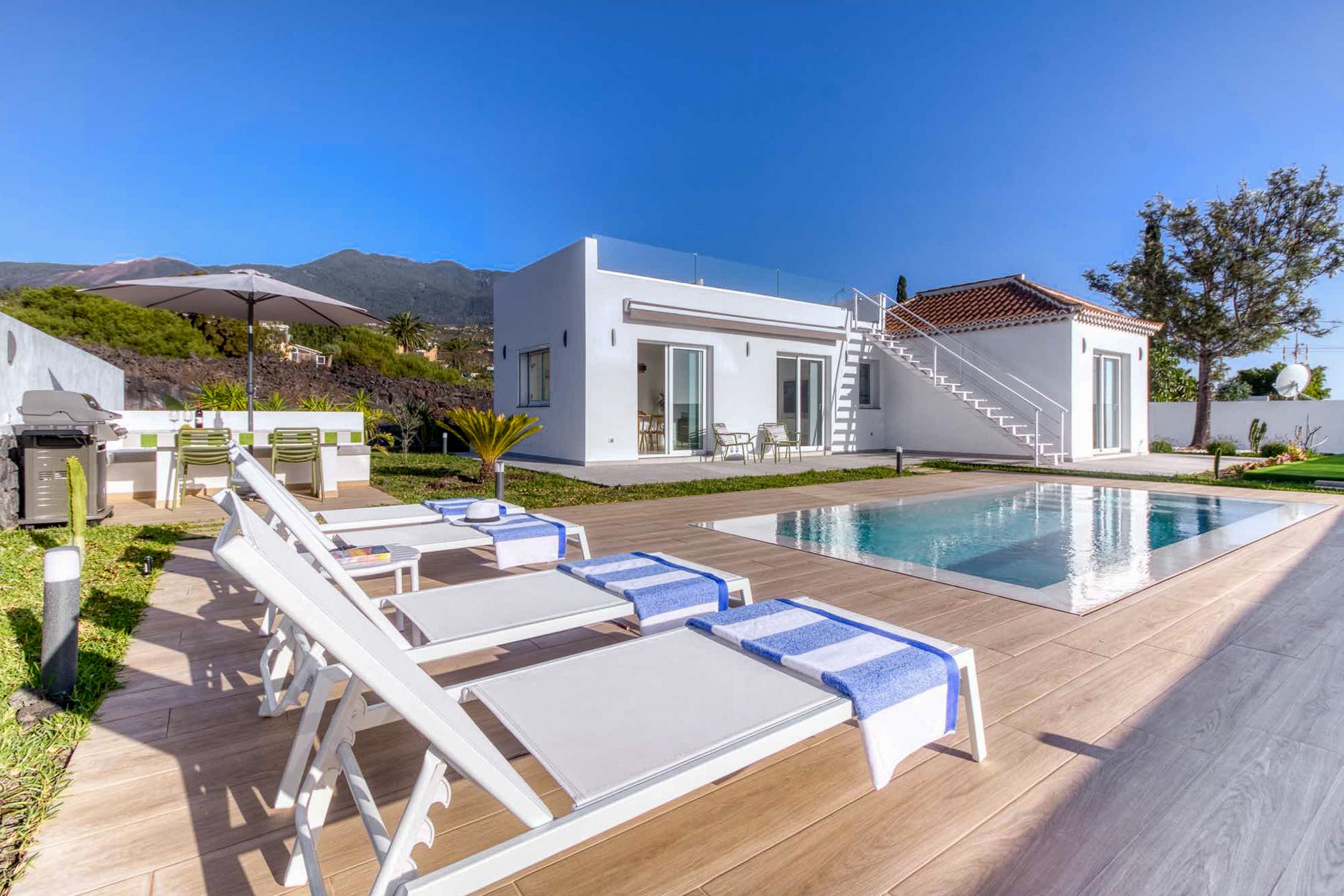
- Yes
- Spa
- Yes
Know before you go
Know Before You Go
- Getting there
- C. Miguel de Unamuno, 11, 38770 Tazacorte, Santa Cruz de Tenerife
Planning details
Location
C. Miguel de Unamuno, 11, 38770 Tazacorte, Santa Cruz de Tenerife · Directions
Recognition and awards
Also consider
Also Consider
- Hotel Puntagrande, Notable alternative
- Hacienda del Conde Golf & Spa, Notable alternative
- RedLevel at Gran Meliá Palacio de Isora - Adults only, Notable alternative
- The Ritz-Carlton Tenerife, Abama, Notable alternative
- The Ritz-Carlton Tenerife, Abama, Notable alternative
Hotel context
How it compares with nearby Canary Islands hotel choices
Hotel Hacienda de Abajo is the choice for travelers who want a quieter Tazacorte base and a smaller-hotel service feel. Hotel Puntagrande is the better cross-shop if the priority is a more remote, sea-facing hotel mood, while Hacienda del Conde Golf & Spa makes more sense for guests who want golf and spa facilities built into the stay.
For a higher-touch resort experience, RedLevel at Gran Meliá Palacio de Isora - Adults only is the cleaner fit for adults-only resort structure, while The Ritz-Carlton Tenerife, Abama is the stronger pick for travelers who want a large luxury resort with deeper amenities. Those options are likely to feel more comprehensive; Hotel Hacienda de Abajo is more appealing when ambiance and a smaller service footprint matter more than scale.
Booking should be easier here than at the larger name-brand resorts during peak leisure periods, but the tradeoff is breadth. Choose Hotel Hacienda de Abajo for character and calm; choose Hacienda del Conde Golf & Spa for activity infrastructure, RedLevel for adults-only resort polish, and The Ritz-Carlton Tenerife, Abama for a bigger luxury-hotel experience.
Explore Villa y Puerto de Tazacorte
Around this place
Discover more on Pearl
Unlock the full Hotel Hacienda de Abajo guide in Pearl, including awards, comparisons, FAQs, planning details, and nearby places.
Compare Hotel Hacienda de Abajo
| Venue | Location | Awards |
|---|---|---|
| Hotel Hacienda de Abajo | Villa y Puerto de Tazacorte | Preferred Hotels L.V.X. Collection 2025 |
| Hotel Puntagrande | El Hierro | 2026 Michelin 1 Key2025 Michelin 1 Key |
| Hacienda del Conde Golf & Spa | Tenerife | Small Luxury Hotels Member 2025 |
| RedLevel at Gran Meliá Palacio de Isora - Adults only | Guía de Isora | 2026 La Liste Top Hotels |
| The Ritz-Carlton Tenerife, Abama | Tenerife | 2026 Forbes 4-Star2026 Virtuoso Luxury Hotel Collection2026 La Liste Top HotelsWorld Luxury Hotel Awards 20252025 Michelin Selected Hotels2025 Forbes 4-Star |
| The Ritz-Carlton Tenerife, Abama | Guía de Isora | 2026 Forbes 4-Star2026 Virtuoso Luxury Hotel Collection2026 La Liste Top HotelsWorld Luxury Hotel Awards 20252025 Michelin Selected Hotels2025 Forbes 4-Star |








How Hotel Hacienda de Abajo compares with similar nearby venues.
FAQ
Frequently Asked Questions
Is Hotel Hacienda de Abajo good for business travel?
It may work for some business travelers, but anyone with work-specific needs should check meeting facilities, business services, and corporate-travel requirements directly before booking.
Do loyalty programs work at Hotel Hacienda de Abajo?
Hotel Hacienda de Abajo is part of Preferred Hotels L.V.X. Collection in 2025. Any loyalty-program benefits, earning, or redemption details should be checked directly with the hotel or booking channel before reserving.
When is the best time to book Hotel Hacienda de Abajo?
Book when the stay dates and accommodations you need are available. For demand patterns and booking windows, check rates and availability for your specific dates.