



Sina Centurion Palace
San Marco, Venice
Hotel in Venice, Italy
 Book with Pearl
The Read
Archaeological Neo-Gothic Conversion
Why go
Sina Centurion Palace is a strong Venice pick for travelers who want a quieter Dorsoduro base with credible luxury recognition rather than the full palace-hotel scene. It makes the strongest value case when priced below Hotel Gritti Palace and The St. Regis Venice, especially for design-minded couples comparing atmosphere, location, and booking difficulty.
About Sina Centurion Palace
For a Venice stay with notable hotel recognition, Sina Centurion Palace is a sensible property to consider. The strongest case is simple: it is a Venice hotel with third-party credentials, including Small Luxury Hotels of the World membership, Forbes Recommended status, Virtuoso Luxury Hotel Partner recognition, and selection in the MICHELIN Guide hotel list.
Those signals matter because Venice has many premium hotels that can look similar at first glance. The recognition does not automatically make Sina Centurion Palace the right booking for every traveler, but it gives a useful baseline for comparison with Hotel Gritti Palace, The St. Regis Venice, Ca Maria Adele, Charming House DD.724, and Hotel Flora.
Venice hotel recognition is the clearest strength
The strongest reason to include Sina Centurion Palace on a Venice shortlist is its hotel recognition. It is listed as a Small Luxury Hotels of the World Member for 2025, Forbes Recommended for 2026, a Virtuoso Luxury Hotel Partner for 2026, and MICHELIN Guide, Hotels Selected for 2025.
The dress code is smart casual. For room count, exact location within Venice, dining style, service model, amenities, or pricing, check directly before booking rather than assuming from the hotel's recognition.
Who should choose it, and who should not
Choose Sina Centurion Palace if you want a Venice hotel with multiple hotel trust signals and you are comparing it against other high-end stays in the city. If your priority is a specific brand profile, room type, address, amenity set, or dining program, confirm those details directly before treating it as the best fit.
For comparison shopping, Hotel Gritti Palace and The St. Regis Venice are natural references for travelers looking at prominent hotels in Venice. Ca Maria Adele, Charming House DD.724, and Hotel Flora are also useful Venice comparisons, depending on the style and scale of stay you want.
The booking decision should rest on the hotel's recognition, current rates, room availability, and details from the hotel or booking channel. A broader Venice hotels guide can help place Sina Centurion Palace alongside other Venice options.
Planning details
- Location
- Dorsoduro, 173, 30123 Venezia VE
- Website
- sinahotels.com/en/h/sina-centurion-palace-venice
- Phone
- +39 041 34281
The take
The Take
The Vibe
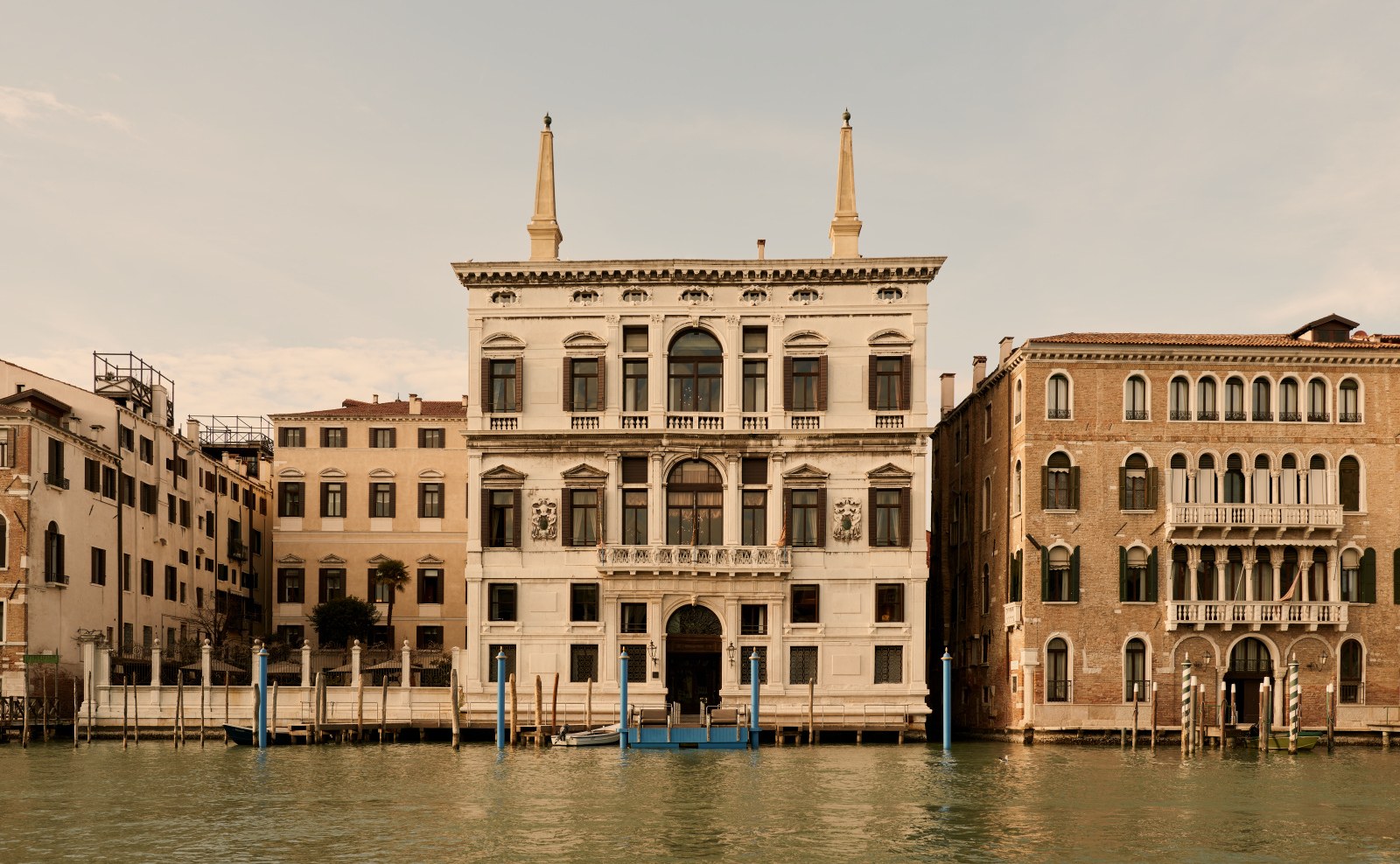
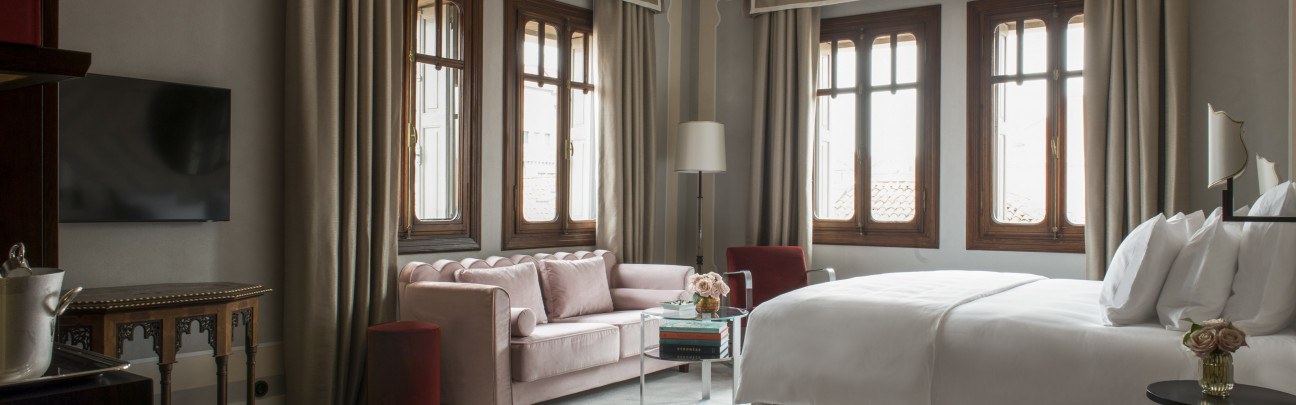
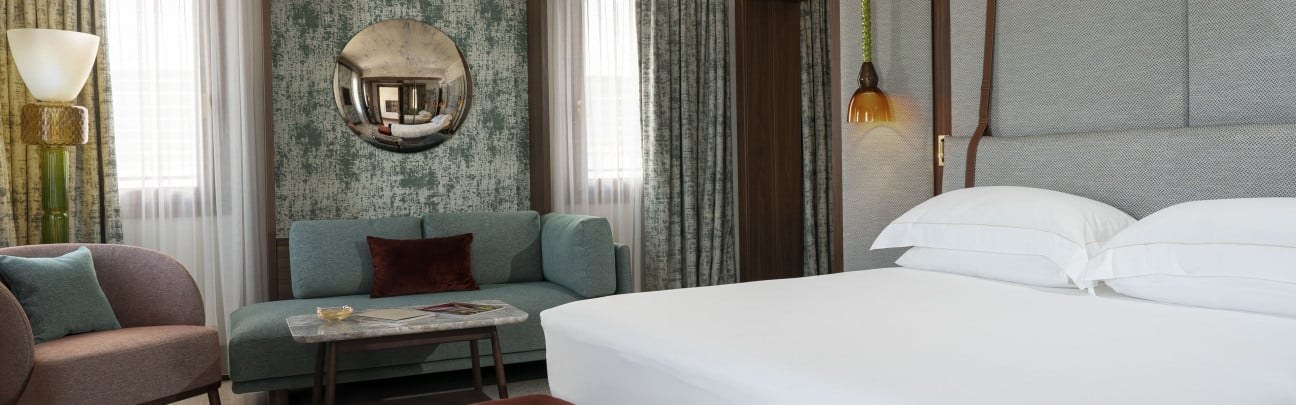
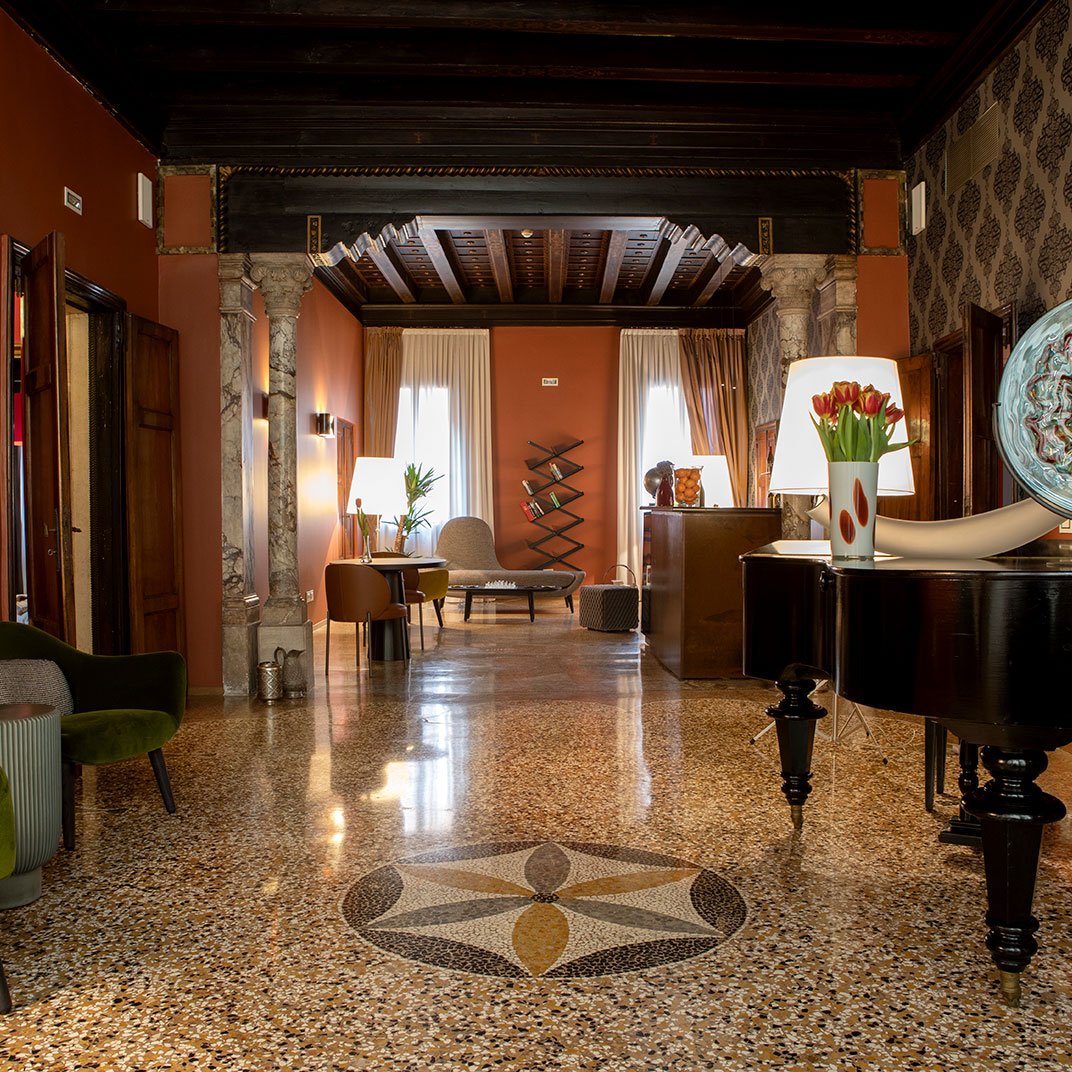
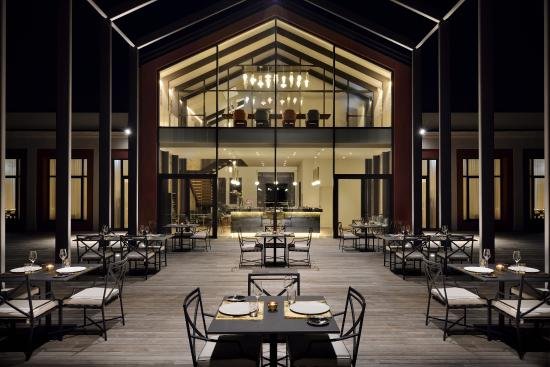
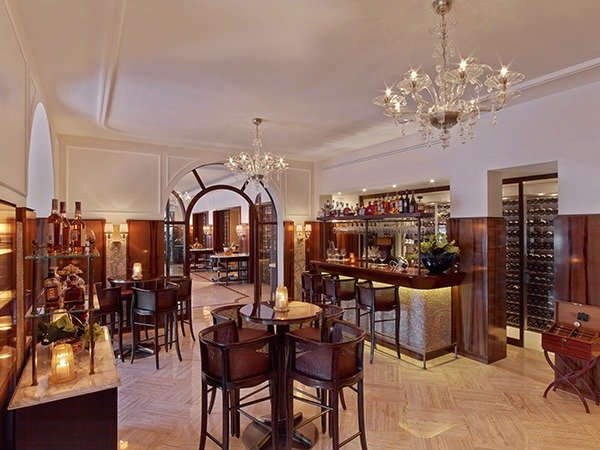
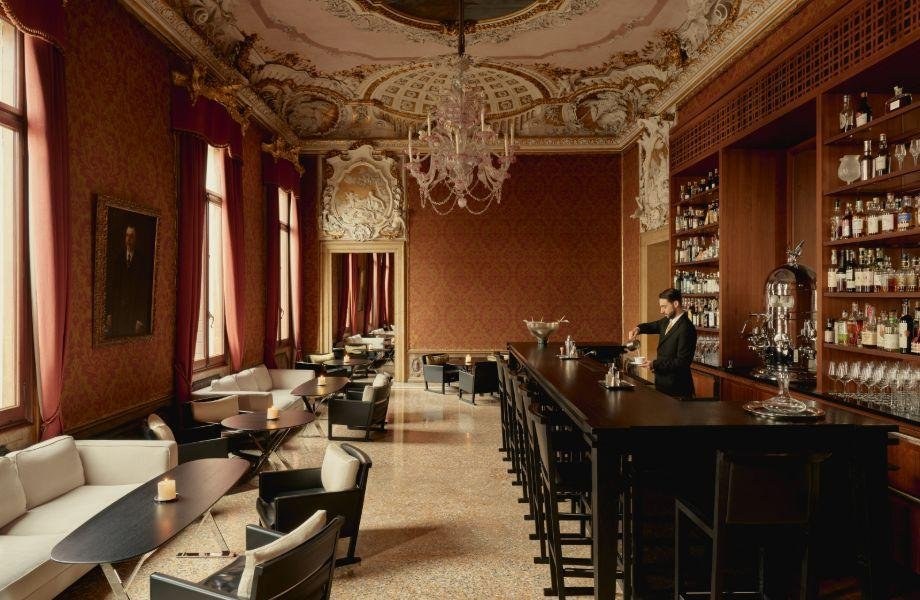
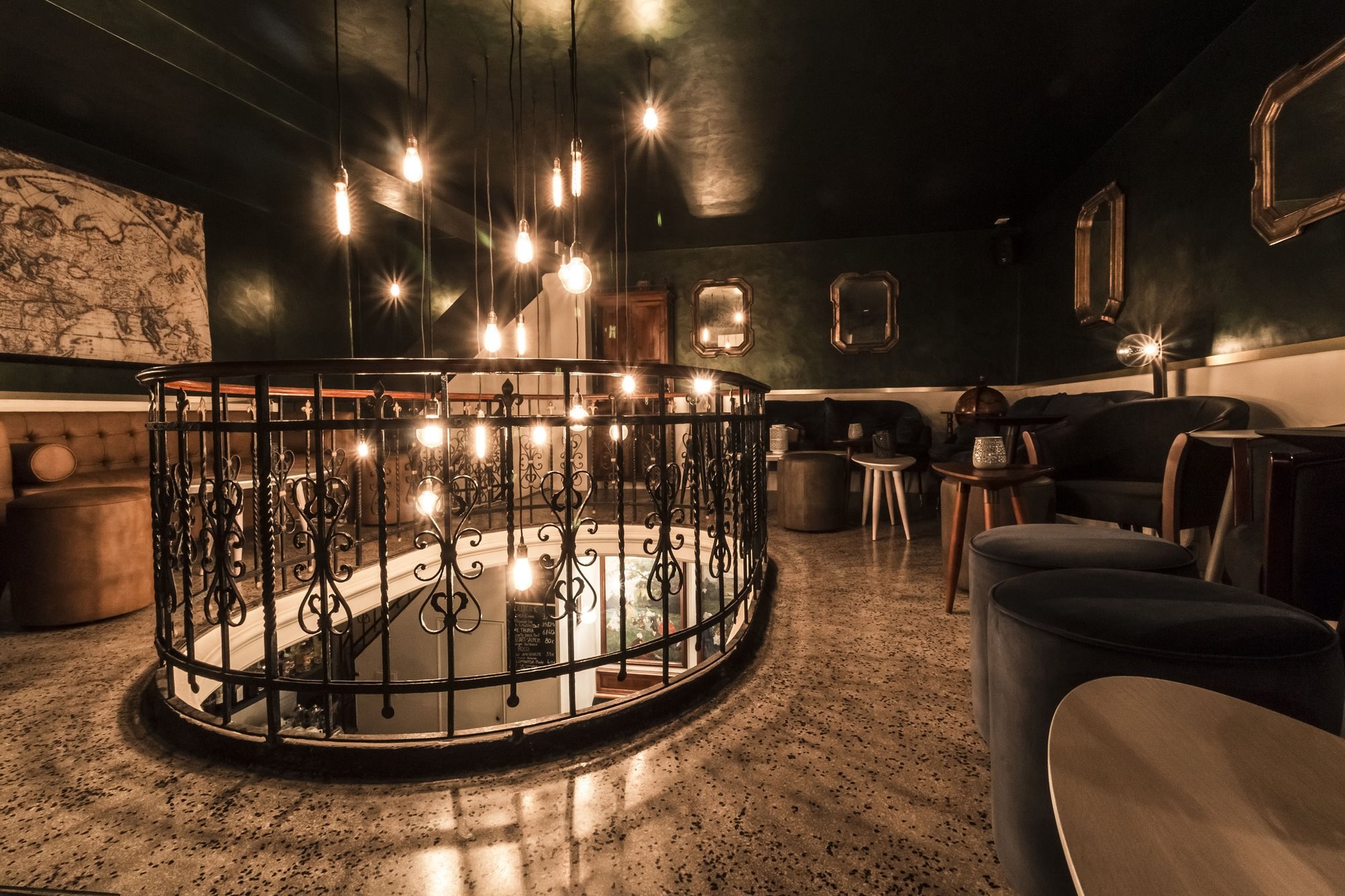
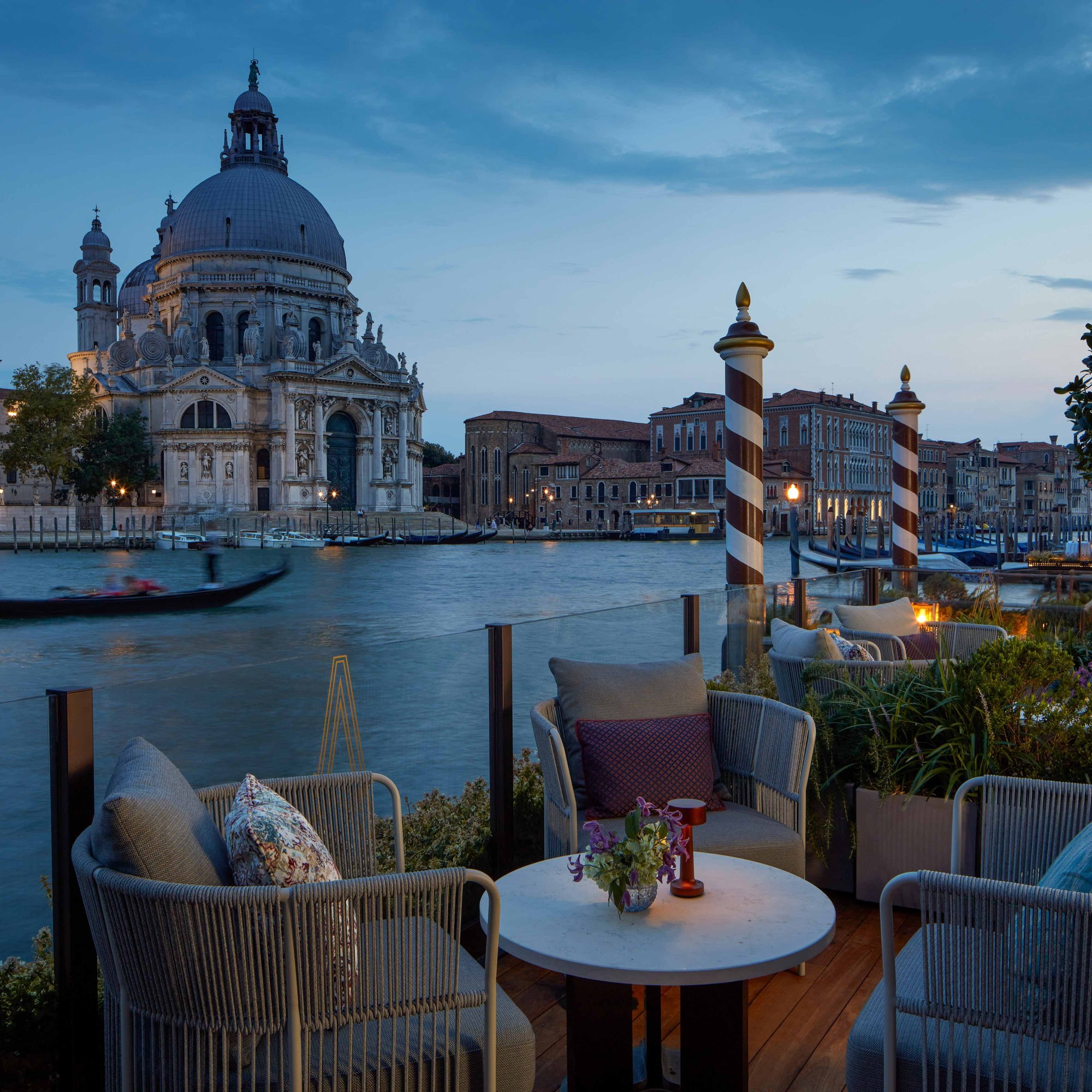
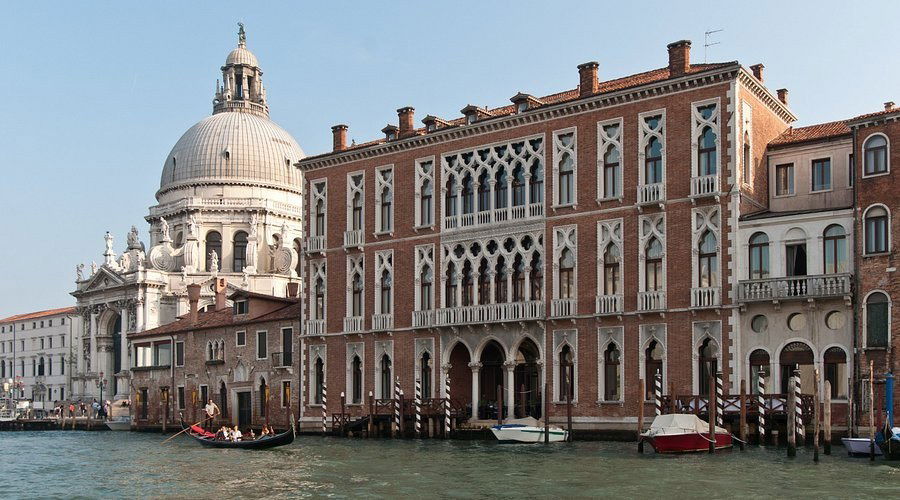
Sina Centurion Palace pairs Venice’s layered history with a confident contemporary edit. Housed in the former Palazzo Genovese, the property presents a neo‑Gothic canal façade but flips expectations once inside: coffered ceilings treated with modern materials, velvet curtains, and a color palette in gold, aqua, and terracotta that intentionally diverges from the usual Venetian reds and gilt. The result is a design-forward grand hotel that reads both historic and modern at once—ornamental in silhouette but curated and considered in its interiors—appealing to travelers who want palazzo drama reframed through a contemporary lens.
Best For
The hotel is ideally suited to culture-minded travelers and couples seeking an elevated, design-conscious stay in Dorsoduro. Its Grand Canal address places guests within easy walking distance of the Peggy Guggenheim Collection, Punta della Dogana, and Santa Maria della Salute, so museum visits and gallery-hopping are natural itineraries. As a five‑star, design-forward palazzo it also works well for romantic getaways and special-occasion stays where stylish interiors and a canal setting matter as much as proximity to the city’s contemporary art nodes.
Stay Tips
Prioritize rooms that emphasize the building’s restored interiors to experience the hotel’s contemporary take on palazzo details—ask about accommodations that showcase original architectural elements and the curated color and material palettes. Given the property’s Grand Canal address, check availability of rooms with canal views if waterfront outlooks are important; being located in Dorsoduro means you can walk to the Peggy Guggenheim Collection and Punta della Dogana, so plan museum visits on foot from the hotel to make the most of its neighborhood location.
Venue details
Ambiance
Elegant and stylish atmosphere with modern interiors, canal views, and attentive service praised in guest reviews.
Tags
Vibe
Best For
Experience
Amenities
View
Accessibility
About the Stay
- Rooms
- 50
- Check-in
- 15:00
- Check-out
- 11:00
- Property Style
- Historic Venetian Palazzo with Contemporary Interiors
- Design Style
- Modern Eclectic with Vibrant Colors and Bespoke Furnishings
Know before you go
Know Before You Go
- Getting there
- Dorsoduro, 173, 30123 Venezia VE
Planning details
Location
Dorsoduro, 173, 30123 Venezia VE · Directions



Also consider
Also Consider
- Ca Maria Adele, Notable alternative
- Hotel Gritti Palace, Notable alternative
- The St. Regis Venice, Notable alternative
- Hotel Flora, Notable alternative
- Charming House DD.724, Notable alternative
Hotel context
How it compares in Venice
Choose Sina Centurion Palace if Dorsoduro is a selling point and the rate sits below the bigger luxury names. Hotel Gritti Palace and The St. Regis Venice are stronger for travelers who want a grander address, broader brand infrastructure, and a more obvious splurge. They are also likely to be tougher value plays when pricing is high.
Ca Maria Adele is the better cross-shop for intimacy and atmosphere in a smaller-format stay. Charming House DD.724 makes sense for travelers who want design without chasing the full luxury-hotel package. Hotel Flora is the budget-conscious alternative if charm and location matter more than formal recognition.
For booking difficulty, treat Sina Centurion Palace as a hard reservation on fixed Venice dates, especially in peak cultural and holiday periods. If it is unavailable, Ca Maria Adele is the closest mood-based substitute, while The St. Regis Venice is the safer choice for travelers who prefer major-brand consistency.
Explore Venice
Around this place
Discover more on Pearl
Unlock the full Sina Centurion Palace guide in Pearl, including awards, comparisons, FAQs, planning details, and nearby places.
Compare Sina Centurion Palace
| Venue | Location | Awards |
|---|---|---|
| Sina Centurion Palace | Venice | 2026 Virtuoso Luxury Hotel Collection2026 Forbes Recommended2025 Michelin Selected Hotels2025 Forbes RecommendedSmall Luxury Hotels Member 2025 |
| Ca Maria Adele | Venice | 2026 Mr & Mrs Smith Luxury Hotels2026 La Liste Top Hotels |
| Hotel Gritti Palace | Venice | 2026 Forbes 4-Star2026 Virtuoso Luxury Hotel Collection2026 La Liste Top Hotels2026 Michelin 2 Keys2025 Michelin 2 Keys2025 Forbes 4-Star2024 Michelin 2 Keys |
| The St. Regis Venice | Venice | 2026 Virtuoso Luxury Hotel Collection2026 Forbes 4-Star2026 Michelin Guide New Hotels2026 La Liste Top Hotels2025 Michelin Selected Hotels2025 Forbes 4-Star |
| Hotel Flora | Venice | 2026 Mr & Mrs Smith Luxury Hotels2026 Michelin 1 Key2025 Michelin 1 Key |
| Charming House DD.724 | Venice | No published awards |




How Sina Centurion Palace Venice compares with similar nearby venues.
FAQ
Frequently Asked Questions
What is check-in like at Sina Centurion Palace?
For check-in timing and procedures, contact the hotel before arrival. Sina Centurion Palace is a recognized hotel in Venice, with MICHELIN Guide, Hotels Selected (2025), Forbes Recommended (2026), Small Luxury Hotels of the World Member (2025), and Virtuoso Luxury Hotel Partner (2026) recognition.
Do loyalty programs work at Sina Centurion Palace?
The hotel-network signals are Small Luxury Hotels of the World Member (2025) and Virtuoso Luxury Hotel Partner (2026). For any chain-style points program or advisor benefits, confirm booking benefits directly with the hotel or your advisor.
How is the location of Sina Centurion Palace?
How does Sina Centurion Palace compare to nearby hotels?
Sina Centurion Palace has recognition from Small Luxury Hotels of the World, Forbes, Virtuoso, and the MICHELIN Guide hotel selection. Hotel Gritti Palace, The St. Regis Venice, Ca Maria Adele, Hotel Flora, and Charming House DD.724 are useful Venice comparisons, but the best choice depends on the specific room, rate, and stay details available for your dates.
Is Sina Centurion Palace family-friendly?
For family facilities or a family-focused setup, check directly before booking. Sina Centurion Palace is a Venice hotel with Forbes Recommended (2026) and MICHELIN Guide, Hotels Selected (2025) recognition.
How is the dining at Sina Centurion Palace?
For cuisine, restaurant format, and meal service, confirm current dining details directly with the hotel. Treat the hotel recognition as recognition of the stay rather than proof of any particular dining experience.
When is the best time to book Sina Centurion Palace?
If you are considering Sina Centurion Palace, compare current rates and availability in Venice and confirm any benefits tied to its Virtuoso Luxury Hotel Partner (2026), Forbes Recommended (2026), Small Luxury Hotels of the World Member (2025), or MICHELIN Guide, Hotels Selected (2025) recognition.