
El Santuario Resort & Spa
Valle de Bravo, Valle del Bravo
Hotel in Valle del Bravo, Mexico
 Book with Pearl
The Read
Sierra Madre Highland Retreat
Price
$100–200per night
Why go
El Santuario Resort & Spa is worth considering for a Valle del Bravo leisure stay built around quiet atmosphere, spa time, and a resort-style base near the lake. It is less compelling for travelers who want a walkable town hotel, so compare it with La Casa Rodavento and Cinco Rodavento if access and flexibility matter more than on-property time.
About El Santuario Resort & Spa
El Santuario Resort & Spa is a Valle del Bravo stay featuring a smart casual dress code and Preferred Hotels Member recognition in 2025. For other specific services, amenities, dining, or arrival logistics, guests should confirm details directly.
Use it as a candidate when you want a stay in Valle del Bravo and are comfortable checking the latest details with the property before booking. If you are comparing options, consider El Santuario Resort & Spa alongside La Casa Rodavento, Cinco Rodavento, C. Jose Guadalupe Posada 116, Nido de Quetzalcoatl, or other relevant stays based on the specific trip you are planning.
About El Santuario Resort & Spa
Its Preferred Hotels Member recognition in 2025 gives travelers a clear point of reference when comparing El Santuario Resort & Spa with other stays. Guests should confirm other important trip details directly with the venue.
Avoid building the booking around unconfirmed assumptions about amenities, dining, service style, or exact location details beyond Valle del Bravo. Treat the hotel as a short-list option, then confirm what matters most for your dates before committing.
Who should book, and who should cross-shop first
Book if El Santuario Resort & Spa fits the kind of Valle del Bravo stay you want and the property confirms the details that matter for your trip. Cross-shop first if you need a specific dining setup, nightlife access, work-friendly logistics, or other clearly defined requirements. For more local planning context, use Valle del Bravo hotels guide, then compare with other Valle del Bravo dining, bars, and experiences resources.
The clearest recommendation is this: choose El Santuario Resort & Spa when its details match your plans. If your stay depends on a specific amenity, service, schedule, or location detail, verify it directly before booking.
Planning details
- Location
- Carretera a Colorines Km. 4.5 San Gaspar del Lago, 51217 Valle de Bravo, Méx.
- Website
- elsantuario.com
- Phone
- +52 726 262 9100
The take
The Take
The Vibe
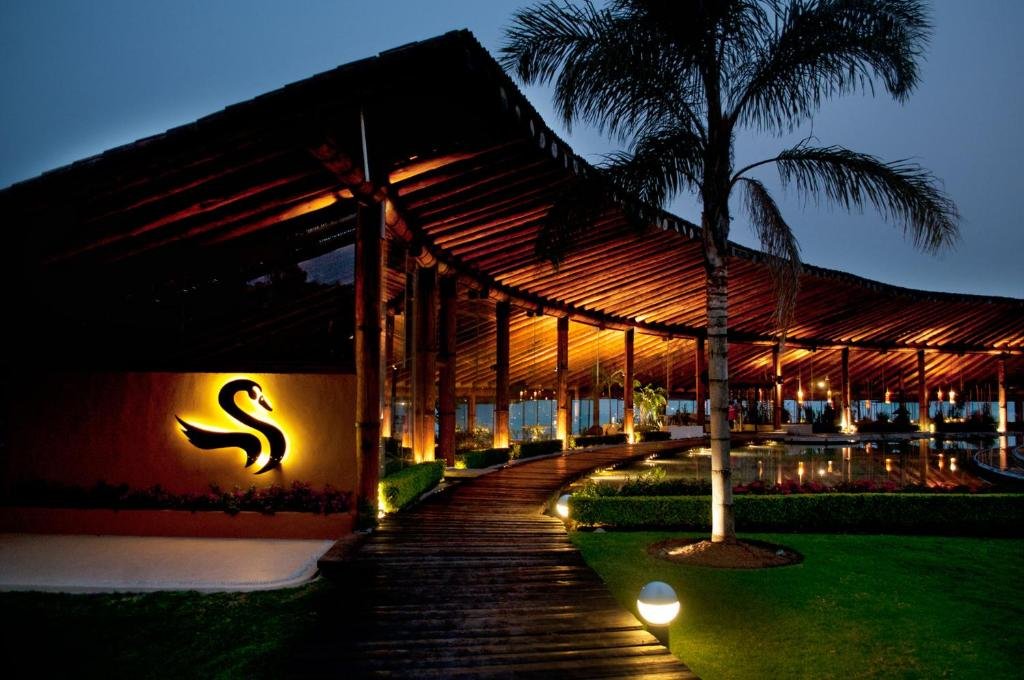
El Santuario reads as an architectural retreat where highland geology and colonial building logic shape the guest experience. The resort carves itself into the volcanic hillside in a series of terraced volumes, favoring heavy masonry, interior courtyards and site-responsive geometry over a flashy, branded aesthetic. That regional rigor produces a quietly refined atmosphere: material honesty and measured composition replace grand gestures, and the land is treated as collaborator rather than backdrop. The result is a historically rooted, rustic-classic resort that feels deliberate and serene, calibrated to highlight the surrounding pine-and-eucalyptus highlands.
Best For
This resort suits travelers seeking a design-forward escape anchored in nature rather than a mainstream luxury brand experience. With 135 rooms and an emphasis on site and architecture, it appeals to wellness-minded guests, couples on romantic getaways, and families who value calm, landscape-driven programs over high-volume amenity packs. The property’s terraced layout and colonial-inspired courtyards make it particularly appealing for those who prize contemplative outdoor moments and quiet exploration of Valle de Bravo’s highland terrain, where the environment itself is the primary draw.
Stay Tips
When booking, prioritize rooms or suites that engage the hillside and terraces, since the resort’s most compelling qualities are revealed in how the buildings descend into the landscape. Ask about accommodations that face the slopes or interior courtyards to maximize the sense of seclusion and connection to the pine-and-eucalyptus surroundings. Given the property’s deliberate, regional design approach, plan time to wander the terraces and courtyard spaces rather than treating the stay as simply a stopover; the architecture and grounds are central to the experience.
Venue details
Ambiance
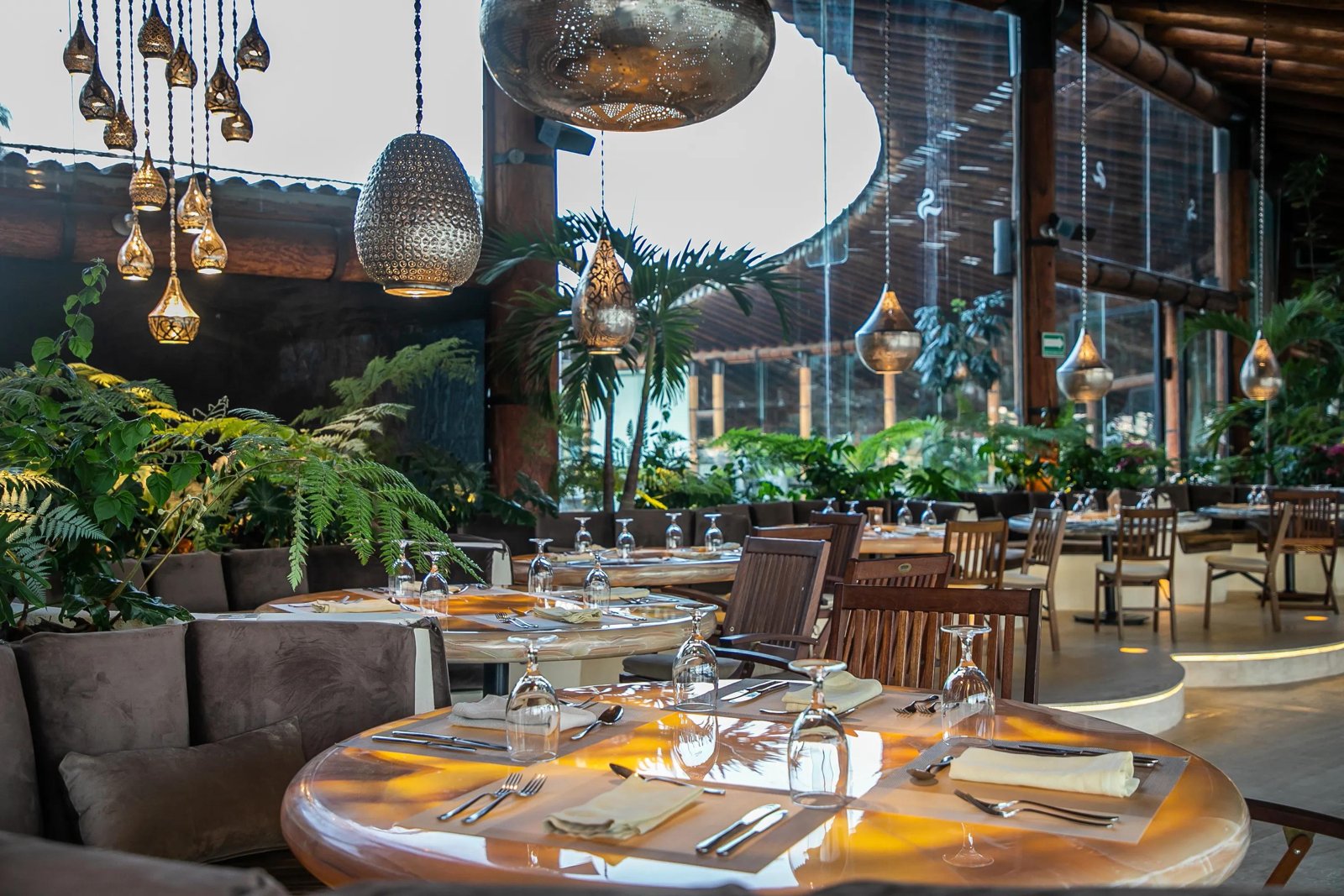
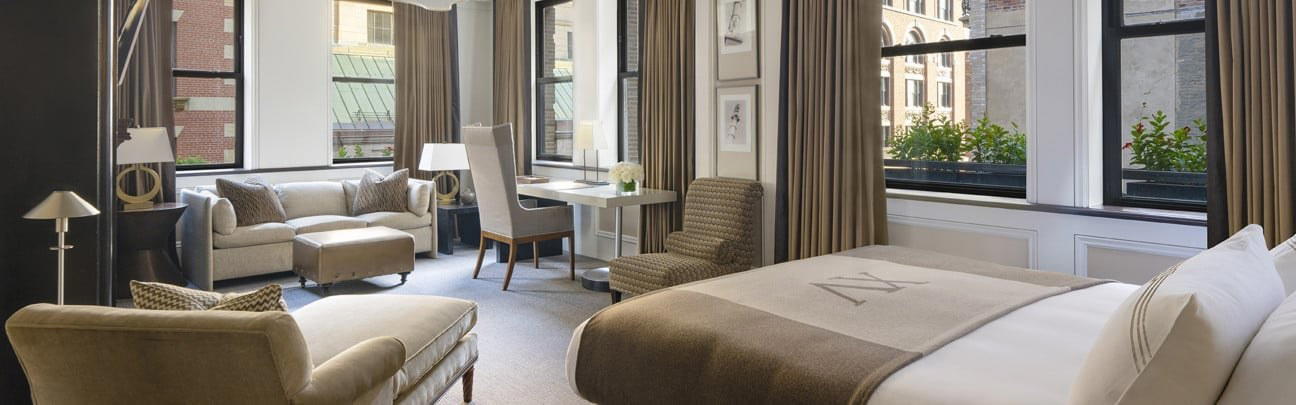
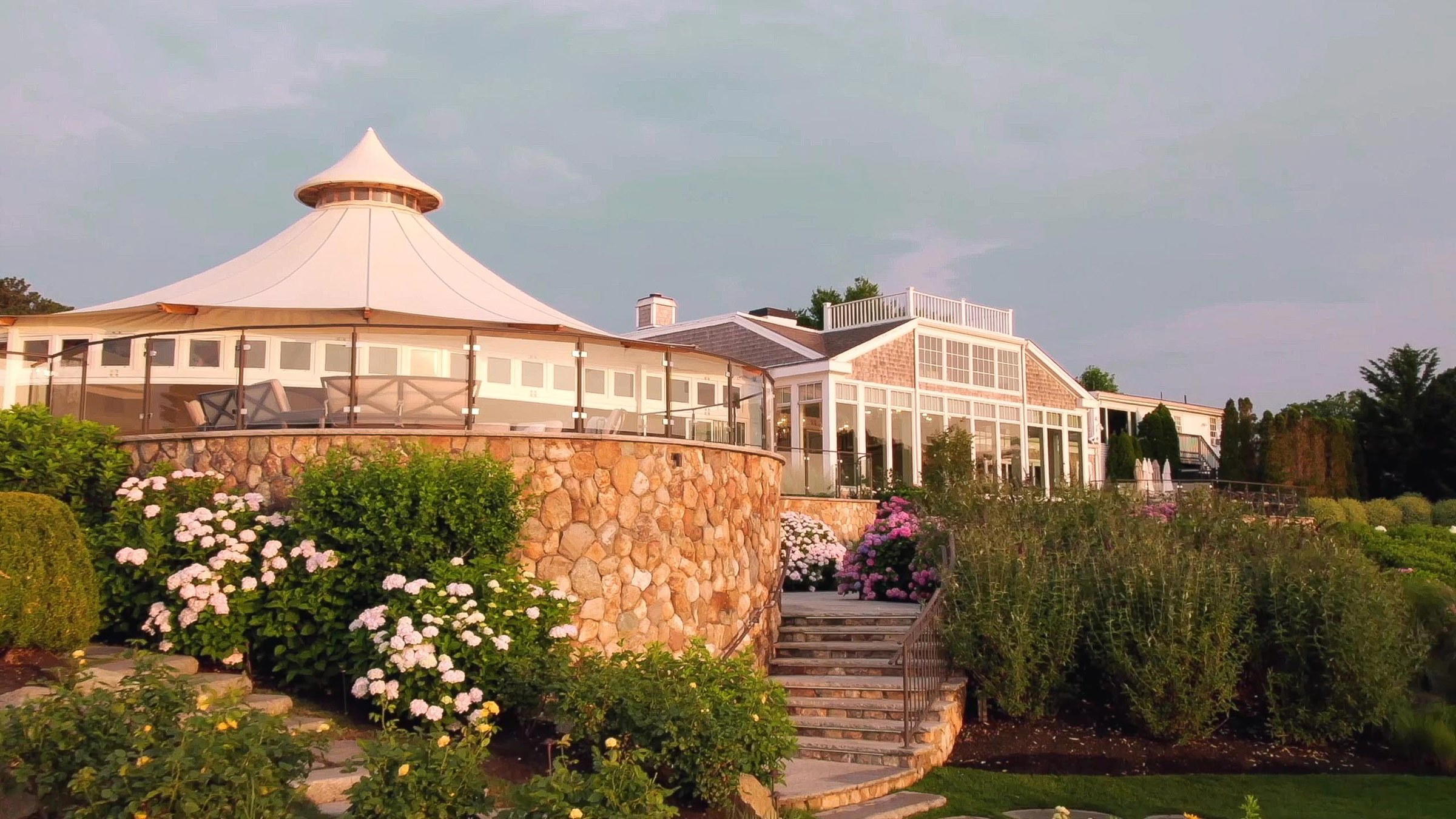
Serene and tranquil with natural lighting from expansive lake views, lush gardens, and peaceful mountain surroundings; designed for relaxation and wellness.
Tags
Vibe
Best For
Experience
Amenities
View
Accessibility
About the Stay
- Rooms
- 135
- Check-in
- 15:00
- Check-out
- 11:00
- Property Type
- Boutique hotel
- Property Style
- Upscale Lakeside Resort Blending Wellness, Nature Immersion, and Luxury Hospitality with Emphasis on Holistic Healing and Sensory Experiences.
- Design Style
- Contemporary Elegant with Natural Materials, Lake View Terraces, Lush Gardens, and Spa Inspired Interiors Emphasizing Tranquility and Connection to Nature.
- Airport Transfer
- Available
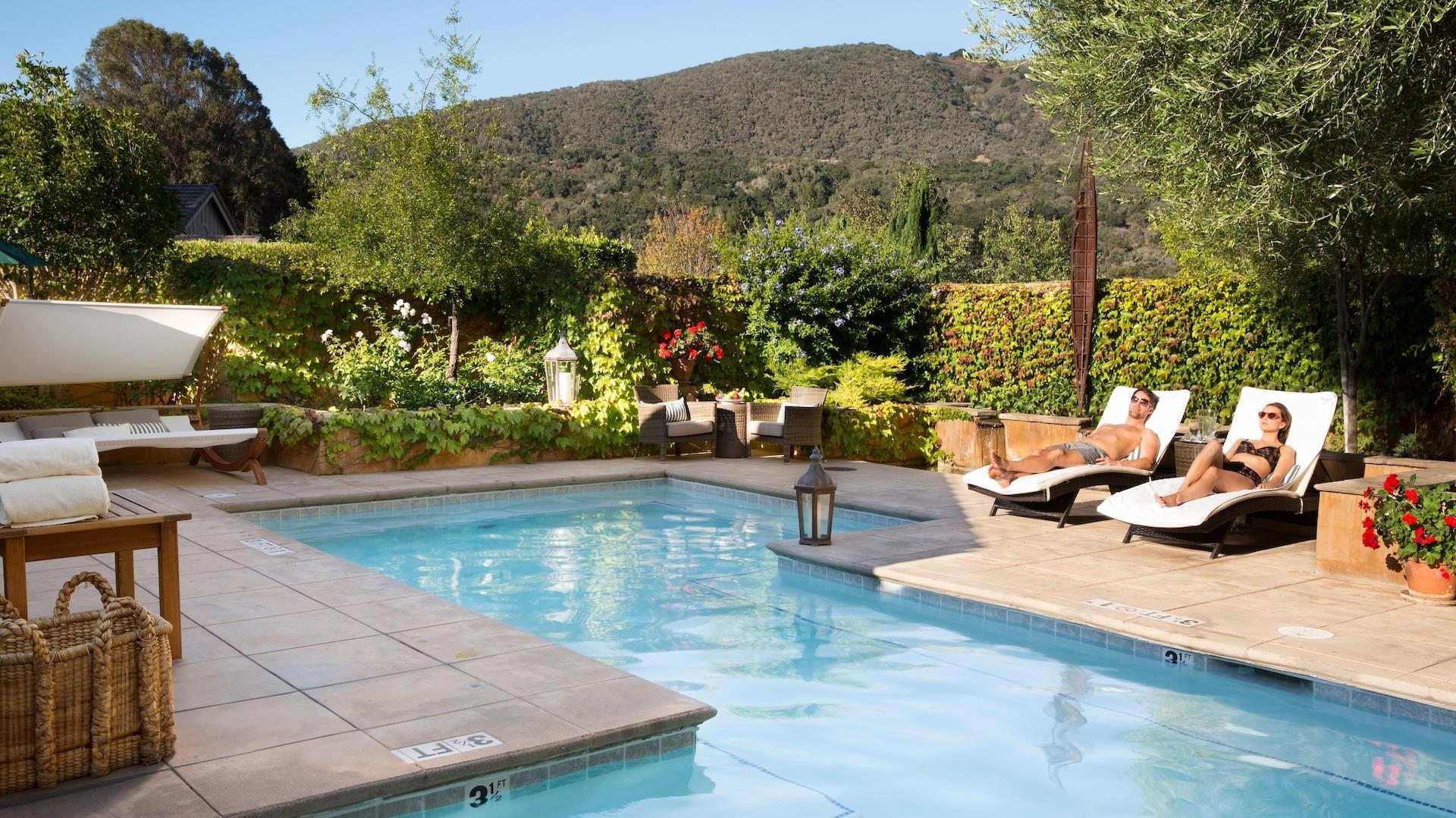
- Pool
- Yes
- Spa
- Yes
- Families
- Welcome
- Cancellation
- Moderate
Know before you go
Know Before You Go
- Getting there
- Carretera a Colorines Km. 4.5 San Gaspar del Lago, 51217 Valle de Bravo, Méx.
Planning details
Location
Carretera a Colorines Km. 4.5 San Gaspar del Lago, 51217 Valle de Bravo, Méx. · Directions
Recognition and awards
Also consider
Also Consider
- La Casa Rodavento, Notable alternative
- Cinco Rodavento, Notable alternative
- C. Jose Guadalupe Posada 116, Notable alternative
- Hotel Distrito Capital, Notable alternative
- Nido de Quetzalcoatl, Notable alternative
Hotel context
How it compares in Valle del Bravo
El Santuario Resort & Spa is the stronger pick when the hotel is meant to carry the trip: spa focus, lake-area calm, and a more contained resort rhythm. La Casa Rodavento and Cinco Rodavento are better cross-shops if access to town and a more flexible base matter more than spending long stretches on property.
For value, the decision comes down to how much time will be spent at the hotel. If the stay is mostly sleep, meals out, and activities around Valle del Bravo, the Rodavento options may feel more efficient. If the plan is a slower weekend with spa time and lake-area atmosphere, El Santuario Resort & Spa makes more sense, especially with its Preferred Hotels Member recognition in 2025.
C. Jose Guadalupe Posada 116, Hotel Distrito Capital, and Nido de Quetzalcoatl are less direct substitutes for a Valle del Bravo resort stay. Use them as broader design-led hotel references, not as like-for-like local replacements. For this trip, the practical shortlist stays between El Santuario and the two Rodavento properties.
Explore Valle del Bravo
Around this place
Discover more on Pearl
Unlock the full El Santuario Resort & Spa guide in Pearl, including awards, comparisons, FAQs, planning details, and nearby places.
Compare El Santuario Resort & Spa
| Venue | Location | Awards |
|---|---|---|
| El Santuario Resort & Spa | Valle del Bravo | Preferred Hotels Member 2025 |
| La Casa Rodavento | Valle De Bravo | No published awards |
| Cinco Rodavento | Valle De Bravo | No published awards |
| C. Jose Guadalupe Posada 116 | Toluca | No published awards |
| Hotel Distrito Capital | Mexico City | No published awards |
| Nido de Quetzalcoatl | Naucalpan De Juarez | No published awards |
How El Santuario Resort & Spa compares with similar nearby venues.
FAQ
Frequently Asked Questions
Do loyalty programs work at El Santuario Resort & Spa?
El Santuario Resort & Spa holds Preferred Hotels Member status in 2025. Confirm directly with the property or Preferred Hotels if you need details about benefits, booking channels, or any program-specific terms.
Is El Santuario Resort & Spa good for business travel?
It may work for some Valle del Bravo trips, but business-travel amenities or services are not specified. If work logistics are important, confirm the details directly and compare with Hotel Distrito Capital or other options that fit your itinerary.
How does El Santuario Resort & Spa compare to other hotels?
Key details include its Valle del Bravo location, smart casual dress code, and 2025 Preferred Hotels Member recognition. Compare these with La Casa Rodavento, Cinco Rodavento, C. Jose Guadalupe Posada 116, Nido de Quetzalcoatl, and other relevant stays based on the specific services you need.
What is check-in like at El Santuario Resort & Spa?
How is the pool and spa at El Santuario Resort & Spa?
Specific pool or spa details are not provided beyond the venue name. If those features are important to your stay, confirm current availability and service details directly with the property.
How is the dining at El Santuario Resort & Spa?
Dining details are not specified. If meals are a major part of the decision, confirm the current offering directly with El Santuario Resort & Spa and compare with other Valle del Bravo options.
When is the best time to book El Santuario Resort & Spa?
Booking patterns or seasonal guidance are not specified. If timing matters, check availability directly with El Santuario Resort & Spa for your Valle del Bravo dates.