
Alpin Royal Wellness Refugium
Valle Aurina (Aurina Valley), Valle Aurina
Hotel in Valle Aurina, Italy
 Book with Pearl
The Read
Curved-Lodge Alpine Wellness
Why go
Choose Alpin Royal Wellness Refugium if Valle Aurina's quiet mountain setting and a wellness-led stay are the point of the trip. Its 2025 Small Luxury Hotels of the World membership is the main quality signal; value depends on how much time you plan to spend on-property versus using it as a base.
About Alpin Royal Wellness Refugium
For 2025, Alpin Royal Wellness Refugium is listed as a Small Luxury Hotels of the World Member, which gives travelers a clearer reason to consider a stay in Valle Aurina. The dress code is smart casual, a small but practical detail that helps set expectations without overstating the atmosphere. Beyond those points, the safest reading is restrained: use the location, dress code, and brand affiliation as the main anchors, and avoid assuming specific room, dining, or amenity details. In other words, the property has enough context to be considered seriously, but not enough detail to support a feature-by-feature recommendation.
The recommendation is conditional but clear: choose this property if Valle Aurina is the priority and the booking terms make sense for the trip. Skip it if you need a long list of room categories, dining details, facilities, or inclusions before committing. With limited detail, the safer value play is to judge the stay by location, the Small Luxury Hotels of the World signal, the smart-casual dress code, and your own itinerary needs rather than by promised extras. That makes this less of an automatic pick and more of a fit-based choice: it works best when the known strengths align with what you already want from the trip.
Worth it for a Valle Aurina base, less compelling for itinerary-heavy travelers
Valle Aurina is the selling point: this is a stay to consider when the destination itself is central to the trip. That matters for value. Travelers who plan to spend meaningful time in the area are more likely to see the point of booking here, because the location is doing real work in the decision. Travelers who only need a place to sleep between plans should compare carefully before paying more, since a room used mainly as a stopover has to justify itself through details that are not fully available.
The property's strongest fit is for travelers who value Valle Aurina and the confidence signal of Small Luxury Hotels of the World membership. It is less direct to assess for families, groups, or highly specific stays because room layouts, policies, facilities, and inclusions are not detailed. That does not make it a poor fit; it simply means the burden shifts back to the traveler to confirm the essentials before booking. For a price-sensitive stay, confirm what is included before choosing a higher room category; paying extra only makes sense if the property confirms what changes.
The value question is location first, property details second
The practical decision is whether Valle Aurina itself is the point of the stay. If yes, Alpin Royal Wellness Refugium has a clearer case: the location fits that brief, and the 2025 Small Luxury Hotels of the World membership adds a useful quality signal. If not, compare it carefully with other options, especially properties where dining, room types, and policies are clearer upfront. The less time you expect to spend engaging with the property or its immediate setting, the more important those missing specifics become.
For readers building a wider itinerary, start with our full Valle Aurina hotels guide. If dining or activities are driving the trip more than the property itself, cross-check other Valle Aurina resources before overpaying for a room you will barely use. The cleanest approach is to treat this as a location-led candidate with a credible brand affiliation, then let inclusions, booking terms, and your actual schedule decide whether it belongs on the shortlist.
Planning details
- Location
- Frazione Costa Molini, 98, 39030 Valle Aurina BZ
- Website
- alpinroyal.com
- Phone
- +39 0474 651070
The take
The Take
The Vibe
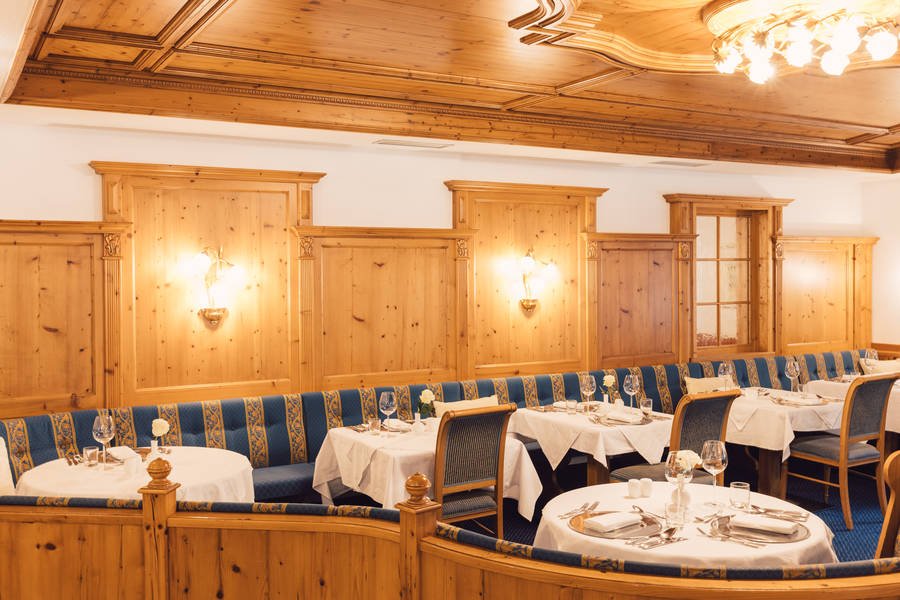
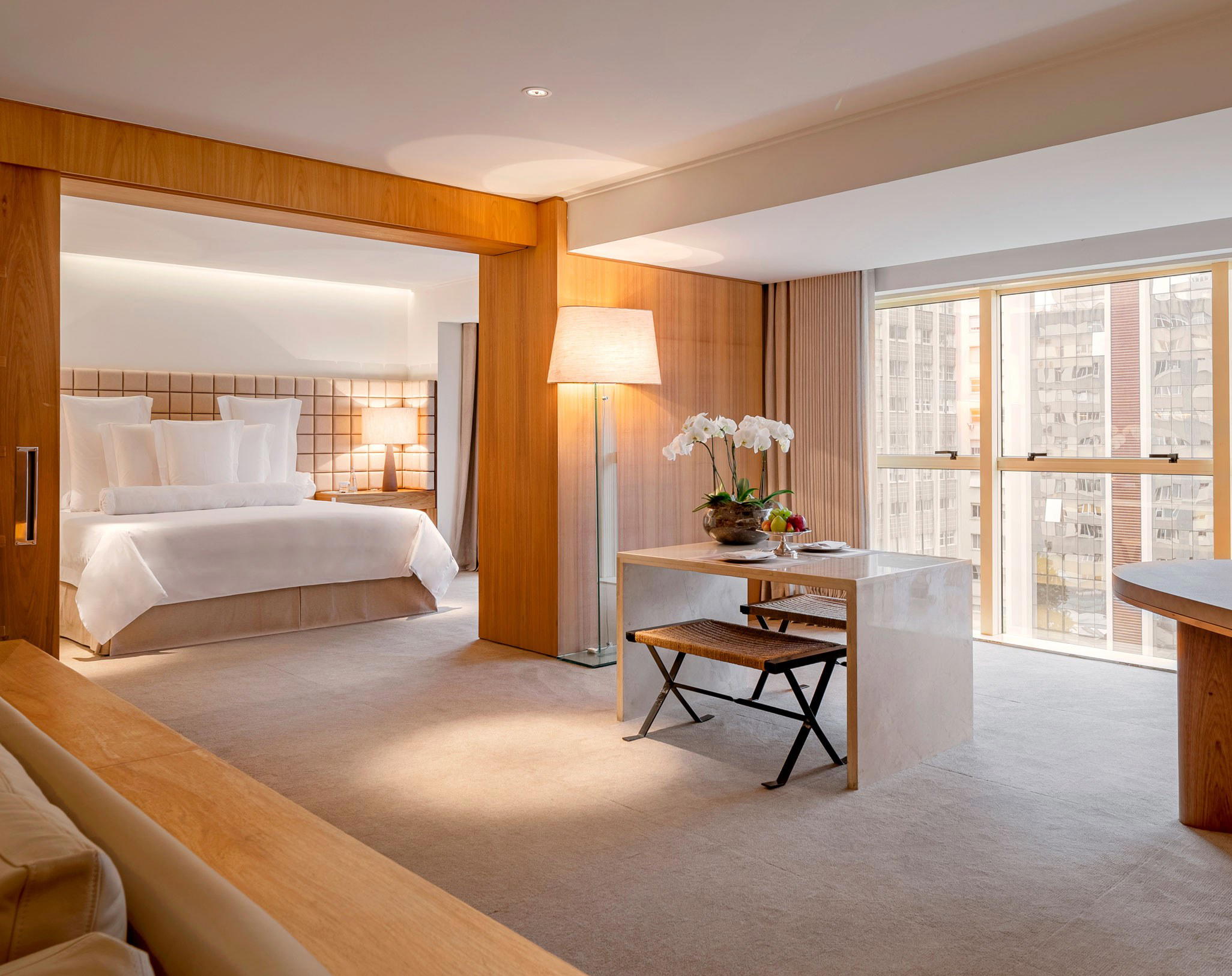
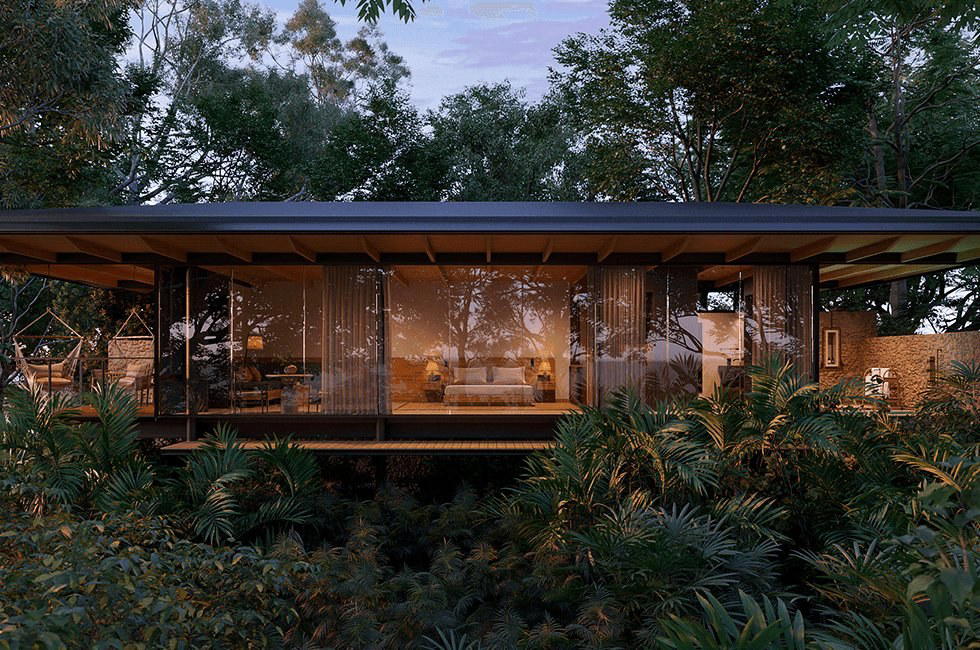
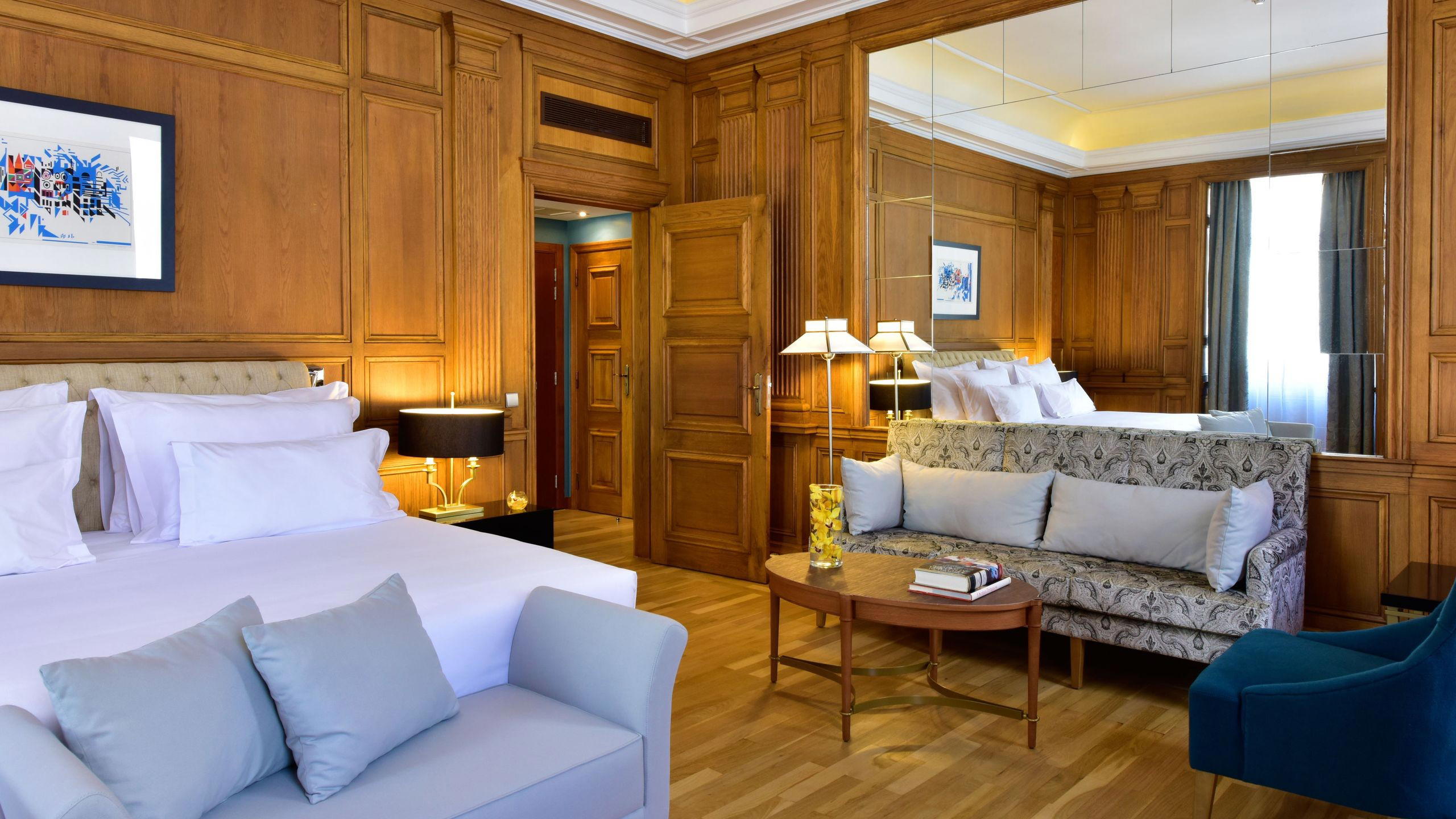
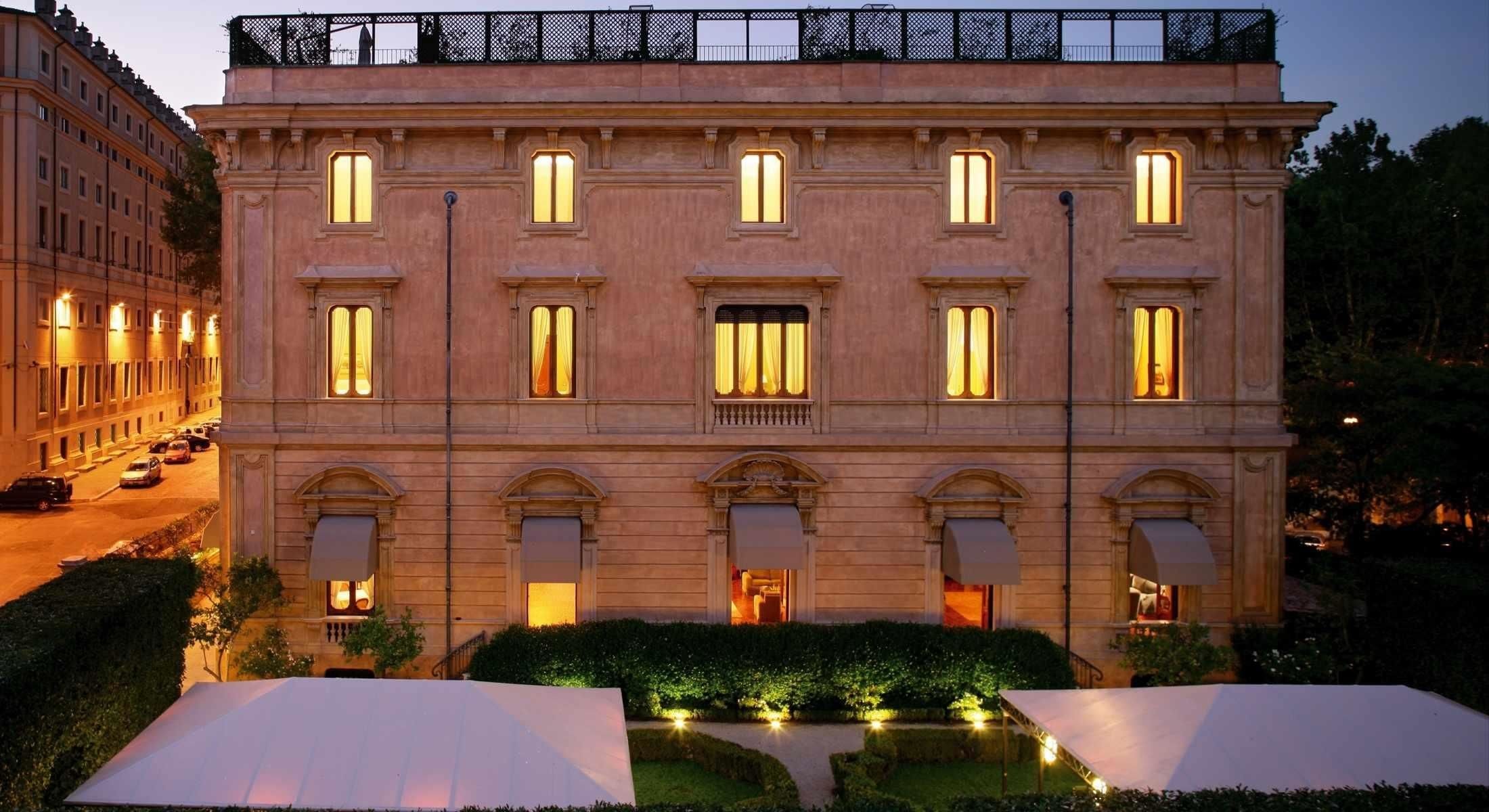
Alpin Royal positions itself at the intersection of contemporary design and Alpine tradition. The building’s gentle curve and considered material choices signal an architecture-led approach rather than a literal vernacular pastiche. Inside, traditional arts-and-crafts detailing is balanced with refined modern finishes so the interior reads as purposeful and inviting rather than archival or stark. The setting in the quieter upper valley reinforces a tranquil, low-key temperament: this is a place where design decisions are deliberate and restrained, and where the building’s relationship to the landscape feels integral to the guest experience.
Best For
This is a solid pick for travelers who want an architecturally-minded wellness escape in the Alps. The hotel’s name and framing as a wellness refugium make it particularly suited for wellness retreats and weekend escapes; its quieter upper-valley location also works well for couples on a romantic getaway and families seeking a calm base for exploring the region. The property’s thoughtful contemporary-meets-traditional design will appeal to guests comparing South Tyrolean hotels who value design sensibility without sacrificing the warmth associated with Alpine stays.
Venue details
Ambiance
Luxurious yet warm alpine setting with natural materials, mountain views from balconies, and a tranquil wellness-focused atmosphere enhanced by personalized service and elegant design.
Tags
Vibe
Best For
Experience
Amenities
View
Accessibility
About the Stay
- Rooms
- 45
- Check-in
- 15:00
- Check-out
- 11:00
- Property Style
- Alpine Luxury Lodge Blending Traditional Tyrolean Hospitality with Contemporary Wellness Design, Positioned as a High End Mountain Retreat.
- Design Style
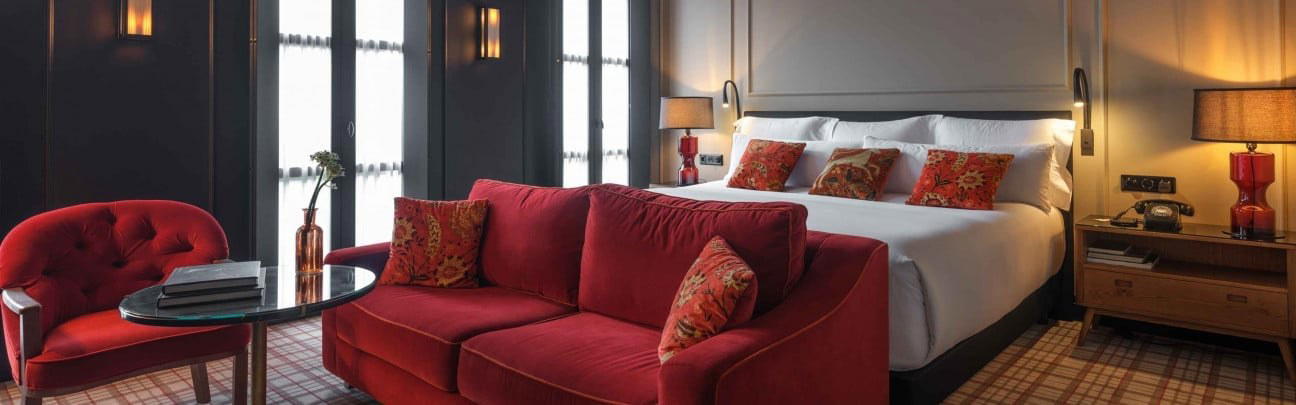
- Alpine Romanticism with Harmonious Mix of Natural Materials, Warm Color Palettes (reds, Greens, Yellows), and Mountain Inspired Décor Throughout Individually Furnished Rooms and Suites.
Know before you go
Know Before You Go
- Getting there
- Frazione Costa Molini, 98, 39030 Valle Aurina BZ
Planning details
Location
Recognition and awards

Also consider
Also Consider
- Olm Nature Escape - Eco Aparthotel, Notable alternative
- ZillergrundRock Luxury Mountain Resort, Notable alternative
- Huber's Boutiquehotel, Notable alternative
- STOCK resort, Notable alternative
- Ansitz Heufler by Norbert Niederkofler, Notable alternative
Hotel context
How it compares in the Alpine wellness set
Alpin Royal Wellness Refugium is the cleaner choice for travelers who want a Valle Aurina base with a recognized luxury affiliation and an easy booking profile. Olm Nature Escape - Eco Aparthotel reads as the better fit for guests prioritizing an aparthotel format and more independence, while Alpin Royal is more compelling when the stay is meant to feel hotel-led rather than self-directed.
Against ZillergrundRock Luxury Mountain Resort and STOCK resort, the decision is scale and resort energy. Those peers are stronger cross-shops for travelers who want a larger mountain-resort feel; Alpin Royal is the better pick for a quieter Valle Aurina stay where wellness and location carry the decision more than a big-resort checklist.
Huber's Boutiquehotel is the more boutique-coded alternative, while Ansitz Heufler by Norbert Niederkofler is the sharper cross-shop if the trip is built around a named culinary angle. Choose Alpin Royal when spa time and a calm mountain address matter more than a dining-led reason to travel.
Explore Valle Aurina
Around this place
Discover more on Pearl
Unlock the full Alpin Royal Wellness Refugium guide in Pearl, including awards, comparisons, FAQs, planning details, and nearby places.
Compare Alpin Royal Wellness Refugium
| Venue | Location | Awards |
|---|---|---|
| Alpin Royal Wellness Refugium | Valle Aurina | Small Luxury Hotels Member 2025 |
| Olm Nature Escape - Eco Aparthotel | Campo Tures/sand In Taufers | No published awards |
| ZillergrundRock Luxury Mountain Resort | Mayrhofen | 2026 The Longevity Hotels Collection2025 Michelin 1 Key |
| Huber's Boutiquehotel | Mayrhofen | No published awards |
| STOCK resort | Finkenberg | No published awards |
| Ansitz Heufler by Norbert Niederkofler | Rasen Antholz | No published awards |

How Alpin Royal Wellness Refugium compares with similar nearby venues.
FAQ
Frequently Asked Questions
How is the pool and spa at Alpin Royal Wellness Refugium?
Specific pool and spa details are not available. Alpin Royal Wellness Refugium is a Small Luxury Hotels of the World Member for 2025, so travelers should confirm the exact facilities and access terms directly before booking.
When is the best time to book Alpin Royal Wellness Refugium?
Book when the rate and cancellation terms fit your Valle Aurina plans. Specific seasonal demand patterns are not detailed, so planning ahead is sensible if your dates are fixed.
Is Alpin Royal Wellness Refugium family-friendly?
Family policies, room layouts, and child-specific facilities are not available. If traveling with children or a larger group, confirm the details directly and compare with other options such as STOCK resort if it is also on your shortlist.
How does Alpin Royal Wellness Refugium compare to other hotels?
Alpin Royal Wellness Refugium is best evaluated on its Valle Aurina location, smart-casual dress code, and its 2025 Small Luxury Hotels of the World membership. If you are comparing more broadly, you might also look at ZillergrundRock Luxury Mountain Resort, STOCK resort, and Olm Nature Escape - Eco Aparthotel, checking each property directly for the facilities and policies that matter to your trip.
Which room category is best at Alpin Royal Wellness Refugium?
Specific room categories are not listed. Choose only after confirming the differences in space, outlook, inclusions, and cancellation terms directly with the hotel or booking channel.
How is the dining at Alpin Royal Wellness Refugium?
Specific dining details are not available. The dress code is smart casual. If dining is a major reason for the trip, confirm the current offering directly and compare it with other options, including Ansitz Heufler by Norbert Niederkofler if that is on your itinerary.
Is Alpin Royal Wellness Refugium good for business travel?
Business-travel facilities and services are not listed. If you need work-specific support, confirm connectivity, workspace, transport, and timing directly, and compare with alternatives such as Huber's Boutiquehotel if it is relevant to your plans.