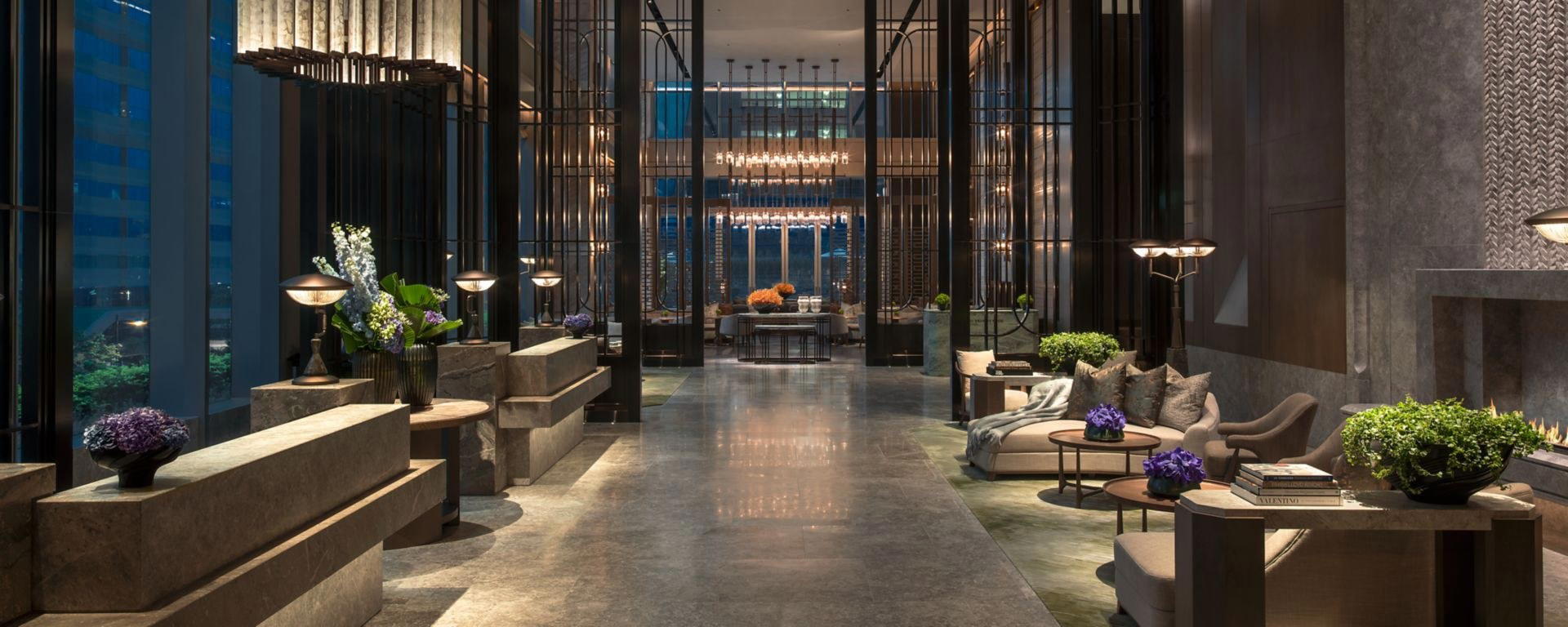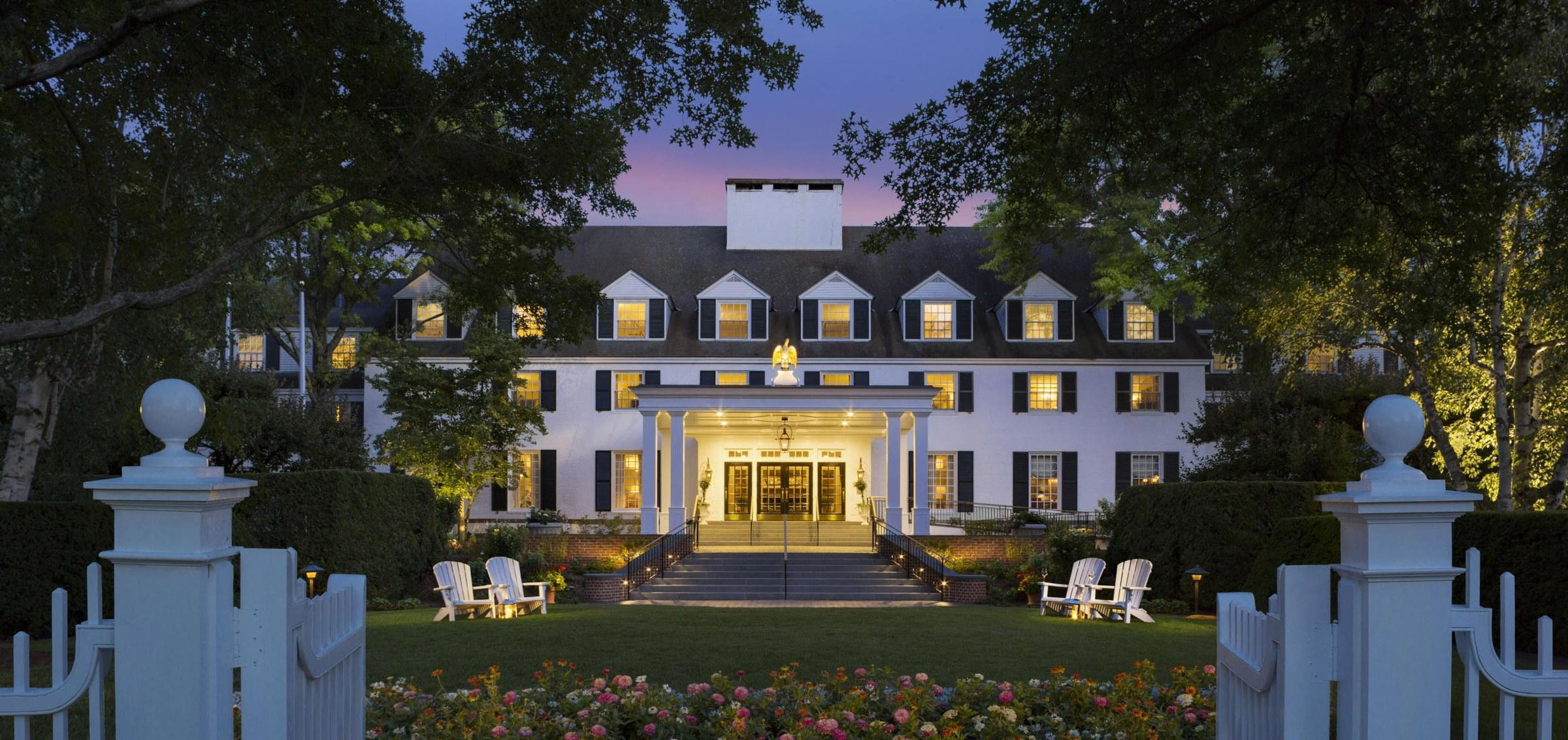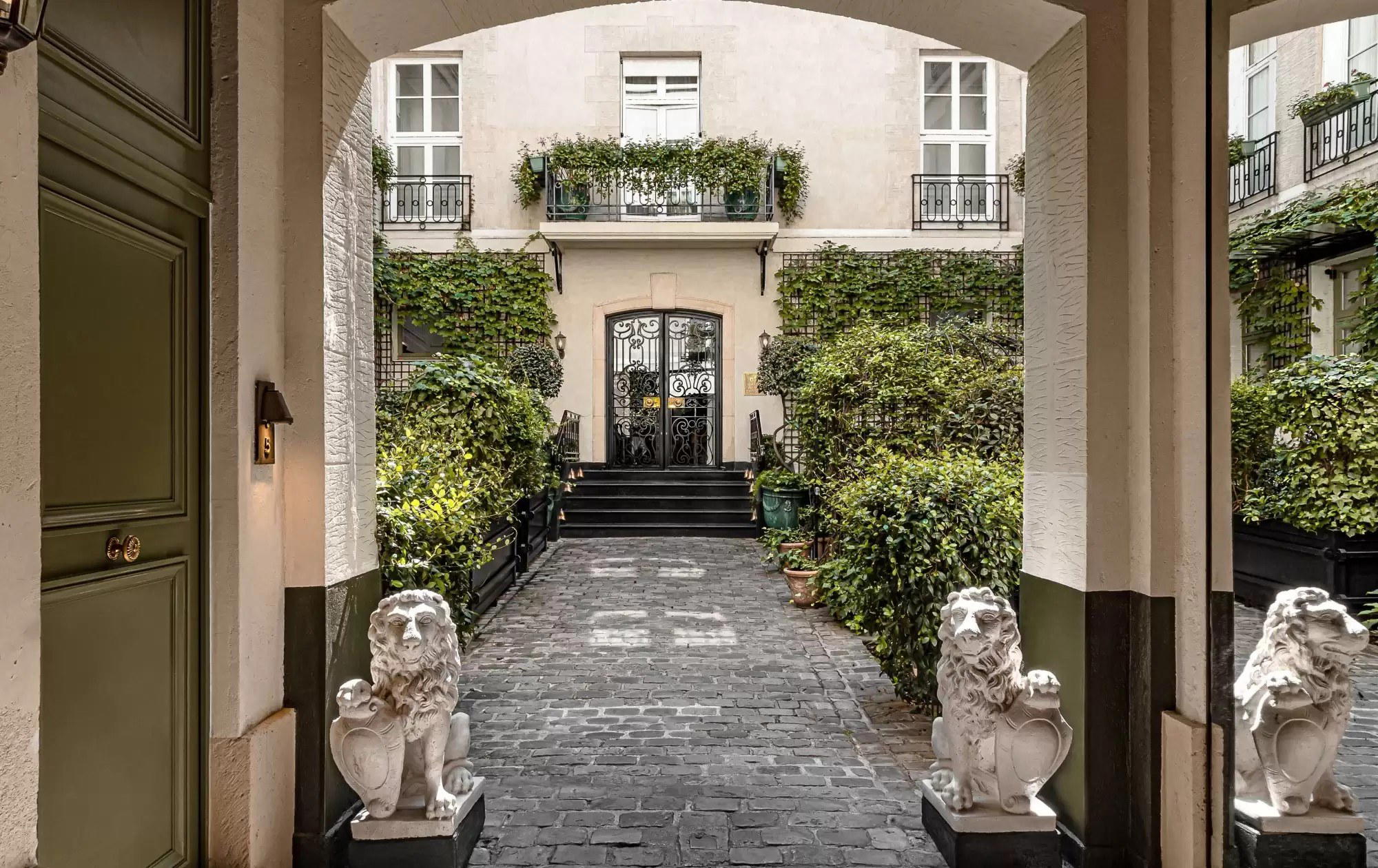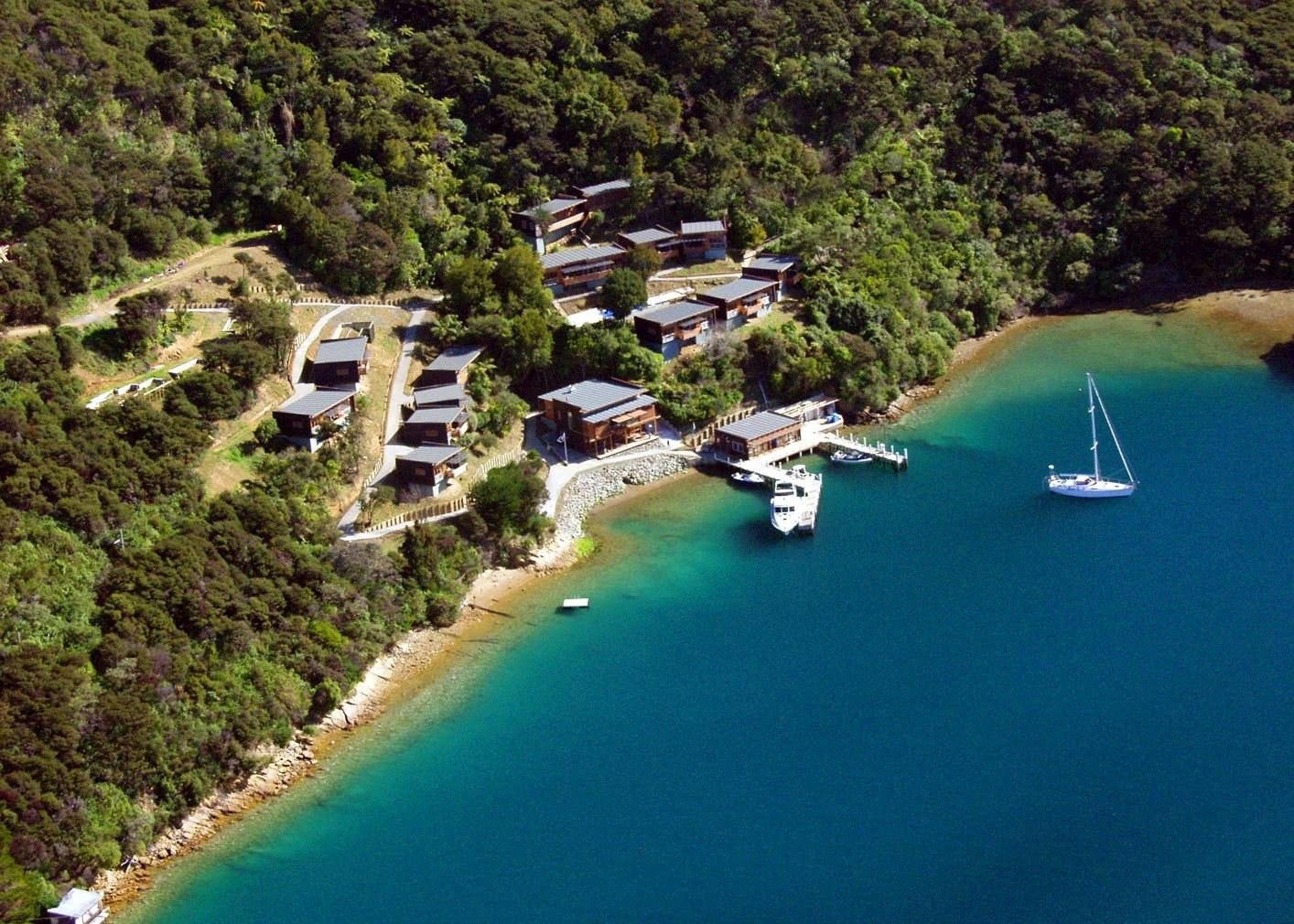

    Hotel in Uong Bi City, Vietnam

    Legacy Yen Tu - MGallery

    150pts

    Sacred Mountain Hospitality

    Legacy Yen Tu - MGallery, Hotel in Uong Bi City

    About Legacy Yen Tu - MGallery

    Carrying Michelin Selected recognition in 2025, Legacy Yen Tu - MGallery occupies a rare position among Vietnam's design-led retreat properties: a hotel built around the sacred geography of Yen Tu Mountain, where Buddhist pilgrimage routes and forest elevation shape the physical experience as much as the rooms themselves. For travellers approaching the Quang Ninh region, it sits in a different category from coastal resort alternatives.

    Where Sacred Topography Becomes Architecture

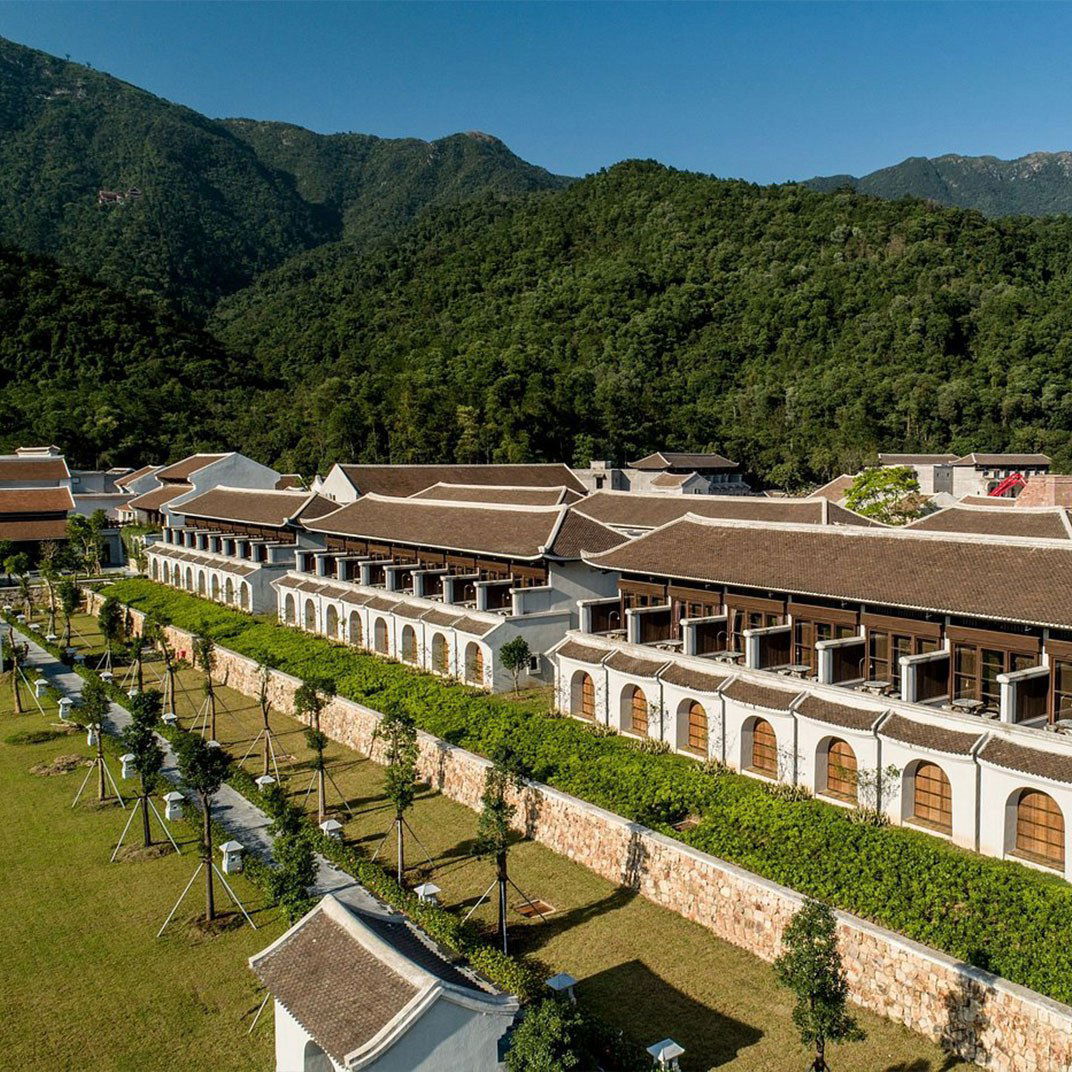
    In northern Vietnam, the relationship between religious landscape and built space is rarely more deliberate than at Yen Tu. The mountain above Uong Bi City has been a Buddhist pilgrimage destination since the thirteenth century, when the Tran dynasty king who became the monk Tran Nhan Tong withdrew here to found the Truc Lam school of Vietnamese Zen. The built environment at Legacy Yen Tu - MGallery responds to that history structurally, not decoratively. The property sits within Thuong Yen Cong Commune, positioned so that the mountain's forested ridgelines and the trails ascending toward the summit pagodas form the actual frame of the guest experience. This is not a hotel that gestures at its surroundings through lobby artwork. The geography is load-bearing.

    That approach places Legacy Yen Tu in a specific tier of Vietnamese hospitality design: properties where site selection and architectural response carry more weight than amenity lists. Comparable thinking appears at resort developments along the Ha Long Bay corridor, including The Yacht Hotel by DC in Ha Long, though the registers differ sharply. Where coastal properties work with water and horizon, Legacy Yen Tu works with canopy, elevation change, and the ritual weight of a site that draws several million visitors annually to its pilgrimage routes.

    MGallery and the Design-Led Collection Model

    The MGallery brand operates as Accor's design-narrative collection, positioning individual properties around a specific story rather than a standardised product. Within that framework, Legacy Yen Tu occupies an unusual slot. Most MGallery properties anchor their narratives in urban heritage or coastal scenery. A property built around a working Buddhist pilgrimage mountain at the edge of the Quang Ninh highlands represents a more demanding site brief. The architecture must earn its place without overwhelming a landscape that carries its own historical authority.

    The MGallery collection in Vietnam already includes Hotel de la Coupole - MGallery in Sapa, another highland property where design and landscape are in active conversation. That property works with French colonial architectural memory set against Hoang Lien Son mountain scenery. Legacy Yen Tu operates in a different register entirely, where the reference points are Vietnamese Buddhist aesthetics and the material palette of the northeastern forest rather than colonial masonry. The two properties make an instructive comparison within the same brand family: both address the challenge of building in places with strong pre-existing cultural gravity, and both have received Michelin Selected recognition in the 2025 hotels list, which signals that the guide's editorial team considers the overall experience coherent enough to warrant recommendation at this level.

    Michelin Selection and What It Signals for the Region

    Michelin's 2025 hotels selection for Vietnam includes properties across the country's main travel corridors, from Hanoi down through the central coast to Ho Chi Minh City and the southern resort zones. Legacy Yen Tu's inclusion is notable precisely because Uong Bi City sits outside those standard corridors. The property is not attached to a beach resort strip, a UNESCO-listed old town, or a capital city dining scene. Its selection reflects a judgment that the experience the hotel offers is coherent and deliverable enough to merit recommendation in its own right, independent of the surrounding infrastructure that typically supports premium hotel positioning in Vietnam.

    For context on how Michelin Selected functions as a tier signal: the designation sits below Michelin Key awards (one, two, or three Keys for exceptional hotels) but above the general listing pool. It indicates a property that the inspectors consider worth a specific detour, not merely adequate for an overnight stop. In a country where properties like Amanoi in Vinh Hy or Banyan Tree Lang Co operate at the highest tier of resort design, the inclusion of a pilgrimage-adjacent mountain property in the north signals that Michelin's Vietnam coverage is actively expanding its geographic and typological range.

    Approaching Uong Bi and Planning a Stay

    Uong Bi City sits in Quang Ninh Province, roughly 60 kilometres east of Hanoi. The province is better known internationally for Ha Long Bay, and most visitors to the region route through Ha Long City or Haiphong as their primary base. Arriving specifically for Yen Tu requires a deliberate routing decision, which is part of what defines the guest profile here. This is not a property that captures passing trade from a beach promenade or an airport transit corridor.

    Travellers combining Legacy Yen Tu with the broader Quang Ninh region have a coherent itinerary available: the pilgrimage routes ascending toward Dong Pagoda on the mountain's upper reaches, the broader Yen Tu National Forest surrounding the property, and the Ha Long Bay access from the provincial coast for those extending their stay. For a broader view of Vietnam's Michelin-recognised hotel landscape, the range runs from northern highlands properties down through central coast retreats such as LANGCO BAY RETREAT in Hue City and Hoiana Hotel and Suites in Duy Xuyen to southern coastal options like The Anam Mui Ne and L'Azure Resort and Spa in Phu Quoc. Legacy Yen Tu's positioning within that spread is geographically and conceptually distinct from all of them.

    For booking, the MGallery brand operates through Accor's central reservation system, which means availability can be checked through Accor's global platform. Given the property's specific cultural calendar, timing matters: the Yen Tu Spring Festival runs from the first lunar month through the third, drawing pilgrims in large numbers and making the mountain area significantly busier than at other times of year. Guests who prefer quieter access to the trails and the forest surrounding the property will find the late dry season months outside the festival period more accommodating. Our full Uong Bi City guide covers the regional context in more detail.

    How It Sits in the Vietnamese Premium Hotel Field

    Vietnam's premium hotel market has consolidated around a recognisable set of property types: beach resorts on the central and southern coasts, heritage city hotels in Hanoi and Hoi An, and a growing set of highland retreats addressing demand from both international travellers and a Vietnamese domestic market with increasing appetite for nature-adjacent luxury. Legacy Yen Tu addresses that last category, but with a specificity of cultural context that separates it from generalist mountain escape properties. The Yen Tu pilgrimage site is not a scenic backdrop in the way that terraced rice fields function for some highland retreats. It is an active religious site with a documented history that stretches back seven centuries, and the hotel's design brief is constructed around that specificity. Properties in Vietnam's broader collection that attempt similar place-rooted positioning include Garrya Mu Cang Chai in Lao Cai Province and, at the coastal end of the spectrum, An Lam Retreats Saigon River. None of them work with quite the same density of historical and spiritual reference material that defines the Yen Tu site.

    For travellers whose reference points for design-led hotel experiences run to international properties, the comparison set extends well beyond Vietnam. The challenge of building within or adjacent to a site of profound pre-existing cultural significance is one that properties from Badrutt's Palace Hotel in St. Moritz to Hotel de Paris Monte-Carlo have addressed in very different ways. What distinguishes Legacy Yen Tu is that the site's authority is spiritual and historical rather than social or scenographic, which creates a different set of design obligations and, for the right traveller, a different quality of arrival.

    Frequently Asked Questions

    Is Legacy Yen Tu - MGallery more formal or casual?
    The property's design-led positioning within MGallery's collection and its Michelin Selected 2025 recognition signal a considered rather than casual experience, but the context is a mountain pilgrimage site in northern Vietnam rather than an urban luxury hotel. Guests should expect an atmosphere shaped by the landscape and cultural setting rather than the formality of a city property. Dress codes and service registers at properties of this type in Vietnam tend toward relaxed attentiveness rather than strict ceremony.
    What is the leading accommodation option at Legacy Yen Tu - MGallery?
    Specific suite categories and room configurations are not confirmed in our current database for this property. MGallery properties typically include a small number of signature rooms or suites positioned at the leading of the accommodation tier, often designed to reflect the property's specific narrative. For Legacy Yen Tu, confirmed details on premium room types are leading verified directly through Accor's reservation channels, where current availability and category descriptions are maintained.
    What makes Legacy Yen Tu - MGallery worth visiting?
    The property holds Michelin Selected status in the 2025 hotels guide, which distinguishes it from the general pool of accommodation options in the Quang Ninh region. More specifically, it occupies a position adjacent to one of Vietnam's most historically significant Buddhist pilgrimage sites, Yen Tu Mountain, in a way that few hotels in the country attempt to address through deliberate architectural and design choices. For travellers interested in the intersection of Vietnamese religious history and contemporary hospitality design, there is no directly comparable property in the region.
    What is the leading way to book Legacy Yen Tu - MGallery?
    As part of the MGallery collection under Accor, the property can be booked through Accor's central reservations platform. Given the Yen Tu Spring Festival period (approximately lunar months one through three), which draws large numbers of pilgrims to the mountain and the surrounding area, booking well in advance is advisable if your dates fall within that window. Outside the festival season, the site and the trails are considerably quieter.
    How does Legacy Yen Tu - MGallery connect guests to the Yen Tu pilgrimage experience?
    The property sits within Thuong Yen Cong Commune at the base of Yen Tu Mountain, placing guests in immediate proximity to the pilgrimage trail network that ascends toward Dong Pagoda and the summit shrines. This is the same mountain where Tran Nhan Tong founded Vietnamese Truc Lam Zen Buddhism in the thirteenth century, and the trails remain an active site of practice and devotion. The Michelin Selected recognition for 2025 acknowledges an experience rooted in that specific cultural geography, not simply a mountain resort with a scenic view.

    Recognized By

    Keep this place

    Save or rate Legacy Yen Tu - MGallery on Pearl

    Keep this venue in your Pearl passport, rate it after you visit, and track it alongside every other place you collect.