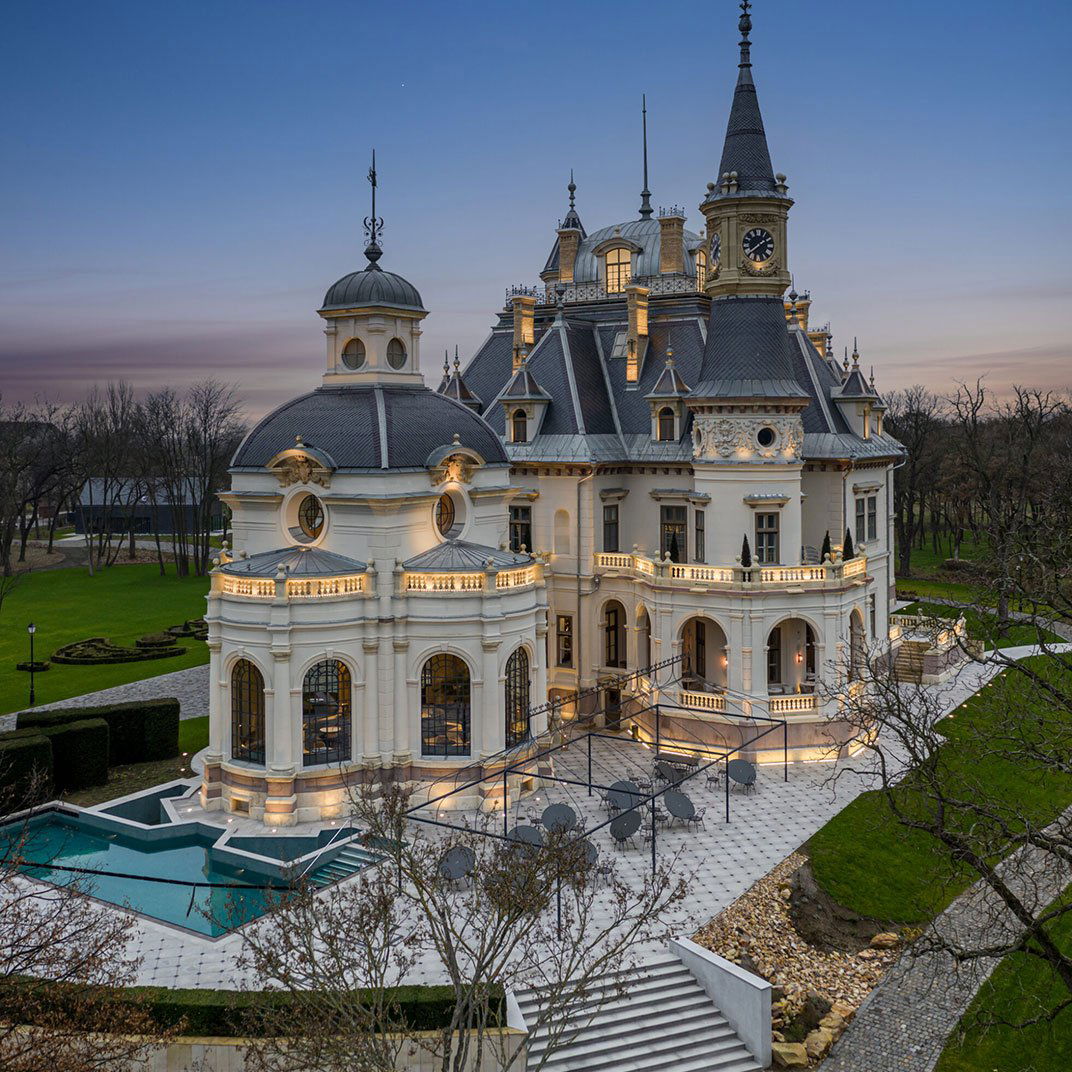

BOTANIQ Castle of Tura
Tura
Hotel in Tura, Hungary
 Book with Pearl
The Read
Restored Aristocratic Retreat
Why go
BOTANIQ Castle of Tura is a better pick for a private celebration than a practical Budapest base. Choose it when the castle setting and slower pace matter more than nightlife, transit, or a wide dining choice; be cautious about paying for a higher room tier unless the stay itself is the occasion.
About BOTANIQ Castle of Tura
BOTANIQ Castle of Tura is a venue in Tura with a smart-casual dress code. For details on rooms, dining, services, awards, or amenities, check the venue's official channels before booking.
Book for Tura, with expectations checked in advance
BOTANIQ Castle of Tura is in Tura. If you are comparing it with venues such as Anantara New York Palace Budapest Hotel, Corinthia Budapest, Kozmo Hotel Suites & Spa, Mystery Hotel Budapest, or Soho Boutique Hotel, treat BOTANIQ Castle of Tura as a distinct choice and confirm the practical details directly before booking.
If a particular room type, meal arrangement, wellness facility, arrival process, or other service matters to your trip, check the venue's official channels before committing.
Who should choose it over other options
Choose BOTANIQ Castle of Tura if you specifically want a Tura venue and are comfortable confirming the details that matter to your stay. Choose another venue instead if your plans depend on clearly established logistics or named alternatives such as Corinthia Budapest, Kozmo Hotel Suites & Spa, Mystery Hotel Budapest, Soho Boutique Hotel, or Anantara New York Palace Budapest Hotel.
Planning details
- Location
- Tura, Park u. 37, 2194
- Website
- botaniqkastely.hu
- Phone
- +36 28 799 130
The take
The Take
The Vibe
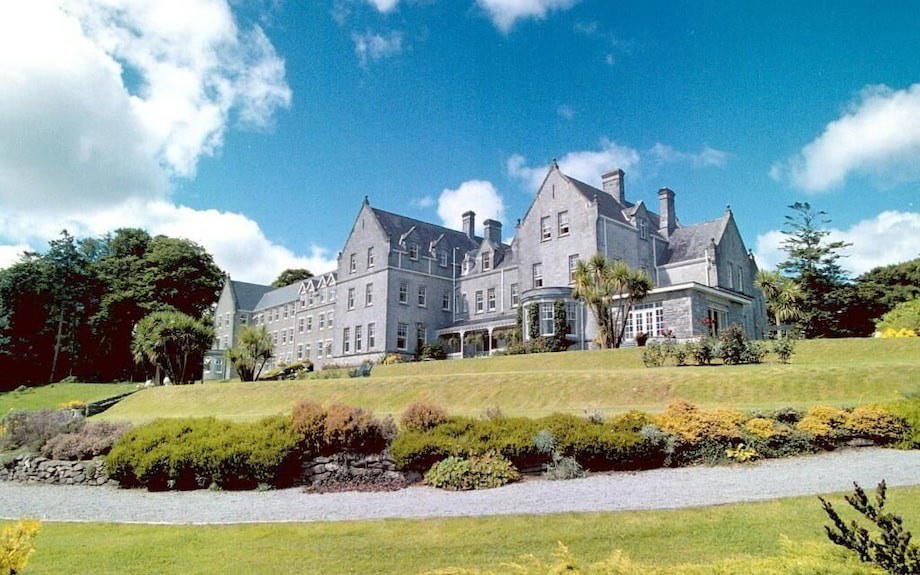
BOTANIQ Castle of Tura foregrounds architecture above all else. The late-19th-century neoclassical and neo-baroque Schossberger facade and the painstaking restoration give the property a sense of historical gravitas: rooms and public spaces read as chapters in a single, deliberate building. The scale is deliberately small — only 19 rooms — which creates an intimate rhythm between guests and the estate. Set in parkland away from the city, the castle feels calm and quietly ceremonial; the restoration’s restraint lets carved details, proportion, and the building’s original program be the principal attractions rather than added theatricality.
Best For
This is a stay for people who travel for architecture, calm, and privacy. The castle’s small size and heritage focus suit couples seeking a secluded weekend away, travelers who prefer boutique historic houses to full‑service urban hotels, and small groups on retreats that prize space and quiet. It’s also appropriate for celebrations that center on setting rather than high‑capacity service: the property’s restored rooms and parkland make the building itself the main event. Guests who enjoy lingering over detail and wandering estate grounds will get the most out of a visit.
Stay Tips
Book early and plan arrivals by car. The description emphasizes a drive east from Budapest into Pest County and the property’s small scale — with just 19 rooms — so availability can be limited and the best rooms will fill first. Prioritize park-facing accommodations if you want the estate setting, and allow time on arrival to take in the architecture and grounds rather than treating the stay as a quick stop. Expect the building and its restored interiors to be the primary draw; plan your schedule around lingering on the estate.
Venue details
Ambiance
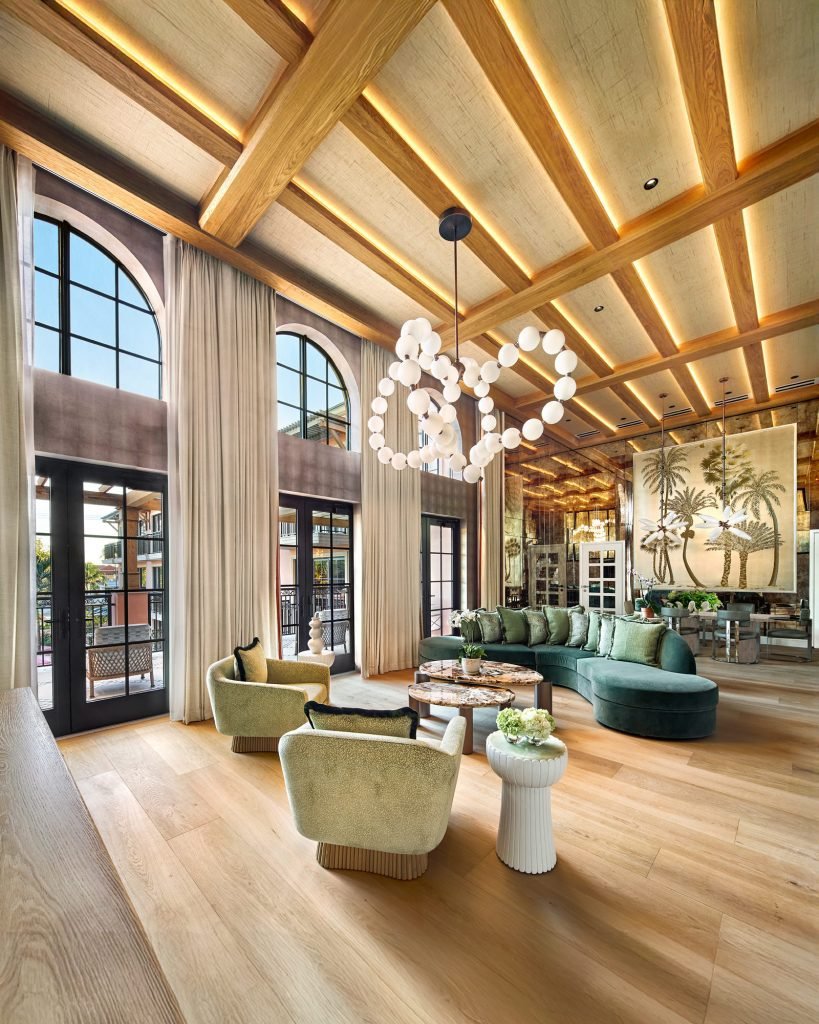
Luxurious and tranquil atmosphere with historic elegance, grand chandeliers, rich wood panelling, and evening lighting that creates a fairytale-like setting.
Tags
Vibe
Best For
Experience
Amenities
View
Accessibility
About the Stay
- Rooms
- 19
- Check-in
- 15:00
- Check-out
- 11:00
- Property Style
- Exclusive Use Luxury Castle Hotel Inspired by Loire Valley Grandeur
- Design Style
- Neo Renaissance and Baroque Revival with Classical Lavish Interiors
Know before you go
Know Before You Go
- Getting there
- Tura, Park u. 37, 2194
Planning details
Location
Also consider
Also Consider
- Kozmo Hotel Suites & Spa, Notable alternative
- Anantara New York Palace Budapest Hotel, Notable alternative
- Soho Boutique Hotel, Notable alternative
- Corinthia Budapest, Notable alternative
- Mystery Hotel Budapest, Notable alternative
Hotel context
How it compares
Kozmo Hotel Suites & Spa, Anantara New York Palace Budapest Hotel, Corinthia Budapest, Mystery Hotel Budapest, and Soho Boutique Hotel are the more practical choices for Budapest access. Choose them when restaurants, meetings, bars, and late-night movement matter more than a contained countryside setting.
BOTANIQ Castle of Tura is the stronger special-occasion play if the point is to stay somewhere removed from the city hotel circuit. Anantara New York Palace Budapest Hotel and Corinthia Budapest make more sense for a grand-city-hotel mood with easier urban logistics, while Kozmo Hotel Suites & Spa and Mystery Hotel Budapest are better for travelers who want a boutique-feeling Budapest base.
For value, Soho Boutique Hotel is likely the safer cross-shop when location matters more than ceremony. For ambiance-led stays, BOTANIQ is the more distinctive choice, but only if the travel time to Tura supports the plan.
Explore Tura
Around this place
Discover more on Pearl
Unlock the full BOTANIQ Castle of Tura guide in Pearl, including awards, comparisons, FAQs, planning details, and nearby places.
Compare BOTANIQ Castle of Tura
| Venue | Location | Awards |
|---|---|---|
| BOTANIQ Castle of Tura | Tura | 2025 Michelin 1 Key |
| Kozmo Hotel Suites & Spa | Budapest | 2026 Mr & Mrs Smith Luxury Hotels2025 Michelin 1 KeySmall Luxury Hotels Member 2025 |
| Anantara New York Palace Budapest Hotel | Budapest | 2026 Forbes Recommended2026 La Liste Top HotelsLeading Hotels of the World 20262025 Michelin 1 Key2025 Forbes Recommended |
| Soho Boutique Hotel | Budapest | No published awards |
| Corinthia Budapest | Budapest | 2026 Forbes Recommended2025 Forbes Recommended |
| Mystery Hotel Budapest | Budapest | Preferred Hotels L.V.X. Collection 2025 |





How BOTANIQ Castle of Tura compares with similar nearby venues.
FAQ
Frequently Asked Questions
Which room category is best at BOTANIQ Castle of Tura?
Do loyalty programs work at BOTANIQ Castle of Tura?
If points, status recognition, or frequent-stay benefits are important, confirm directly with the venue; you can also compare venues such as Kozmo Hotel Suites & Spa or Corinthia Budapest.
How is the pool and spa at BOTANIQ Castle of Tura?
If wellness facilities are central to the trip, check BOTANIQ Castle of Tura directly and compare with venues such as Corinthia Budapest or Mystery Hotel Budapest.
What is check-in like at BOTANIQ Castle of Tura?
When is the best time to book BOTANIQ Castle of Tura?
If your dates are fixed, confirm availability directly; if you are still comparing options, consider Soho Boutique Hotel or Anantara New York Palace Budapest Hotel before booking.
How is the location of BOTANIQ Castle of Tura?
BOTANIQ Castle of Tura is in Tura. If you are choosing between Tura and other destinations, compare the location against options such as Kozmo Hotel Suites & Spa or Soho Boutique Hotel based on the logistics of your own trip.