
Miraval Arizona Resort & Spa
Catalina, Tucson
Hotel in Tucson, United States
 Book with Pearl
Why go
Miraval Arizona Resort & Spa is the Tucson pick for travelers who want a wellness-led stay where the resort is the point of the trip. It is a stronger fit for adults, couples, solo travelers, and older families than for young-child resort vacations; cross-shop Canyon Ranch Tucson for another wellness-focused option and The Ritz-Carlton, Dove Mountain for a broader luxury-resort format.
About Miraval Arizona Resort & Spa
Miraval Arizona Resort & Spa is a Tucson resort and spa with luxury-travel recognition. The accolades include Virtuoso Luxury Hotel Partner for 2026 and Mr & Mrs Smith Seal of Approval for 2026. Travelers should confirm current room types, inclusions, dining, programming, policies, and booking terms directly before deciding whether it fits a specific trip.
Book it as a Tucson resort and spa with confirmed luxury recognition
The clearest reason to consider Miraval Arizona Resort & Spa is its standing in recognized luxury-travel channels. It is listed as a Virtuoso Luxury Hotel Partner for 2026 and has the Mr & Mrs Smith Seal of Approval for 2026. Those recognitions can help narrow a Tucson hotel search, but they do not replace checking the current details that matter for your stay.
Consider this a shortlist entry rather than a fully specified recommendation. Confirm the stay experience directly with the property or your booking advisor, especially if you need particular amenities, accessibility details, dietary support, or a specific trip rhythm.
Who should cross-shop before committing
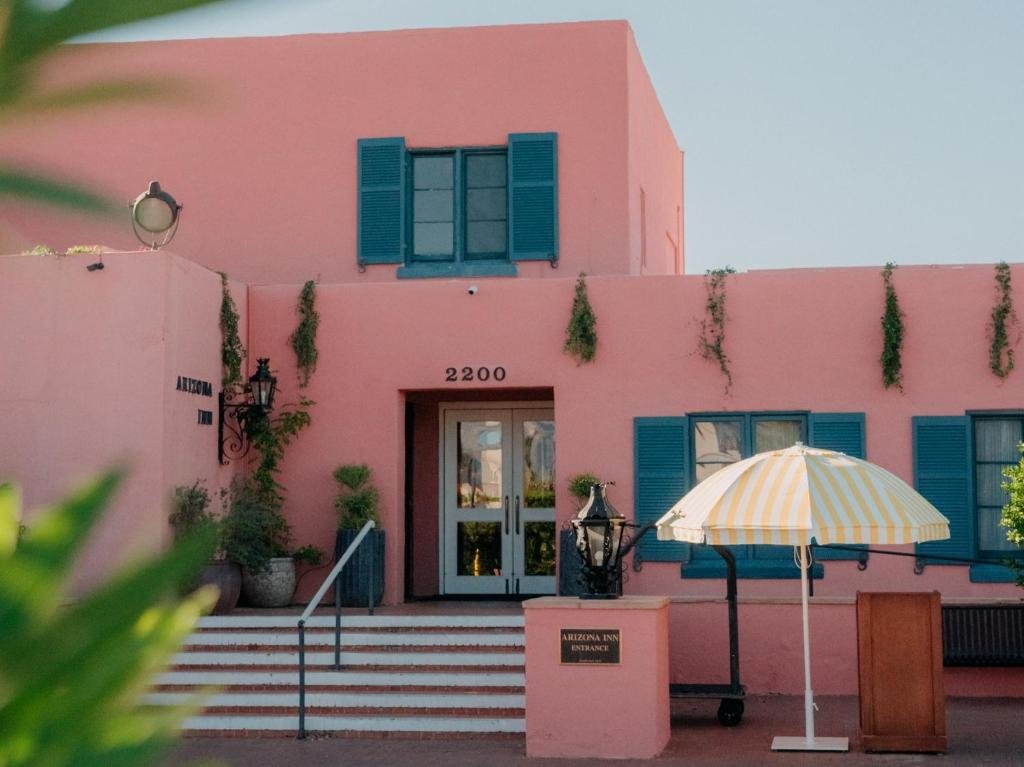
If you are comparing premium stays, consider how Miraval Arizona Resort & Spa fits beside Arizona Inn, Hacienda Del Sol Guest Ranch Resort, Canyon Ranch Tucson, The Ritz-Carlton, Dove Mountain, and Ventana Canyon Club and Lodge. Miraval Arizona Resort & Spa earns attention through luxury-travel recognition, including Virtuoso Luxury Hotel Partner and Mr & Mrs Smith Seal of Approval for 2026, but the right choice should come down to the current stay details you confirm for your own dates.
Planning details
- Location
- 5000 E. Via Estancia Miraval
The take
The Take
The Vibe
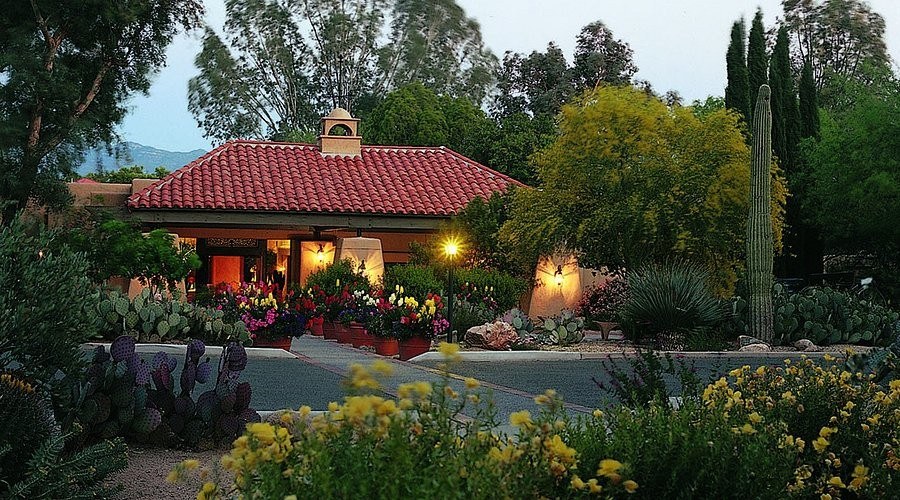
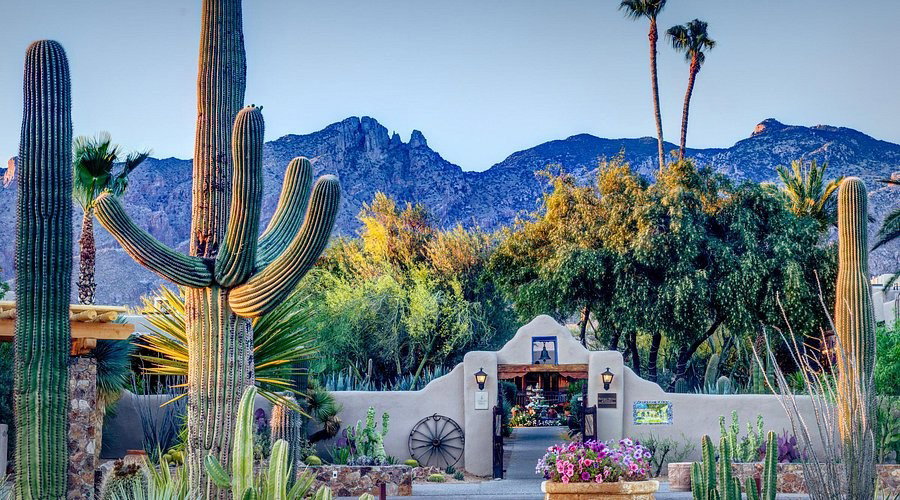
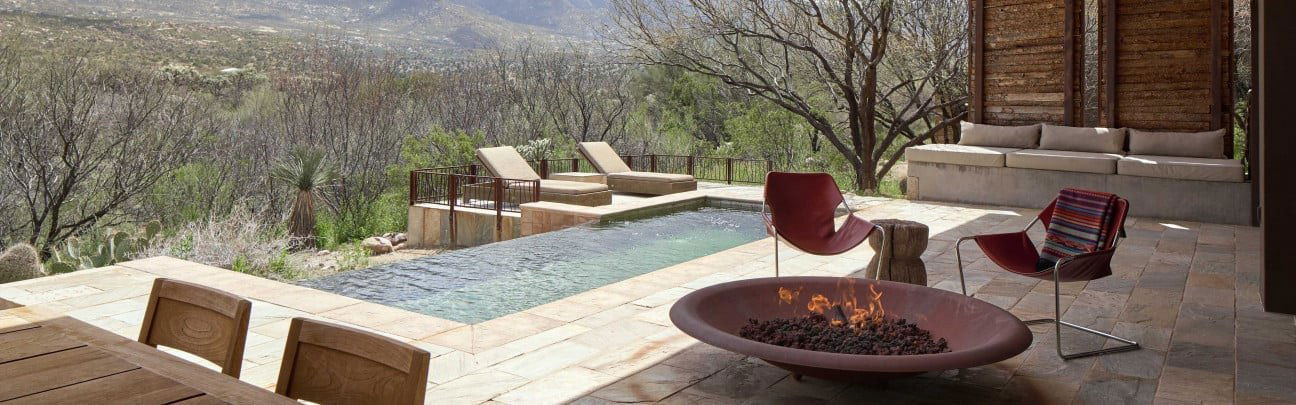
Miraval Arizona leans into silence and the Sonoran landscape as primary design elements. Arrival on the 400-acre property immediately shifts the mood: Santa Catalina peaks anchor the views, saguaros punctuate the terrain, and city noise dissolves into stillness. The resort reads as deliberately calm and restorative rather than flashy — an adults-only enclave that treats the physical environment as part of the therapeutic program. Expect a paced, low-key atmosphere that prioritizes mindfulness and restoration; the experience feels intimate and quietly curated rather than bustling or touristic.
Best For
This is a property for people seeking a purpose-driven wellness stay: those focused on mindfulness, sleep science, integrative health and programs that go beyond a conventional hotel night. It suits adults traveling solo for structured retreats, couples on a wellness-leaning getaway, and organized group retreats that center on programming rather than nightlife. It is less well suited to travelers who want an urban flagship hotel experience where the room or city access are the primary draws; Miraval benchmarks itself by its long-running spa identity and programmatic offerings.
Stay Tips
Treat the room as one component of a larger wellness itinerary: Miraval operates on the logic of structured programming, so set expectations about value and plan your schedule around classes and treatments. Read program descriptions ahead of time and consider timing your arrival to let the property’s desert silence settle in before your first session. Note the adults-only policy when booking. Because the resort’s appeal is its therapeutic environment and curated programming, prioritize understanding the available offerings rather than treating the stay like a conventional hotel reservation.
Venue details
Ambiance
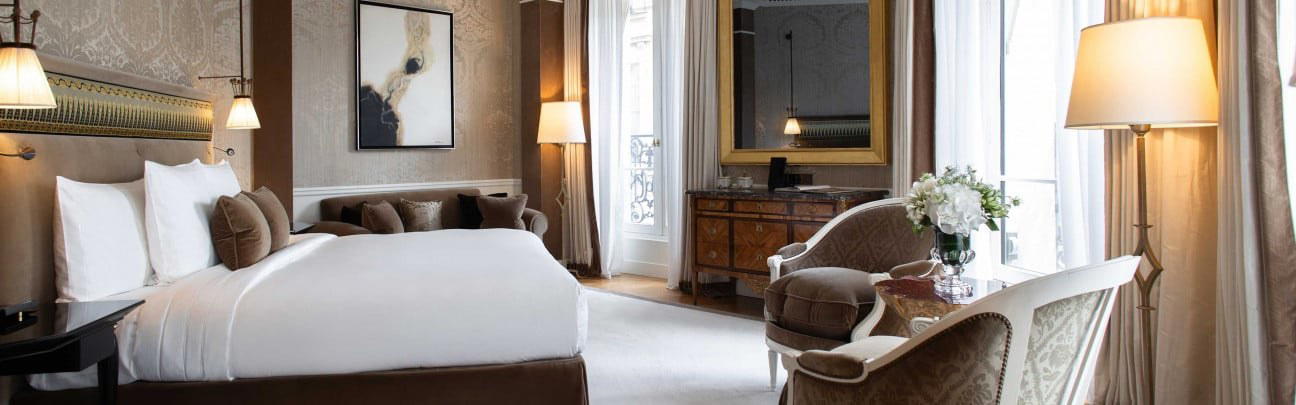
Serene and relaxing with natural desert lighting, quiet lounges, reflecting pools, and peaceful mountain views promoting mindfulness and tranquility.
Tags
Vibe
Best For
Experience
Amenities
View
Accessibility
About the Stay
- Rooms
- 118
- Property Style
- Wellness Focused Desert Casita Resort
- Design Style
- Earthy Minimalist with Desert Inspired Earthy Tones and Natural Elements
Know before you go
Know Before You Go
- Getting there
- 5000 E. Via Estancia Miraval
Planning details
Location
5000 E. Via Estancia Miraval · Directions
Recognition and awards

Also consider
Also Consider
- The Ritz-Carlton, Dove Mountain, Notable alternative
- Ventana Canyon Club and Lodge, Notable alternative
- Hacienda Del Sol Guest Ranch Resort, Notable alternative
- Canyon Ranch Tucson, Notable alternative
- Arizona Inn, Notable alternative
Hotel context
How It Compares
Choose Miraval Arizona Resort & Spa over The Ritz-Carlton, Dove Mountain when the trip is wellness-first and the hotel should shape most of the day. Choose The Ritz-Carlton instead for a more conventional luxury resort setup, especially if the group includes guests who want a broader desert-resort rhythm rather than a retreat-style stay.
Canyon Ranch Tucson is the closest cross-shop for travelers deciding between destination wellness properties in Tucson. Miraval Arizona Resort & Spa is the better call for a softer resort-retreat feel; Canyon Ranch Tucson is the more direct comparison if the whole trip is about intensive wellness structure.
For easier, more flexible Tucson stays, look at Ventana Canyon Club and Lodge, Hacienda Del Sol Guest Ranch Resort, or Arizona Inn. Those make more sense for travelers who want Tucson access, classic hospitality, or a simpler base; Miraval Arizona Resort & Spa makes more sense when the resort experience is the reason for going.
Explore Tucson
Around this place
Discover more on Pearl
Unlock the full Miraval Arizona Resort & Spa guide in Pearl, including awards, comparisons, FAQs, planning details, and nearby places.
Compare Miraval Arizona Resort & Spa
| Venue | Location | Awards |
|---|---|---|
| Miraval Arizona Resort & Spa | Tucson | 2026 Virtuoso Luxury Hotel Collection2026 Mr & Mrs Smith Luxury Hotels |
| The Ritz-Carlton, Dove Mountain | Marana | 2026 Virtuoso Luxury Hotel Collection2026 Forbes 5-StarStar Wine Lists 20262026 La Liste Top Hotels2026 Michelin 2 Keys2025 AAA 5 Diamond Hotel2025 Forbes 5-Star2025 Michelin 1 Key |
| Ventana Canyon Club and Lodge | Tucson | Preferred Hotels Preferred Residences 2025 |
| Hacienda Del Sol Guest Ranch Resort | Tucson | 2026 Forbes Recommended2026 La Liste Top HotelsPreferred Hotels Member 20252025 Forbes Recommended |
| Canyon Ranch Tucson | Tucson | 2026 Virtuoso Luxury Hotel Collection2026 La Liste Top Hotels2026 Michelin 3 Keys2025 Michelin 3 Keys2024 Michelin 3 Keys |
| Arizona Inn | Tucson | No published awards |








How Miraval Arizona Resort & Spa Tucson compares with similar nearby venues.
FAQ
Frequently Asked Questions
Is Miraval Arizona Resort & Spa good for business travel?
That depends on the specific requirements of the trip. Miraval Arizona Resort & Spa is in Tucson and has 2026 luxury-travel recognition, but business services, meeting facilities, and work-travel amenities should be confirmed directly.
When is the best time to book Miraval Arizona Resort & Spa?
Is Miraval Arizona Resort & Spa family-friendly?
Which room category is best at Miraval Arizona Resort & Spa?
Choose only after confirming the current room types, layouts, views, inclusions, and policies for your dates.
How is the dining at Miraval Arizona Resort & Spa?
Confirm current restaurants, meal inclusions, hours, dietary support, and reservation requirements directly with Miraval Arizona Resort & Spa before booking.
Do loyalty programs work at Miraval Arizona Resort & Spa?
The recognition includes Virtuoso Luxury Hotel Partner for 2026, along with Mr & Mrs Smith Seal of Approval for 2026; any booking benefits should be confirmed through the relevant channel before you reserve.