

Gran Hotel Mas d'en Bruno
Torroja del Priorat
Hotel in Torroja del Priorat, Spain
 Book with Pearl
The Read
Vineyard-Immersion Hospitality
Why go
Gran Hotel Mas d'en Bruno is the Priorat choice to book when the trip is about wine-country depth rather than a quick hotel stop. Its Relais & Châteaux and MICHELIN Hotels Selected recognition make it a higher-confidence splurge for Torroja del Priorat, especially on shoulder-season or midweek dates when the rate-to-experience ratio is stronger.
About Gran Hotel Mas d'en Bruno
Gran Hotel Mas d'en Bruno is a hotel in Torroja del Priorat with two recognitions in the current venue data: Relais Chateaux Award (2026) and MICHELIN Guide, Hotels Selected (2025). Use this page as a careful planning note rather than a claim-heavy hotel review: details such as room types, dining format, amenities, prices, and operating schedules should be confirmed directly before booking.
The cleanest reason to consider Gran Hotel Mas d'en Bruno is that you specifically want to stay in Torroja del Priorat and prefer a hotel with confirmed recognition rather than an local listing. For broader trip planning, you can compare dining plans with our full Torroja del Priorat restaurants guide.
Worth it for a Torroja del Priorat stay, less so if you need specifics
Gran Hotel Mas d'en Bruno is best evaluated as a recognized hotel in Torroja del Priorat. The record supports the venue name, location, smart casual dress code, and award references; it does not confirm specific claims about amenities, room categories, cuisine, pricing, service style, or a particular dining program.
If you are comparing stays, keep the decision grounded in what is known. Gran Hotel Mas d'en Bruno has confirmed recognition; ORA Hotel Priorat, Terra Dominicata, and Terra Dominicata - Hotel & Winery may also be useful names to review separately depending on your itinerary. If you are considering a different style of trip, Le Meridien Ra Beach Hotel & Spa is another comparison point, but it should not be treated as the same kind of Torroja del Priorat stay.
How to use it well
Before booking, confirm the practical details that matter for your trip: room availability, rates, included services, dining arrangements, arrival logistics, and any amenity access. The venue data does not establish those specifics, so they should not be assumed from the hotel's recognition alone.
The dress code is smart casual. That is the only guest-policy detail available here, so use it as a simple packing cue rather than as evidence of a specific restaurant format or service style.
Know Before You Go
- Good fit: travelers looking for a recognized hotel in Torroja del Priorat.
- Less ideal for: guests who need confirmed details on amenities, room categories, dining format, or pricing before shortlisting.
- Dress code: smart casual.
- Recognition: Relais Chateaux Award (2026) and MICHELIN Guide, Hotels Selected (2025).
Inside Gran Hotel Mas d'en Bruno
Planning details
- Location
- Polígono 5 Parcela 71, MAS D'EN BRUNO, 43737 Torroja del Priorat, Tarragona
- Website
- masdenbruno.com/en
- Phone
- +34 877 67 60 70
The take
The Take
The Vibe
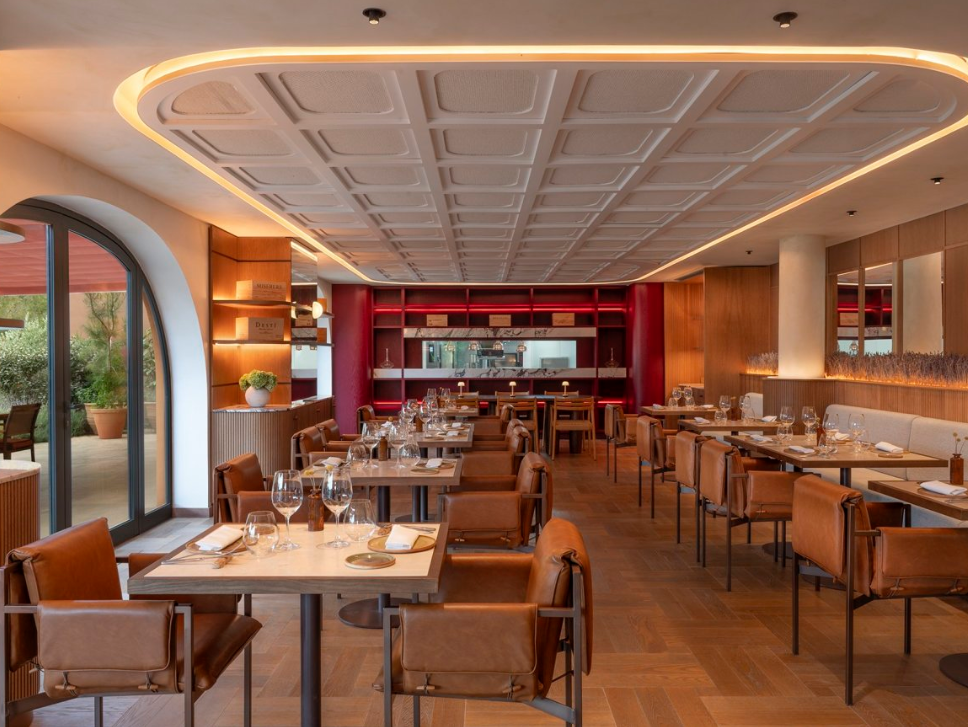
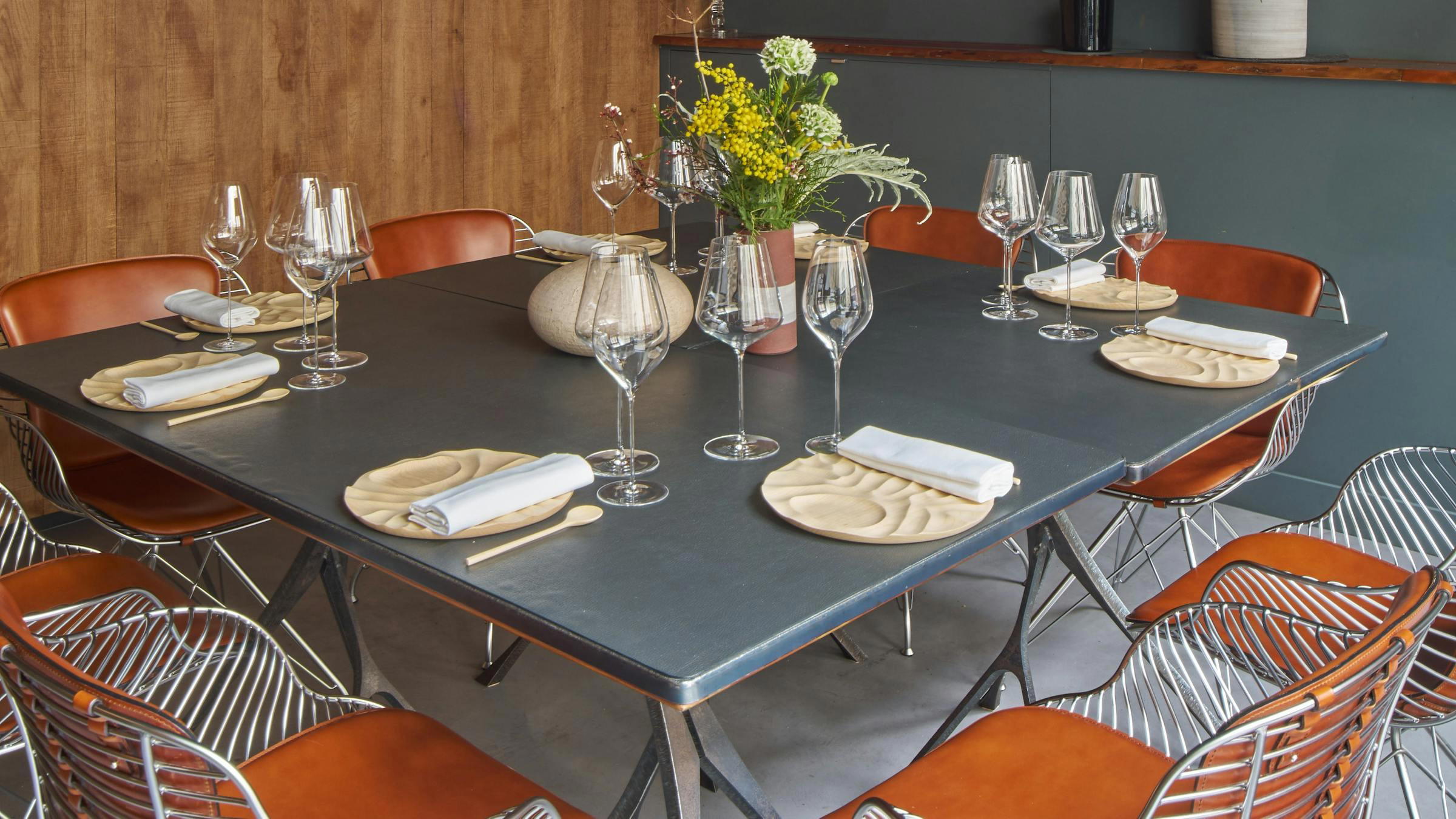
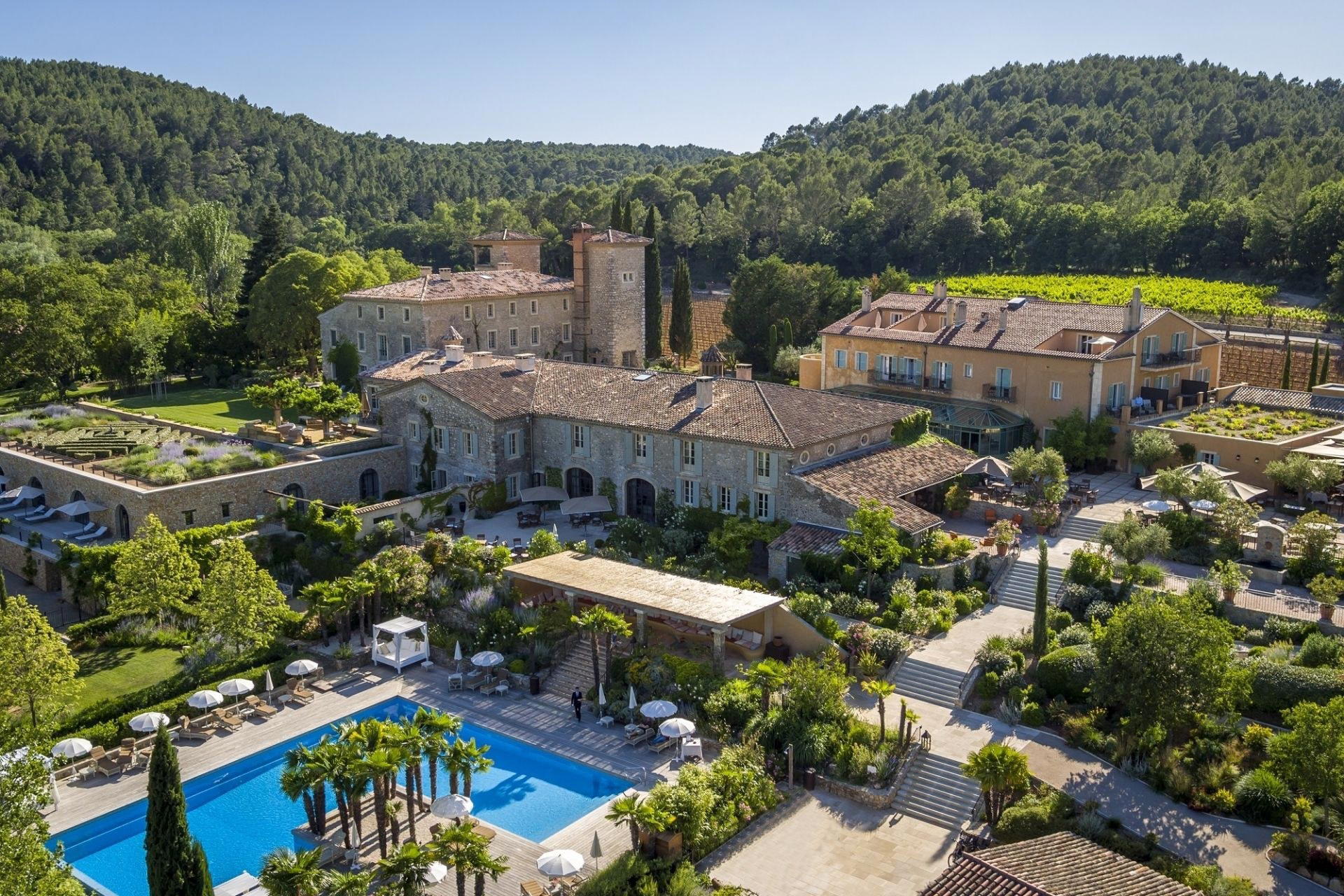
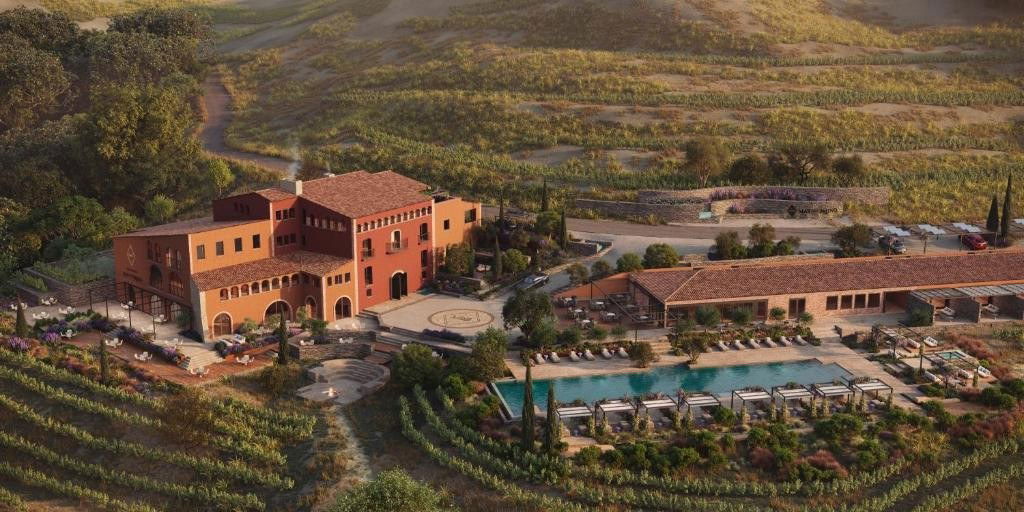
Gran Hotel Mas d'en Bruno reads as an extension of the Priorat landscape: stone walls, agricultural proportions and terraced vine rows are integral to its design rather than decorative backdrops. The property leans on mas farmhouse traditions and a historic grain, pairing old stone with deliberate contemporary interventions. It feels rural and carefully composed—sophisticated without losing its agricultural DNA—and favors subtlety over spectacle. The result is a quietly refined rural retreat where architecture, terrain and winemaking history coexist, offering a sense of place that prioritizes continuity with the land.
Best For
This hotel is best for travelers focused on wine and terroir: visitors who want to sleep within the production zone, experience the llicorella slate country and trace Priorat’s viticultural story. It also suits couples seeking a romantic, low-key escape and groups planning intimate celebrations or destination weddings on an estate setting. The design-minded traveler who values thoughtful rural architecture and proximity to vineyards will appreciate Mas d'en Bruno’s combination of sophisticated interiors and direct connection to the surrounding parcels.
Venue details
Ambiance
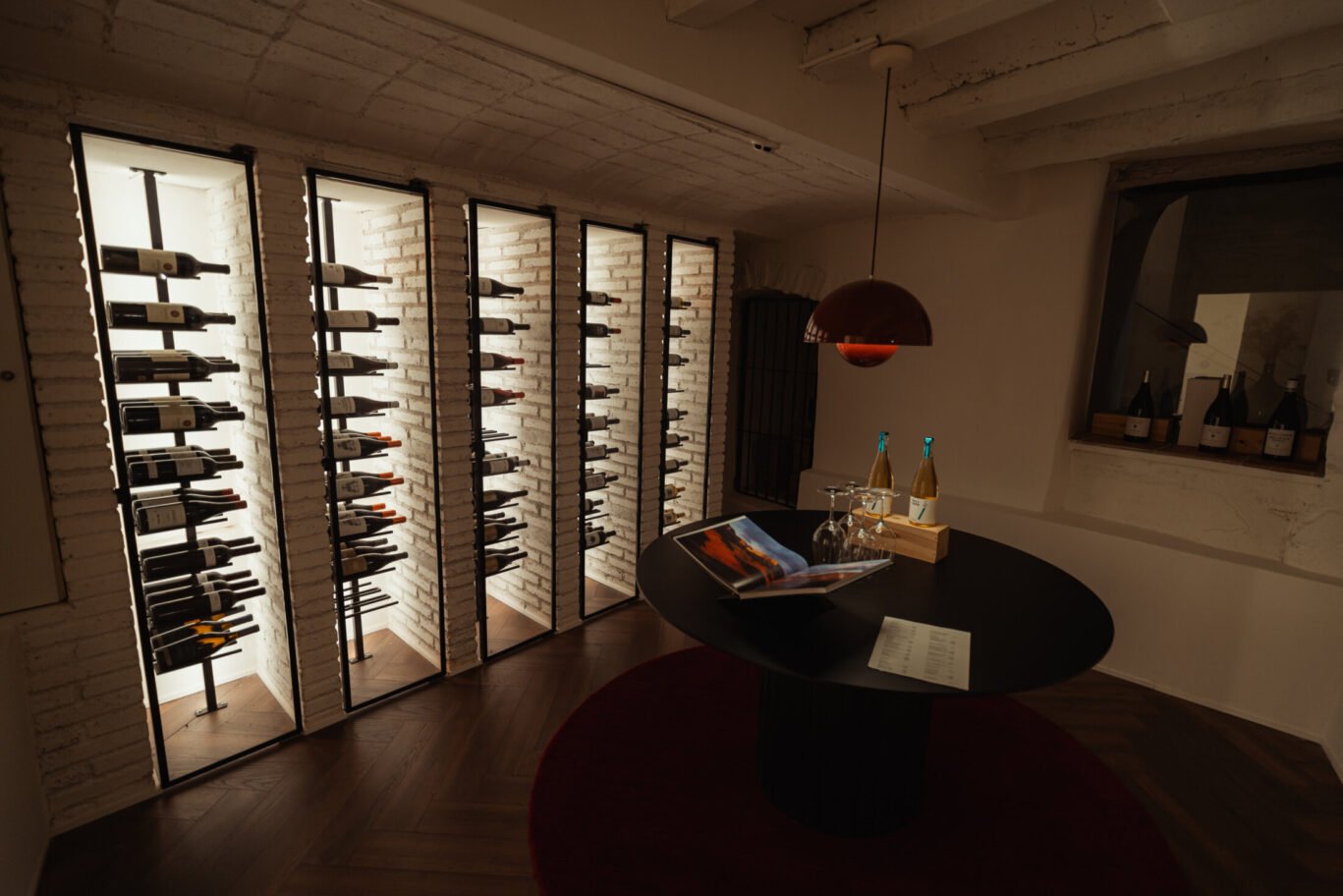
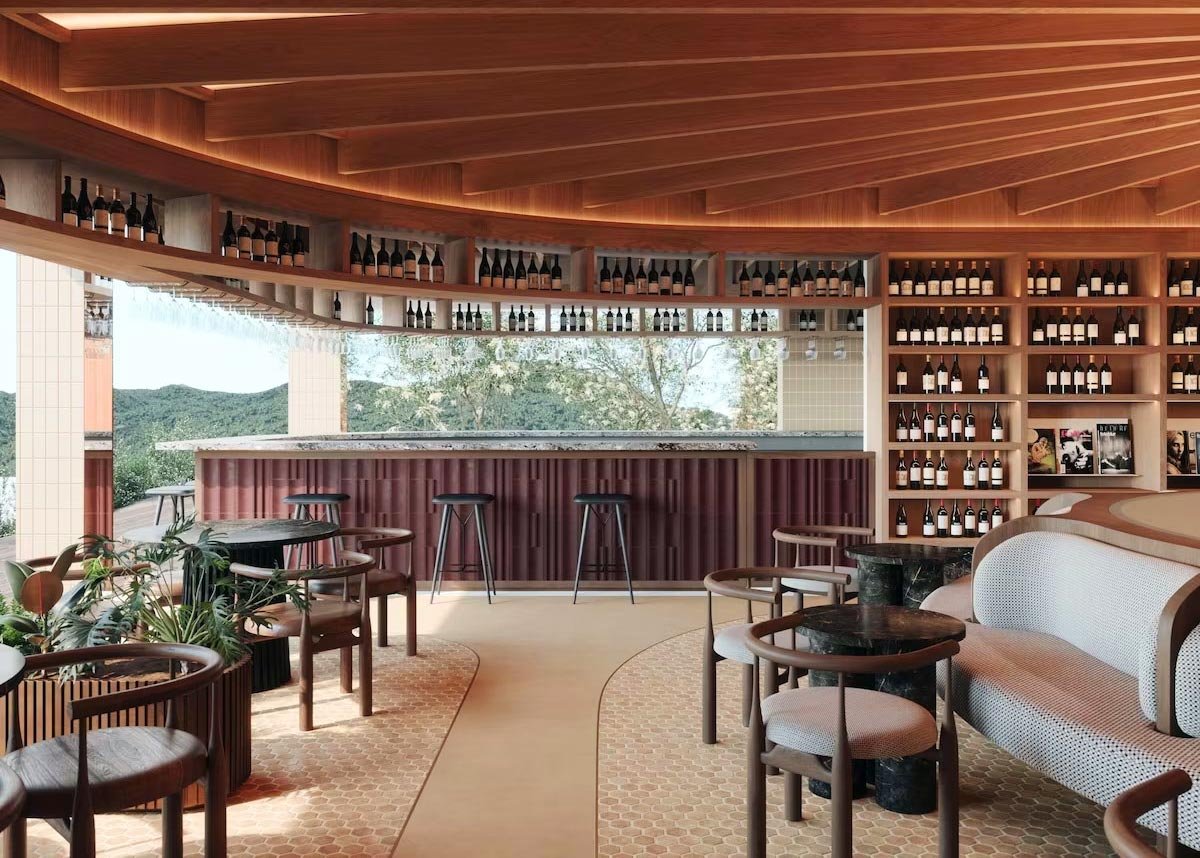
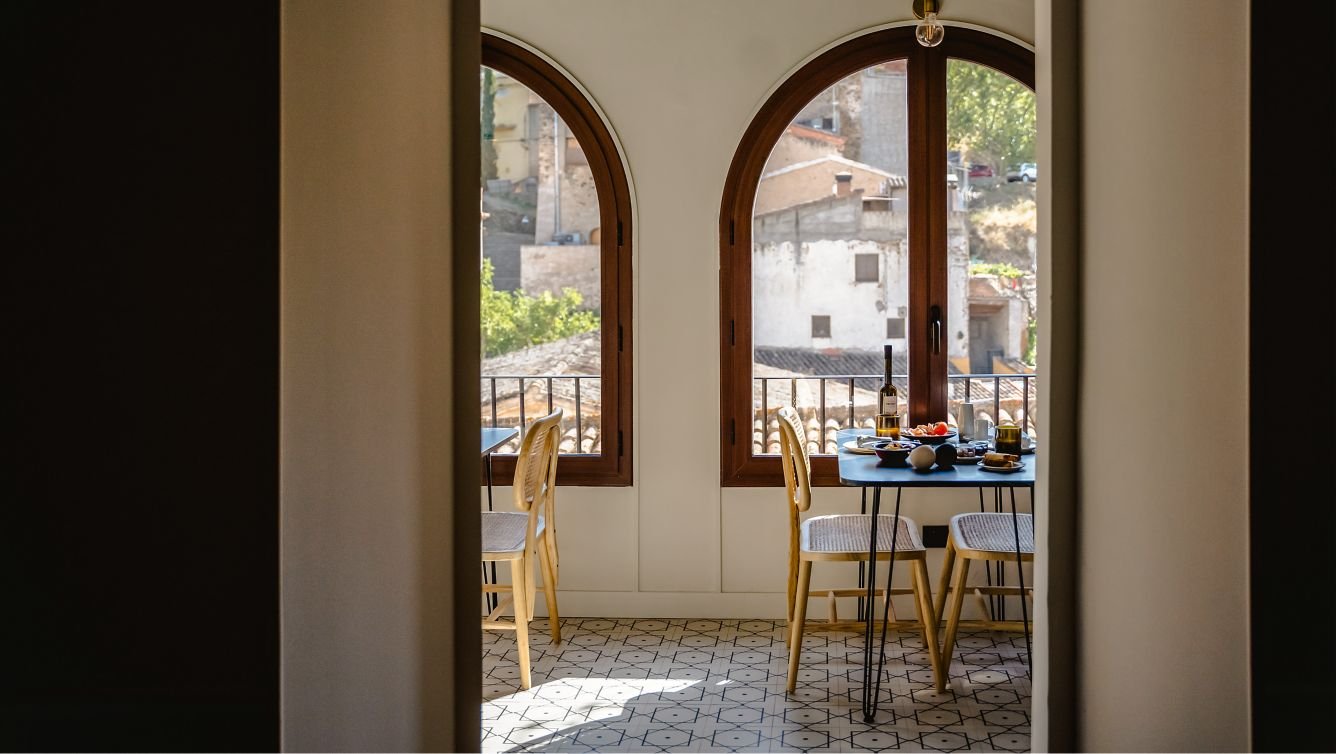
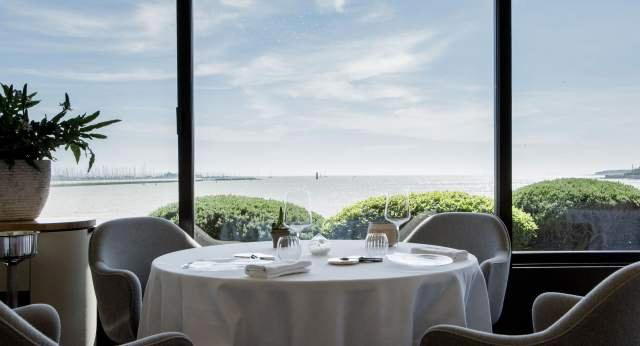
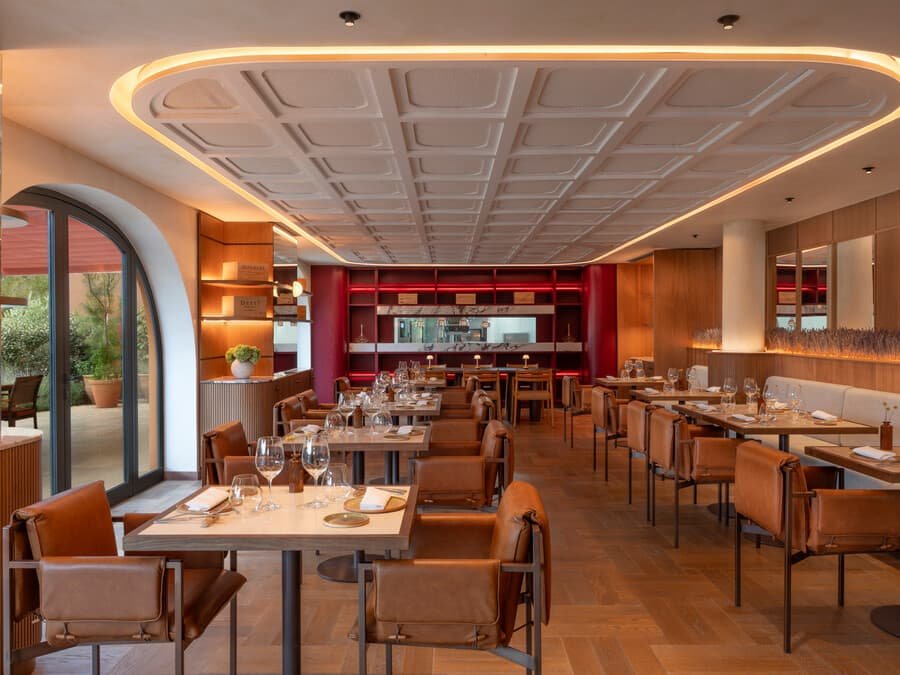
Serene and refined with elegant modern design, soft lighting in intimate dining spaces, and a tranquil atmosphere enhanced by garden and vineyard vistas.
Tags
Vibe
Best For
Experience
Amenities
View
Accessibility
About the Stay
- Rooms
- 0
- Check-in
- 15:00
- Check-out
- 11:00
- Property Style
- Contemporary Luxury Boutique Hotel with Modern Design Throughout Public and Private Spaces, Blending Old World Charm with State of the Art Amenities.
- Design Style
- Modern Minimalist with Elegant Furnishings, Individually Decorated Suites, Natural Materials, and Curated Decor Emphasizing Vineyard and Garden Views.
Know before you go
Know Before You Go
- Getting there
- Polígono 5 Parcela 71, MAS D'EN BRUNO, 43737 Torroja del Priorat, Tarragona
Planning details
Location
Polígono 5 Parcela 71, MAS D'EN BRUNO, 43737 Torroja del Priorat, Tarragona · Directions
Recognition and awards

Also consider
Also Consider
- Terra Dominicata, Notable alternative
- Terra Dominicata - Hotel & Winery, Notable alternative
- ORA Hotel Priorat, Notable alternative
- ORA Hotel Priorat, Notable alternative
- Le Meridien Ra Beach Hotel & Spa, Notable alternative
Hotel context
How It Compares
Gran Hotel Mas d'en Bruno is the higher-touch Priorat pick if the stay itself matters as much as the surrounding wine country. ORA Hotel Priorat is the easier cross-shop for travelers who want a simpler Torroja del Priorat base and would rather spend more of the budget on tastings and meals. Book Mas d'en Bruno for a polished rural-hotel stay; choose ORA if value and village convenience matter more.
Terra Dominicata and Terra Dominicata - Hotel & Winery are the closest conceptual alternatives for a wine-country hotel decision, especially if the winery-hotel format is the draw. Mas d'en Bruno is the better fit for travelers anchoring specifically in Torroja del Priorat, while Terra Dominicata makes sense for guests who want the hotel-and-winery identity to lead the trip.
Le Meridien Ra Beach Hotel & Spa is a different trip: coastal resort, broader facilities, and a beach-first rhythm. Pick it if the group includes travelers who care more about sea access and resort amenities than Priorat context. For a wine-focused stay, Mas d'en Bruno is the clearer booking.
Explore Torroja del Priorat
Around this place
Discover more on Pearl
Unlock the full Gran Hotel Mas d'en Bruno guide in Pearl, including awards, comparisons, FAQs, planning details, and nearby places.
Compare Gran Hotel Mas d'en Bruno
| Venue | Location | Awards |
|---|---|---|
| Gran Hotel Mas d'en Bruno | Torroja del Priorat | 2026 Relais Chateaux Hotels2025 Michelin Selected Hotels2025 Relais Chateaux Award |
| Terra Dominicata | Escaladei | Michelin 3 Keys 20252025 Michelin 3 Keys2024 Michelin 3 Keys |
| Terra Dominicata - Hotel & Winery | Tarragona | No published awards |
| ORA Hotel Priorat | Torroja del Priorat | No published awards |
| ORA Hotel Priorat | Tarragona | No published awards |
| Le Meridien Ra Beach Hotel & Spa | Tarragona | No published awards |

How Gran Hotel Mas d'en Bruno compares with similar nearby venues.
FAQ
Frequently Asked Questions
Which room category is best at Gran Hotel Mas d'en Bruno?
No specific room categories are confirmed in the venue data. Choose only after checking the hotel's current room descriptions, inclusions, and rates. The confirmed facts here are the Torroja del Priorat location, smart casual dress code, Relais Chateaux Award (2026), and MICHELIN Guide, Hotels Selected (2025).