
Hotel La Caminera Club de Campo
Torrenueva
Hotel in Torrenueva, Spain
 Book with Pearl
The Read
Working Estate Hospitality
Why go
Hotel La Caminera Club de Campo is the stronger choice around Torrenueva for a special-occasion countryside stay where the hotel is the point of the trip. Its Michelin 1 Key recognition in 2025 gives it a clearer quality signal than many rural alternatives, but travelers who need transparent rates, named room categories, or city-style convenience should cross-shop before committing.
About Hotel La Caminera Club de Campo
Hotel La Caminera Club de Campo is a hotel in Torrenueva with a Michelin 1 Key (2025). The hotel is best evaluated as a Torrenueva hotel with a recognized Michelin hotel distinction, rather than by assuming specific amenities, room types, dining formats, rates, or services.
For planning, keep the decision grounded in the basics: the venue is Hotel La Caminera Club de Campo in Torrenueva, and the dress code is smart casual. If details such as room categories, dining arrangements, facilities, pricing, or arrival logistics matter to your trip, confirm them directly with the hotel before booking.
A Torrenueva hotel with a Michelin Key
Hotel La Caminera Club de Campo's clearest distinction is its Michelin 1 Key recognition in 2025. That makes it a notable hotel option for travelers specifically considering Torrenueva, but it should not be read as confirmation that it offers any particular room layout, amenity list, service format, or dining program.
The booking decision should be made with care. Treat the Michelin Key as a trust signal, then confirm the practical details that shape your stay: availability, rates, room choice, on-property services, and any special requirements.
Who should book, and who should cross-shop
For Torrenueva planning, start with the basics for this property, then compare it with other options according to the details that matter for your trip. You can also check our full Torrenueva restaurants guide if dining elsewhere in Torrenueva is part of the plan.
Book Hotel La Caminera Club de Campo if you want a Torrenueva hotel with a Michelin 1 Key and are comfortable confirming trip-specific details directly. Cross-shop Hacienda La Marquesa, Cetina Palacio de los Salcedo, Hotel Boutique Adolfo, and Hotel Cortijo del Marqués if you are comparing different hotel styles, locations, or booking practicalities before deciding.
Inside Hotel La Caminera Club de Campo
Planning details
- Location
- Calle Vega, s/n, 13740 Torrenueva, Ciudad Real
- Website
- hotellacaminera.com
- Phone
- +34 926 34 47 33
The take
The Take
The Vibe
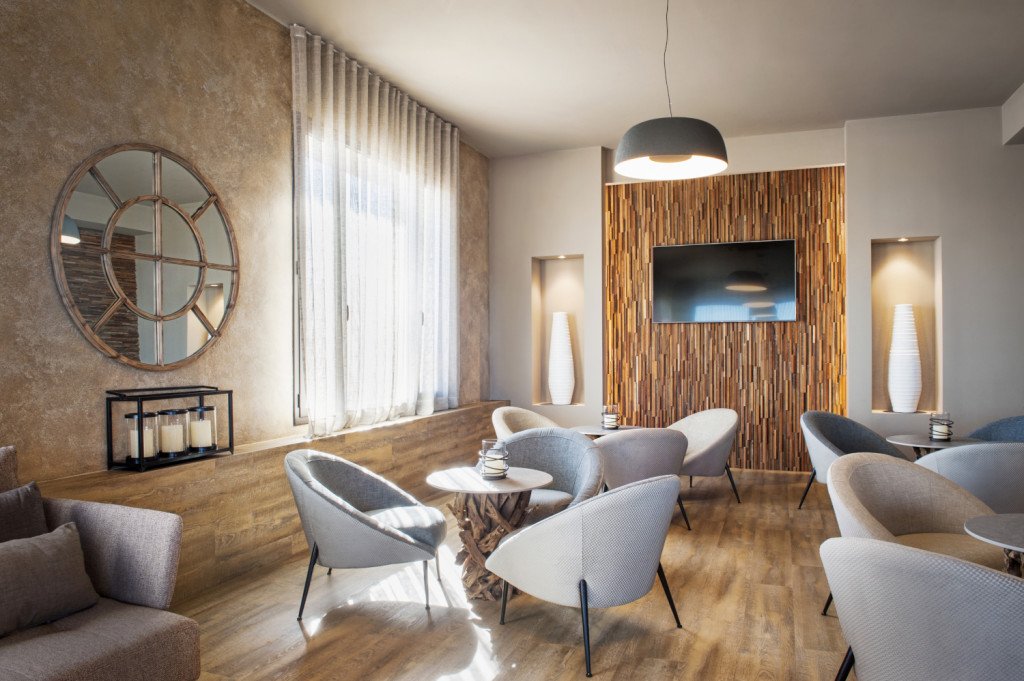
Hotel La Caminera reads like a working Castilian estate rather than a decorative country resort. The architecture favors the cortijo tradition — low-profile farmhouse volumes, thick thermal-moderating walls and local materials — so the building settles into the flat La Mancha landscape instead of insisting upon it. Internal courtyards and shaded circulation reinforce a quiet, measured pace, and the property's program of vineyards, fairways and service buildings reinforces an agricultural logic. The overall effect is a rustic, historically grounded retreat that foregrounds place and materiality over trend-driven design.
Best For
La Caminera suits travelers who want a rural estate experience centered on land-based activities. Wine enthusiasts find value in the on-site working winery and the estate’s position in Castilla–La Mancha’s production landscape; golfers and outdoors-minded guests can use the property's course and surrounding grounds; and couples or small groups seeking a quiet country escape appreciate the compound’s self-contained rhythm. The hotel’s estate scale and program make it a strong choice for weekend getaways that prioritize seclusion, landscape and locally rooted hospitality.
Stay Tips
Plan around the estate’s activity anchors: reserve time for winery visits and ask about organized vineyard or cellar experiences, and book tee times in advance if you want to play the on-site course. Choose accommodations with courtyard-facing rooms to make the most of the shaded circulation and quiet interiors. Because the property reads as a working estate, contact the hotel ahead of arrival to confirm available on-site activities (vineyard access, hunting or guided walks) and any scheduling or equipment requirements.
Venue details
Ambiance
Peaceful and relaxing atmosphere with stunning rural views, soundproofed rooms, and serene spa facilities praised for tranquility and luxury.
Tags
Vibe
Best For
Experience
Amenities
View
Accessibility
About the Stay
- Rooms
- 64
- Property Style
- Luxurious Rural Resort with Golf and Spa
- Design Style
- Elegant Modern with Manchego Influences
- Breakfast
- Included
- Airport Transfer
- Available
- Pool
- Yes
- Spa
- Yes
- Pets
- Allowed
- Families
- Welcome
Know before you go
Know Before You Go
- Getting there
- Calle Vega, s/n, 13740 Torrenueva, Ciudad Real
Planning details
Location
Recognition and awards
Also consider
Also Consider
- Hacienda La Marquesa, Notable alternative
- Cetina Palacio de los Salcedo, Notable alternative
- Hotel Boutique Adolfo, Notable alternative
- Hotel Cortijo del Marqués, Notable alternative
- Hotel Cortijo del Marqués, Notable alternative
Hotel context
How It Compares
Choose Hotel La Caminera Club de Campo over Hacienda La Marquesa if the brief is a polished countryside escape with a stronger occasion feel. Hacienda La Marquesa is the more sensible cross-shop for travelers prioritizing value and simpler planning, while Hotel La Caminera Club de Campo is the higher-commitment pick when ambiance matters more than quick price comparison.
Cetina Palacio de los Salcedo and Hotel Boutique Adolfo are better fits for guests who want a more urban or town-based stay, especially if dining and sightseeing outside the hotel are central to the trip. Hotel La Caminera Club de Campo is better for travelers who want to arrive, settle in, and make the property the main event.
Hotel Cortijo del Marqués is the closest conceptual cross-shop for a rural, character-led stay. Pick it if the appeal is a more rustic historic mood; pick Hotel La Caminera Club de Campo if the occasion calls for a club-style countryside hotel with a more polished quality signal.
Explore Torrenueva
Around this place
Discover more on Pearl
Unlock the full Hotel La Caminera Club de Campo guide in Pearl, including awards, comparisons, FAQs, planning details, and nearby places.
Compare Hotel La Caminera Club de Campo
| Venue | Location | Awards |
|---|---|---|
| Hotel La Caminera Club de Campo | Torrenueva | 2026 Michelin 1 KeyMichelin 1 Key 20252025 Michelin 1 Key |
| Hacienda La Marquesa | Vilches | No published awards |
| Cetina Palacio de los Salcedo | Baeza | No published awards |
| Hotel Boutique Adolfo | Toledo | No published awards |
| Hotel Cortijo del Marqués | Albolote | 2026 Mr & Mrs Smith Luxury Hotels2026 Michelin 1 KeyMichelin 1 Key 20252025 Michelin 1 Key2024 Michelin 1 Key |
| Hotel Cortijo del Marqués | Granada | 2026 Mr & Mrs Smith Luxury Hotels2026 Michelin 1 KeyMichelin 1 Key 20252025 Michelin 1 Key2024 Michelin 1 Key |

How Hotel La Caminera Club de Campo Torrenueva compares with similar nearby venues.
FAQ
Frequently Asked Questions
What is check-in like at Hotel La Caminera Club de Campo?
Hotel La Caminera Club de Campo is in Torrenueva, but specific check-in details are not available. Confirm arrival times, parking, luggage handling, and any special requests directly with the hotel before you travel.
Which room category is best at Hotel La Caminera Club de Campo?
Specific room categories are not available. If room size, views, layout, or quietness matter, ask Hotel La Caminera Club de Campo directly for the current options before booking in Torrenueva.
Are pool or spa details for Hotel La Caminera Club de Campo?
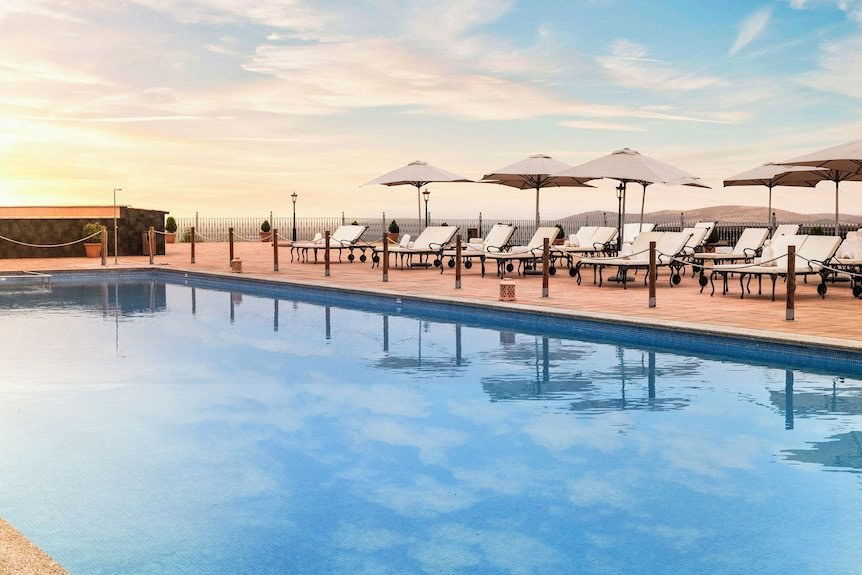
Pool and spa details are not available. If those facilities are important to your stay, confirm current availability, access rules, and any booking requirements directly with Hotel La Caminera Club de Campo.
How does Hotel La Caminera Club de Campo compare to other hotels?
Hotel La Caminera Club de Campo has a Michelin 1 Key (2025), which is its clearest distinction. Travelers can also compare it with Hacienda La Marquesa, Cetina Palacio de los Salcedo, Hotel Boutique Adolfo, and Hotel Cortijo del Marqués based on location, availability, style, and the details each property confirms directly.
When is the best time to book Hotel La Caminera Club de Campo?
No specific booking window is available. If your dates are important, contact Hotel La Caminera Club de Campo directly to confirm availability, rates, cancellation terms, and any requirements for your stay in Torrenueva.
How is the dining at Hotel La Caminera Club de Campo?
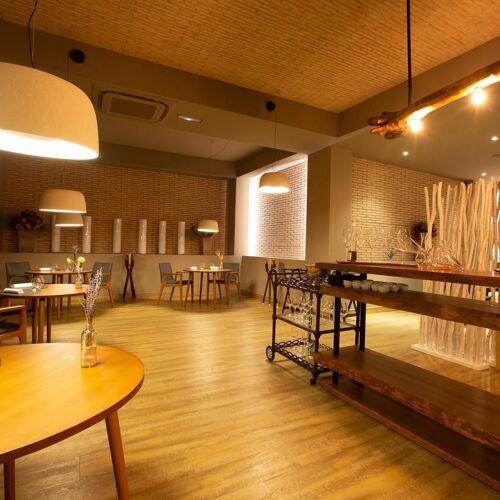
Specific dining details are not available. The dress code is smart casual, but menus, service times, and dining format should be checked directly with Hotel La Caminera Club de Campo before you plan around them.