

Trunk Hotel Cat Street
Shibuya, Tokyo
Hotel in Tokyo, Japan
 Book with Pearl
Why go
Trunk Hotel Cat Street is a strong Shibuya-Jingumae pick for design-focused couples, celebrations, families with older kids who want walkable Tokyo energy. It carries Design Hotels membership and MICHELIN Guide hotel selection, but the value is mainly neighborhood, mood, style rather than resort-scale facilities.
About Trunk Hotel Cat Street
For a Tokyo stay where style and third-party recognition matter, Trunk Hotel Cat Street is best framed as a design-oriented hotel rather than a property to judge by assumptions about extras. The clearest facts are its smart-casual dress code, its 2026 Design Hotels Member recognition, its MICHELIN Guide Hotels Selected status for 2025.
That makes the hotel easier to assess if your decision is based on style, setting in Tokyo, hotel recognition. Details such as specific facilities, room layouts, dining formats, prices, service add-ons should be confirmed directly with the hotel before booking.
Use it for a design-minded Tokyo stay, not for assumptions about amenities
The strongest case for Trunk Hotel Cat Street is its design-hotel recognition and MICHELIN Guide hotel selection. It may suit travelers who want a Tokyo hotel with a contemporary hospitality signal, but it should not be booked on the basis of claims about restaurants, wellness facilities, family amenities, or room categories.
For a special occasion, the safer way to think about the property is simple: it has credible hotel-recognition markers, but the details that determine comfort should be checked for your exact dates. If dress expectations matter, the confirmed dress code is smart casual.
The decision comes down to recognition over specifics
Choose this hotel if the Design Hotels membership and MICHELIN Guide hotel selection are meaningful signals for your Tokyo trip. Skip making assumptions beyond those facts unless the hotel confirms them directly. In a city with many hotel styles, that distinction helps keep the decision grounded.
Recognition from Design Hotels and selection by the MICHELIN Guide's hotel coverage give this property credible design and hospitality signals, but the practical verdict is still specific: it works when those signals match what you want from a Tokyo stay. For travelers who need a broader facilities list, compare carefully with another Tokyo hotel before booking.
Planning details
- Location
- 5-31 Jingumae, Shibuya-Ku, Tokyo 150-0001, Japan
- Website
- catstreet.trunk-hotel.com/en/reserve
- Phone
- +81357663210
The take
The Take
The Vibe
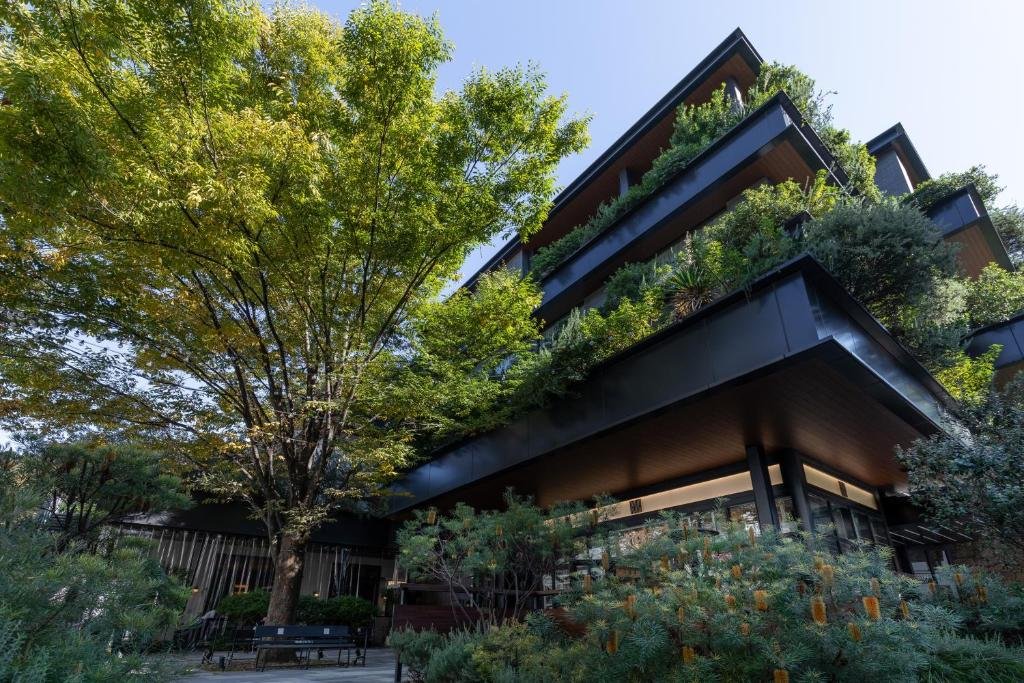
Trunk Hotel Cat Street presents itself as a quietly curated, design-forward neighborhood anchor rather than a conventional luxury property. Its interiors foreground Japanese craft and reclamation—upcycled furnishings paired with contemporary artworks—so the overall feel is thoughtfully hand-assembled and personable. The hotel blends into Ura‑Harajuku’s low-rise, independent streetscape, favoring material authenticity over grand gestures. This gives the place an intimate, charming presence that appeals to travelers who prefer scale, craftsmanship, and a genuine connection to the surrounding creative community.
Best For
This hotel suits travelers who want to be embedded in Ura‑Harajuku’s creative life: solo explorers tracing Cat Street’s vintage shops and small-batch artisans, design-minded visitors studying contemporary Japanese craft, and couples seeking a low-key, curated urban stay. Because the property reads like part of the neighborhood rather than a vertical landmark, it works well for guests who prioritize walking access to Harajuku and Omotesando and who value a boutique, personality-driven alternative to Tokyo’s larger, more formal hotels.
Stay Tips
Approach the property on foot from Harajuku or Omotesando stations to appreciate how it integrates with Cat Street’s independent stores and makers—this pedestrian arrival is part of the experience. Expect interiors that emphasize craftsmanship and upcycling rather than glossy spectacle, and plan time to explore the surrounding stretch of vintage shops, ceramics studios, and single‑origin coffee spots. Treat the hotel as a base for neighborhood discovery rather than a standalone destination; letting the street define your itinerary yields the best sense of place.
Venue details
Ambiance
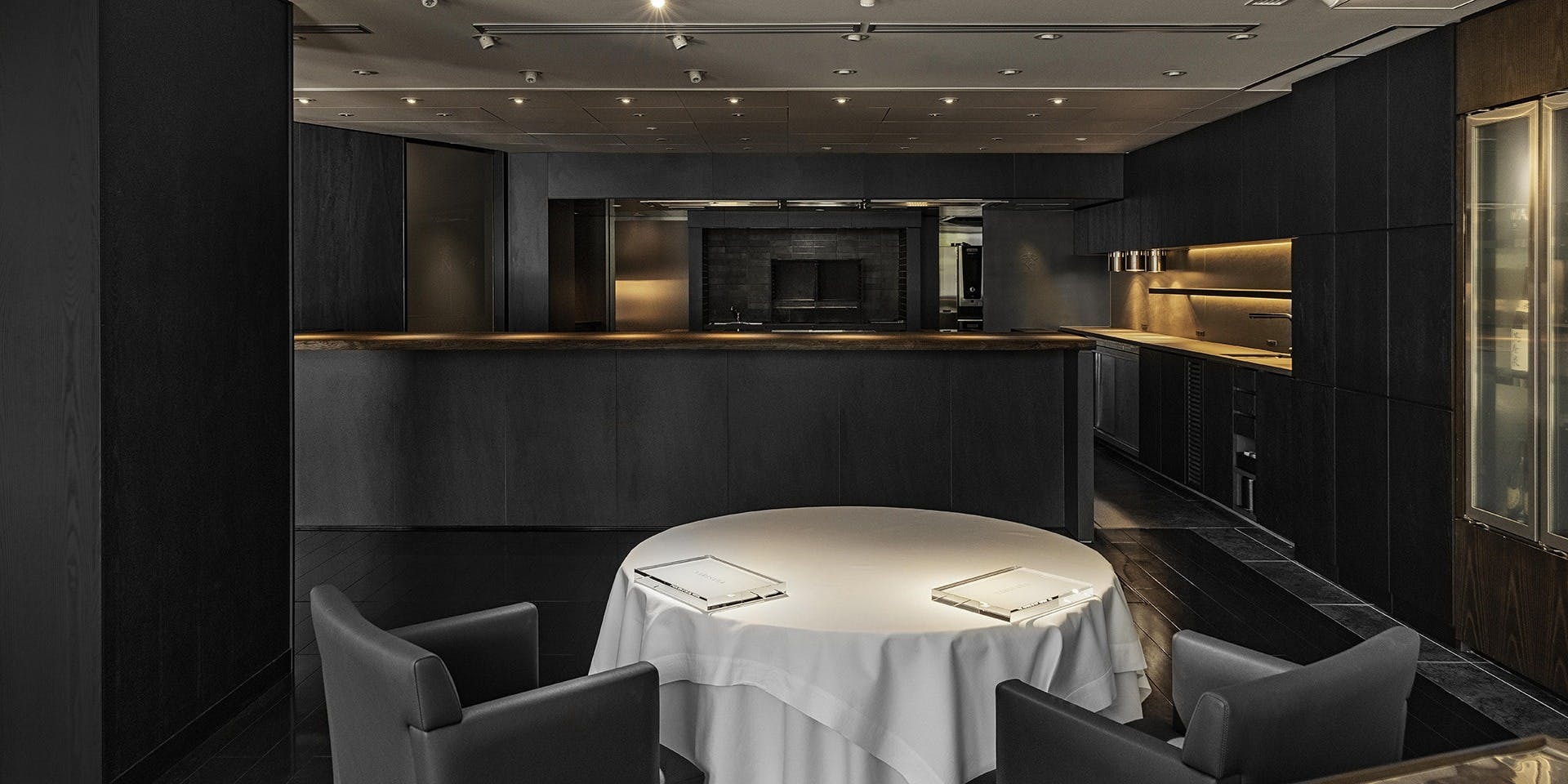
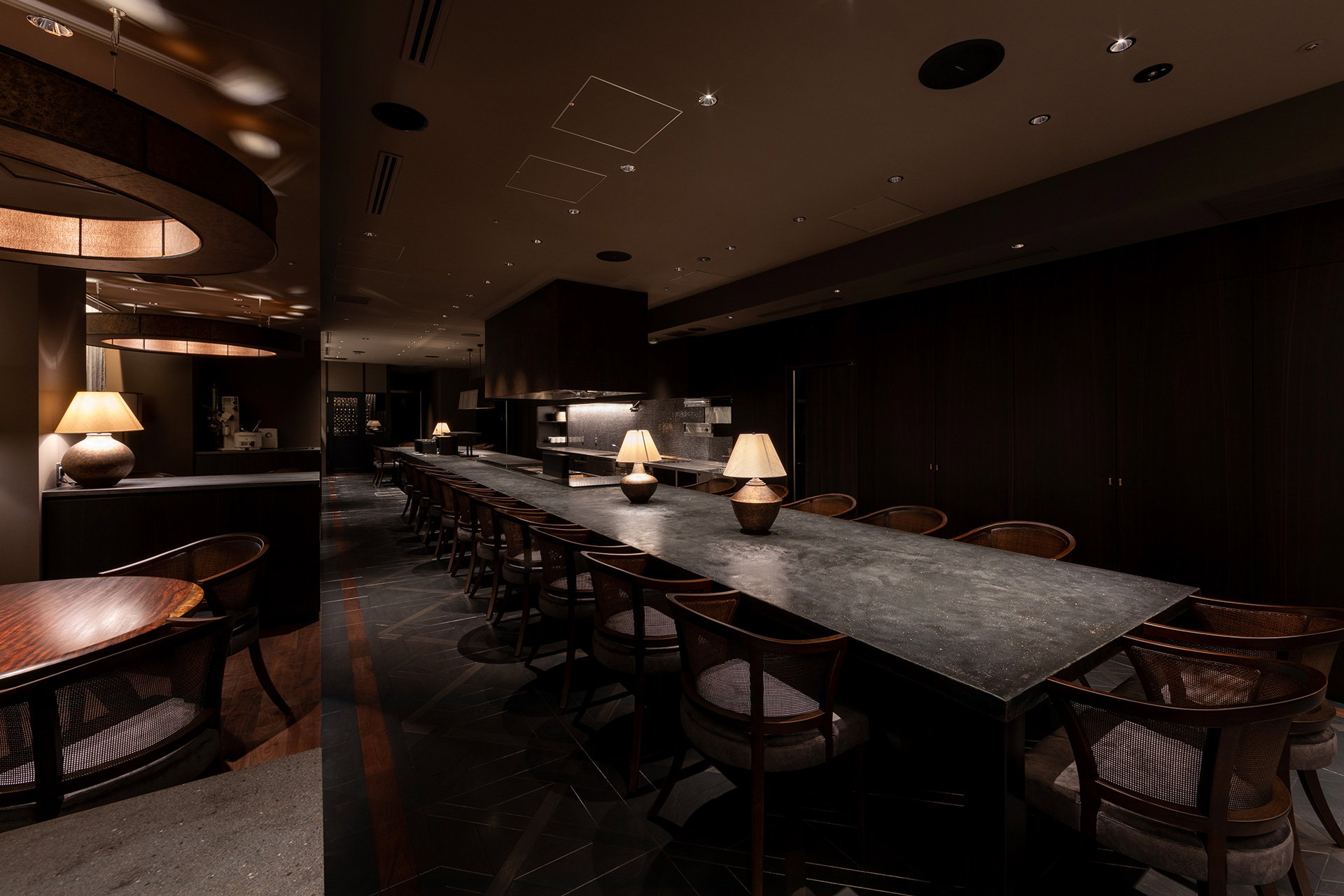
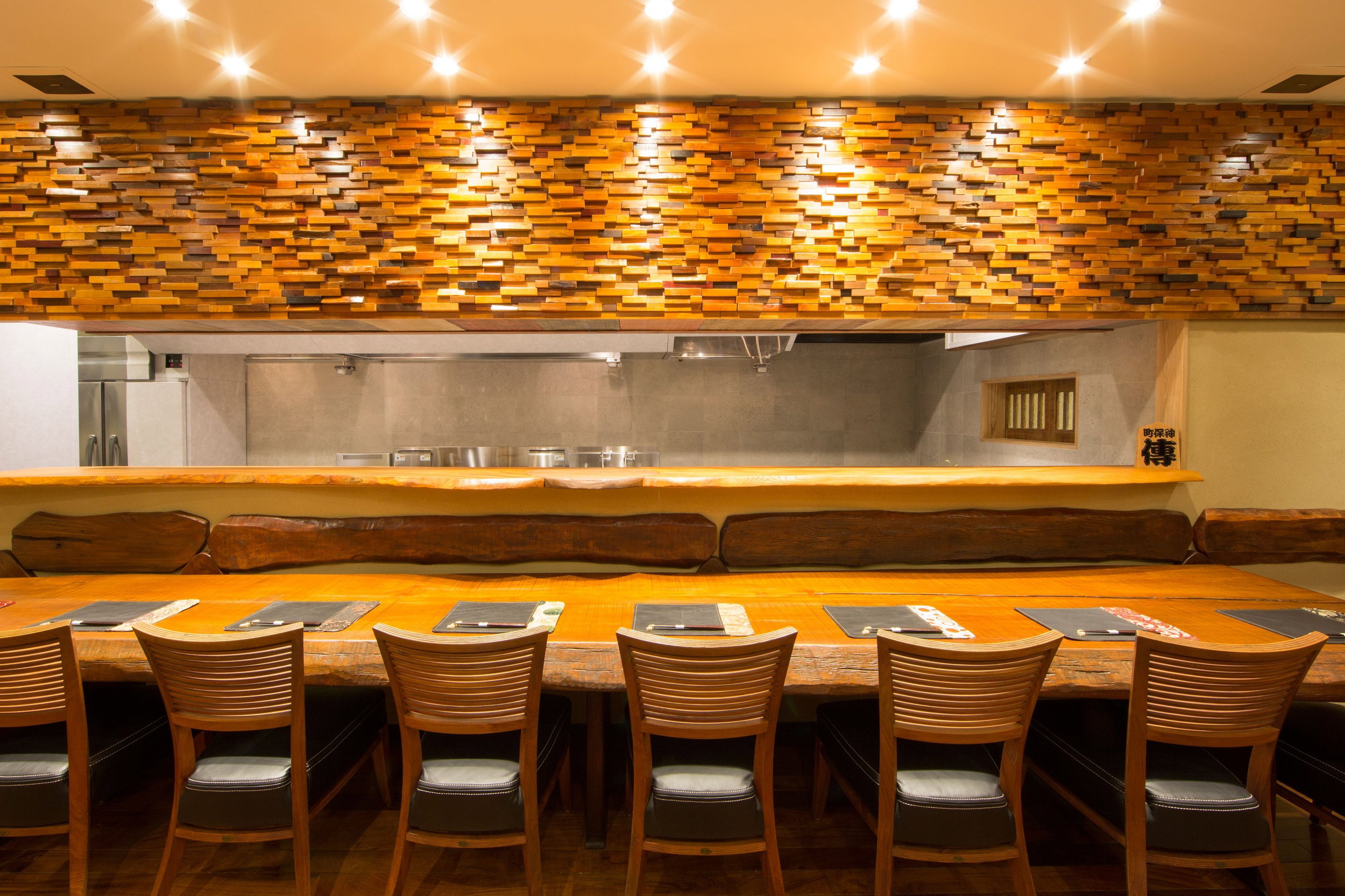
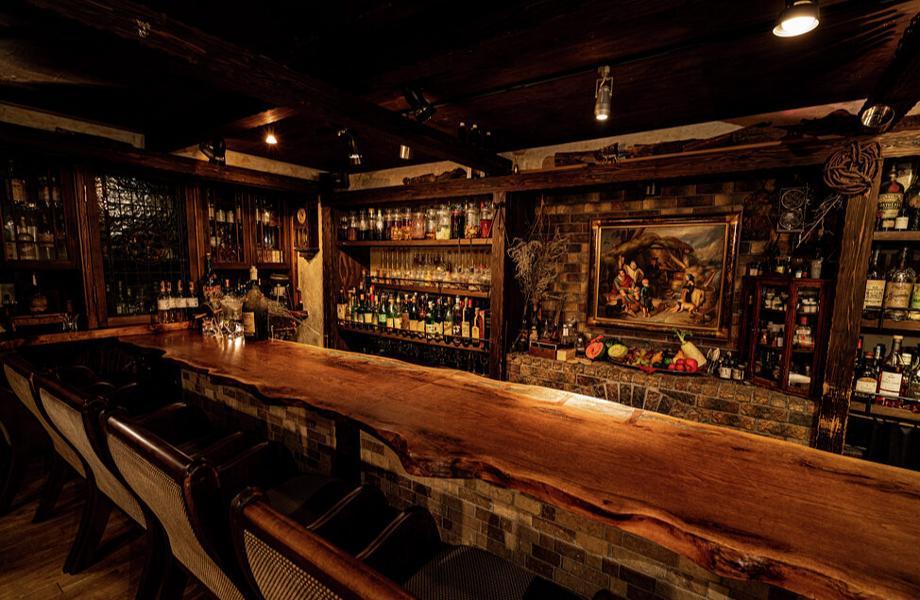
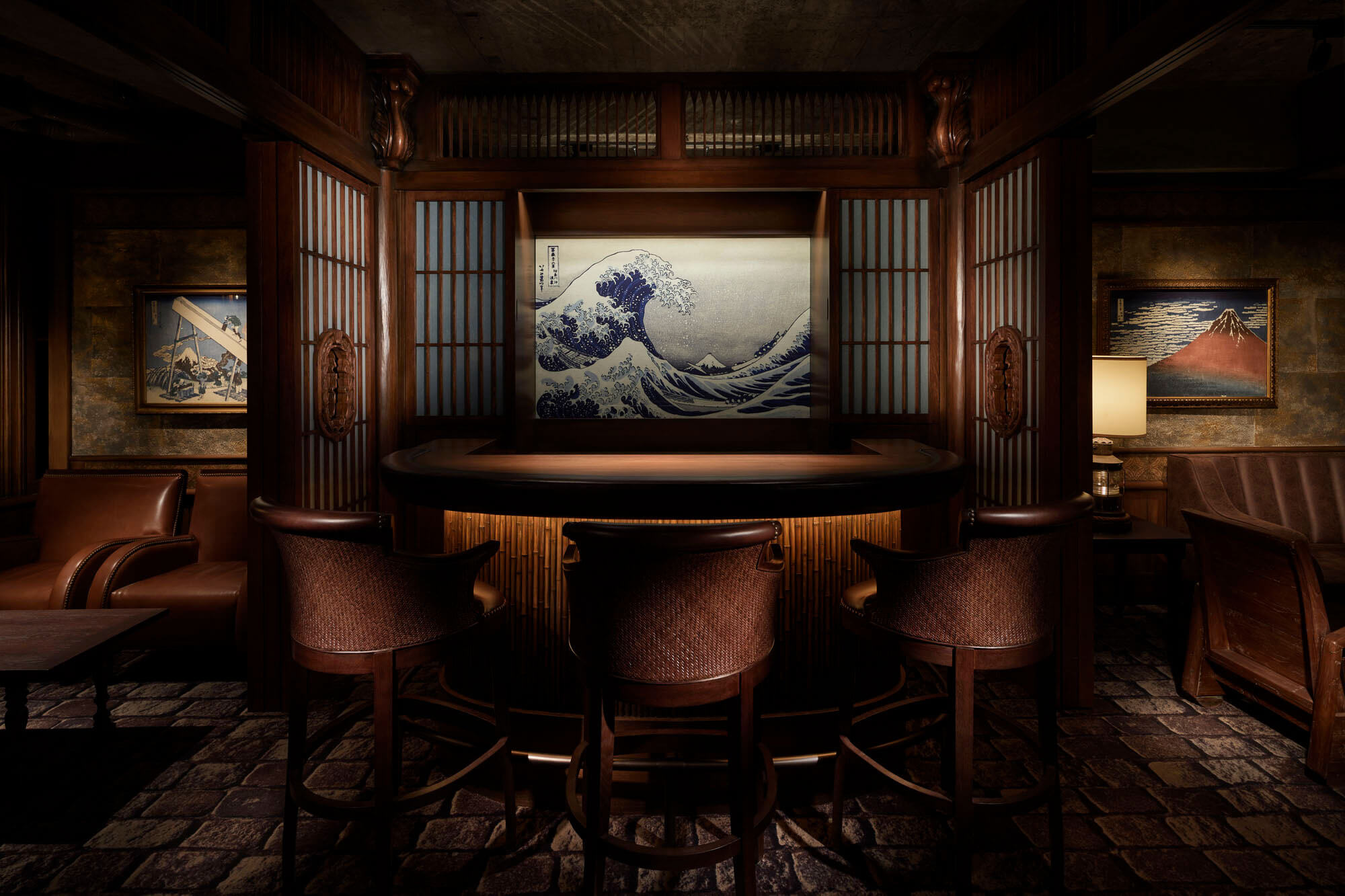
Art gallery aesthetic with white neon lights against neutral wood walls, concrete floors, spot lighting, and a relaxed, convivial atmosphere in dining areas.
Tags
Vibe
Best For
Experience
Amenities
View
Accessibility
About the Stay
- Rooms
- 15
- Property Style
- Eco Chic Boutique with Upcycled Materials and Socialising Ethos.
- Design Style
- Minimalist Modern with Japanese Craftsmanship and Art Gallery Vibes.
Planning details
Location
5-31 Jingumae, Shibuya-Ku, Tokyo 150-0001, Japan · Directions
Recognition and awards
Also consider
Also Consider
- TRUNK(WEDDING), Notable alternative
- Dormy inn PREMIUM Shibuya-jingumae, Notable alternative
- Hotel Koé Tokyo, Notable alternative
- Shibuya Excel Hotel Tokyu, Notable alternative
- Hotel Indigo Tokyo Shibuya, Notable alternative
Hotel context
How it compares in Shibuya and nearby Tokyo
Choose Trunk Hotel Cat Street over Shibuya Excel Hotel Tokyu if atmosphere matters more than station-convenience efficiency. Shibuya Excel Hotel Tokyu is the more practical station-area choice for short stays, luggage-heavy arrivals, or travelers who want the simplest transit setup. Trunk is the better call for a celebration where the neighborhood feel is part of the experience.
Dormy inn PREMIUM Shibuya-jingumae is the more value-driven alternative in the same general orbit, especially for travelers who care less about design positioning. Hotel Koé Tokyo competes more directly on fashion-district energy, while Trunk has the stronger hotel-recognition signal through Design Hotels membership and MICHELIN Guide hotel selection.
Hotel Indigo Tokyo Shibuya is the safer pick for guests who prefer a bigger-brand framework and clearer loyalty expectations. TRUNK(WEDDING) is relevant for event-focused planning rather than a standard hotel stay. For an easy-to-like Shibuya-area base with more personality than a business hotel, Trunk Hotel Cat Street is the one to price-check first; for transit convenience or chain predictability, cross-shop the Excel or Indigo.
Explore Tokyo
Around this place
Discover more on Pearl
Unlock the full Trunk Hotel Cat Street guide in Pearl, including awards, comparisons, FAQs, planning details, and nearby places.
Compare Trunk Hotel Cat Street
| Venue | Location | Awards |
|---|---|---|
| Trunk Hotel Cat Street | Tokyo | 2026 Design Hotels Collection2025 Michelin Selected Hotels |
| TRUNK(WEDDING) | Tokyo | No published awards |
| Dormy inn PREMIUM Shibuya-jingumae | Tokyo | No published awards |
| Hotel Koé Tokyo | Tokyo | No published awards |
| Shibuya Excel Hotel Tokyu | Tokyo | Preferred Hotels Member 2025 |
| Hotel Indigo Tokyo Shibuya | Tokyo | No published awards |

How Trunk Hotel Cat Street Tokyo compares with similar nearby venues.
FAQ
Frequently Asked Questions
Do loyalty programs work at Trunk Hotel Cat Street?
Trunk Hotel Cat Street's clearest trust signals are its 2026 Design Hotels Member recognition and MICHELIN Guide Hotels Selected status for 2025.
Which room category is best at Trunk Hotel Cat Street?
When is the best time to book Trunk Hotel Cat Street?
How is the dining at Trunk Hotel Cat Street?
How is the pool and spa at Trunk Hotel Cat Street?
What is check-in like at Trunk Hotel Cat Street?
If you are comparing options, Dormy inn PREMIUM Shibuya-jingumae is another hotel to review, while Trunk Hotel Cat Street is best assessed on its Design Hotels and MICHELIN Guide hotel recognition.