
Mercure Tbilisi Old Town
Tbilisi
Hotel in Tbilisi, Georgia
 Book with Pearl
Why go
Mercure Tbilisi Old Town is the practical Old Town choice for travelers who want a recognized, easy-to-book base rather than a boutique statement hotel. It suits short city stays, business trips, and celebration weekends where location matters more than an expansive on-property experience.
About Mercure Tbilisi Old Town
Mercure Tbilisi Old Town is a Tbilisi hotel listed as MICHELIN Guide, Hotels Selected for 2025. Travelers comparing stays in the city may also want to look at Margot Old Tbilisi or Khedi Hotel Tbilisi.
Book for a recognized Tbilisi hotel, not extra assumptions
The clearest reason to consider this hotel is the confirmed MICHELIN Guide hotel selection for 2025. Specific amenities, room tiers, pricing, views, dining formats, and wellness facilities should be checked directly at booking rather than assumed from general hotel descriptions.
Room-category strategy should be conservative here. Without a clear price spread or named room tiers, the safer play is to avoid paying heavily for extras unless the booking page shows a clear space, layout, or view advantage. For most travelers, the practical move is to compare the live booking details against the rest of the trip budget, including meals from our full Tbilisi restaurants guide or drinks from our full Tbilisi bars guide.
The decision: recognized Tbilisi stay over uncertain extras
The MICHELIN Guide hotel selection for 2025 is the main trust signal here, and it helps frame the decision. No specific service style, room count, price point, dining program, spa setup, or detailed location claim should be treated as confirmed. Choose Mercure Tbilisi Old Town if that MICHELIN hotel recognition and a Tbilisi stay fit your plans.
If the stay is for a special trip, ask what matters most: a confirmed recognition signal or a more clearly defined personality from another hotel listing. For comparison, consider Margot Old Tbilisi, Khedi Hotel Tbilisi, Tiflis Palace, Qarvasla Hotel, or Golden Tulip Design Tbilisi. Travelers still choosing where to stay should start with our full Tbilisi hotels guide, then build the rest of the trip with our full Tbilisi wineries guide and our full Tbilisi experiences guide.
Planning details
- Location
- 9 Vakhtang Gorgasali St, Tbilisi 0105, Georgia
- Website
- all.accor.com/lien_externe.svlt?goto=fiche_hotel&code_hotel=9417&merchantid=seo-maps-GE-9417&sourceid=aw-cen
- Phone
- +995 32 200 60 60
The take
The Take
The Vibe
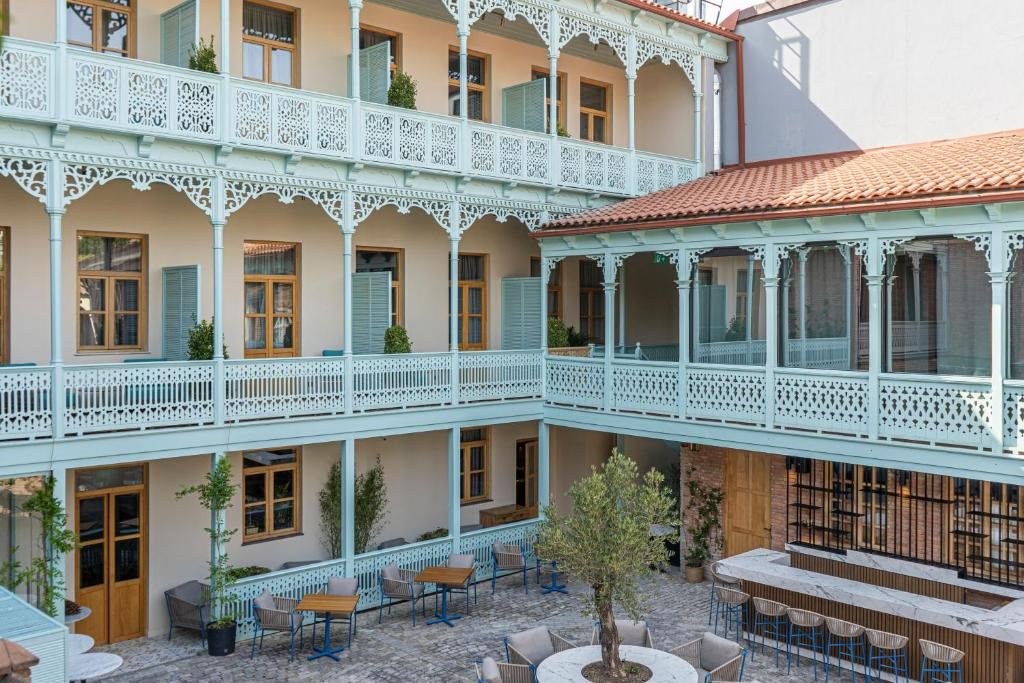
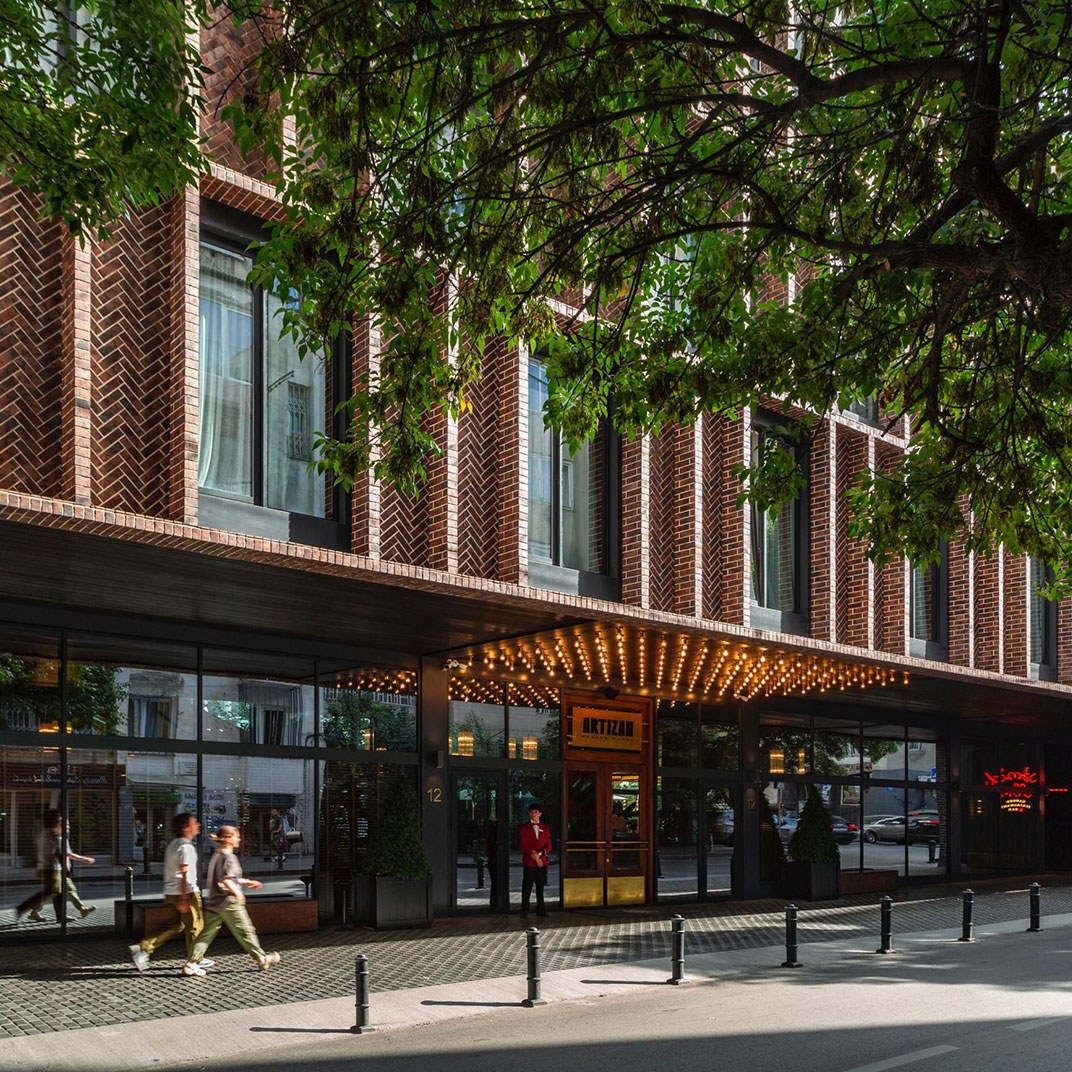
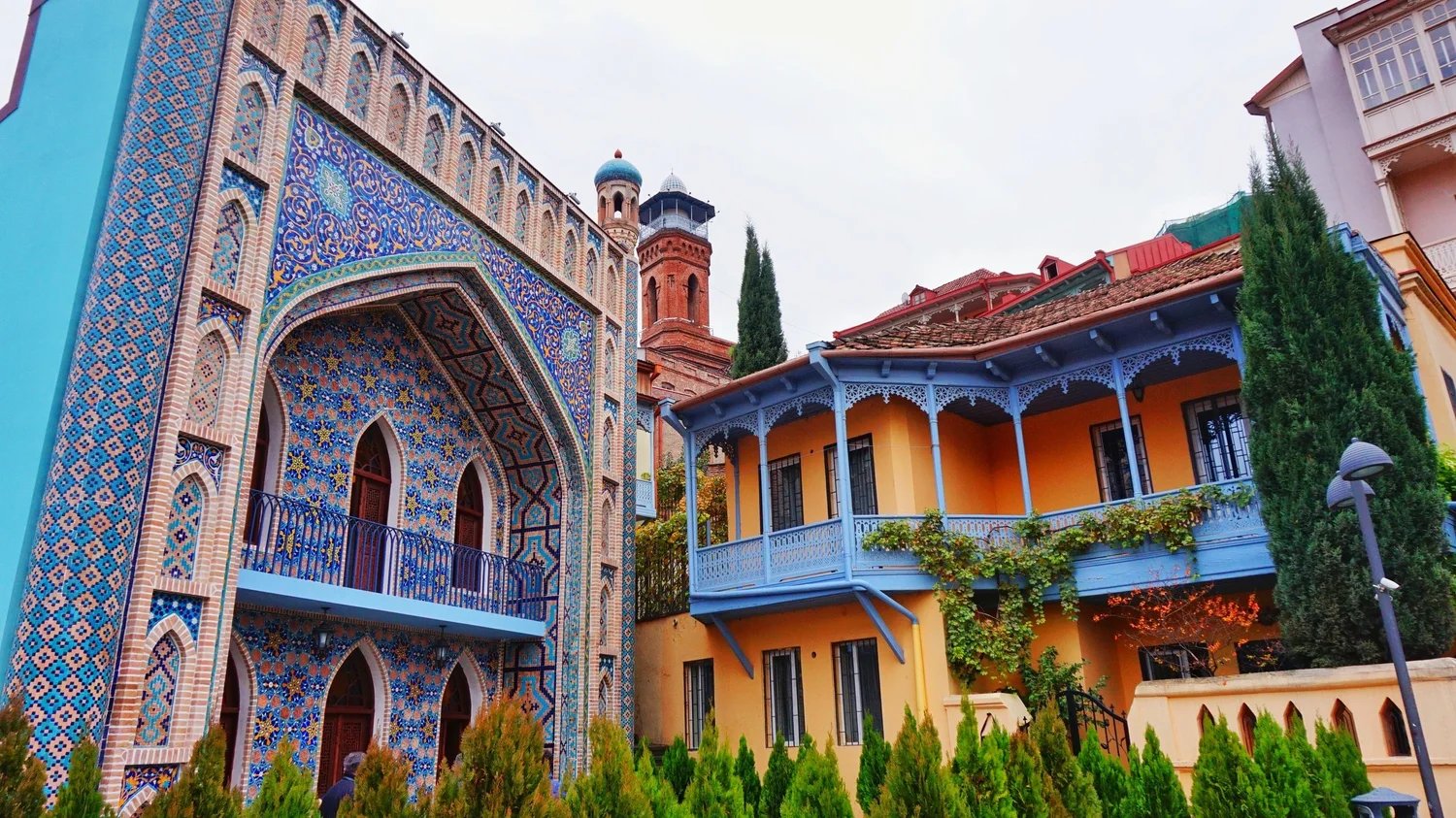
Mercure Tbilisi Old Town reads as a convergence of international-brand steadiness and Old Town gravitas. The write-up stresses its placement at 9 Vakhtang Gorgasali Street — an address described as historically loaded — and locates the hotel within the sulphur-bath quarter, with Metekhi Church, the domed bath houses and the Narikala ridge forming the immediate context. Michelin Selected recognition is highlighted, reinforcing a sense of reliable quality rather than boutique eccentricity. Overall the property presents as an urbane, historic-minded base: a recognizable brand presence that nevertheless sits amid Tbilisi’s most evocative streets and landmarks.
Best For
This hotel is best for travelers who want a dependable, internationally branded base in Tbilisi’s Old Town without sacrificing proximity to the city’s key sights. The copy positions Mercure as part of the ‘international-brand tier,’ where consistent service and loyalty programmes matter alongside location, and points to easy walking access to the sulphur baths, Metekhi Church and Narikala. It suits visitors who prioritize inspected, predictable standards and a central address from which to explore the historic heart of the city on foot.
Stay Tips
Use the hotel when you want brand consistency in Old Town and consider leveraging the Mercure/Accor loyalty programme if repeat stays or benefits matter; the description emphasises that loyalty and consistent service are important in this tier. The property’s Michelin Selected designation signals a baseline of quality inspectors have endorsed, so book early if you want a reliable, centrally located room. Pick this option when you prefer an international-brand experience in a neighbourhood known for its historic density rather than a small, design-led guesthouse.
Venue details
Ambiance
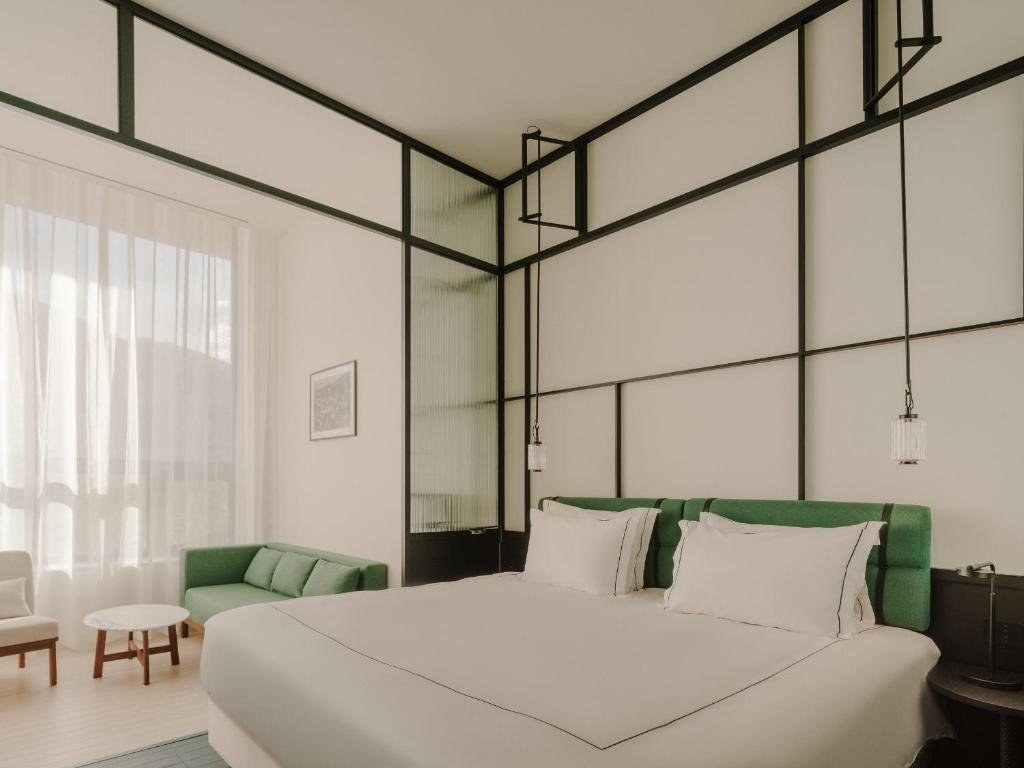
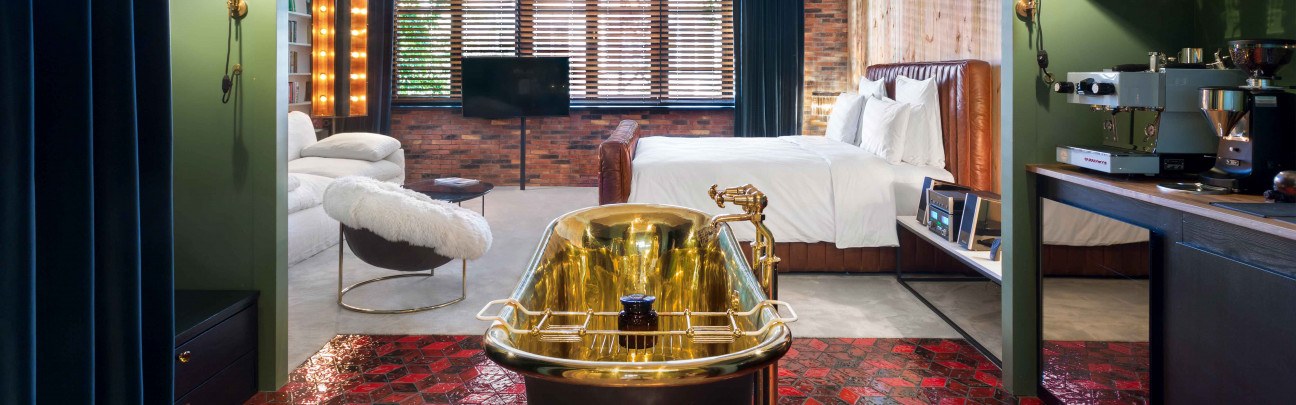
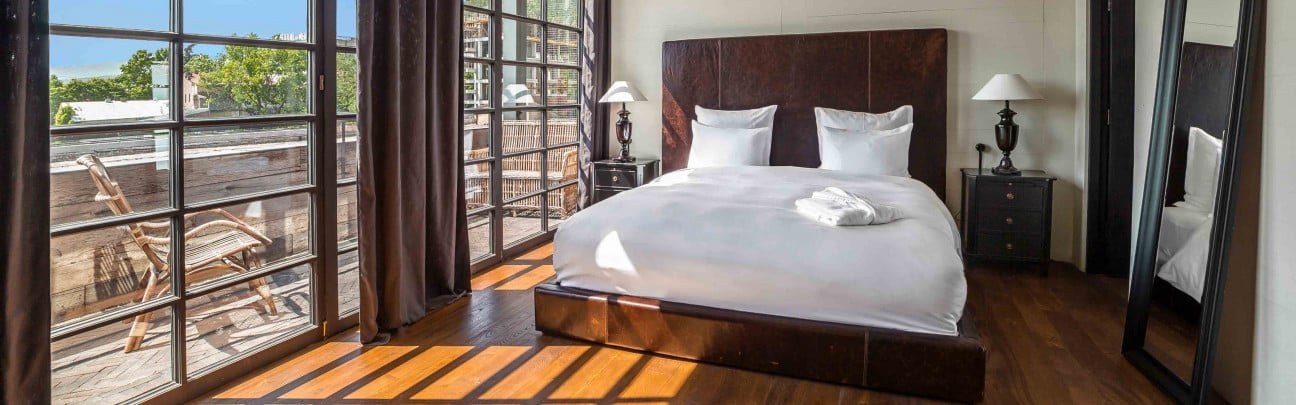
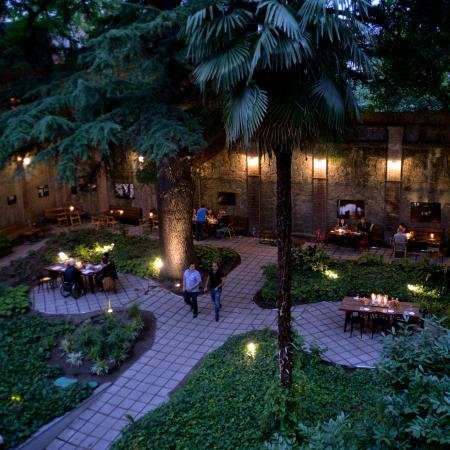
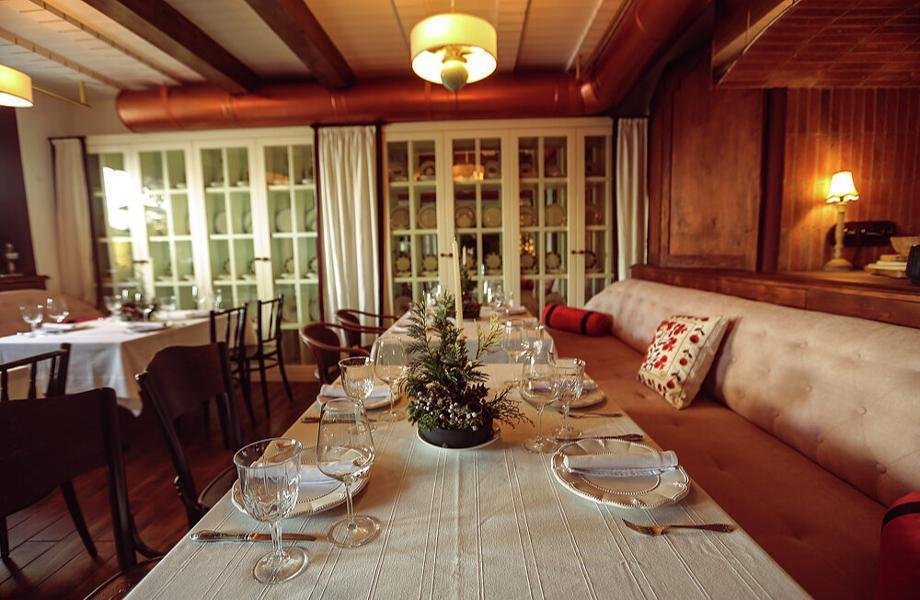
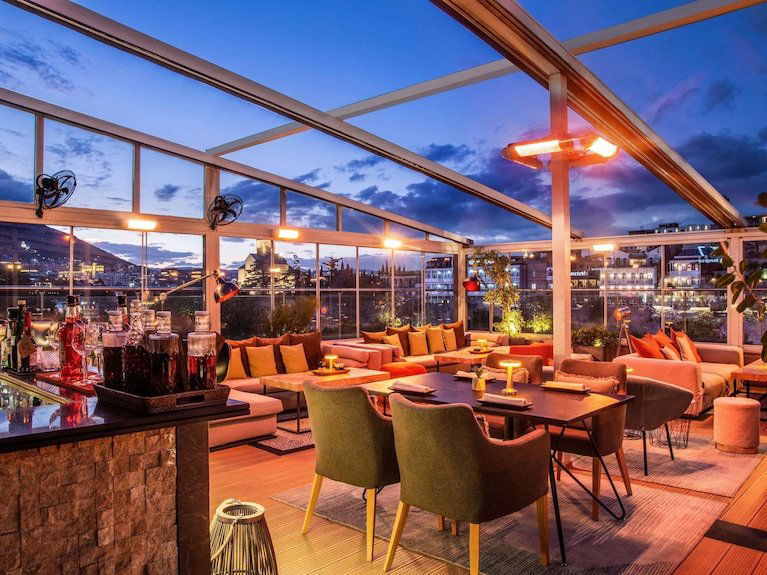
Modern elegance with eco-friendly touches; guests praise spacious, comfortable rooms and attentive service in a well-maintained, clean environment.
Tags
Vibe
Best For
Experience
Amenities
View
Accessibility
About the Stay
- Rooms
- 108
- Check-in
- 15:00
- Check-out
- 12:00
- Property Style
- Modern Western Style International Hotel with Eco Certified Design and Classic Styling Elements.
- Design Style
- Contemporary with Classic Accents; Modern Facilities Including Minibar, Flat Screen Tv with Youtube Connectivity, and Minimalist Room Aesthetics.
Know before you go
Know Before You Go
- Getting there
- 9 Vakhtang Gorgasali St, Tbilisi 0105, Georgia
Planning details
Location
9 Vakhtang Gorgasali St, Tbilisi 0105, Georgia · Directions
Recognition and awards
Also consider
Where to Look If It Is Not the Right Fit
For a more atmospheric Old Tbilisi stay, check Margot Old Tbilisi first. For a more design-conscious alternative, compare Khedi Hotel Tbilisi and Golden Tulip Design Tbilisi before committing.
Hotel context
How It Compares
Choose Mercure Tbilisi Old Town if booking ease and Old Town access matter more than boutique character. Against Tiflis Palace, it reads as the more conventional, lower-friction option; Tiflis Palace is the better cross-shop if the priority is a stronger sense of occasion near the historic center.
Margot Old Tbilisi and Khedi Hotel Tbilisi are stronger candidates for travelers who care about ambiance and a more personal hotel feel. Mercure is the safer pick for business travelers, first-time visitors, or anyone who wants a familiar city-hotel format with less booking stress.
Qarvasla Hotel and Golden Tulip Design Tbilisi are worth checking when rates are close. If Golden Tulip Design Tbilisi is priced similarly, design-minded guests should compare it closely; if Mercure is meaningfully cheaper, the value case improves for travelers who plan to spend most of the day out in Tbilisi.
Around this place
Discover more on Pearl
Unlock the full Mercure Tbilisi Old Town guide in Pearl, including awards, comparisons, FAQs, planning details, and nearby places.
Compare Mercure Tbilisi Old Town
| Venue | Location | Awards |
|---|---|---|
| Mercure Tbilisi Old Town | Tbilisi | 2025 Michelin Selected Hotels |
| Tiflis Palace | Tbilisi | No published awards |
| Margot Old Tbilisi | Tbilisi | No published awards |
| Khedi Hotel Tbilisi | Tbilisi | No published awards |
| Qarvasla Hotel | Tbilisi | No published awards |
| Golden Tulip Design Tbilisi | Tbilisi | No published awards |
How Mercure Tbilisi Old Town compares with similar nearby venues.
FAQ
Frequently Asked Questions
How is the pool and spa at Mercure Tbilisi Old Town?
Check current hotel information directly if wellness facilities are important to your stay. Mercure Tbilisi Old Town has MICHELIN Guide Hotels Selected 2025 recognition.
What is check-in like at Mercure Tbilisi Old Town?
How does Mercure Tbilisi Old Town compare to other hotels?
Choose this if a Tbilisi hotel with MICHELIN Guide Hotels Selected 2025 recognition fits your needs. Tiflis Palace, Qarvasla Hotel, Golden Tulip Design Tbilisi, Margot Old Tbilisi, and Khedi Hotel Tbilisi are natural alternatives to compare when you are weighing hotel style, availability, and live booking details.
Which room category is best at Mercure Tbilisi Old Town?
Choose based on the current booking page, prioritizing the space, bed type, and cancellation terms that fit your Tbilisi trip.