
Mother Earth Vegan Hotel
Tamarindo
Hotel in Tamarindo, Costa Rica
 Book with Pearl
Why go
A stronger choice for travelers who want a vegan, wellness-forward Tamarindo base rather than a large resort outside town. The 2025 MICHELIN Guide hotel selection adds credibility, but this is a better fit for independent work-leisure stays than corporate groups needing full resort infrastructure.
About Mother Earth Vegan Hotel
Mother Earth Vegan Hotel is a hotel in Tamarindo with a casual dress code and recognition in the MICHELIN Guide hotel selection for 2025. It offers a useful credibility marker for travelers comparing stays, though specific amenities, dining formats, room types, prices, business facilities, and service details should be confirmed directly with the hotel.
The clearest signal is the MICHELIN Guide hotel selection in 2025. That recognition gives the property a useful credibility marker for travelers comparing stays, but it should not be read as confirmation of specific amenities, dining formats, room types, prices, business facilities, or service details unless those are confirmed directly with the hotel.
A Tamarindo base with limited detail
The location is Tamarindo. Specific address details, neighborhood descriptions, landmarks, and walkability claims should be checked with the hotel's official channels before using location as the deciding factor.
The word “Vegan” is part of the hotel's name, and the confirmed dress code is casual. Details about dining service, wellness facilities, room categories, pools, spa access, rates, meeting space, and other amenities should be confirmed directly before planning. For broader planning, compare Mother Earth Vegan Hotel with other lodging options and, if food access will shape the trip, check current Tamarindo dining information from up-to-date local sources.
Business-travel fit: verify the practical details before booking
For business travel, the recommendation should be cautious. Mother Earth Vegan Hotel may be relevant for travelers who specifically want a Tamarindo stay, but it does not confirm business facilities, workspaces, meeting rooms, room layouts, pricing, or booking difficulty. Anyone traveling for work should confirm the practical requirements directly before committing.
Reservations: booking difficulty is not clear. Budget: compare live rates before committing. Dress: casual. Trip fit: confirm room, amenity, and service details directly with the hotel. Location: Tamarindo.
If this is part of a wider hotel search, compare the Tamarindo choice here with other options such as Casa Chameleon Las Catalinas, Casa Chameleon at Las Catalinas, JW Marriott Guanacaste Resort & Spa, Santarena Hotel at Las Catalinas, and The Westin Reserva Conchal, an All-Inclusive Golf Resort & Spa. The decision should be based on location, current rates, and the specific services each property confirms for your dates.
Planning details
- Location
- 100 meters west of AYA, Guanacaste Province, Tamarindo, Costa Rica
- Website
- meveganhotel.com
- Phone
- +506 8791 8402
The take
The Take
The Vibe
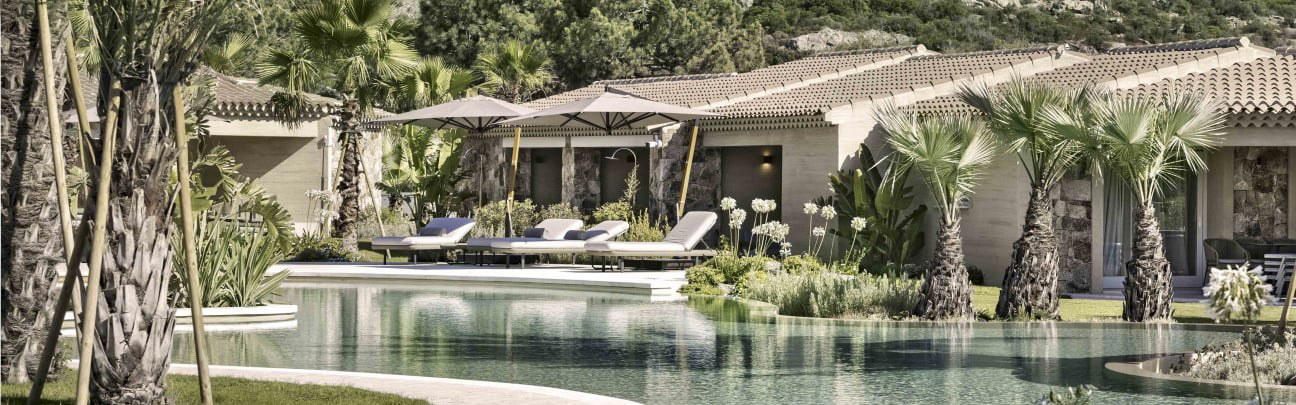
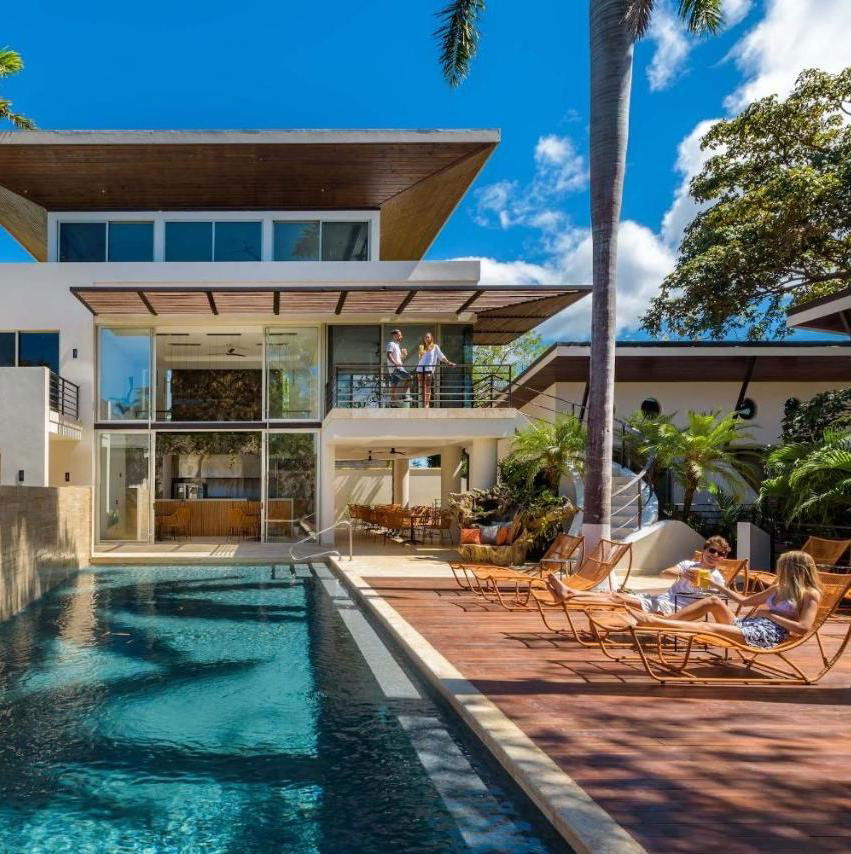
Mother Earth Vegan Hotel projects a restrained, design-forward vibe organized around a plant-based philosophy and ecological restraint. The property emphasizes local hardwoods and volcanic stone and builds around structures that defer to surrounding vegetation, producing a calm, understated atmosphere that intentionally resists resort maximalism. Its inclusion on the 2025 Michelin Selected Hotels list underscores a thoughtful, sophisticated identity rather than flashy luxury. Overall, the hotel reads as a serene, materially grounded retreat that foregrounds sustainability, quiet design gestures, and a coherent concept-driven guest experience.
Best For
This hotel is best for travelers who prioritize plant-based hospitality and a quieter, design-minded beach stay. In a town known for surfers and family-oriented resorts, Mother Earth positions itself as an eco-conscious alternative for guests seeking restraint and considered materials rather than large-scale resort amenities. The Michelin Selected Hotels recognition signals credibility for visitors who value curated, concept-driven lodging. It appeals to wellness-oriented travelers and anyone looking for a calm, understated base from which to explore the Guanacaste coast.
Venue details
Ambiance
Modern minimalist luxury with neutral tones, rattan lighting, energy-inspired artwork, and nature-immersed grounds designed for restoration and tranquility.
Tags
Vibe
Best For
Experience
Amenities
View
Accessibility
About the Stay
- Rooms
- 14
- Check-in
- 15:00
- Check-out
- 11:00
- Property Style
- Eco Luxury Boutique Hotel Designed as a Private Paradise Celebrating Plant Based Living and Environmental Consciousness.
- Design Style
- Modern Miami Style Architecture with Minimalist Interiors, Natural Stone Bathrooms, High Quality Linens, and Bespoke Energy Paintings Throughout.
Know before you go
Know Before You Go
- Getting there
- 100 meters west of AYA, Guanacaste Province, Tamarindo, Costa Rica
Planning details
Location
100 meters west of AYA, Guanacaste Province, Tamarindo, Costa Rica · Directions
Recognition and awards
Also consider
Also Consider
- JW Marriott Guanacaste Resort & Spa, Notable alternative
- The Westin Reserva Conchal, an All-Inclusive Golf Resort & Spa, Notable alternative
- Casa Chameleon at Las Catalinas, Notable alternative
- Casa Chameleon Las Catalinas, Notable alternative
- Santarena Hotel at Las Catalinas, Notable alternative
Hotel context
How it compares in the Tamarindo and Guanacaste set
Mother Earth Vegan Hotel is the town-access, values-led option. Pick it over JW Marriott Guanacaste Resort & Spa if the priority is a smaller Tamarindo stay rather than a larger resort environment. The JW Marriott is the safer direction for travelers who want scale, more facilities, and a conventional resort rhythm.
The Westin Reserva Conchal, an All-Inclusive Golf Resort & Spa is the better match for guests who want an all-inclusive structure, golf, and a more contained holiday setup. Mother Earth Vegan Hotel makes more sense for travelers who want to stay closer to Tamarindo and do not want the trip organized around a large resort plan.
For a more design-led coastal escape, compare against Casa Chameleon at Las Catalinas, Casa Chameleon Las Catalinas, and Santarena Hotel at Las Catalinas. Those are stronger for Las Catalinas atmosphere; this is the cleaner call when Tamarindo access and a vegan hotel identity are the point.
Explore Tamarindo
Around this place
Discover more on Pearl
Unlock the full Mother Earth Vegan Hotel guide in Pearl, including awards, comparisons, FAQs, planning details, and nearby places.
Compare Mother Earth Vegan Hotel
| Venue | Location | Awards |
|---|---|---|
| Mother Earth Vegan Hotel | Tamarindo | 2025 Michelin Selected Hotels |
| JW Marriott Guanacaste Resort & Spa | Santa Cruz | No published awards |
| The Westin Reserva Conchal, an All-Inclusive Golf Resort & Spa | Santa Cruz | No published awards |
| Casa Chameleon at Las Catalinas | Potrero | 2026 Forbes RecommendedStar Wine Lists 20262026 La Liste Top HotelsWorld Travel Awards 20252025 Relais Chateaux Award2025 Forbes 4-Star |
| Casa Chameleon Las Catalinas | Las Catalinas | No published awards |
| Santarena Hotel at Las Catalinas | Guanacaste | No published awards |





How Mother Earth Vegan Hotel Tamarindo compares with similar nearby venues.
FAQ
Frequently Asked Questions
How is the location of Mother Earth Vegan Hotel?
The location is Tamarindo. Specific address details and landmark-based directions should be checked with the hotel's official channels before using location as the deciding factor. Compared with JW Marriott Guanacaste Resort & Spa or The Westin Reserva Conchal, an All-Inclusive Golf Resort & Spa, choose based on current location needs and confirmed services.
Which room category is best at Mother Earth Vegan Hotel?
Room details should be confirmed directly with the hotel. If room layout, privacy, desk space, or view matters, check the available categories before booking. For a different kind of hotel comparison, Casa Chameleon at Las Catalinas may be worth reviewing alongside Mother Earth Vegan Hotel.
When is the best time to book Mother Earth Vegan Hotel?
Book when your Tamarindo dates are firm and after confirming current rates and availability directly. The property has confirmed MICHELIN Guide hotel selection recognition for 2025.
How is the dining at Mother Earth Vegan Hotel?
The word “Vegan” is part of the hotel's name, and dining details should be confirmed directly. If dining is a main priority, confirm current food service, menus, hours, and dietary details directly with the hotel. Santarena Hotel at Las Catalinas can also be reviewed as another hotel option.
How is the pool and spa at Mother Earth Vegan Hotel?
Pool and spa details should be confirmed directly with Mother Earth Vegan Hotel before booking. You can also compare current information for JW Marriott Guanacaste Resort & Spa or The Westin Reserva Conchal, an All-Inclusive Golf Resort & Spa.
How does Mother Earth Vegan Hotel compare to other hotels?
Choose Mother Earth Vegan Hotel if you specifically want a Tamarindo hotel with confirmed MICHELIN Guide hotel selection recognition in 2025 and a casual dress code. JW Marriott Guanacaste Resort & Spa, The Westin Reserva Conchal, an All-Inclusive Golf Resort & Spa, Casa Chameleon Las Catalinas, Casa Chameleon at Las Catalinas, and Santarena Hotel at Las Catalinas are useful comparisons, but current amenities, rates, and locations should be checked directly for your travel dates.