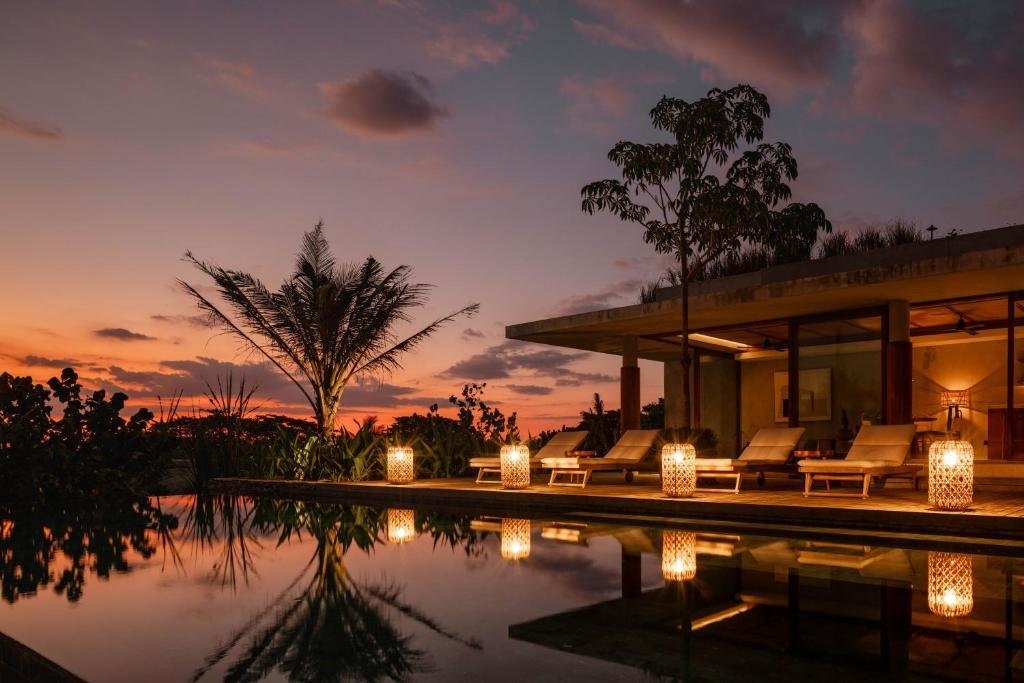




Cap Karoso
Ate Dalo, Sumba
Hotel in Sumba, Indonesia
 Book with Pearl
The Read
Franco-Sumbanese Residency Resort
Why go
Cap Karoso is the Sumba pick for travelers who want a design-led, remote stay rather than a points-driven resort choice. Its Michelin 1 Key, Tatler Asia-Pacific listing, and Design Hotels membership make it worth planning around, especially for return visitors comparing it with Nihi Sumba or other remote Indonesian escapes.
About Cap Karoso
For a Sumba trip, the smart question is whether Cap Karoso fits the kind of stay you want. Cap Karoso is a Sumba hotel with a smart casual dress code and recognition from Michelin, Tatler, and Design Hotels. Travelers should avoid assuming specific services, facilities, dining formats, or loyalty-style benefits without checking directly with the property.
Sumba rewards travelers who are comfortable planning carefully and leaving room for a slower pace. That makes the hotel choice more consequential than in larger resort markets. Cap Karoso is best considered by travelers who want the property itself to be a meaningful part of the trip, rather than simply a place to sleep between a long list of fixed plans.
A recognized Sumba stay, better for atmosphere than loyalty math
A strong reason to consider Cap Karoso is its external recognition. It received a Michelin 1 Key in 2025, was listed by Tatler in Best Hotels Asia-Pacific for 2025, and is identified as a Design Hotels member for 2026. That places it in a more curated lane than a generic stay.
Do not choose it because a traditional hotel rewards program is the main goal unless those benefits are clearly offered through your booking channel. Choose it because its profile points to a distinctive Sumba hotel with recognized hospitality credentials. If the plan is to stack elite perks, guaranteed upgrades, and familiar service playbooks, a larger branded resort elsewhere may be easier to evaluate. If the plan is to make Sumba the destination, Cap Karoso belongs on the shortlist.
Compared with Nihi Sumba, Cap Karoso is another recognized Sumba option rather than a generic fallback. That makes it useful for travelers comparing named stays on the island and deciding which hotel better fits the mood of the trip. For broader planning, use our full Sumba hotels guide alongside other Sumba planning resources, since the quality of the stay depends heavily on how much time will be spent on property.
Who should choose it, and who should not
Choose Cap Karoso if you want a recognized Sumba hotel and you are comfortable checking practical details directly before booking. The safest approach is to review current availability, room details, inclusions, transfers, dining, and any special requirements with the hotel or booking channel rather than relying on assumptions.
Skip it if the trip depends on specifics such as a particular facility, menu format, service style, or loyalty benefit. Sumba is better for travelers who enjoy context and place, not for anyone expecting the convenience and density of a larger resort market. If dining variety or nightlife is central to the trip, treat those as separate planning questions and check the current local options before committing.
Planning details
- Location
- Pantai Karoso, Ate Dalo, Kec. Kodi, Kabupaten Sumba Barat Daya, Nusa Tenggara Tim.
- Website
- capkaroso.com
- Phone
- +62 361 6201805
The take
The Take
The Vibe
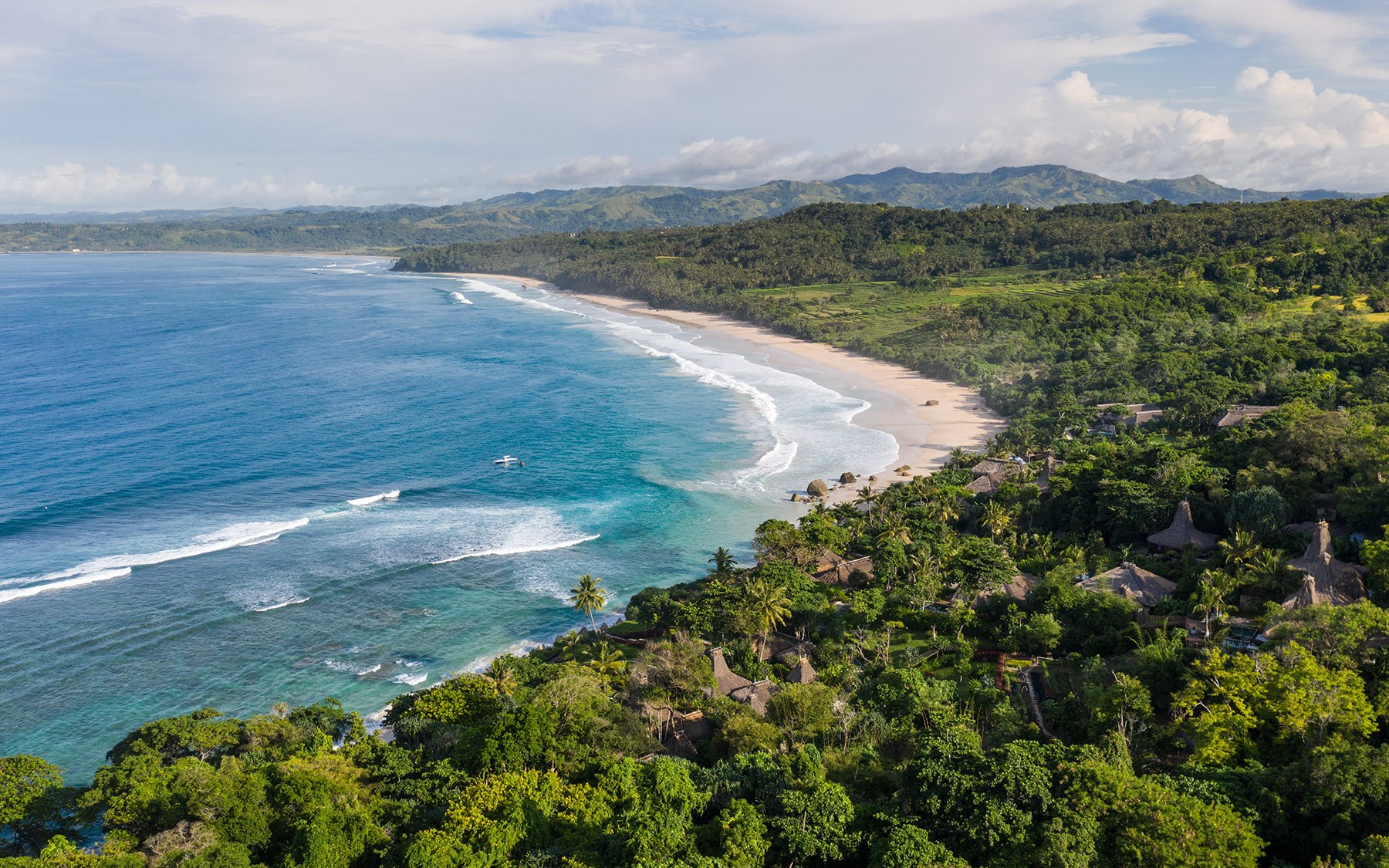
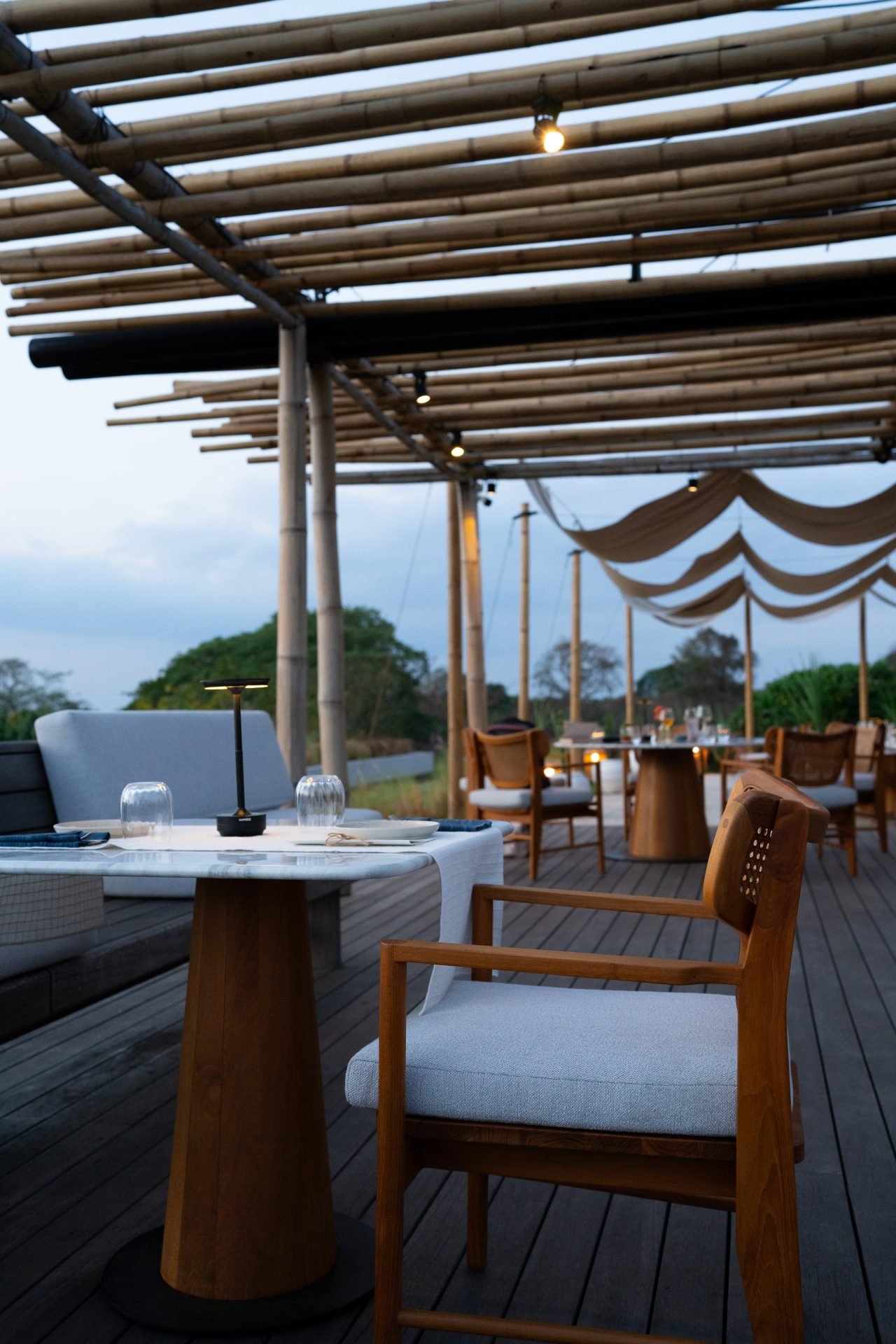
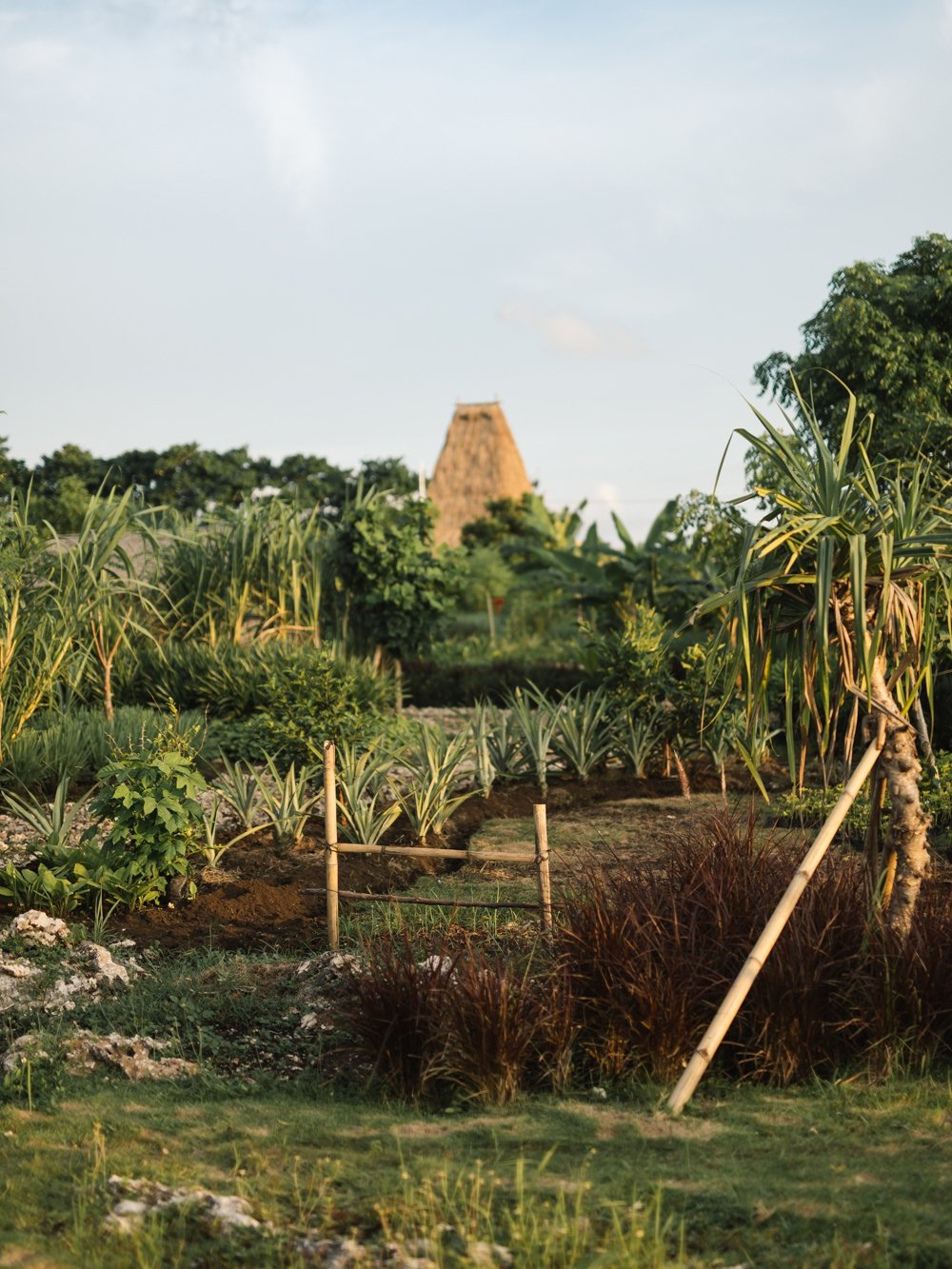
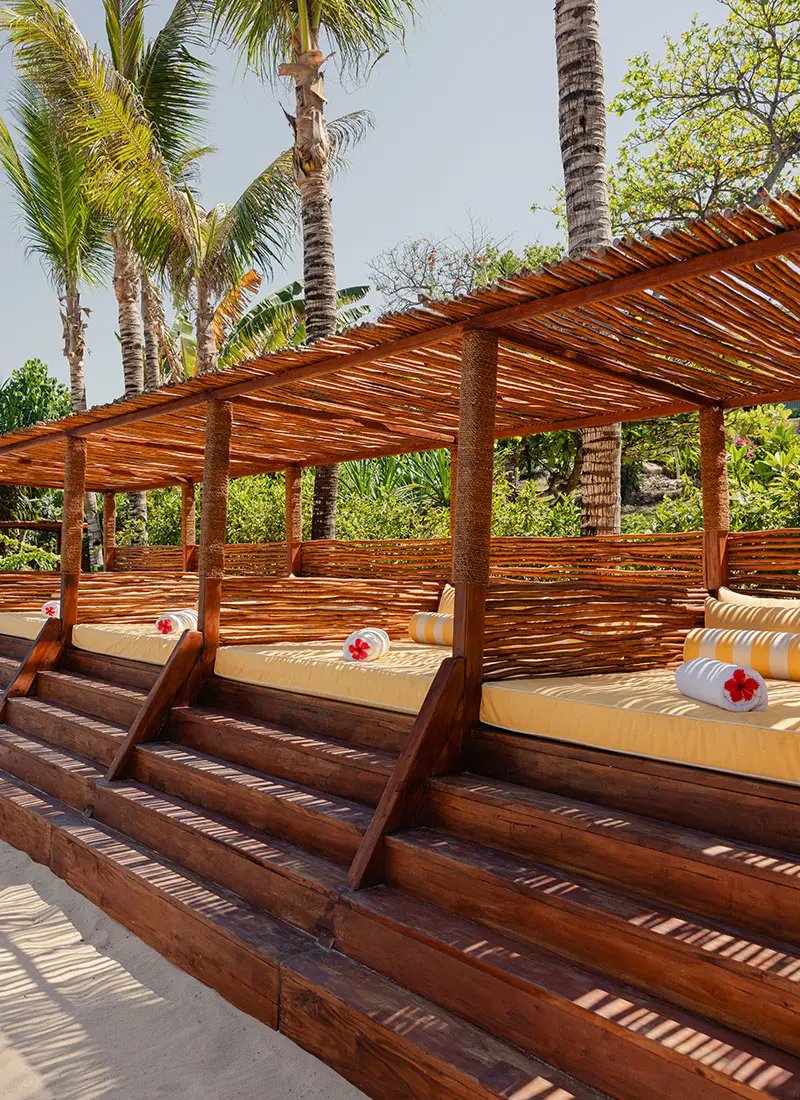
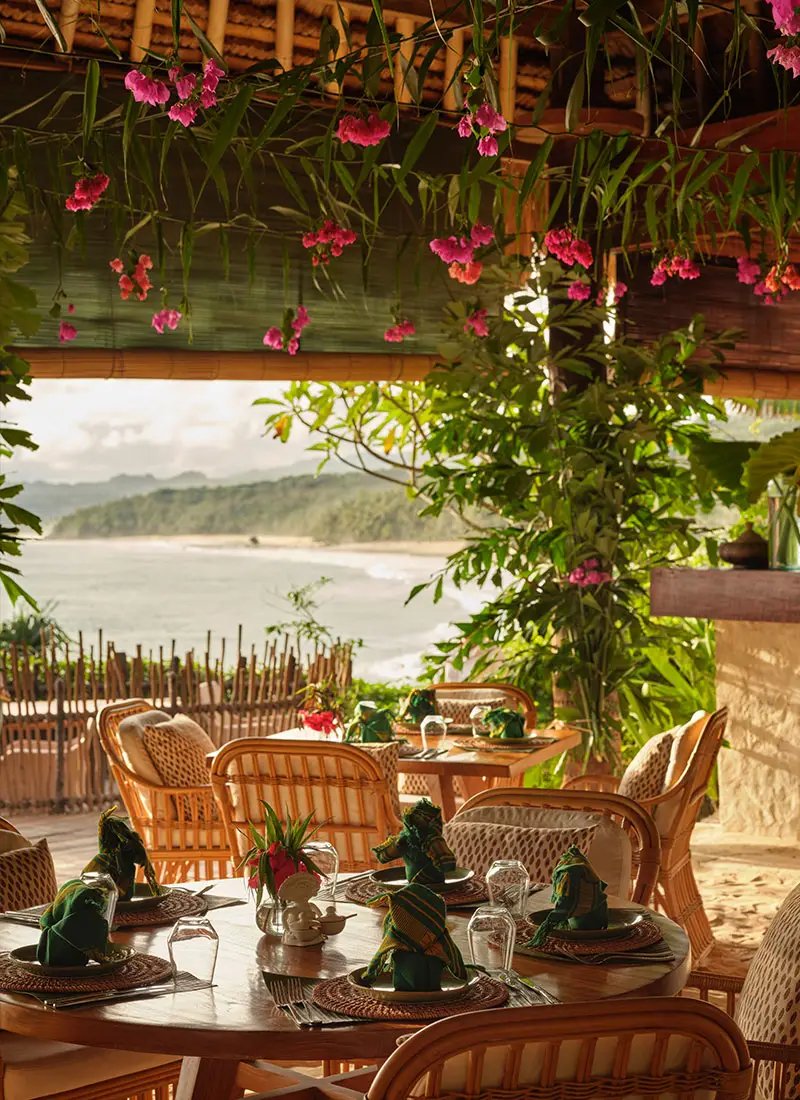
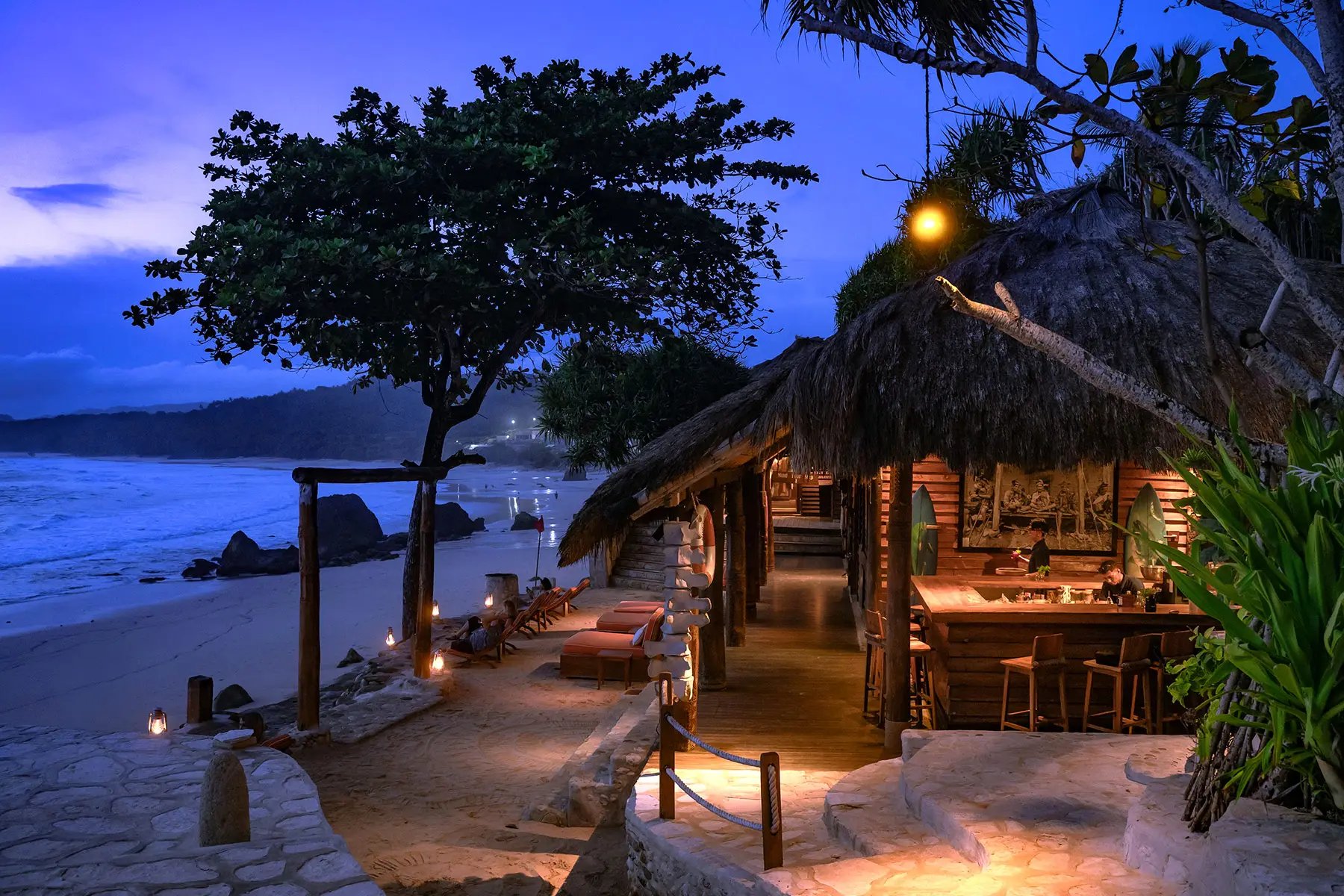
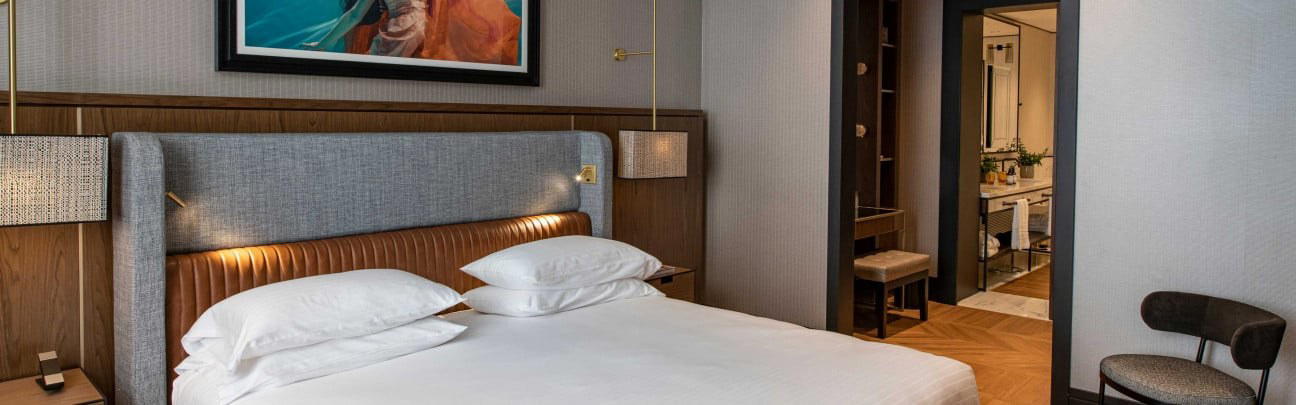
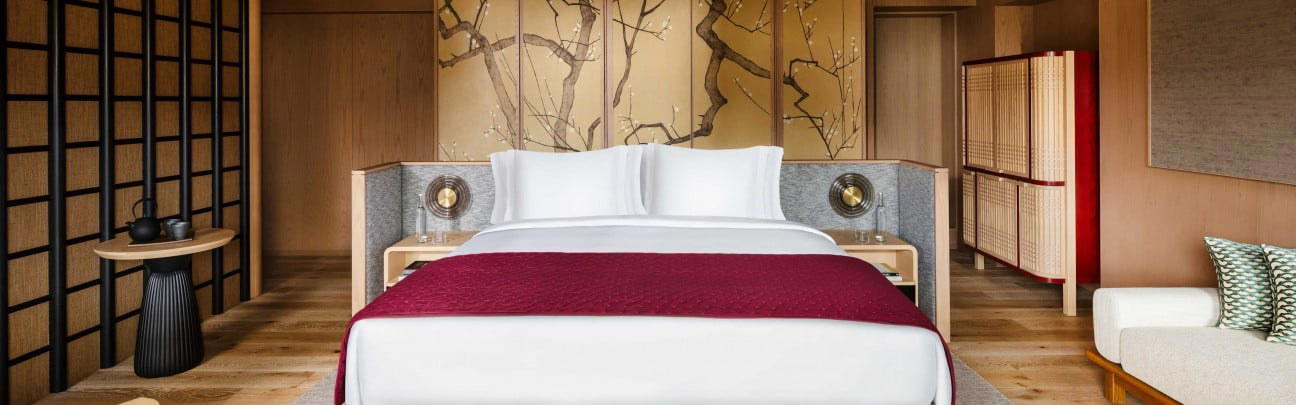
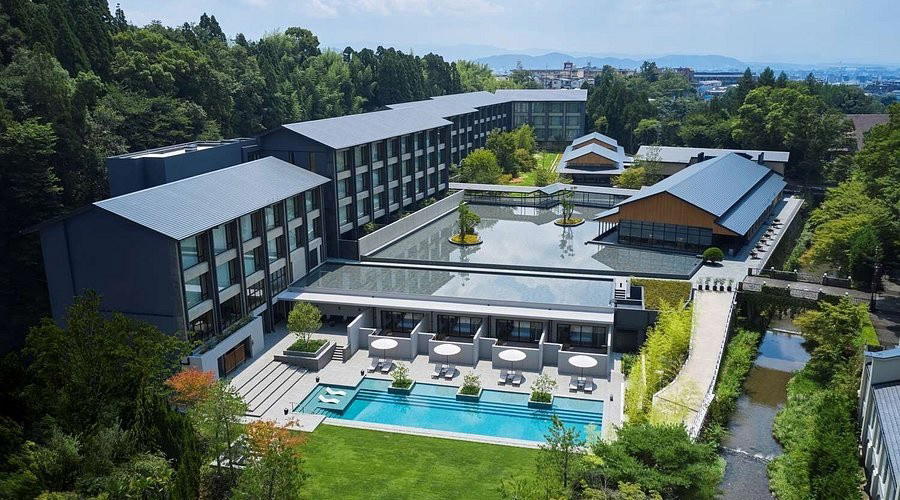
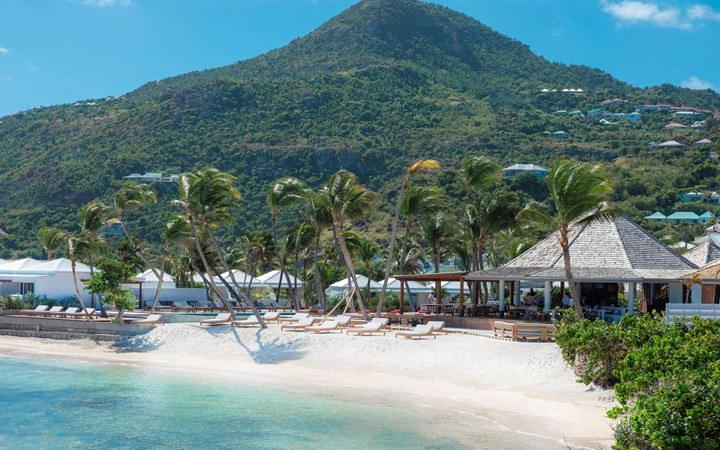
Cap Karoso reads like an architectural statement on Sumba’s rugged southwestern coast: modernist volumes and deliberate sightlines sit in productive tension with local Sumbanese building traditions. The property’s French-conceived design language is unapologetically rigorous, yet it leaves room for indigenous craft so the whole feels coherent rather than pastiche. Seclusion amplifies the effect — there are no neighboring resorts to dilute the composition — and the resort’s 67 rooms give it a boutique, intimate scale. The result is a serene, design-forward escape where materiality and composition command attention as much as the turquoise lagoon at its edge.
Best For
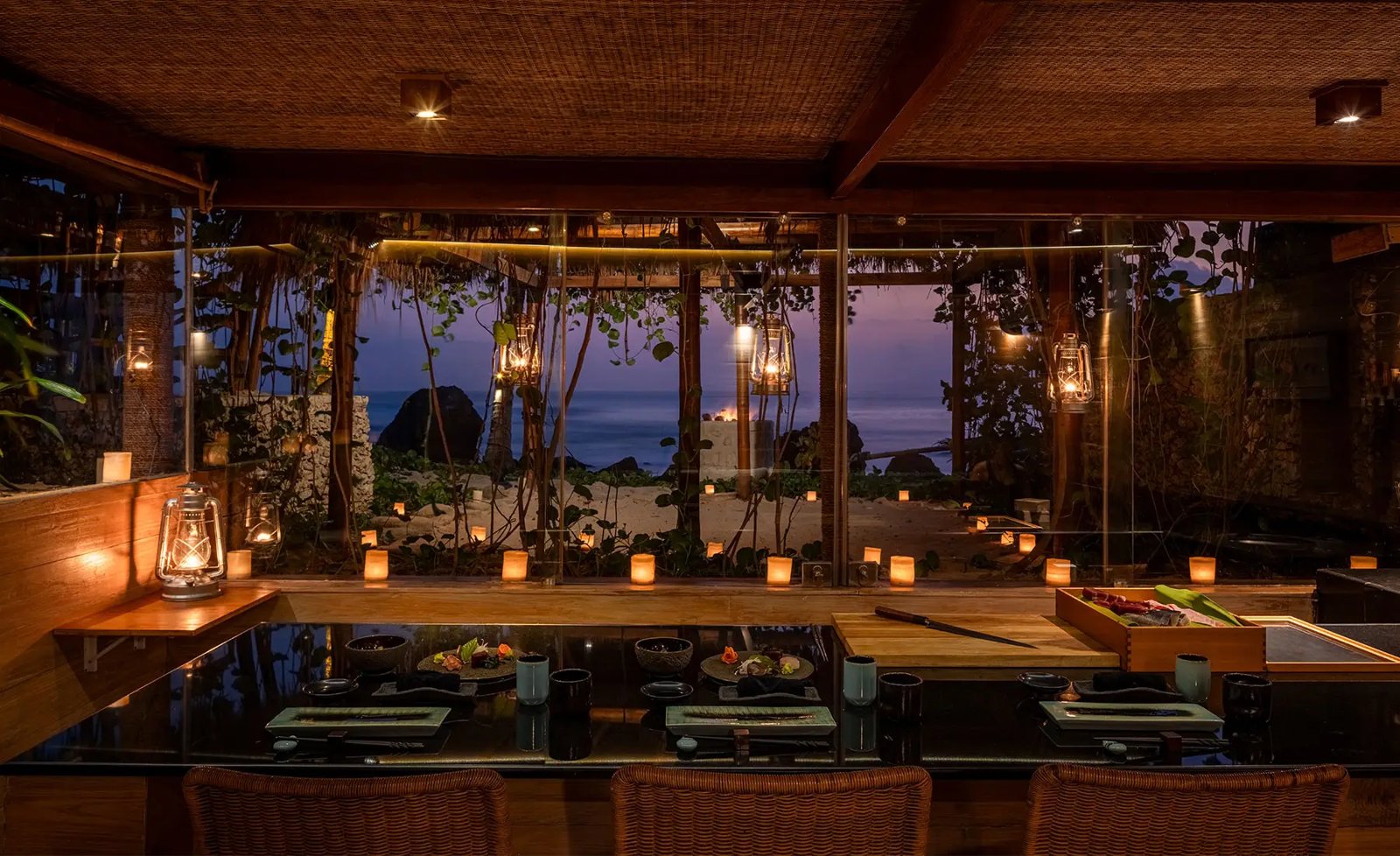
This is a stay for travelers who prioritize architecture, craft and solitude as much as comfort. Design-minded couples and small groups who want a quieter, boutique experience find the setting especially rewarding, and the hotel’s programming — described as ‘serious food and cultural programming’ — appeals to guests interested in thoughtful dining and local culture. Because the property is remote and deliberately unpopulated, it also suits anyone seeking a calm, contemplative break from busier Indonesian resort circuits rather than a high-activity or nightlife-focused trip.
Venue details
Ambiance
Serene and elegant with natural light, indoor-outdoor spaces, and a peaceful beachfront atmosphere inspired by local culture.
Tags
Vibe
Best For
Experience
Amenities
View
About the Stay
- Rooms
- 67
- Property Style
- Modernist Beach Resort Blending International Design with Sumbanese Craft
- Design Style
- Mid Century Modern with Indigenous Sumbanese Elements
Know before you go
Know Before You Go
- Getting there
- Pantai Karoso, Ate Dalo, Kec. Kodi, Kabupaten Sumba Barat Daya, Nusa Tenggara Tim.
Planning details
Location
Pantai Karoso, Ate Dalo, Kec. Kodi, Kabupaten Sumba Barat Daya, Nusa Tenggara Tim. · Directions

Also consider
Also Consider
- Nihi Sumba, Notable alternative
- Plataran Komodo Resort & Spa, Notable alternative
- Amanwana, Notable alternative
- Innit Lombok, Notable alternative
- Innit Lombok, Notable alternative
Hotel context
How Cap Karoso compares in Sumba and nearby island escapes
Against Nihi Sumba, Cap Karoso is the better fit for travelers who want a newer design-led mood and a quieter west Sumba base. Nihi Sumba is the more established Sumba splurge, while Cap Karoso feels more useful for return visitors who want a different version of the island. Both require advance planning, but Cap Karoso is the sharper choice if atmosphere and design credibility matter more than legacy status.
Plataran Komodo Resort & Spa is easier to justify for travelers who want Komodo access and a more activity-led itinerary, while Amanwana suits those who want a remote private-island style trip with a more established luxury frame. Cap Karoso sits between those ideas: less about ticking off a headline excursion, more about using the hotel as the anchor for a slower island stay.
Innit Lombok is the stronger cross-shop for travelers who want a design-forward Indonesian beach stay with a different island rhythm and potentially simpler routing. If Sumba itself is the priority, choose Cap Karoso or Nihi Sumba. If the priority is a contemporary coastal stay and the exact island is flexible, Innit Lombok deserves a serious look.
Explore Sumba
Around this place
Discover more on Pearl
Unlock the full Cap Karoso guide in Pearl, including awards, comparisons, FAQs, planning details, and nearby places.
Compare Cap Karoso
| Venue | Location | Awards |
|---|---|---|
| Cap Karoso | Sumba | 2026 Travel + Leisure 100 Favorite Hotels in the World · #532026 Design Hotels Collection2026 Michelin 1 KeyTatler Best Hotels Asia-Pacific 2025Michelin 1 Key 20252025 Michelin 1 Key |
| Nihi Sumba | Sumba | 2026 World’s 50 Best Hotels 1-50 · #352026 Virtuoso Luxury Hotel CollectionStar Wine Lists 20262026 La Liste Top HotelsLeading Hotels of the World 20262026 Michelin 3 Keys2025 Robb Report The 50 Greatest Luxury Hotels on Earth · #72025 World’s 50 Best Hotels · #56Tatler Best Hotels Asia-Pacific 2025 |
| Plataran Komodo Resort & Spa | Labuan Bajo | 2026 Michelin 1 Key2025 Michelin 1 Key |
| Amanwana | Moyo Island | 2026 Virtuoso Luxury Hotel Collection2026 Mr & Mrs Smith Luxury Hotels2025 Michelin Selected Hotels |
| Innit Lombok | Ekas Bay | No published awards |
| Innit Lombok | Ekas | No published awards |









How Cap Karoso Sumba compares with similar nearby venues.
FAQ
Frequently Asked Questions
How does Cap Karoso compare to nearby hotels?
Choose Cap Karoso if you want a recognized Sumba hotel with Michelin 1 Key status in 2025, a Tatler 2025 Best Hotels Asia-Pacific listing, and Design Hotels membership for 2026. Compared with Nihi Sumba, it is another named Sumba option to evaluate based on the kind of stay you want. Amanwana is a separate Indonesia comparison point rather than a Sumba hotel, so use it only if you are weighing a different hotel choice.
What should travelers know about the pool and spa at Cap Karoso?
If pool or spa access is important, check the current facilities and wellness offerings directly with Cap Karoso before booking. Cap Karoso is on Sumba, has a smart casual dress code, and has recognition from Michelin, Tatler, and Design Hotels.
Which room category is best at Cap Karoso?
The safest booking rule is to review the current room list with Cap Karoso or your booking channel and choose based on the space, outlook, privacy, and inclusions that are actually available for your dates.
How is the dining at Cap Karoso?
Do not assume a cuisine, menu format, price point, or service style without checking current information from the property. If food is the deciding factor, compare the overall trip structure with another Indonesia option such as Innit Lombok and check the latest dining details directly.
Is Cap Karoso family-friendly?
Cap Karoso may be worth considering for a Sumba stay, but families should check room configurations, child policies, transfers, dining, and any practical needs directly before booking. For another Sumba comparison, Nihi Sumba is a relevant hotel to evaluate as part of the same island planning process.