
Hofgut Wißberg - Das Weinberghotel
Sankt Johann, St Johann
Hotel in St Johann, Germany
 Book with Pearl
Why go
Hofgut Wißberg - Das Weinberghotel is worth considering if the vineyard setting is the reason for the trip. Its MICHELIN Guide Hotels Selected recognition gives it a credible quality signal, but compare rates against city and countryside peers if you need stronger business logistics, broader facilities, or easier access to Mainz and Wiesbaden.
About Hofgut Wißberg - Das Weinberghotel
Hofgut Wißberg - Das Weinberghotel in St Johann has a MICHELIN Guide Hotels Selected mention for 2025. That makes it a strong option for travelers looking for a St Johann hotel with recognized quality and a smart-casual dress code.
A St Johann hotel with a MICHELIN hotel mention
The key facts are straightforward: the venue is Hofgut Wißberg - Das Weinberghotel in St Johann, it is listed by the MICHELIN Guide among selected hotels for 2025, and the dress code is smart casual. Specific room categories, facilities, dining formats, prices, and on-property amenities should be checked directly before booking.
Since pricing, room inventory, and facility details are not listed here, rate shopping should be part of the decision rather than an afterthought. If you are comparing it with other hotels, use the MICHELIN hotel recognition as one signal, then weigh your own needs against options such as Hyatt Regency Mainz and Hotel Nassauer Hof.
Who should choose it, and who should compare elsewhere
Choose Hofgut Wißberg - Das Weinberghotel if you want a St Johann hotel with a MICHELIN Guide Hotels Selected mention for 2025 and a smart-casual dress code. If your decision depends on specific facilities, dining, business services, spa access, family features, or exact pricing, confirm those details directly before committing.
For comparison, consider Burg Schwarzenstein, Land & Golf Hotel Stromberg, Hyatt Regency Mainz, Hotel Nassauer Hof, and Weinhaus Henninger according to the type of venue or stay you need. The practical answer: keep Hofgut Wißberg - Das Weinberghotel on the list for a recognized St Johann hotel, then cross-shop if a specific amenity or location requirement matters more than the confirmed facts available.
For broader planning, use our full St Johann hotels guide, then compare dining options through our full St Johann restaurants guide.
Planning details
- Location
- Hofgut Wißberg, 55578 St. Johann, Germany
- Website
- hofgut-wissberg.de
- Phone
- +49 6701 916450
The take
The Take
The Vibe
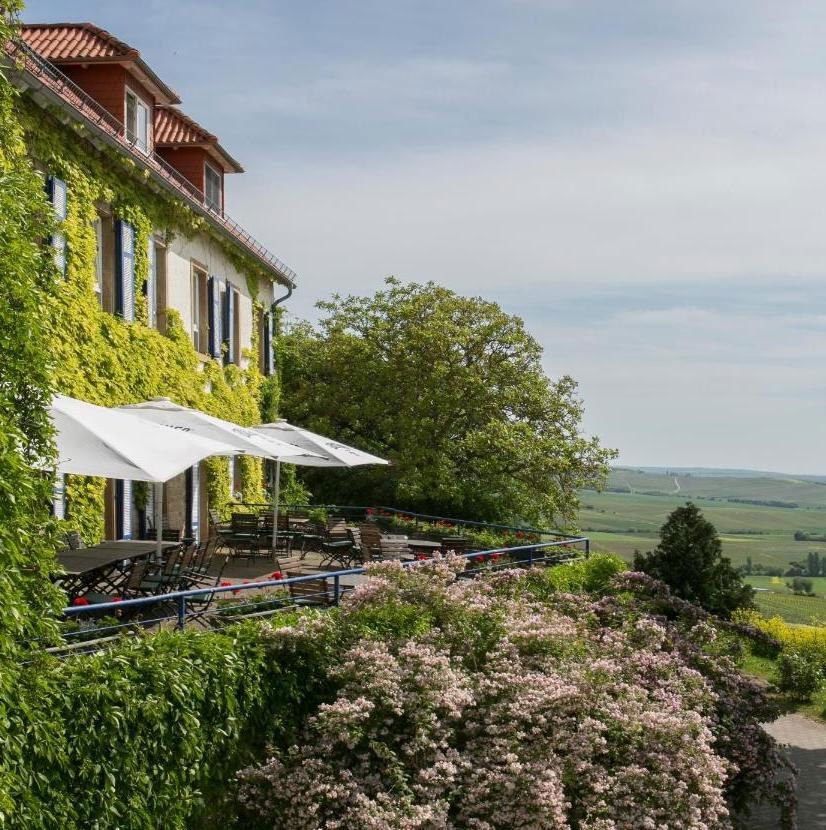
Hofgut Wißberg presents itself as a vineyard-shaped estate where agricultural function and hospitality are architecturally entwined. The property reads as an operating Hofgut—cellars underfoot, working farmland around it—so the setting feels generational and place-driven rather than scenically applied. That rootedness produces a quietly refined atmosphere: sophistication emerges from provenance, not performance. Recognition in the Michelin Selection reinforces the sense of careful craft and culinary seriousness, while the vineyard-first composition keeps the overall tone rural, calm and historically layered.
Best For
This hotel is best for travelers who center their stay on terroir, gastronomy and slow estate exploration. The integration of cellars and vineyards into the property's fabric makes it a natural fit for guests interested in wine culture and the relationship between land and food. With a profile noted in the Michelin Selection, evening dining is a focal point, and days invite walking the vines and absorbing the landscape. It suits couples or small groups seeking a contemplative, wine-focused weekend or short escape.
Venue details
Ambiance
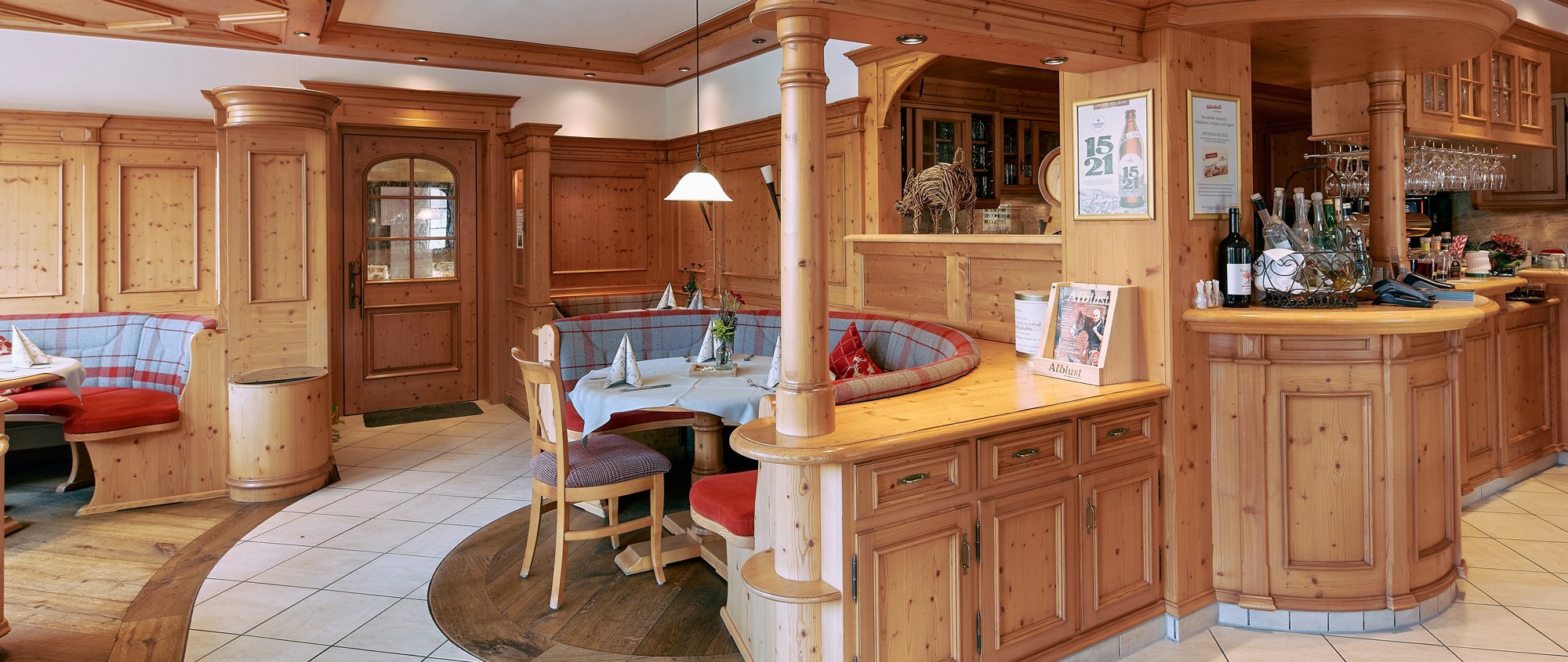
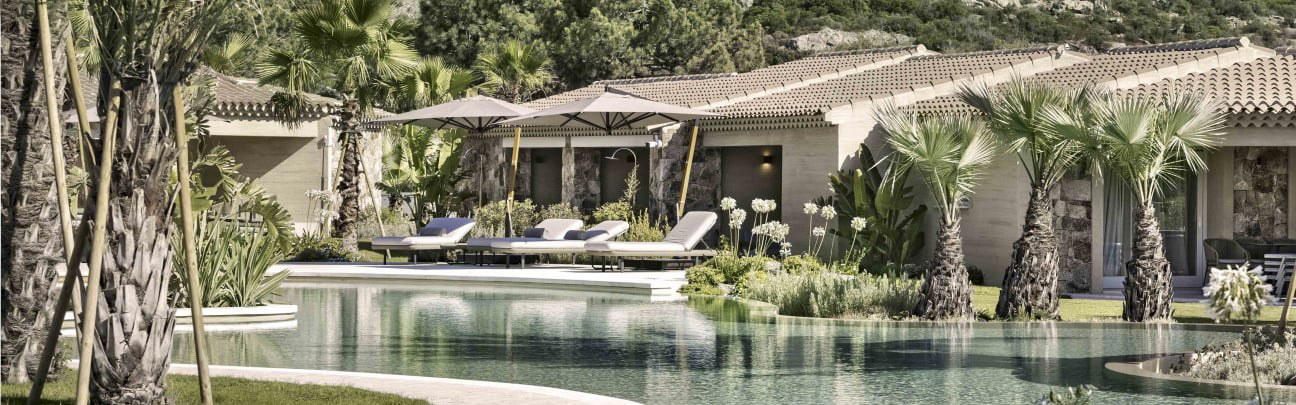
Modern country house style with spacious, individually designed rooms featuring natural motifs, providing a quiet, relaxing atmosphere amid rolling hills and vineyards.
Tags
Vibe
Best For
Experience
Amenities
View
About the Stay
- Rooms
- 20
- Check-in
- 14:00
- Check-out
- 11:00
- Property Style
- Charming Boutique Estate Blending Indulgence, Nature, and Sustainability in a Modern Country House Style
- Design Style
- Modern Landhausstil with Boutique Inspired Graphic Sensibility and Nature Inspired Motifs
Know before you go
Know Before You Go
- Getting there
- Hofgut Wißberg, 55578 St. Johann, Germany
Planning details
Location
Recognition and awards
Also consider
Where to look if this is not the right fit
Choose Hyatt Regency Mainz instead if the trip is business-heavy or tied to Mainz logistics. Choose Weinhaus Henninger if a smaller wine-region stay sounds right but the final decision comes down to rate, availability, or a different town base.
Hotel context
How it compares with nearby hotel choices
Hofgut Wißberg - Das Weinberghotel is the address-led pick: choose it when a quieter vineyard setting carries more value than city convenience. Hyatt Regency Mainz is the safer business choice, while Hotel Nassauer Hof fits travelers who want a more formal city-hotel experience.
For countryside alternatives, Burg Schwarzenstein and Land & Golf Hotel Stromberg are the natural cross-shops. Pick Hofgut Wißberg if the vineyard address is central to the stay; compare those two if the trip is more about a wider resort-style or leisure-hotel setup.
Weinhaus Henninger is the more intimate comparison for travelers who want a wine-region feel without defaulting to a larger hotel. Booking difficulty is listed as easy for Hofgut Wißberg, so it is a practical fallback when the higher-profile countryside options are less convenient or price out poorly.
Explore St Johann
Around this place
Discover more on Pearl
Unlock the full Hofgut Wißberg - Das Weinberghotel guide in Pearl, including awards, comparisons, FAQs, planning details, and nearby places.
Compare Hofgut Wißberg - Das Weinberghotel
| Venue | Location | Awards |
|---|---|---|
| Hofgut Wißberg - Das Weinberghotel | St Johann | 2025 Michelin Selected Hotels |
| Burg Schwarzenstein | Geisenheim | 2026 Relais Chateaux Hotels2025 Michelin 1 Key2025 Relais Chateaux Award |
| Land & Golf Hotel Stromberg | Stromberg | No published awards |
| Hyatt Regency Mainz | Mainz | No published awards |
| Hotel Nassauer Hof | Wiesbaden | No published awards |
| Weinhaus Henninger | Kallstadt | No published awards |


How Hofgut Wißberg - Das Weinberghotel compares with similar nearby venues.
FAQ
Frequently Asked Questions
Is Hofgut Wißberg - Das Weinberghotel good for business travel?
It may be suitable if a St Johann hotel with a MICHELIN Guide Hotels Selected mention for 2025 fits your trip. Specific business facilities, meeting support, transport convenience, and late-hour services should be confirmed directly, and travelers can also compare with Hyatt Regency Mainz and Hotel Nassauer Hof.
How is the location of Hofgut Wißberg - Das Weinberghotel?
Is Hofgut Wißberg - Das Weinberghotel family-friendly?
Family-specific facilities and policies should be confirmed directly. If you are traveling with children, confirm room setup, services, and any family requirements directly with Hofgut Wißberg - Das Weinberghotel before booking; Land & Golf Hotel Stromberg and Hyatt Regency Mainz can also be compared depending on your needs.
Which room category is best at Hofgut Wißberg - Das Weinberghotel?
No specific room categories or room features are listed here. The safest approach is to choose based on the current room descriptions from the hotel and confirm any must-have feature directly before booking.
How is the dining at Hofgut Wißberg - Das Weinberghotel?
Specific dining details are not listed here. The key hotel-level fact is its MICHELIN Guide Hotels Selected mention for 2025; if dining is central to the trip, check current on-site options directly and compare with other dining in St Johann or with Weinhaus Henninger.
How does Hofgut Wißberg - Das Weinberghotel compare to other options?
Hofgut Wißberg - Das Weinberghotel stands out here for its MICHELIN Guide Hotels Selected mention for 2025 and smart-casual dress code. For a broader comparison, look at Burg Schwarzenstein, Land & Golf Hotel Stromberg, Hyatt Regency Mainz, Hotel Nassauer Hof, and Weinhaus Henninger based on the location, facilities, and services you personally need.
How is the pool and spa at Hofgut Wißberg - Das Weinberghotel?
Pool and spa details should be confirmed directly. If wellness facilities are important to your stay, confirm the current amenities directly with Hofgut Wißberg - Das Weinberghotel and compare with Land & Golf Hotel Stromberg if those facilities are a deciding factor.