
Relais Le Macine di Stigliano
Stigliano, Sovicille
Hotel in Sovicille, Italy
 Book with Pearl
The Read
Price
$300–500per night
Why go
Relais Le Macine di Stigliano is worth considering if you want a quieter Sovicille base outside Siena rather than a city-center hotel. Book it for a countryside-leaning special occasion or slow two-night stay; choose a Siena peer if walking access, business logistics, or late-night convenience matter more.
About Relais Le Macine di Stigliano
Relais Le Macine di Stigliano is a hotel in Sovicille. The public signal is direct: it is listed in the MICHELIN Guide, Hotels Selected for 2025. The dress code is smart casual. Beyond that, specific claims about restaurant format, cuisine, room inventory, amenities, prices, or service details should be confirmed directly before booking.
The appeal is best understood as a location decision. Choose it if Sovicille fits the trip. If the trip depends on a different base, compare options in that destination before booking.
Book it for Sovicille, not for extras
The smart use case is simple: book this when Sovicille itself is part of the plan. It is a fit for travelers specifically considering a stay in Sovicille.
Confirmed information supports positioning Relais Le Macine di Stigliano as a MICHELIN-selected hotel in Sovicille with a smart casual dress code, but it does not verify a specific cuisine, chef-led restaurant, tasting-menu format, room count, amenity list, or price category. Treat those details as questions to ask the property directly rather than assumptions to build the trip around.
The decision point is convenience versus atmosphere
Travelers choosing between Sovicille and other bases should be honest about the itinerary. If another location is the priority, compare hotels there. If the stay is built around Sovicille, Relais Le Macine di Stigliano is the directly relevant option.
Dining should not be the deciding factor unless confirmed directly through the hotel before travel. The available profile does not support choosing it for a named cuisine, chef-led restaurant, or destination tasting format. Treat meal planning as something to verify separately rather than assuming the property itself answers every dining need.
For wider planning, start with broader Sovicille lodging research and then check current local dining details separately. The stay works better when the hotel is considered on the basis of its confirmed Sovicille location, MICHELIN Guide hotel selection, and smart casual dress code rather than services.
Planning details
- Location
- V. Borghesi, 7, 53018 Stigliano SI, Italy
- Website
- macinedistigliano.com
- Phone
- +39 0577 342274
The take
The Take
The Vibe
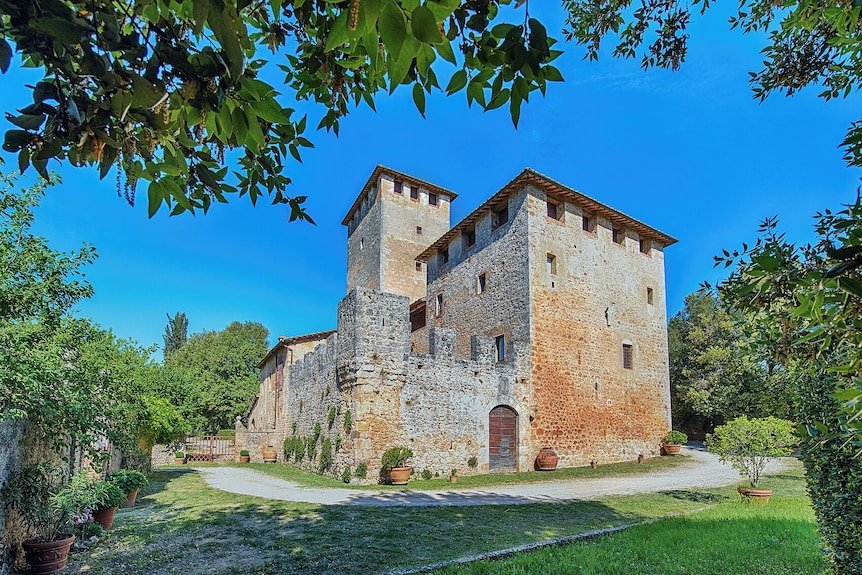
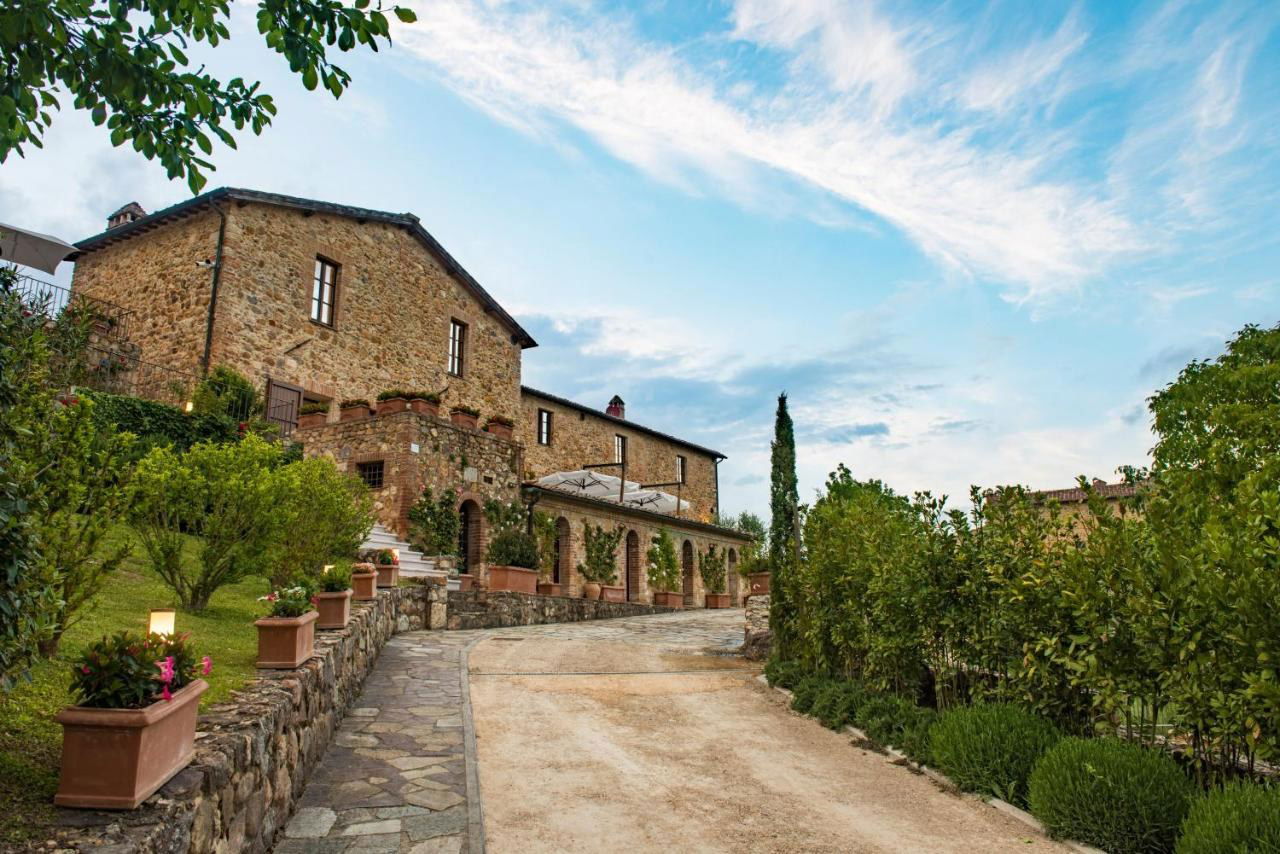
Le Macine di Stigliano reads like a compact piece of Tuscan history: a converted mill complex where thick stone walls, preserved water channels and open archways shape a quietly atmospheric property. Renovation works with the existing fabric rather than overlaying it, so rooms and courtyards retain a legible agricultural lineage. The site sits tucked against the Sienese hills and threaded with terraced vineyards, which keeps the feeling intentional and restrained rather than theatrical. Overall the relais balances rustic, historic character with an elegant restraint, offering a serene and quietly charming place to stay away from busier Chianti routes.
Best For
This relais suits travelers who want a low-key, characterful Tuscan stay rather than a high‑amenity resort. It is ideal for romantic getaways and anniversary stays, quieter wellness‑style retreats and weekend escapes when you want to disconnect from tourist crowds. Families seeking a calm base in the countryside will appreciate the estate grounds and courtyards, while food- and design-conscious visitors note the property's Michelin Selected recognition as a marker of thoughtful hospitality. The setting rewards slow exploration of the surrounding Sienese hills and nearby villages.
Stay Tips
Plan logistics before arrival: the approach is described as a narrowing road past cypress lines and terraced vineyards, so allow extra travel time and expect a rural, less frequented setting. Because the property sits off the standard Chianti circuit, arranging onward travel (rental car or private transfer) makes sense. Ask when booking about rooms facing the stone-flagged courtyards or water features if you prioritise immediate access to the site’s atmospheric outdoor spaces. Finally, note the Michelin Selected mention as an indicator to confirm service and dining options in advance.
Venue details
Ambiance
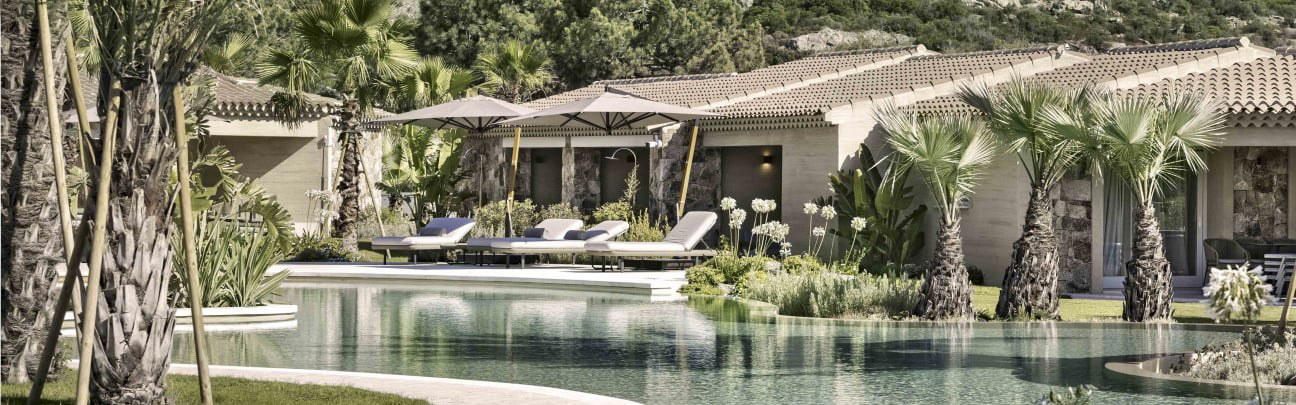
Warm and welcoming with elegant, light interiors featuring pale woods and floral accents; peaceful countryside setting with maintained grounds and garden views.
Tags
Vibe
Best For
Experience
Amenities
View
Accessibility
About the Stay
- Rooms
- 10
- Check-in
- 15:00
- Check-out
- 11:30
- Property Type
- Boutique hotel
- Property Style
- Historic Tuscan Countryside Retreat with Contemporary Comfort; Restored Medieval Stronghold Balancing Heritage Preservation with Modern Luxury.
- Design Style
- Traditional Elegance with Light, Simply Furnished Rooms Featuring Pale Woods, Floral Accents, and Garden Views; Rustic Meets Refined Aesthetic.
- Breakfast
- Included
- Pool
- Yes
- Spa
- Yes
- Pets
- Allowed
- Families
- Welcome
- Cancellation
- Moderate
Know before you go
Know Before You Go
- Getting there
- V. Borghesi, 7, 53018 Stigliano SI, Italy
Planning details
Location
Recognition and awards
Also consider
Also Consider
- Borgo Santo Pietro, Notable alternative
- Hotel Santa Caterina Siena, Notable alternative
- Il Battistero Siena - Residenza d'Epoca, Notable alternative
- Campo Regio Relais, Residenza d'Epoca Siena, Notable alternative
- Albergo Bernini, Notable alternative
Hotel context
How it compares with nearby Siena-area stays
Choose Relais Le Macine di Stigliano if the priority is a calmer Sovicille base and a less city-bound stay. Borgo Santo Pietro is the bigger countryside statement and the stronger splurge choice for travelers who want the hotel to dominate the trip. Relais Le Macine di Stigliano is the more restrained call when the plan includes Siena and the surrounding area rather than staying put.
For city convenience, Hotel Santa Caterina Siena, Il Battistero Siena - Residenza d'Epoca, and Campo Regio Relais, Residenza d'Epoca Siena are better fits. They make more sense for first-time Siena visitors, business travelers, and anyone who wants less driving in the evening. The trade is atmosphere: you gain access, but lose the rural buffer that makes Sovicille appealing.
Albergo Bernini is the sensible cross-shop for travelers who care more about value and centrality than a countryside setting. If the trip is a celebration, Relais Le Macine di Stigliano has the stronger mood. If the trip is short, practical, or train-led, Albergo Bernini is likely the easier decision.
Explore Sovicille
Around this place
Discover more on Pearl
Unlock the full Relais Le Macine di Stigliano guide in Pearl, including awards, comparisons, FAQs, planning details, and nearby places.
Compare Relais Le Macine di Stigliano
| Venue | Location | Awards |
|---|---|---|
| Relais Le Macine di Stigliano | Sovicille | 2025 Michelin Selected Hotels |
| Borgo Santo Pietro | Chiusdino | 2026 Virtuoso Luxury Hotel Collection2026 Mr & Mrs Smith Luxury Hotels2026 La Liste Top HotelsLeading Hotels of the World 20262026 Michelin 3 Keys2025 Michelin 3 Keys2024 Michelin 1 Key |
| Hotel Santa Caterina Siena | Siena | No published awards |
| Il Battistero Siena - Residenza d'Epoca | Siena | No published awards |
| Campo Regio Relais, Residenza d'Epoca Siena | Siena | No published awards |
| Albergo Bernini | Siena | No published awards |






How Relais Le Macine di Stigliano compares with similar nearby venues.
FAQ
Frequently Asked Questions
How is the location of Relais Le Macine di Stigliano?
Relais Le Macine di Stigliano is in Sovicille. If your priority is a different base, compare it with hotels in that destination before booking.
Is Relais Le Macine di Stigliano good for business travel?
The confirmed recognition is MICHELIN Guide, Hotels Selected (2025). For another hotel comparison, Hotel Santa Caterina Siena is one relevant option.
Which room category is best at Relais Le Macine di Stigliano?
No specific room inventory is here, so choose based on your own needs and confirm the details directly with the hotel. If you want another reference point, Campo Regio Relais, Residenza d'Epoca Siena is a relevant comparison.
What is check-in like at Relais Le Macine di Stigliano?
Specific check-in procedures are not here. Confirm arrival timing, access details, and any late-arrival requirements directly with the hotel before travel, especially if your schedule is tight.
How does Relais Le Macine di Stigliano compare to nearby hotels?
It makes the most sense if you want a Sovicille base. Borgo Santo Pietro, Hotel Santa Caterina Siena, Il Battistero Siena - Residenza d'Epoca, Campo Regio Relais, Residenza d'Epoca Siena, and Albergo Bernini are relevant comparison points if you are considering a different base. Choose Relais Le Macine di Stigliano for Sovicille; compare the other options if another location is better for your trip.
How is the dining at Relais Le Macine di Stigliano?
No cuisine type, menu format, chef detail, or restaurant concept is here. The confirmed recognition is for the hotel listing in the MICHELIN Guide, Hotels Selected (2025), not a specific dining award. The dress code is smart casual. If food is a major reason for booking, confirm current dining details directly with the property before committing.