
Grand Hotel Des Étrangers
Ortigia, Siracusa
Hotel in Siracusa, Italy
 Book with Pearl
The Read
Baroque Seafront Residency
Why go
Grand Hotel Des Étrangers is the Siracusa pick for travelers who want a polished Ortigia stay with stronger luxury-hotel signals than a small boutique property. It is worth shortlisting when design, atmosphere, and a central historic-base feel matter; compare smaller peers if rate discipline matters more than hotel polish.
About Grand Hotel Des Étrangers
Grand Hotel Des Étrangers is a Siracusa hotel and a member of The Leading Hotels of the World in 2025. That makes it worth shortlisting for travelers who want a recognized hotel name in Siracusa, while still comparing details directly before booking.
The practical decision is direct: consider it if that recognition matters to you and you want to stay in Siracusa. If your choice depends on specific amenities, room categories, pricing, dining, parking, wellness facilities, or family services, those details should be confirmed with the hotel before you commit.
A Siracusa base for travelers who want the hotel to matter
The main reason to pay attention to Grand Hotel Des Étrangers is its 2025 membership in The Leading Hotels of the World. That is a useful trust signal for travelers comparing hotels, but it should not be treated as a guarantee of any specific amenity, room type, service format, or price.
For a Siracusa stay, evaluate the location at the city level until you have confirmed the exact practical details directly with the property. If your itinerary depends on walking routes, transfers, parking, or specific access needs, check those logistics before booking.
The hotel is best framed as a recognized Siracusa option rather than a value claim. It may suit travelers who want the confidence of a known premium-hotel affiliation, while travelers focused on design, dining, wellness, room views, or service style should compare those specifics directly before booking.
Who should book it, and who should cross-shop
Book Grand Hotel Des Étrangers if a Siracusa hotel with Leading Hotels of the World membership is the kind of signal you want. The dress code is smart casual, which is useful to know when planning the stay.
Cross-shop if your decision depends on specific details. Other options to compare include Lùme, Maniace Boutique Hotel Ortigia | UNA Esperienze, Ortea Palace, Autograph Collection, Palazzo Artemide, and Palazzo Artemide - VRetreats. For a broader read on the city, use our full Siracusa hotels guide, then build the rest of the trip from our full Siracusa restaurants guide, our full Siracusa bars guide, our full Siracusa wineries guide, and our full Siracusa experiences guide.
Planning details
- Location
- Via Passeggio Adorno, 10-12, 96100 Siracusa SR
- Website
- desetrangers.com
- Phone
- +39 0931 21543
The take
The Take
The Vibe
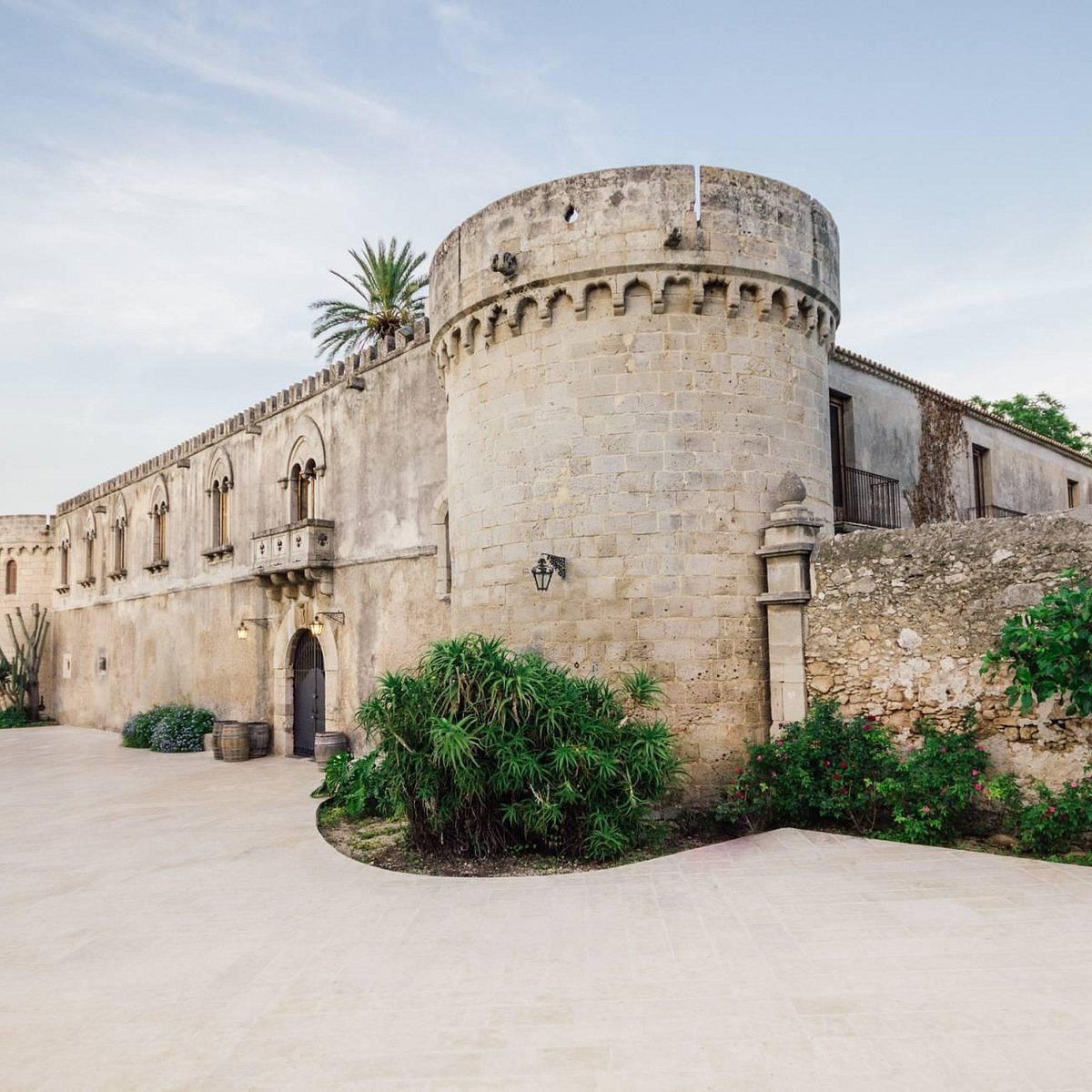
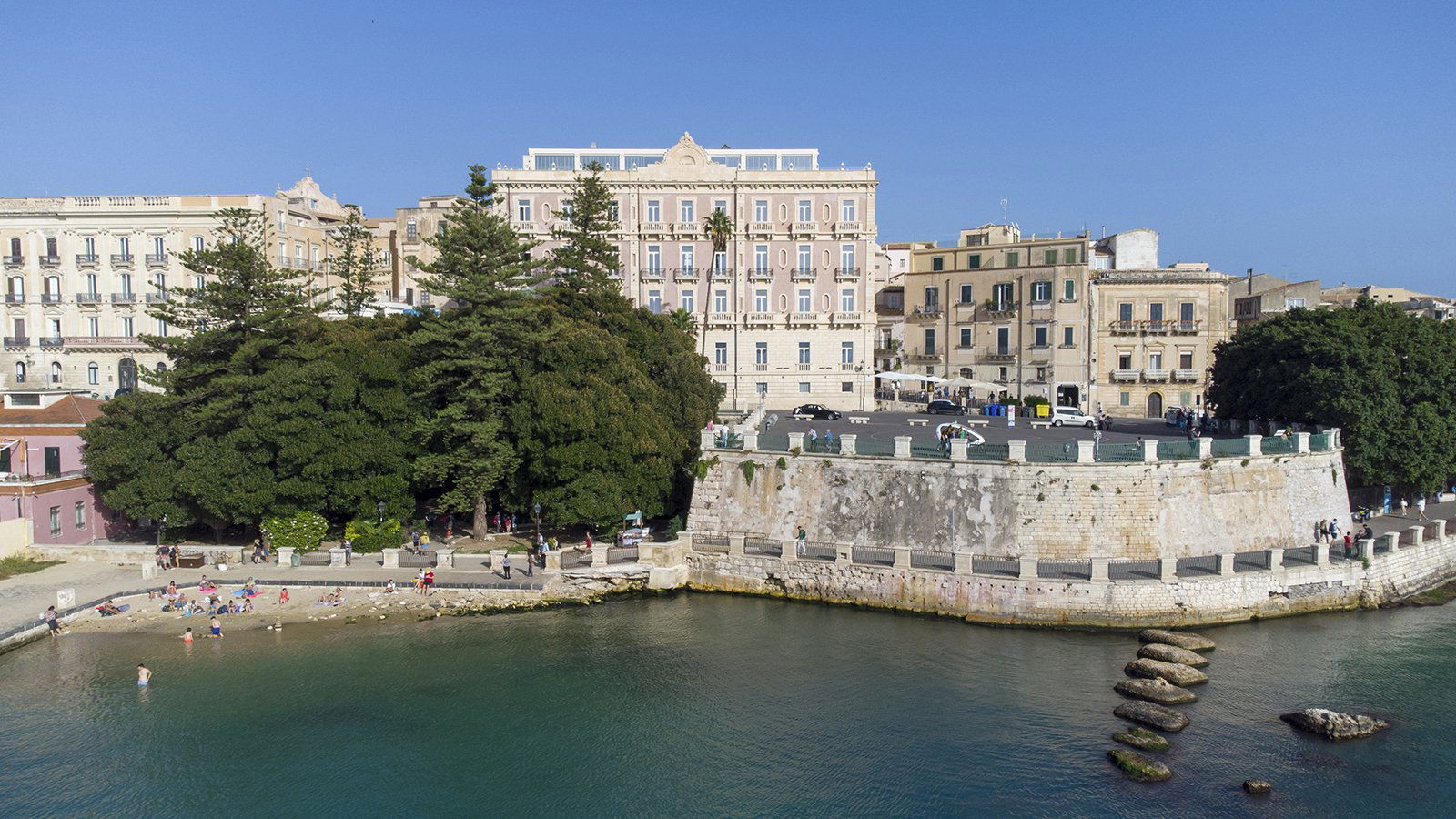
The Grand Hotel Des Étrangers occupies a 19th‑century palazzo on Ortigia’s lungomare, and the building’s fabric defines the stay: layered Baroque facades, pale limestone that shifts with Mediterranean light, and a quietness uncommon in better‑known heritage destinations. Membership in Leading Hotels of the World frames the property as independently run and rigorously maintained, reinforcing a sense of polished restraint rather than flash. The result is a scenic, historic address that reads like a lived‑in town palazzo — refined and quietly distinguished, especially for travelers who prize architectural context and a calmer seaside setting.
Best For
This is an ideal choice for romantic getaways, honeymoons and anniversaries: the waterfront palazzo setting and Baroque Ortigia create an intimate, photo‑ready backdrop for couples. Its placement on the lungomare also suits short cultural stays and weekend escapes centered on walking the island’s historic core without the crowds of busier Italian cities. Leading Hotels membership signals a level of service and room quality that appeals to travelers seeking a polished, heritage‑property experience rather than a large‑scale resort.
Venue details
Ambiance
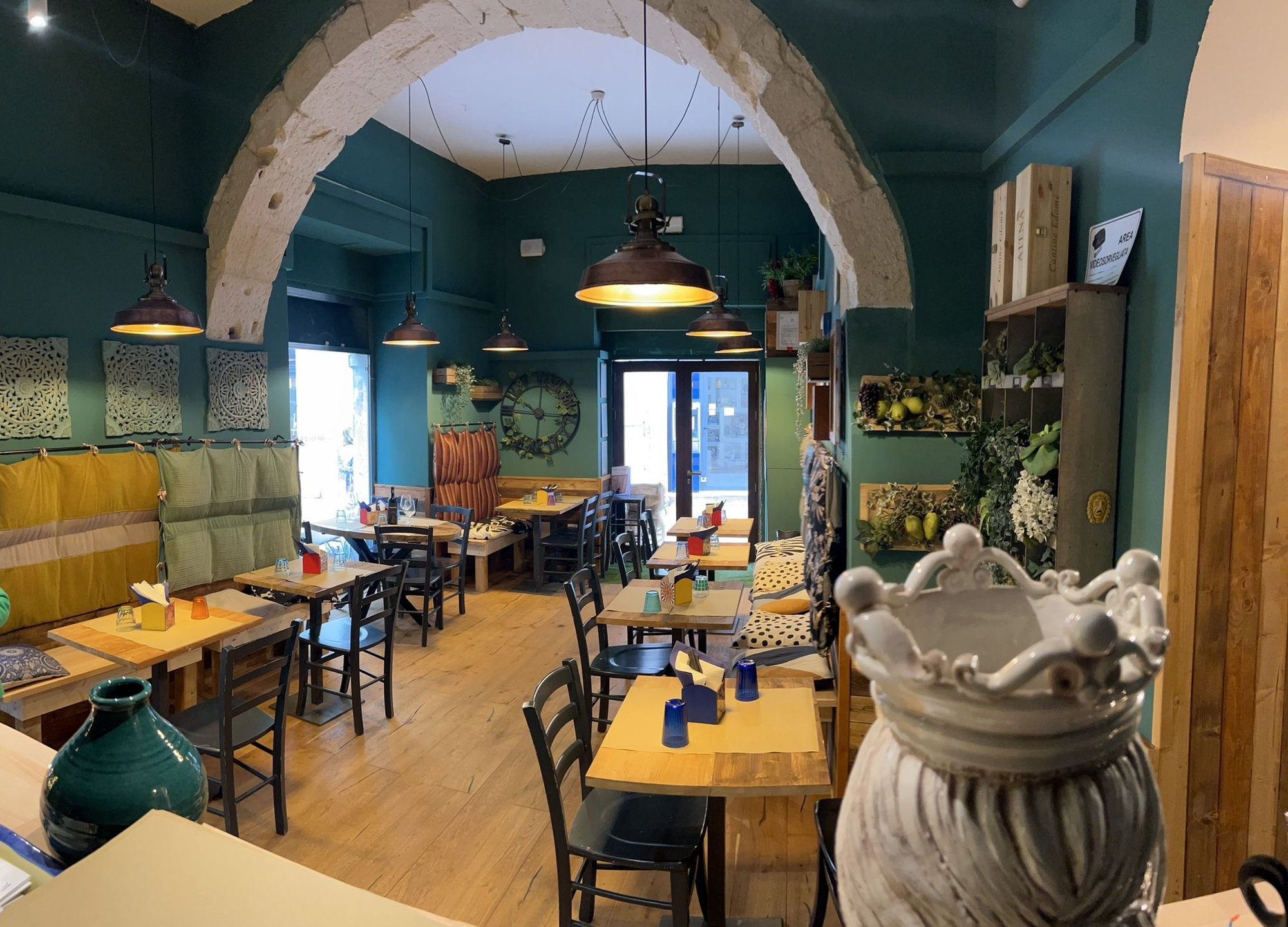
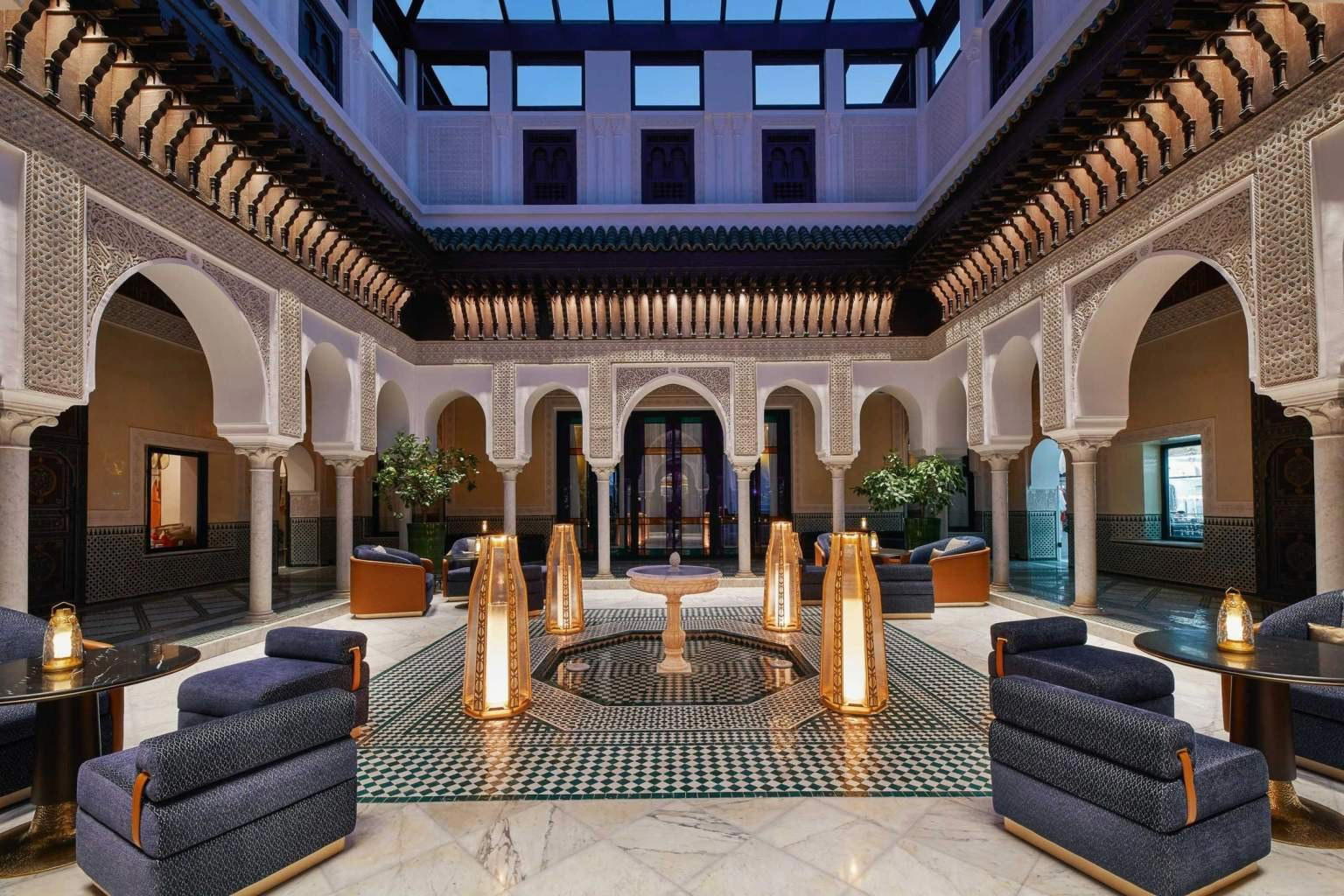
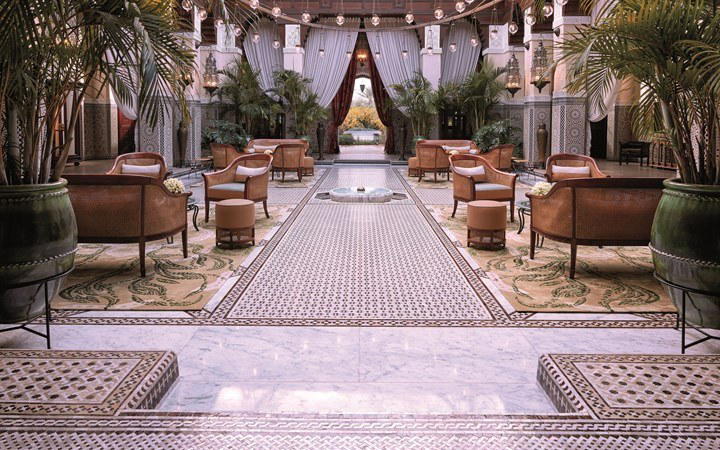
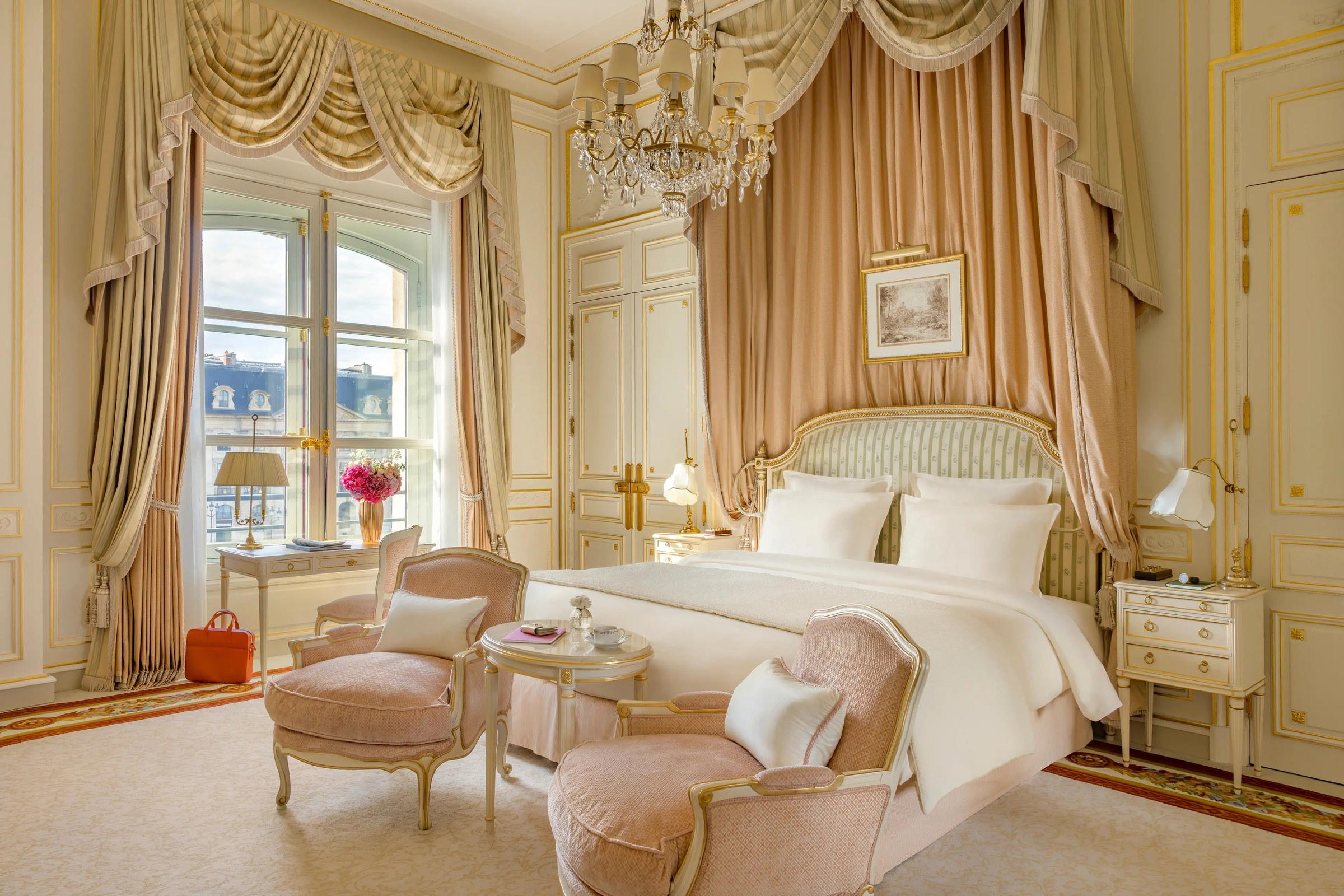
Grand marble entrance halls with stucco work and gold decor, high ceilings, elegant lighting, and serene spa atmosphere with views of the historic port.
Tags
Vibe
Best For
Experience
Amenities
View
Accessibility
About the Stay
- Rooms
- 68
- Check-in
- 15:00
- Check-out
- 12:00
- Property Style
- Historic Luxury Palazzo Blending 1906 Belle Époque Architecture with Contemporary Five Star Amenities and Mediterranean Elegance.
- Design Style
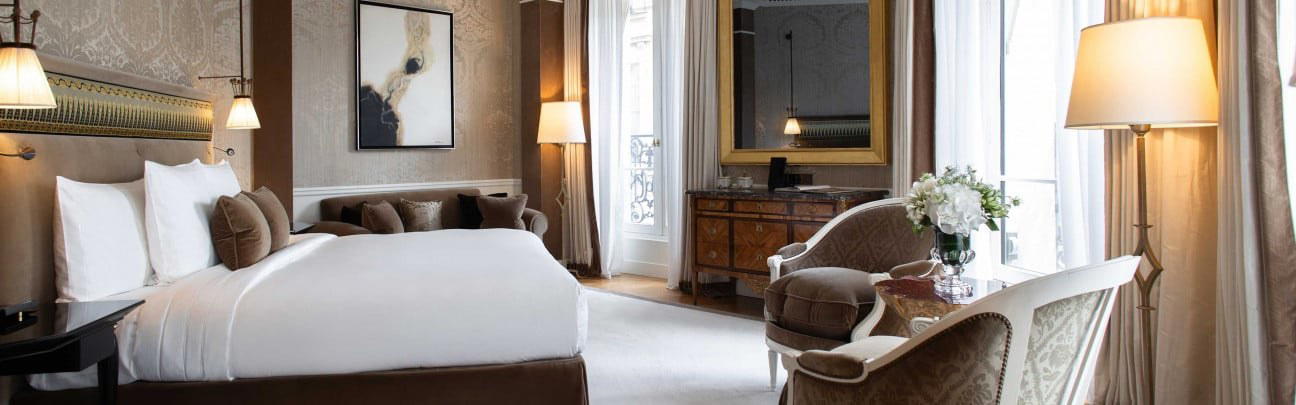
- Classical European with Marble Floors, Stucco Details, Gold Accents, High Ceilings, and Modern Furnishings; Wooden Floors and Natural Light Throughout.
Know before you go
Know Before You Go
- Getting there
- Via Passeggio Adorno, 10-12, 96100 Siracusa SR
Planning details
Location
Recognition and awards

Also consider
Also Consider
- Maniace Boutique Hotel Ortigia | UNA Esperienze, Notable alternative
- Palazzo Artemide, Notable alternative
- Palazzo Artemide - VRetreats, Notable alternative
- Lùme, Notable alternative
- Ortea Palace, Autograph Collection, Notable alternative
Hotel context
How it compares in Siracusa
Choose Grand Hotel Des Étrangers if the safer bet is a more formal hotel stay with a recognized luxury-hotel affiliation. Compared with Maniace Boutique Hotel Ortigia | UNA Esperienze or Lùme, it is the stronger fit for travelers who want the hotel's atmosphere to carry more of the trip rather than simply provide a convenient Ortigia base.
Ortea Palace, Autograph Collection is the obvious cross-shop for guests who prefer a larger branded-hotel framework. Grand Hotel Des Étrangers is the better direction if the priority is a heritage-feeling Siracusa stay with a more independent luxury signal; Ortea Palace is the one to compare if loyalty mechanics and a bigger-brand structure matter more.
Palazzo Artemide and Palazzo Artemide - VRetreats are sensible alternatives for travelers who want to test boutique value before committing to a higher-polish stay. If rates are close, Grand Hotel Des Étrangers is easier to justify for a special occasion; if the gap is wide, the Palazzo Artemide options deserve a serious look.
Explore Siracusa
Around this place
Discover more on Pearl
Unlock the full Grand Hotel Des Étrangers guide in Pearl, including awards, comparisons, FAQs, planning details, and nearby places.
Compare Grand Hotel Des Étrangers
| Venue | Location | Awards |
|---|---|---|
| Grand Hotel Des Étrangers | Siracusa | Leading Hotels of the World 2026 |
| Maniace Boutique Hotel Ortigia | UNA Esperienze | Syracuse | No published awards |
| Palazzo Artemide | Ortigia | 2025 Michelin Selected HotelsSmall Luxury Hotels Member 2025 |
| Palazzo Artemide - VRetreats | Syracuse | No published awards |
| Lùme | Syracuse | 2026 Mr & Mrs Smith Luxury Hotels2025 Michelin 1 Key |
| Ortea Palace, Autograph Collection | Syracuse | No published awards |



How Grand Hotel Des Étrangers Siracusa compares with similar nearby venues.
FAQ
Frequently Asked Questions
Is Grand Hotel Des Étrangers good for business travel?
It may be worth considering for business travel if you want a Siracusa hotel with Leading Hotels of the World membership. If meeting spaces, transfer details, or work-friendly amenities are important, confirm those directly before booking.
How is the pool and spa at Grand Hotel Des Étrangers?
If wellness facilities are central to your decision, compare Grand Hotel Des Étrangers with Ortea Palace, Autograph Collection and Palazzo Artemide, then confirm current facilities directly with each property before booking.
How does Grand Hotel Des Étrangers compare to other options?
Grand Hotel Des Étrangers has one clear distinction: 2025 membership in The Leading Hotels of the World. Maniace Boutique Hotel Ortigia | UNA Esperienze, Ortea Palace, Autograph Collection, Palazzo Artemide, Palazzo Artemide - VRetreats, and Lùme are natural comparison points, but specific differences in rooms, amenities, pricing, and service should be checked directly.
How is the location of Grand Hotel Des Étrangers?
Grand Hotel Des Étrangers is in Siracusa. Use the hotel's official channels or your booking platform to confirm exact logistics before committing.
Which room category is best at Grand Hotel Des Étrangers?
Ask the hotel directly about current room types, layouts, views, and quiet-room options before booking. Do not choose based on an assumed category without confirmation.
Do loyalty programs work at Grand Hotel Des Étrangers?
The affiliation to note is Grand Hotel Des Étrangers' 2025 membership in The Leading Hotels of the World. Confirm loyalty benefits, partner privileges, points rules, eligibility, and booking-channel requirements before reserving.
Is Grand Hotel Des Étrangers family-friendly?
If you are planning a family stay, ask the hotel directly about room configurations, bedding, connecting rooms, and any relevant policies before booking.