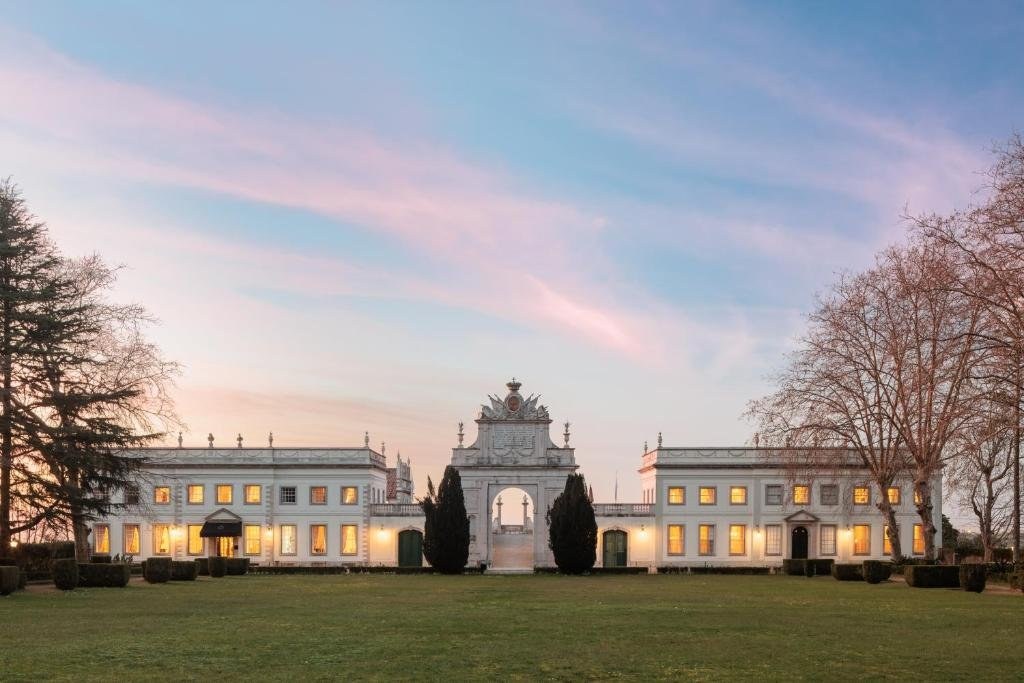




Valverde Sintra
Sintra
Hotel in Sintra, Portugal
 Book with Pearl
The Read
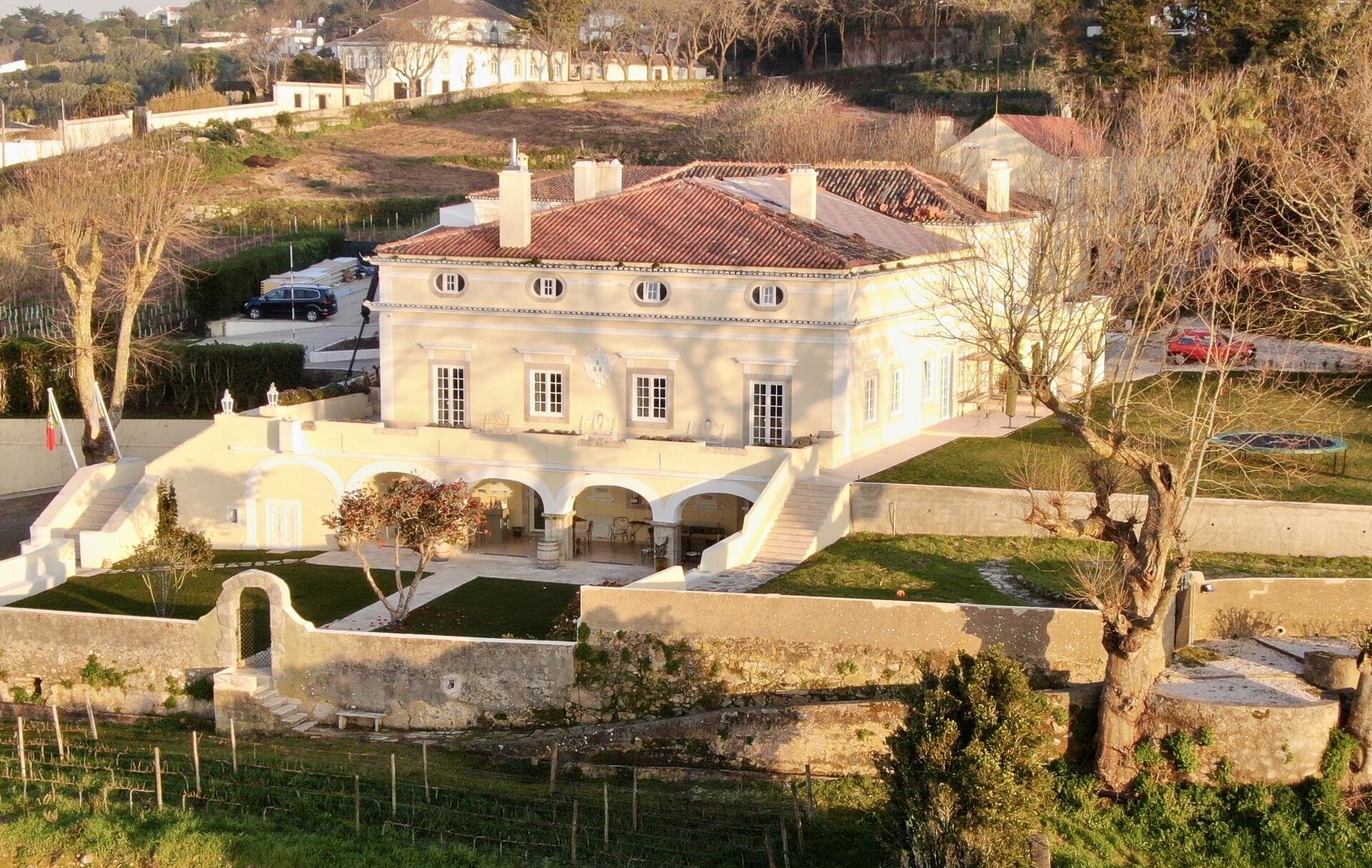
19th-Century Residential Conversion
Why go
Valverde Sintra is the better fit for a couples' or celebration stay than for a budget-first Sintra stopover. Its strongest case is design-led atmosphere plus serious luxury recognition, while Penha Longa Resort is the smarter alternative for resort facilities and Casa da Estefanea or Casa Holstein Quinta São Sebastiao may suit simpler stays.
About Valverde Sintra
For a stay in Sintra, Valverde Sintra is a recognized hotel with a smart casual dress code. Its World Travel Awards 2025 recognition as Most Romantic Hotel makes it a natural hotel to consider for a special-occasion trip.
Valverde Sintra is also associated with MICHELIN Guide, Hotels Selected (2025), Leading Hotels of the World Member (2025), and Virtuoso Luxury Hotel Partner (2026). Those markers do not guarantee that every traveler should choose it, but they do make the hotel relevant for travelers comparing recognized stays.
A recognized Sintra stay with confirmed hotel signals
Valverde Sintra's recognition includes MICHELIN Guide, Hotels Selected (2025), Leading Hotels of the World Member (2025), Virtuoso Luxury Hotel Partner (2026), and World Travel Awards 2025, Most Romantic Hotel. Those markers do not guarantee that every traveler should choose it, but they do make the hotel relevant for travelers comparing recognized stays.
For comparison, Penha Longa Resort, Casa Holstein Quinta São Sebastiao, and Casa da Estefanea may also be worth reviewing. Fortaleza do Guincho is another option to consider in the wider area, but it should not be treated as the same kind of Sintra base.
Who should book it, and who should cross-shop
Book Valverde Sintra if its recognition, Sintra setting, and romantic-hotel award are the main reasons for choosing the stay. Cross-shop if price, room type, facilities, or a specific service need will determine the decision.
The location can be stated simply as Sintra. For broader planning other Sintra hotel options and consider the Sintra restaurants guide if the trip is occasion-led.
Quick reference: choose Valverde Sintra for a recognized Sintra hotel with romantic and hotel credentials; compare Penha Longa Resort, Casa Holstein Quinta São Sebastiao, or Casa da Estefanea if you want to review other named options before booking.
Planning details
- Location
- R. Barbosa du Bocage 8, 2710-517 Sintra
- Website
- valverdepalacioseteais.com
- Phone
- +351 21 923 3200
The take
The Take
The Vibe
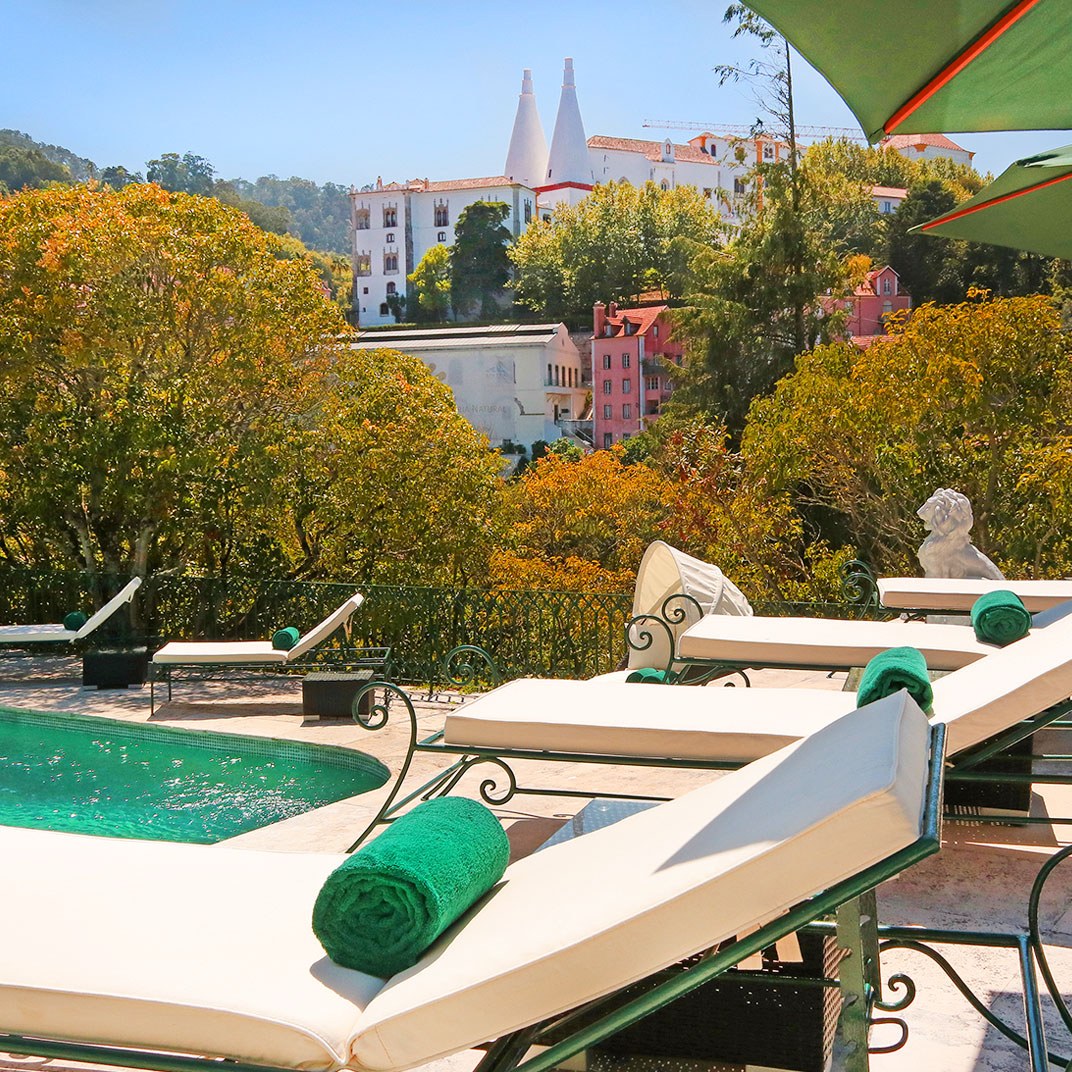
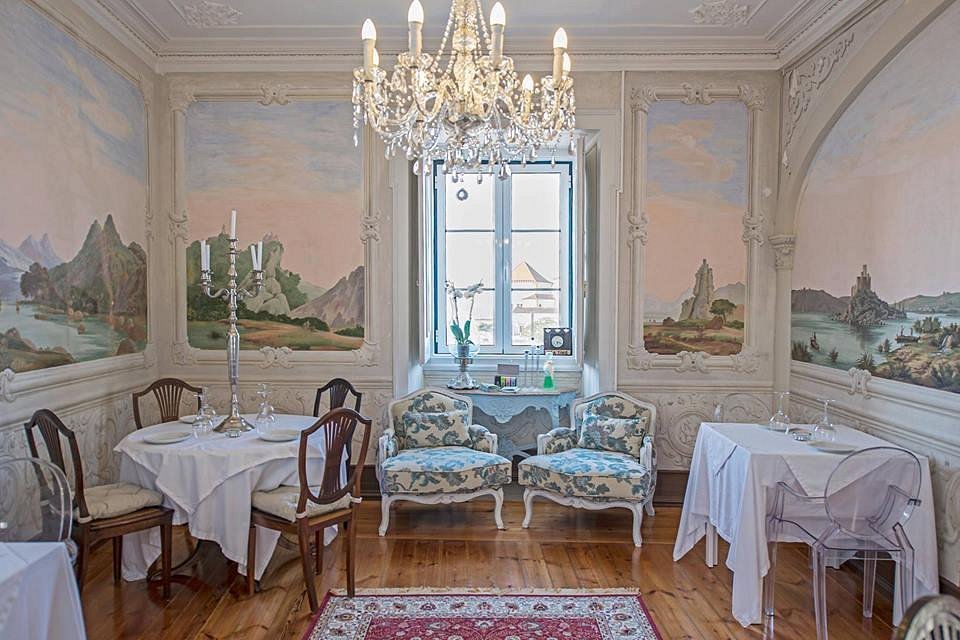
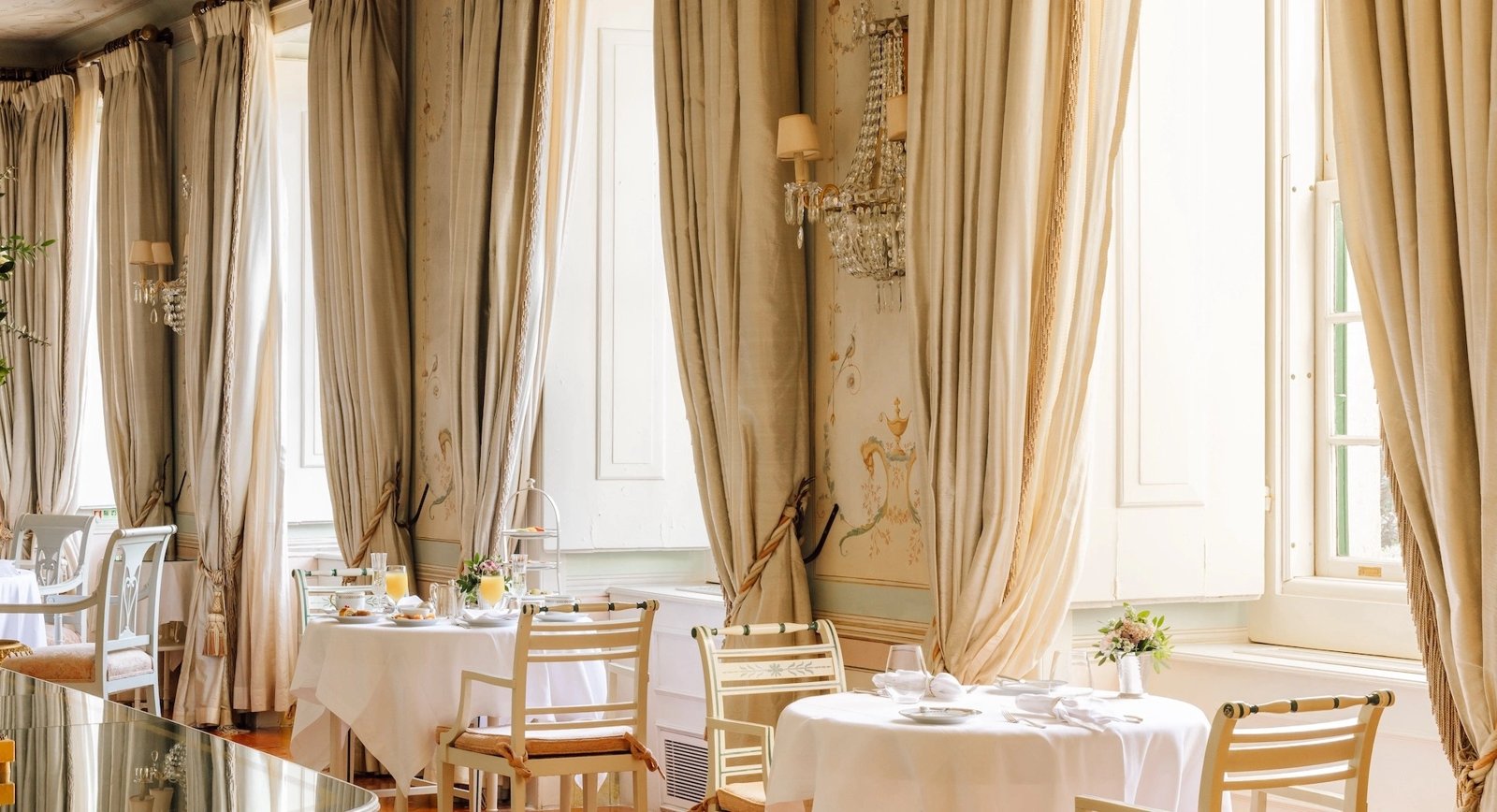
Valverde Sintra Palácio de Seteais reads as a carefully preserved late‑18th‑century palace that foregrounds architecture and history. Arriving up the forested Serra de Sintra ridge feels like stepping into another century: the façade across a formal parterre, ballrooms with tapestries and frescoes, and interiors furnished with period references all reinforce a restrained, aristocratic presence rather than a theatrical reinvention. The microclimate and wooded setting contribute to a composed, calm mood; the hotel emphasizes quiet grandeur and design decisions that let original fabric and historical detail remain the primary attraction.
Best For
This palace hotel suits couples and travelers seeking a quietly romantic, historically resonant stay. Its roots in the Romantic era and location within Sintra’s UNESCO cultural landscape make it an obvious choice for romantic getaways and leisurely weekend escapes from Lisbon, where guests expect architecture and gardens to be the main draw. The restrained restoration and intact ballrooms also make it appropriate for small, elegant celebrations that prioritize atmosphere and heritage over contemporary spectacle. Stays here favor slow exploration of the grounds and nearby palaces rather than fast-paced sightseeing.
Venue details
Ambiance
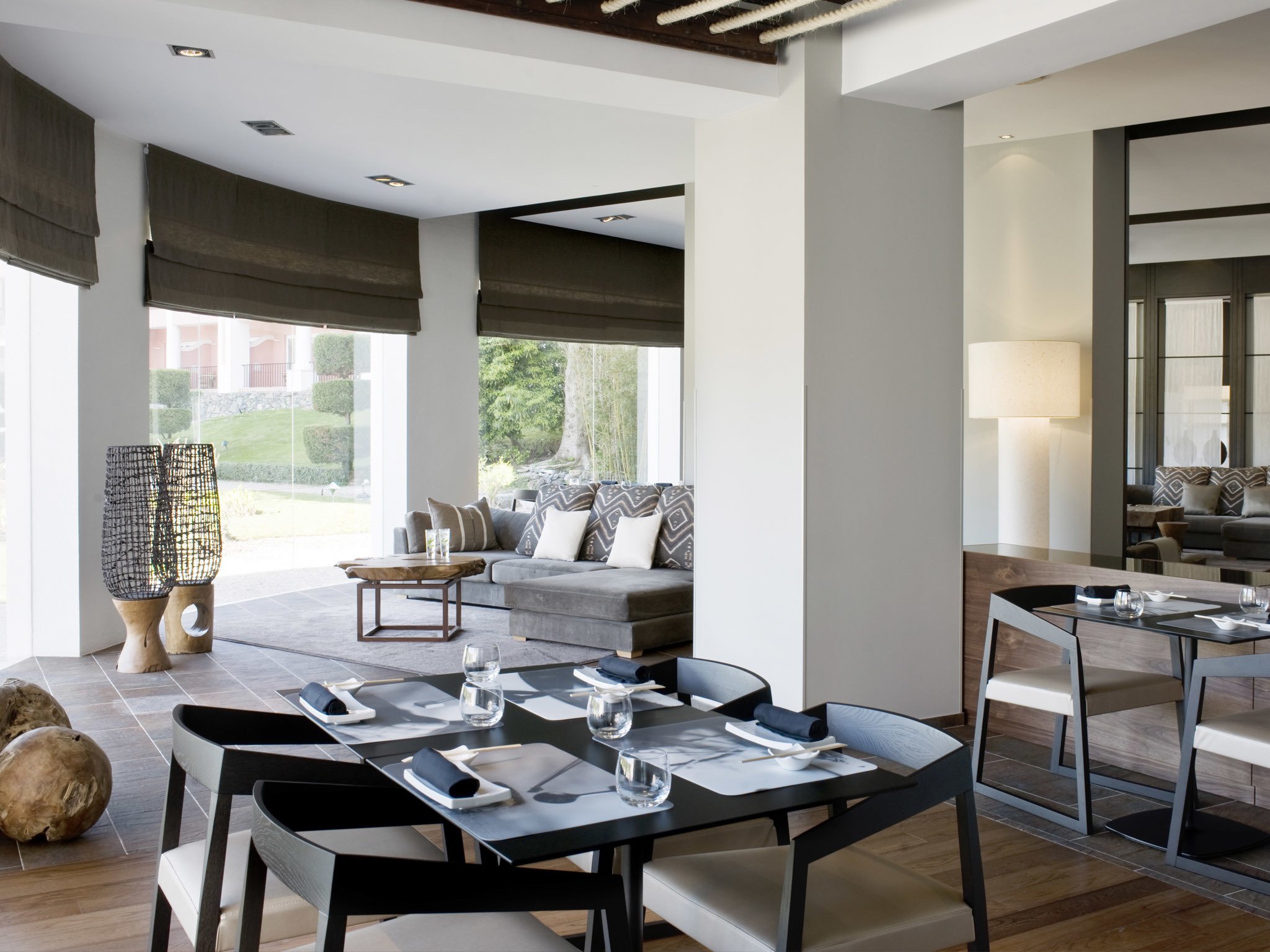
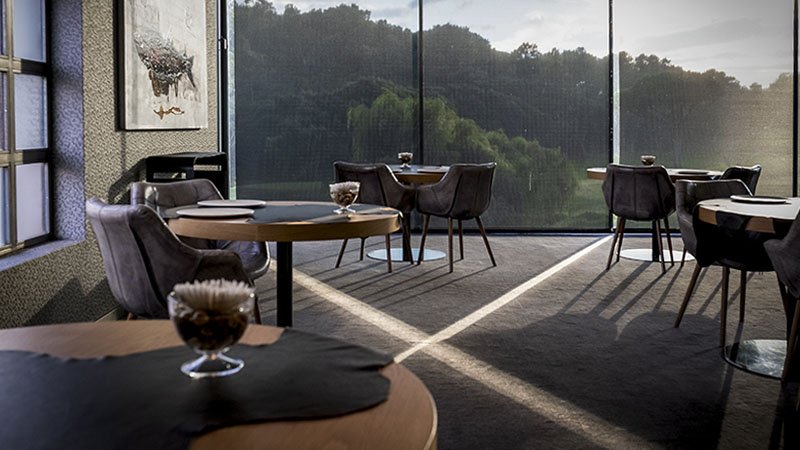
Elegant and romantic with rich historical decor, frescoes, and a refined atmosphere enhanced by natural light and scenic surroundings.
Tags
Vibe
Best For
Experience
Amenities
View
Accessibility
About the Stay
- Rooms
- 30
- Check-in
- 15:00
- Check-out
- 12:00
- Property Style
- Historic 18th Century Palace Hotel
- Design Style
- Neoclassical with Hand Painted Frescoes and Opulent Furnishings
Know before you go
Know Before You Go
- Getting there
- R. Barbosa du Bocage 8, 2710-517 Sintra
Planning details
Location



Also consider
Where to book if this is not the right fit
For resort facilities, cross-shop Penha Longa Resort. For a simpler Sintra stay where value matters more than luxury recognition, start with Casa da Estefanea or Casa Holstein Quinta São Sebastiao.
Hotel context
How Valverde Sintra compares in Sintra
Valverde Sintra is the more occasion-led choice than Casa da Estefanea and Casa Holstein Quinta São Sebastiao. Choose it when ambiance and a more polished hotel experience justify paying up; choose the Casa options when the trip is sightseeing-heavy and the hotel budget matters more than luxury signals.
Penha Longa Resort is the better match for travelers who want a larger resort stay, especially if facilities are central to the trip. Valverde Sintra is more compelling for couples who want to stay closer to Sintra's town mood rather than make the hotel a self-contained resort escape.
Fortaleza do Guincho is the coastal cross-shop: pick it when Atlantic views and a destination dining-and-hotel feel matter more than being based in Sintra. For a romantic Sintra stay with easier in-town positioning, Valverde Sintra is the cleaner fit.
Explore Sintra
Around this place
Discover more on Pearl
Unlock the full Valverde Sintra guide in Pearl, including awards, comparisons, FAQs, planning details, and nearby places.
Compare Valverde Sintra
| Venue | Location | Awards |
|---|---|---|
| Valverde Sintra | Sintra | 2026 Virtuoso Luxury Hotel CollectionLeading Hotels of the World 2026World Travel Awards 20252025 Michelin Selected Hotels |
| Casa Holstein Quinta São Sebastiao | Sintra | No published awards |
| Casa da Estefanea | Sintra | No published awards |
| Penha Longa Resort | Sintra | 2026 Virtuoso Luxury Hotel Collection2026 Forbes 4-StarMichelin 3 Keys 20252025 Michelin 3 Keys2025 Forbes 4-Star |
| Penha Longa Resort | Lisbon | 2026 Virtuoso Luxury Hotel Collection2026 Forbes 4-StarMichelin 3 Keys 20252025 Michelin 3 Keys2025 Forbes 4-Star |
| Fortaleza do Guincho | Cascais | 2026 Relais Chateaux Hotels2026 La Liste Top Hotels2025 Michelin Selected Hotels2025 Relais Chateaux Award |




How Valverde Sintra compares with similar nearby venues.
FAQ
Frequently Asked Questions
What is check-in like at Valverde Sintra?
Check-in details should be confirmed directly with the hotel before arrival. The public positioning includes MICHELIN Guide, Hotels Selected (2025), Leading Hotels of the World Member (2025), Virtuoso Luxury Hotel Partner (2026), and World Travel Awards 2025, Most Romantic Hotel.
Is Valverde Sintra family-friendly?
Family suitability should be confirmed directly with the hotel, especially if you need specific room setups or services. The strongest signal is its World Travel Awards 2025 recognition as Most Romantic Hotel, so many travelers may consider it for a special-occasion stay in Sintra.
Which room category is best at Valverde Sintra?
Do loyalty programs work at Valverde Sintra?
Valverde Sintra is listed as a Leading Hotels of the World Member (2025) and Virtuoso Luxury Hotel Partner (2026). Any specific benefits, eligibility, or booking conditions should be confirmed through the relevant program or booking channel before reserving.
How is the location of Valverde Sintra?
Valverde Sintra is in Sintra. For comparison, Penha Longa Resort, Casa Holstein Quinta São Sebastiao, and Casa da Estefanea are other named options to consider.