
Izu-Imaihama Tokyu Hotel
Kawazu, Shizuoka
Hotel in Shizuoka, Japan
 Book with Pearl
The Read
Peninsula Coastal Scale
Why go
A practical coastal Shizuoka hotel for travelers who want easy Izu access rather than a formal ryokan stay. Book it for beach time, Kawazu positioning, and a lower-friction hotel rhythm; cross-shop Asaba or Ochiairo if the trip should revolve around traditional hospitality.
About Izu-Imaihama Tokyu Hotel
Izu-Imaihama Tokyu Hotel is a Shizuoka hotel with a casual dress code and confirmed Preferred Hotels Member recognition for 2025. On the facts available here, the booking case should stay simple: consider it if you want this specific hotel in Shizuoka, and avoid relying on claims about facilities, dining, room categories, or seasonal advantages.
Because the available profile is limited, the safest way to evaluate Izu-Imaihama Tokyu Hotel is to confirm current details directly before booking. Treat the hotel name, Shizuoka location, casual dress code, and 2025 Preferred Hotels Member status as the grounded points; other specifics should be checked with the property or your booking channel.
A Shizuoka hotel profile with limited detail
Within Shizuoka, the decision is less about a long list of confirmed amenities and more about whether Izu-Imaihama Tokyu Hotel fits the trip you are planning.
That makes this a thin-data recommendation rather than a feature-led one. If you are comparing it with Asaba, Ochiairo, Arcana Izu, Kawana Hotel & Golf Course, or Shimoda Tokyu Hotel, use confirmed current information from each property rather than assuming they serve the same kind of stay.
Book only after confirming the details that matter to your trip
Before committing, verify the practical points that are important to you, such as room type, dining availability, access, cancellation terms, and any facilities you expect to use. Those details are not established in the data provided here.
The clearest confirmed positives are direct: Izu-Imaihama Tokyu Hotel is in Shizuoka, has a casual dress code, and is listed as a Preferred Hotels Member in 2025. That gives it a recognizable hotel affiliation, but it should not be treated as proof of any particular amenity, service format, or travel style.
The verdict: consider Izu-Imaihama Tokyu Hotel if you specifically want this Shizuoka property and are comfortable confirming the trip-critical details before booking. Skip a firm commitment if you need information on dining, rooms, facilities, or a more precisely defined hotel experience before you choose.
Planning details
- Location
- 今井35-1 Midaka, Kawazu, Kamo District, Shizuoka 413-0503
The take
The Take
The Vibe
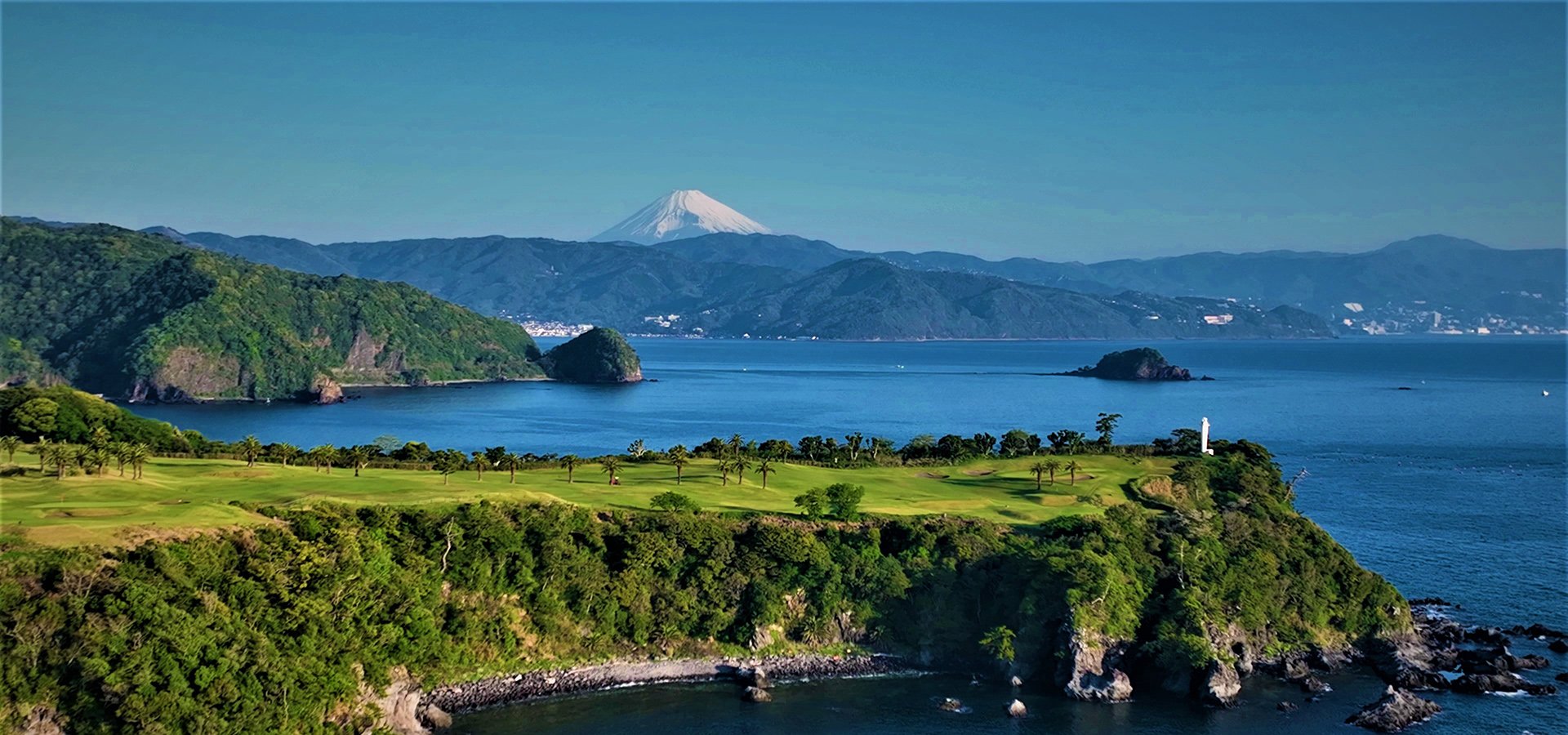
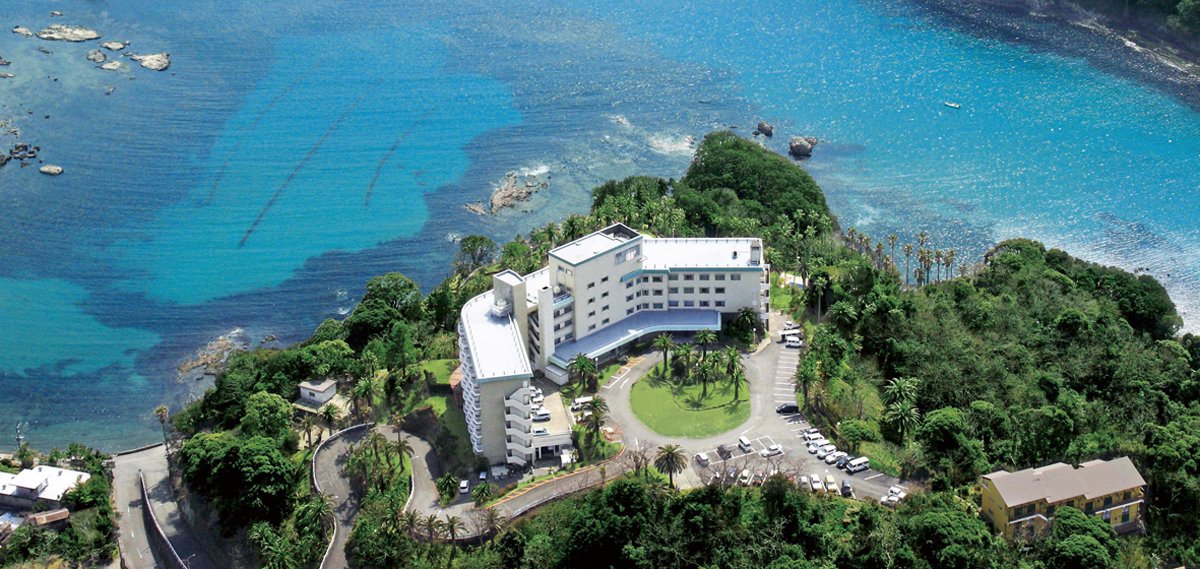
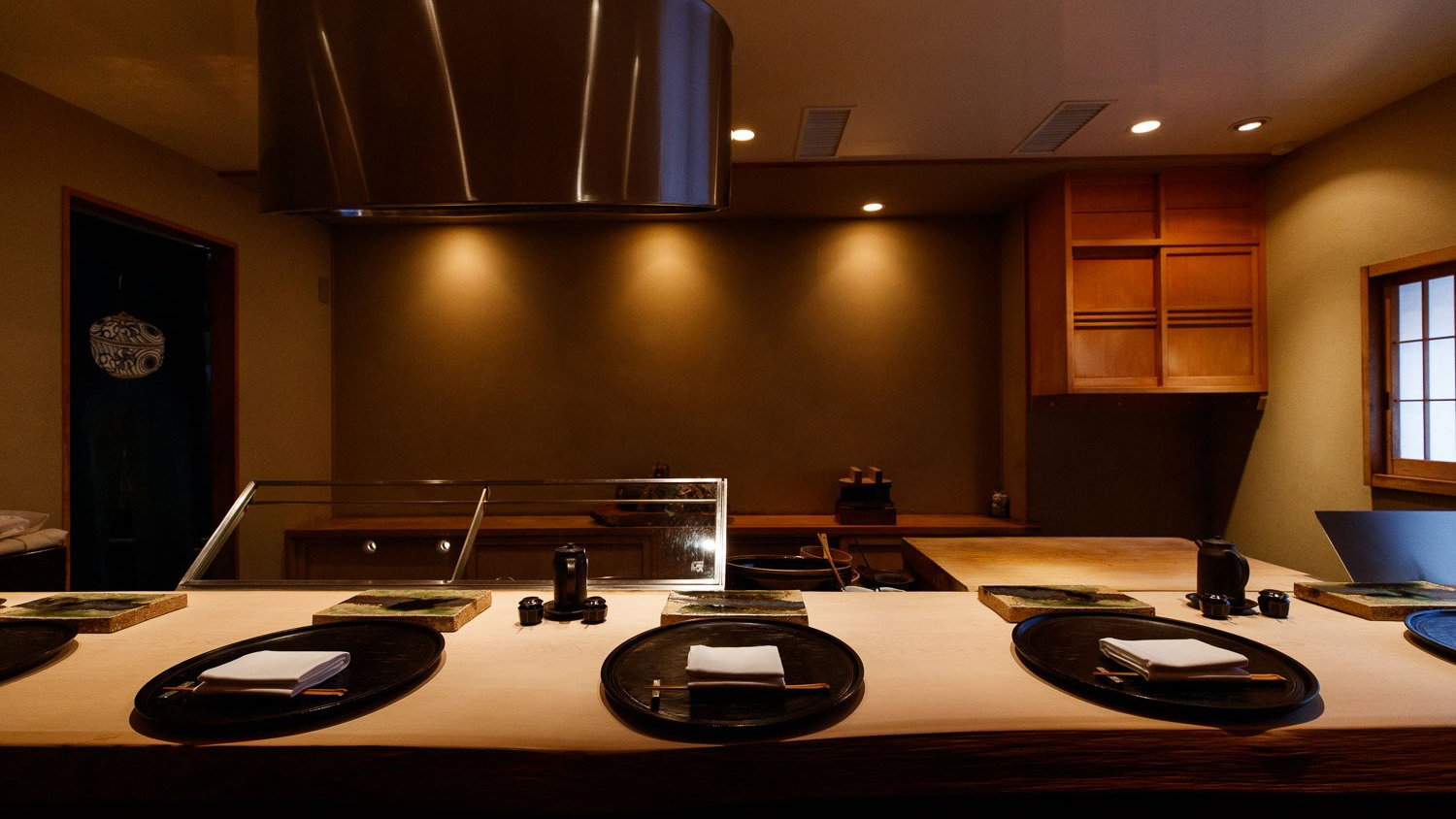
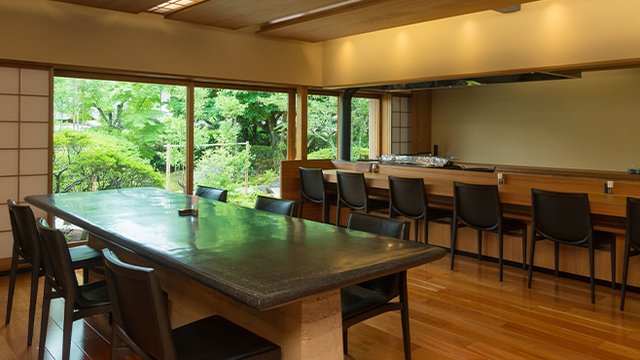
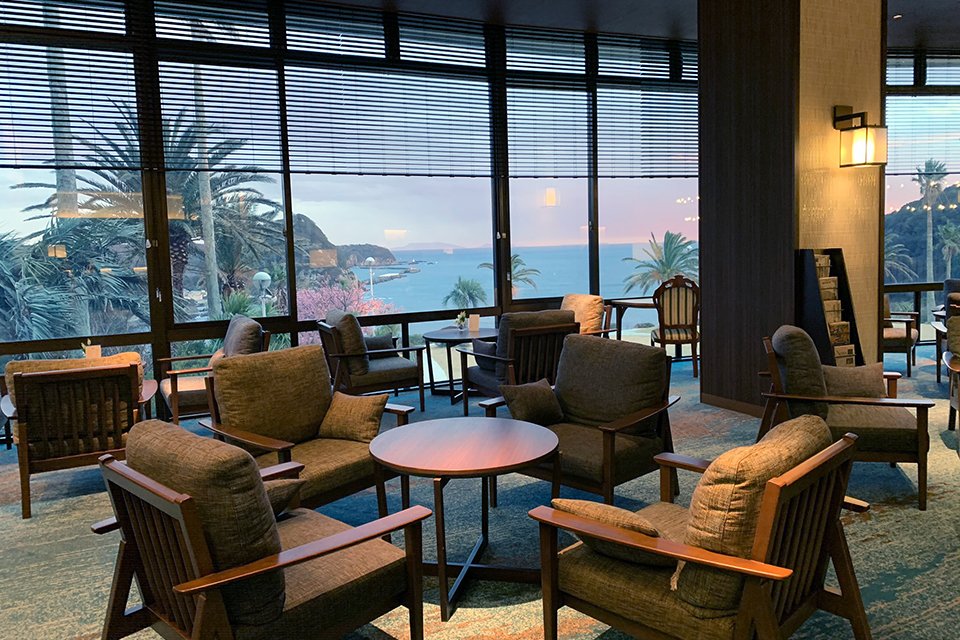
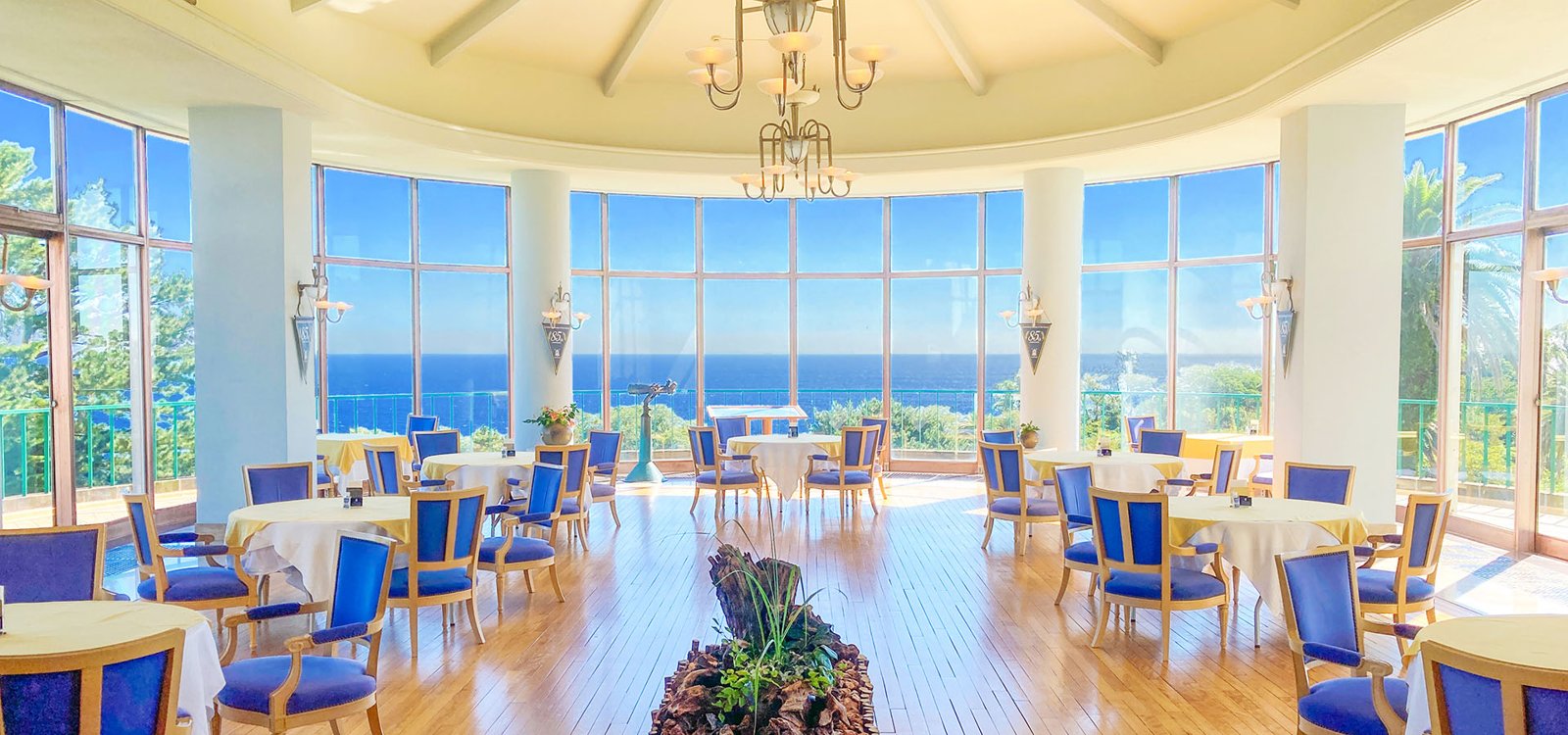
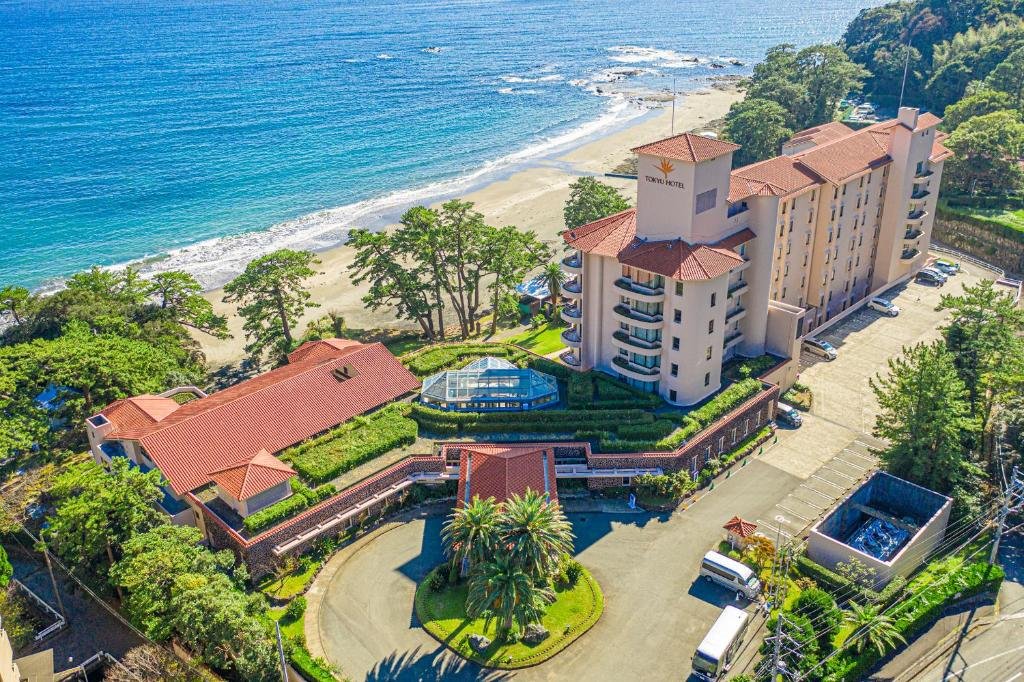
Izu-Imaihama Tokyu Hotel reads as a classic, larger-scale coastal resort within a well-established Japanese hotel group. The copy emphasizes its 134 rooms and situates the property against the dramatic coastal topography of Kawazu, making the shoreline the site's primary environmental anchor. That scale distinguishes it from intimate ryokan and smaller inns, so the atmosphere leans toward a structured resort rhythm rather than tucked-away intimacy. Readers can expect a dependable, chain-operated resort experience that foregrounds its coastal setting and group-oriented amenities rather than boutique or singularly idiosyncratic design flourishes.
Best For
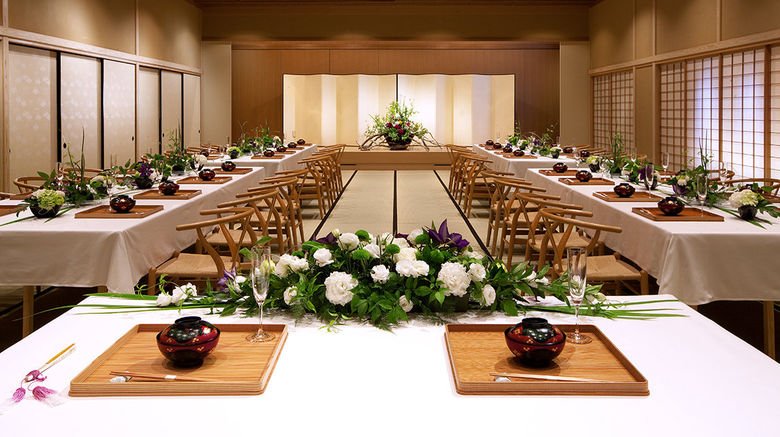
This hotel suits travelers who want a straightforward coastal base on the Izu Peninsula—especially Tokyo-area visitors seeking a long weekend escape. The property’s scale and reference to broader amenities make it a practical choice for families or organized groups that need multiple rooms and onsite facilities. It also appeals to visitors timed to regional attractions: Kawazu’s early sakura season is highlighted, so those planning to see the blooms or to spend several days exploring the southeastern shore will find the location convenient. It is less aimed at guests seeking an intimate, small-inn experience.
Stay Tips
Book early for seasonal windows: the description calls out Kawazu’s famously early sakura blooms, so reserve well in advance if travel coincides with blossom season. Given the hotel’s positioning as a larger resort with group capacity, make group reservations or block rooms ahead of time to secure contiguous allocations. When requesting rooms, ask specifically for shoreline-facing accommodations if views are a priority—the copy makes clear the shoreline is the property’s principal environmental anchor. Beyond those points, the text does not provide specifics on dining or transport, so confirm amenities and arrival logistics directly with the hotel.
Venue details
Ambiance
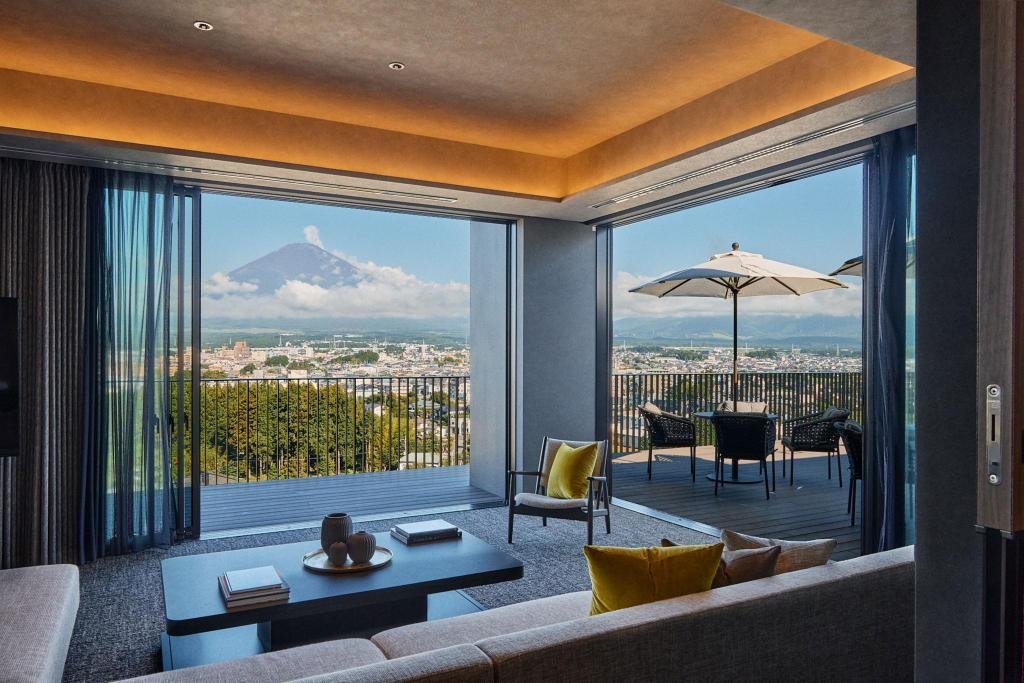
Relaxed resort atmosphere with natural luxury, spacious clean rooms featuring sea views, and soothing hot springs amid ocean sounds.
Tags
Vibe
Best For
Experience
Amenities
View
Accessibility
About the Stay
- Rooms
- 134
- Check-in
- 15:00
- Check-out
- 11:00
- Property Style
- Beachfront Resort with Onsen Facilities
- Design Style
- Modern Japanese with Ocean Views and Tatami Options
Know before you go
Know Before You Go
- Getting there
- 今井35-1 Midaka, Kawazu, Kamo District, Shizuoka 413-0503
Planning details
Location
今井35-1 Midaka, Kawazu, Kamo District, Shizuoka 413-0503 · Directions
Recognition and awards
Also consider
Where to look if this does not fit
If the dates do not work, start with Shimoda Tokyu Hotel for another coastal Shizuoka hotel option. If the trip calls for a more traditional, stay-centered experience, compare Asaba or Ochiairo instead.
Hotel context
How it compares in Shizuoka
Shimoda Tokyu Hotel is the closest practical rival: choose Shimoda if the trip is centered on Shimoda town and its surrounding beaches, and choose Izu-Imaihama Tokyu Hotel if Kawazu and the Imaihama coast are the priority. Both read as easier hotel choices than ryokan-style stays, so the decision should come down to which side of the peninsula itinerary carries more weight.
Ochiairo, Arcana Izu, and Asaba are better for travelers who want the stay itself to be the main event. They are the stronger cross-shops for quiet, ceremony, and a more immersive Izu retreat; Izu-Imaihama Tokyu Hotel is the easier answer for travelers who want coastal access without turning the whole trip into a ryokan commitment.
Kawana Hotel & Golf Course is the better fit for golf, heritage-hotel atmosphere, and a more resort-led itinerary. Izu-Imaihama Tokyu Hotel is the more direct choice for a beach-and-Kawazu plan, especially when booking ease matters more than a highly choreographed luxury stay.
Around this place
Discover more on Pearl
Unlock the full Izu-Imaihama Tokyu Hotel guide in Pearl, including awards, comparisons, FAQs, planning details, and nearby places.
Compare Izu-Imaihama Tokyu Hotel
| Venue | Location | Awards |
|---|---|---|
| Izu-Imaihama Tokyu Hotel | Shizuoka | Preferred Hotels Member 2025 |
| Shimoda Tokyu Hotel | Shizuoka | Preferred Hotels Member 2025 |
| Ochiairo | Izu | 2025 Michelin 1 Key2024 Michelin 1 Key |
| Arcana Izu | Izu | 2025 Michelin 1 Key2024 Michelin 1 Key |
| Kawana Hotel & Golf Course | Shizuoka | Small Luxury Hotels Member 2025 |
| Asaba | Izu | 2026 Relais Chateaux Hotels2026 La Liste Top HotelsTatler Best Hotels Asia-Pacific 20252025 Michelin 3 Keys2025 Relais Chateaux Award2024 Michelin 2 Keys |







How Izu-Imaihama Tokyu Hotel Shizuoka compares with similar nearby venues.
FAQ
Frequently Asked Questions
How is the location of Izu-Imaihama Tokyu Hotel?
Izu-Imaihama Tokyu Hotel is in Shizuoka. No more specific location detail is included here, so confirm access and arrival logistics through the hotel or your booking channel.
When is the best time to book Izu-Imaihama Tokyu Hotel?
The data provided here does not establish a best season or booking window for Izu-Imaihama Tokyu Hotel. Book based on your Shizuoka itinerary, availability, and the hotel's current terms.
Which room category is best at Izu-Imaihama Tokyu Hotel?
The data provided here does not identify room categories or a best room type. Review the current room descriptions and confirm any essential features before booking.
How does Izu-Imaihama Tokyu Hotel compare to other hotels?
Izu-Imaihama Tokyu Hotel can be compared with Asaba, Ochiairo, Arcana Izu, Kawana Hotel & Golf Course, and Shimoda Tokyu Hotel, but the data here does not support detailed claims about how their facilities or stay styles differ. Compare current confirmed details before choosing.