



Amanemu
Ise-Shima National Park, Mie
Hotel in Mie, Japan
 Book with Pearl
The Read
Contemporary Ryokan Precision
Why go
Amanemu is the Mie splurge for travelers who want a quiet, self-contained resort stay rather than a busy sightseeing base. The Michelin 3 Key recognition and Aman Resorts backing support the price expectation, but the stay makes sense only if the hotel itself is the point of the trip.
About Amanemu
Amanemu in Mie is best evaluated as a premium hotel choice with verified external recognition, rather than through unverified claims about menus, room inventory, prices, or local logistics. The confirmed details are concise but meaningful: the dress code is smart casual, Michelin awarded Amanemu 3 Keys in 2024, La Liste lists it among Top Hotels for 2026 with 92.5 points, it is noted as a Virtuoso Luxury Hotel Partner and a Mr & Mrs Smith Seal of Approval property for 2026.
That makes the case for Amanemu strongest when the purpose of the trip is the hotel stay itself. If you need a decision based on a specific restaurant format, chef, cuisine, room category, or nightly rate, those details are not verified here and should be checked directly before booking. For broader meal planning in the area, start with our full Mie restaurants guide instead.
Choose it for a hotel-led stay, not an unverified restaurant-only detour
Because no verified public menu, chef, cuisine type, service format, or pricing is available here, Amanemu should not be framed as a stand-alone dining destination on this page. The grounded reason to consider it is its confirmed hotel recognition, especially Michelin 3 Keys in 2024 and its additional luxury-hotel credentials.
Travelers who value confirmed hotel accolades may find Amanemu easier to justify than travelers who need detailed verified information on dining, room categories, or on-property programming before committing. The safest recommendation is to treat Amanemu as a hotel-first choice and confirm any stay-specific details directly with the property.
Where it sits against selected hotel alternatives
Among the named alternatives, Amanemu can be compared with Shima Kanko Hotel The Bay Suites and The Hiramatsu Hotels & Resorts Kashikojima for travelers weighing a premium hotel stay in the same broader planning set. Amanemu's clearest verified differentiator here is its confirmed recognition: Michelin 3 Keys in 2024, La Liste Top Hotels 2026 at 92.5 points, Virtuoso Luxury Hotel Partner status, Mr & Mrs Smith Seal of Approval recognition.
Oyado The Earth, Gamagori Classic Hotel, Maruyo Hotel are also relevant comparison names for travelers building a hotel shortlist, though this page does not verify their locations, prices, room types, dining formats, or service styles.
The bottom line: book Amanemu if its confirmed luxury-hotel recognition and smart-casual dress code fit the trip. Do more direct checking if the decision depends on unverified specifics such as cuisine, exact pricing, room category, transit convenience, or a particular on-property experience.
Part of
Aman46 locations on PearlPlanning details
- Location
- Hamajima-cho, 2165 Hamajimachō Hazako, Shima, Mie 517-0403
- Website
- aman.com/resorts/amanemu?y_source=1_MTU3MDc3MTYtNzE1LWxvY2F0aW9uLndlYnNpdGU%3D
- Phone
- +81 599-52-5000
The take
The Take
The Vibe
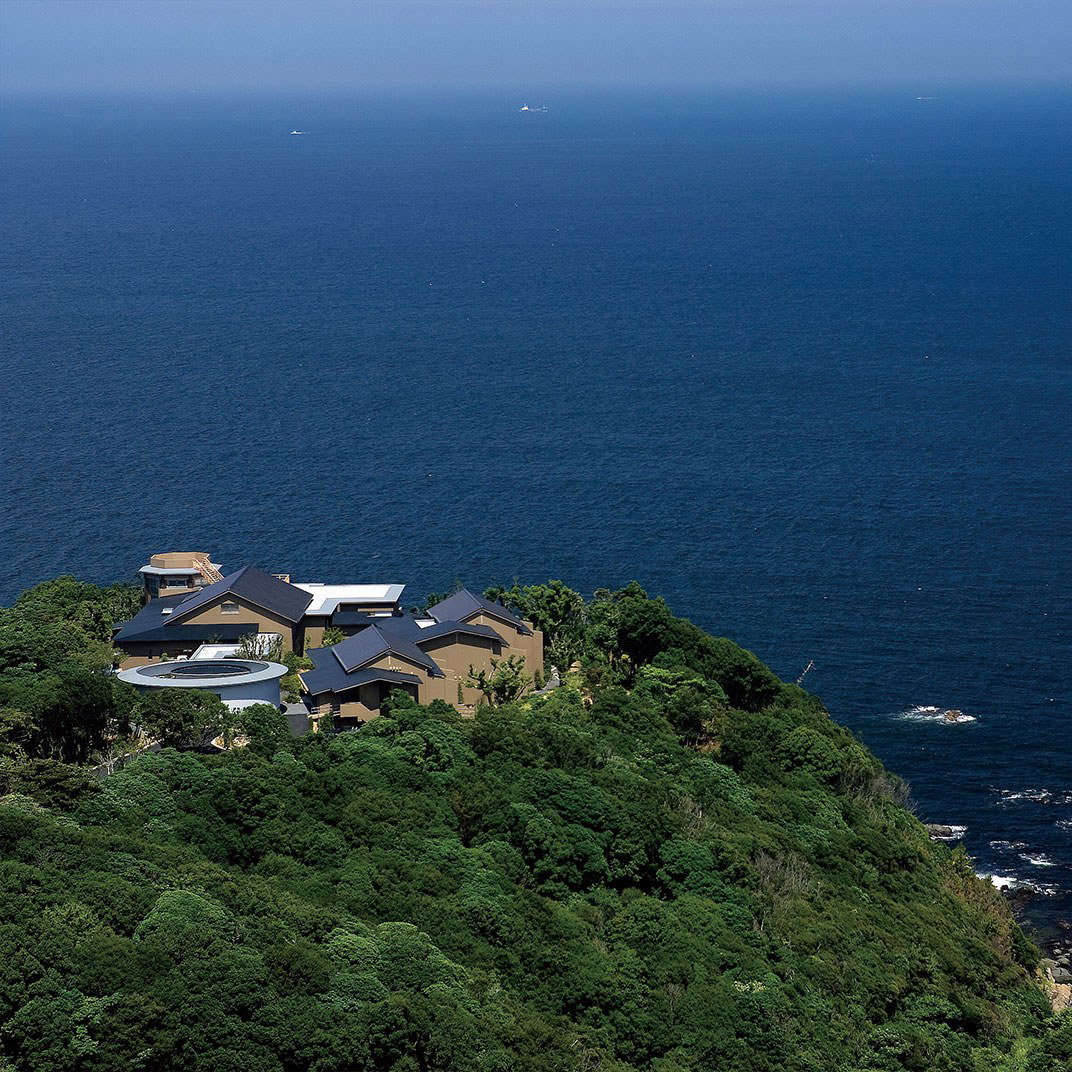
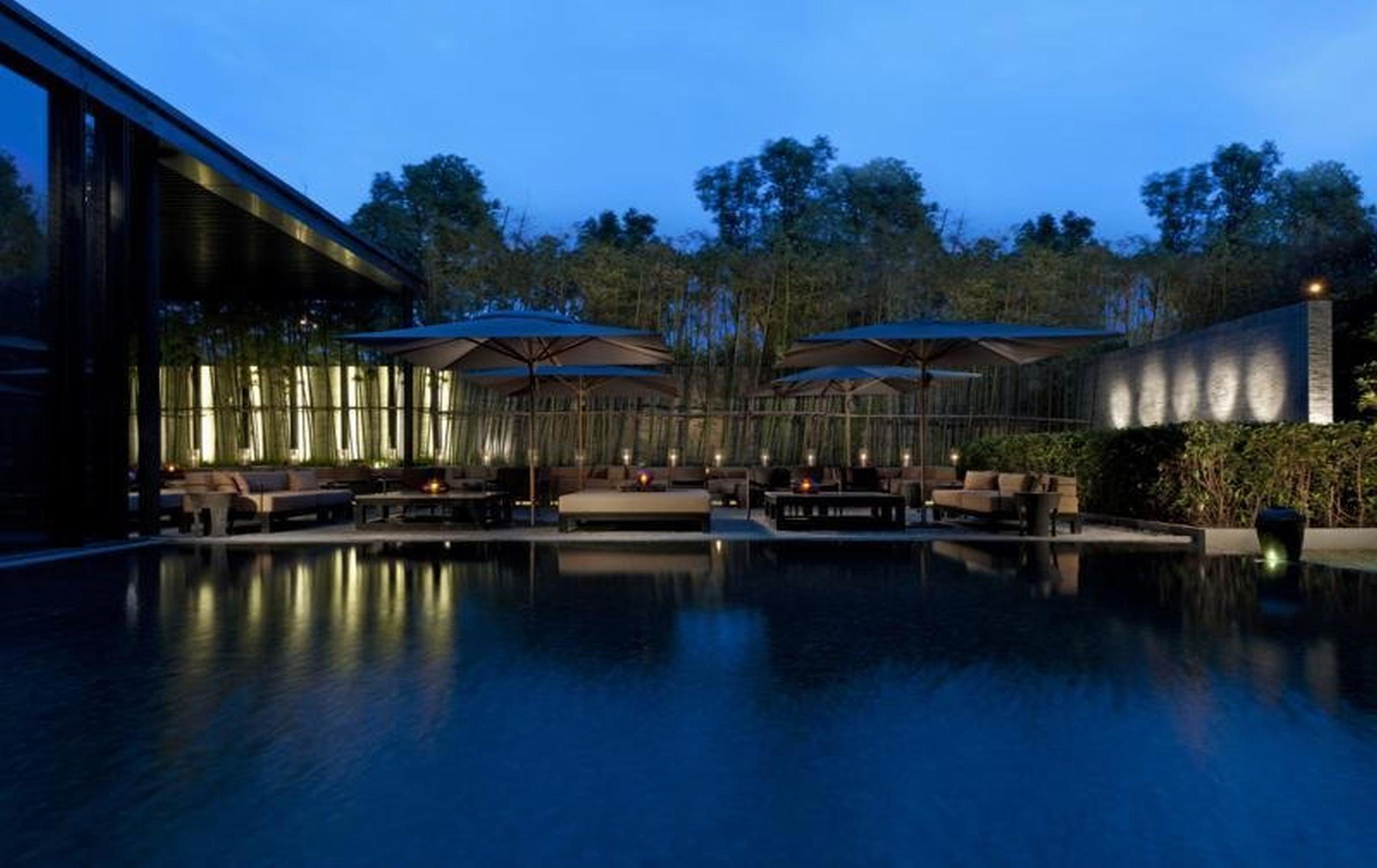
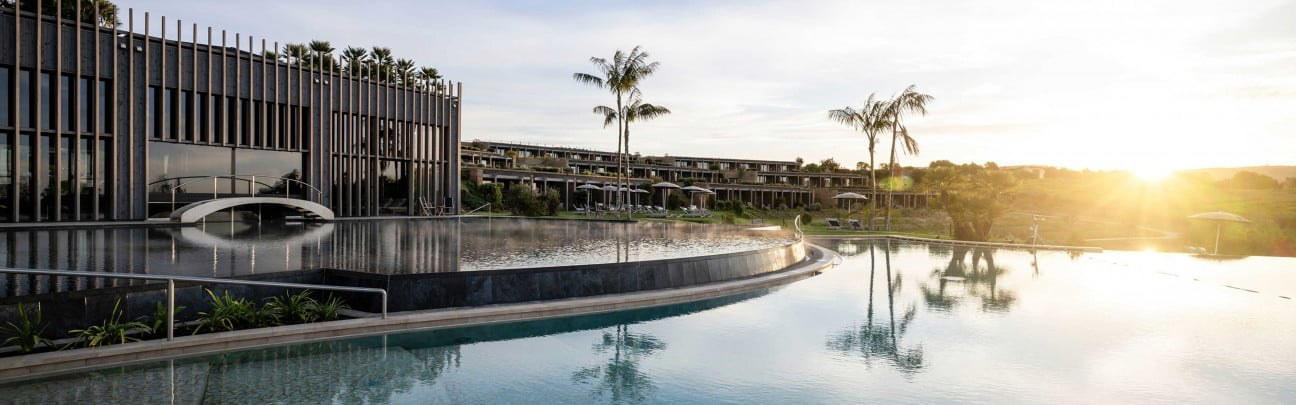
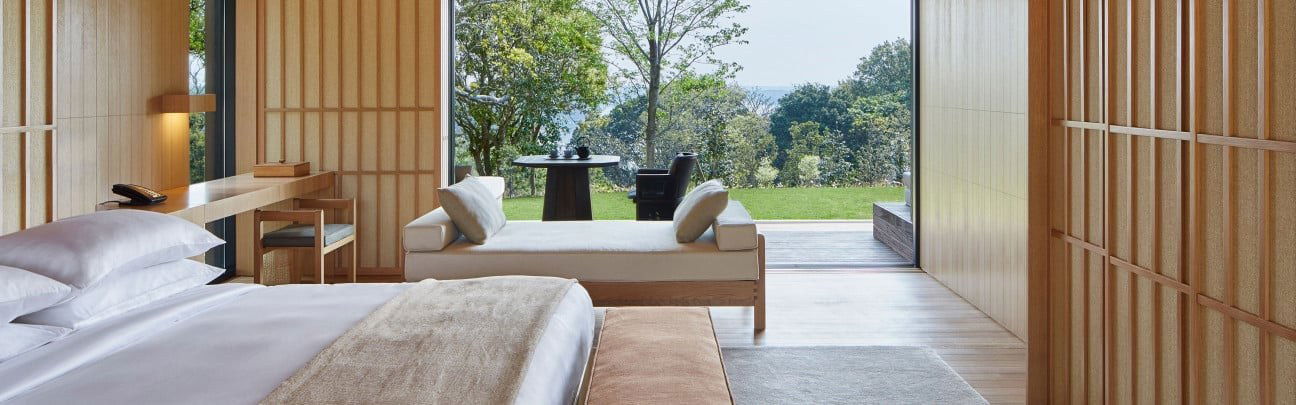
Amanemu reads as an architectural meditation on place: low‑slung timber and stone pavilions follow the hillside, and screens and framed apertures make the landscape part of every interior composition. The effect is cumulative and quietly dramatic rather than theatrical — interiors feel sheltered without shutting out the cedar slopes or the bay below. The presence of onsen pavilions reinforces a restorative, restrained luxury that favors subtle, refined moments over spectacle. Design‑minded travelers encounter a serene, intimate retreat where materiality, proportion and view are the principal attractions.
Best For
Amanemu is especially well suited to couples and small groups seeking a restorative coastal escape — honeymooners, anniversaries and romantic getaways are a natural fit. The resort also appeals to wellness‑minded travelers drawn to onsen bathing and quiet contemplation, as well as to architecture and design enthusiasts interested in Kerry Hill’s sensitive response to the Kii Peninsula landscape. Guests who value privacy, measured luxury and framed views of Ago Bay will find the property aligns with weekend escapes and slow, restorative itineraries.
Stay Tips
Prioritize accommodations with views of Ago Bay: suites or villas positioned to capture the 'framed views' described in the copy deliver the clearest sense of place. Schedule onsen time during quieter hours — early morning or sunset — to pair bathing with light and coastal panoramas. Allow extra time to explore the immediate grounds and cedar slopes; the property’s design is intended to be experienced slowly, with attention to the relationship between interior space and the bay rather than a rushed, sightseeing approach.
Planning details
Location
Hamajima-cho, 2165 Hamajimachō Hazako, Shima, Mie 517-0403 · Directions
aman.com/resorts/amanemu?y_source=1_MTU3MDc3MTYtNzE1LWxvY2F0aW9uLndlYnNpdGU%3D
Recognition and awards



Also consider
If Amanemu is not available
Try The Hiramatsu Hotels & Resorts Kashikojima if dining is a major part of the trip, or Oyado The Earth if the priority is a quiet Mie stay with less emphasis on the Aman resort format.
Hotel context
How Amanemu compares in Mie
Amanemu is the high-commitment choice in this set: harder to secure, more resort-driven, better suited to travelers who want the stay itself to carry the trip. Shima Kanko Hotel The Bay Suites is the more conventional Shima luxury base, while The Hiramatsu Hotels & Resorts Kashikojima is the stronger cross-shop when the itinerary is being shaped around dining.
Oyado The Earth is the closest alternative for a quiet Mie escape, especially if the goal is atmosphere over brand polish. Gamagori Classic Hotel and Maruyo Hotel are better fits for travelers who want a smaller-feeling or more heritage-led stay rather than a fully managed resort experience.
For value, Amanemu only makes sense when the room, spa-paced schedule, on-property time are central to the trip. If the plan involves leaving early and returning late, choose one of the simpler peers and spend the difference on the broader Mie itinerary.
Explore Mie
Around this place
Discover more on Pearl
Unlock the full Amanemu guide in Pearl, including awards, comparisons, FAQs, planning details, and nearby places.
Compare Amanemu
| Venue | Location | Awards |
|---|---|---|
| Amanemu | Mie | 2026 Virtuoso Luxury Hotel Collection2026 Mr & Mrs Smith Luxury Hotels2026 La Liste Top Hotels2025 Michelin 3 Keys2024 Michelin 3 KeysAman Hotels |
| Shima Kanko Hotel The Bay Suites | Ise-Shima | 2025 Michelin Selected HotelsSmall Luxury Hotels Member 2025 |
| The Hiramatsu Hotels & Resorts Kashikojima | Shima | 2025 Michelin 1 Key2024 Michelin 1 Key |
| Oyado The Earth | Toba-shi | World Luxury Hotel Awards 20252024 Michelin 1 Key |
| Gamagori Classic Hotel | Gamagori | No published awards |
| Maruyo Hotel | Kuwana | No published awards |




How Amanemu Mie compares with similar nearby venues.
FAQ
Frequently Asked Questions
How is the location of Amanemu?
Amanemu is in Mie. This page does not verify a more specific street address or district, so planning should be based on Mie and confirmed directly with the property before travel.
Is Amanemu good for business travel?
That depends on the itinerary. The verified facts here support Amanemu as a recognized luxury-hotel choice, including Michelin 3 Keys in 2024, but they do not confirm transit convenience, meeting facilities, or business services. Confirm those details directly before booking for work travel.
Which room category is best at Amanemu?
No specific room categories are verified here. If the room choice is central to the stay, compare the current options directly with Amanemu before booking and weigh them against the confirmed hotel recognition and smart-casual dress code.
How does Amanemu compare to selected hotels?
Amanemu's verified differentiators are its Michelin 3 Keys recognition in 2024, La Liste Top Hotels 2026 score of 92.5 points, Virtuoso Luxury Hotel Partner status, Mr & Mrs Smith Seal of Approval recognition. Shima Kanko Hotel The Bay Suites, The Hiramatsu Hotels & Resorts Kashikojima, Oyado The Earth, Gamagori Classic Hotel, Maruyo Hotel are useful names to compare when building a hotel shortlist.
When is the best time to book Amanemu?
This page does not verify seasonal availability, peak dates, or booking windows for Amanemu. If dates are important, check directly with the property and compare with options such as Shima Kanko Hotel The Bay Suites before committing.