


The Shanghai EDITION
Lan Ni Du, Shanghai
Hotel in Shanghai, China
 Book with Pearl
The Read
Social Infrastructure Hotel
Why go
Book The Shanghai EDITION for a polished Huangpu base when central access matters more than a resort-style stay. It is a strong business-travel pick with meaningful hotel recognition, but availability can be tight, so fixed-date trips should plan early and compare Bund classics if riverfront heritage is the main draw.
About The Shanghai EDITION
Shanghai has many hotel choices, so the decision here should rest on the essentials that matter for your trip. The Shanghai EDITION is a Shanghai hotel with smart casual dress expectations and several third-party recognitions. If you are comparing it with other stays in the city, use those accolades and the hotel’s overall tone as the starting point.
The strongest case is recognition. The hotel is listed in La Liste Top Hotels (2026) with 91 points, is Forbes Recommended (2026), and appears as MICHELIN Guide, Hotels Selected (2025). Those accolades do not prove that it is the right hotel for every trip, but they do give travelers support beyond an impression alone.
Use hotel recognition before assuming location or amenity details
The key location detail is Shanghai. If district, street address, transfer convenience, meeting access, or resort-style depth matter, check those details directly before booking. If you need a broader view of stays in the city, browse Our full Shanghai hotels guide before committing.
Recognition also helps the decision. The hotel has 2026 La Liste Top Hotels scoring, 2026 Forbes Recommended status, and a 2025 MICHELIN Guide Hotels Selected listing, which gives it third-party support. That does not automatically make it the right choice for every traveler, but it is a meaningful signal for a Shanghai hotel search.
Who should book it, and who should cross-shop
Book here if the awards, Shanghai setting, and smart casual tone match the kind of stay you want. If specific room layouts, family amenities, dining formats, service style, or business facilities matter, confirm them directly before booking.
If you are comparing hotels in Shanghai, cross-shop Fairmont Peace Hotel, The Peninsula Shanghai, Waldorf Astoria Shanghai on the Bund, and Bvlgari Hotel Shanghai. For travelers weighing another Shanghai option, Nan Jing Dong Lu is also a practical comparison to check.
For wider Shanghai planning, use Our full Shanghai restaurants guide, Our full Shanghai bars guide, Our full Shanghai wineries guide, and Our full Shanghai experiences guide. For hotels, compare Shanghai options on the details that matter for your trip rather than assuming features that could affect the stay.
Part of
EDITION Hotels39 locations on PearlInside The Shanghai EDITION
Planning details
- Location
- 199 Nanjing Road East, Huangpu, Shanghai, 上海市200002
- Website
- editionhotels.com/shanghai
- Phone
- +86 21 5368 9999
The take
The Take
The Vibe
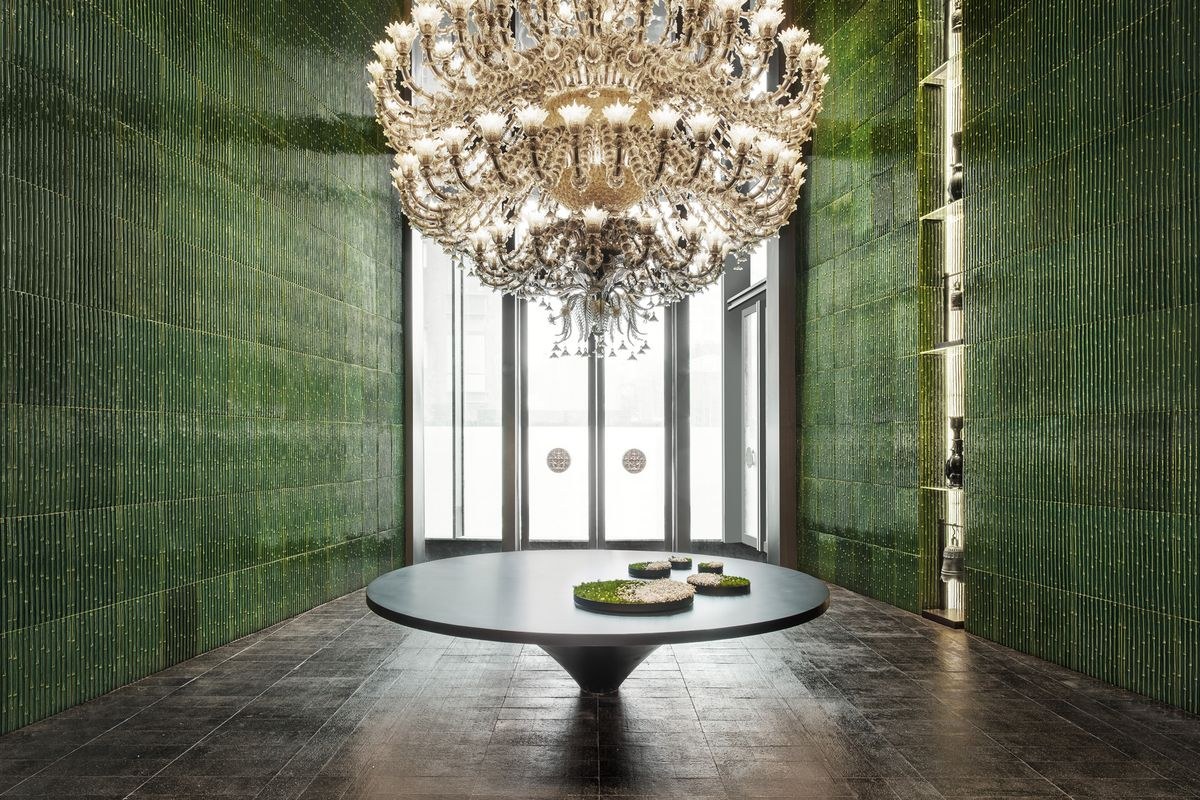
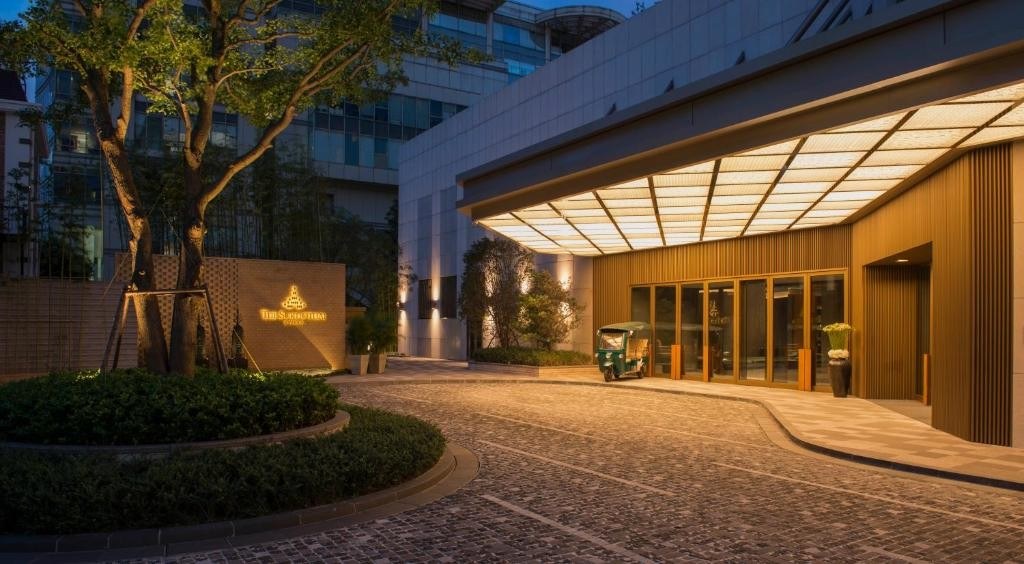
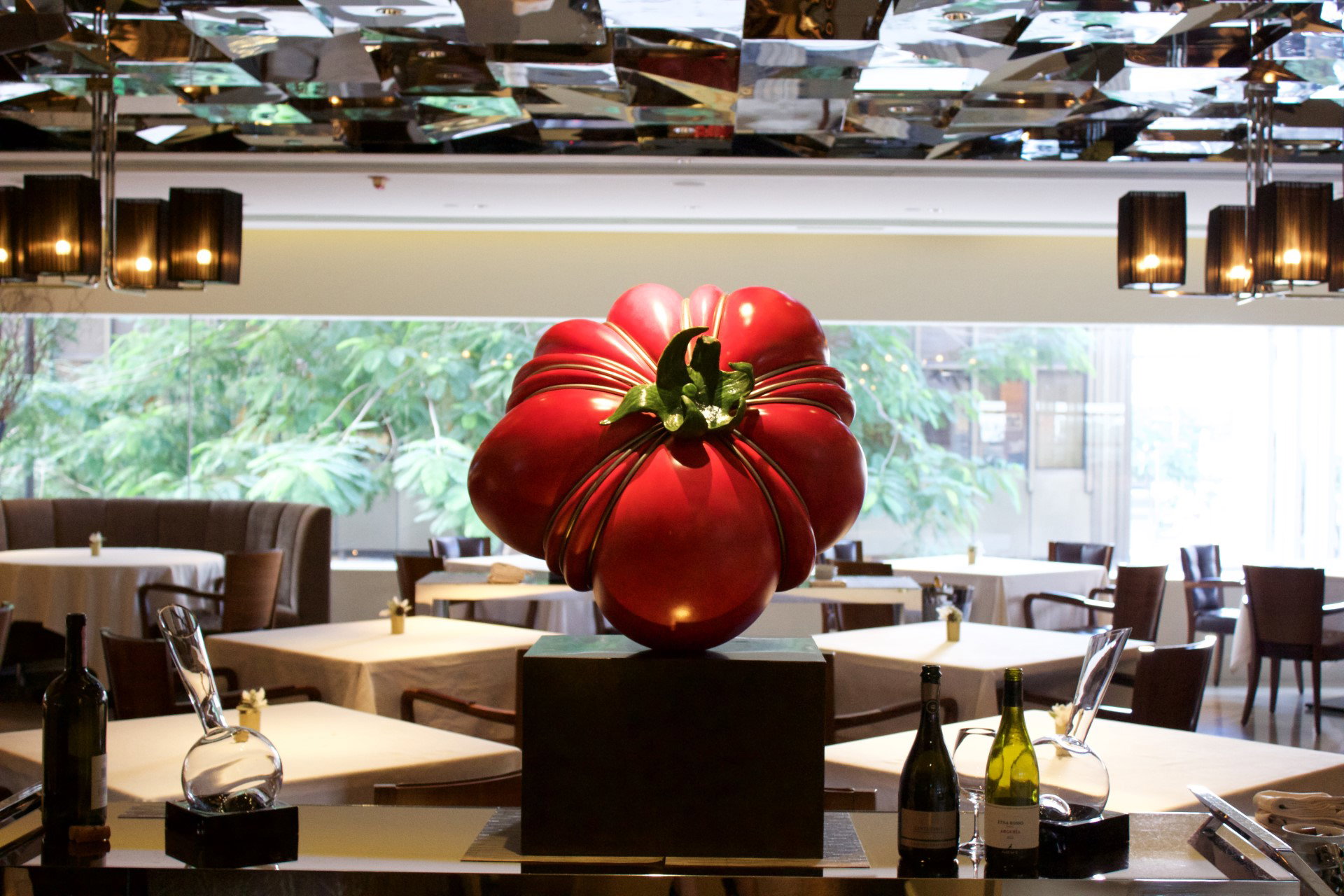
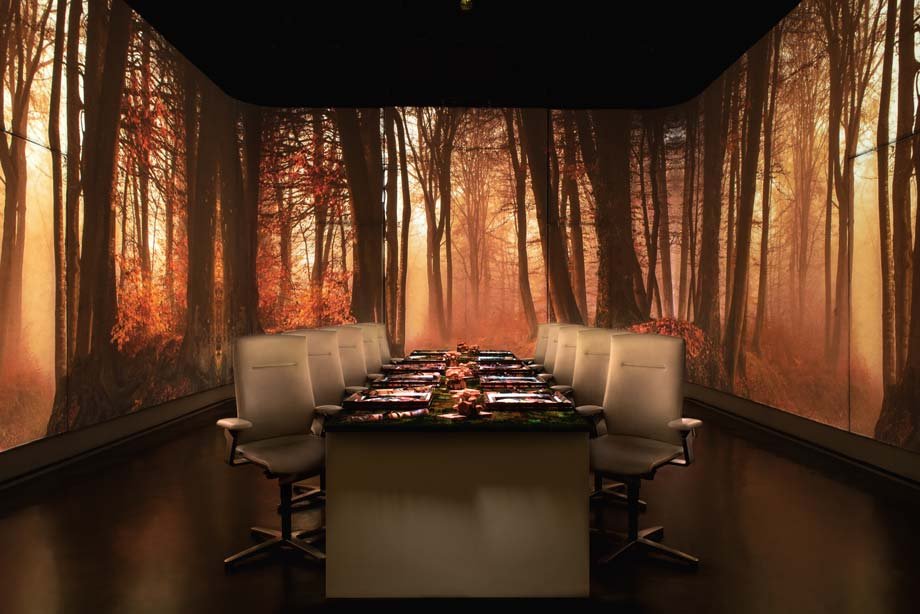
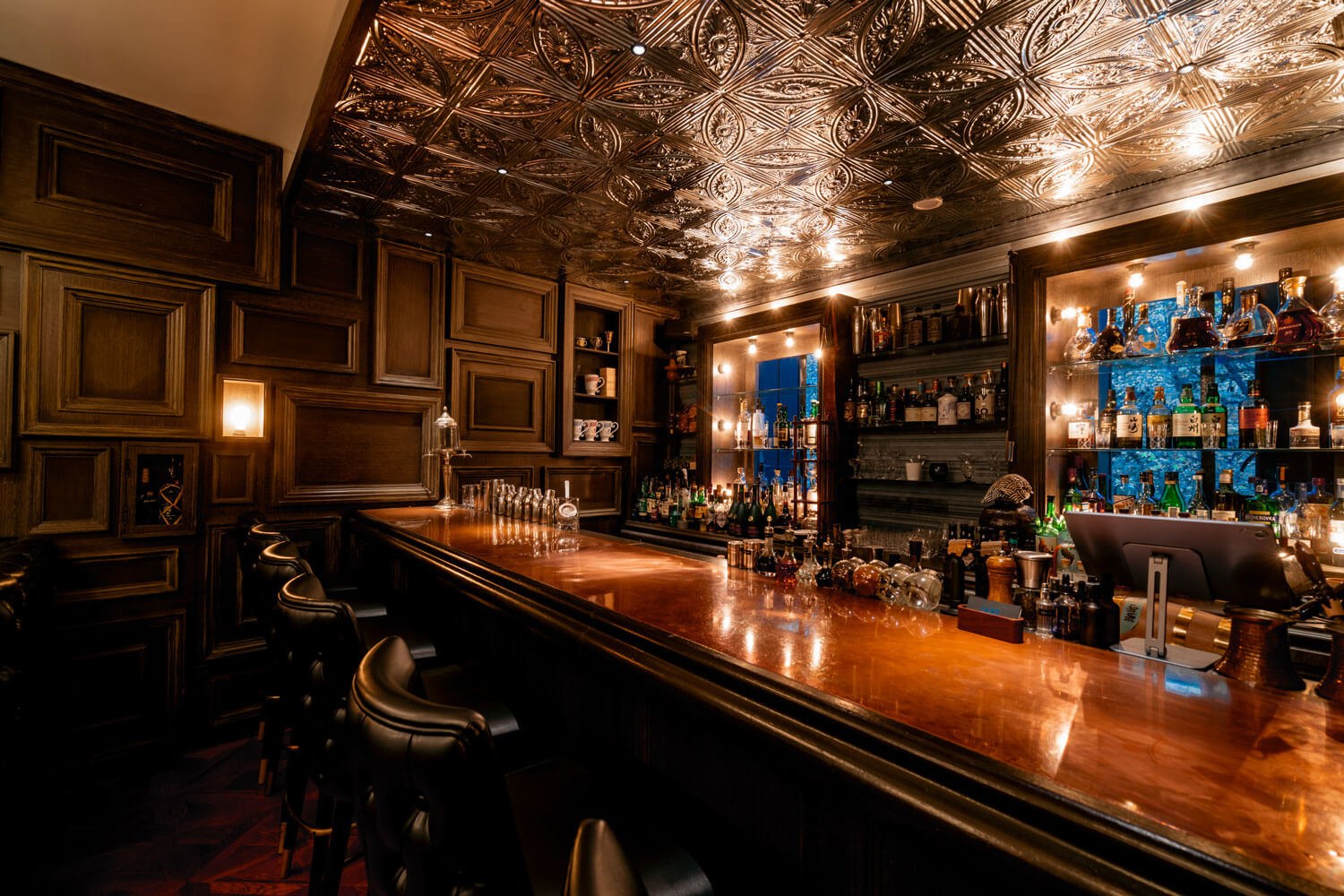
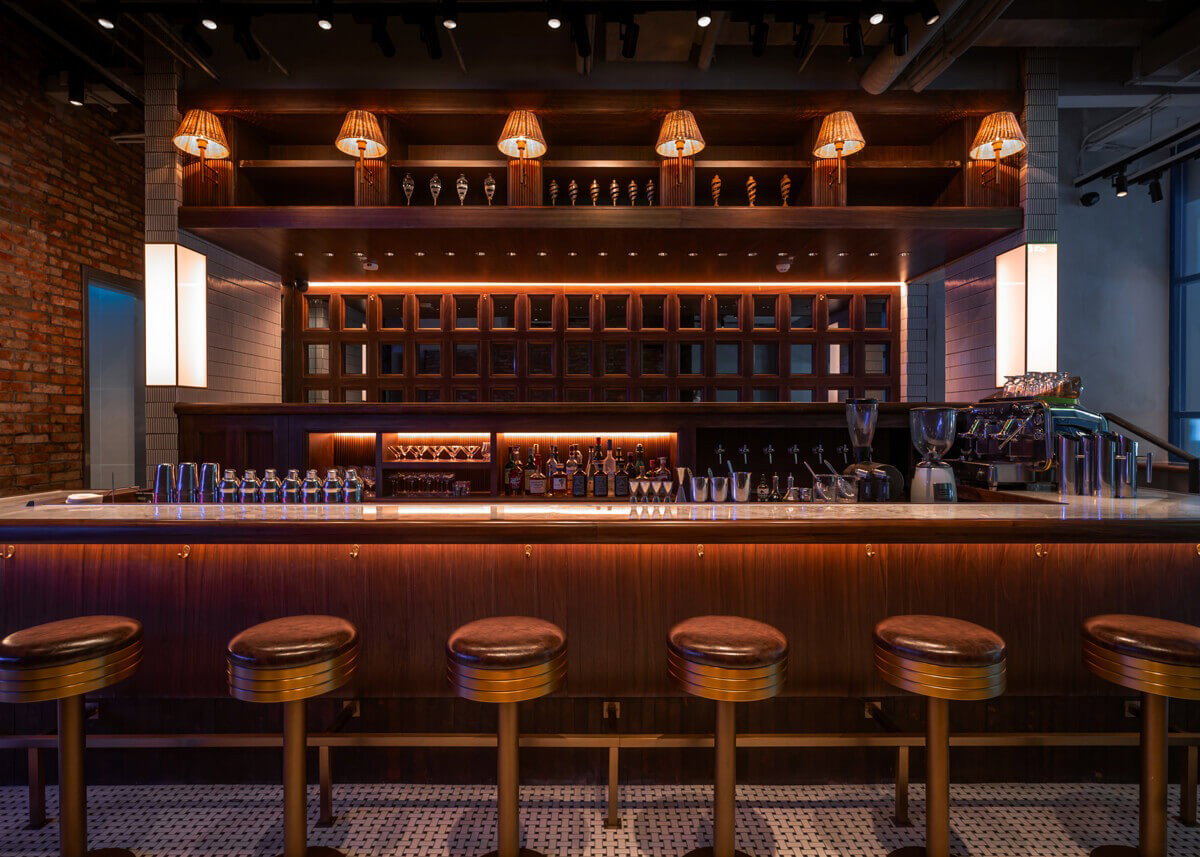
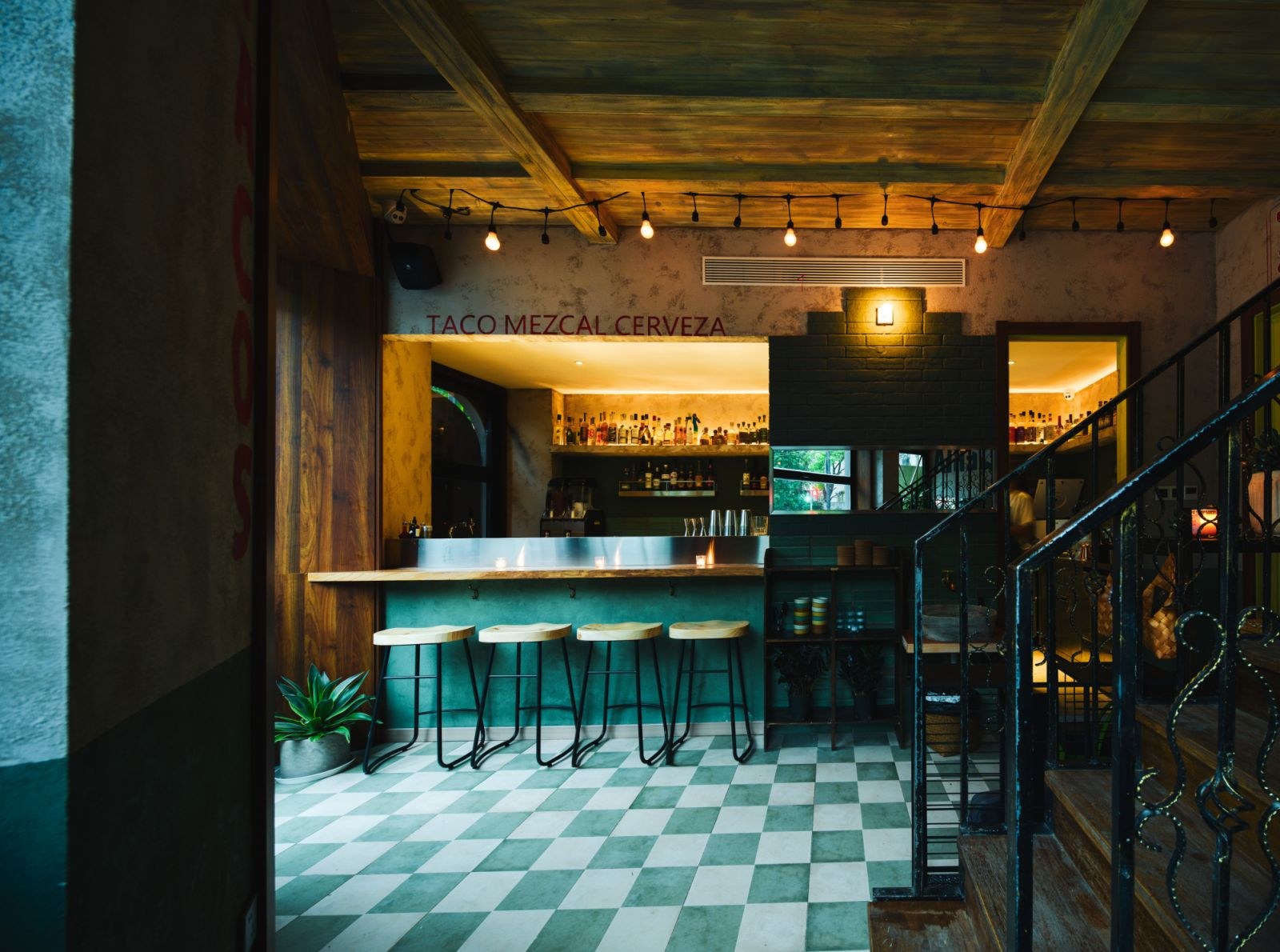
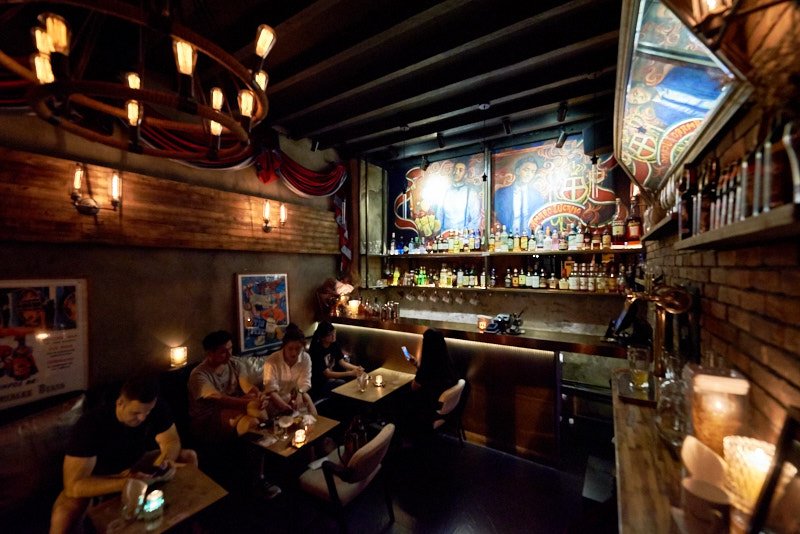
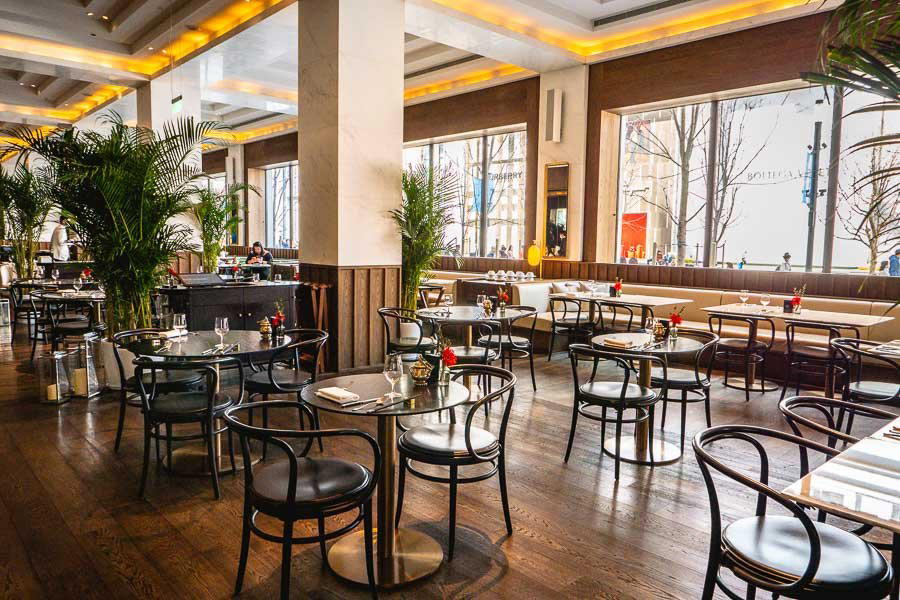
The Shanghai EDITION presents itself as a thought-out urban lounge where design guides the guest experience. The lobby deliberately reads as a lounge rather than a conventional check-in hall: a fireplace anchors one end, a pool table sits near relaxed seating, and a monumental light installation by Eric Schmitt draws the eye upward. That composition creates a decompressive, warm social space that welcomes both arrivals and passersby. Across its bars, restaurants and social rooms the hotel applies the same considered logic, making the property feel like a hospitable, design-forward destination rather than a purely transient stop.
Best For
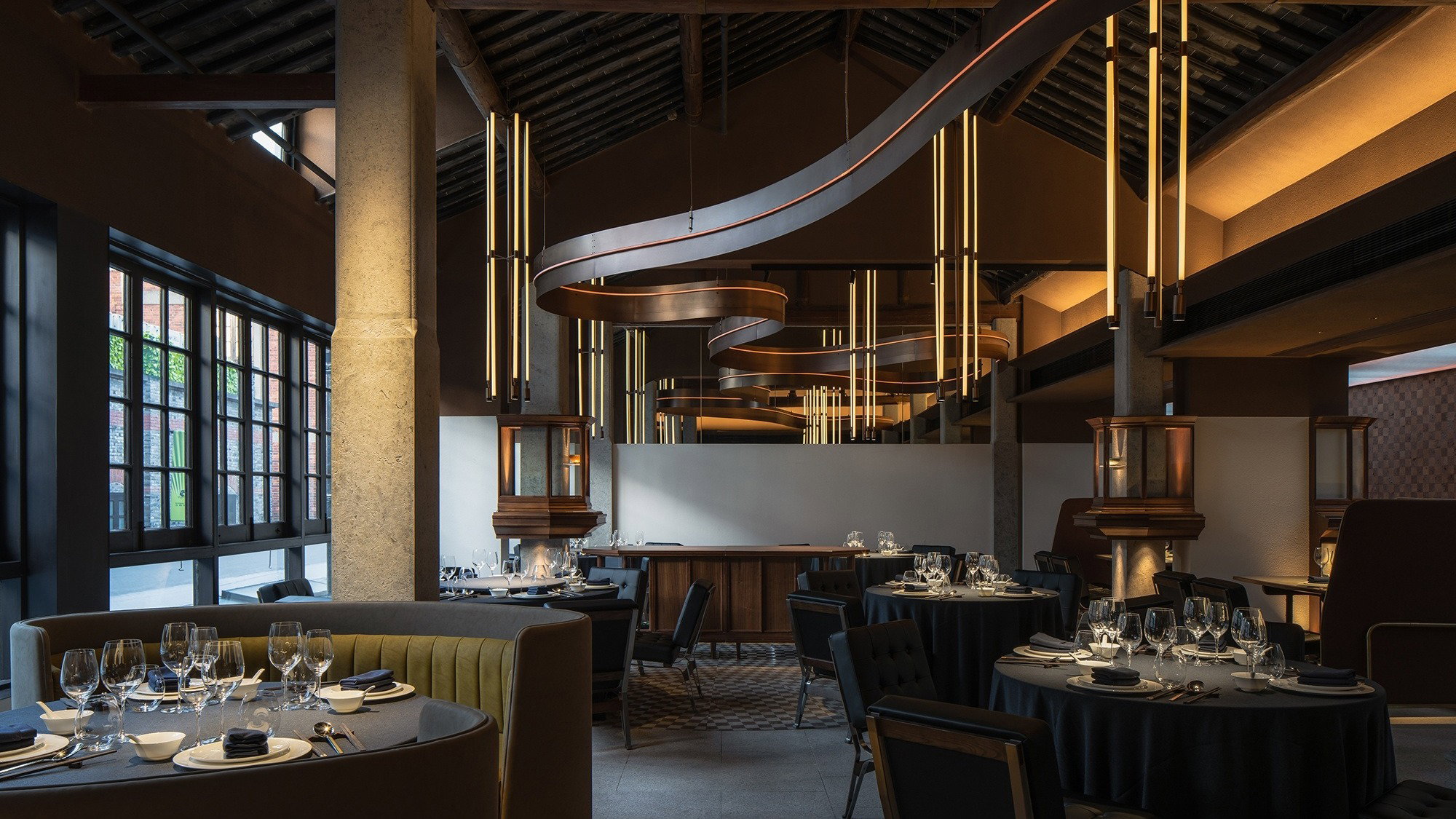
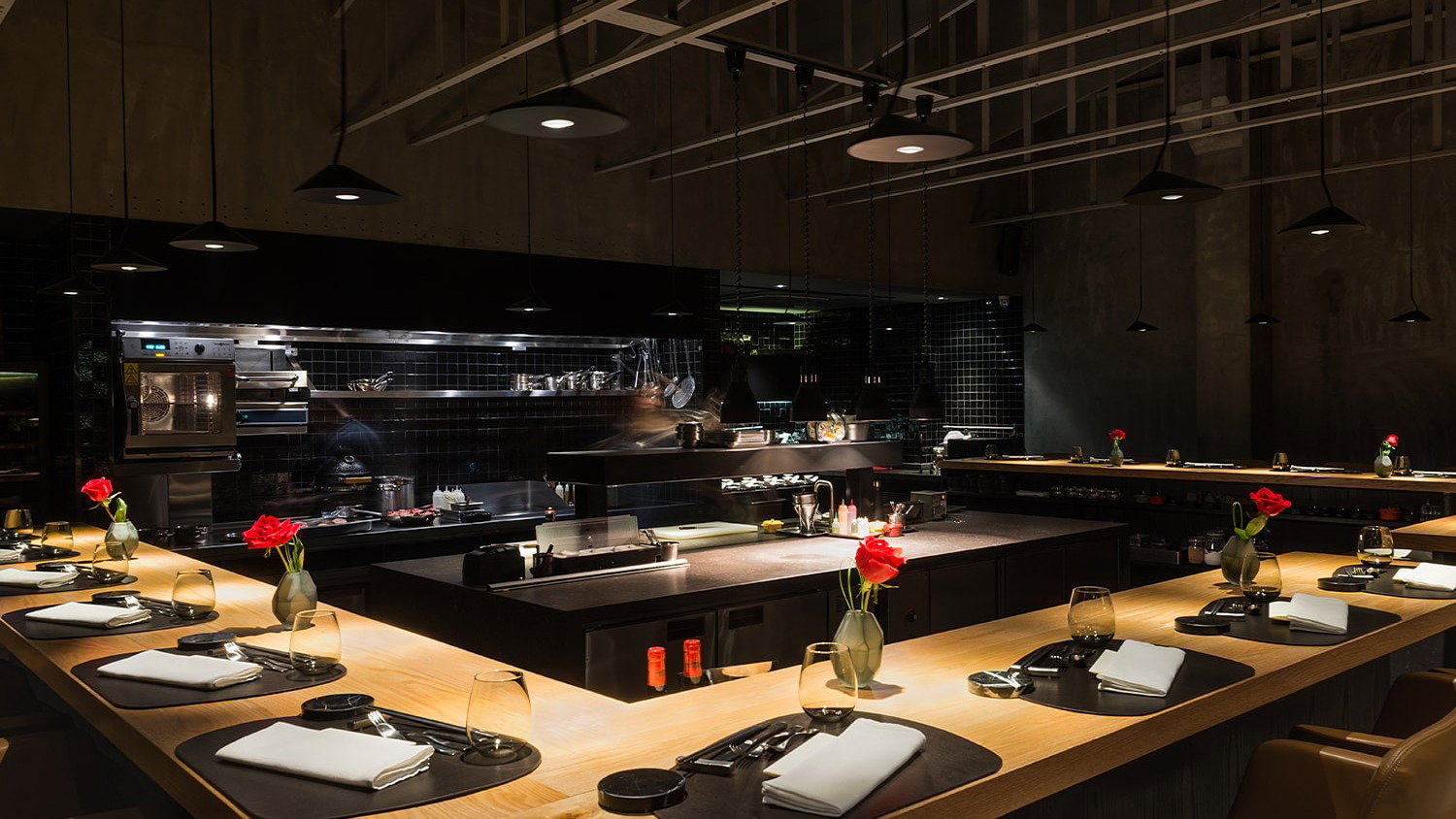
The hotel functions equally well for arrivals, departures and the hours between: the lobby bar is an accessible, ground-floor touchpoint that engages with street energy and local life. With three distinct venues calibrated for different registers of occasion, the property rewards exploration—appropriate for guests seeking after-work drinks, casual meetups, or a reliable hotel base that also serves as a local-facing dining and drinking destination. The La Liste recognition underscores consistent quality across departments, which makes the hotel a dependable choice for visitors who value both hospitality and strong food-and-beverage offerings.
Venue details
Ambiance
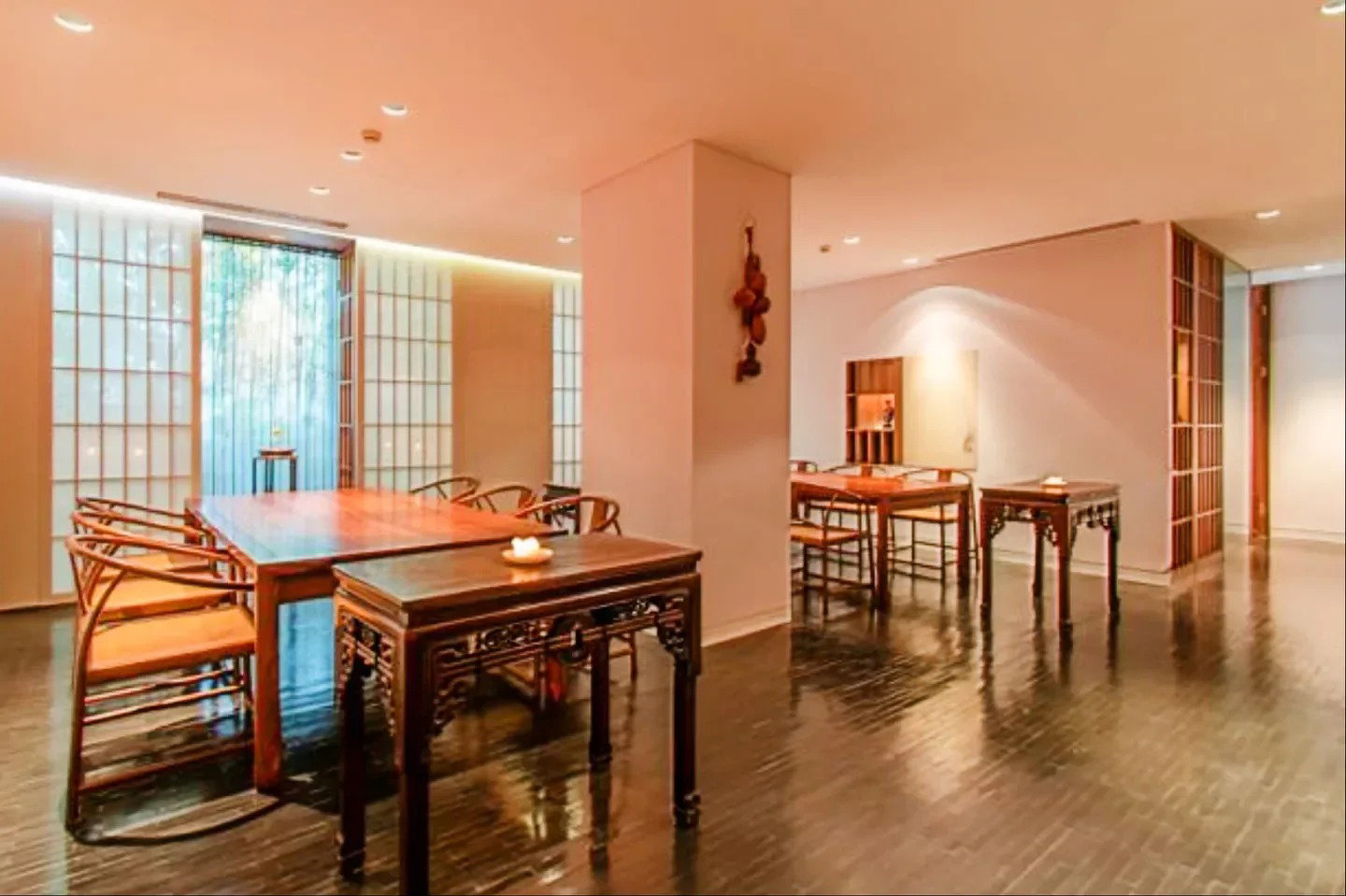
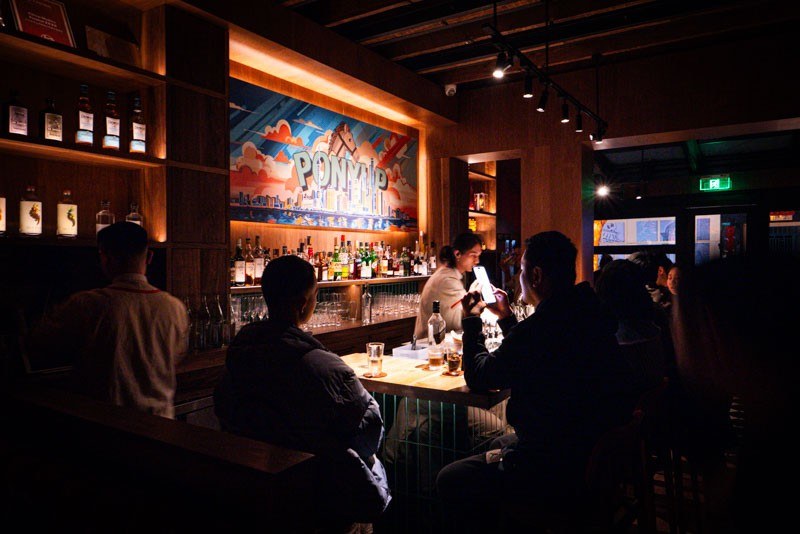
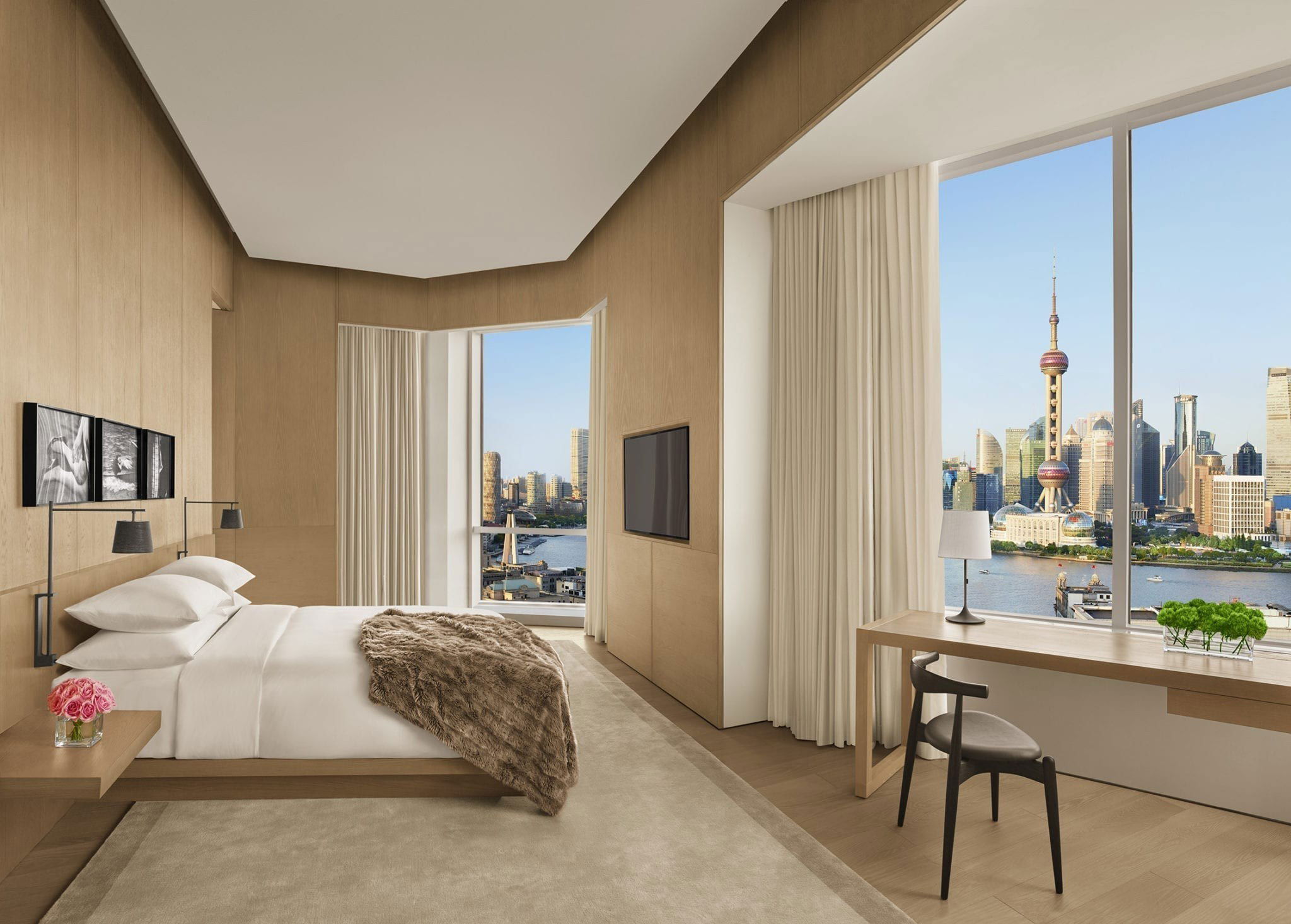
Sophisticated and elegant with warm lighting, light oak interiors, and an intimate yet vibrant atmosphere.
Tags
Vibe
Best For
Experience
Amenities
View
Accessibility
About the Stay
- Rooms
- 145
- Property Style
- Urban Luxury Retreat in Historic Art Deco Building with Postmodern Tower.
- Design Style
- Minimalist Modern with Light Oak, Black and White Photography, and Le Labo Amenities.
Know before you go
Know Before You Go
- Getting there
- 199 Nanjing Road East, Huangpu, Shanghai, 上海市200002
Planning details
Location
199 Nanjing Road East, Huangpu, Shanghai, 上海市200002 · Directions
Recognition and awards


Also consider
Where to look if dates do not work
If The Shanghai EDITION is unavailable, check Bvlgari Hotel Shanghai first for a similarly design-led luxury stay. For a more classic Shanghai occasion, move to The Peninsula Shanghai or Fairmont Peace Hotel.
Hotel context
How it compares in Shanghai
The Shanghai EDITION is the stronger pick for travelers who want central Huangpu access with a contemporary hotel mood. Nan Jing Dong Lu is the practical location cross-shop, but this hotel carries stronger third-party recognition for a luxury stay.
For Bund atmosphere, Fairmont Peace Hotel, The Peninsula Shanghai, and Waldorf Astoria Shanghai on the Bund make more sense. Pick those when the trip is about riverfront grandeur or a more formal Shanghai setting; pick The Shanghai EDITION when the schedule rewards a central commercial base.
Bvlgari Hotel Shanghai is the sharper cross-shop for design-led luxury. If availability is difficult at The Shanghai EDITION, Bvlgari is the first alternative to check for a high-style stay, while the Bund hotels are better for heritage-led occasions.
Explore Shanghai
Around this place
Discover more on Pearl
Unlock the full The Shanghai EDITION guide in Pearl, including awards, comparisons, FAQs, planning details, and nearby places.
Compare The Shanghai EDITION
| Venue | Location | Awards |
|---|---|---|
| The Shanghai EDITION | Shanghai | 2026 Forbes Recommended2026 La Liste Top Hotels2026 Michelin 1 Key2025 Michelin Selected Hotels2025 Forbes Recommended |
| Nan Jing Dong Lu | Shanghai | No published awards |
| Fairmont Peace Hotel | Shanghai | 2026 Forbes 4-Star2026 Virtuoso Luxury Hotel Collection2026 La Liste Top Hotels2025 Michelin Selected Hotels2025 Forbes 4-Star |
| The Peninsula Shanghai | Shanghai | 2026 World’s 50 Best Hotels 51-100 · #992026 Virtuoso Luxury Hotel Collection2026 Forbes 5-Star2026 La Liste Top Hotels2026 Michelin 2 KeysTatler Best Hotels Asia-Pacific 20252025 Forbes 5-Star2025 Michelin 2 Keys |
| Waldorf Astoria Shanghai on the Bund | Shanghai | 2026 Forbes 4-Star2026 Virtuoso Luxury Hotel Collection2026 La Liste Top Hotels2026 Michelin 1 KeyWorld Travel Awards 20252025 Michelin Selected Hotels2025 Forbes 4-Star |
| Bvlgari Hotel Shanghai | Shanghai | 2026 Forbes 5-Star2026 Virtuoso Luxury Hotel Collection2026 La Liste Top Hotels2026 Michelin 2 Keys2025 Forbes 5-Star2025 Michelin 2 Keys |







How The Shanghai EDITION, Shanghai compares with similar nearby venues.
FAQ
Frequently Asked Questions
How is the location of The Shanghai EDITION?
The Shanghai EDITION is in Shanghai. If street, district, or landmark proximity matters, check the current hotel details before comparing it with other options.
Is The Shanghai EDITION family-friendly?
When is the best time to book The Shanghai EDITION?
If your dates are important, compare rates and availability for The Shanghai EDITION and other Shanghai hotels before committing.
Do loyalty programs work at The Shanghai EDITION?
Check loyalty-program details directly before booking. The Shanghai EDITION is Forbes Recommended (2026), La Liste Top Hotels (2026) with 91 points, and MICHELIN Guide, Hotels Selected (2025).
How does The Shanghai EDITION compare to other hotels?
Use the key signals first: The Shanghai EDITION is a Shanghai hotel with smart casual dress expectations and recognition from La Liste, Forbes, and the MICHELIN Guide hotel selection. Other Shanghai comparisons include Fairmont Peace Hotel, The Peninsula Shanghai, Waldorf Astoria Shanghai on the Bund, Bvlgari Hotel Shanghai, and Nan Jing Dong Lu.
How is the dining at The Shanghai EDITION?
If restaurants are central to your trip, check the hotel’s current dining venues, cuisine, menu format, and service details directly, and compare them with other Shanghai dining options.
Is The Shanghai EDITION good for business travel?
It may be relevant for a Shanghai business trip. If business facilities, meeting access, or transport advantages matter, confirm those details directly before booking. The main decision points are the Shanghai location, smart casual dress code, and third-party hotel recognitions.