

Hotel in Shanghai, China
Upper House Shanghai
725Pearl PointsQuiet luxury base




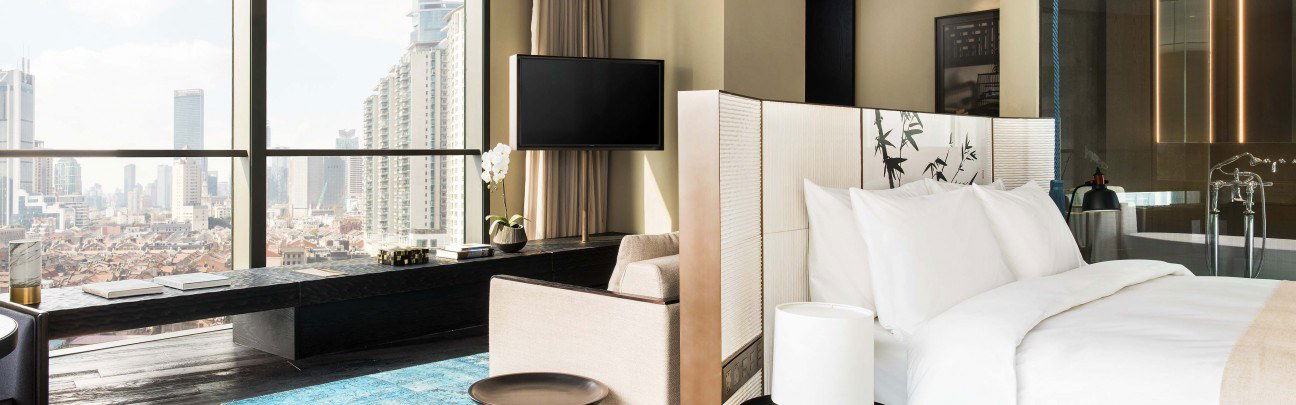
About Upper House Shanghai
Upper House Shanghai is worth prioritizing if you want a polished Jing'an luxury base with serious hotel recognition rather than a scene-heavy stay. The case is strongest for repeat Shanghai visitors, business travelers, couples who value calm, central access, a credible wine-and-service signal over a resort-style amenity checklist.
For Upper House Shanghai, the verified booking case is direct: it is a hotel option in Shanghai with a smart casual dress code and a set of confirmed third-party recognitions. Use it as a Shanghai base when the priority is a recognized hotel stay rather than a page built around unverified details such as a specific neighborhood, address, amenity list, room count, or service format.
The strongest grounded reason to consider it is the credibility stack. A MICHELIN Guide Hotels 1 Key in 2025, Forbes 4-Star recognition in 2026, Virtuoso Luxury Hotel Partner status in 2026, Mr & Mrs Smith Seal of Approval in 2026, Star Wine List recognition in 2026 place Upper House Shanghai among the more clearly recognized hotel options in the city. Those signals are useful if you are comparing stays and want confirmed external markers rather than relying on atmosphere claims alone.
Book it for a composed Shanghai stay, not for an unverified checklist
The safest way to judge Upper House Shanghai is by what is confirmed: the venue is in Shanghai, the dress code is smart casual, the hotel has several named recognitions. Specific claims about facilities, room categories, service style, location details, prices, or seasonal booking pressure are not verified here, so they should not be the basis for the decision.
For broader trip planning, pair this hotel decision with restaurants from Pearl's Shanghai restaurants guide, hotel cross-shopping via Pearl's Shanghai hotels guide, and later drinks through Pearl's Shanghai bars guide. Star Wine List recognition is a confirmed signal for Upper House Shanghai, but the stay should still be evaluated as a hotel choice rather than reduced to any single dining or beverage claim.
Who should choose it over other Shanghai hotel options
Choose Upper House Shanghai if the priority is a Shanghai hotel with confirmed recognition and a smart casual setting. When comparing alternatives, consider The Middle House, Cachet Boutique Shanghai, The Sukhothai Shanghai, JW Marriott Hotel Shanghai at Tomorrow Square, Alila Shanghai as other Shanghai hotel options to review against your budget, preferred area within the city, booking needs.
Dress: smart casual is the confirmed dress code. Budget: compare against live rates before deciding. Timing: choose dates based on your Shanghai itinerary rather than any unverified seasonal claim. Good for: travelers who want a recognized Shanghai hotel and are cross-shopping other stays in the city.
Frequently Asked Questions
How is the pool and spa at Upper House Shanghai?
Specific pool and spa details are not verified here. The stronger confirmed case for Upper House Shanghai is its Shanghai setting, smart casual dress code, MICHELIN Guide Hotels 1 Key recognition in 2025, Forbes 4-Star recognition in 2026.
Which room category is best at Upper House Shanghai?
Specific room categories are not verified here, so choose based on the live booking details, rate, space needs shown at the time of reservation. The confirmed information supports Upper House Shanghai as a recognized hotel option in Shanghai, but not a specific room recommendation.
What is Upper House Shanghai known for?
Upper House Shanghai is known here for confirmed recognition including MICHELIN Guide Hotels 1 Key in 2025, Forbes 4-Star in 2026, Virtuoso Luxury Hotel Partner status in 2026, Mr & Mrs Smith Seal of Approval in 2026, Star Wine List recognition in 2026.
Where is Upper House Shanghai located?
Upper House Shanghai is located in Shanghai.
Location
No. 366 Shi Men Yi Road, Jing’an
Shanghai, China
Compare Upper House Shanghai
How it compares in Shanghai
Upper House Shanghai sits in the higher-confidence luxury lane because its recognition cuts across hotel guides, luxury travel networks, wine-list credibility. That makes it a safer splurge than a boutique pick when service reliability matters.
The Middle House is the natural alternative for a more design-forward, social stay. Cachet Boutique Shanghai is the leaner value play. The Sukhothai Shanghai suits travelers who want a softer wellness emphasis, while JW Marriott Hotel Shanghai at Tomorrow Square works better for guests who prefer a larger international format. Alila Shanghai is worth comparing for a contemporary atmosphere.
Where to look if this is full
If Upper House Shanghai is unavailable, try The Middle House for a similar central-luxury conversation with a more social design mood. For a quieter wellness-leaning alternative, compare The Sukhothai Shanghai.
How it compares in Shanghai
Upper House Shanghai is the stronger pick if the brief is calm luxury in Jing'an with hard-to-ignore recognition: MICHELIN Guide Hotels 1 Key, Forbes 4-Star, Virtuoso, Mr & Mrs Smith, Star Wine List signals all point to a more polished stay than a basic boutique option. Cachet Boutique Shanghai is the value-minded alternative if location matters more than a deep luxury-service layer.
The Middle House is the closer cross-shop for travelers who want a sharper lifestyle feel and a more social hotel mood. The Sukhothai Shanghai is the better comparison for a softer, wellness-leaning city stay. If booking difficulty becomes the issue, JW Marriott Hotel Shanghai at Tomorrow Square may be easier to rationalize for travelers who value a larger international-hotel format.
Alila Shanghai is the peer to check when the decision is more about contemporary atmosphere than classic luxury cues. For a repeat Shanghai trip, Upper House Shanghai makes the most sense when Jing'an access, recognition, a quieter stay outweigh the need for a bigger brand footprint or a lower nightly rate.
Recognized By


Explore Shanghai
Save or rate Upper House Shanghai on Pearl
Keep this venue in your Pearl passport, rate it after you visit, and track it alongside every other place you collect.